Garden Blog - Top Tropicals

Date: 21 May 2026

Rare Pineapple that looks like a sunset and thrives on neglect
Rare Pineapple that looks like a sunset and thrives on neglect Rare Pineapple that looks like a sunset and thrives on neglect Rare Pineapple that looks like a sunset and thrives on neglect
🌅 Rare Pineapple that looks like a sunset and thrives on neglect


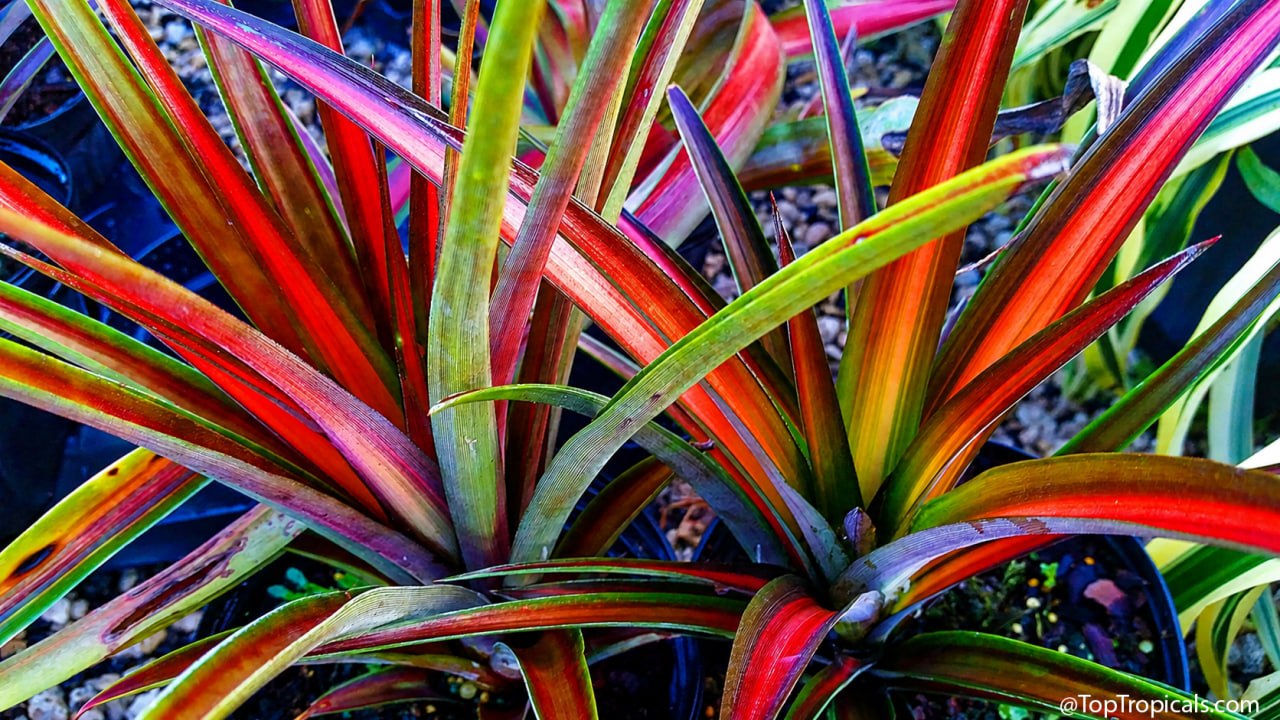
Forget plain green plants - this pineapple looks like a tropical sunset! One look at Pineapple Lava Burst and you immediately understand why people stop and stare. This isn't your typical pineapple plant hiding quietly in the background; the leaves explode with shades of burgundy, pink, cream, green, and bronze, often changing intensity depending on sunlight and temperature. Even gardeners who don't normally collect bromeliads suddenly want one after seeing it in person.

Pineapple Plant Facts

Botanical name: Ananas comosus
Also known as: Pineapple, Pina
USDA Zone: 9 - 11
Highligths Small plant 2-5 ftSemi-shadeFull sunWatering: Moderate. Water when top soil feels dryOrnamental foliageThorny or spinyEdible plantSubtropical plant. Mature plant cold hardy at least to 30s F for a short time
Get personalized tips for your region


🍍 A pineapple plant that acts like living artwork


Pineapple Lava Burst belongs to the same plant family as bromeliads, and it definitely inherited the dramatic side of the family. The long arching leaves create a fountain-like shape, while the bold variegation gives the plant a painted appearance. In bright light, the burgundy and pink tones become especially intense, making the whole plant glow with tropical color.

Unlike many ornamental plants that only shine during bloom season, Lava Burst stays visually interesting year-round. Even without fruit, it looks like a centerpiece.

🍍 Yes - it actually produces a pineapple


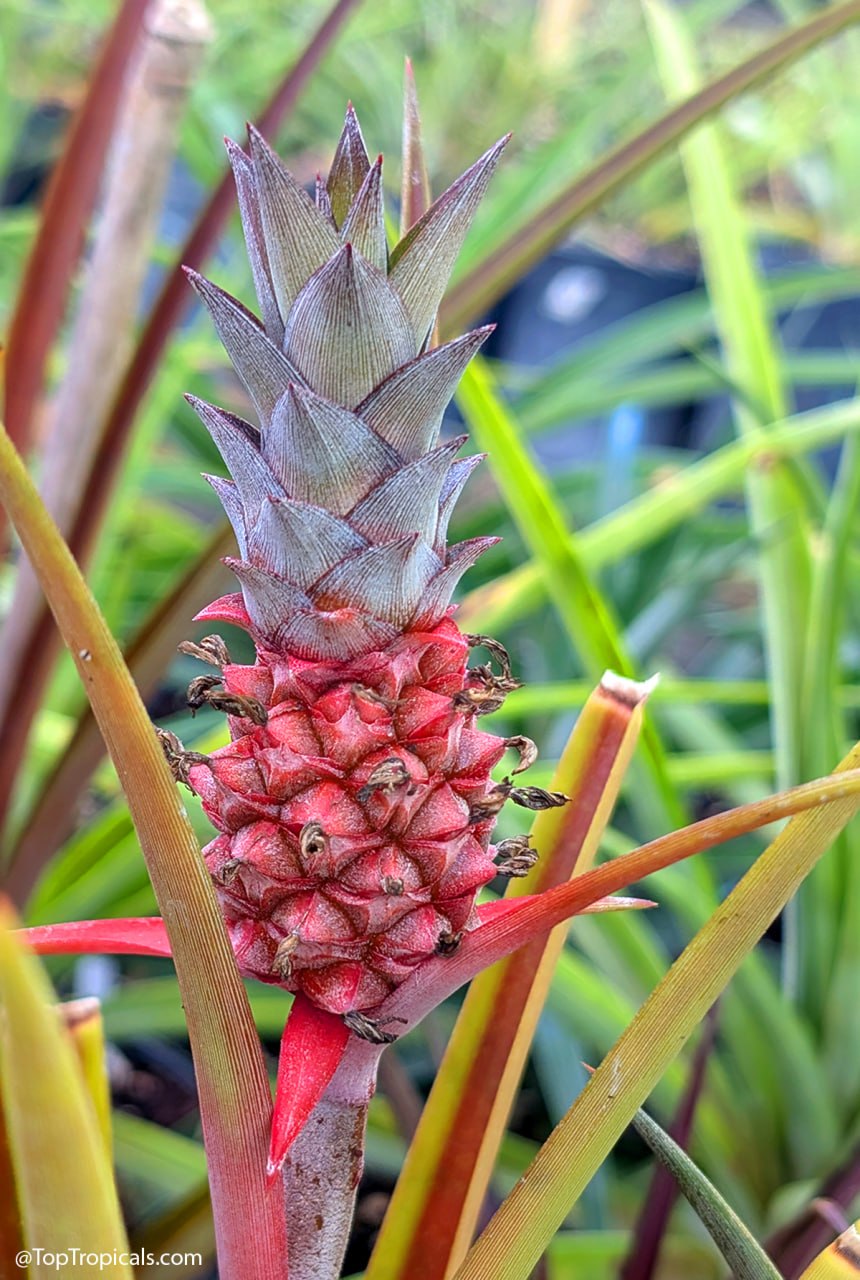
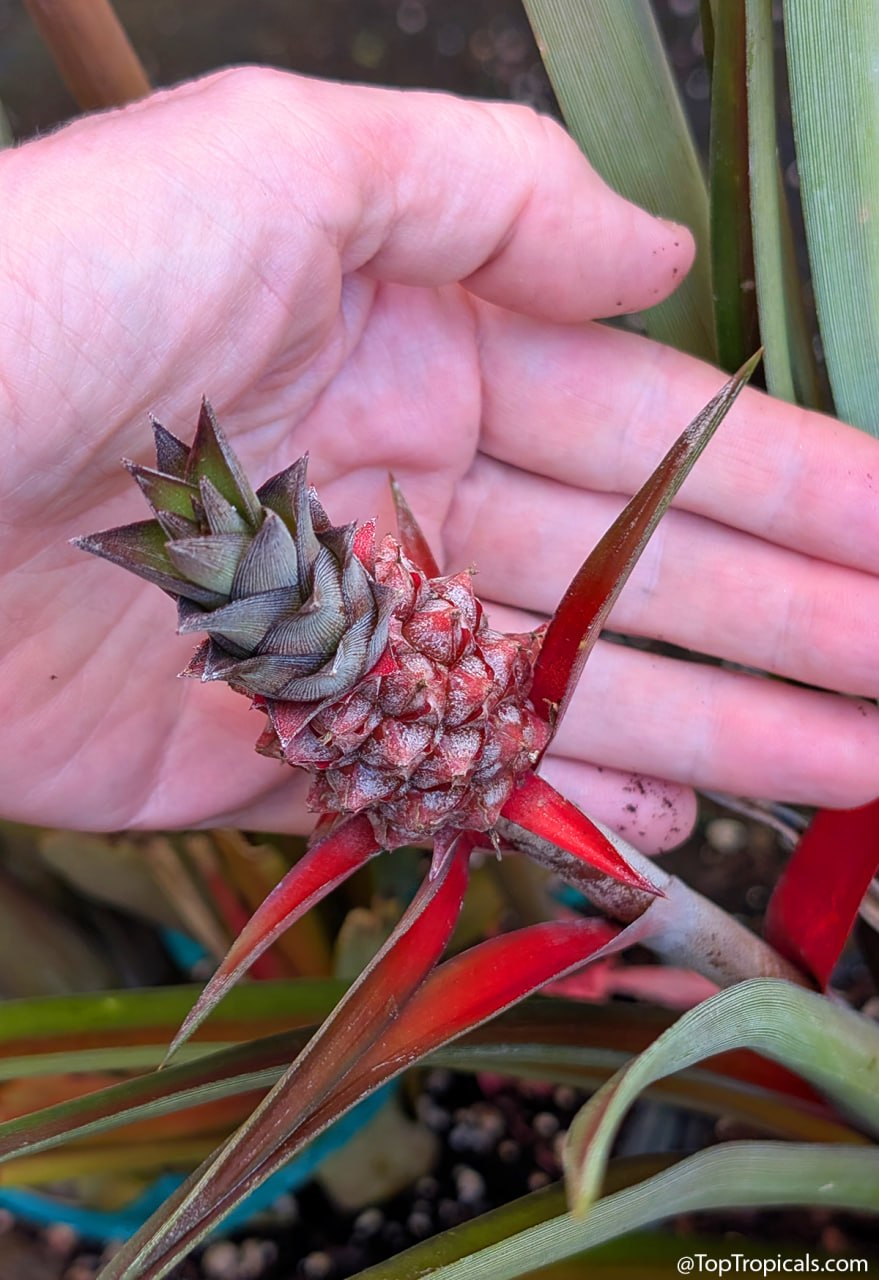
One of the fun surprises about Lava Burst is that it does produce a real edible pineapple. The fruit is usually smaller than grocery store pineapples, but that’s not really the point. When the colorful fruit forms in the center, the plant becomes a tropical sculpture - a combination of striped foliage and bright fruit that looks like it belongs in a botanical garden rather than a typical backyard.

🍍 Pro-Grower Tips for Success


  • 👌 Color Intensity: To get the most "lava" out of your plant, give it plenty of light. Increased UV exposure is the physiological trigger for anthocyanin production - the pigment responsible for those deep red and pink tones. If your plant is looking a bit green, it’s likely asking for a sunnier spot.
  • 👌 Cold Hardiness & Protection: While these thrive in the heat, they are sensitive to frost. After the recent 25°F freezes we’ve seen in Florida, remember that these are the perfect "mobile" plants. Because they handle containers so well, you can easily move them into a garage or indoors during a cold snap to protect the foliage from burn.
  • 👌 Fertilizing for Vibrancy: To keep the variegation crisp and the colors saturated, use a high-quality micro-element fertilizer - SUNSHINE Ananas - Pineapple and Bromeliad Booster with every watering. During active growth season, a gentle application of Green Magic provides the necessary nutrients to maintain plant health and color intensity without the risk of burning the delicate root system.


🍍 Surprisingly easy for a tropical-looking plant


Despite looking rare and complicated, ornamental pineapples are generally very manageable. Lava Burst likes warmth, bright light, and fast-draining soil. It handles containers extremely well, which makes it popular for patios, pool areas, lanais, and sunny windows indoors. Like many pineapple varieties, it dislikes soggy soil more than occasional dryness, making it much easier to grow than many fussy tropical foliage plants.

Its architectural shape also pairs beautifully with palms, crotons, cordylines, and other colorful tropical mainstays. Whether you have a sprawling poolside landscape or a small-space apartment garden, this plant brings a wow factor that is hard to beat.

🛒 Ready to add a burst of lava to your plant collection?
Check availability for Pineapple Lava Burst beyond traditional Pineapples

📚 Learn more:


Variegated Pineapple Lava Burst Rainbow in Plant Encyclopedia
What is the best pineapple to grow at home
What are the best varieties of Pineapples?
How we ate all pineapples from that ugly corner
The most luscious Hospitality Fruit: Pineapple
Three must-have fruit for every tropical garden

#Food_Forest #Container_Garden #Discover #Nature_Wonders

🟢 Join 👉 TopTropicals
Date: 18 May 2026

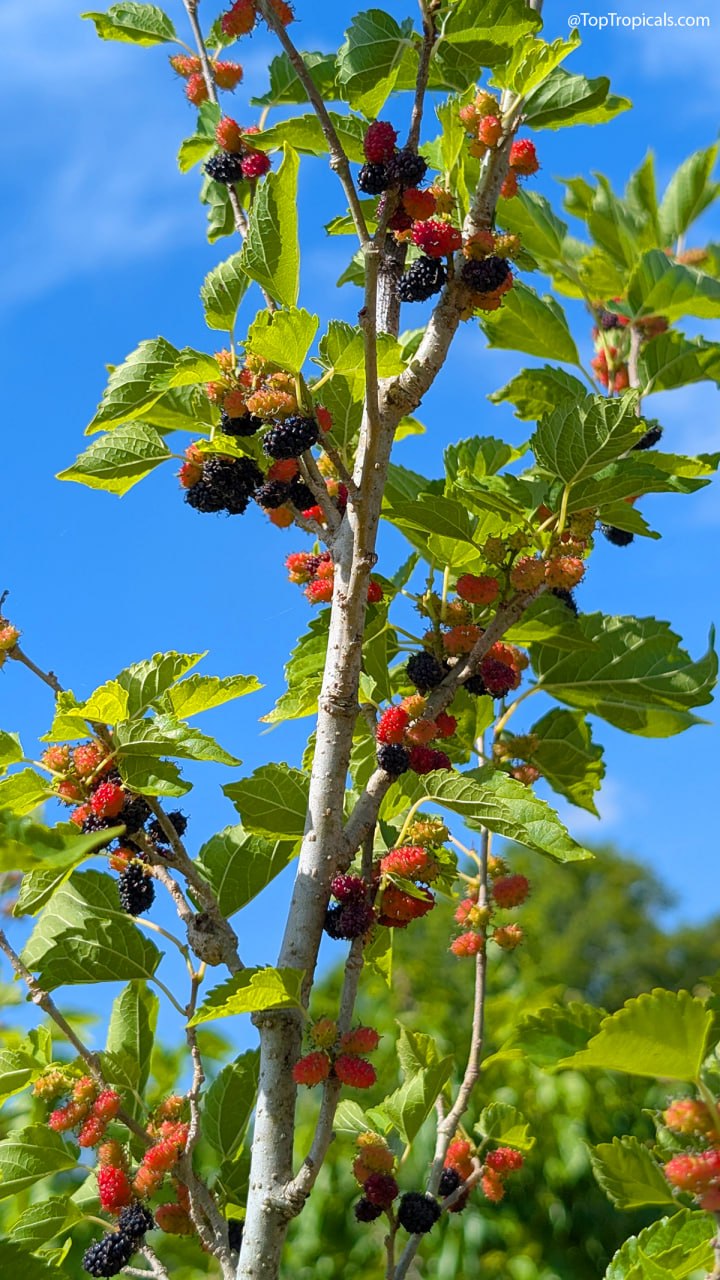
Want Massive Mulberry Harvests? Do These 5 Things Before May Ends

Want Massive Mulberry Harvests? Do These 5 Things Before May Ends Want Massive Mulberry Harvests? Do These 5 Things Before May Ends

🍇 Want Massive Mulberry Harvests? Do These 5 Things Before May Ends


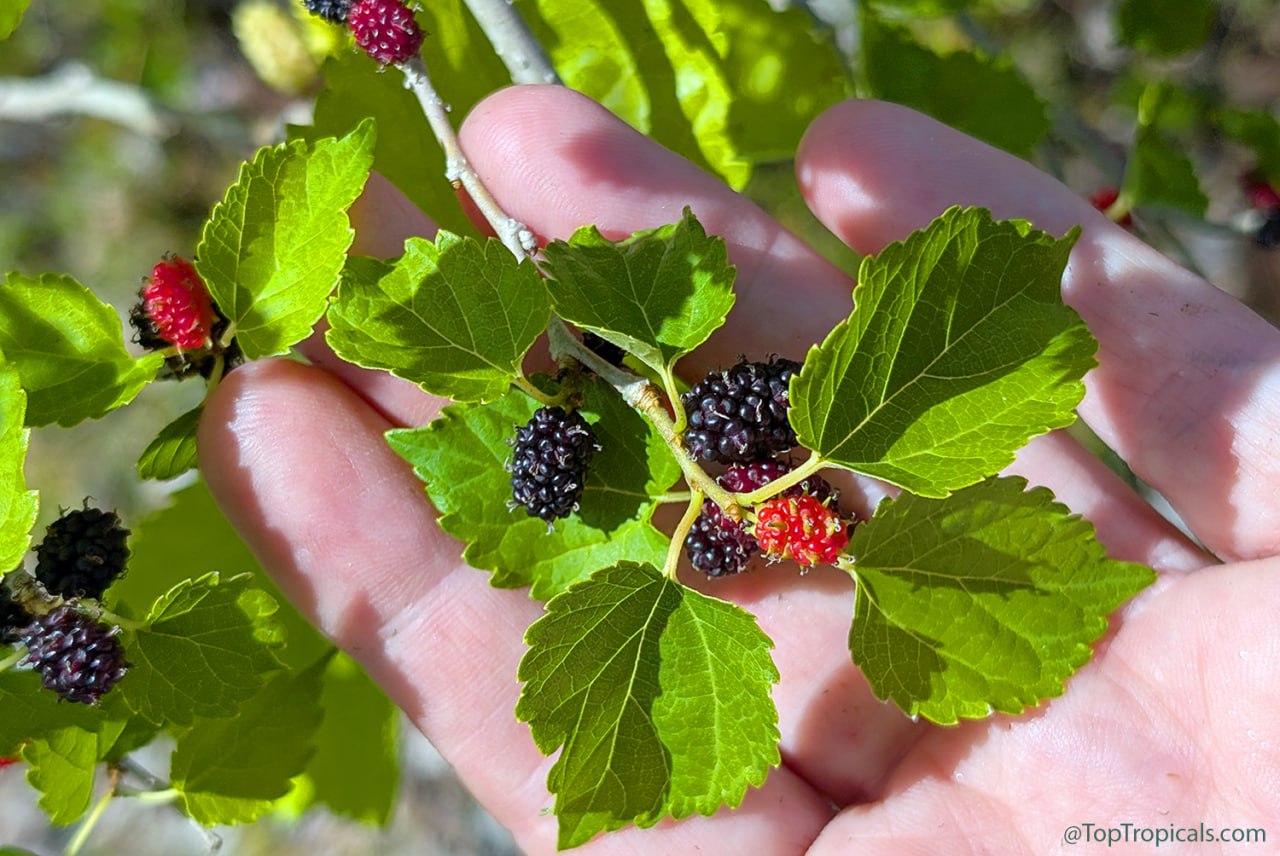
Don’t let your mulberry tree fool you. While they are incredibly low-maintenance, what you do in May dictates your summer harvest. Avoid these common mistakes for a bumper crop of juicy berries.

Mulberry trees are famously bulletproof, handling intense heat and pumping out massive crops with little care. But May is the month that decides it all. Right now, they are pouring energy into fruit development. A few simple mistakes this month can quietly sabotage your harvest.

Fortunately, maximizing your crop is easy if you follow these five simple rules:
  1. 1. The Deep Soak Rule
    While established mulberries tolerate drought, moisture stress causes them to drop young berries early. Drop the sprinkler—frequent, shallow watering only wets the surface. Instead, give the tree a slow, deep soak that penetrates the root zone. Check the soil two inches down; if it’s dry, water thoroughly.
  2. 2. Lock it in with Mulch
    Late spring heat evaporates soil moisture fast. Apply a 2-to-4-inch layer of pine bark or compost to keep roots cool and suppress weeds. Crucial rule: Leave a 4-inch gap around the base of the trunk. Piling mulch against the bark traps moisture and invites devastating fungal rot.
  3. 3. Don't Over-Fertilize
    Mulberries are naturally vigorous. If you feed them this month, use a balanced, slow-release organic plant food. Avoid high-nitrogen fertilizers. Excess nitrogen triggers a massive explosion of green leaves, causing the tree to completely forget to grow fruit.
  4. 4. Put the Pruning Shears Away
    Heavy spring pruning clips off active fruiting wood and decimates your harvest. Mulberries are also notorious "bleeders" - cutting now causes them to lose significant sap, stressing the tree during fruit set. Only remove dead or damaged wood. Save major shaping for winter dormancy.
  5. 5. Exploit the Softwood Cuttings Window
    Want more trees? May is prime time for softwood cuttings. Cut a few 6-inch flexible green stems, strip the lower leaves, dip in rooting hormone, and tuck into moist potting mix in partial shade. They root incredibly fast!

    Mulberry Plant Facts

    Botanical name: Morus sp.
    Also known as: Mulberry
    USDA Zone: 8 - 11
    Highligths Large tree taller than 20 ftSmall tree 10-20 ftFull sunWatering: Regular. Let topsoil dry slightlyEdible plant
    Get personalized tips for your region

    🛒
    Choose from Mulberry varieties


📚 Learn more:


Mulberry (Morus hybrids) in Plant Encyclopedia
Mulberry yogurt swirl: Quick-n-Fun exotic recipes
Why gardeners say this is the best Mulberry ever
What are the best Mulberry varieties

#Food_Forest #Discover #How_to

🟢 Join 👉 TopTropicals

Date: 16 May 2026

The anti-cucumber legend-2

The anti-cucumber legend-2
🍆The anti-cucumber legend-2

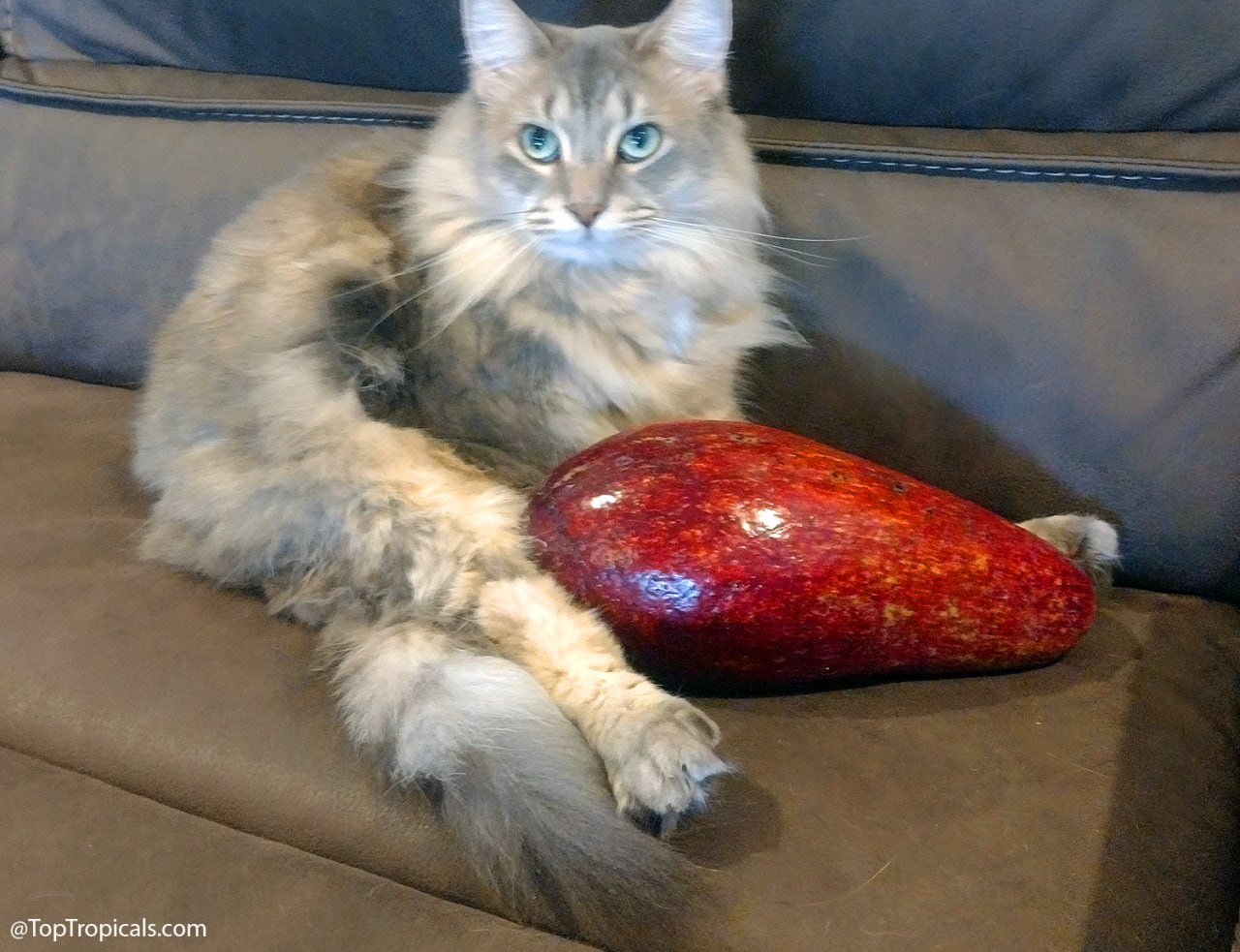
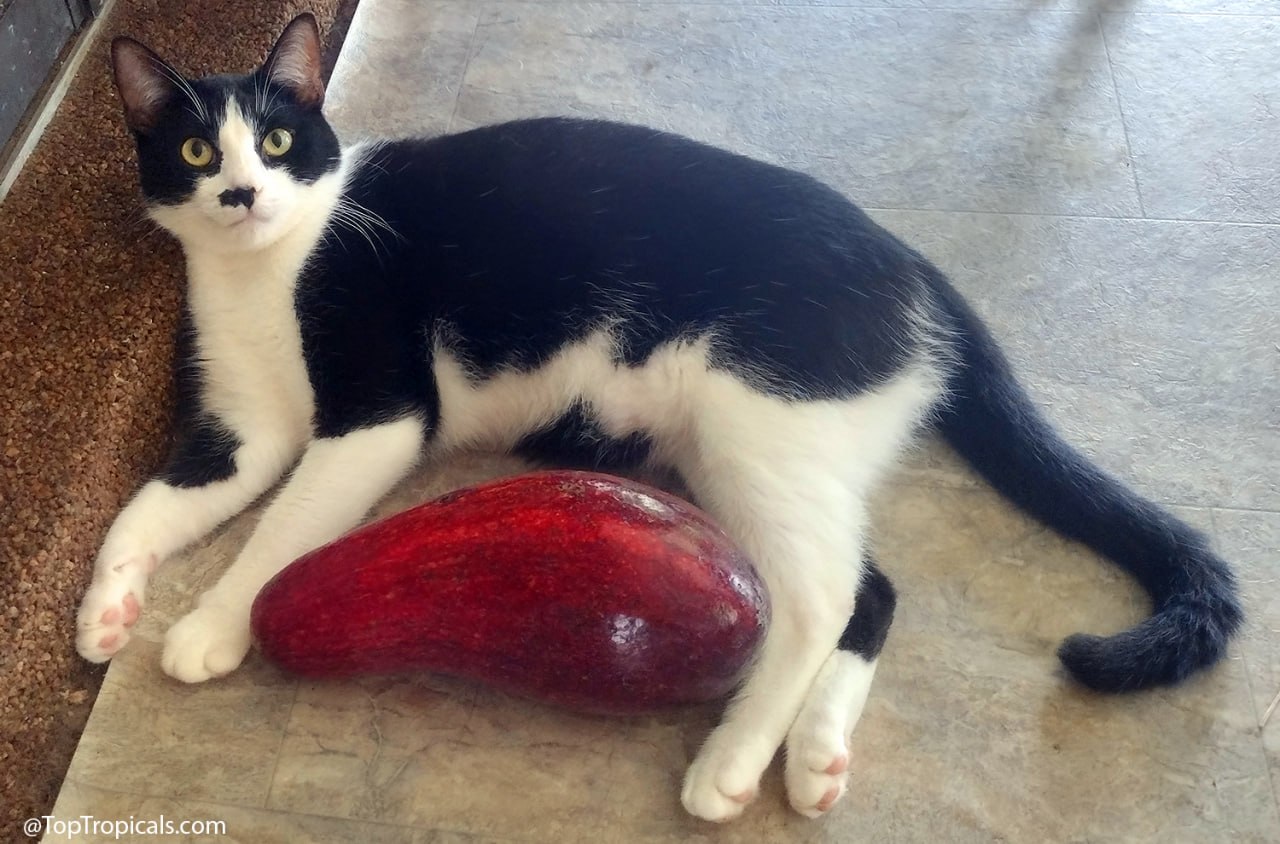
🐈📸 Cat Scooby followed Philemon's advice about Avocado Russel cucumber-stress-test at TopTropicals PeopleCats.Garden.

🛒 Explore Avocado varieties

#PeopleCats #Food_Forest

🟢 Join 👉 TopTropicals

Date: 16 May 2026

Jaboticaba skillet jam

Jaboticaba skillet jam Jaboticaba skillet jam
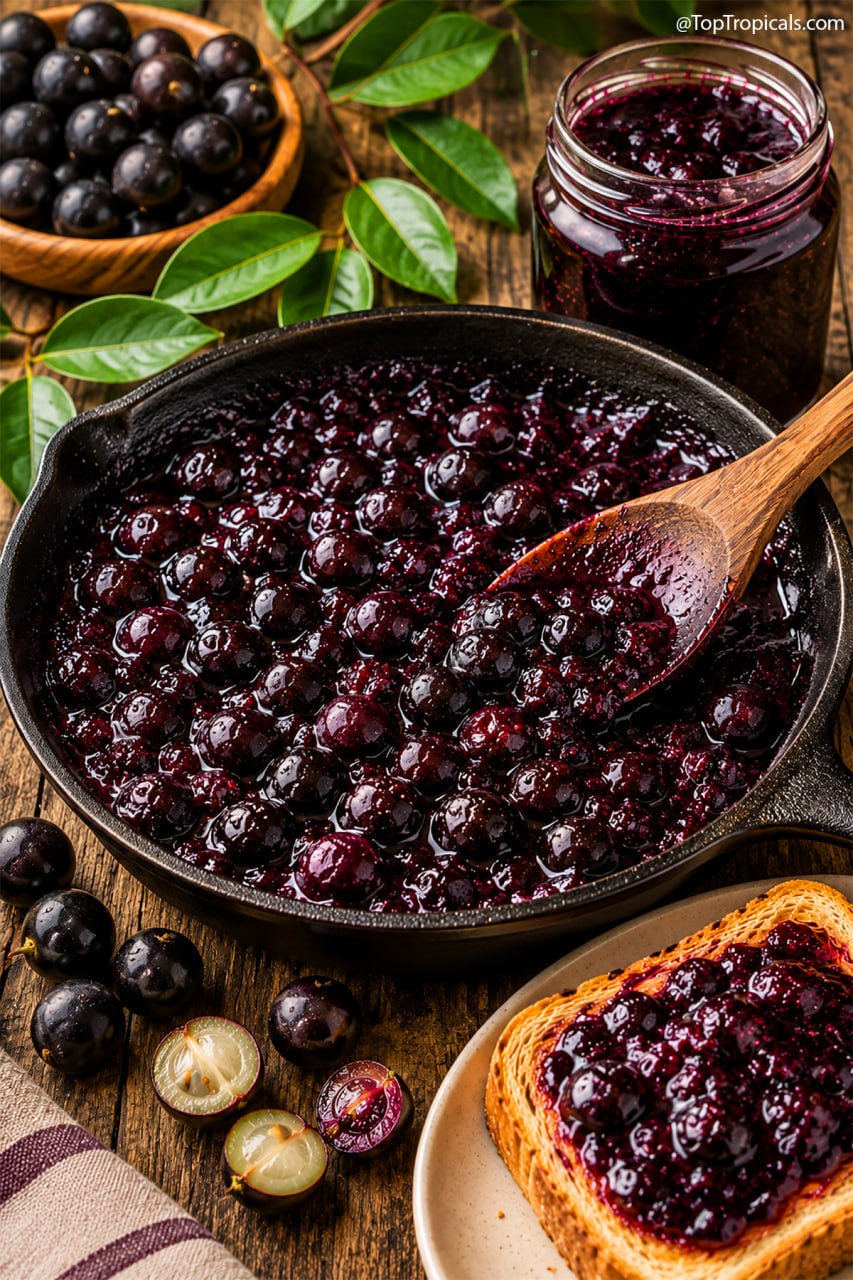
🍴 Jaboticaba skillet jam: quick-n-fun exotic recipes

🔵Add whole jaboticabas and a spoonful of sugar to a skillet over medium heat.
🔵Cook until the skins burst and the fruit releases its deep purple juice.
🔵Stir gently as the mixture thickens into a glossy jam.
🔵Spread warm over toast, biscuits, or even pancakes while still slightly syrupy.

🌿 About the plant:


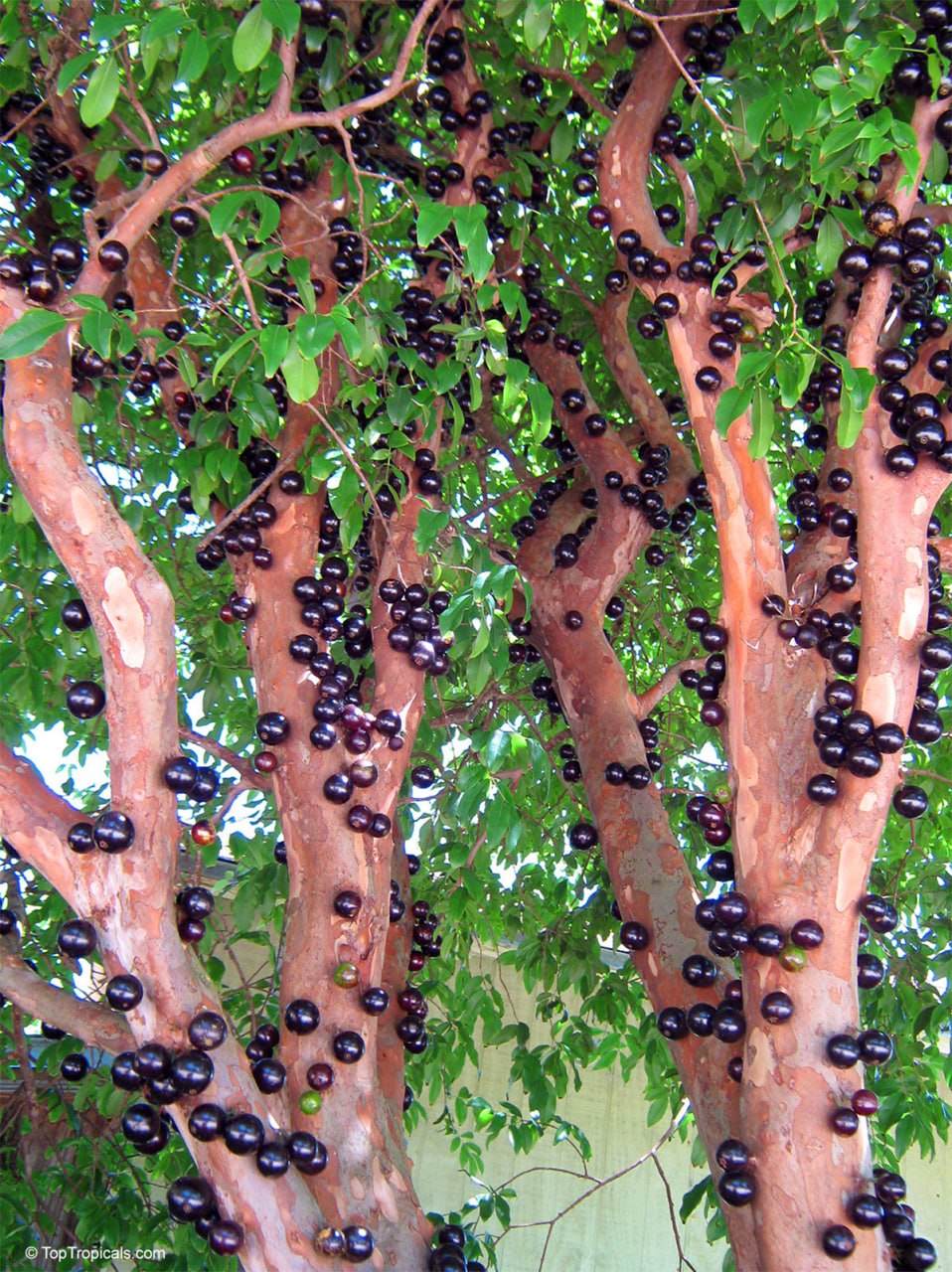
Jaboticaba, Plinia cauliflora, is famous for its cauliflorous habit - fruit forming directly on the trunk and older branches. During heavy fruiting, the bark can look almost studded with dark purple beads.

🏡 In the garden:


It prefers slightly acidic soil and steady moisture. Mulching helps maintain humidity around the roots. Though slow growing, it can fruit while still relatively small.

🛒 Plant Jaboticaba tree - while we have large size plants

📚 Learn more:


Jaboticaba (Myrciaria cauliflora) in Plant Encyclopedia

Jaboticaba Plant Facts

Botanical name: Myrciaria cauliflora, Plinia cauliflora, Eugenia cauliflora
Also known as: Jaboticaba, Duhat
USDA Zone: 9 - 11
Highligths Plant used for bonsaiSmall tree 10-20 ftFull sunKeep soil moistEdible plantSubtropical plant. Mature plant cold hardy at least to 30s F for a short timeFlood tolerant plant
Get personalized tips for your region


#Food_Forest #Recipes

🟢 Join 👉 TopTropicals

Date: 15 May 2026

The anti-cucumber legend

The anti-cucumber legend

Cucumber videos prepared me for this moment.
They said cats fear cucumbers?
You brought me an avocado.
Nice try.
Wrong vegetable.
Wrong cat.

"Cat Philemon stress testing an Avocado Red Russel at TopTropicals PeopleCats.Garden.

Explore Avocado varieties

#PeopleCats #Food_Forest

Join TopTropicals