Garden Blog - Top Tropicals

Date: 10 Feb 2026

Cold-hardy avocado varieties - what freezing they really survive
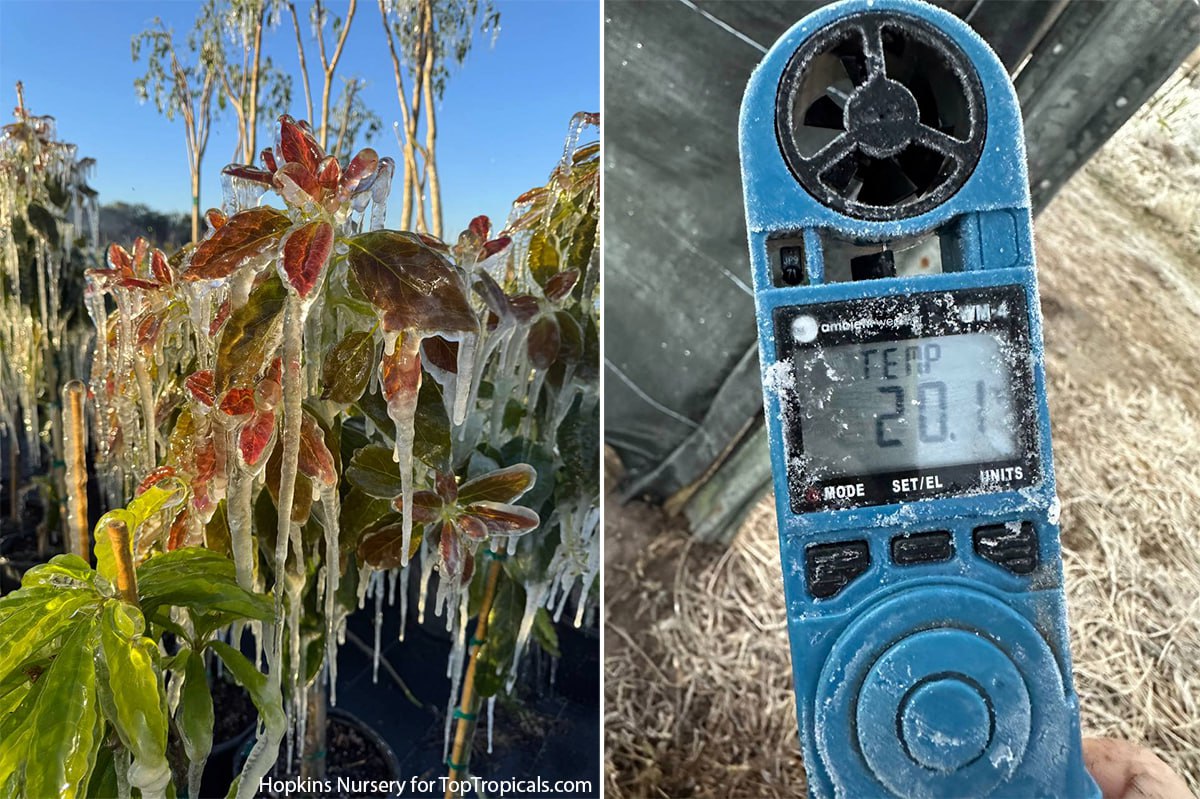
Avocado leaves covered with ice

Avocado leaves covered with ice

❄️ Cold-hardy avocado varieties - what freezing they really survive


Avocado trees are usually associated with warm, frost-free climates, so every winter freeze raises the same question - which avocados actually survive cold weather? After recent freeze events, interest spikes as gardeners look for real answers, not guesses. The truth is, avocado cold hardiness is not just about the lowest temperature. Duration, moisture, wind, and tree maturity matter just as much - sometimes more.
  • What cold hardiness really means for avocados


    Cold hardiness does not mean an avocado tree escapes winter untouched. It simply means the tree survives a freeze without being killed.
    Leaf burn, branch dieback, or temporary growth setbacks can still occur. Survival is the key distinction.
  • Cold tolerance is influenced by:


· Tree age and establishment. Young avocado trees are always more vulnerable. Once established, tolerance improves significantly.
  • · Length of the freeze
  • · Wind exposure
  • · Daytime sun and heat retention
  • · Drainage and soil moisture
  • · Overall tree health going into winter


Where cold-hardy avocados come from


The most cold-hardy avocados are of Mexican origin. These types evolved in cooler, higher-elevation regions and differ genetically from West Indian and Guatemalan avocados.
These varieties are widely grown around San Antonio, Texas (USDA Zone 8b), where trees have been damaged but not killed by temperatures near 10F. As a general rule, established Mexican-type avocados can tolerate short freezes (about 3-6 hours) down to roughly 15F with little or no permanent damage. Temperature estimates apply to established trees under favorable conditions. The best results come from combining the right genetics with smart planting, good drainage, and thoughtful winter care.
  • Why cold tolerance varies so much


    Cold ratings are never absolute. The same variety can survive very different temperatures depending on conditions such as tree maturity, freeze duration, wind, microclimate, and humidity. For example, an avocado may tolerate 10-15F in dry Texas winters but only 15-20F in wetter East Coast conditions.
  • Planting and protection tips for colder climates


· Plant in the warmest available location, ideally near a south or southeast wall
  • · Protect trees from cold wind
  • · Ensure excellent drainage; standing water during cold weather is deadly
  • · Use raised mounds in poorly drained areas
During freezes, small trees should be covered, mulched heavily, and protected with frost cloth. In severe cold, gentle heat under covers may help. Mature trees often need little to no protection.

Avocado varieties known for the best freeze survival


These varieties are among the more reliable choices for colder regions once established, reported tolerance near 15F:
  • · Brazos Belle - medium to large purple-black fruit, season October-November
  • · Fantastic - green fruit with paper-thin skin, creamy texture, the most cold tolerant
  • · Joey - selected in Uvalde, Texas; purple-black fruit, excellent flavor, heavy producer, season September-October
  • · Lila - medium green fruit, season September-October (not to be confused with Lula)
  • · Poncho - medium to large green fruit

  • Cold-hardy avocados make growing this fruit possible beyond the tropics, but expectations must stay realistic. Survival does not mean zero damage, and protection still matters during extreme weather.


🛒 Explore cold hardy Avocado varieties

📖 Our Book: Avocado Variety Guide, Snack or Guacamole?

📚 Learn more:


🎥 Avocados survived 25F hard freeze 3 nights of Florida Record Freeze

#Food_Forest #Avocado #Discover #How_to

🟢 Join 👉 TopTropicals
Date: 24 Feb 2026

5 Heart-Shaped Plants Every Gardener Needs This Spring

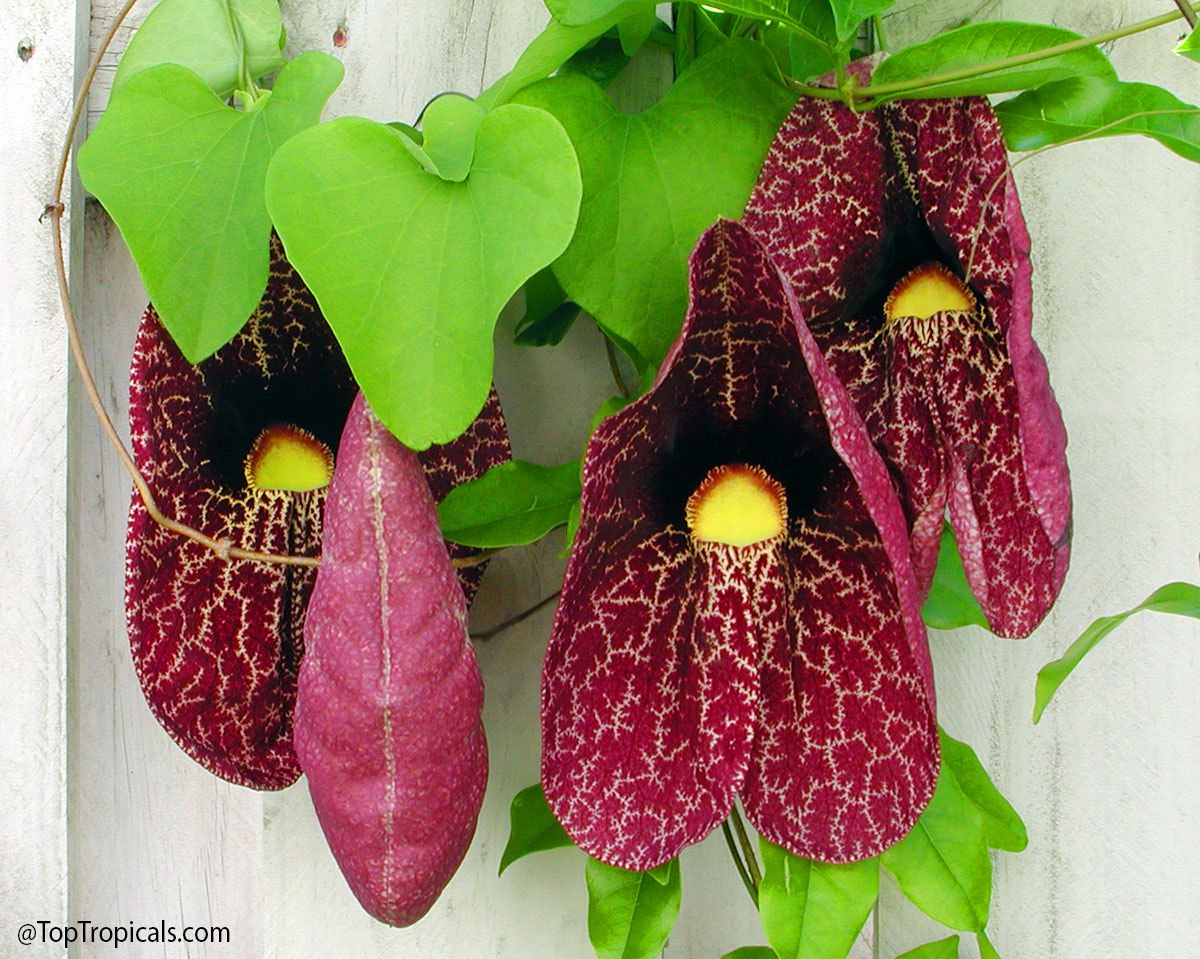
Aristolochia " The "alien" flower that hosts rare butterflies.

Aristolochia " The "alien" flower that hosts rare butterflies.

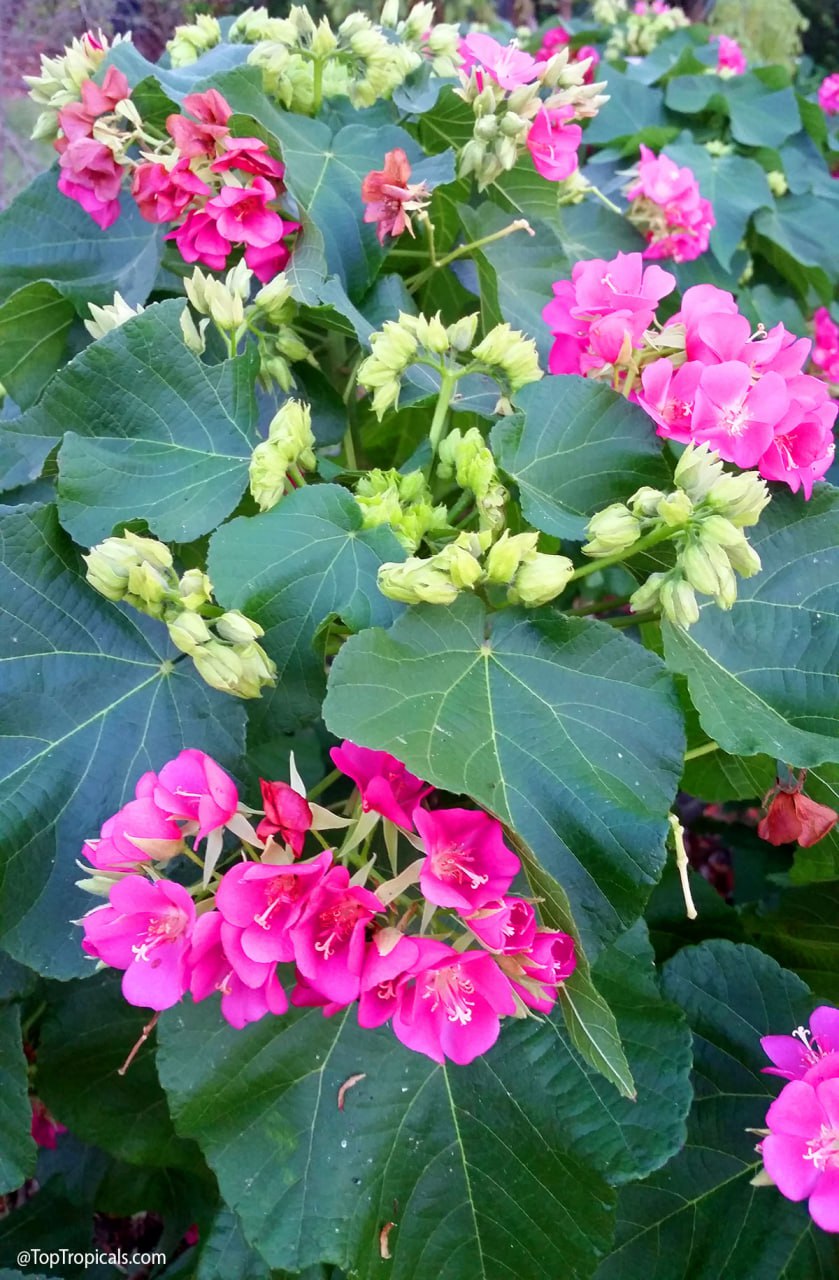
Dombeyaflowers on the bush

Dombeyaflowers on the bush

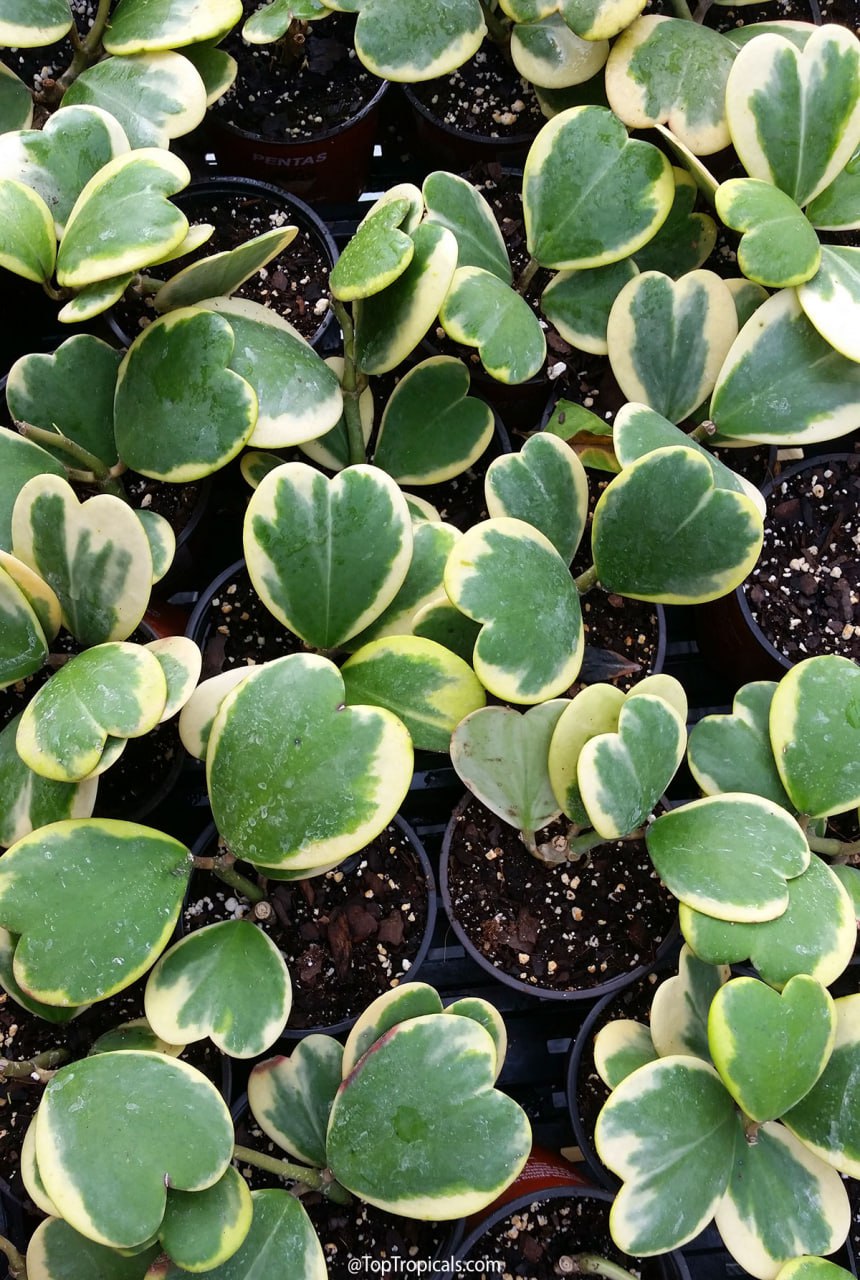
Hoya kerrii Sweetheart Hoya

Hoya kerrii Sweetheart Hoya

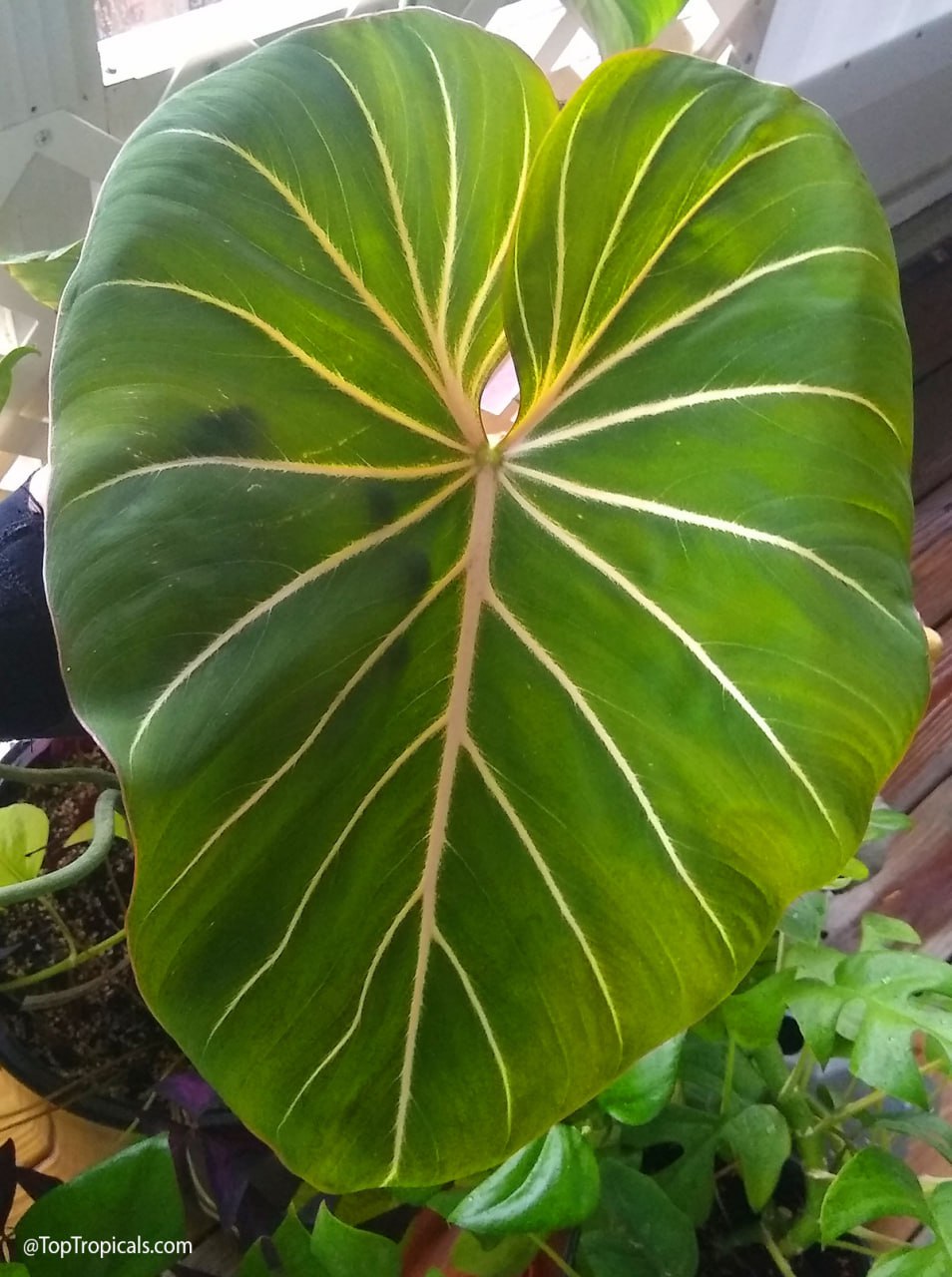
Philodendron leaves

Philodendron leaves

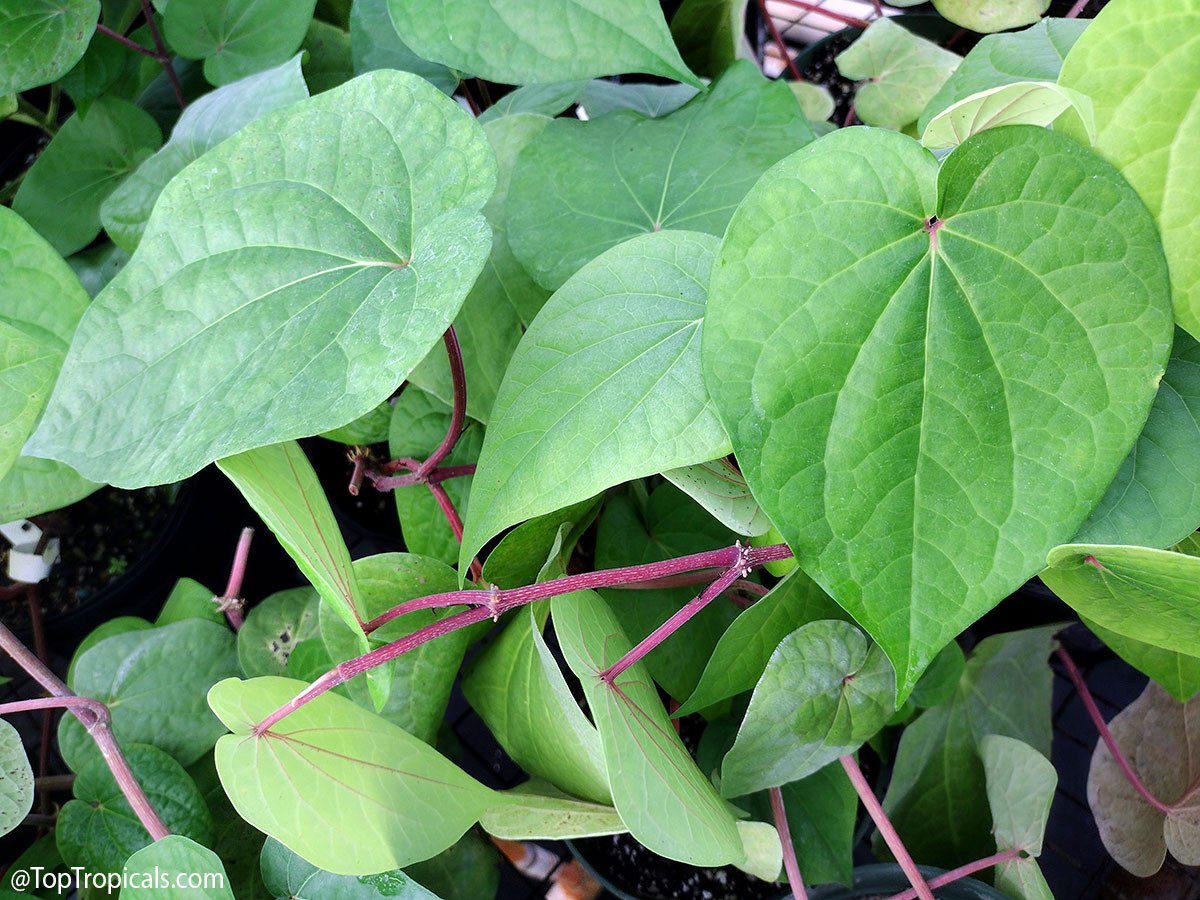
Piper - edible leaves

Piper - edible leaves

5 Heart-Shaped Plants Every Gardener Needs This Spring 💕

❣️ Why heart-shaped?


Heart-shaped leaves instantly soften a garden. They feel welcoming, romantic, and just a little bit playful. But if you choose wisely, you will get much more than a cute leaf shape.

Before adding a plant to your collection, look beyond the foliage. Does it flower? Does it attract pollinators? Does it offer edible or fragrant benefits? The right heart-shaped plant can bring beauty, fragrance, butterflies - even flavor - to your landscape all year long.

Here are five plants that truly give your home a little love.
  • 💚 1. Aristolochias - bold leaves and wild flowers


    If you want a conversation starter, Aristolochia is the answer. These vines don't just offer bold, oversized heart foliage and produce "alien-looking" blooms that defy garden norms.

· Garden Hack: Use it to create "living shade" on hot west-facing walls to naturally cool your home.
  • · Extra benefits: Many species are host plants for Pipevine Swallowtail butterflies, making them essential for pollinator gardens. They grow fast, create dense shade, and can cool down hot garden walls during summer. 👉Explore Aristolochias


💚 2. Dombeyas - winter flowers when little else blooms


Dombeyas bring heart-shaped foliage together with spectacular winter blooms. Their large clusters of pink flowers resemble hydrangeas and appear when many other plants are resting.

Extra benefits: They bloom in the cooler months, feeding bees when nectar sources are limited. These fast-growing shrubs create privacy quickly and fill the air with a light, sweet fragrance during flowering season. 👉Explore Dombeya
  • 💚 3. Hoya kerrii - the living Valentine


    Often sold as a single heart-shaped leaf in a pot, Hoya kerrii is known as the Sweetheart plant. But when mature, it becomes a climbing or trailing vine with thick, succulent foliage.

    Extra benefits: It is extremely low maintenance, tolerates dry indoor air, and can live for many years. When happy, it produces clusters of star-shaped, lightly fragrant flowers. It is compact enough for desks and shelves, yet long-lived enough to become a true keepsake plant. 👉Explore Heart Hoya
  • 💚 4. Philodendron - classic hearts, endless varieties


    If you picture a heart-shaped leaf, you are probably imagining a Philodendron. From deep green to bright chartreuse like Golden Goddess, there is a variety for every style.

    Extra benefits: Philodendrons adapt easily to indoor or outdoor growing in warm climates. They help improve indoor air quality, tolerate lower light, and require minimal care. In the garden, they thrive in shade and add a lush tropical feel without demanding constant attention. 👉Explore Philodendrons
  • 💚 5. Piper - beautiful and edible


    Many Piper species have attractive heart-shaped leaves, but they offer more than good looks. Some are edible and culturally significant.

    Extra benefits: Piper betle and Piper sarmentosum leaves are used fresh in Southeast Asian cuisine, while Piper nigrum gives you real black pepper from your own vine. These plants grow well in warm, humid climates, thrive in partial shade, and combine ornamental appeal with practical harvest. 👉Explore Pipers
  • 💚 Ready to add some 'love' to your landscape?


    Heart-shaped foliage is charming, but the real value comes from what these plants give back - flowers in winter, butterflies in spring, edible leaves in summer, or easy indoor greenery all year.

    Choose plants that not only look lovely but also work hard in your garden. That way, your landscape is not just pretty - it is alive, useful, and full of personality.


🛒 Discover tropical plants with benefits

📚 Learn more:


#Container_Garden #Hedges_with_benefits #Discover

🟢 Join 👉 TopTropicals
Date: 9 Mar 2026

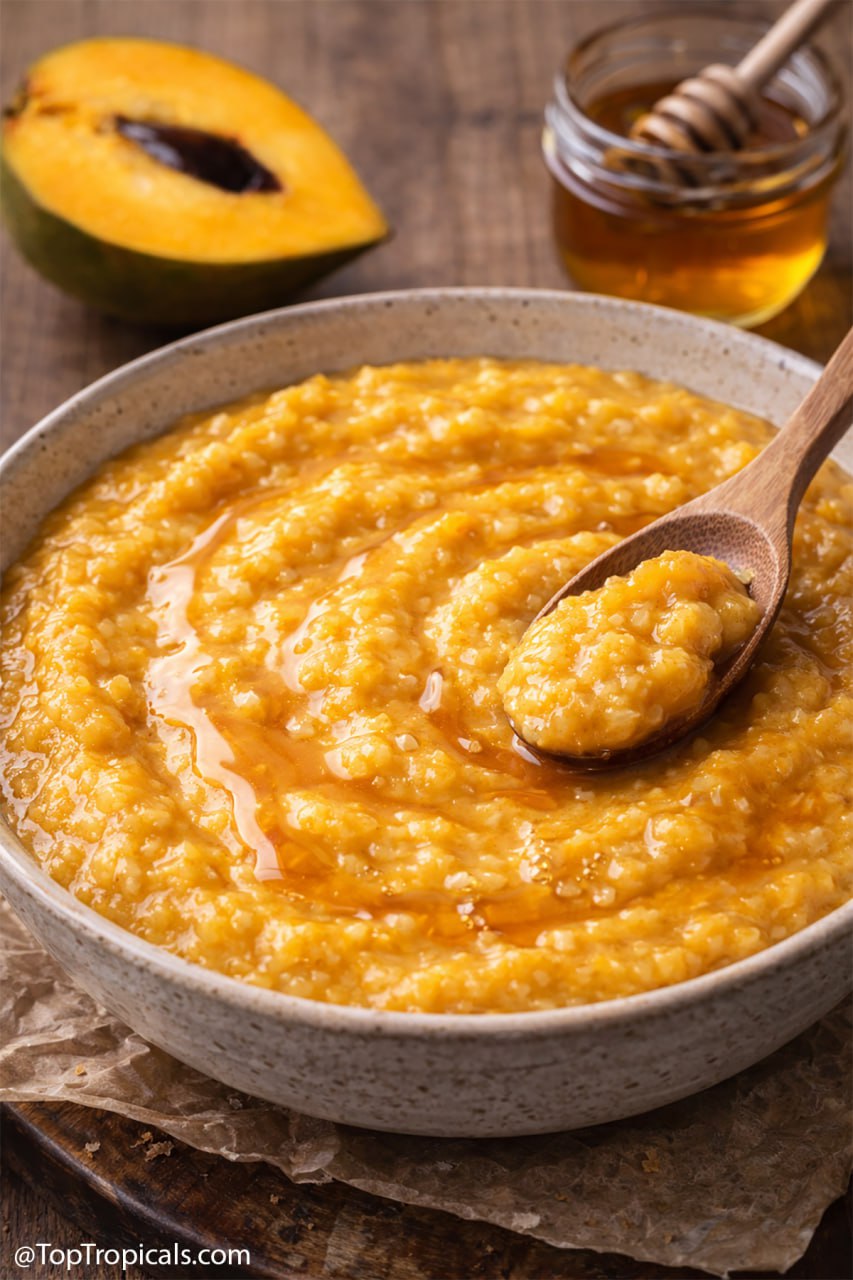
Golden canistel cream: quick-n-fun exotic recipes

Golden canistel cream

Golden canistel cream

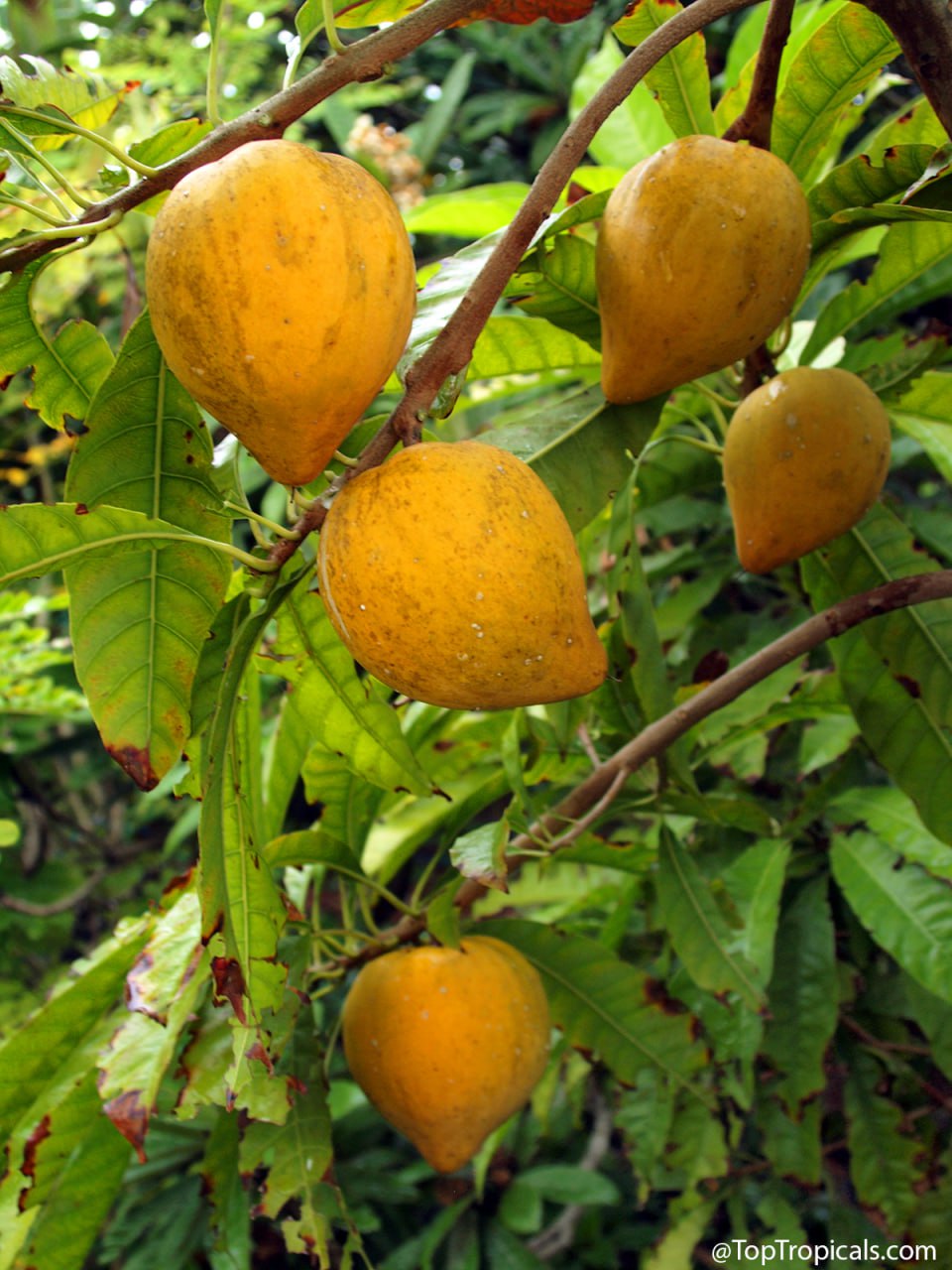
Pouteria campechiana - Canistel, Eggfruit

Pouteria campechiana - Canistel, Eggfruit

🍴 Golden canistel cream: quick-n-fun exotic recipes


Golden Canistel Cream

Ingredients

  • 1 ripe canistel (eggfruit)
  • 2 to 3 tbsp milk
  • 1 to 2 tsp honey

Instructions

  1. Scoop the ripe canistel flesh into a bowl.
  2. Add milk and honey.
  3. Mash until smooth and creamy.
  4. Warm gently in a small pan if desired.
  5. Serve warm like a thick tropical porridge.

🌿 About the plant:


Also called Eggfruit, canistel has bright yellow flesh that is dense and slightly dry when ripe.

🏡 In the garden:


Grows well in warm climates with good drainage. Compact growth makes it suitable for small yards.

🛒 Plant Canistel Egg Fruit tree - grows well in container too

📚 Learn more:

Plant Facts

Pouteria campechiana
Canistel, Eggfruit, Chesa
USDA Zone: 9-11
Large tree taller than 20 ftSmall tree 10-20 ftFull sunRegular waterEdible plant

#Food_Forest #Recipes

🟢 Join 👉 TopTropicals
Date: 7 Mar 2026

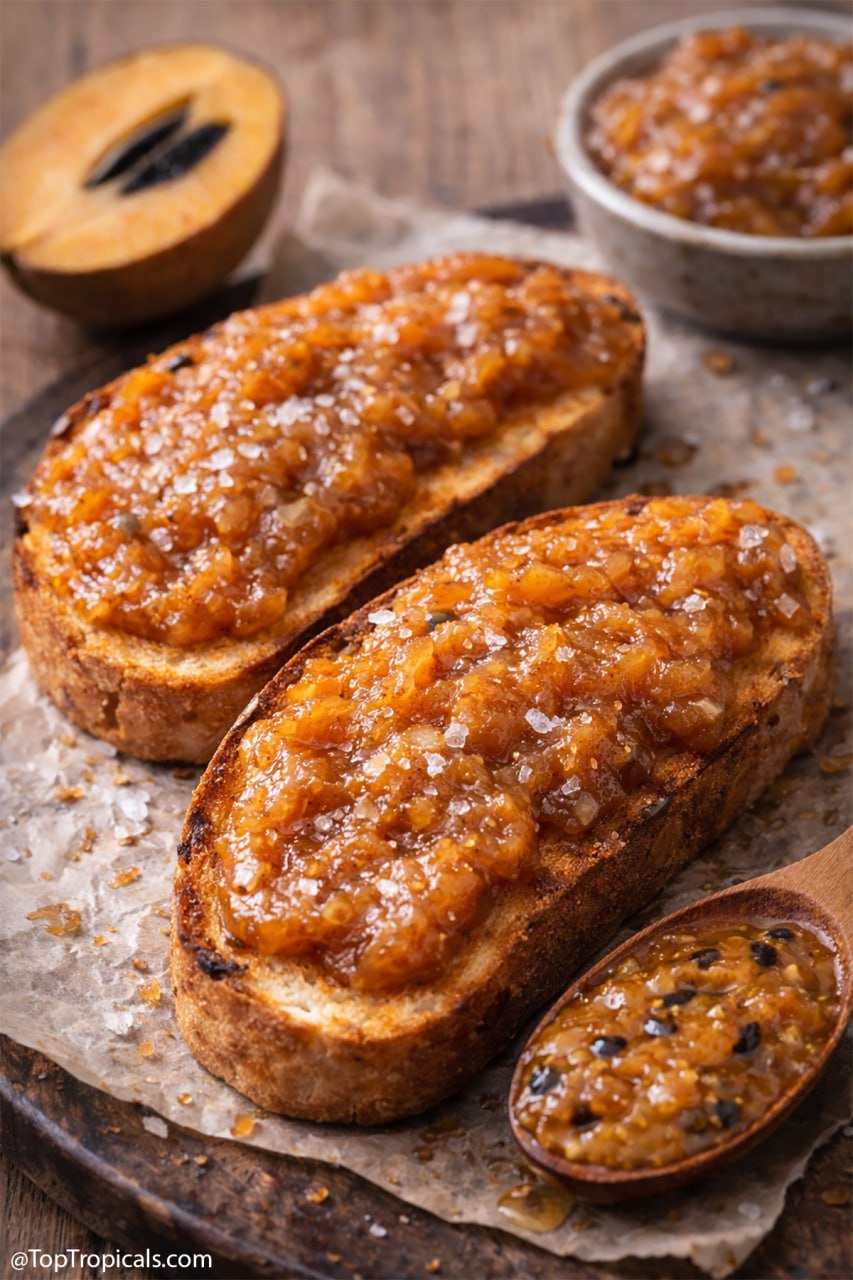
Sapodilla caramel toast: quick-n-fun exotic recipes

Sapodilla caramel toast

Sapodilla caramel toast

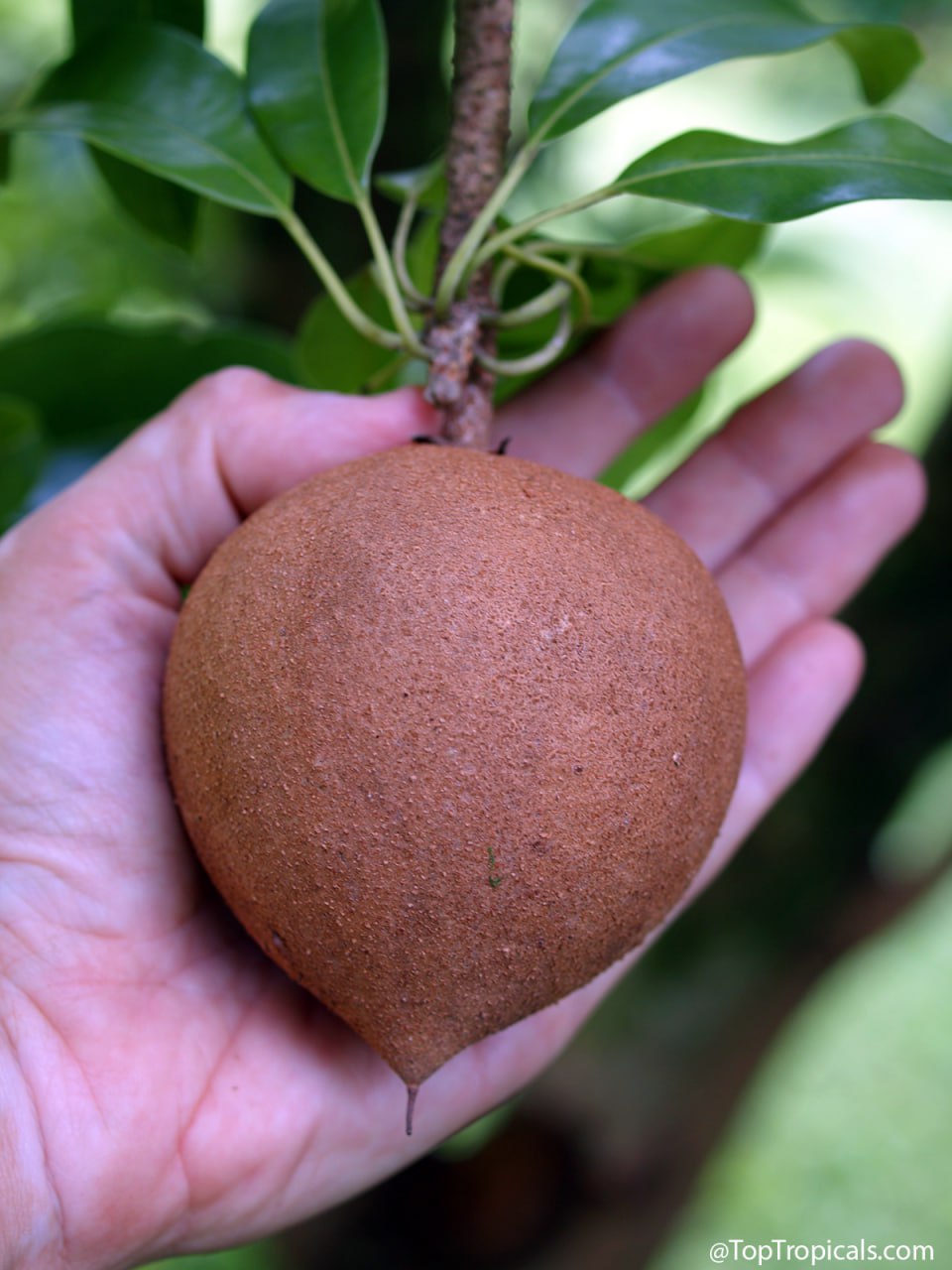
Sapodilla (Achras zapota) fruit

Sapodilla (Achras zapota) fruit

🍴 Sapodilla caramel toast: quick-n-fun exotic recipes

Sapodilla Caramel Toast

Ingredients

  • 1 ripe sapodilla
  • 2 slices toasted bread
  • Pinch of salt

Instructions

  1. Mash the ripe sapodilla flesh in a small pan.
  2. Warm gently until it becomes thick and caramel-like.
  3. Spread the warm sapodilla mixture over toasted bread.
  4. Finish with a small pinch of salt to balance the sweetness.


🌿 About the plant:


Sapodilla is a tropical evergreen producing brown fruit with sweet, brown-sugar flavored flesh.

🏡 In the garden:


Likes heat and humidity. Grafted or air layered trees fruit earlier. Drought tolerant once established but best with regular watering.

🛒 Add Sapodilla - Brown Sugar Fruit tree to your Food Forest

📚 Learn more:

Plant Facts

Manilkara zapota, Manilkara achras, Achras sapota
Sapodilla, Ciku, Naseberry, Nispero, Sapote, Brown Sugar Fruit
USDA Zone: 9-11
Large tree taller than 20 ftSemi-shadeFull sunRegular waterEdible plantSubtropical plant. Mature plant cold hardy at least to 30s F for a short timeSeaside, salt tolerant plant

#Food_Forest #Recipes

🟢 Join 👉 TopTropicals

Date: 23 Feb 2026

Macadamia nut oven crisp

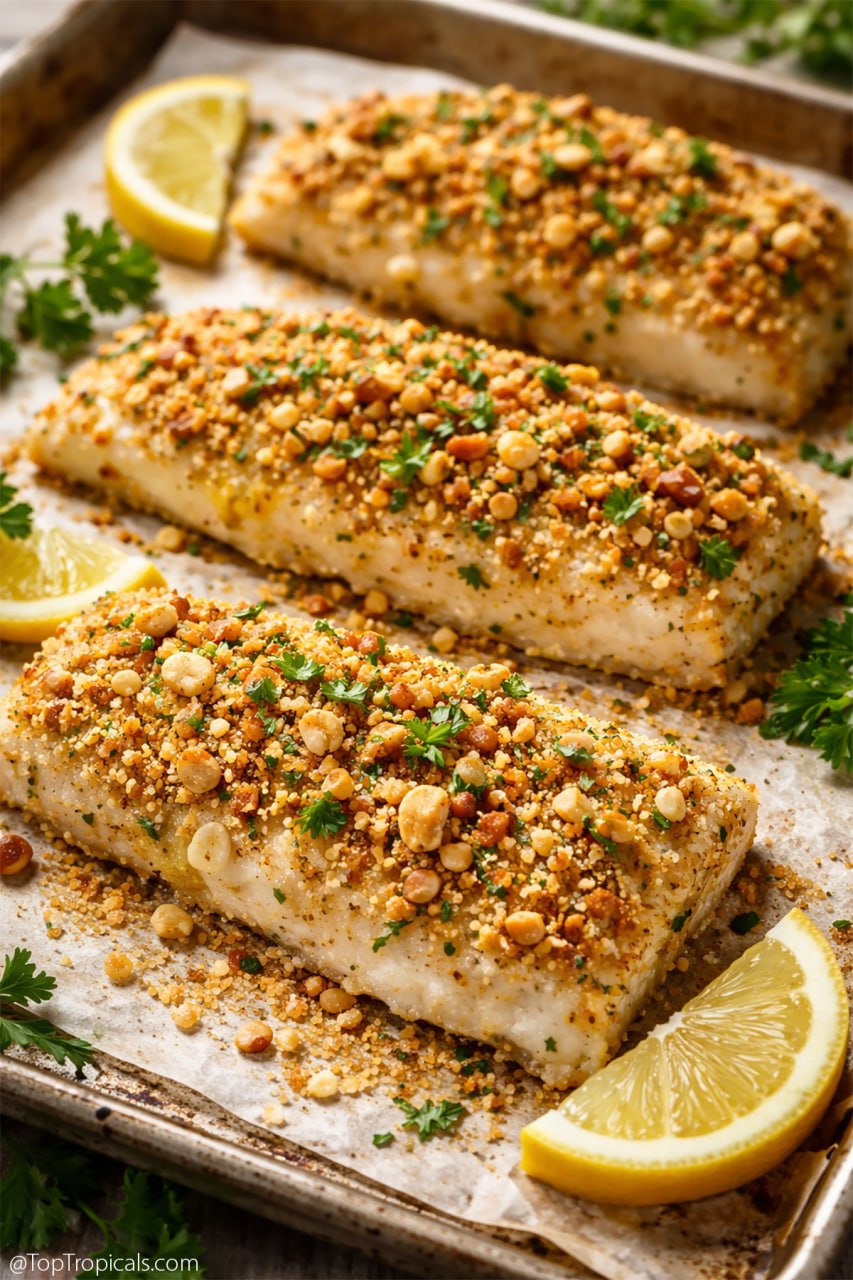
Golden macadamia-crusted fish fillet

Golden macadamia-crusted fish fillet

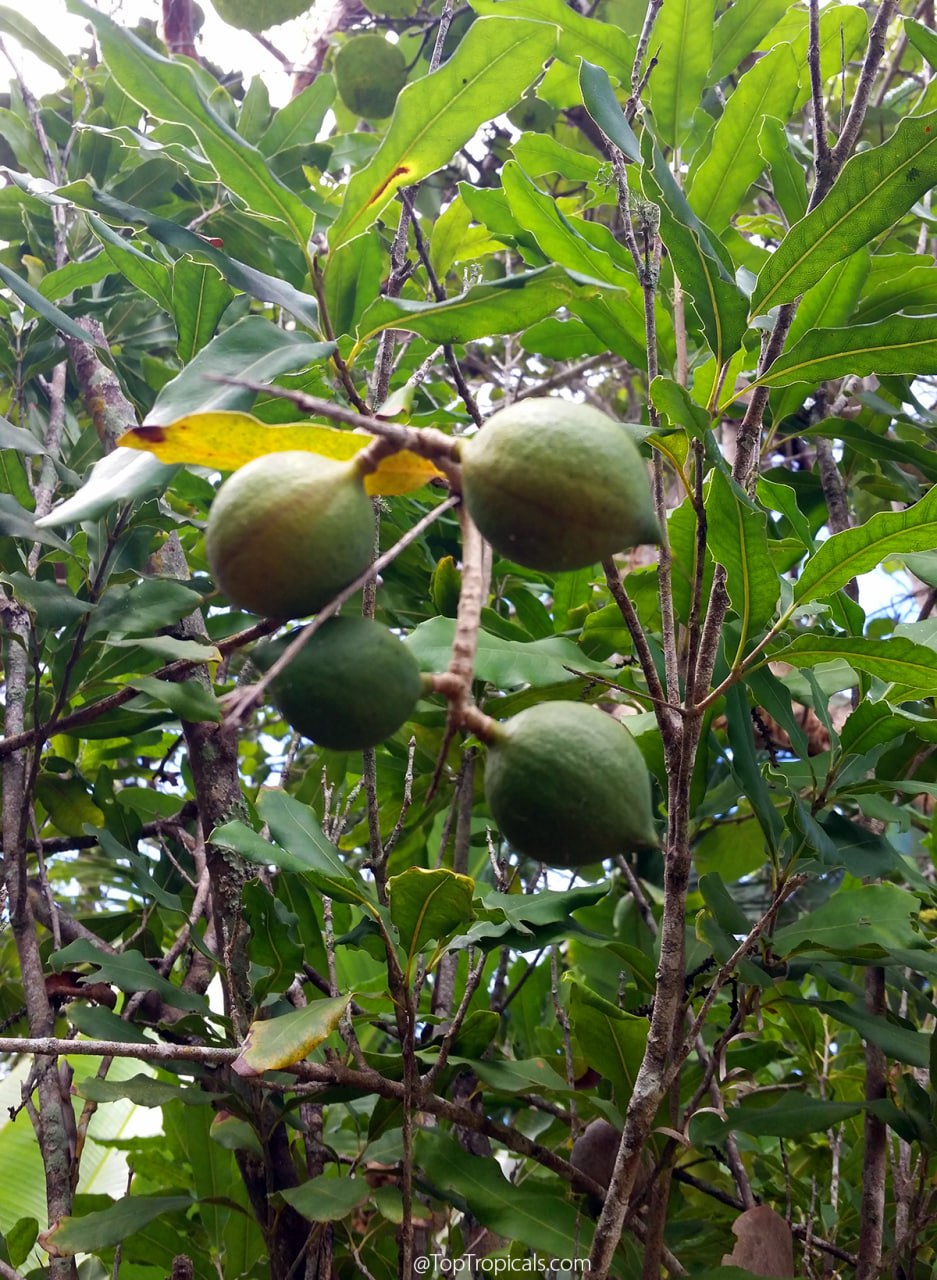
Macadamia integrifolia - Macadamia nuts and leaves on a tree

Macadamia integrifolia - Macadamia nuts and leaves on a tree

🍴 Macadamia nut oven crisp: quick-n-fun exotic recipes

Macadamia Nut Oven Crisp

Ingredients

  • 1 fish fillet (cod, tilapia, or snapper)
  • 1/3 cup crushed macadamia nuts
  • 1 teaspoon Dijon mustard
  • 1 teaspoon olive oil
  • Salt and pepper to taste

Instructions

  1. Preheat oven to 375°F.
  2. Spread a thin layer of mustard over the fish fillet.
  3. Press crushed macadamia nuts onto the top of the fillet.
  4. Drizzle lightly with olive oil.
  5. Bake until golden and crisp, about 12–15 minutes.


🌿About the plant:
Macadamia is an Australian rainforest tree that gives us one of the richest, creamiest nuts on earth. The shell is famously hard - you really earn that buttery crunch.

🏡 In the garden:


Best in warm climates, zones 9-11, cold hardy to light freeze. Needs full sun, good drainage, and patience - seedlings can take several years to start producing (grafted or air-layered trees start flowering right away). Once established, they are long-lived and productive.

🛒 Plant a hardy Macadamia tree to always have your nuts

📚 Learn more:

Plant Facts

Macadamia sp.
Macadamia nut
USDA Zone: 9-11
Large tree taller than 20 ftSmall tree 10-20 ftFull sunRegular waterYellow, orange flowersWhite, off-white flowersPink flowersEdible plantSubtropical plant. Mature plant cold hardy at least to 30s F for a short timeFlood tolerant plant

🎥 Growing Macadamia trees

#Food_Forest #Recipes

🟢 Join 👉 TopTropicals