Garden Blog - Top Tropicals

Date: 4 Jan 2026

Caimito creamy scoop: quick-n-fun exotic recipes
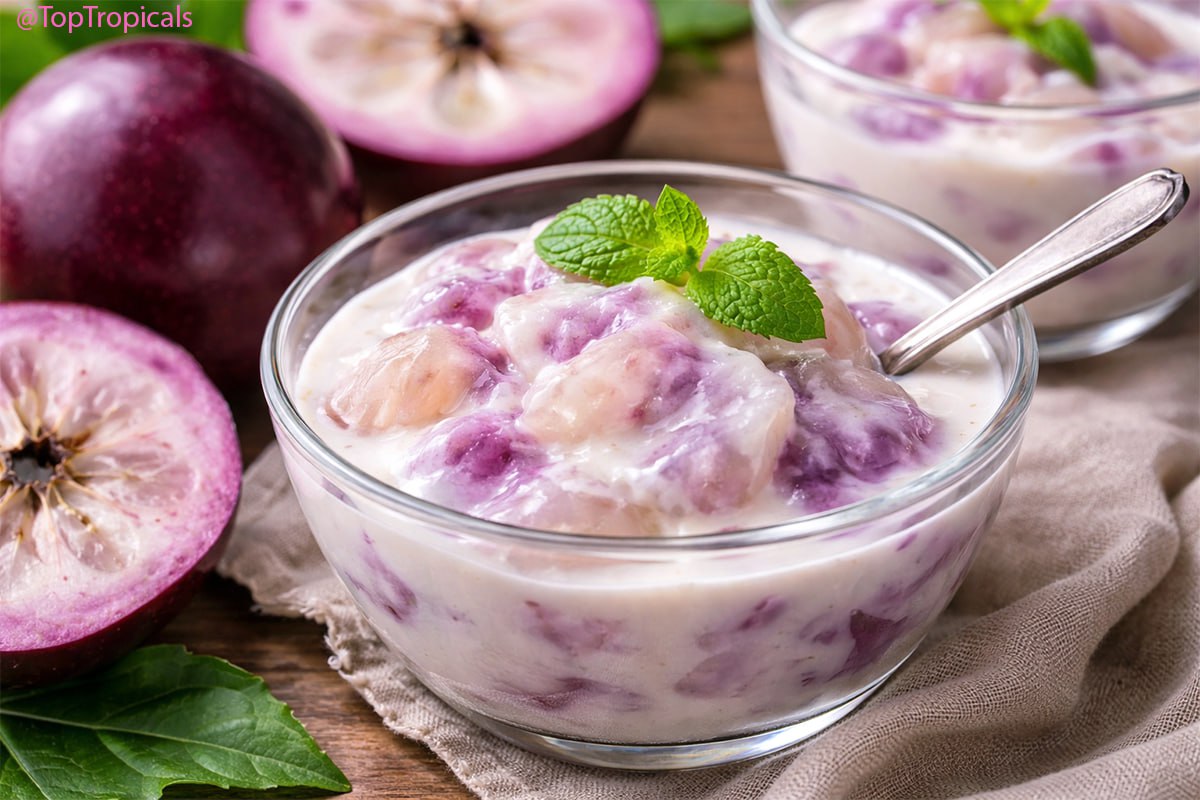
Caimito creamy scoop
Caimito creamy scoop

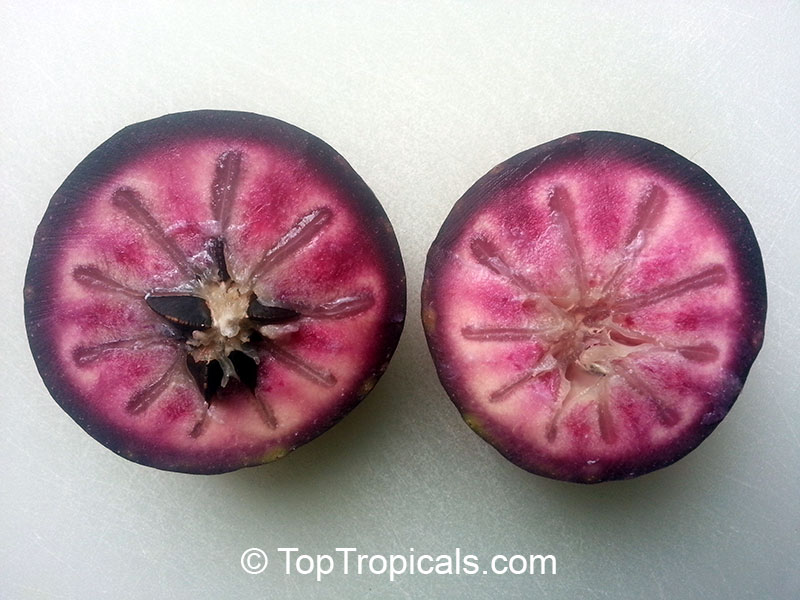
Caimito Star Apple (Chrysophyllum cainito), fruit
Caimito Star Apple (Chrysophyllum cainito), fruit

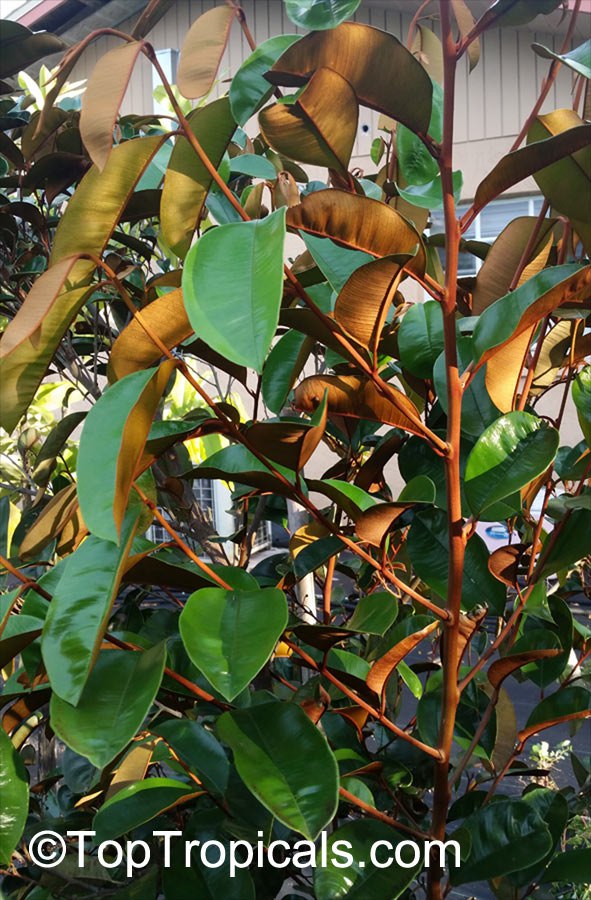
Caimito Star Apple (Chrysophyllum cainito), leaves with rusty underneath

Caimito Star Apple (Chrysophyllum cainito), leaves with rusty underneath

🍴 Caimito creamy scoop: quick-n-fun exotic recipes

  • 🔴Chill star apple halves, then scoop out the jelly-soft pulp.
  • 🔴Stir gently with cold sweet cream for a tropical dessert cup.


⭐️ About the fruit:


Caimito, also known as star apple, is a classic tropical fruit tree native to the West Indies and widely grown throughout the Caribbean, Central America, and other warm regions. It thrives in USDA zones 10-11 and can handle brief dips into the low 30s. The fruit has a mild, grape-like flavor and a soft, jelly texture, and is a good source of vitamin C and minerals. Traditionally eaten fresh, caimito is also used in desserts, drinks, and preserves.

🌱 In the garden:


Beyond its fruit, caimito is highly ornamental. Its large, glossy green leaves have a striking coppery-rust colored underside, giving the tree a dramatic two-tone effect when stirred by wind. It prefers full sun and regular watering and grows well in the ground or large containers. In cooler climates, container-grown trees can be moved indoors for winter protection, making caimito both a productive and visually stunning addition to the garden.

🛒 Plant exotic Caimito Star Apple fruit tree

📚 Learn more:

Plant Facts

Chrysophyllum cainito, Achras caimito
Caimito, Star Apple, Satin Leaf
USDA Zone: 9-11
Large tree taller than 20 ftFull sunRegular waterEdible plantSubtropical plant. Mature plant cold hardy at least to 30s F for a short time
  • Caimito Star Apple (Chrysophyllum cainito) in Plant Encyclopedia
  • Starry fruit and rusty leaves: the tropical tree full of surprises
  • Why is it called Star Apple?

  • #Food_Forest #Recipes

    🟢 Join 👉 TopTropicals
    Date: 6 Jan 2026

    How to grow papaya from seed without killing it, Part 2: seeds germination step by step

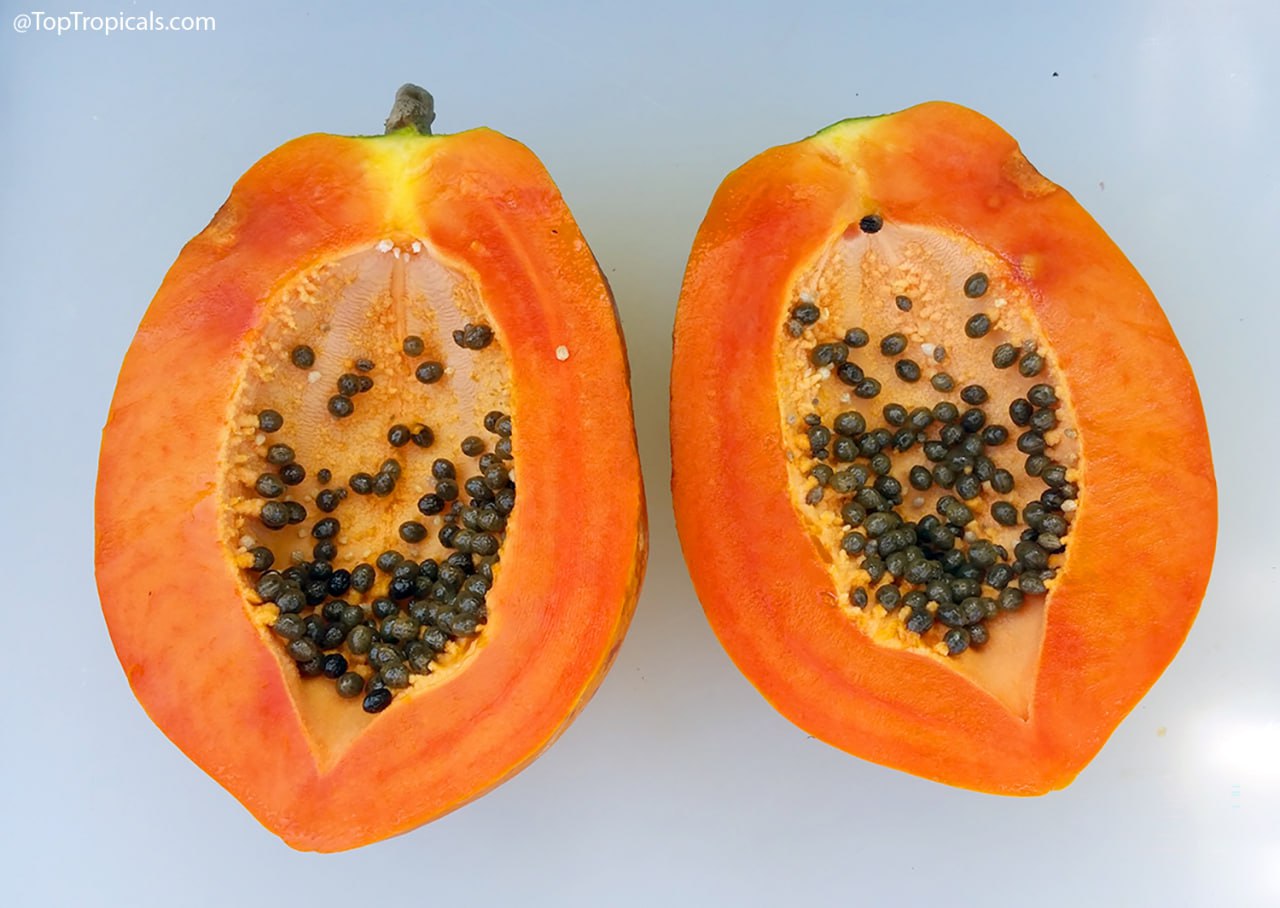
    Ppaya fruit

    Ppaya fruit

    🍊 How to grow papaya from seed without killing it, Part 2: seeds germination step by step


    Papaya germination is simple (see part 1), but it is rarely forgiving. Most failures happen not because seeds are bad, but because moisture, temperature, or patience is off by just a little. In Part 2, we focus entirely on germination - from preparing seeds to creating the right conditions for strong, healthy sprouts.
    • 🍊 Papaya seed germination requirements


      The simple papaya growing rules that actually work

      Fresh seeds taken from ripe fruit usually germinate in 2–3 weeks, as long as temperatures stay above 70F. Warmer is better - ideally 85-90F.
      Bottom heat helps a lot. Seed germination mats work very well.
    • 🍊 Key conditions:


    🟡Well-draining potting mix or coconut fiber
    • 🟡Moist soil, never soggy
    • 🟡Consistent warmth
    • 🟡Stored dry seeds often go dormant and can take 8–10 weeks to sprout. When stored properly, papaya seeds remain viable for at least 12 months.


    🍊 How to extract and prepare papaya seeds correctly


    Growing papaya from seed sounds easy until this happens

    So you bought a papaya at the grocery store and decided to plant the seeds. Here is the correct way to do it.

    Removing the seeds
    • 🟡Cut the fruit in half lengthwise
    • 🟡Cut each half lengthwise again
    • 🟡Scoop seeds from each quarter with a teaspoon

    • Choosing viable seeds
    • 🟡Good seeds are black and about 1/4 inch in diameter
    • 🟡Small, green, or white seeds are immature and will not germinate
    • 🟡Fresh papaya seeds are coated with a slimy layer that prevents sprouting inside the fruit. This coating must be removed.

    • Cleaning and storing
    • 🟡Rinse seeds thoroughly (a strainer works well)
    • 🟡Remove all pulp and slime
    • 🟡Dry seeds on a paper towel

    • If storing seeds:
    • 🟡Dry completely for several days
    • 🟡Even slightly moist seeds will rot in storage

    • If planting right away:
    • 🟡Remove all pulp and slime and plant as soon as possible

    If your papaya seeds have sprouted, you have already passed a major hurdle. Unfortunately, this is where many plants are lost next - not from poor germination, but from transplanting mistakes, excess water, or lack of sun. In Part 3, we cover containers, sunlight, watering, and the most common mistakes that kill papaya after it starts growing.

    🛒 Explore Papaya varieties

    📚 Learn more:

    Plant Facts

    Carica papaya
    Papaya
    USDA Zone: 9-11
    Small tree 10-20 ftFull sunDry conditionsModerate waterYellow, orange flowersWhite, off-white flowersEdible plantEthnomedical plant.
Plants marked as ethnomedical and/or described as medicinal, are not offered as medicine but rather as ornamentals or plant collectibles.
Ethnomedical statements / products have not been evaluated by the FDA and are not intended to diagnose, treat, cure, or prevent any disease. We urge all customers to consult a physician before using any supplements, herbals or medicines advertised here or elsewhere.Subtropical plant. Mature plant cold hardy at least to 30s F for a short time
  • · Carica papaya in Plant Encyclopedia
  • · How to grow papaya from seed without killing it: Part 1: Papaya basics
  • Part 2: Seeds germination
    Part 3: Containers, sunlight, and common mistakes
  • · Carefree Garden: How Easy Is It to Grow a Papaya Tree?
  • · Male papaya produces fruit!
  • · Top 10 fast-fruiting trees: #6. Papaya
  • · How to have fresh Papaya fruit year around
  • · The truth about Papaya
  • · Papayas contain a secret enzyme

    🎥 Nobel Prize goes to this pregnant male papaya

    #Food_Forest #How_to #Papaya

    🟢 Join 👉 TopTropicals
  • Date: 9 Jan 2026

    Expended effort

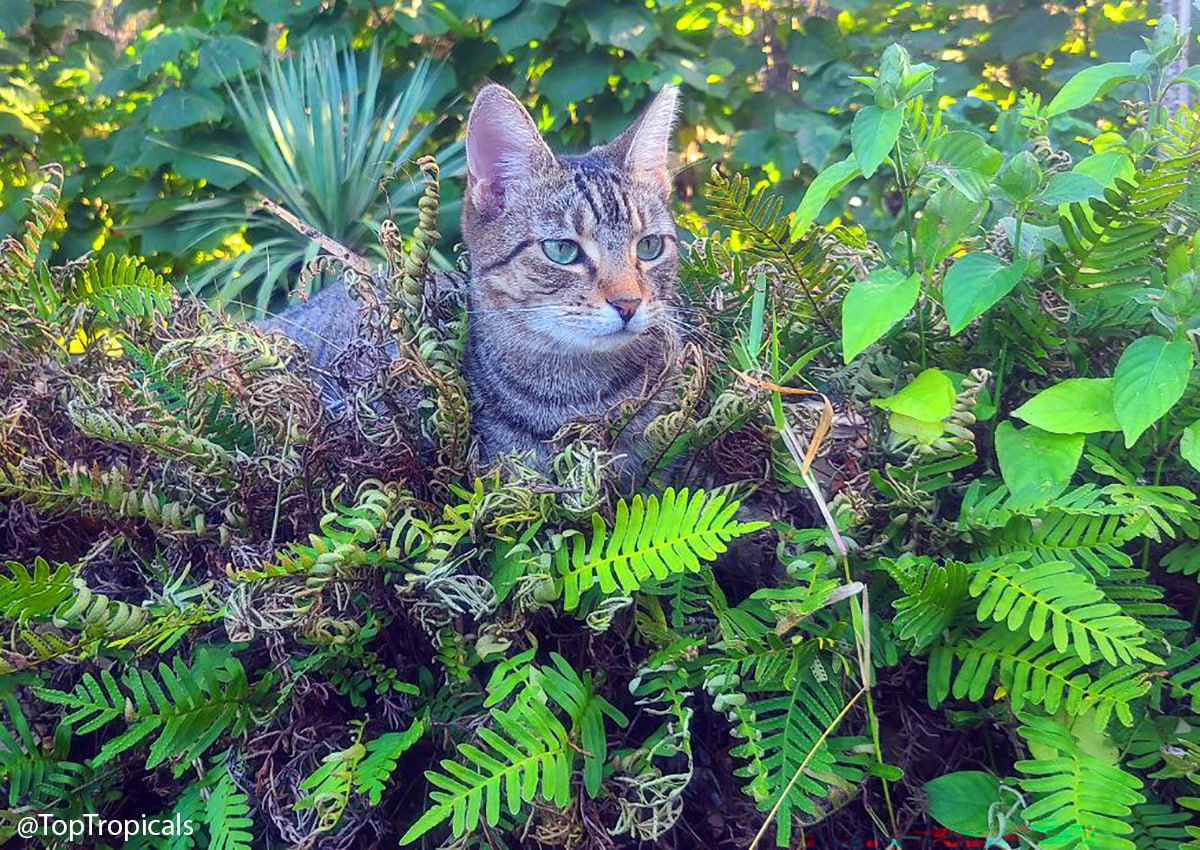
    Cat Persephone

    Cat Persephone

    🌳 Expended effort


    "A garden requires patient labor and attention. Plants do not grow merely to satisfy ambitions or to fulfill good intentions. They thrive because someone expended effort on them." - Liberty Hyde Bailey

    🐈📸 Cat Persephone, one of the garden watchers at PeopleCats.Garden 

    #PeopleCats #Quotes

    🟢 Join 👉 TopTropicals

    Date: 12 Jan 2026

    Watch how to squeeze natural shampoo from the Ginger!

    Shampoo Ginger, Zingiber zerumbet, Pine Cone Ginger

    💄 Watch how to squeeze natural shampoo from the Ginger!

    • 🎆 Shampoo ginger uses and fragrance


      Shampoo Ginger, also known as Zingiber zerumbet or Pine Cone Ginger, is one of those plants that sounds too good to be true - but isn’t. This tropical ginger has been used for centuries not just as an ornamental plant, but as a practical, fragrant, everyday resource.
    • 🎆 Natural shampoo from a flower cone


      The most famous use of shampoo ginger comes from its bright red, pine cone-shaped flower bracts. When the cones mature, they fill with a milky, slippery liquid. Simply squeezing the cone releases this natural cleanser, traditionally used as shampoo in Asia and Hawaii. It gently cleans hair, leaves it soft, and adds a light, fresh scent. Even today, extracts of shampoo ginger are still used in commercial shampoos and hair products.
    • 🎆 Fragrance throughout the entire plant


      Shampoo ginger isn’t just useful - it smells amazing. The leaves, stems, and cones all carry a warm, spicy fragrance typical of true gingers. The scent is fresh and clean, with earthy and slightly citrusy notes. Because of this, the plant has also been used in traditional body rinses, hair treatments, and natural perfumes.
    • 🎆 More than hair care


      Beyond shampoo, the cones are popular as long-lasting cut flowers, often used in tropical floral arrangements. The plant itself grows into a lush, leafy clump that adds strong tropical character to gardens, especially in warm, humid climates.
    • 🎆 A plant with a traveling history


      Shampoo ginger is also known as a “canoe plant.” Ancient Polynesian voyagers intentionally carried it across the Pacific as they settled new islands. Its usefulness, fragrance, and beauty made it valuable enough to earn a place on long ocean journeys.

      Shampoo ginger is a rare mix of beauty, history, fragrance, and function - a plant that proves some of the most interesting garden plants are also the most practical.


    🛒 Get your own natural shampoo from Pine Cone Ginger

    📚 Learn more:

    Plant Facts

    Zingiber zerumbet
    Pine Cone Ginger, Shampoo Ginger
    USDA Zone: 9-11
    Small plant 2-5 ftSemi-shadeShadeRegular waterRed, crimson, vinous flowersOrnamental foliage
  • 🔴Zingiber zerumbet in Plant Encyclopedia
  • 🔴Do you have Shampoo Ginger in your garden?
  • 🔴Free natural shampoo: squeeze it and see what comes out!
  • 🔴What Ginger makes a natural shampoo
  • 🔴5 most spectacular Ginger species

  • #Shade_Garden #Container_Garden #Remedies #Discover #Food_Forest

    🟢 Join 👉 TopTropicals

    Date: 10 Jan 2026

    No fixed plans!

    Cat Philemon in a bag

    Cat Philemon in a bag

    😰 No fixed plans!


    "A good traveler has no fixed plans and is not intent on arriving." - Lao Tzu

    🐈📸 Cat Philemon always has his travel bag ready - TopTropicals PeopleCats.Garden

    #PeopleCats #Quotes

    🟢 Join 👉 TopTropicals