Date: 7 Aug 2025
Black n White
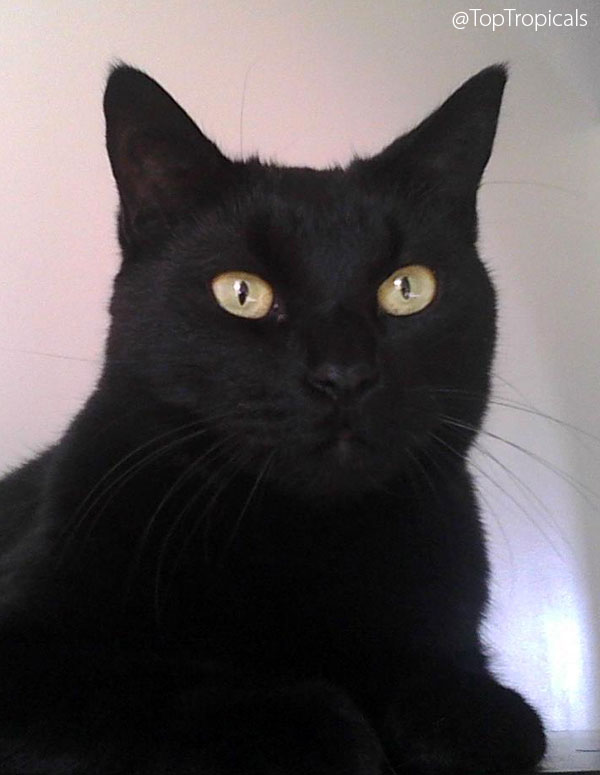
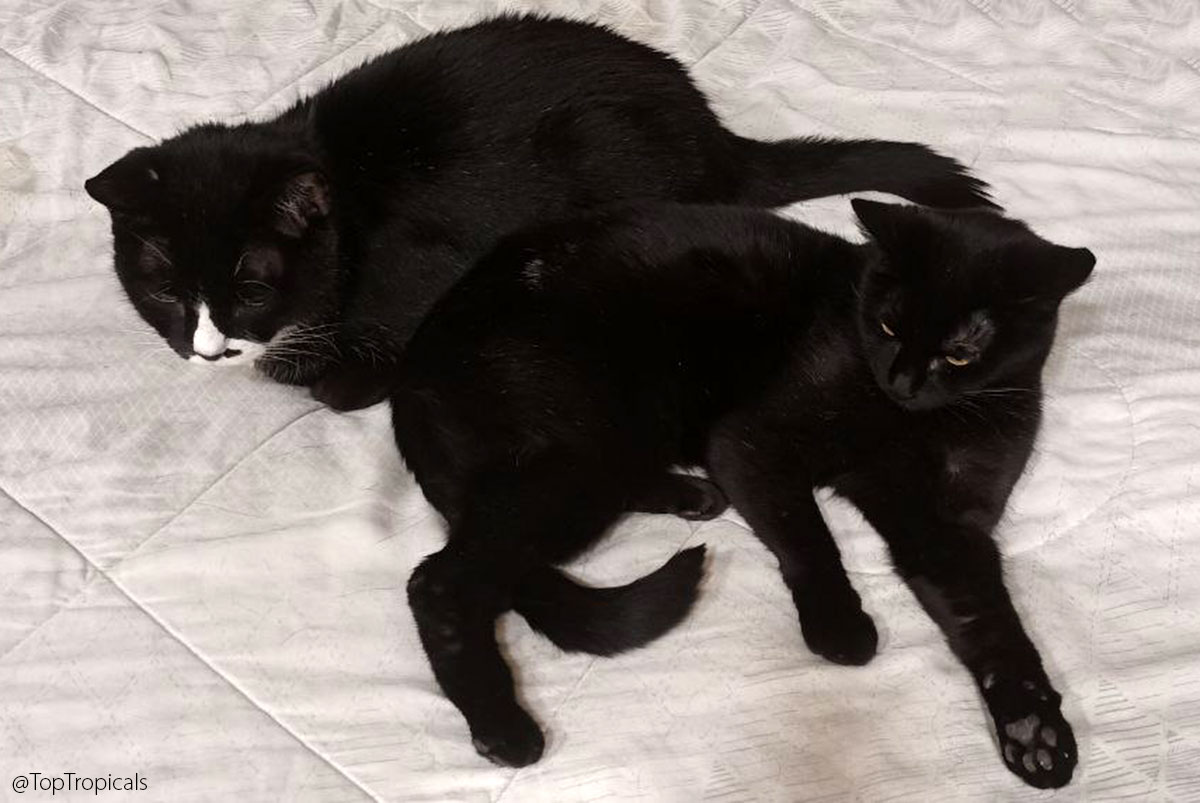
😶 Black n White
"To make it easier to find a black cat, place it on white."
🐈📸 Georgie, Google and Klaksa the cats at Top Tropicals PeopleCats.Garden.
#PeopleCats
🟢 Join 👉 TopTropicals
Garden Blog - Top Tropicals
Date: 7 Aug 2025
Date: 10 Aug 2025
🍈 Cutting into a 37-pound Jackedak Jackfruit with Chiane and Ashley!
🍈 Join us at Top Tropicals as we explore one of the largest fruits on Earth - the mighty Jackfruit. From golden, juicy bulbs bursting with tropical sweetness to edible seeds and the soft “rag” with hints of bubblegum, pineapple, and custard, this giant fruit has more surprises than expected.
🍈 Whether you're into exotic fruits, cooking, or growing your own tropical trees, this is one tasty experience you don't want to miss.
🍈 Want to grow your own Jackfruit? We've got you covered!
Date: 10 Aug 2025
Bananas
Date: 19 Aug 2025
Valencia Pride mango
Date: 31 Aug 2025
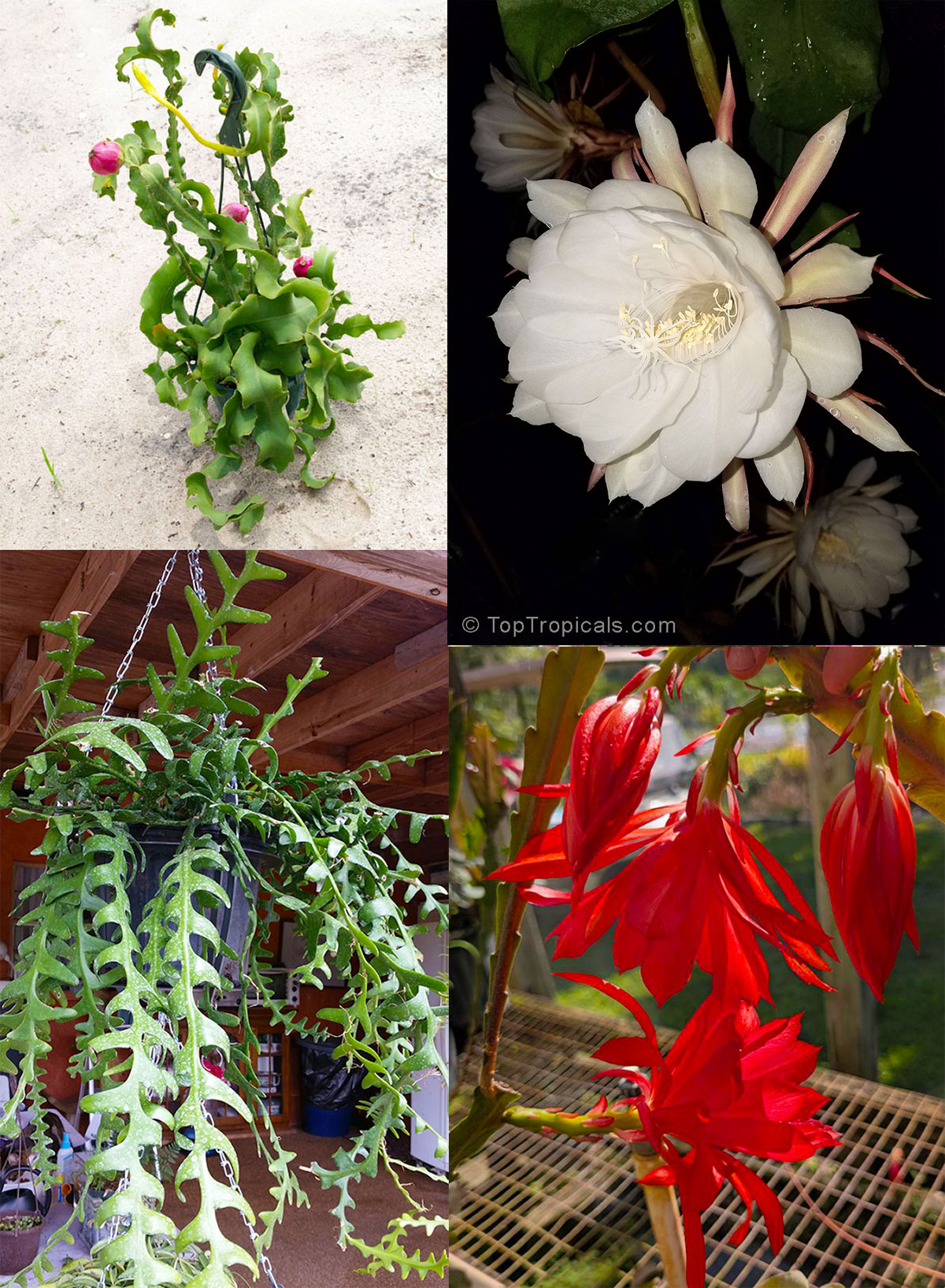
Jungle cactus collage: top left Epiphyllum guatemalense Monstrosa (Curly Locks Orchid Cactus), top right Epiphyllum oxypetalum (Queen of the Night), bottom left Cryptocereus anthonyanus (Zig-Zag Cactus), and bottom right Disocactus ackermanni (Red Orchid Cactus)
Most people picture cactus as desert plants: hot sun, sharp spines, dry sand. But that’s only half the story. There’s another branch of the family that lives in the shade of rainforests. These are the jungle cacti — epiphyte plants that climb trees, trail from branches, and throw out flowers so big and showy they look closer to orchids than to cactus blooms.
See one up close and it’s a surprise. The stems can be flat, zig-zagged, or even curly. Some trail like ferns, others pile into a shaggy basket. And when the flowers open — often at night — they’re wide, fragrant, and gone by morning. It’s no wonder gardeners like them from a first sight.
Not these. Jungle cacti are epiphytes and grow in rainforests, clinging to trees and catching rain. They never touch desert sand.
Outdoors, filtered sun under a tree works best. Indoors, give them bright but indirect light — east or north windows are usually safe. Direct summer sun can scorch the stems, whether inside or out.
They take more water than desert cactus but still hate wet feet. Outdoors, a rain shower is fine if the pot drains fast. Indoors, water when the top inch of soil feels dry. Always use a loose mix like Adenium mix so roots get some air.
Yes. In fact, many bloom better inside where conditions are steady. They set buds when a little root-bound, and cooler nights help. Outdoors in frost-free zones, flowers come with seasonal shifts. Indoors, expect surprise buds after a cool spell by the window.
Hanging baskets show off trailing stems both inside and out. Shallow pots work well on shelves or ledges indoors. In warm climates, they can even be tied to a tree branch outside — exactly how they grow in the wild.
Indoors, watch for dry heated air in winter — they like a bit of humidity. A tray of pebbles and water under the pot helps. Outdoors, protect from heavy midday sun and bring them in if nights dip below the mid 30s F.
Jungle cacti are easy to keep and full of surprises. Whether trailing from a basket or blooming after dark, they prove that not every cactus belongs in the desert.