Garden Blog - Top Tropicals

Date: 3 Jun 2026

Avocado Fuerte: the hidden world beyond green and black
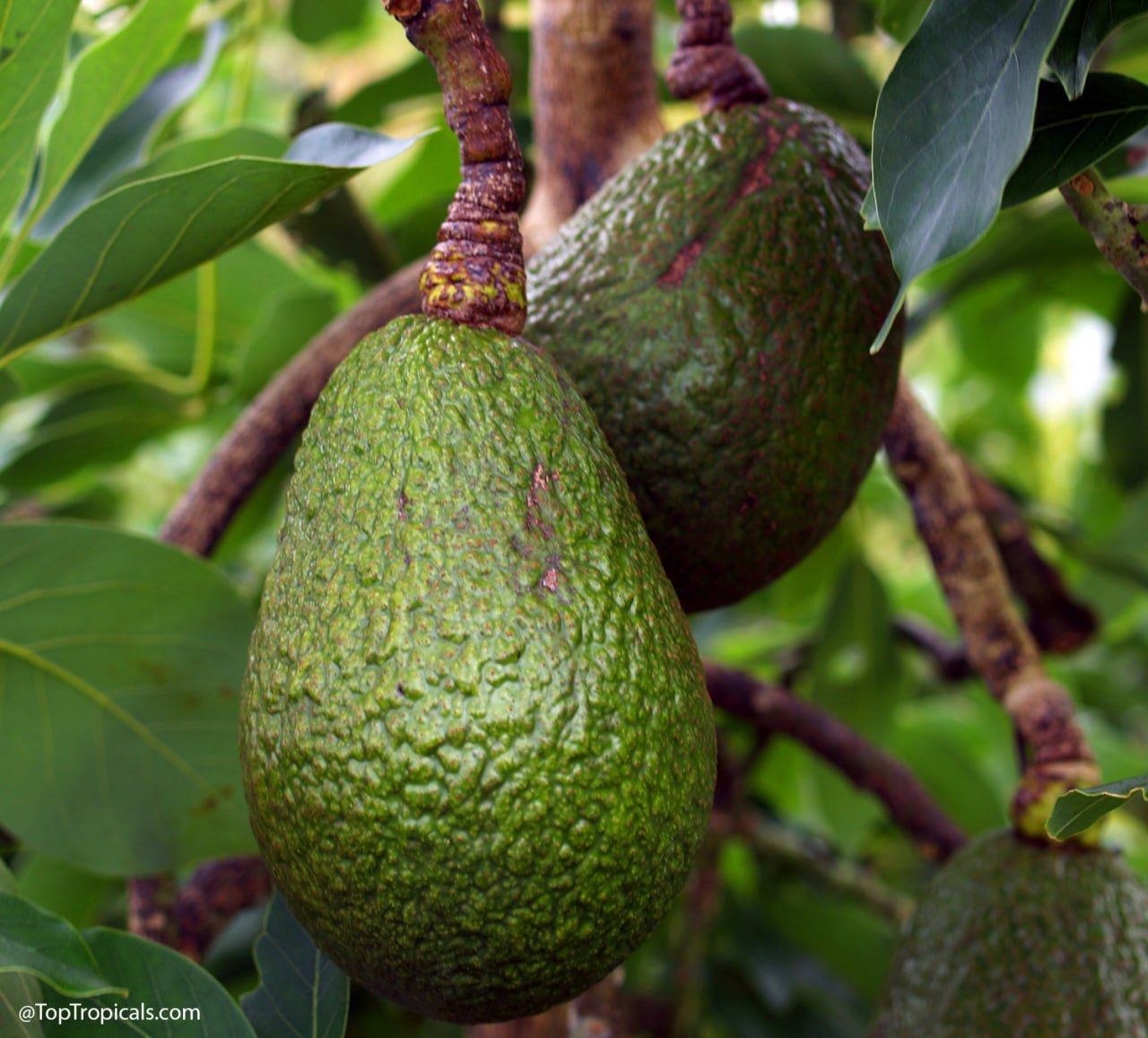
Avocado Fuerte
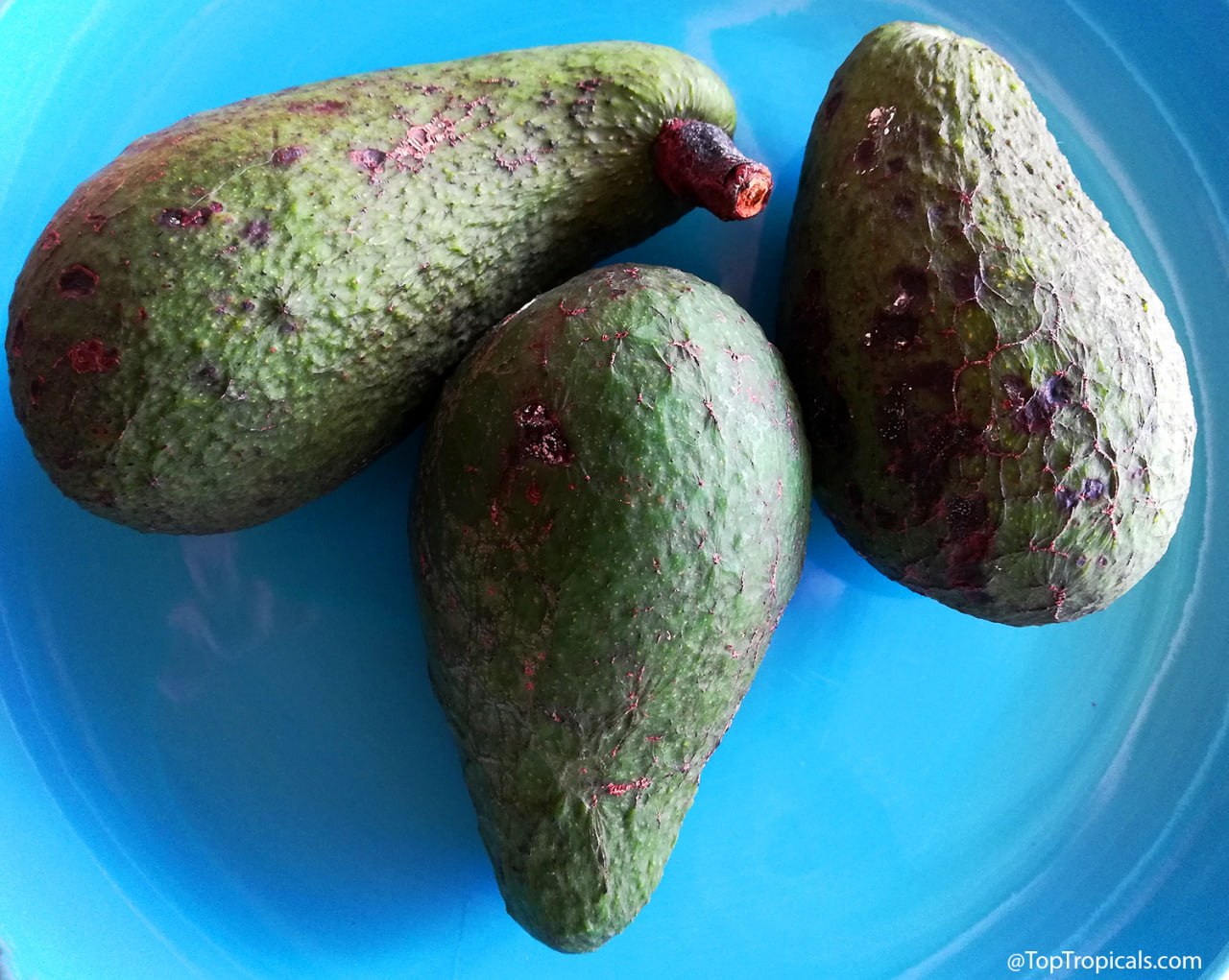
Avocado Fuerte

Avocado Fuerte

Avocado Fuerte

Avocado Fuerte: the hidden world beyond green and black


Before Hass became the world's dominant avocado, Fuerte was considered the gold standard. This historic Mexican-Guatemalan hybrid produces medium-sized pear-shaped fruit with exceptionally smooth, buttery flesh and outstanding flavor. Cold-hardy and productive, Fuerte remains one of the finest eating avocados ever developed; and it's one of the very few dwarf varieties suitable for containers.

· Botanical name: Persea americana 'Fuerte'
· Origin: Guatemalan x Mexican hybrid
· Cold hardiness: Tolerates temperatures around 20°F and is one of the more cold-hardy classic avocado varieties
· USDA zones: 9a-11
· Flower type: B
· Tree size: Approximately 15 ft x 20 ft
· Growth habit: Compact to semi-dwarf, making it easier to manage than many traditional avocado varieties, well suited to home gardens and containers
· Foliage: Dense evergreen foliage with an attractive, spreading canopy
· Fruit size: 12-14 oz
· Fruit shape: Pear-shaped
· Fruit color: Green to green-black
· Skin: Medium-thin, smooth, and easy to peel
· Flesh: Creamy, buttery, and rich in oil
· Flavor: Rich, nutty, and widely regarded as one of the finest-tasting avocados
· Season: November-June
· Best use: Fresh eating, slicing, salads, and gourmet dishes
· Special feature: Historic variety that dominated the avocado industry before Hass became popular
· Why growers love it: Fuerte combines exceptional flFuerte combines exceptional flavor, good cold tolerance, and a compact growth habit that makes it easier to fit into smaller landscapes. One of the few avocado varieties considered suitable for container culture, it has long been a favorite among collectors and home gardeners who appreciate its rich buttery flesh, manageable size, and extended harvest season. 👉 More

💡 Avocado tip: Prune for width, not height
When a branch grows 10-12 inches, trim the tip. This encourages multiple side branches and creates a stronger, more productive tree.

🛒 Explore cold hardy Avocado varieties

📚 Learn more:


· Avocado Variety Guide: Snack or Guacamole? Collector's inspiration
· Avocado Florida Hass: the hidden world beyond green and black
· Avocado Brogdon: the hidden world beyond green and black
· Avocado Joey: the hidden world beyond green and black
· Avocado Fantastic: the hidden world beyond green and black
· Avocado Fantastic Quick Facts
· Cold-hardy avocado survival groups - what the numbers really mean
· How to protect Avocado from cold and how hardy is it?
· Avocado that laughs at frost: Mexicola Grande for cooler climates
· Cold hardy Avocado Joey - you eat it with the skin

📖 Our Book: Avocado Variety Guide, Snack or Guacamole?
·
Hard copy · PDF File Download

#Food_Forest #Avocado #Discover

🟢 Join 👉 TopTropicals

Date: 13 Jun 2026

Why June Is the Most Important Month for Potted Tropical Plants

Why June Is the Most Important Month for Potted Tropical Plants

Why June Is the Most Important Month for Potted Tropical Plants


For many tropical plants, June is the start of peak growing season. Days are longer, temperatures are warmer, and plants that spent winter indoors or in a greenhouse are suddenly growing at full speed.
A few simple tasks now can mean stronger growth, more flowers, and better fruit later in the season.


Smokey: Sunshine, why are you mixing fertilizer with coffee and donut crumbs?
Sunshine: I'm testing a new growth formula.
Smokey: Based on what research?
Sunshine: Based on a highly controlled breakfast study. I call it Hibiscus Turbo Boost Deluxe.


✅ 1. Repot Before Plants Become Root-Bound


·  If roots are circling the pot, growing through drainage holes, or the soil dries out unusually fast, it's time to move up one pot size.
·  Fresh potting mix provides new space, better drainage, and access to nutrients that older soil may no longer contain. Use professional soilless mix Abundance for best results.
·  Don't jump from a small pot to an oversized container. One size larger is usually enough.

✅ 2. Feed Hungry Summer Growth


· Tropical plants are no longer resting. They are actively producing roots, leaves, flowers, and fruit.
· June is the perfect time to begin regular feeding.
· A balanced fertilizer program helps support strong growth, while products such as Green Magic and Sunshine Boosters provide additional nutrients that fast-growing tropicals can quickly use during summer.
· A well-fed plant grows faster, recovers from stress better, and flowers more heavily.

✅ 3. Acclimate Plants to Full Sun


One of the most common mistakes is moving a plant directly from indoors or a greenhouse into full summer sun. Leaves that developed in shade can burn within hours.
Start with bright shade or morning sun, then gradually increase exposure over one to two weeks. Even sun-loving plants benefit from a transition period.

✅ 4. Prune for Shape and Strength


June is an excellent time to remove weak, damaged, or overly long branches.
Light pruning encourages branching and creates a fuller, stronger plant.
For fruit trees, selective trimming can also help maintain a manageable size for container growing.

✅ 5. Check for Pests Before They Multiply


·  Warm weather brings rapid plant growth - and rapid pest growth.
·  Inspect new leaves, stems, and undersides of foliage for aphids, scale, spider mites, mealybugs, and whiteflies.
·  Treat problems early before populations explode during the heat of summer. We recommend Sunshine NoBug all-natural pesticide.

✅ 6. Add Stakes, Trellises, and Supports


·  Many tropical plants can double or triple their size during summer.
·  Climbing plants, vanilla orchids, passion fruit, dragon fruit, mandevilla, and many vining species appreciate support before they become tangled.
·  Installing stakes or trellises now is much easier than trying to do it later.

✅ 7. Water for Active Growth


·  A tropical plant that needed water once a week in spring may need it every day during summer.
·  Higher temperatures mean faster growth, greater water use, and more nutrient uptake.
·  Check containers frequently, especially during hot or windy weather. Water thoroughly and allow excess water to drain away.

✅ 8. Refresh Mulch and Clean Up Pots


·  Remove weeds, old leaves, and debris from containers.
·  A thin layer of mulch helps moderate soil temperatures and slows moisture loss during the hottest months.
·  Clean pots also reduce hiding places for pests and disease.

✅ The Bottom Line


June is when potted tropical plants shift into high gear. Repot if needed, fertilize regularly, inspect for pests, provide support, and keep up with watering. A little attention now often produces the biggest growth, best blooms, and heaviest fruiting of the entire year.

🛒
Get fresh soilless mix and real food for your plants

📚
Learn more:
Sunshine Boosters: Complete Plant Nutrition System
Why young trees need staking?
The SECRET growers never tell you: simple trick how to bring plants back to life and keep green 
How to re-pot a plant properly?

#Discover #How_to

🟢 Join 👉 TopTropicals

Date: 17 May 2023

Horoscope for Guanabana tree?

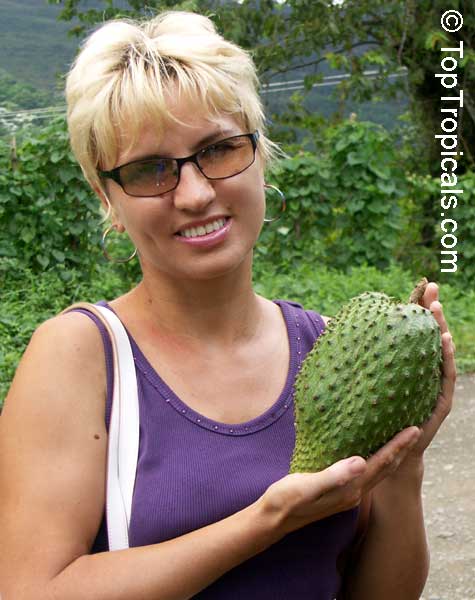
A  blonde  girl  holding  Soursop,  Guanabana  fruit

By Alex Butova, the Witch of Herbs and Cats

Q: What is the ruling planet of Guanabana? I have searched the internet, but can't find anything. Thought maybe you might know?

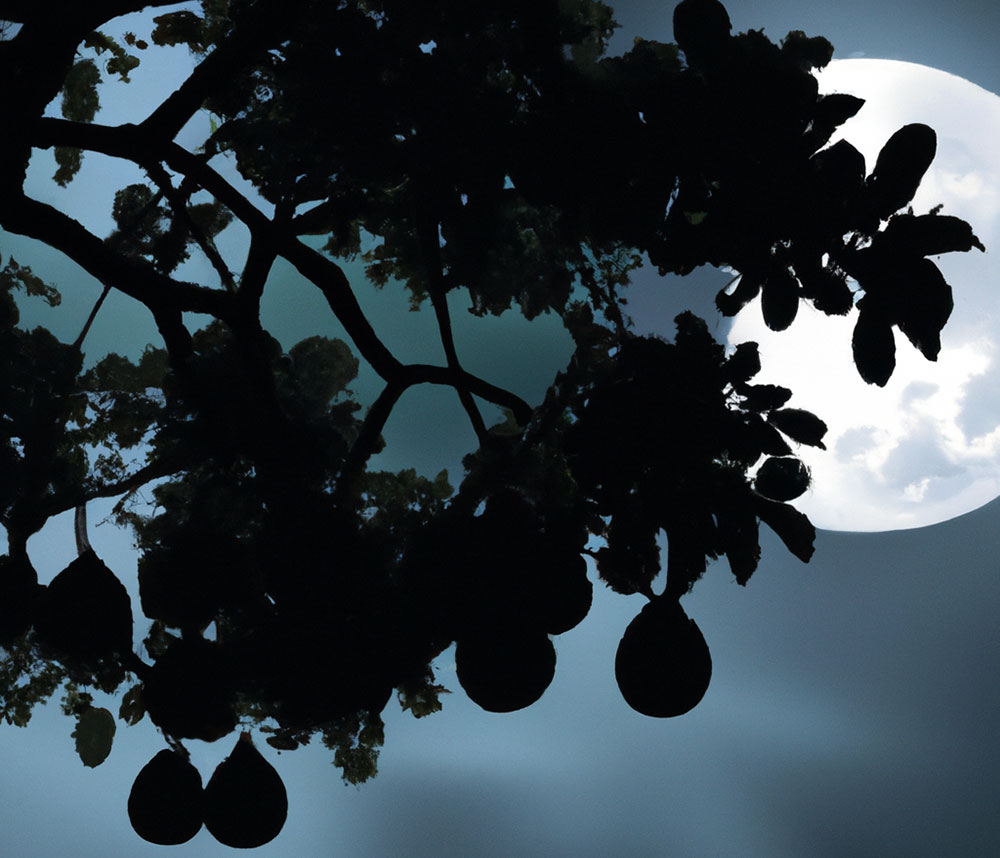
A: Annona muricata is native to the Caribbean and Central America, which falls under the patronage of the Pisces constellation. The planets that rule the house for this constellation are the Moon, Jupiter, and Neptune, with Water being a key element of its essence. These planets can be considered the ruling planets for the Guanabana plant...

Guanabana  tree  with  full  moon

Date: 5 Apr 2023

What are Low Chill Apricots?

Prunus armeniaca (Armenian plum)

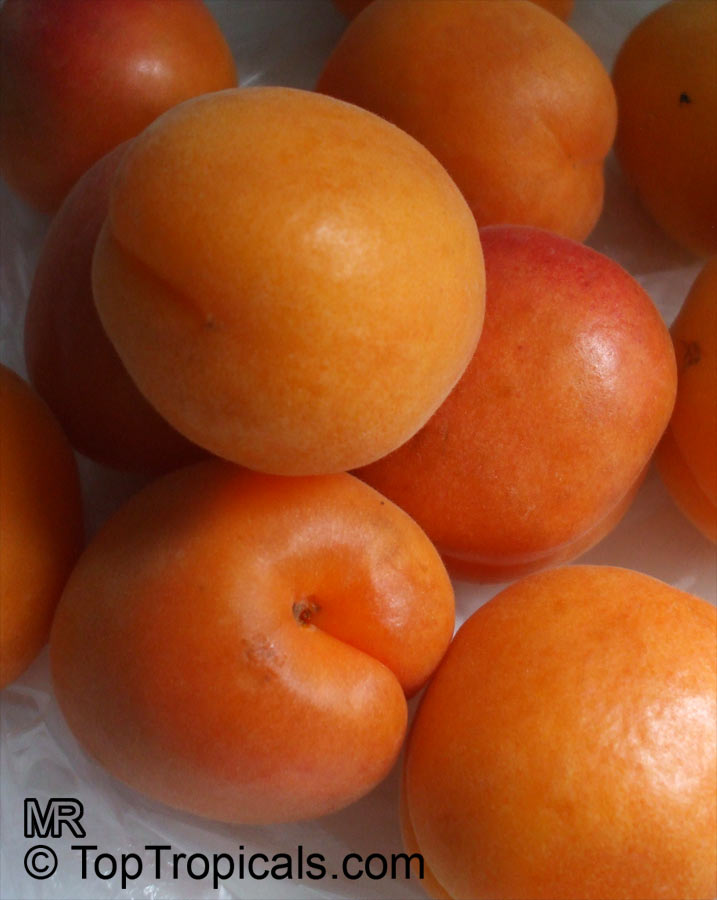
Apricot  var.  Katy  (Prunus  armeniaca)

Q: Can I grow apricots and plums in Florida?

A: Low chill apricots have been specially developed for subtropical regions like Central and South Florida, where the climate is not typically conducive for apricot cultivation due to the high number of chill hours required. This is also true for other fruit trees such as plums and peaches. However, through successful hybridization, several low chill varieties have been created that require less than 300 hours of cold weather below 45 degrees.
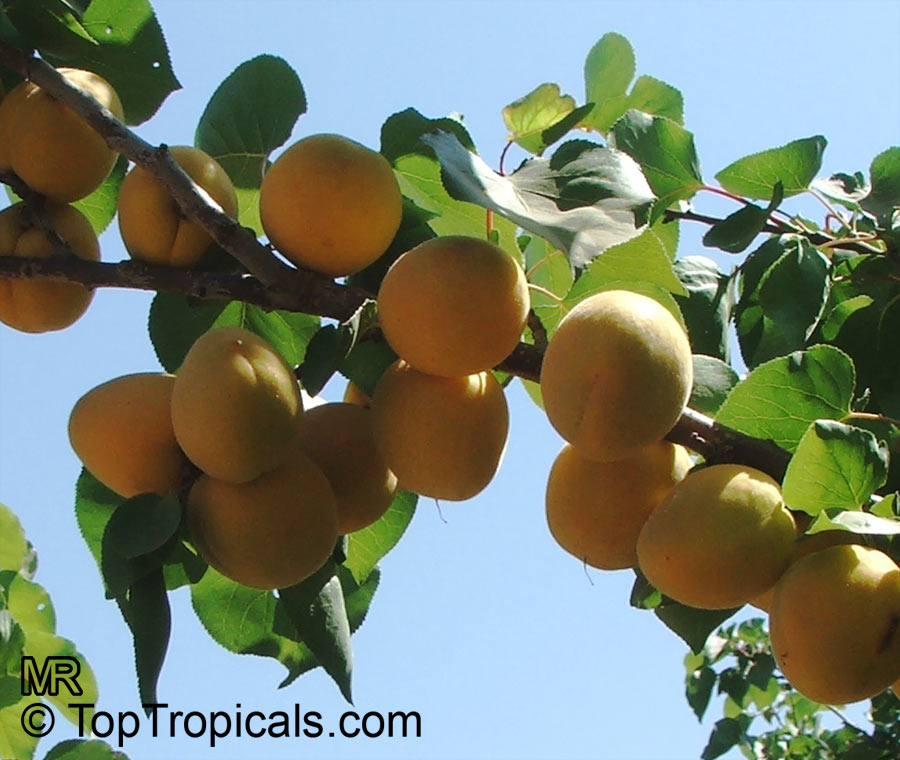
One such example is the low chill Katy Apricot tree, which only requires 250 chill hours and is self-fertile. It is a popular choice among homeowners due to its large size, rich flavor, and free-stone characteristics with a semi-sweet, low-acid taste. Katy Apricot tree typically bears fruit early, usually in May.

Apricot  fruit  on  a  tree

Date: 21 Jun 2022

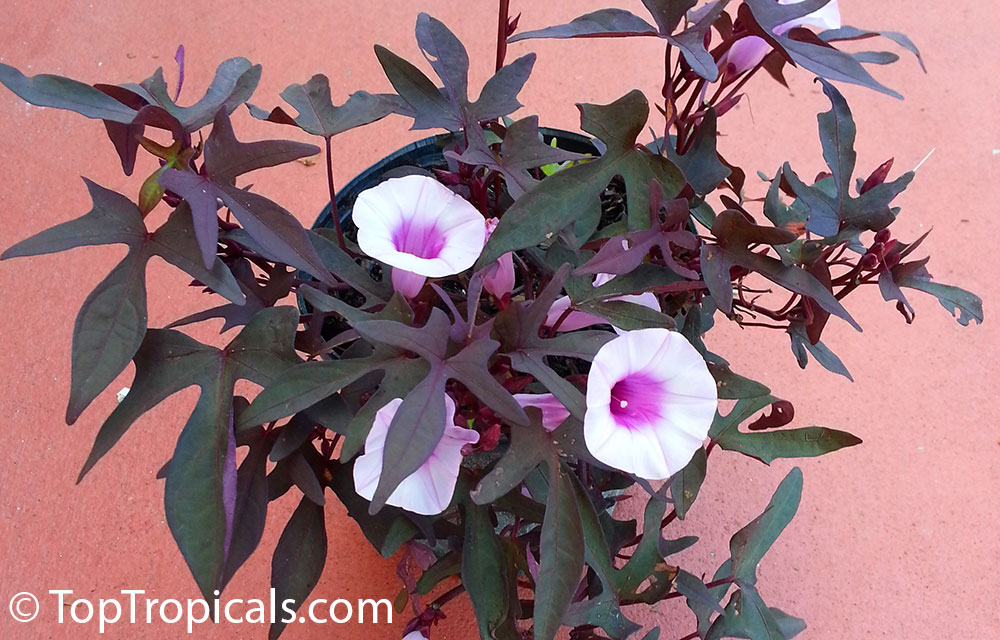
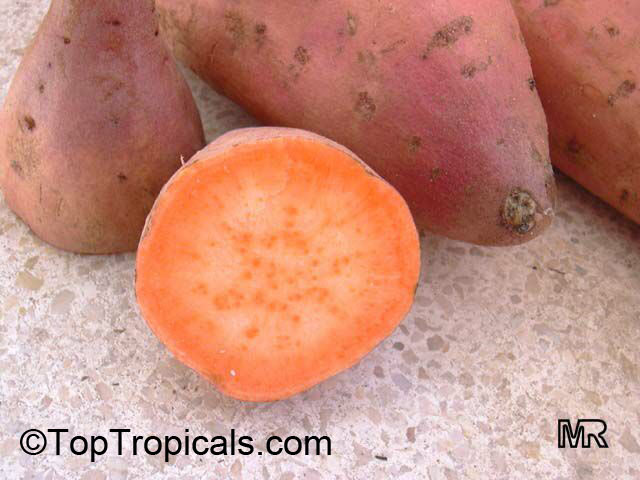
Sweet Potatoes - healthy food for every kitchen

Ipomoea  batatas

by Alex Butova, the Witch of Herbs and Cats

"Oh my, what is this luxurious vine? These large, bright flowers! Looks like the Morning Glory and... is not like anything!"
"You want to know what this is? This is my favorite breakfast, lunch and dinner. For breakfast - sweet, but healthy porridge, for lunch - a wonderful side dish, and at last this plant makes a wonderful dessert after dinner!"
I didn't expect sweet potatoes to be represented by such a beautiful plant! So my old good friend introduced me to this supposedly ordinary, but spectacular and useful edible plant. Yet it is very fast growing and easy! Here is the story...

Ipomoea  batatas