Garden Blog - Top Tropicals

Date: 10 Nov 2025

Youll never guess what flower it is!

Golden Rain - variegated Tabernaemontana

👀 You’ll never guess what flower it is!

  • ✨ If you think you’ve seen every tropical shrub out there, meet Golden Rain - a rare variegated Tabernaemontana that instantly steals the show.
  • ✨ What makes it special:
  • The leaves are a work of art – green with golden or silvery streaks that shimmer in sunlight. The white, fragrant flowers appear in clusters, adding perfume to its beauty. Compact and rounded, it’s perfect for containers or small gardens. And it’s flexible too – thriving in both full sun and partial shade.
  • ✨ How to grow it:
  • Give it bright light, well-draining soil, and regular watering with brief drying between. It’s tropical-friendly, so protect it from frost. In zones 9 and up, it’s easy to grow outdoors. Place it somewhere visible – the golden foliage deserves attention.
  • ✨ Why you’ll love it:
Because it’s rare. Because it smells amazing. Because those leaves look like they’ve been brushed with sunlight. Golden Rain is one of those plants that makes everyone stop and ask, "What is THAT?"

🛒 Get your own Golden Rain before it's gone

#Perfume_Plants #Hedges_with_benefits #Container_Garden

🟢 Join 👉 TopTropicals

Date: 13 Nov 2025

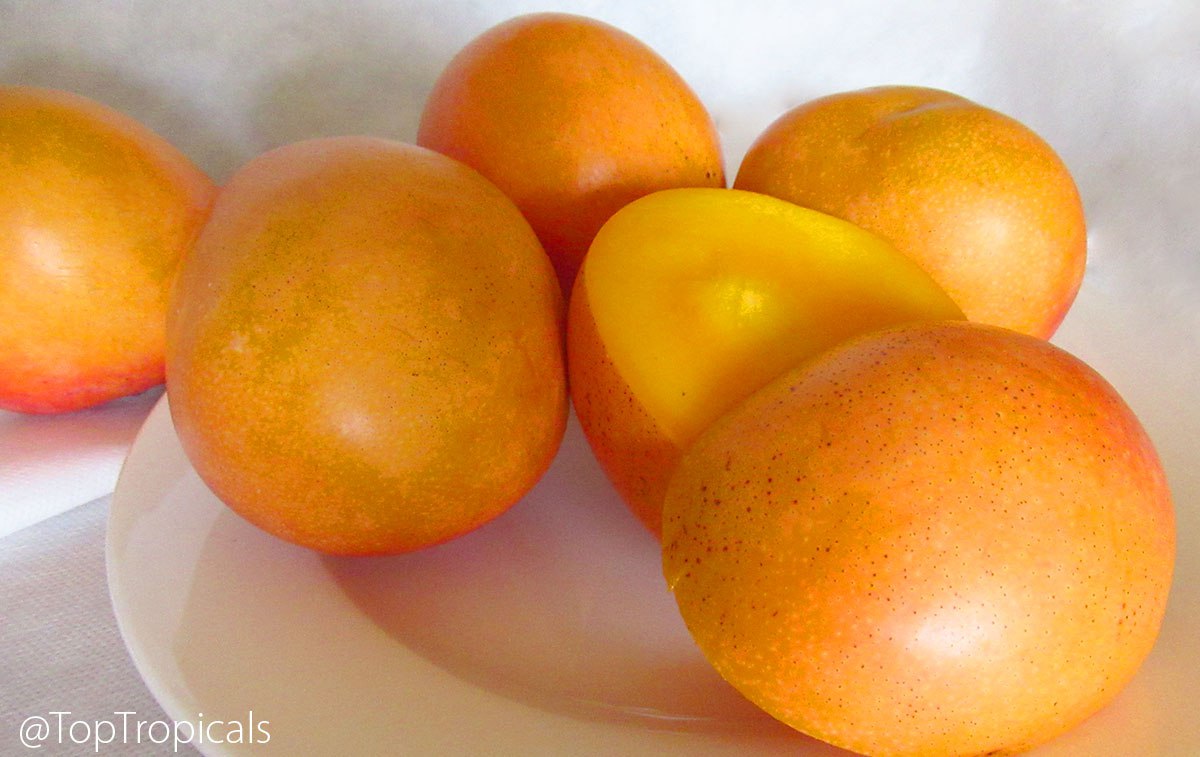
Mangos hidden power: the orange fruit that helps your immune system fight cancer

Orange mango fruit

Orange mango fruit

🥭 Mango's hidden power: the orange fruit that helps your immune system fight cancer

  • 🔸 A new study from the University of Chicago (Cell Reports Medicine) found that zeaxanthin - a carotenoid that gives mangoes their golden color - may do much more than support eye health. It can actually make your immune system stronger against cancer!
  • 🔸 Researchers discovered that zeaxanthin boosts the performance of the body’s CD8+ T cells, the immune cells that hunt down and destroy tumor cells. In lab and animal tests, diets rich in zeaxanthin slowed tumor growth, and when paired with cancer immunotherapy, the results were even more impressive.
  • 🔸 Zeaxanthin helps T cells form stronger receptor structures and increases their signaling and tumor-killing power. The compound occurs naturally in colorful foods like Mango, orange peppers, corn, cantaloupe, and dark leafy greens.
  • 🔸 Because it’s already known to be safe and available as a dietary supplement, scientists see zeaxanthin as a promising addition to future cancer therapies. So, eating mangoes and other orange or yellow fruits may not only brighten your plate but also help your body’s natural defenses stay sharp: Pineapple, Carambola, Canistel, Garcinia, Loquat and more.


🛒 Select from Mango varieties

📚
Learn more:
#Food_Forest #Mango #Remedies #Discover

🟢 Join 👉 TopTropicals

Date: 18 Nov 2025

This giant red stared right back at me

Disocactus ackermanni, Red Orchid Cactus, Jungle Cactus

👹 This giant red stared right back at me

  • 🌺 Disocactus ackermanni, also called the Red Orchid Cactus, or Jungle Cactus - is one of those plants that surprises you even when you already know it well. It grows like a tropical fern, with flat, leaflike stems that hang and drape from a basket. Most of the year it looks calm and green. Then, without much warning, it opens a single huge, bright red flower that can reach up to 6 inches wide. The color is intense, almost glowing, and the bloom only lasts a short time, which makes it even more special.
  • 🌺 Despite being a cactus, it behaves nothing like a desert plant. This species is native to the tropical forests of Mexico, where it grows as an epiphyte in trees. It prefers shade or filtered light, and it enjoys regular watering. No spines, no trouble, just a very unusual growth habit and a spectacular bloom.
  • 🌺 The plant usually flowers from spring through summer, sometimes offering more than one flush. When it does, it always steals attention, and it is one of those plants visitors immediately point at and ask about. This makes it a favorite among collectors of epiphytic cacti and unusual hanging plants.
  • 🌺 If you grow it in a hanging basket and give it bright shade, humidity, and consistent moisture, it rewards you with one of the most striking red flowers you will ever see!


🛒 Add Red Orchid Cactus to your collection

📚 Learn more:


Red Orchid Cactus puts out the biggest bloom show
More epiphytic jungle cacti:
Epiphyllum oxypetalum - Queen of the Night
Pseudorhipsalis (Wittia) amazonica - Blue Flame
Epiphyllum guatemalense Monstrosa - Orchid Cactus, Curly Locks

#Container_Garden #Shade_Garden #Nature_Wonders

🟢 Join 👉 TopTropicals

Date: 29 Nov 2025

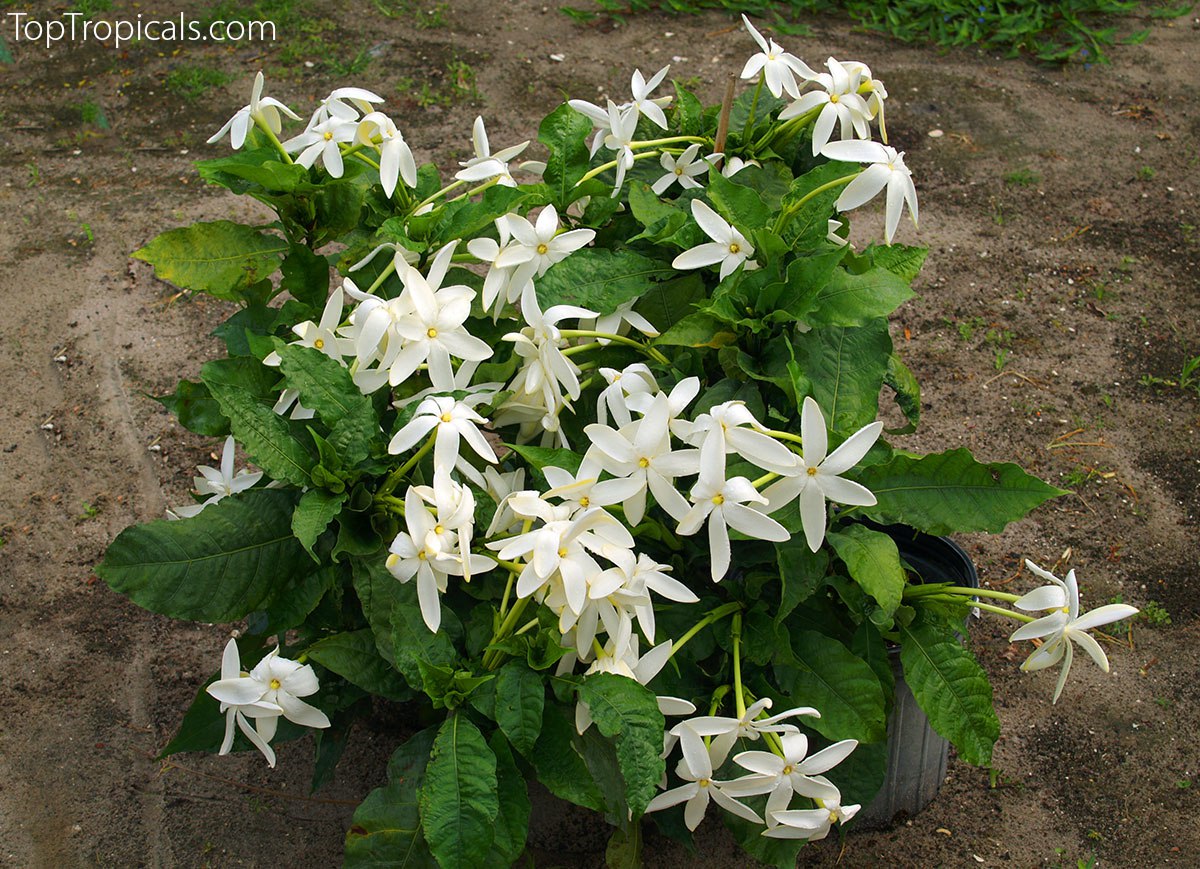
What will bloom for you in November: Gardenia nitida - Shooting Star

Gardenia nitida - Shooting Star

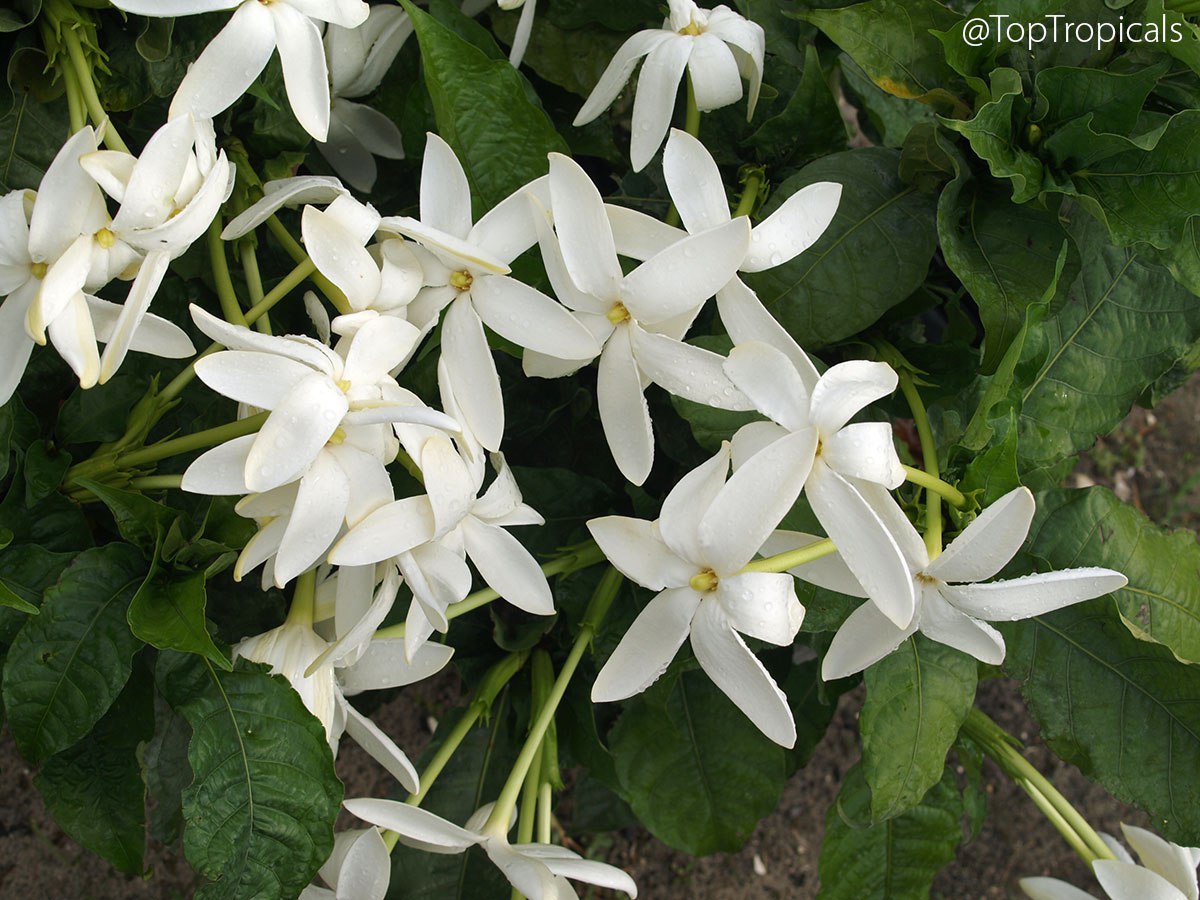
Gardenia nitida - Shooting Star

Gardenia nitida - Shooting Star

Gardenia nitida - Shooting Star

⭐️ What will bloom for you in November: Gardenia nitida - Shooting Star

  • ⭐️ It's end of November and let's see what's in bloom today.
  • Gardenia nitida - the Shooting Star Gardenia - is looking absolutely perfect right now. This is one of the most unusual gardenias you’ll ever run into. Native to tropical Africa, slow-growing, elegant, and honestly… it doesn’t even look like the regular gardenias people are used to.
  • ⭐️ The leaves are the first giveaway. Instead of the thick, waxy look of common gardenias, this one has big, soft, diamond-shaped leaves that give the whole plant a delicate, almost tropical-orchid vibe. The shrubs grow into neat, rounded shapes, so they do great in containers or smaller garden spaces.
  • ⭐️ And the blooms… they’re happening right now! Long, skinny white tubes that flare open into bright little starbursts. They show up in clusters, and when the sun hits them, they really do look like tiny shooting stars across the plant. The fragrance is sweet, rich, and drifting all over the walkway even before you get close.
  • ⭐️ It blooms several times a year, but this moment - right now, heading into winter - is one of its best. If you like rare fragrant plants, this is one of those collector pieces you don’t see every day, especially looking this full and this fresh.


🛒 Get the Shooting Star to light up your garden in Winter

📚 Learn more:

Plant Facts

Gardenia nitida, Gardenia posoqueria
Gardenia
USDA Zone: 9-11
Large shrub 5-10 ft tallFull sunRegular waterWhite, off-white flowersPlant attracts butterflies, hummingbirdsFragrant plant

More about Gardenia nitida from Plant Encyclopedia

📱 Watch YouTube short videos:


#Perfume_Plants #Hedges_with_benefits

🟢 Join 👉 TopTropicals

Date: 5 Dec 2025

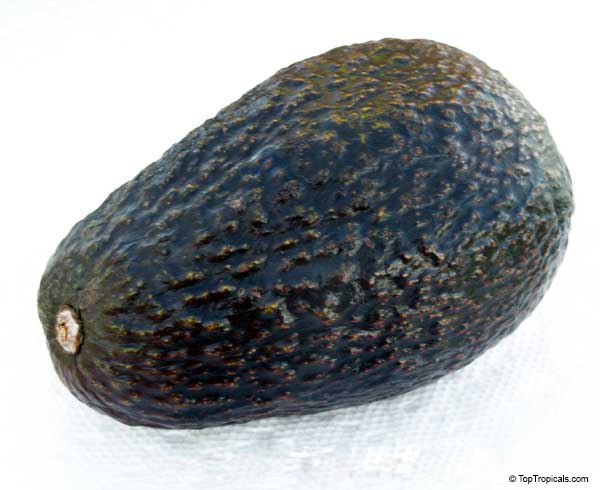
What Avocado is better - Mexican or Guatemalan?

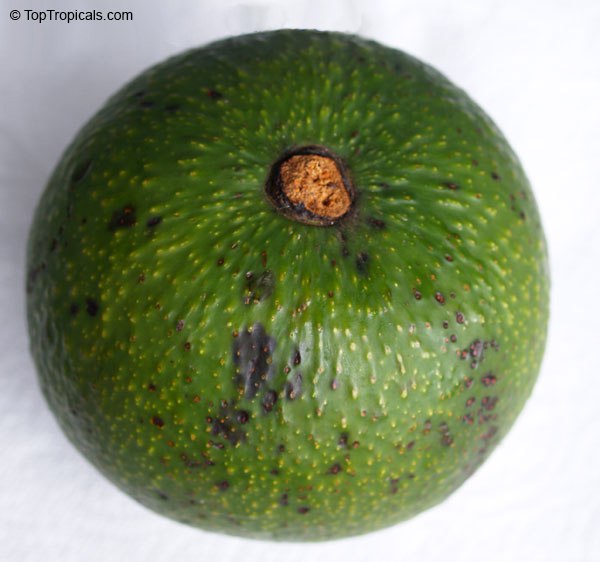
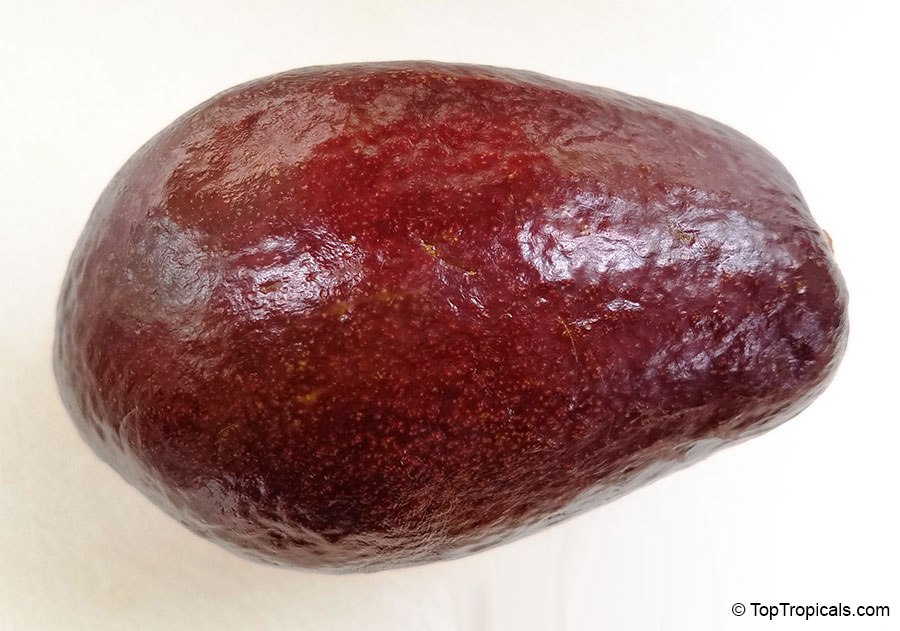
What Avocado is better - Mexican or Guatemalan? What Avocado is better - Mexican or Guatemalan? What Avocado is better - Mexican or Guatemalan?

🌎 What Avocado is better - Mexican or Guatemalan?


Avocados come from three main regions, and each group has its own special look, taste, and growing habits. The three types are Mexican, Guatemalan, and West Indian. Many of today’s popular varieties are hybrids, mixing traits from these types.

  • Mexican type:

These avocados are small, with thin skin and rich flavor. The skin often turns dark green or black when ripe. The flesh is very buttery, with high oil content (up to 30%), and the leaves smell like anise. Mexican types are also the most cold-hardy, so they do well in cooler areas.
Popular Mexican avocado varieties: Anise, Bacon, Brazos Belle (Wilma), Brogdon (Brogden), Fantastic, Florida Hass (Haas), Lila (Opal), Mexicola, Mexicola Grande, Ulala (Oh La La, Super Hass).
Hybrids Mexican x Guatemalan: Winter Mexican, Buck, Wurtz (True Dwarf), Maria Black, Fuerte, Hall, Ettinger, Thomson Red.

  • Guatemalan type:

These are medium to large avocados with thicker, sometimes bumpy skin. They have a creamy texture and rich flavor with plenty of healthy fats. The fruit is usually pear-shaped and ripens in winter or spring. Guatemalan types are commonly grown in both Florida and California.
Popular Guatemalan avocado varieties: Black Prince, Booth 8, Joey, Nishikawa, Reed, Tonnage, Yamagata
Hybrids Mexican x Guatemalan: Winter Mexican, Buck, Wurtz (True Dwarf), Maria Black, Fuerte, Hall, Ettinger, Thomson Red
Hybrids of West Iundian and Guatemalan: Beta, Catalina, Choquette, Day, Hardee Red, Kampong (Sushi), Loretta, Lula, Marcus Pumpkin, Miguel, Monroe, Oro Negro.

West Indian type:


These avocados are the biggest, with smooth, shiny green skin and a lighter, more watery taste. They have less oil but lots of pulp, perfect for salads and guacamole. The fruit can weigh up to 2 pounds! They grow best in tropical climates like Florida, the Caribbean, and the Bahamas, but not in California.
West Indian avocado varieties: Bernecker, Donnie (Doni), Hialeah Red, Pollock, Poncho (Pancho), Red Russell, Russell, Simmonds, Waldin.
Florida originated varieties: Catalina, Hardee Red.
Hybrids of West Iundian and Guatemalan: Beta, Catalina, Choquette, Day, Hardee Red, Kampong (Sushi), Loretta, Lula, Marcus Pumpkin, Miguel, Monroe, Oro Negro.

✍️ In short:

  • ✦ Mexican - small, rich, cold-hardy
  • ✦ Guatemalan - medium, creamy, thick skin
  • ✦ West Indian - large, smooth, tropical


✔️ Check out
Avocado Variety Guide interactive chart. Sort them by flower type A or B, tree habit, fruit shape and quality, cold hardiness, origin, season and more!

🛒 Explore Avocado varieties

📖 Our Book: Avocado Variety Guide, Snack or Guacamole?

📚 Learn more:

Plant Facts

Persea americana, Persea gratissima
Avocado, Alligator Pear, Aguacate, Abacate
USDA Zone: 9-11
Large tree taller than 20 ftSmall tree 10-20 ftFull sunRegular waterEdible plantSubtropical plant. Mature plant cold hardy at least to 30s F for a short time

#Food_Forest #Avocado #How_to

🟢 Join 👉 TopTropicals