Garden Blog - Top Tropicals

Date: 2 Feb 2026

Eight favorite plants of romance, affection, and emotional connection
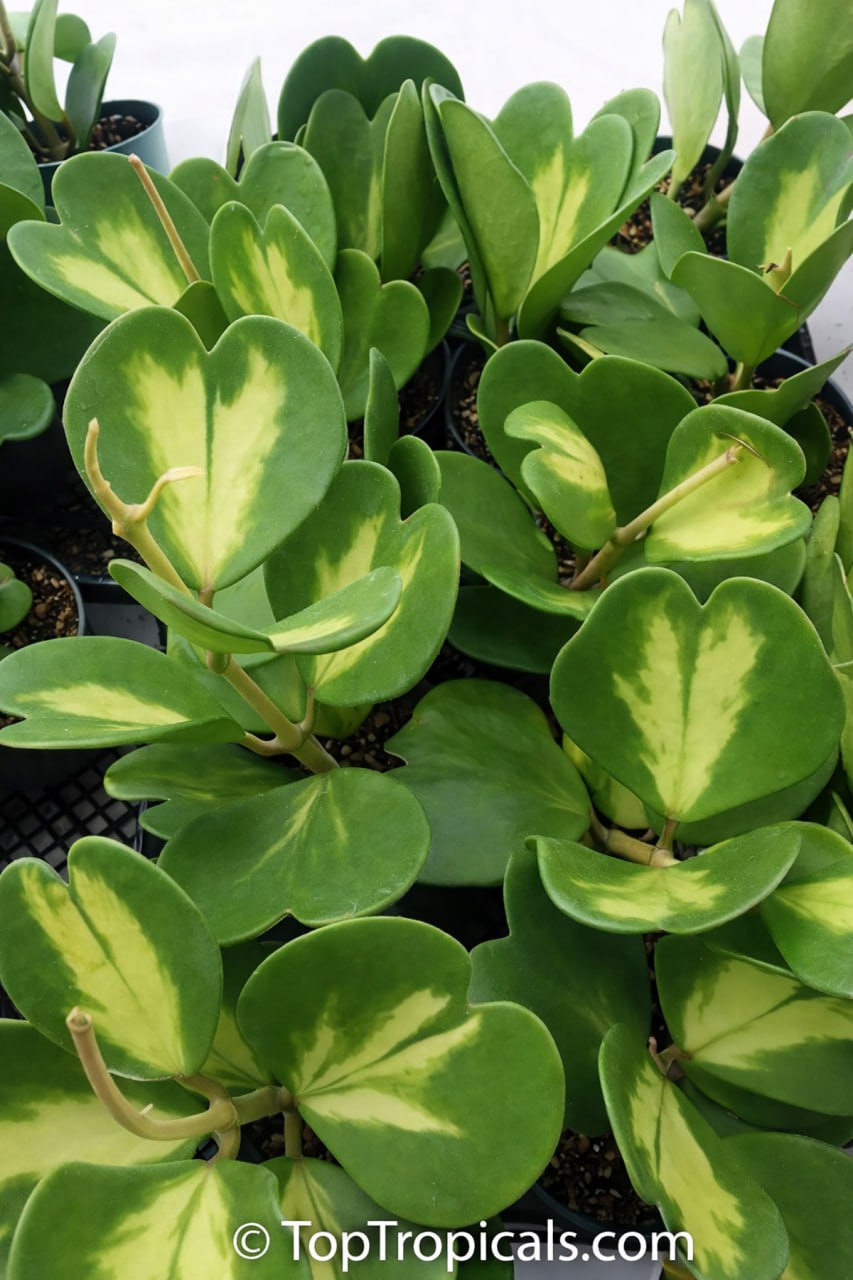
Sweetheart Hoya (Hoya kerrii)
Sweetheart Hoya (Hoya kerrii)

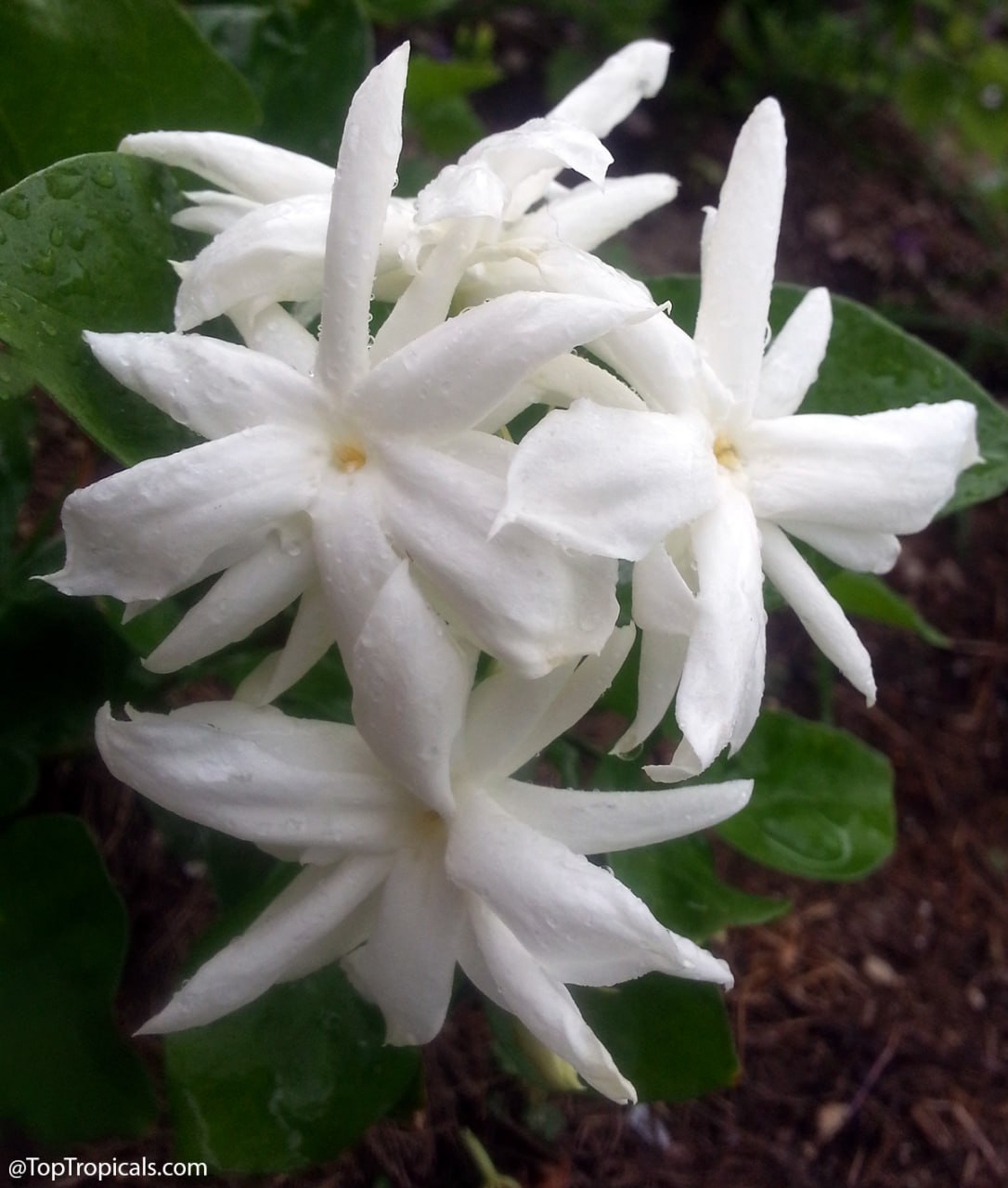
Jasminum sambac
Jasminum sambac

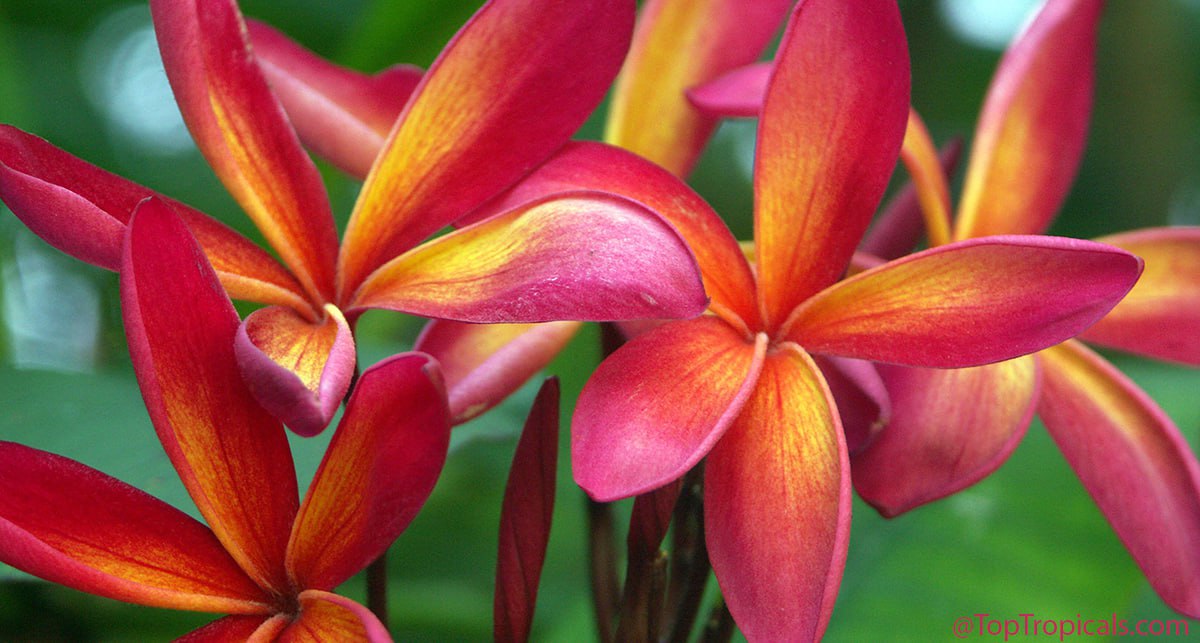
Plumeria (Frangipani)
Plumeria (Frangipani)

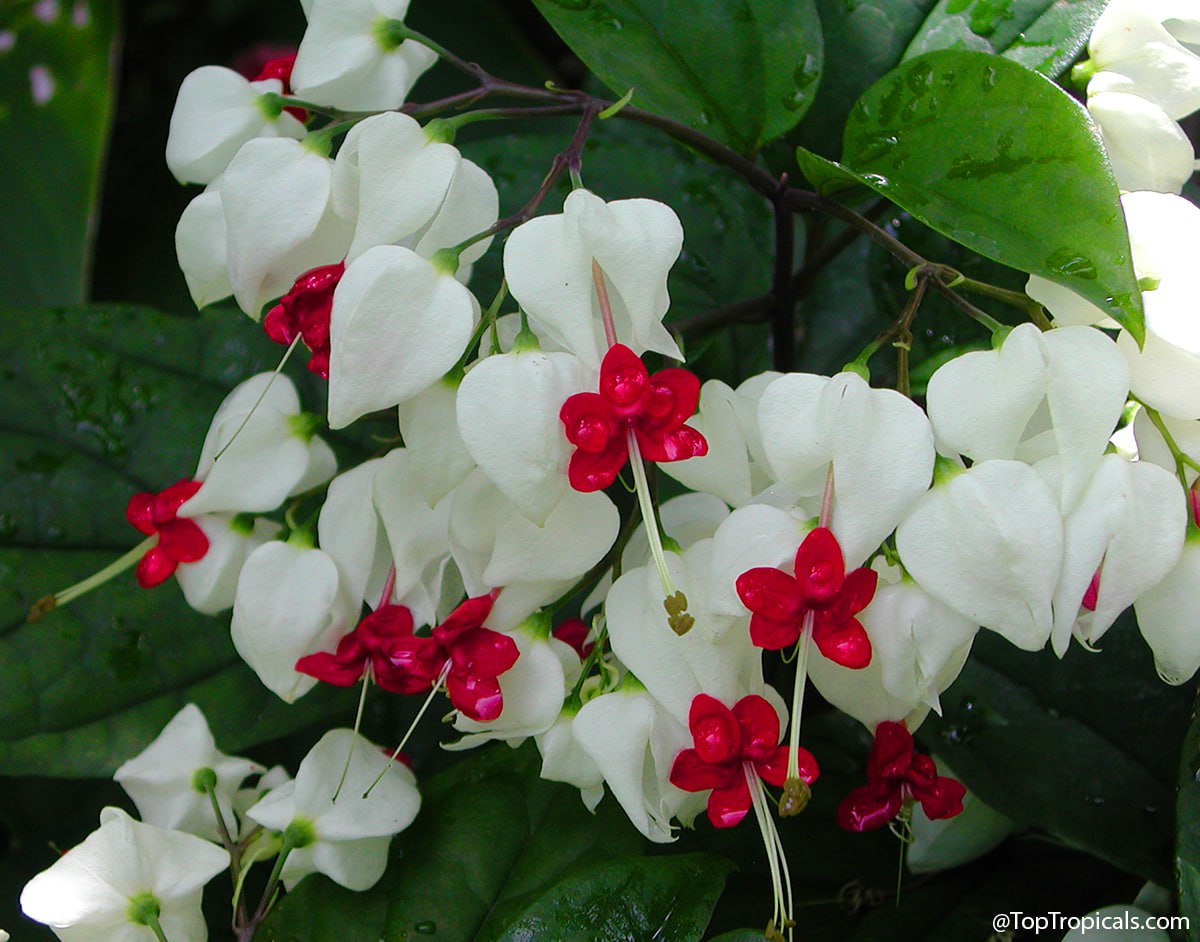
Clerodendrum thomsoniae, Bleeding Heart Vine

Clerodendrum thomsoniae, Bleeding Heart Vine

💕 Eight favorite plants of romance, affection, and emotional connection


These plants communicate love visually and emotionally. They are associated with beauty, admiration, devotion, and long-lasting relationships.

💖 1. Anthurium


With its unmistakable heart-shaped spathes, anthurium is one of the strongest visual symbols of love. In Latin America, it represents hospitality, passion, and enduring affection, making it a natural Valentine plant.
👉 Anthurium gift

💖 2. Orchids


In many Asian cultures, orchids symbolize refined love, fertility, and deep emotional connection. They are associated with elegance, respect, and long-term devotion rather than fleeting romance or infatuation.
👉 Orchid gift

💖 3. Valentine’s Sweetheart Hoya (Hoya kerrii)


Hoya kerrii is known for its thick, heart-shaped leaves, making it one of the clearest visual symbols of love. This long-lived vine represents loyalty and lasting commitment, and is found in several varieties with different leaf variegation patterns: regular green leaf, variegated Moonlight (gold on green) and Sunshine (white-and green).
👉 Sweetheart Hoya gift

💖 4. Plumeria (Frangipani)


In Polynesia and Southeast Asia, plumeria represents love, beauty, and new beginnings. In Hawaii, its flowers are a classic part of leis and have become an enduring symbol of romance, affection, and island love.
👉 Plumeria gift

💖 5. Jasminum sambac


Jasmine Sambac is strongly associated with romance, devotion, and spiritual love. In Hawaii it is used in leis, while in the Philippines, this so-called Sampaguita jasmine symbolizes purity, fidelity, and deep affection and is woven into garlands for lovers, weddings, and sacred ceremonies.
👉 Jasmine Sambac gifts

💖 6. Hibiscus


Hibiscus symbolizes delicate beauty, attraction, and the fleeting intensity of passion. In many tropical cultures, it is associated with feminine energy and romantic expression.
👉 Hibiscus gift

💖 7. Clerodendrum Bleeding Heart


Clerodendrum thomsoniae, called the Bleeding Heart Vine, is known for its red, heart-like flowers held inside white lantern-shaped bracts. It has long been associated with love, emotional vulnerability, and deep personal bonds, making it a natural fit for Valentine symbolism.
👉 Bleeding Heart gift

💖 8. Stephanotis (Madagascar jasmine)


Traditionally associated with marital happiness and fidelity, Stephanotis has long been used in wedding garlands and bouquets in tropical regions.
👉 Stephanotis gift

🛒 Explore gift plants
🎁 Get a Gift Card

📚 Learn more:


What is the best gift plant for Valentines Day
Valentines day Best Gift Plant Ideas
Valentine’s plants from around the world that symbolize love, connection, and appreciation

#Shade_Garden #Container_Garden

🟢 Join 👉 TopTropicals

Date: 25 Sep 2016

Libra Zodiac lucky plants

Libra - 9/23-10/22. Libra is an AIR sign, and is ruled by the planet Venus. Because Venus is the planet of beauty and love, Libra's plants often have light, lovely flowers and gorgeous scents.
Libra has been related to the endocrine system, the kidneys, and the bladder. Venus (which also rules Taurus) is responsible for the harmony between the various body systems, as well as the abdomen, kidneys and urinary tract, and thyroid. Libra's plants help to bring balance to these areas of the body. Libra's romantic nature appreciates a spice that cultivates love and sensuality. Cardamom is a spice known for its gently warming nature, so add a sprinkle when you want to heat things up slowly.

Libra Zodiac lucky plants: Jasmine, Gardenia, Euclinia, Pua Keni Keni, Randia, Beaumontia, Faradaya, Butterfly Ginger, Kopsia, Hydrangea, Montanoa, Aglaia, Dwarf Ylang-Ylang, Desmos, Clematis, Almond Bush, Brunfelsia, Four oclock plant, Juniper, Moonflower, Carissa, White Chocolate Jasmine, Night blooming jasmine, Fiddlewood, Honeysuckle, Orchid, Clerodendrums, Millingtonia, Parijat, Fried Egg Tree, Oxyceros, Phaleria, Tuberose, Cubanola, Portlandia, Rothmannia, Allamanda, Nasturtium, Rose, Camellia, Ephedra, Fuchsia, Ylang-Ylang, Magnolia, Stemmadenia, White Plumeria, Appleblossom, Needle Flower Tree, Tree Jasmine, Guaiacum, Epiphyllum, Amazon Lily, India Hawthorn, Stephanotis, Talauma, Pakalana vine, Wrightia, White flowers, Cypress, Lucky Bamboo, Dracaena, Bakul, Apple, Pear, Fig, Raspberry, Olive, Pomegranate, Apricot, Peach, Plum, Loquat, Grape, Blackberry, Mango, Cherries, Chrysobalanus icaco, Berries, Neem tree, Asparagus, Spices, Mint, Catnip, Bergamot, Thyme, Cardamom.

For other signs information, see full Plant Horoscope.

15% OFF ON ALL FRAGRANT PLANTS! 3 day sale.

Date: 20 May 2026

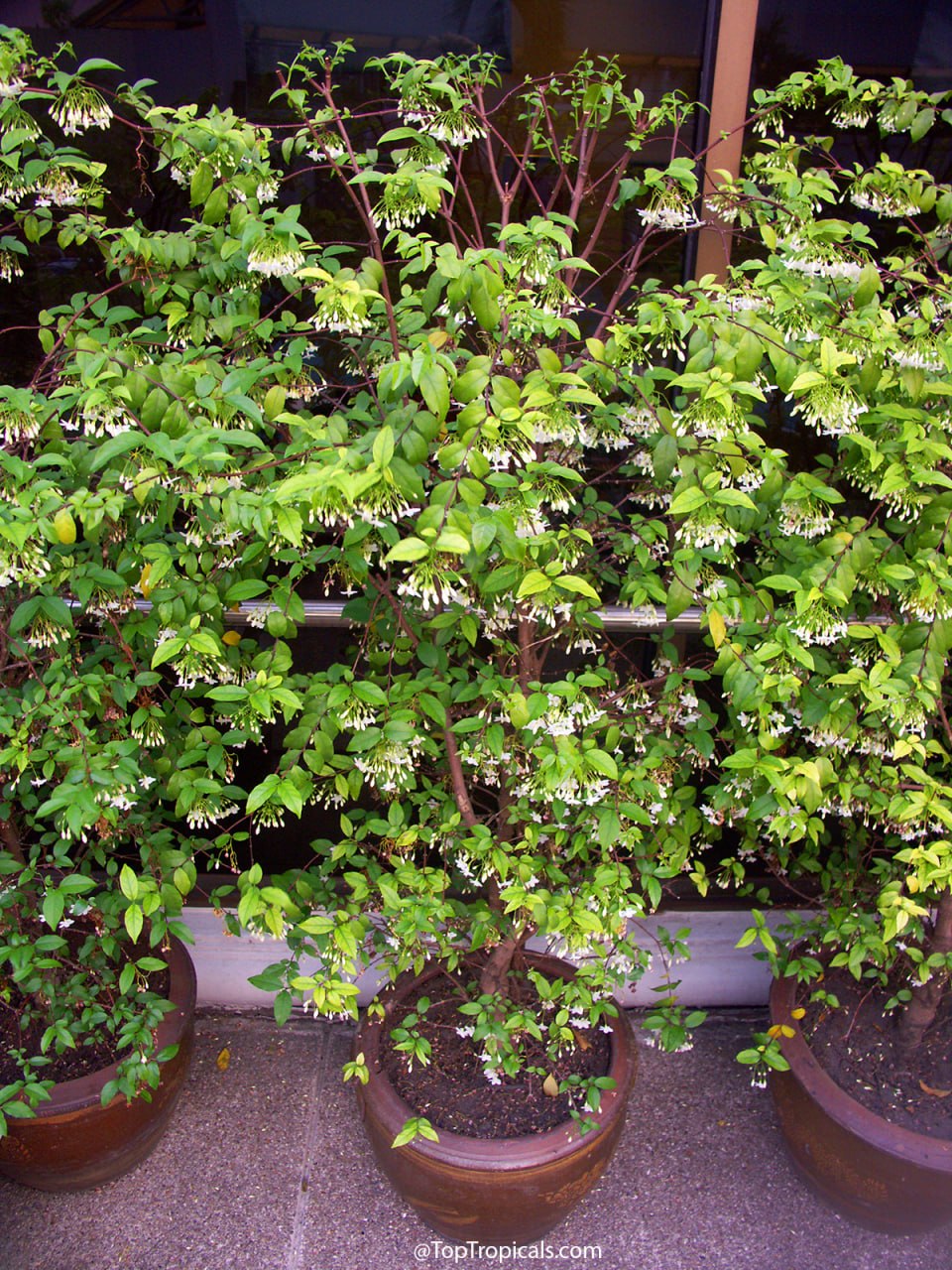
Why in Thailand Wrightia religiosa is near all temples and homes

Why in Thailand Wrightia religiosa is near all temples and homes Why in Thailand Wrightia religiosa is near all temples and homes Why in Thailand Wrightia religiosa is near all temples and homes

🏯 Why in Thailand Wrightia religiosa is near all temples and homes


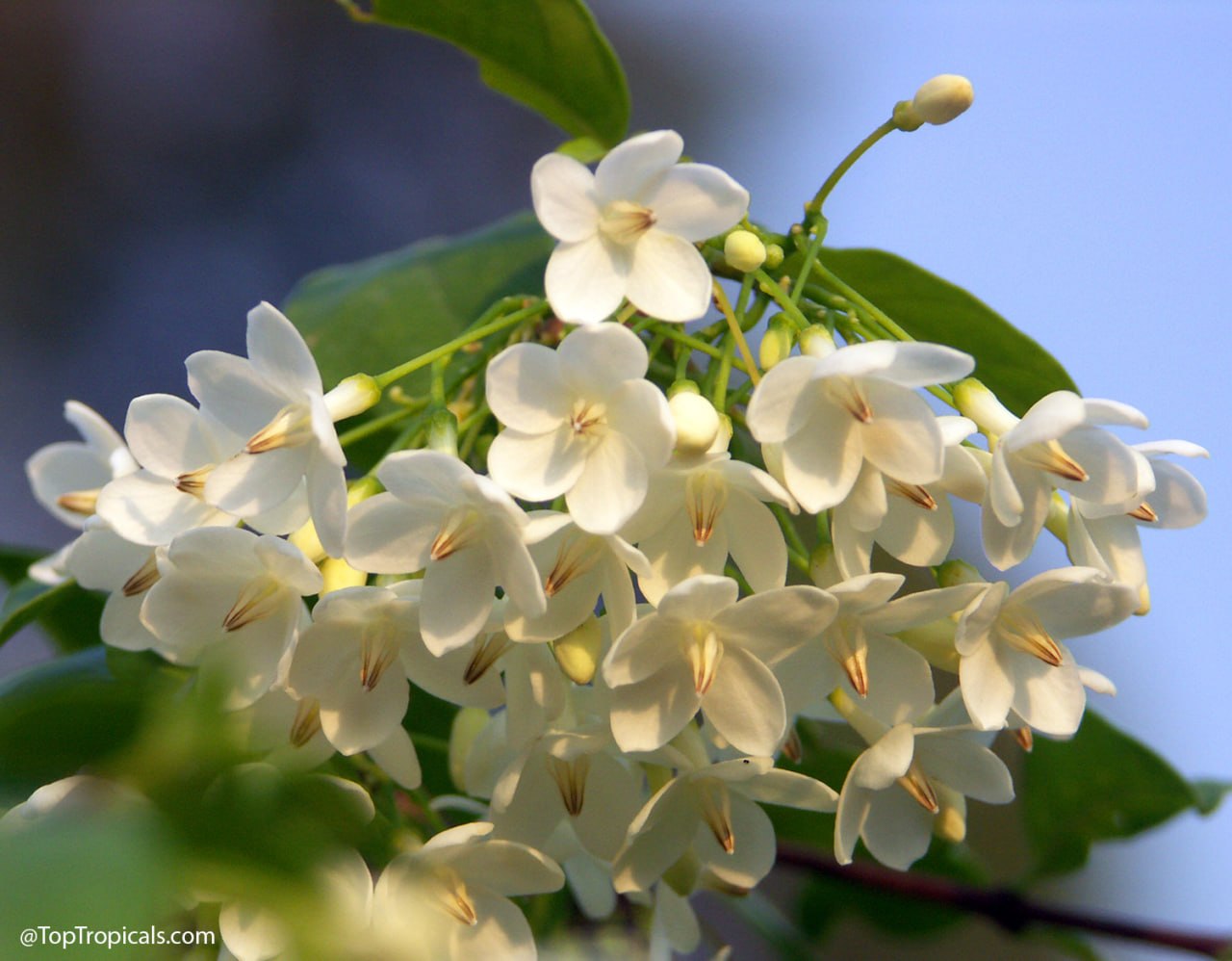
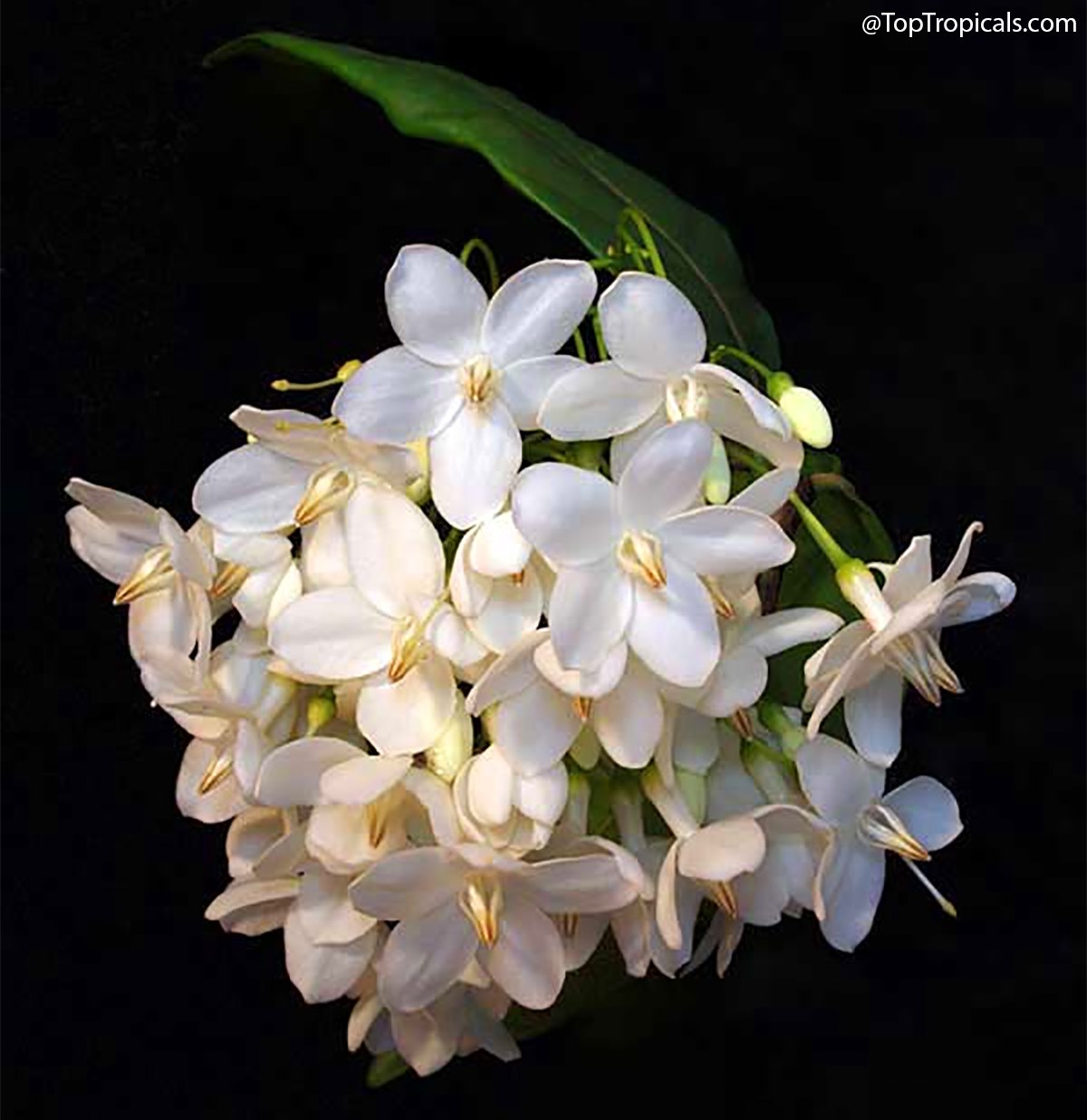
In Thailand, you will smell the Water Jasmine before you see it. Trace that soft, fruity, jasmine-like fragrance and you'll find Wrightia religiosa - an unassuming tropical shrub with tiny white flowers hanging like pendants. Also called Sacred Buddhist, this beloved plant is everywhere in Southeast Asia, cherished for its rich cultural history and old-world charm rather than loud colors.

💮 The Shrub of Buddhist Symbolism that Thai Temples Have Been Planting for Centuries

The species name religiosa is no accident. It literally refers to the plant’s long association with religious, spiritual, and cultural traditions across Thailand, Vietnam, Malaysia, and Singapore.

While the flowers themselves are visually simple, their unique growth habit has inspired generations of Buddhist symbolism. Unlike many flowers that point proudly toward the sky, the blooms of the Water Jasmine hang downward. In Thai culture, this downward-facing habit became a beautiful symbol of modesty and humility - a physical representation of bowing down rather than standing in pride.

Furthermore, many gardeners and monks associate the flower’s five distinct petals with foundational Buddhist virtues: wisdom, compassion, patience, kindness, and generosity. Whether ancient legend or folk interpretation, this cultural meaning has earned the plant a reputation as something sacred, making it a staple near homes and temple grounds.

💮 The Fragrance People Fall in Love With


Visually, Wrightia religiosa does not try to dazzle you with giant petals or wild, neon colors. Instead, its magic lies entirely in its scent.

The perfume it throws into the air is the real reason people become obsessed with it. It is a clean, intoxicating fragrance that drifts gracefully through the evening air. For anyone living in a warm climate, the best part is that the Water Jasmine is not a "one-and-done" bloomer. When the plant is happy, it flowers repeatedly and almost continuously throughout the year, meaning that incredible scent becomes a permanent fixture in your garden.

💮 From Temple Gardens to Bonsai Pots


Part of what makes Wrightia religiosa so widespread is its sheer versatility. It is an incredibly agreeable plant that adapts beautifully to whatever form a gardener desires. In Southeast Asia, you will see it styled as:
· A standalone specimen shrub
· A dense, fragrant privacy hedge
· A patio accent in containers
· A small, sculptural tree

It has also become an absolute classic in the tropical bonsai world. Because its branches are flexible, fast-growing, and highly responsive to pruning, even beginners can easily wire and shape young plants into twisted, artistic forms. Left to grow naturally, older plants develop a graceful, twiggy, and airy structure that looks naturally sculptural.

💮 The Fake-Dead Winter Quirk


Wrightia is easy to care for with standard sun and water, but it hates the cold (although survives it well). Below 65F, it abruptly drops all its leaves and looks completely dead. Many gardeners panic and throw it away - but it’s just resting. Simply bring container plants indoors for the winter. Once the warmth returns, it wakes up, flushes green, and resumes blooming.

💮 Subtle Beauty with Deep Roots


Some tropical plants impress with sheer size, but Wrightia religiosa does the opposite. Its beauty is quiet - thin branches, dangling white pendants, light green foliage, and a fragrance that gently fills a yard.

It is a plant with a few centuries of cultural history carried in its branches, and it is one of those rare garden gems you cannot truly appreciate until you experience its scent in person.

🛒 Plant the Sacred Buddhist and enjoy the magical aroma

📚 Learn more:

Snowflake Plant Facts

Botanical name: Wrightia antidysenterica
Also known as: Snowflake, Milky way, Winter Cherry Tree, Arctic Snow, Pudpitchaya, Sweet Indrajao, Hyamaraca
USDA Zone: 10 - 11
Highligths Plant used for bonsaiLarge shrub 5-10 ft tallSmall plant 2-5 ftFull sunWatering: Regular. Let topsoil dry slightlyWhite, off-white flowersPlant attracts butterflies, hummingbirdsEthnomedical plant.
Plants marked as ethnomedical and/or described as medicinal, are not offered as medicine but rather as ornamentals or plant collectibles.
Ethnomedical statements / products have not been evaluated by the FDA and are not intended to diagnose, treat, cure, or prevent any disease. We urge all customers to consult a physician before using any supplements, herbals or medicines advertised here or elsewhere.Fragrant plant
Get personalized tips for your region

Wrightia religiosa and other wrightias in Plant Encyclopedia

#Discover #Perfume_Plants

🟢 Join 👉 TopTropicals

Date: 25 Apr 2024

How to keep weeds away?

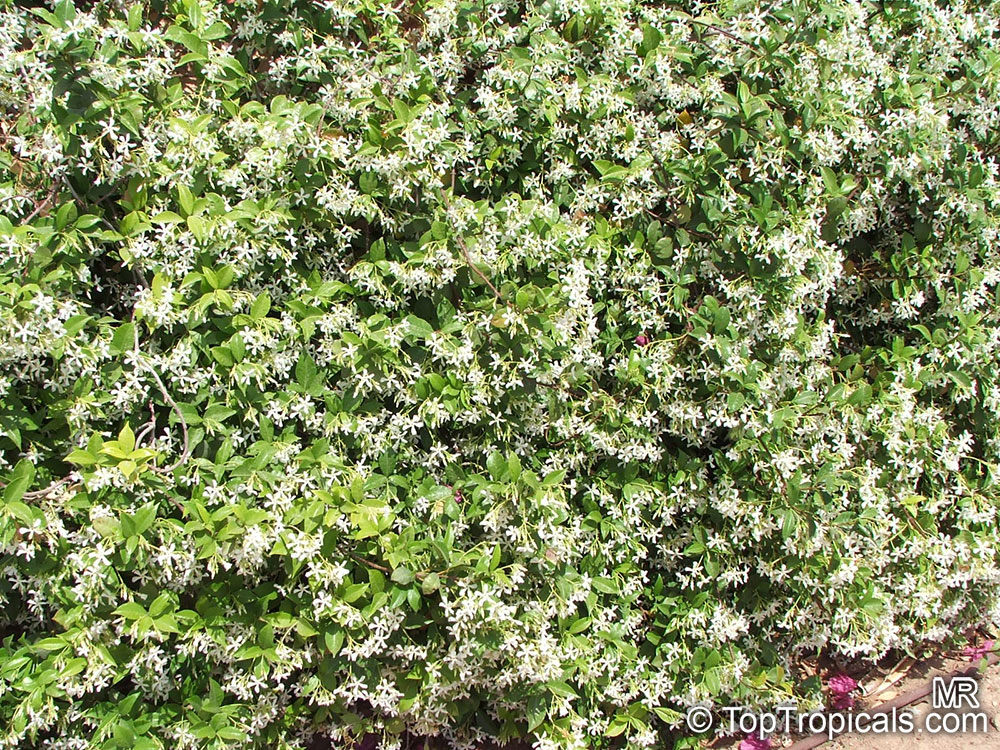
Confederate Jasmine (Trachelospermum jasminoides)

Confederate Jasmine (Trachelospermum jasminoides)

Confederate Jasmine (Trachelospermum jasminoides)

☘️ How to keep weeds away?


"Give a weed an inch and it’ll take a yard...."

Hot season started, and so did the weed season!

💚 Ways to keep your yard weed-free without use of herbicide:


1 Mulch, mulch, mulch

2 Cover the area with cardboard (still getting those Amazon boxes?) and put mulch, mulch, mulch on top.

3 Plant dense ground cover plants! Weeds will lose competition for food and light.

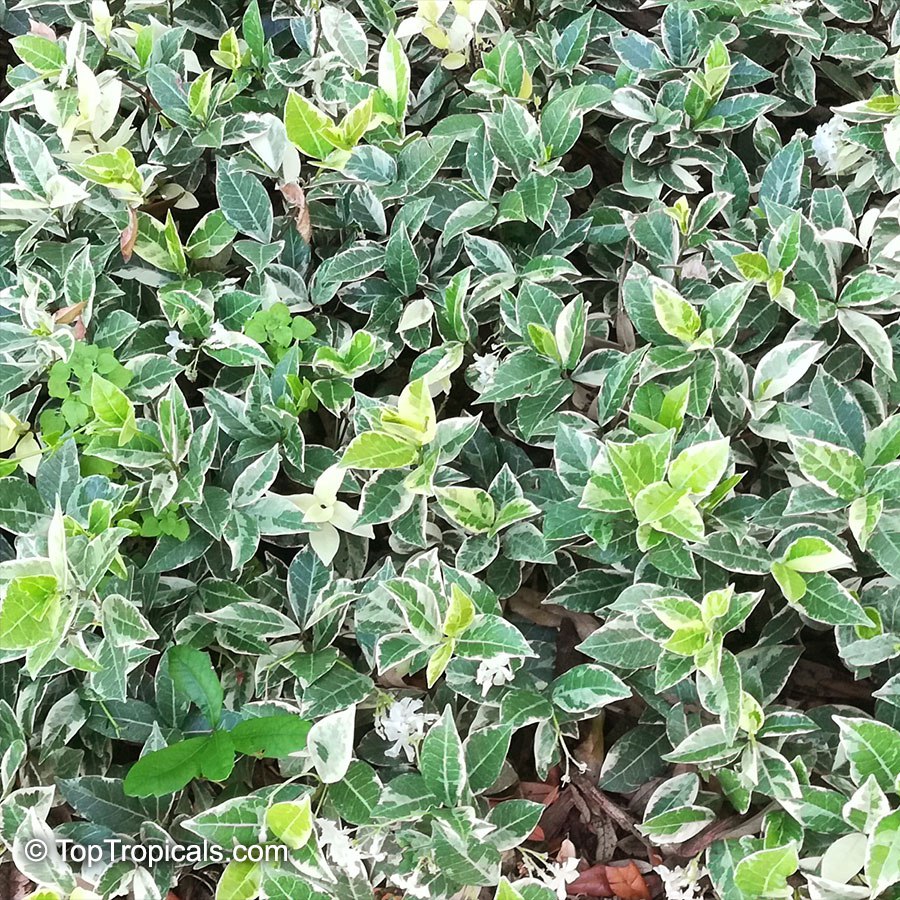
🎥 Did you know that Confederate Jasmine (Trachelospermum jasminoides) makes not only a trellis/fence solution, but also a dense fragrant ground cover? It's not demanding, fast growing, drought tolerant plant, takes full sun or shade. Sweet, deliciously fragrant flowers is a pleasant bonus!

🛒Get your fragrant ground cover

#How_to #Perfume_Plants

TopTropicals.com
We Grow Happiness

Date: 5 Aug 2022

Planting in August

Top Tropicals Garden Calendar

Philly's  garden  calendar

August is the hottest month in most places, and tropical/subtropical areas are not the exception. In Florida we have some hot August days in upper 90's. Is it still OK to plant during hot weather? Yes, and here are some guidelines for you:

1. Hot metabolism.
Many tropical plants grow faster at high temperatures. Select heat-resistant species for August planting (below are just a few suggestions).

2. Water adequately.
Water thoroughly your newly planted tree. Water daily (lightly) with a hose for at least a week, don't rely on sprinklers. Then reduce watering to every other day and gradually switch to sprinkler system if you have it. Do not overwater: non-established plants don't like combination of heat+wet.

3. Mulch well.
Keep mulch 1"away from the trunk to avoid rot.

4. Shading.
Protect the young tree from hot sun with a shade cloth or a sheet if leaves get wilted, for 1-3 days, then remove it, let the plant adjust to bright light.

Trachelospermum  jasminoides  -  Confederate  Jasmine

Photo above: Trachelospermum jasminoides - Confederate Jasmine, the toughest jasmine that can take extreme heat and drought.