Garden Blog - Top Tropicals

Date: 1 May 2025

🌸 Plumeria Power: The Signature Scent of the Tropics
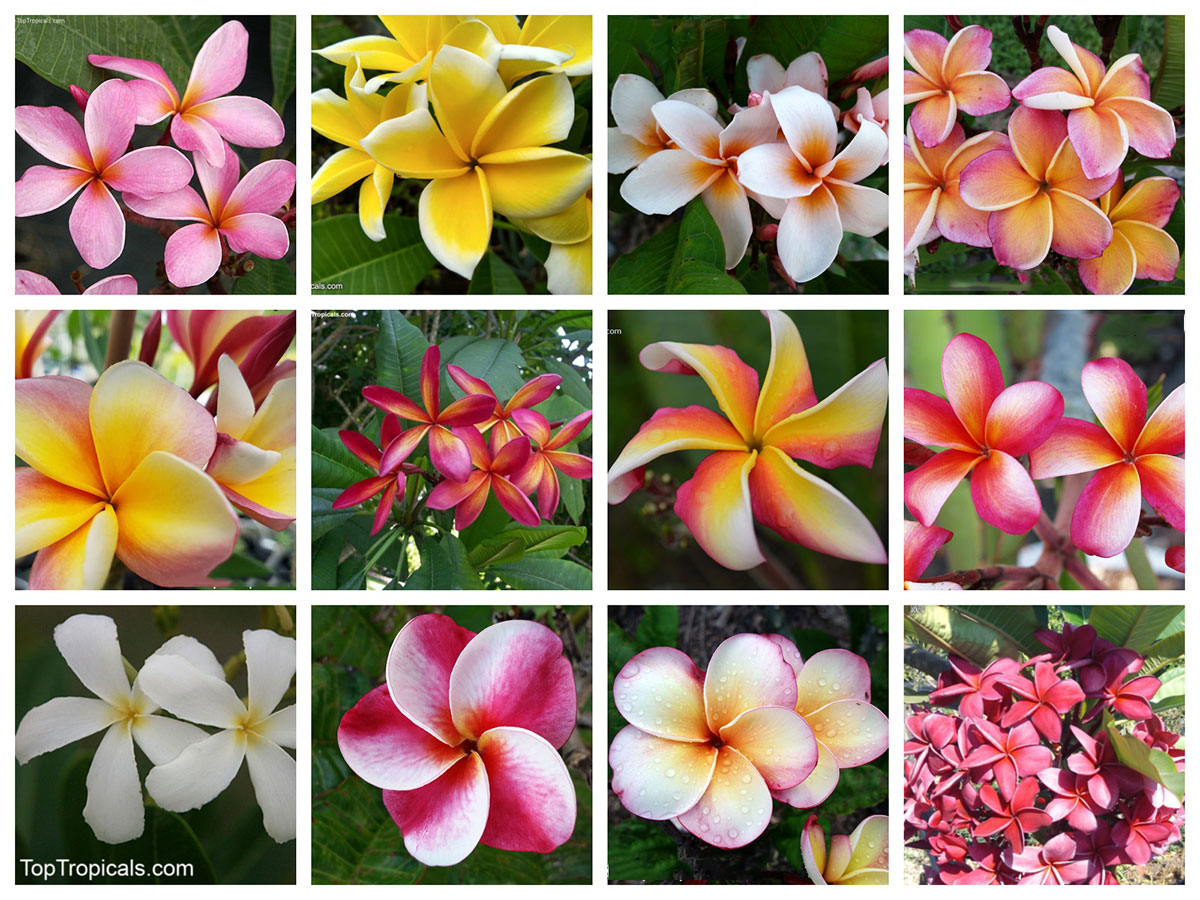
Plumeria  collage

Q: What is the most fragrant variety of Plumeria? Are some colors more fragrant than others? How do you keep Plumeria blooming?

A: From Kristi, TopTropicals Flower Expert: At Top Tropicals, we used to think yellow Plumeria was the most fragrant. That was until we discovered multi-colored hybrids and stunning "rainbow" varieties! These rare beauties are prized not just for their sweet, strong fragrance but also for their dazzling mix of tropical colors.

We just received new arrivals of stunning new Plumeria varieties - but quantities are limited, so don't wait! Choose your favorite colors and bring home the irresistible scent of the tropics.

Plumerias are famous for their rich colors and unforgettable fragrance. With just a few simple steps, you can grow your own blooming tree and enjoy flowers just like in the pictures.

5 simple rules how to grow a fragrant Plumeria

1. Use well-drained soil. Choose a potting mix rich in perlite, bark, and coconut fiber. We recommend Sunshine Abundance professional soil mix for best results.

2. Choose the right container. Use a pot just slightly larger than the root ball to prevent water-logging. Plumeria prefers dry conditions - water only when the soil is slightly dry.

3. Give it full sun. Plumeria needs plenty of light to bloom. If grown indoors, place it in the brightest spot and bring it outside for sunbathing whenever possible.

4. Let it rest in winter. Plumeria drops its leaves and goes dormant during the cooler months. When this happens, reduce watering to a minimum and let the plant rest until new growth begins.

5. Feed it to bloom. Plumeria is a heavy feeder and needs fertilizer to flower well. Use a plant food high in phosphorus, like Sunsine Megaflor Bloom Booster liquid fertilizer. It's safe to use with every watering, all year round.

New Video of Exotic Plumeria Hybrids

Check out different varieties of Plumerias in full bloom. Just look at these colors in this short video !

Date: 25 Jul 2018

Looking for the rarest plant? This is the one!

TopTropicals

Stifftia chrysantha - Pompom, Rabo-de-Cutia

Looking for the rarest plant? This is the one!
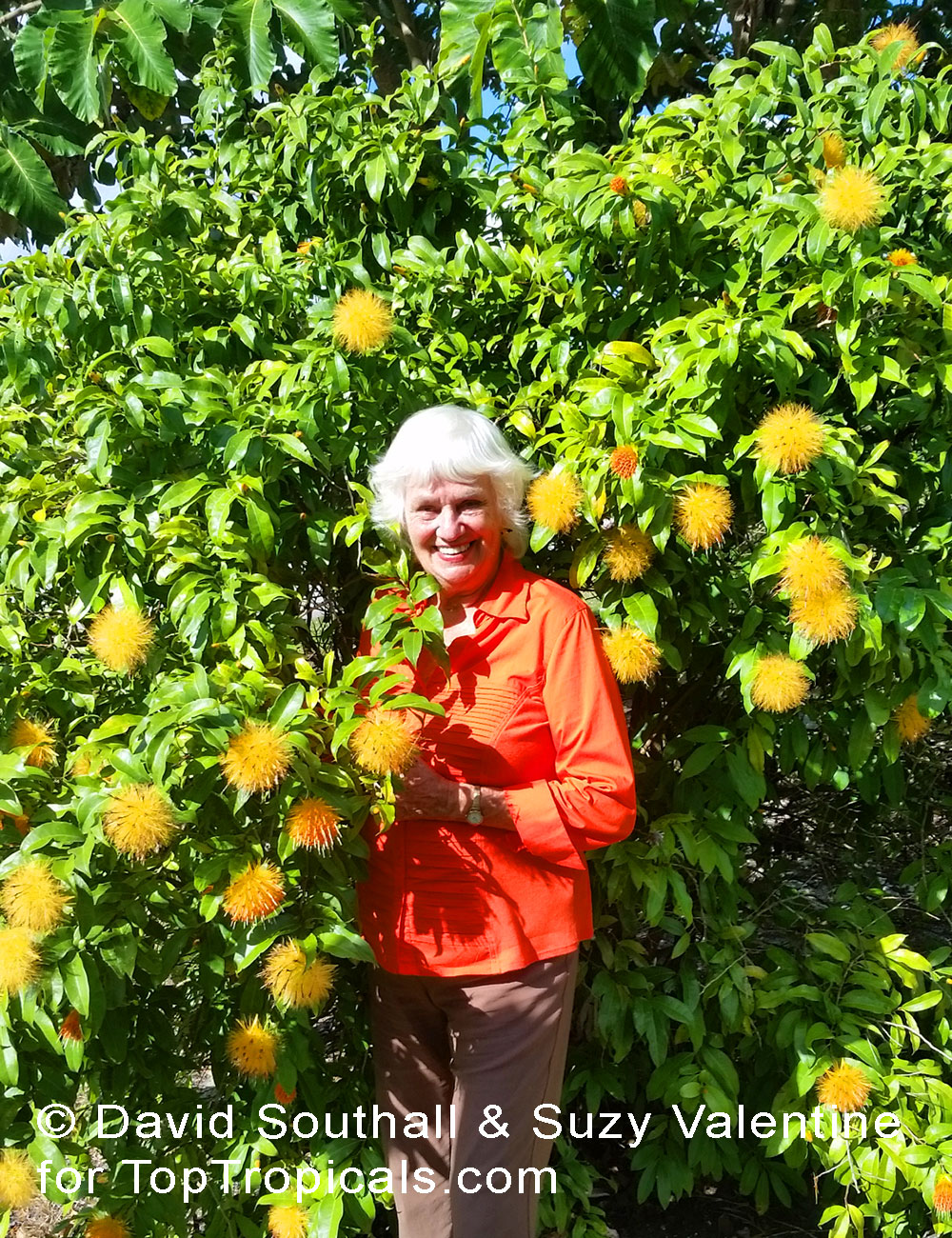
Stifftia chrysantha is an exotic, rare flowering small tree with spectacular flowers, endemic to the vast tropical savanna ecoregion of Brazil called Cerrado. It grows into a bushy, attractive tree between 8 and 15 ft tall and starts flowering within 1.5 - 2.5 years from seed. It is a very rewarding plant that blooms 9 months out of the year, starting in Winter with great intensity during July-September, with each flower staying on the plant for several weeks. Seeds ripen from September through November.
The tree belongs to Aster family (Compositae) and has nothing to do with Powderpuffs which are from Bean (Fabaceae) family. The flower has 30 to 40 green, imbricated scales with short hairs, and actinomorphic corollas are orange below and darker above. After flowering, the inflorescence blows apart, which would scatter seeds. The dried center remaining is very attractive, like a small dried flower, and lasts for many months.
Stifftia can be grown in full sun to partial shade and is relatively cold tolerant, can take short cold spells.
The plant doesn't like wet feet and heavy/soggy soils; requires very well drained, acidic soil. We strongly recommend to use our professional soilless mix. Let soil slightly dry between waterings. It can be grown in full sun to partial shade and is relatively cold tolerant, can take short cold spells. If grown in a pot, try to keep the container shaded because roots don't like to be overheated. The plant needs monthly applications of slow release fertilizer as well as extra iron - use micro-nutrients to keep leaves green and healthy.
See more pictures of this beauty.

Check out this plant...

Date: 14 Jul 2018

How to grow a Dragon Fruit

TopTropicals

Q: I want to grow a Dragon Fruit. Should I use cuttings or seed? What varieties do you recommend? How difficult it is to grow? How soon does it start flowering and fruiting?

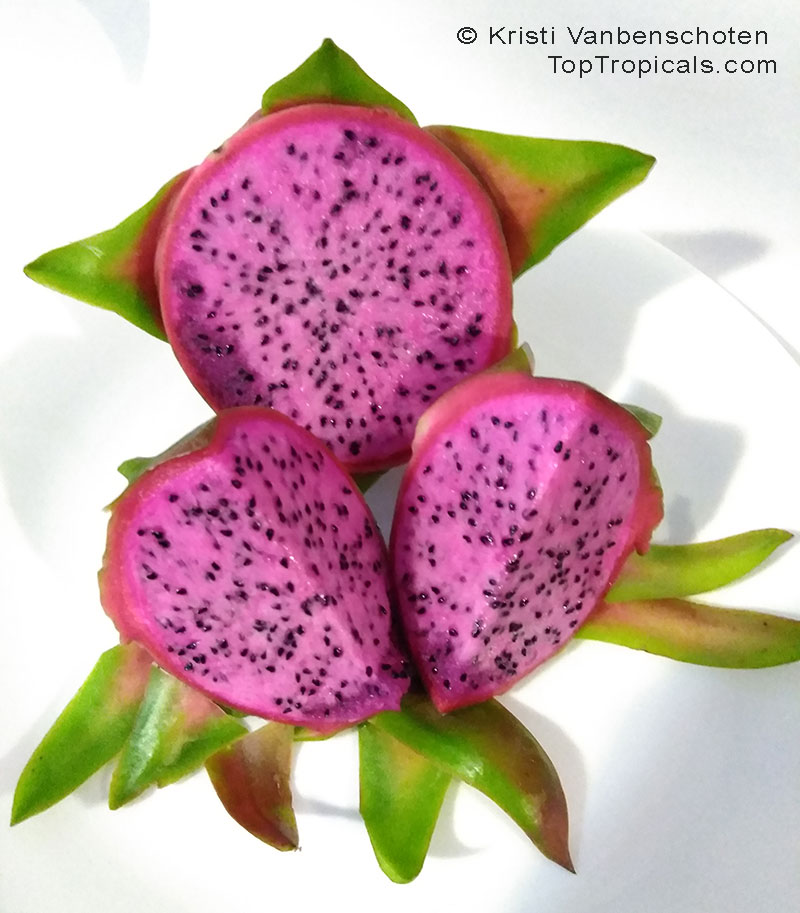
A: Dragon Fruit, or Pitaya is a highly prized, vining, fruit bearing cactus, extremely unusual terrestrial/epiphytic plant. It has magnificent flowers, stunningly beautiful fruit with an intense color, curious shape, and a delicious taste. The night blooming white flowers can be up to 14 inches in length. The fruit is most often eaten chilled and cut in half so the flesh may be spooned out. The juice is used in frozen drinks and it is in a new Tropicana Twister flavor. It is a must have for any collector or gardener with the flair for the unusual.
It takes 2-3 years for seedlings to fruit, besides the variety pay not come true to seed. We grow our plants from cuttings that are easy to root. We offer many selected varieties, most of them self-pollinating. The plants are ready to flower and fruit this year, or the next year.
Dragon Fruit Cactus is easy to grow, doesn't need much other than strong support, full sun, well-drained soil - adenium soil mix works great - and fertilizer during hot months, and SUNSHINE-Honey applications for growing sweeter fruit. For larger fruit bud thinning is recommended.

Check out Dragon Fruit varieties

Date: 3 Jul 2018

Shipping plants during hot weather. Any temperature limitations?

TopTropicals

Q: I want to order a plant that you have only one left in stock; however the weather is extremely hot in my area right now. Do you have any temperature limitations when you ship your plants?

A: We ship plants year around and do our best to watch weather forecast at destination. However the forecast may change to worse within a day or two while a plant is in transit. To ensure your plants have a safe trip during extreme weather, follow these steps:
- notify us if you want to wait until weather permitting so we hold your shipment until further notice;
- make sure to track your package and be at home at time of delivery. The only time when a plant can get temperature damage, from our experience, is when the box is left on your doorstep while too hot (or too cold) outside.
- you may use your business as shipping address if no one is home during regular business hours of delivery.
- unpack the box immediately and follow planting instructions. Keep plant in shade until recovered; never plant directly from a box into the ground; never plant into hot, full sun: protect a new plant with a shade cloth for a few days until established, and water as needed.
- use SUNSHINE booster to help plants recover from shipping stress. It really works! For only $4.95 with FREE shipping!

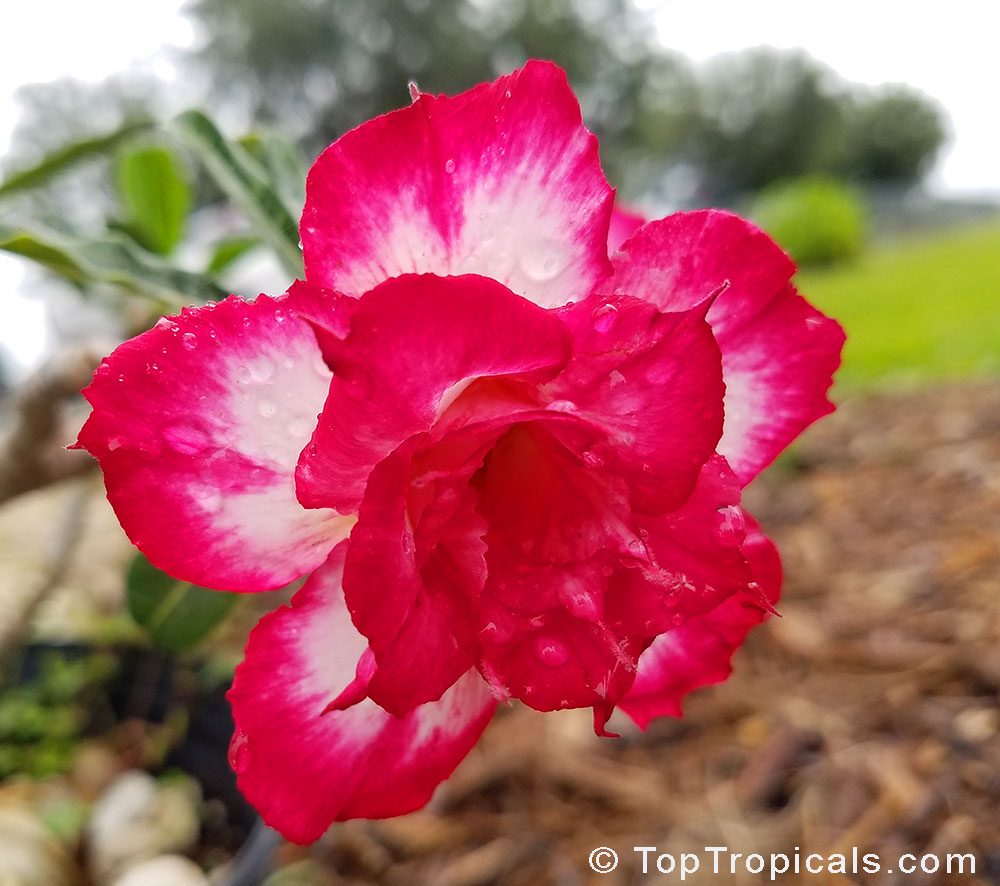
On the photo: Adenium is the easiest plant for shipping!

Date: 24 Jun 2018

White Sapote from under graft

Q: My super sweet white sapote died back all the way to the roots but it's growing back from the roots and I'm wondering if that's just the rootstock growing back or if that's good fruiting wood that's going to make a nice healthy super sweet tree?

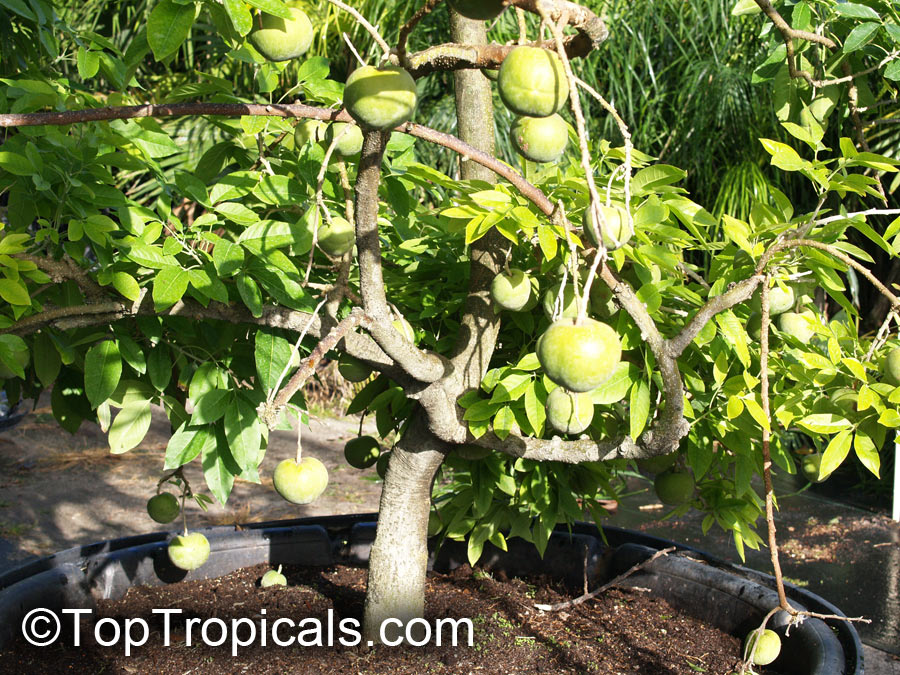
A: The "super sweet" White Sapote, or Casimiroa edulis, was probably variety Young Hands, Super Sweet White Sapote. It was grafted on seedling of White Sapote that has a pleasant somewhat-sweet flavor. The grafted variety you had is a little sweeter than that. So to answer your question, it is worth to give the tree a second chance as far as fruit quality is concerned, although it won't be the a grafted variety, if the new growth coming from under the graft point. The only problem is, non-grafted tree may take longer until it fruits. Grafted trees may fruit right away, seedlings may take a few years.

We suggest to use SUNSHINE-Sweet to enhance flavor of your White Sapote fruit, and make them sweeter, better tasting!