Sunshine: I love peach cobbler. Smokey, why are peaches on
the tree so early? Smokey: Low-chill peach varieties for Florida. They ripen
much sooner. Sunshine: I thought peaches were for Georgia. Smokey: Not if you plant low-chill peaches. And speaking
of peaches, do you know about donut peaches? Sunshine: Donut peaches? Finally, horticulture I can
understand.
Some fruits carry memories before you've even tasted them.
There's something about a peach still warm from the tree - the way it
gives a little when you pick it, the smell that hits you before you even
take a
bite. It makes you slow down. It makes summer feel like it actually meant to
show up.
For Florida gardeners, that moment used to feel borrowed. Peaches were a
Georgia thing, a Carolina thing. You'd admire someone else's harvest and
quietly file it under not for us.
Low-chill peaches rewrote that story.
Here's the thing about regular peaches - they need cold. Not just a cool
night or two, but a real winter. We're talking 600 to 1,000 hours below 45F.
That's how they know to wake up in spring and actually fruit. South Florida
just doesn't deliver that. The trees will grow fine, look healthy even, and
then give you almost nothing come harvest time. Frustrating doesn't cover
it.
Low-chill varieties are different. They were bred specifically for
places like ours - warm winters, mild springs. Some only need 100 hours of
chill.
A hundred. That's a few cold fronts, not a season. And because they're
working with our climate instead of against it, they fruit reliably. Every
year.
They're not just a Florida trick either. Gardeners in coastal Texas,
southern Louisiana, southern California - anywhere in that Zone 8b to 10
range -
have been growing these successfully. If you've got warm winters and thought
peaches weren't for you, they probably just weren't the right peaches.
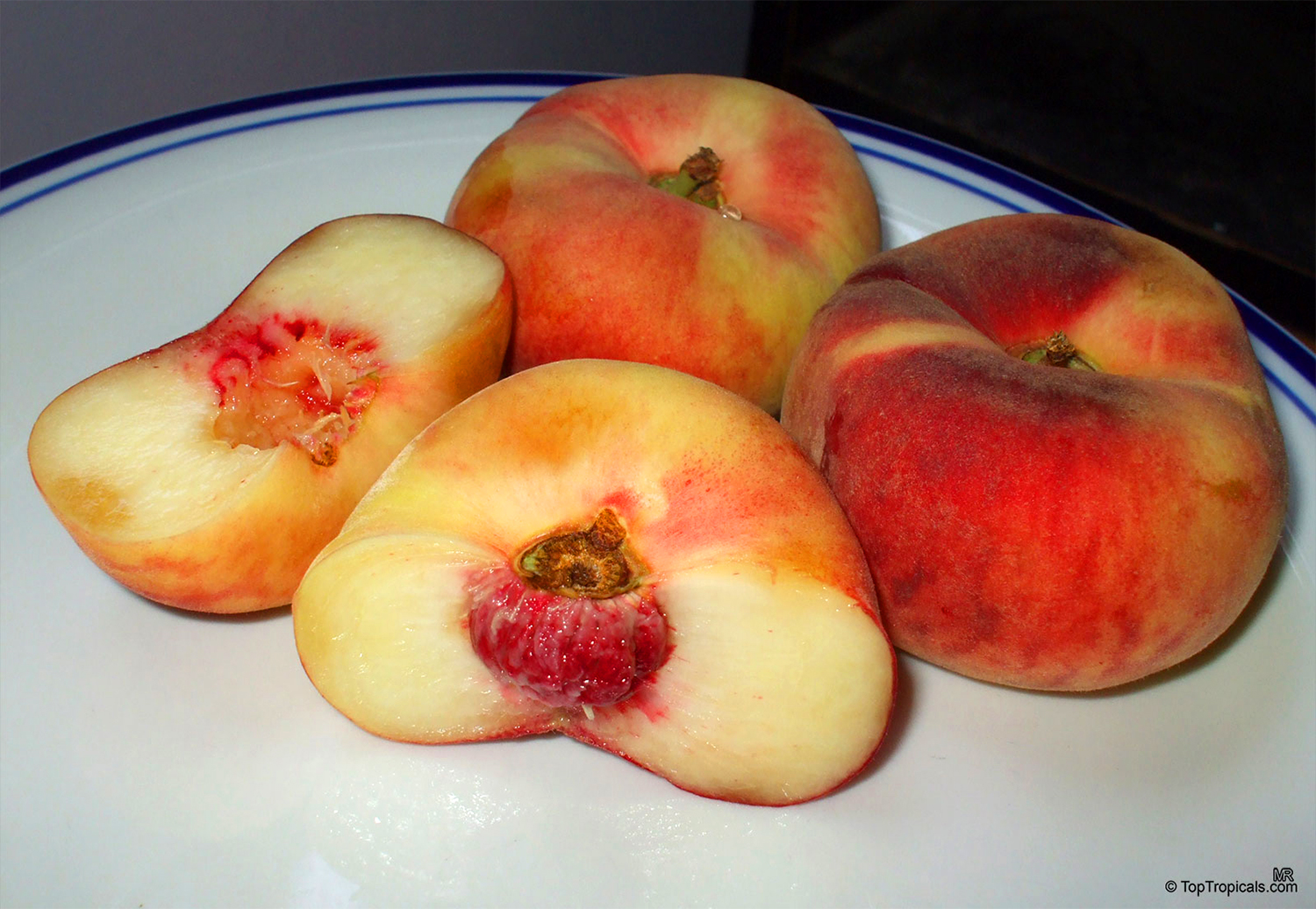
Flat peaches - sometimes called DONUT peaches - are
known
for their sweet white flesh, low acidity, and fun squashed shape.
Date: 11 May 2026
7 tough shrubs that handle heat and dry soil
☀️ 7 tough shrubs that handle heat and dry soil
Tired of shrubs that burn out in summer? A lot of shrubs look great in spring - then collapse when real heat hits. Leaves scorch, blooms stop, and watering becomes a full-time job. That’s where the right plant choice changes everything. These shrubs are built for extremes. They handle blazing sun, reflected heat, and dry soil without constant attention. Some even perform better when conditions get tough.
Silvery leaves reflect heat, and it thrives in dry, poor soils where most plants fail. One of the most powerful butterfly plants! 👉 More
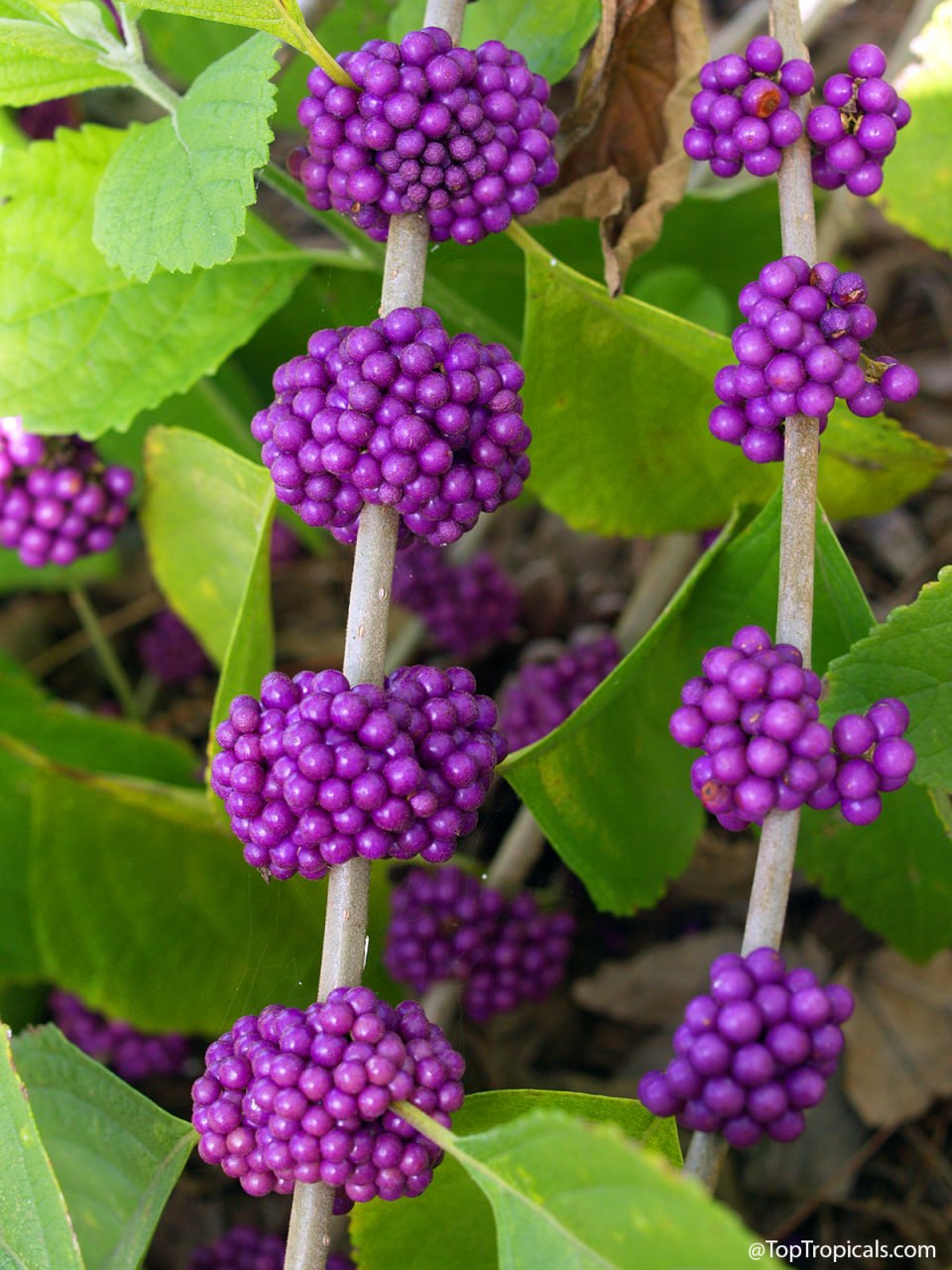
☀️ 2. American Beautyberry - Callicarpa americana 📸
A Florida native that handles heat well - drought tolerant once established and known for its bright purple berries. 👉 More
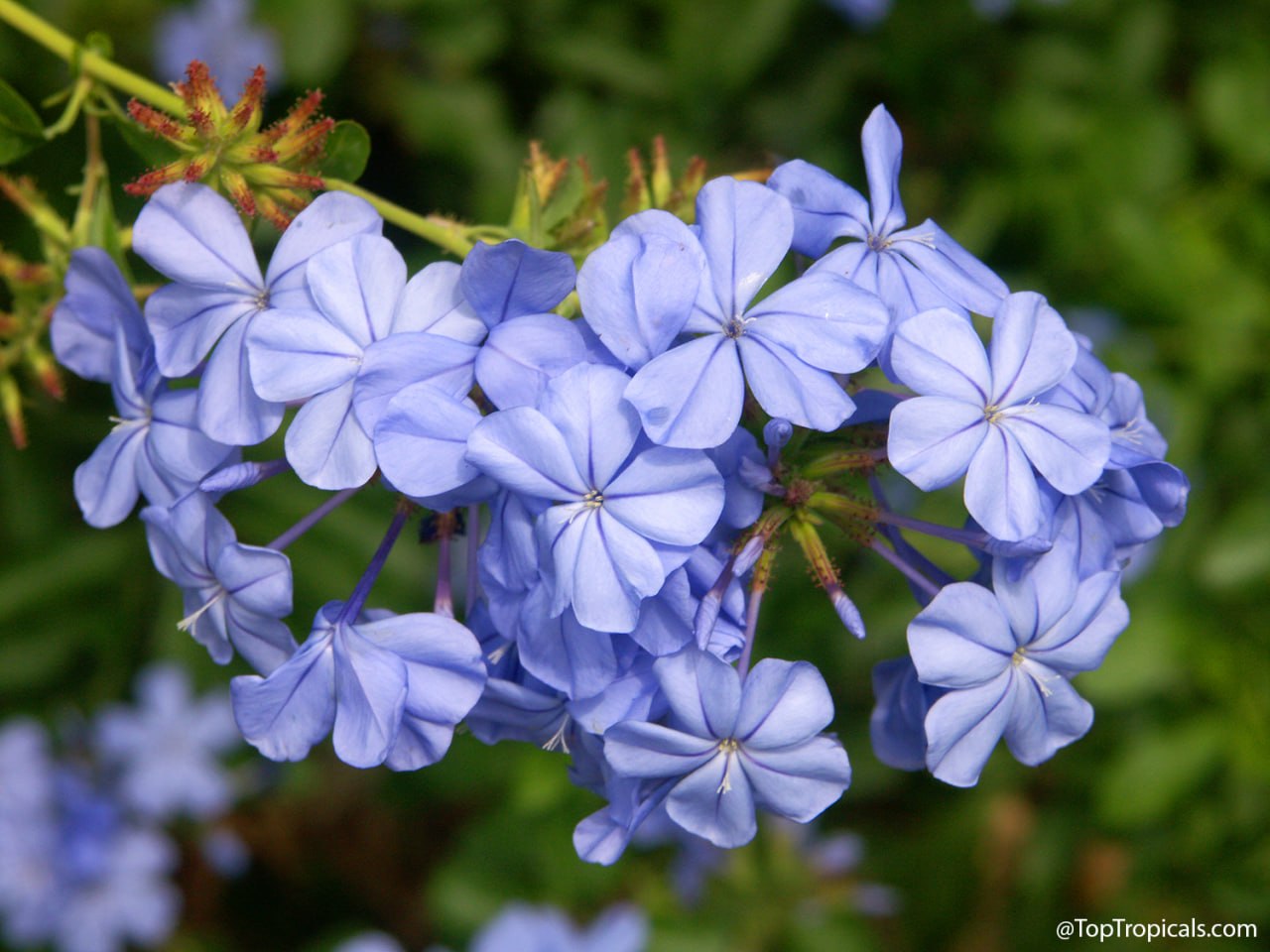
☀️ 3. Plumbago 📸
One of the easiest flowering shrubs - thrives in full sun and keeps blooming with pretty sky-blue flowers through heat with minimal water. 👉 More
☀️ 4. Cocoplum - Chrysobalanus icaco
Excellent for coastal and dry conditions - tough, evergreen, and great as a hedge. Plus tasty fruit bonus! 👉 More
☀️ 5. Dwarf Bottlebrush - Callistemon Little John
A compact, dense version of the classic bottlebrush that stays small but performs big in heat. It handles full sun, poor soil, and dry conditions once established, while still producing those bright red brush-like flowers that pollinators love. Perfect for tight spaces where you need something tough, tidy, and reliable. 👉 More
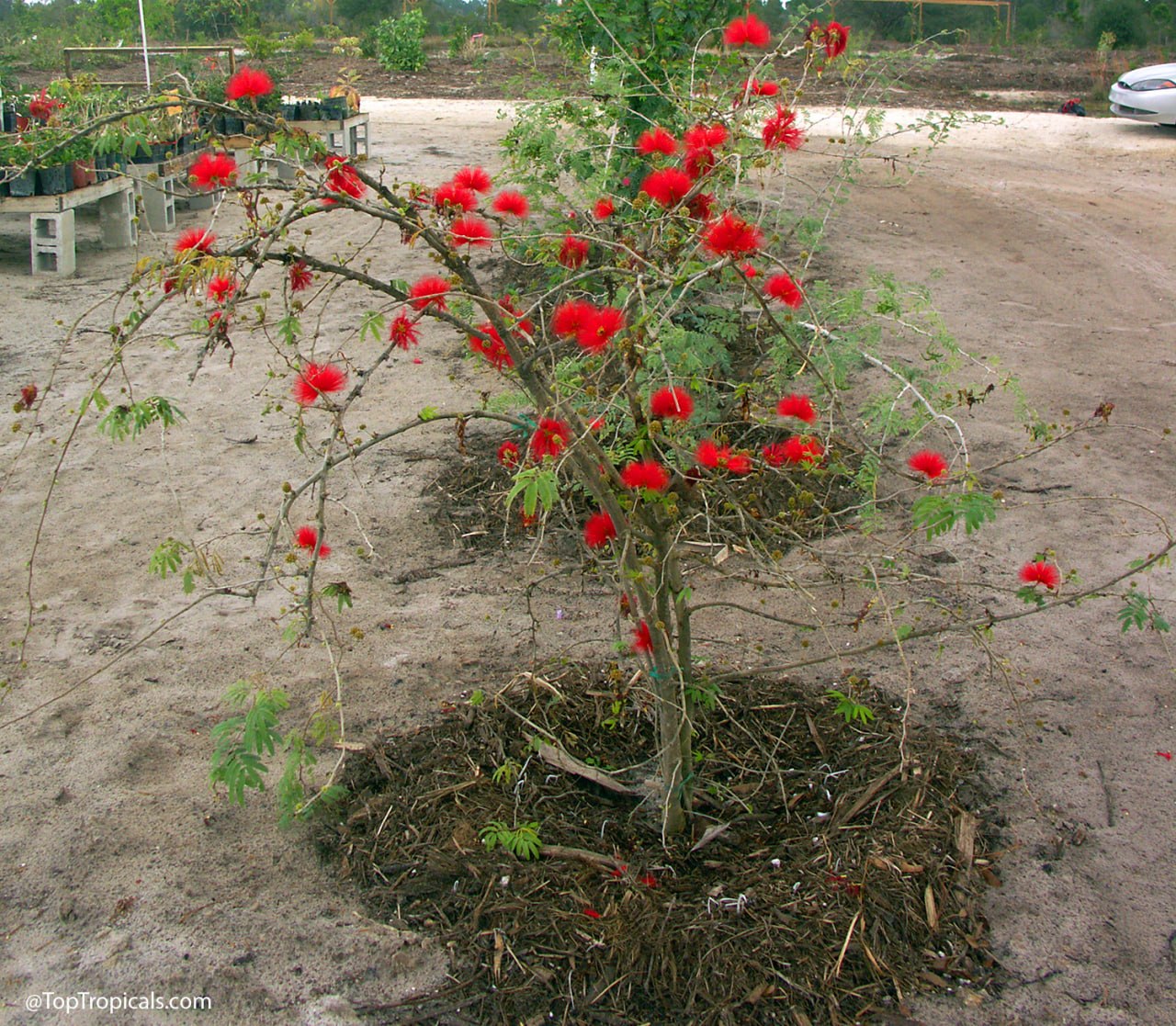
☀️ 6. Calliandra tweedii With Love - Red Tassel Flower 📸
Fast-growing, very cold-tolerant, and handles dry spells surprisingly well once established. Beautiful scarlet red flowers throughout the year. 👉 More
☀️ 7. Dwarf Powderpuff - Calliandra emarginata
Compact, resilient, and a great choice for smaller spaces that still need something tough. 👉 More
👉 Think trees and vigorous shrubs are your only option? Stay with us - next up are smaller plants and vines that thrive where everything else dries out.
9 awesome accent plants and vines that love heat and dry conditions
☀️ 9 awesome accent plants and vines that love heat and dry conditions
The hardest spots aren’t for trees - they’re for everything else. The toughest areas are often smaller spaces - along walls, patios, containers, or rocky patches where soil dries out fast. This is where most plants fail quickly. These picks don’t just survive - they stand out. They bring texture, color, and structure - without needing constant watering or perfect soil.
Why containers are the toughest of all in heat
Growing in pots in hot, dry conditions is a different game. The soil heats up fast, roots can literally overheat, and moisture disappears much quicker than in the ground. If you’re using containers, protect the root zone - group pots together, tuck them into partial shade, or shield the container itself from direct sun. Choosing drought-tolerant plants helps, but don’t assume they can go totally without water - even tough plants in pots can dry out quickly, so check regularly and don’t let them go bone dry.
🔥 9 best smaller plants and vines for hot, dry spots
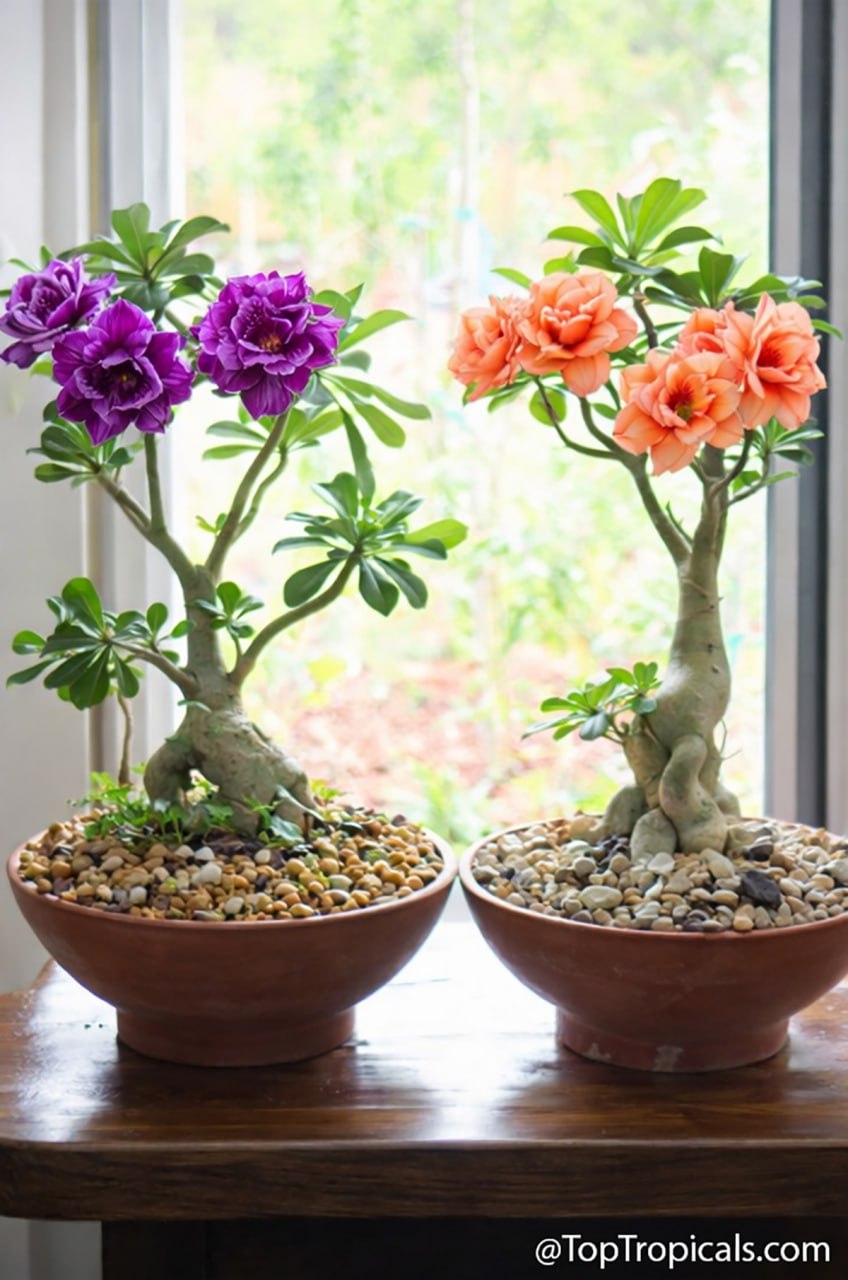
☀️ 1. Adenium - Desert Rose 📸
Stores water in its caudex and thrives in heat - one of the best flowering plants for dry conditions.
Adenium Plant Facts
Botanical name: Adenium sp. Also known as: Adenium, Desert Rose, Impala Lily
Want Massive Mulberry Harvests? Do These 5 Things Before May Ends
🍇 Want Massive Mulberry Harvests? Do These 5 Things Before May Ends
Don’t let your mulberry tree
Paper Mulberry Plant Facts
Botanical name: Broussonetia papyrifera, Morus papyrifera Also known as: Paper Mulberry
USDA Zone: 6 - 9
Highligths
fool you. While they are incredibly low-maintenance, what you do in May dictates your summer harvest. Avoid these common mistakes for a bumper crop of juicy berries.
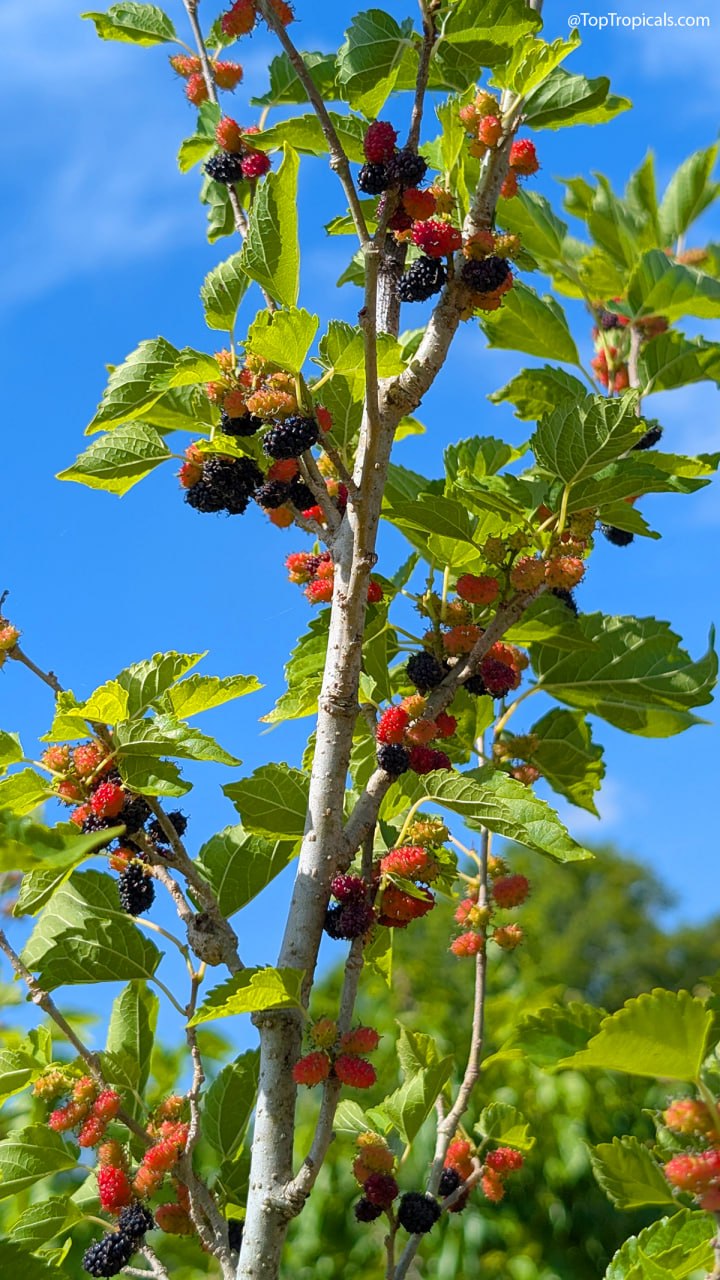
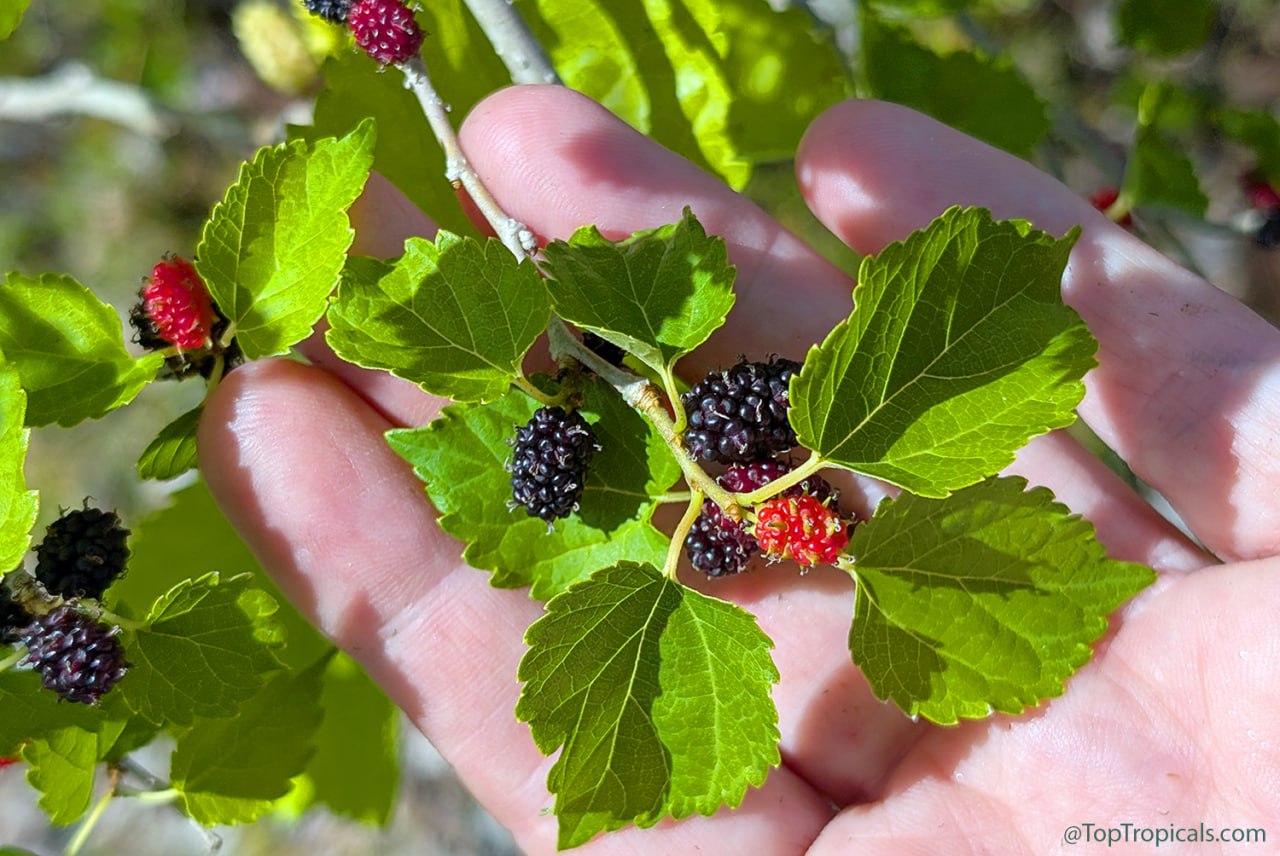
Mulberry trees are famously bulletproof, handling intense heat and pumping out massive crops with little care. But May is the month that decides it all. Right now, they are pouring energy into fruit development. A few simple mistakes this month can quietly sabotage your harvest.
Fortunately, maximizing your crop is easy if you follow these five simple rules:
1. The Deep Soak Rule
While established mulberries tolerate drought, moisture stress causes them to drop young berries early. Drop the sprinkler—frequent, shallow watering only wets the surface. Instead, give the tree a slow, deep soak that penetrates the root zone. Check the soil two inches down; if it’s dry, water thoroughly.
2. Lock it in with Mulch
Late spring heat evaporates soil moisture fast. Apply a 2-to-4-inch layer of pine bark or compost to keep roots cool and suppress weeds. Crucial rule: Leave a 4-inch gap around the base of the trunk. Piling mulch against the bark traps moisture and invites devastating fungal rot.
3. Don't Over-Fertilize
Mulberries are naturally vigorous. If you feed them this month, use a balanced, slow-release organic plant food. Avoid high-nitrogen fertilizers. Excess nitrogen triggers a massive explosion of green leaves, causing the tree to completely forget to grow fruit.
4. Put the Pruning Shears Away
Heavy spring pruning clips off active fruiting wood and decimates your harvest. Mulberries are also notorious "bleeders" - cutting now causes them to lose significant sap, stressing the tree during fruit set. Only remove dead or damaged wood. Save major shaping for winter dormancy.
5. Exploit the Softwood Cuttings Window
Want more trees? May is prime time for softwood cuttings. Cut a few 6-inch flexible green stems, strip the lower leaves, dip in rooting hormone, and tuck into moist potting mix in partial shade. They root incredibly fast! 🛒 Choose from Mulberry varieties
🌵Dragon Fruit (Pitaya) is one of the most rewarding exotic fruits to grow. Sweet pulp, striking looks, and plenty of health benefits make it a favorite. You'll see it in three main types: white-fleshed (Hylocereus undatus), red-fleshed (Hylocereus costaricensis), and yellow-skinned (Hylocereus, or Selenicereus megalanthus).
🌵Don't want to wait years for fruit? Here’s the good news: unlike many tropical trees that test your patience, dragon fruit is a fast-fruiting, easy-going cactus. With the right care, you can harvest in just 1-2 years from a cutting - or even the same season if you plant a well-established specimen.
🌵 How to get Dragon Fruit faster
Give it strong support - trellis, fence, or post. This cactus loves to climb.
Smart watering - water deeply in hot weather, then let the soil dry. Dragon fruit loves water during active summer growth, but remember it's still a cactus - don’t keep soil soggy.
Pollination matters - flowers open at night. Some varieties are self-fertile, but planting a few different types boosts fruit set. This is why it helps to keep several varieties close together.
Feed well - use organic liquid fertilizers like Sunshine Boosters C-Cibus with every watering, or Green Magic controlled-release fertilizer every 6 months.