Garden Blog - Top Tropicals

Date: 25 Apr 2026

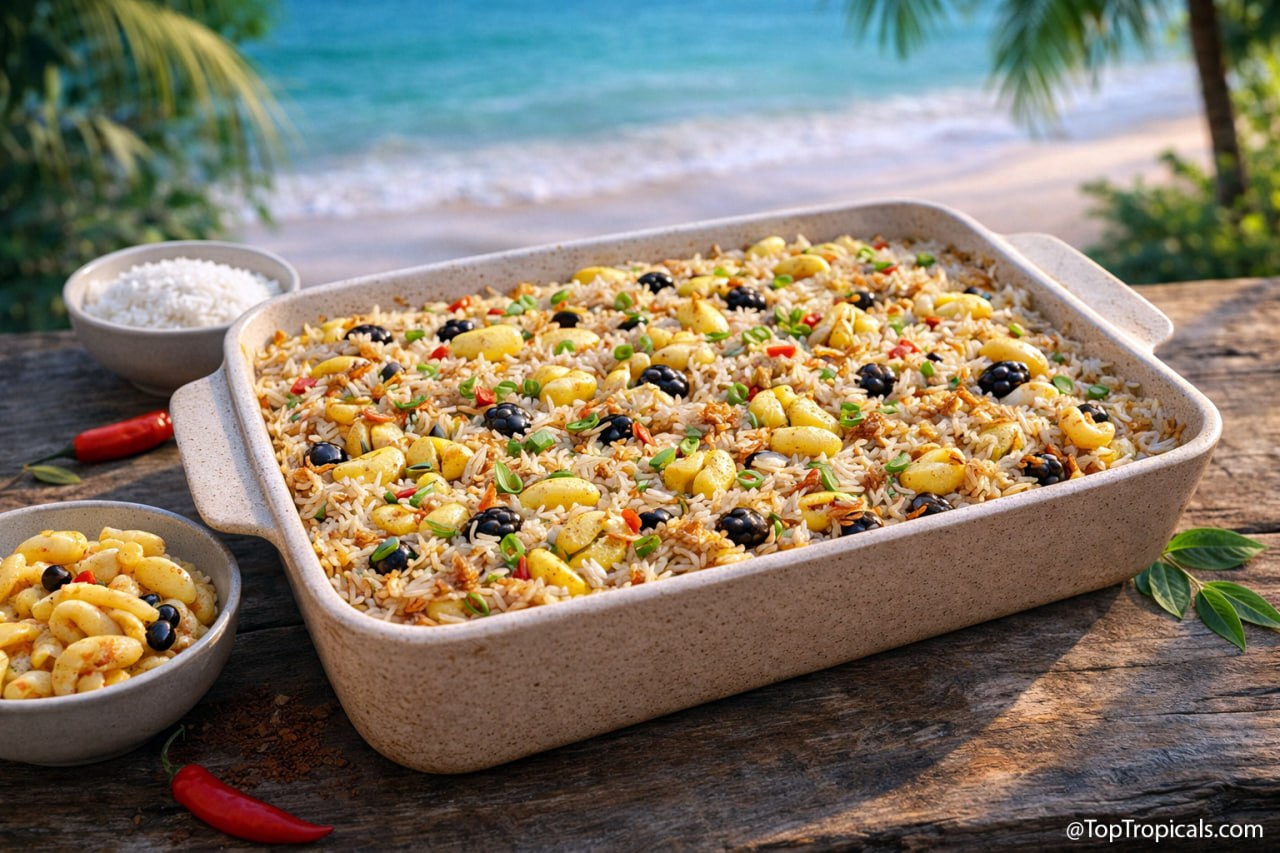
Ackee baked rice: quick-n-fun exotic recipes

Ackee baked rice

Ackee baked rice

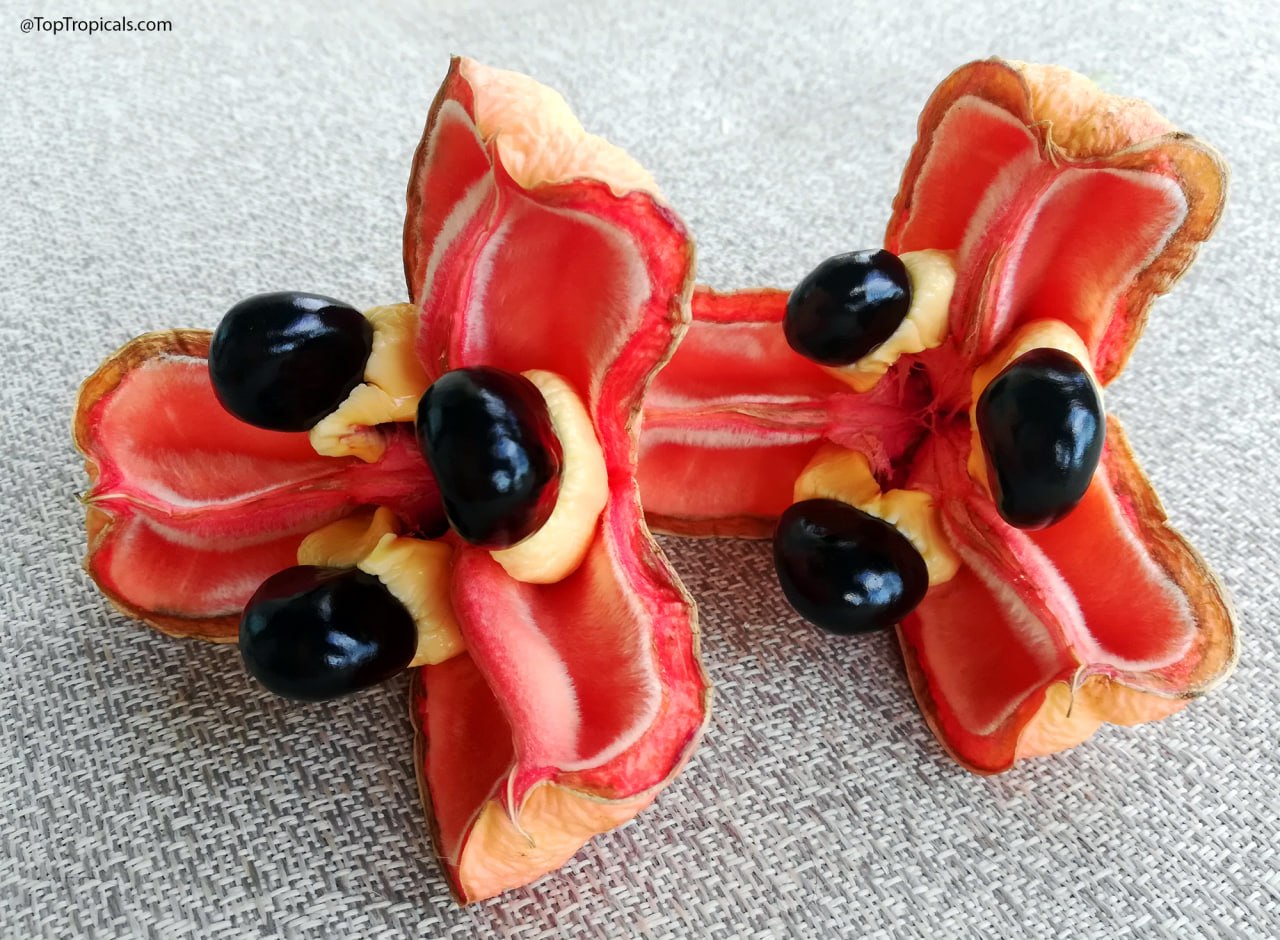
Ackee (Akee) - Blighia sapida - fruit

Ackee (Akee) - Blighia sapida - fruit

🍴 Ackee baked rice: quick-n-fun exotic recipes


🔴Fold cooked ackee gently into warm, seasoned rice with a pinch of salt and a little oil or butter.
🔴Spread into a baking dish and bake until the top turns lightly crisp and golden.
🔴Scoop while warm - soft inside, slightly crisp on top, simple and satisfying.

🌿 About the plant:


When properly harvested and prepared, ackee has a mild, buttery texture often compared to scrambled eggs. It contains healthy fats and is a staple ingredient in Caribbean cooking.

🏡 In the garden:


Trees require consistent warmth and do not tolerate frost. Mature trees can produce generously in suitable climates with minimal intervention.

🛒 Plant Ackee tree and harvest fruit you can't get from the store!

📚 Learn more:


Ackee (Akee) - Blighia sapida - in Plant Encyclopedia

Akee Plant Facts

Botanical name: Blighia sapida, Cupania sapida
Also known as: Akee, Ackee, Seso Vegetal, Arbre a Fricasser (Haiti)
USDA Zone: 9 - 11
Highligths Large tree taller than 20 ftFull sunWatering: Moderate. Water when top soil feels dryEdible plantPlant attracts butterflies, hummingbirdsSubtropical plant. Mature plant cold hardy at least to 30s F for a short time
Get personalized tips for your region

Ackee skillet scramble: quick-n-fun exotic recipes
Ackee breakfast scramble with hot peppers
Banned Jamaican fruit: why you never see fresh Akee in U.S. stores
Akee taste of deliciousness
Are these new Christmas ornaments? Ackee monster fruit!
What is number one tree-grown vegetable? Akee - Jamaican fruit that is actually a vegetable growing on a tree
📱 What is Akee - Jamaica's National Fruit - and how to grow it
📱 How to cook perfect Akee?

#Food_Forest #Recipes

🟢 Join 👉 TopTropicals

Date: 4 Mar 2026

The Magic Number 65: when tropicals finally wake and the 7-Day Rule you should know

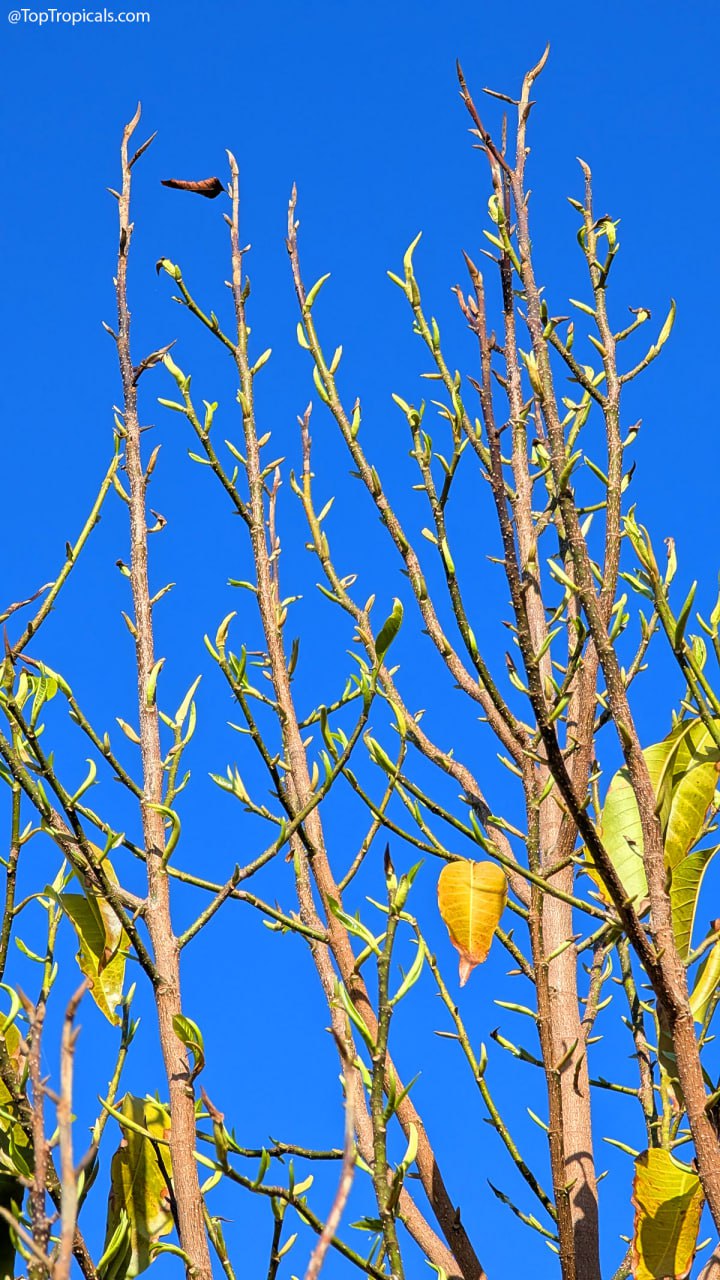
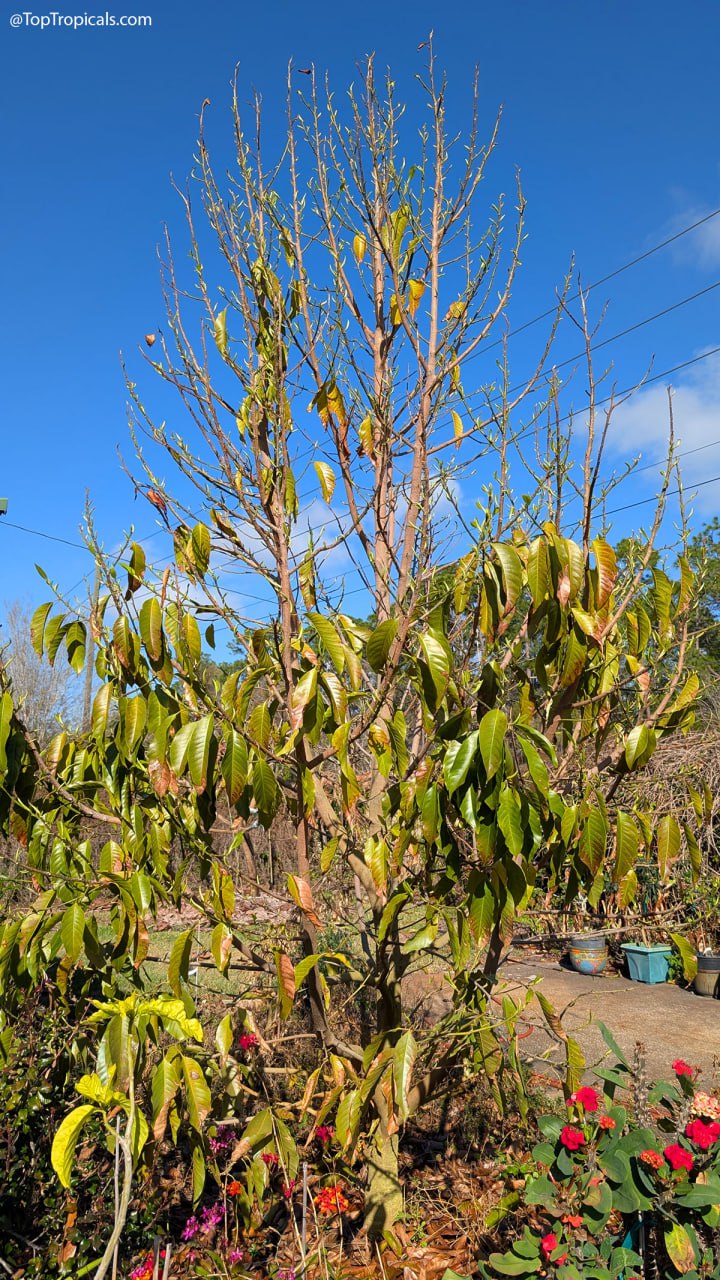
Champaka tree new growth sprouts

Champaka tree new growth sprouts

A Champaka tree (Joy Perfume Tree) first fresh sprouts

A Champaka tree (Joy Perfume Tree) first fresh sprouts

The Magic Number 65: when tropicals finally wake and the 7-Day Rule you should know 🌱

Discover the "Magic 65" rule for waking up your garden and the exact time to start fertilizing for maximum growth. Learn the specific temperature threshold that signals your tropicals to wake up and how to handle spring cold snaps.

🌿 If you’ve been staring at your dormant trees and shrubs wondering if they survived the winter, you aren't alone. The most frequent question every spring is: "When will my tropical plants start sprouting?"

🌿 While the calendar might say spring, tropical plants don’t use a watch - they use a thermometer. If you want to see green shoots and active growth, there is one "Magic Number" you need to watch: 65F 🌡

🌿 The 7-Day Rule for Tropical Growth


The gold standard for the tropical world is simple: plants generally wake up when minimum nighttime temperatures remain at or above 65F for at least one full week.

🌿 Why 65°F?


Tropical species are biologically programmed to stay dormant to protect their cell structure from cold damage. A single warm day won't fool them, but seven consecutive nights of 65F+ signals that the "growing season" has officially arrived. Once you hit that 7-day mark, you’ll see buds pushing and fresh leaves finally sprouting.

🌿 Can You Force Them to Wake Up Faster?


Patience is a virtue, but if you’re looking to "push" your plants, focus on two things:
🌞 Sun Exposure: Ensure they are in the brightest spot possible to warm the soil.
♨️ Heat Retention: Use dark mulch or move potted plants onto concrete surfaces that retain daytime heat.

🌿 When to Start Fertilizing


Don’t reach for the fertilizer until you see that active growth. Feeding a dormant plant can lead to root rot or wasted nutrients.
👉 The Signal: After that first week of 65F nights.
The Action: Once you see green tips, start your fertilization routine. This is when the plant actually has the metabolic "engine" running to use those nutrients.

🌿 Watch Out for the "False Spring"


Before you go all-in, ensure the risk of a hard freeze has passed. A minor cold snap - a few nights in the 50s - won't kill your progress, but it will act as a "pause" button. If cool weather persists, tropicals may "lock up" and return to dormancy. If that happens, simply reset your clock and wait for the next stretch of 65F nights.

🌿 Ready for the Wake-Up Call? Fuel Your Tropical Growth!

Don’t get caught empty-handed when that 7th day of 65F hits. Stock up now so you can feed them the moment they wake up. Using the right nutrients during the active growth phase is key to lush blooms. Check out our curated selection of professional-grade fertilizers:

🛒 Get my growth boosters for every tropical type

📷 Recovery in Action: The Joy Perfume Tree - Champaka showing off its first fresh sprouts in March after a chilly Florida winter. This is exactly what happens once you hit that 7-day streak of 65F nights!

📚
Learn more:
Why is my Champaka Tree dropping leaves?

#How_to #Discover

🟢 Join 👉 TopTropicals

Date: 27 Feb 2026

Grilled star fruit slices: quick-n-fun exotic recipes

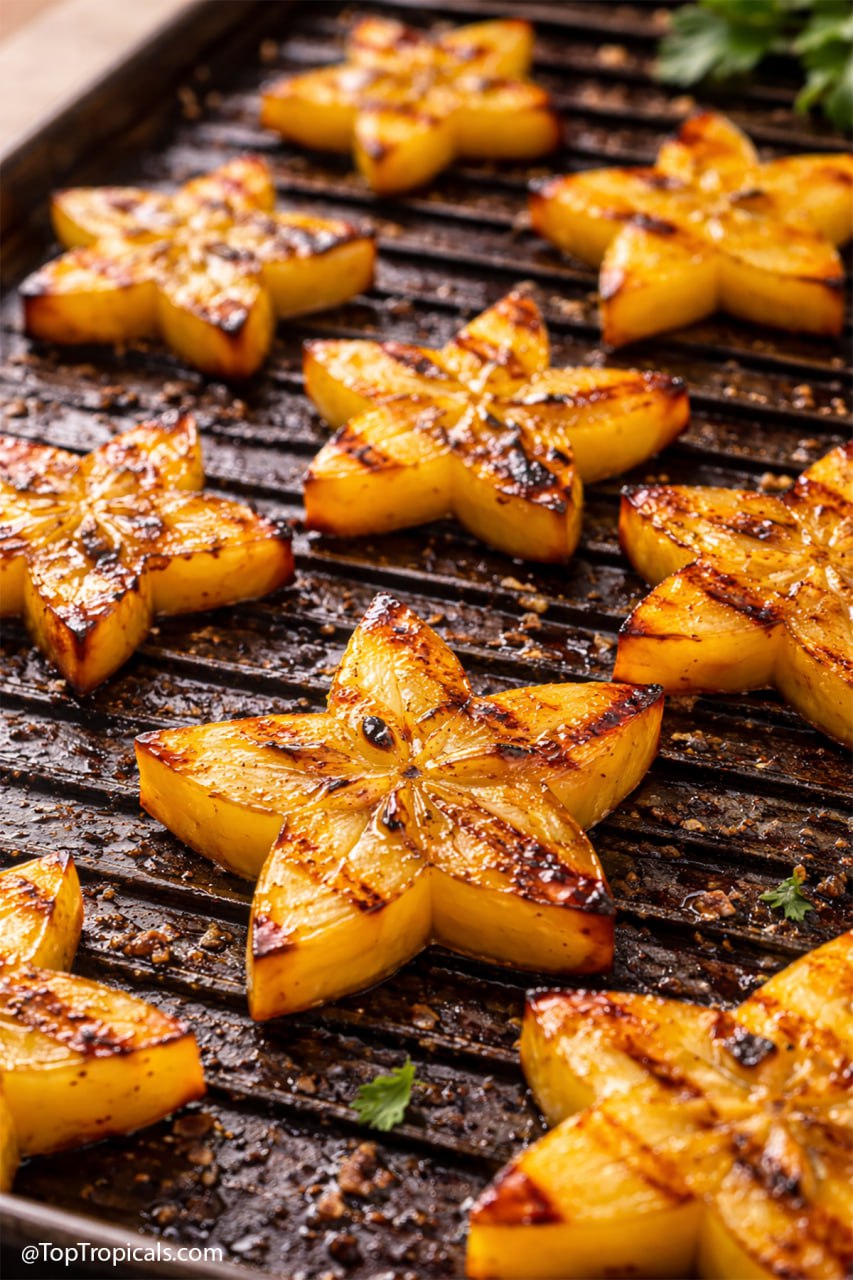
Grilled star fruit slices on grill pan

Grilled star fruit slices on grill pan

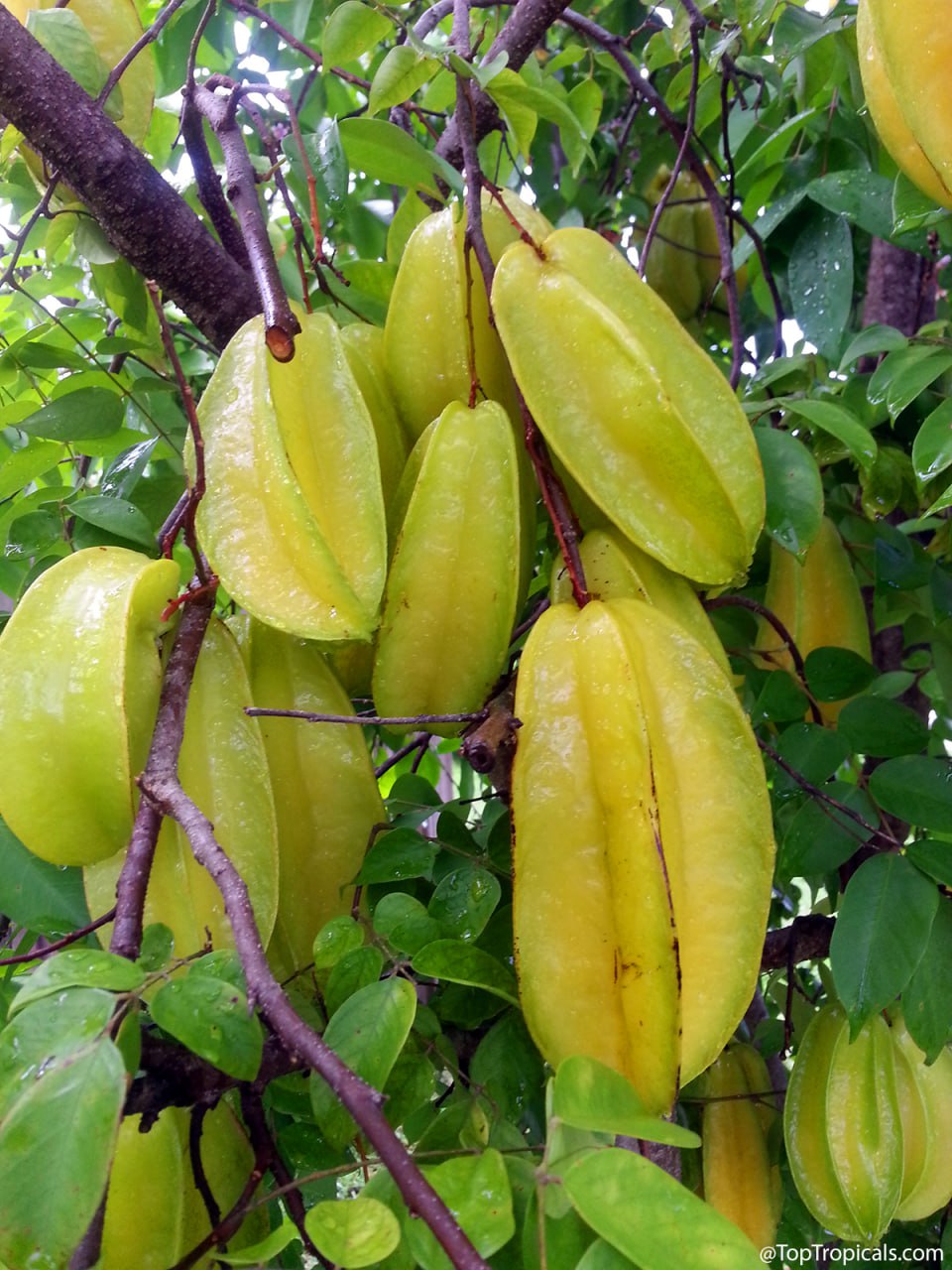
Averrhoa carambola - Star Fruit Carambola Tree

Averrhoa carambola - Star Fruit Carambola Tree

🍴 Grilled star fruit slices: quick-n-fun exotic recipes


Grilled Star Fruit Slices

Ingredients

  • 1 ripe star fruit (carambola)
  • 1 teaspoon honey
  • 1 teaspoon butter or coconut oil

Instructions

  1. Slice the star fruit crosswise into star-shaped pieces.
  2. Heat a grill pan or skillet and lightly grease with butter or coconut oil.
  3. Place the slices on the hot surface and grill briefly on each side.
  4. Drizzle lightly with honey as the edges begin to caramelize.
  5. Serve warm as a tropical side dish or dessert topping.


🌿 About the plant:


Carambola, or Star Fruit, is a small tropical tree with glossy leaves and crisp, juicy fruit that slices into perfect stars.

Carambola Plant Facts

Botanical name: Averrhoa carambola
Also known as: Carambola, Starfruit, Five-finger, Balimbing
USDA Zone: 9 - 11
Highligths Small tree 10-20 ftSemi-shadeFull sunWatering: Regular. Let topsoil dry slightlyEdible plantSubtropical plant. Mature plant cold hardy at least to 30s F for a short time
Get personalized tips for your region


🏡 In the garden:


Thrives in zones 9-11. Likes sun, regular water, and protection from strong winds. Dwarf varieties do well in large containers.

🛒 Plant Star Fruit Carambola Tree

📚 Learn more:


Averrhoa carambola in Plant Encyclopedia
How to gets lots of Star Fruit Carambola
Star Fruit from our garden
Grow your own Carambola
Top 10 fast-fruiting trees: #8. Carambola - Starfruit
Carambola Banana Whip
Carambola Jam recipe
When young Carambola trees are covered with fruit
Carambola tree is the Star of the orchard

#Food_Forest #Recipes

🟢 Join 👉 TopTropicals

Date: 23 Feb 2026

❄️ The Hardiness Report: February 2026 ❄️

🐾 Smokey & Sunshine’s real-world survival data from our Sebring, Florida Research Gardens. Smokey analyzed the data. Sunshine just stayed happy. Here is what they found.

Macadamia  tree  surviving  25F  freeze  as  Smokey  inspects  leaves  and 
 Sunshine  holds  steaming  coffee  in  frosty  garden.
Sunshine: Twenty five degrees. Wind chill fourteen. And it is still standing... like nothing happened?
Smokey: This is macadamia strength.
Sunshine: I should put a macadamia nut in my coffee and borrow some of that strength.
Smokey: Do not get too nutty yet. It still needs curing and cracking.

📊 Weather Data – February 1–6, 2026

Sebring, Florida – 132 years of recorded observations
This was not a light frost. It was a prolonged, windy, penetrating hard freeze.

  • 🌡 Minimum temperature: 25F
  • ❄️ Wind chill: 14F
  • ⏳ Duration: 3 nights of 8–10 hour hard freeze
  • ☀️ Daytime temperatures: around 50F for 7 days
  • 🌀 Wind: sustained 20 mph, gusts 40–50 mph

While all our plants in pots were protected in greenhouses, our in-ground plantings faced the freeze outdoors. We covered what we could. Even so, some plants were damaged, some died, and some surprised us by surviving.

In the next few newsletters, we will share the real survivors - the plants that proved themselves in the ground, under real conditions. Smokey and Sunshine have been out in the fields assessing the damage from the February 1–6 freeze. While many plants struggled, the Macadamia proved to be a true standout. This is how we grow them to handle the tough years.

Why does this matter? Because we have gotten used to warm winters, and this freeze was a rude awakening. Not everyone lives in Miami. If you garden in places where a real cold event can happen, you have to be prepared - and you have to plant what can take it.

🌰 Macadamia: Freeze Tested and Standing
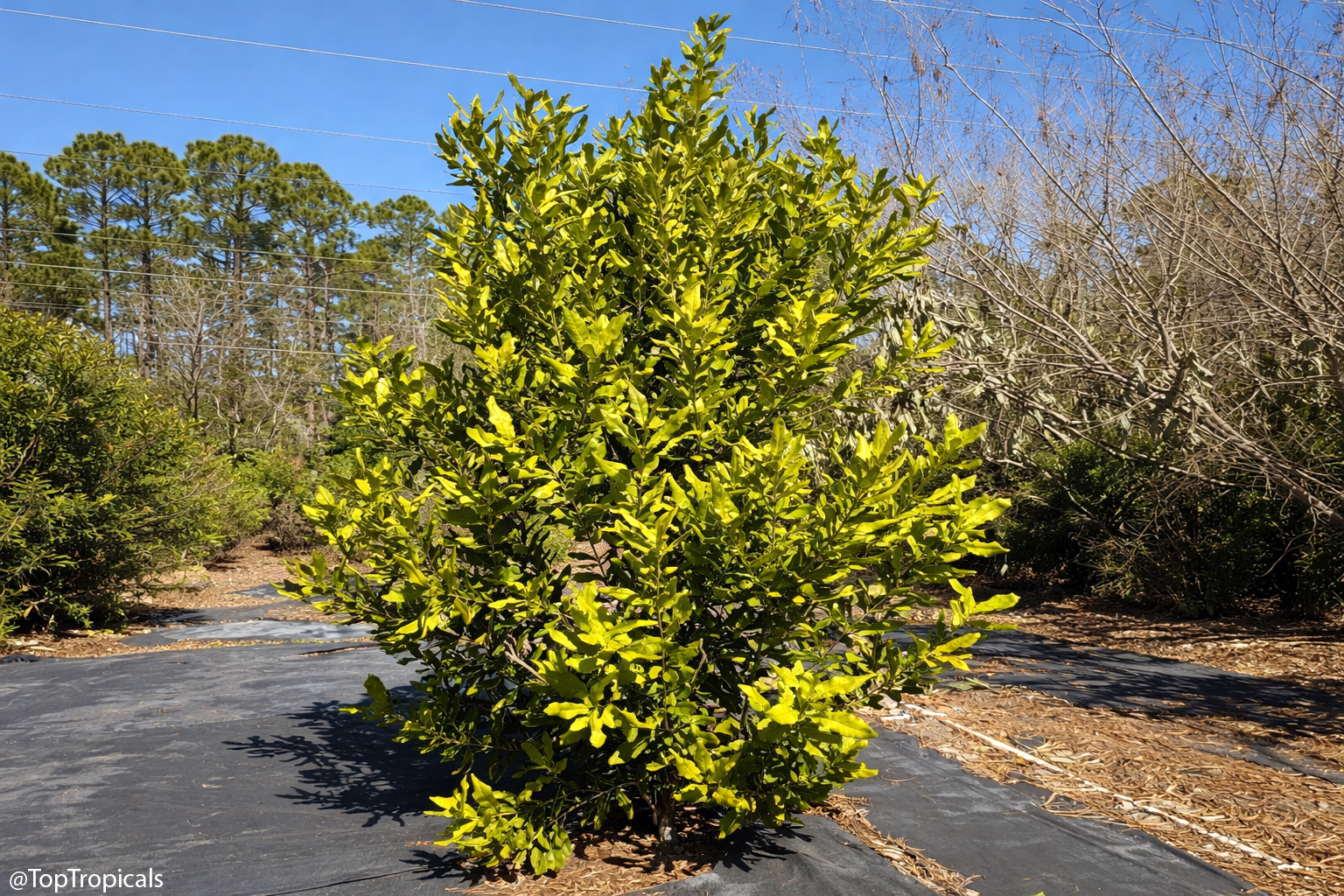
Three  year  old  macadamia  tree  after  three  nights  of  25F  hard  freeze  in 
 February  2026,  showing  healthy  foliage.

3 year old macadamia tree after 3 nights of hard freeze in February 2026 - standing strong.

When temperatures dropped to 25F with wind chill near 14F, our established macadamia trees remained upright, green, and structurally intact. Leaves held. Branches stayed firm. No collapse, no panic.

That is not luck. That is macadamia hardiness.

Often considered a "tropical luxury nut," macadamia proved it can handle more than many gardeners expect. In USDA Zones 9b-11, with proper drainage and site selection, it is not just ornamental - it is a long-term food tree with real resilience.

In a winter that reminded us not to take warmth for granted, macadamia earned its place on the survivor list.

The nut itself is famous for its strength. The shell is among the hardest in the nut world, requiring serious pressure to crack. Inside, the kernel is creamy, buttery, rich, and deeply satisfying. High in monounsaturated fats and naturally low in sugar, macadamias have long been valued both for flavor and for nutrition.

The tree is equally impressive. An evergreen with tough leaves and elegant spring flowers, it matures into a productive, manageable canopy. Nuts develop slowly over six to seven months. Production begins in a few years and increases steadily as the tree matures. Plant it once, and it can reward you for decades.
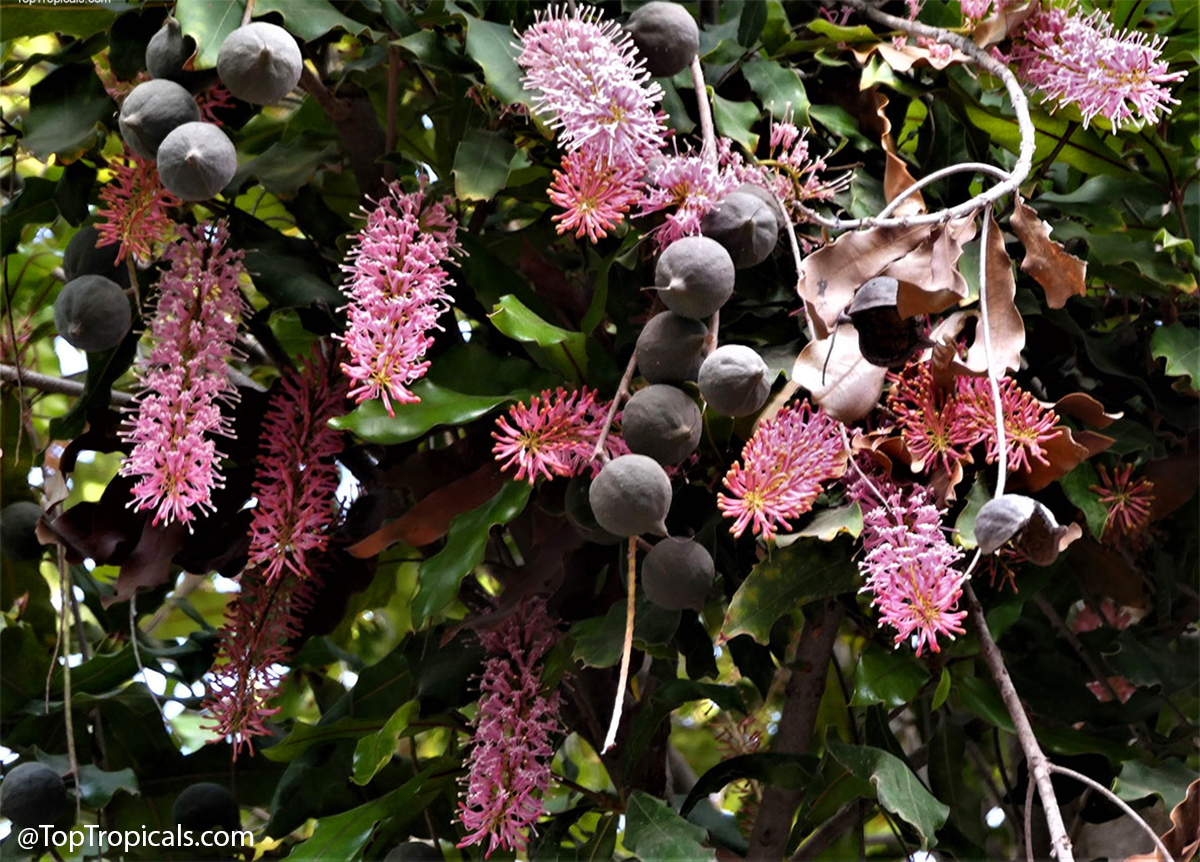
Macadamia  tree  with  pink  flower  racemes  and  developing  round  green  nuts
   on  branches.

Macadamia flowers and developing nuts on the tree.

Cold will come again. It always does. The question is not whether winter will test your garden. The question is whether your trees are ready. Macadamia proved it is. If you are building a garden that feeds you for decades, this is a tree worth planting.

🛒 Add Macadamia Tree to your garden
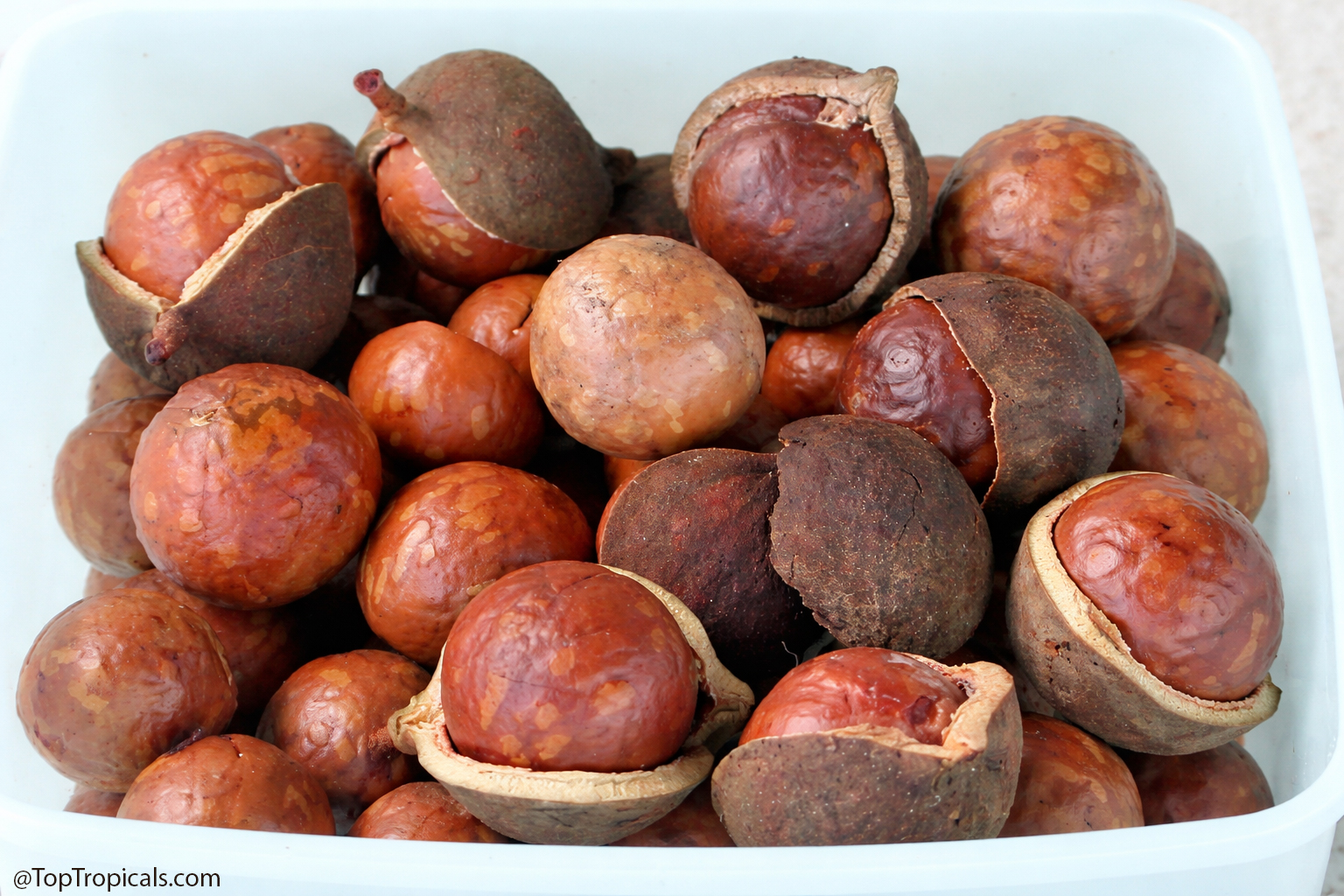
Fresh  macadamia  nuts  with  outer  husks  removed  and  hard  brown  shells 
 exposed  in  a  container.

Freshly harvested macadamia nuts with husk removed and hard shells visible.
Date: 13 Feb 2026

To trim or not to trim? When and how to trim damaged plants after winter

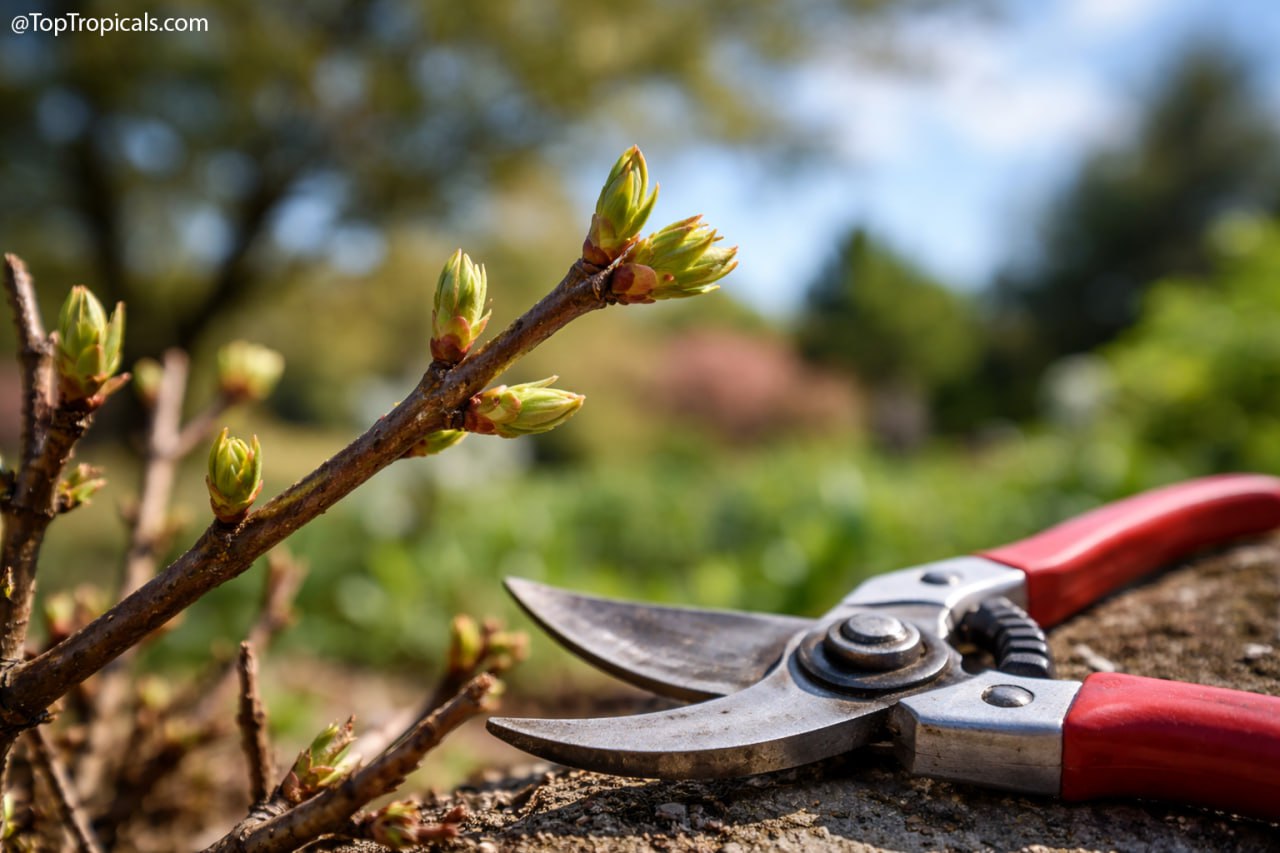
Sprounting buds on a dormant branch and pruners

Sprounting buds on a dormant branch and pruners

✂️ To trim or not to trim? When and how to trim damaged plants after winter


Florida just went through a record freeze (Feb 2026). Now gardens look rough - brown leaves, blackened tips, mushy stems. The big question: do you cut now or wait?
Here is the simple rule.

✂️ When is the right time to trim?


Do not rush.
Wait until the danger of more freezes has passed and you start seeing new growth. In most of Florida, that means late winter to early spring.
Why wait?
Dead foliage actually protects living tissue underneath. If you cut too early and another cold snap hits, you can cause more damage.
If a plant is completely collapsed and clearly mushy, you can remove that material. But for woody shrubs and trees - patience pays.

✂️ How far should you trim?


Trim back to healthy, green wood. Start by removing:
· Black, mushy, or obviously rotted stems
· Broken branches
· Completely dried leaves
Then cut slowly and test as you go. Do not cut everything to the ground unless you are sure it is dead.
Many tropicals look terrible after freeze but recover beautifully in warm weather. Te rule of thumb is: once minimum temperatures stay above 65F for over a week, the active growth starts.

✂️ How to tell if a branch is dead or alive


Use the scratch test. Lightly scrape the bark with your fingernail.
· Green underneath - it is alive
· Brown and dry - likely dead
Move down the branch toward the base. Often only the top portion is dead.
Also check flexibility. Live branches bend slightly. Dead ones snap.

✂️ Important - do not give up too soon


This is where many gardeners make a mistake.
After a few weeks - sometimes even months - plants can push new growth through what looks like a dead branch. Buds may appear higher than expected, not just from the roots.

✂️ You may see growth:


· Along the stem
· From lower nodes
· From the trunk
· From the base

Some plants look gone - then suddenly leaf out again.

✂️ Final thought


After a hard freeze, the best tools are patience and a careful eye.
Wait for warmth. Trim slowly. Check for green. And give your plants time to surprise you.
Tropical gardens are tougher than they look.

🛒 Need to replace a damaged plant? Explore the best options

#Discover #How_to

🟢 Join 👉 TopTropicals