Garden Blog - Top Tropicals

Date: 27 Apr 2020

How to feed a Mango tree...
and to grow a Dwarf Mango
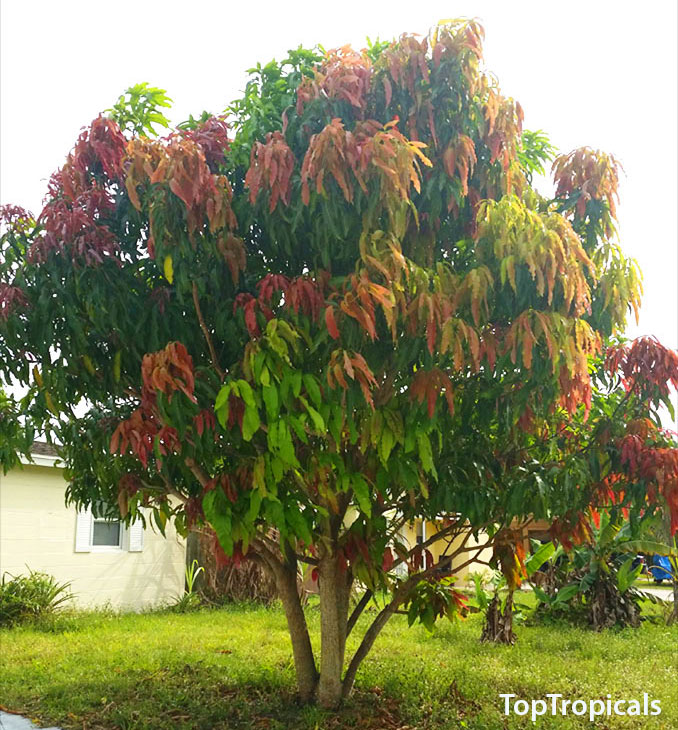
How to fertilize a Mango tree

Q: My mango trees that I bought and planted last august now have fruit. I bought 2 types of fertilizer from you and never used it. Should I use your fertilizer now?

A: It is a perfect time now to fertilize your plants as they start active growth. For mango trees, we recommend liquid fertilizer Sunshine Booster - Mango Tango. It is formulated for Mango trees, especially for container grown. It improves quantity and quality of flowers and ability to set fruit, reduces bud-flower-fruit drop. Can be used as often as with every watering. For best results, use in combination with Sunshine Honey and Sunshine Superfood plant supplements. Its scientifically-balanced stable formula is organic Amino-acid based and has NO EDTA chelators to eliminate nutrients lockup; it does not affect crop taste.
Additionally, you may use slow-release granulated fertilizer Mango-Food once a month during hot season only. Dosage: 1 teaspoon per each gal of soil. Water-soluble fertilizers can be also used, however, those are usually EDTA-chelated which is not as efficient as Amono-acid based Sunshine Boosters and may create nutrients build up, especially if overdosed in containers.
For in-ground mango trees, you may use all the above, and slow-release granulated fertilizer can be applied in larger quantities: spread a handful around the drip line.

Remember that only liquid Sunshine Boosters can be applied year around. With other fertilizers, you need to be careful not to overdose, and apply only during hot weather (when night temperatures are steadily above 65F).

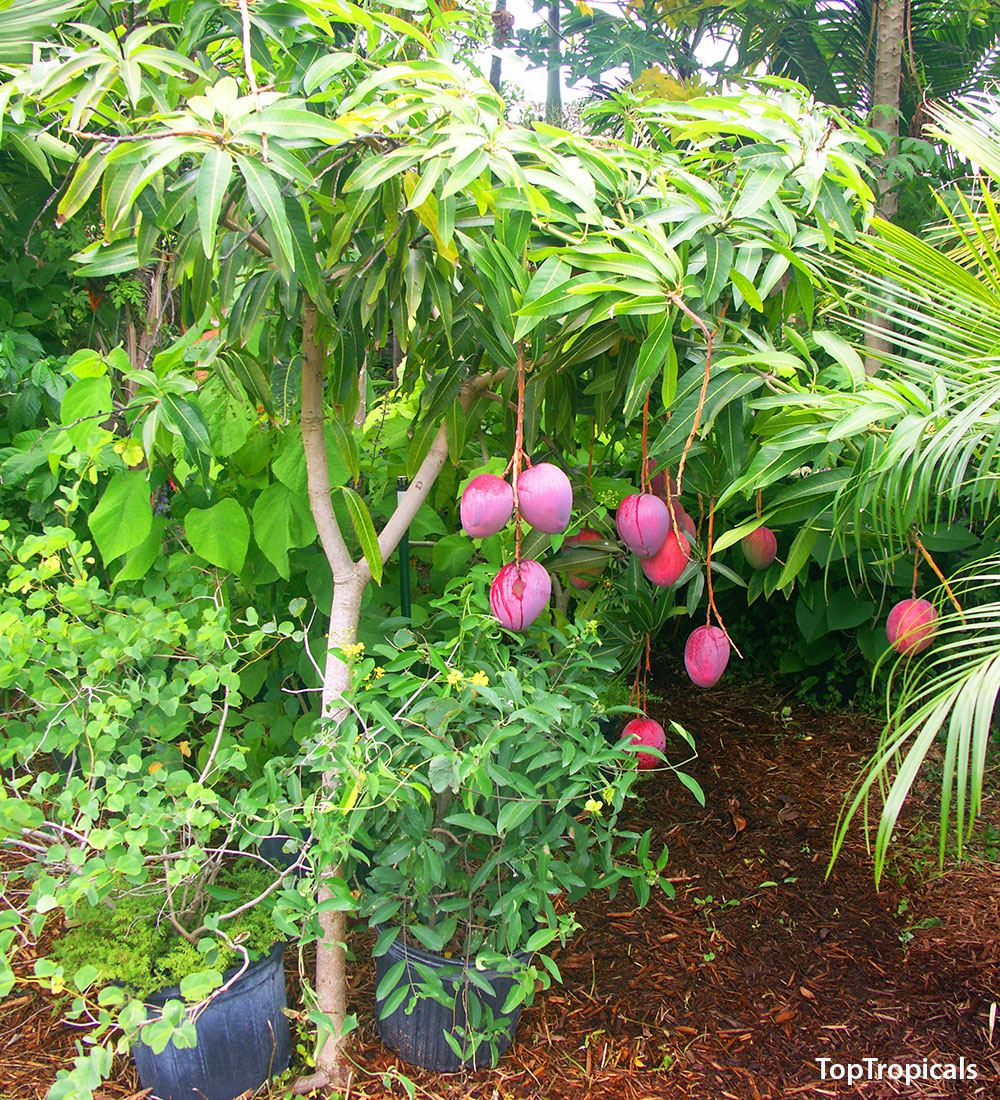
How to grow a Dwarf Mango tree

Q: I received the Ice cream mango tree in great condition (thank you for the ingenious packing job) on Wednesday and have planted it in a pot slightly bigger than the root ball. I plan to grow the tree on my front porch, so how big a container should I ultimately use when the tree outgrows this pot? How big a container does it need to fruit? I hope to keep it around 6-7 feet high, if possible. I live in Hawaii.

A: Ice Cream mango is a perfect variety for container culture, and it should be happy in Hawaii. You did everything right. Keep it in this small pot for now and wait until it starts vigorous growth in Summer. Once it starts growing (and you will notice roots growing too, sometimes they try to grow through the holes in the bottom of the pot), then it's time to step up into a bigger container (7-10 gal). Eventually you may use container size as large as 15 gal. Ice cream mango is slow growing and compact, and you will be able to maintain it under 7 ft with very minimal pruning if any.

Date: 12 Apr 2020

Exotic Easter Lily Vine

by Onika Amell, tropical plant expert

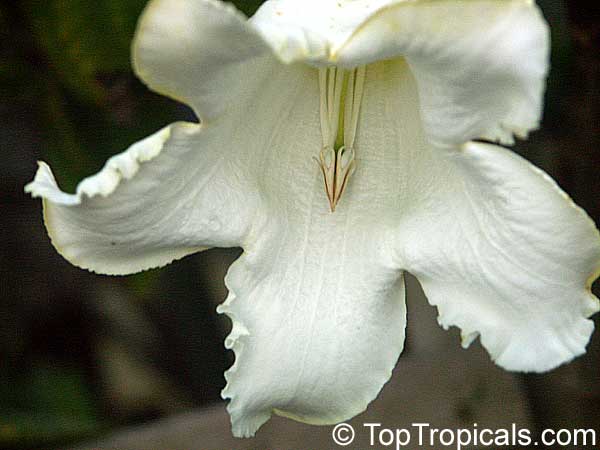
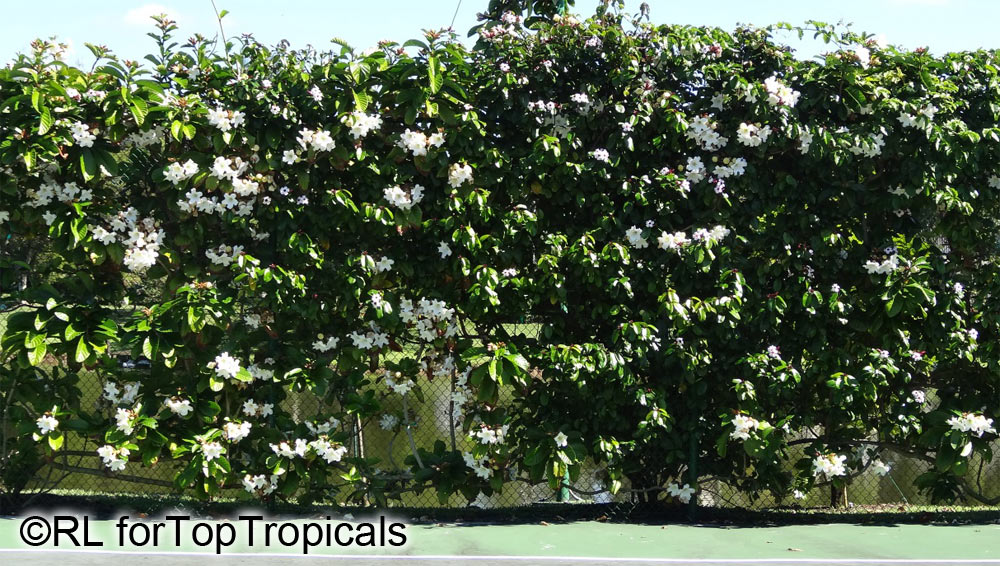
If you happen to love Easter Lilies, let us introduce you to a very beautiful and hard-to-find vine... The magnificent Easter Lily Vine - Beaumontia grandiflora, is not sold at most nurseries and is not widely grown for this very reason. We certainly feel it should be, as this woody vine is a tremendous climber which rewards the gardener with large clusters of white flowers resembling Easter Lilies, during early spring to late fall. The flowers are sweetly scented and make excellent cut flowers, which last for at least a week! An added bonus is the twining ends, which makes a very unusual and interesting addition to floral arrangements...

CONTINUE READING >>

Here at the nursery, our Easter Lily vines are almost ready to burst into full bloom. We are waiting impatiently. Order yours, and have a Happy Easter!

Seeds of Easter Lily vine also available at BOGO deal - buy 2 packs for the price of 1 with FREE shipping!

See how to how to create a fragrant privacy fence of virtually unlimited size.

Date: 6 Dec 2019

Chestnut vine - perfect plant for home and office

by Onika Amell, tropical plant specialist

Q: I was visiting Ford Myers recently and attended the Edison Ford Winter Estate Garden Festival. I could not help but notice two stunningly beautiful Chestnut vines on your stand at the event. I have never seen this plant anywhere before. I was told they make a great indoor plant. I was also told your company ships to all 50 states. I have been looking for something unusual to grow in my office and this may be just the plant! How do I take care of it indoors?

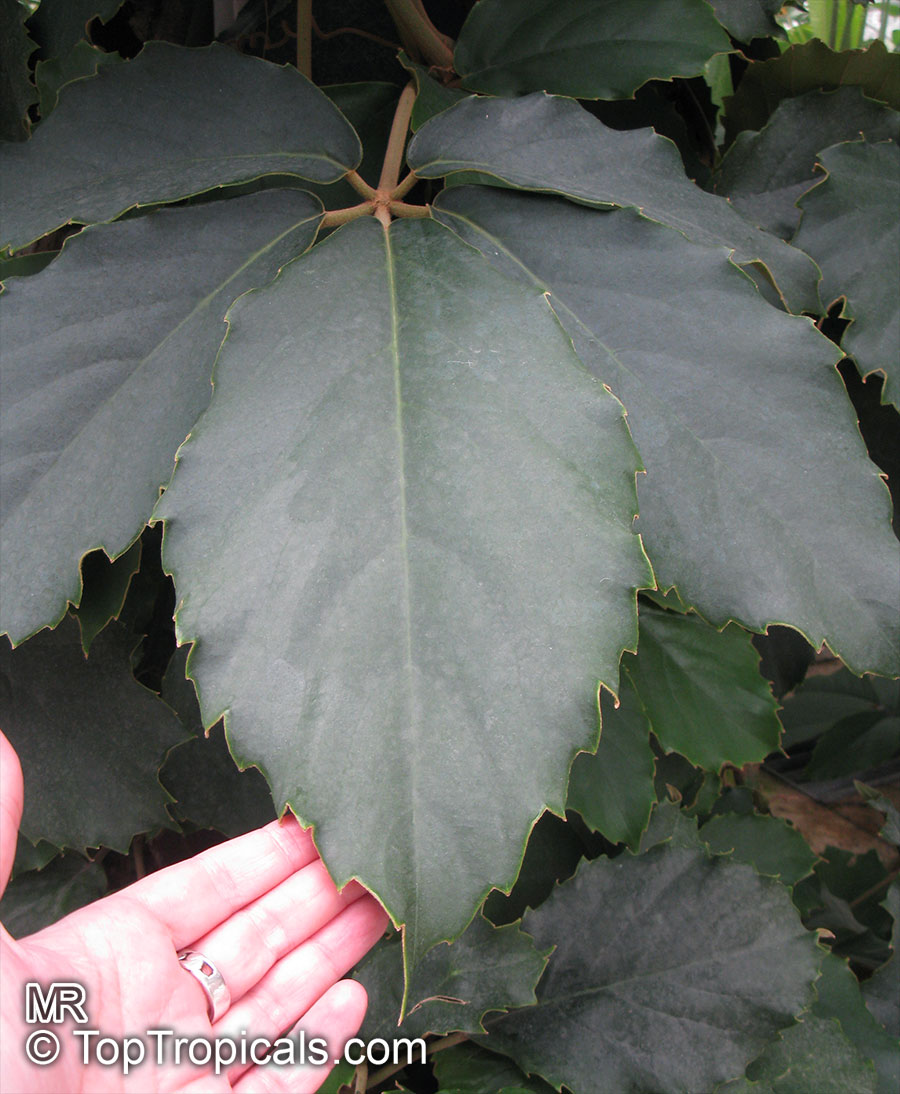
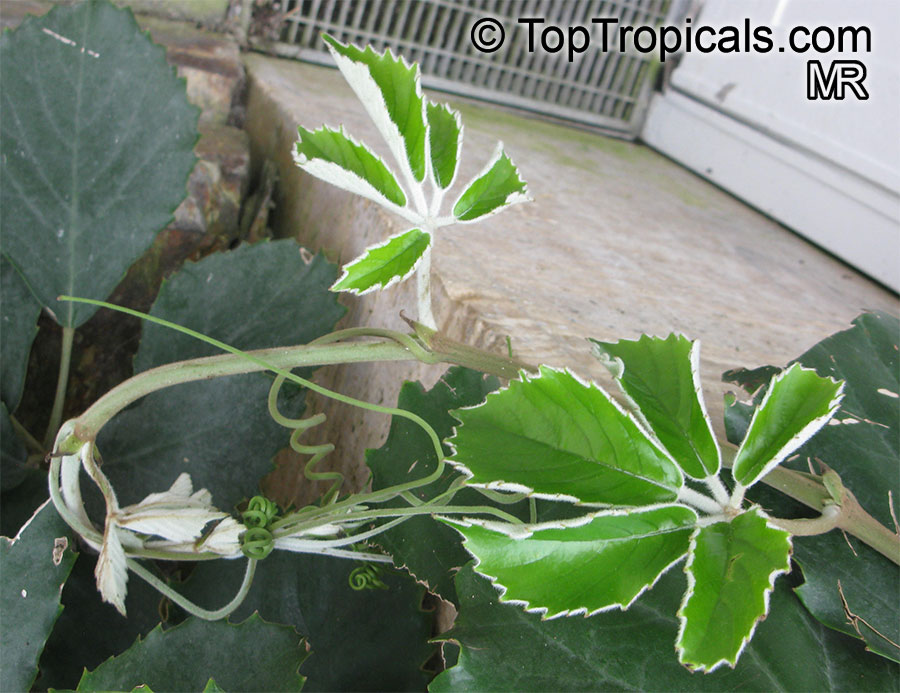
A: If you want to bring a little bit of the tropics into your office, you have chosen the perfect plant. Tetrastigma voinierianum - Chestnut vine - is a long-lived perennial plant that will stay green all year long. It is a native of Laos and a member of the grape (Vitaceae) family. This is a truly striking vine with beautiful lush and large leaves. It is a vigorous climber with 8 inch or longer tendrils for climbing purposes. The underside of the leaves has clear pearl-like bumps, which are actually plant secretions that are used by ant colonies when growing in its wild habitat...

CONTINUE READING >>

Date: 25 Nov 2019

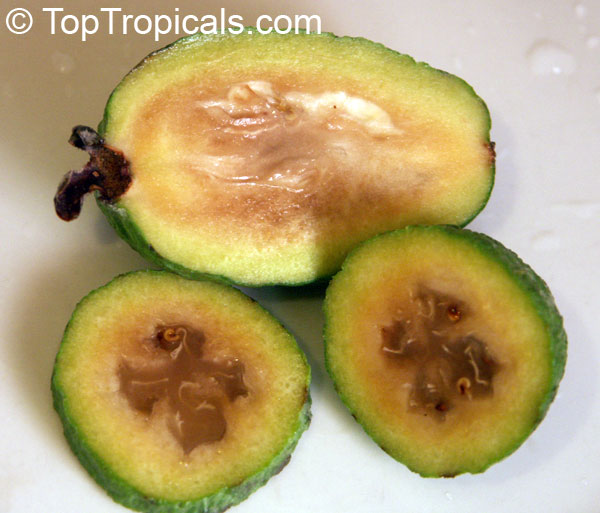
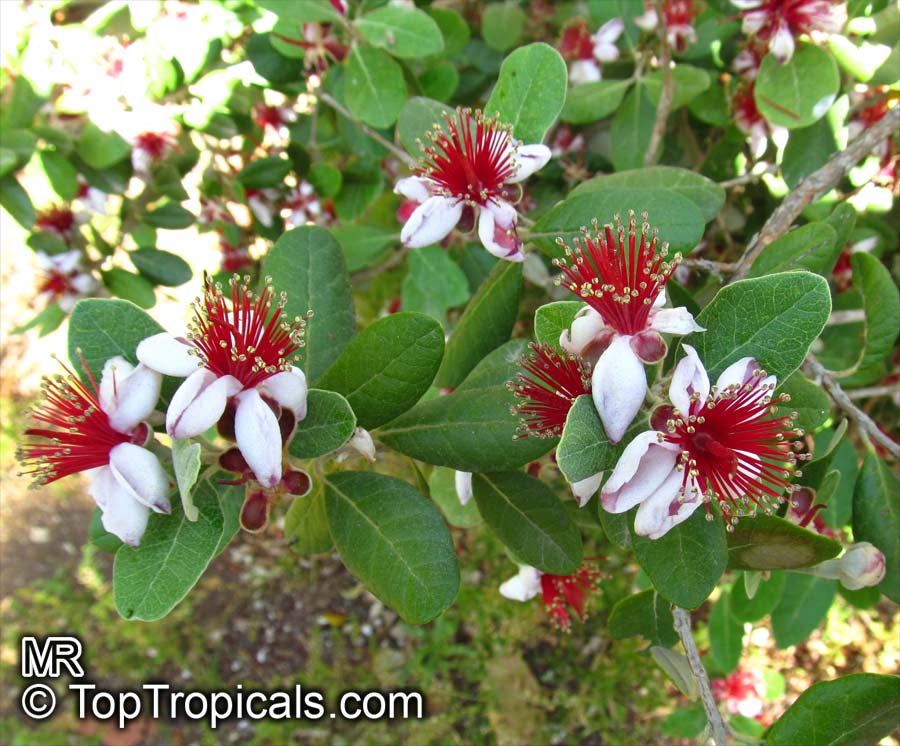
Flavor of Feijoa Superfood

by Onika Amell, tropical plant specialist

Q: What exactly is Feijoa - Pineapple Guava? Does the fruit really taste like pineapple? I am curious to know if it is easy to grow.

A: Feijoa is certainly one of the easiest fruit trees to grow as it does not require much care. It is an attractive, evergreen tree or large shrub with dark green, oval, leathery leaves. It has an abundance of uses in the garden and produces lovely edible flowers and fruit! The fruit is eaten fresh, added to smoothies or fruit salad and is also commonly used to make delicious jams and wicked chutneys. Feijoa fruit go a long way in flavor.
This plant is drought tolerant and will grow in almost any soil type. It loves full sun or partial shade and is wind resistant. A lot of gardeners like to grow it as a wind barrier for this reason. It can easily be shaped into a dense, informal hedge or screen that needs very little pruning. Because of this density, it provides excellent shelter for all kinds of wildlife. Butterflies, birds, and butterflies will all love you for growing Feijoa!
Space the plant five feet apart to create a wind barrier hedge. Heat does no not bother it at all and it will also withstand temperatures to 10 degrees F.
The plant gets its names from the delicious perfume it emits. Some folks seem the fruit taste like pineapple, with a slight minty undertone. Others feel the flavor reminds them of juicy fruit gum! The texture is described as smooth and slightly gritty - almost like a pear, but firmer.
If you prefer to grow this plant as a tree rather than a large shrub, simply remove the lower branches up to one-third of the tree's height over a period of time. The Pineapple Guava can grow up to 15 feet wide and tall. They also do really well as a container plant on patios where you can truly enjoy the lovely fragrance of the fruit. It prefers rich, organic, well-drained soil and will need light fertilization every other month in most soils.

We recommend:

Fruit Festival Plant Food - Super Crop Booster
Mango-Food - Smart Release Fruit Tree Booster
SUNSHINE-Honey - Sugar booster
SUNSHINE C-Cibus - Crop Nutrition Booster

Pretty, pink, edible flowers will wow you from May to June, followed in late summer or fall by the delicious and fragrant fruit. An interesting thing about this fruit is that you don't pick it. It falls to the ground when it is ripe. Or simply place something under your tree, like a tarp, and shake the tree. The ripe fruit will fall off. You can store the fruit in your refrigerator for up to a week. And remember! The fruit of the Feijoa is not only a very rich source of soluble dietary fiber, but also an excellent source of Vitamin C, and very rich in antioxidants. They are also low in calories. Each fruit only holds 55 calories.

Date: 21 Nov 2019

Manifestation of the Ghost Trees

by Mark Hooten, the Garden Doc

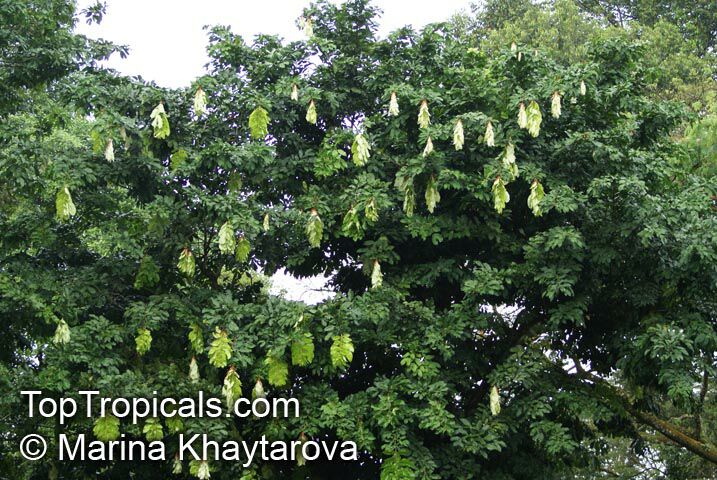
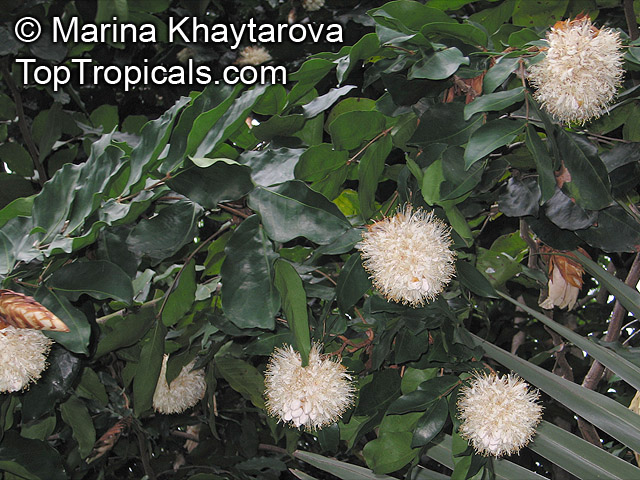
...What makes these rare beauties so wonderful is not only the very nice white Hydrangea-like flowers on the ends of the branches, but also the slowly unfolding new leaves. A number of times a year, they develop little bracts on the ends of their branches which then erupt into stunning cascades of long, weeping ivory-pink new leaves. Most notably, in the more horizontal light of morning or evening, against the deep bottle-green of older leaves, these new hanging growths create the impression of being nearly incarnate apparitions floating in mid-air. I am sure this is the reason for its scientific name Maniltoa, deriving from the New Guinea name for the tree, Manilto - which means "ghost" or "manifestation"...

CONTINUE READING >>