Garden Blog - Top Tropicals

Date: 2 Jun 2024

How to attract more butterflies to your garden?

Monarch Butterfly

Monarch Butterfly

Milkweed

Milkweed

Odontonema

Odontonema

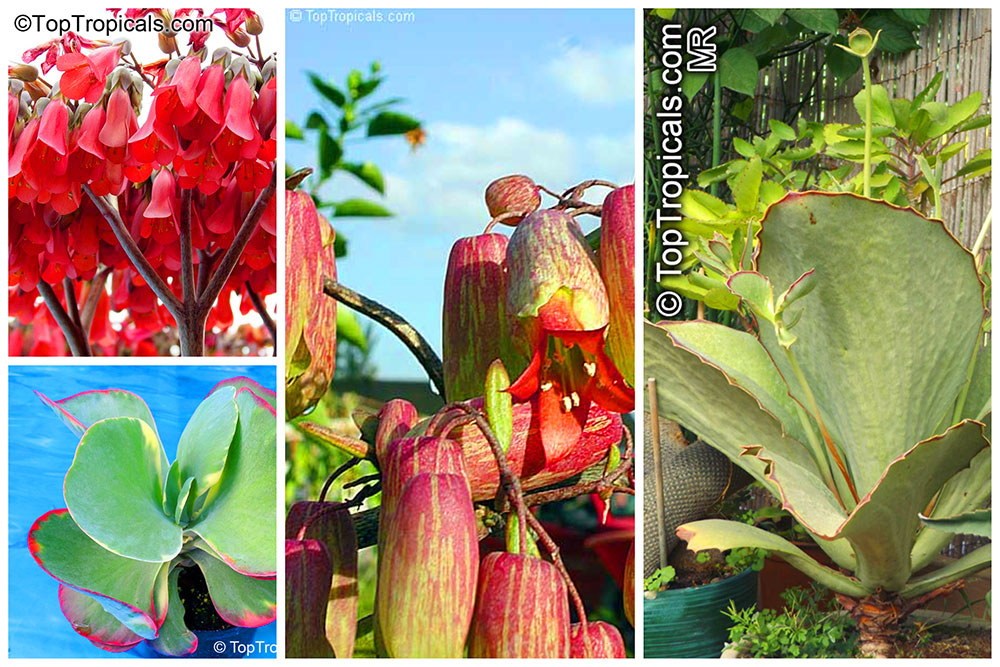
Giant Milkweed

Giant Milkweed

How to attract more butterflies to your garden?

How to attract more butterflies to your garden?


Attracting butterflies to your garden can be a fun and rewarding experience. Here are some tips to help you create a butterfly-friendly environment.
  • 💐 Choose the right plants: butterflies are attracted to nectar-producing flowers such as odontonemas.
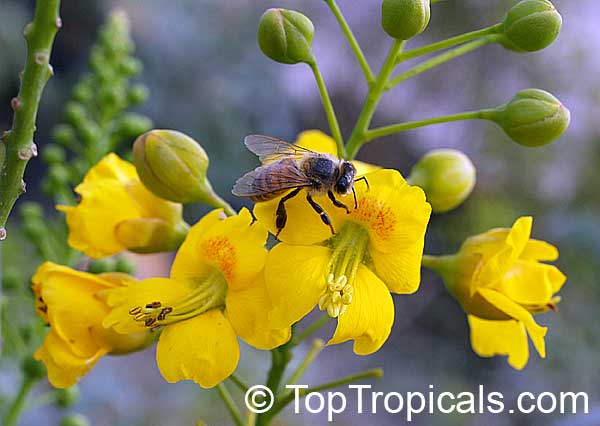
  • 💐 Plant lots of bright flowers, especially of yellow and pink colors like some cassias which seem to be the pleasant to butterfly's eye.
  • 💐 Use a variety of flowers to attract different species of butterflies. Check the list of butterfly-attracting tropical plants.
  • 💐 Provide food for caterpillars: butterflies lay their eggs on specific host plants that caterpillars will eat. For example, monarch butterflies lay their eggs on milkweed. Passion flower (Passiflora) and Aristolochia that we introduced earlier, are also great butterfly hosts, but be prepared to sacrifice some leaves!
  • 💐 Provide a water source: butterflies need a source of water to drink from. A shallow dish or birdbath with rocks in it will provide a place for butterflies to rest and drink.
  • 💐 Avoid using pesticides: they can harm butterflies and other beneficial insects. Try using natural methods to control pests in your garden.
  • 💐 Create a sunny spot: butterflies love warm, sunny spots. Plant your butterfly garden in an area that receives at least six hours of direct sunlight each day.
  • 💐 Add a butterfly house to provide shelter for butterflies during bad weather and at night.


📸 Milkweed, Odontonema, Giant Milkweed

🛒 Shop Butterfly Garden

#Butterfly_Plants

🏵 TopTropicals

Date: 21 May 2019

Colors of Cannas

TopTropicals.com

By Onika Amell, tropical flower specialist

Q: I'm a beginner gardener and looking for something easy to grow that will add a lot of color to my garden fast.

A: Try growing Canna lilies. They are a favorite of many gardeners as they are so easy to grow and always provide a reliable, beautiful show of flowers. In fact, Cannas are one of those plants that are spectacular even if they never bloomed. The leaves are tropical-looking, banana-like and huge! They range in a wide variety of shades and colors, always accentuating the large showy flowers on top.
One of our favorite cannas right now is Canna Cleopatra - very striking and most unique. Large yellow flowers speckled with red spots, or red flowers and even flowers with a little bit of both. Foliage is exotic and very beautiful, often dark green, dark chocolate or a combination of both. This is a canna that will definitely illuminate your garden!

Caring for Cannas

Cannas like a lot of water, full sun and high heat. They are also heavy feeders and prefer soils that are well drained, organically rich and moist. The leaves will quickly tell you when the plant is hungry. Feed your cannas weekly with a water-soluble 20-20-20 fertilizer Broad Leaf Plus, and they will quickly respond with beautiful, lush growth. Deadhead often to encourage continued flowering. Cannas are winter hardy in US hardiness zones 7 and warmer. If you live in colder areas, the rhizomes need to be lifted in the fall, and stored indoors in a dark, warm spot until spring arrives. Be sure to divide clumps every three or four years. Give them lots of room as they grow into large plants, forming spreading colonies up to 7 feet high and 4 feet wide. Show them off in mass plantings, in large containers or in mixed flower borders. Lure in hummingbirds with these beauties!

TopTropicals.com

Date: 6 Nov 2023

How to grow a happy Moringa Tree

Moringa  tree  in  the  garden

Q: We purchased some tropical edible and medicinal plants from you in August this year. I have a question pertaining to our Moringa tree. When we purchased it, it was about two foot tall. It has put on tremendous growth and is now a little under ten foot tall. My question is, should a Moringa be losing lower leaves at this point? The bare limbs are still green and the top looks to have healthy green leaves.

A: Thank you for choosing our Moringa tree, and sharing the picture. It's great to see that your tree appears healthy and happy - it's a resilient plant. Given the relatively dry Fall we've experienced this year, a little extra water can make a significant difference.

Here are some suggestions to ensure your Moringa thrives:

Moringa  branch  with  flowers

Watering: While Moringa is generally drought-tolerant, during dry periods, in addition to relying on your lawn sprinkler system, add some extra water with a hose. Adequate moisture is crucial for maintaining healthy foliage.

Pest Control: Moringa is not only a nutritious plant for humans but also attracts pests that appreciate its medicinal properties :) If you notice insect damage on the leaves, consider spraying with Neem oil or using an over-the-counter systemic insecticide containing imidacloprid or a similar ingredient.

Seasonal Behavior: Moringa trees are semi-deciduous to deciduous, and their leaf-shedding behavior can vary depending on the climate. In Florida, for instance, it's common for Moringa trees to shed leaves in the Fall. However, this is a natural process, and you can expect new growth in the Spring.

Fertilizing for Vigorous Growth: To promote the most vigorous growth of your Moringa tree and other plants in your garden, consider implementing a fertilizing program. If using dry, slow-release fertilizers, apply them only during the active growth season: from March through November. If you're looking for a year-round solution, liquid amino acid-based formulas like Sunshine Boosters can be a great option. You can easily add them to your watering routine or use injectors like The Robuster for convenient and consistent feeding. If you're planning to expand your garden with other medicinal plants or an edible forest, The Robuster smart fertilizing system is an excellent choice, offering the most efficient, care-free way to nourish your plants with natural nutrients throughout the year.

The  Robuster

This garden doubled the size during just one season under the Robuster care.

Date: 1 Sep 2023

This Saturday, September 2nd: Garden Event

You  are  invited  to  Kristi's  Birthday  Bash  and  Plant  Market  at  Top  Tropicals

Kristi's Birthday Bash and Plant Market "Tropical Harvest"
September 2, 9 am - 4 pm

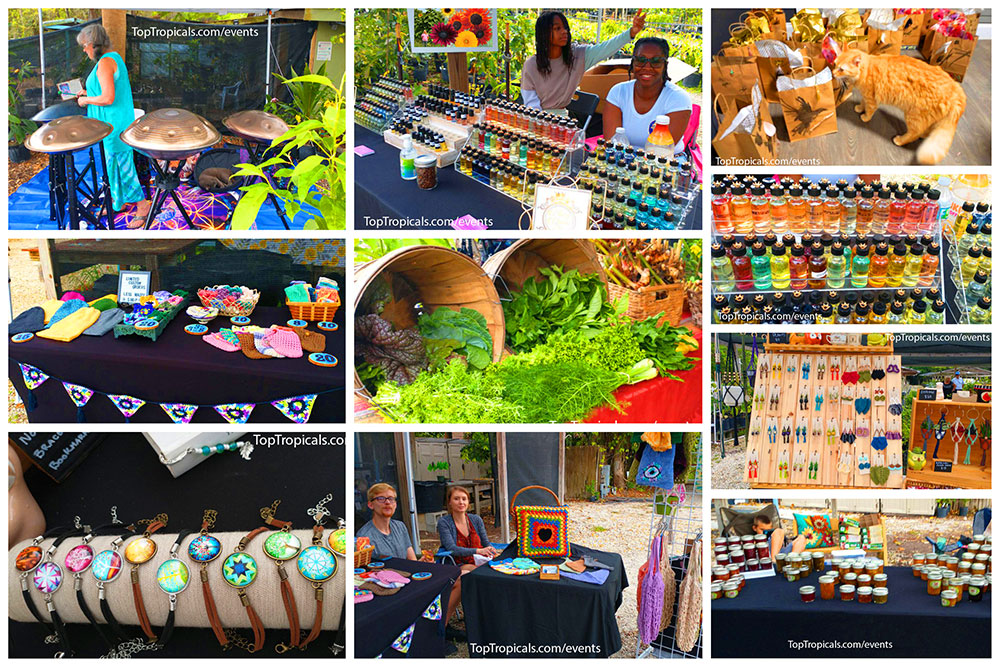
Join us in a celebration recognizing the central pillar of the great Top Tropicals temple - Kristi! We are excited to invite you to a special event, "Kristi's Birthday Bash and Plant Market", where we will be celebrating our beloved manager, Kristi, and showcasing a wide selection of tropical fruit trees and flowering plants.

This event will be an opportunity for you to explore our beautiful garden and discover a variety of plants for your own green oasis. We have lined up exclusive deals and sales on our exceptional plant collection, making it the perfect time to add some tropical flair to your home. Bring your friends and family, and immerse yourself in a day of gardening joy and community spirit!

Event agenda:

9 am - 4 pm: Plant Market. 30% OFF online prices. Raffle.
Gift bags - for first 25 customers with $50 order
Secret Garden: Super savings area 50% off
$2 and $5 sale racks: for local pick up only!

Event discounts valid at both locations:

Ft Myers Garden Center: 13890 Orange River, Ft Myers, FL
Sebring B-Farm: 9100 McRoy Rd, Sebring, FL

Facebook event page - Download invitation

Kristi's  Birthday  Bash  and  Plant  Market  at  Top  Tropicals

Date: 1 Aug 2023

Yuca root, Cassava, Manihot, Tapioca...
Food and Beauty

Manihot  esculenta,  Yuca  Root

Q: Can you recommend a pretty plant for my edible garden? Something that is not only useful but also very ornamental.

A: Introducing the fabulous and flamboyant star of the garden - Manihot esculenta, better known as the Yuca Root! This tropical root vegetable plant is the epitome of botanical fashion, showing off its cheerful and showy foliage like it's walking the runway of a tropical paradise...

The most stunning variety is Variegated Yuca root. You won't find this rare and remarkable variety of Yuca root just anywhere! It's like the unicorn of the edible plant world, combining practicality with pure visual delight. Not only can you feast on its starchy goodness, but you can also proudly display it as a stunning ornamental piece in your garden.

This tropical root vegetable knows how to put on a show, making its home as a shrub in subtropical zones across Asia, Africa, the Caribbean, and South America. Its roots and leaves are the real stars of the show, packed with all that starchy goodness. But hold on, there's a little twist to this drama! The root contains low levels of protein, while the green leaves are practically gym buffs with high protein levels.

Now, we must address the elephant in the botanical room - the mistaken identity crisis. Some folks confuse our lovely Yuca Root with Yucca, but let's clear things up: Yucca is a no-go in the culinary world. It's a non-edible plant from the Agave family, and you definitely don't want to cook that up for dinner!

So there you have it, folks! The Yuca Root, a true superstar of both the kitchen and the garden. Delicious, eye-catching, and ready to add a dash of tropical charm to your life. Get one for yourself, and let the good times yuca-roll!

Manihot  esculenta,  Yuca  Root,  tree