Garden Blog - Top Tropicals

Date: 9 Nov 2025

Edible cactus with health benefits that your tortoise will love too
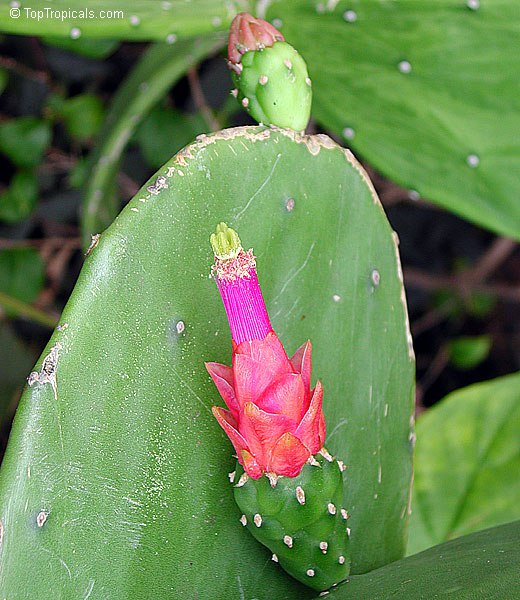
Opuntia cochenillifera - Velvet Nopal Cactus, Nopales, Prickly Pear, leaves and flower
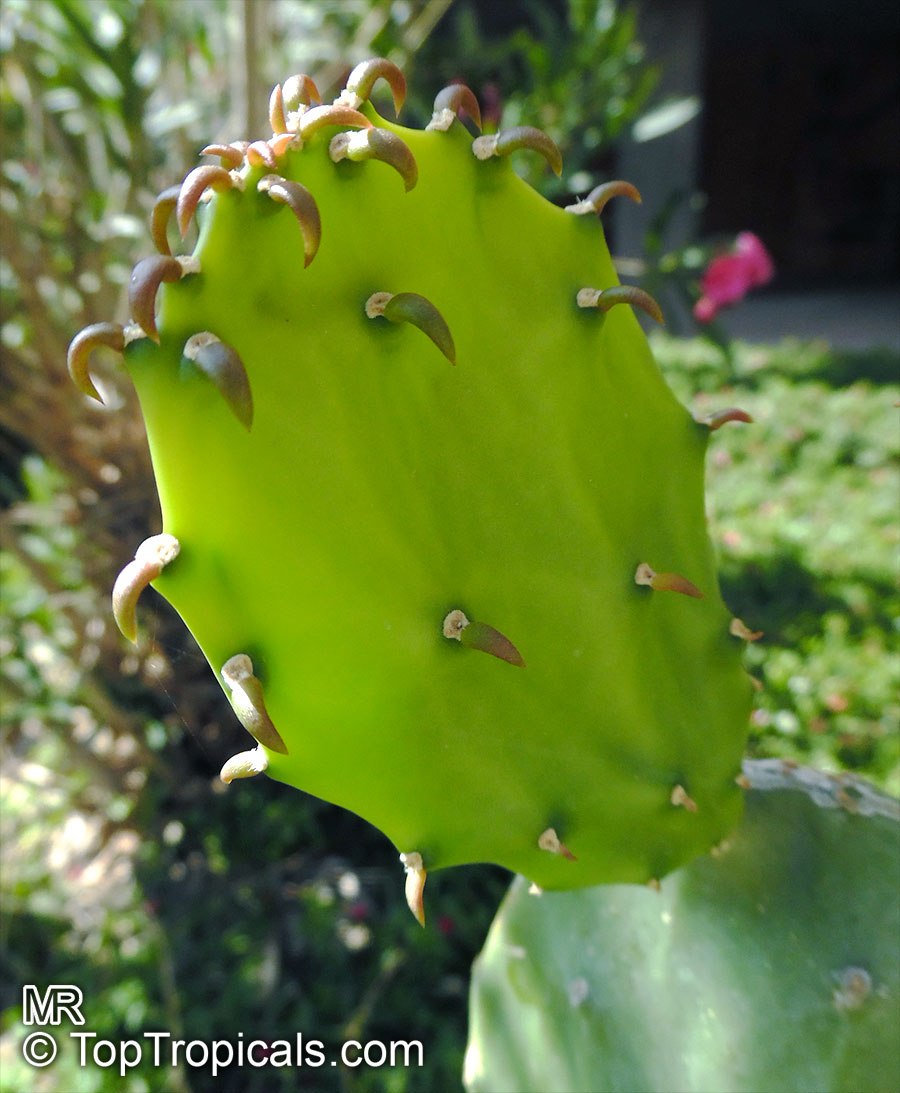
Opuntia cochenillifera - Velvet Nopal Cactus, Nopales, Prickly Pear, leaves and flower

Opuntia cochenillifera - Velvet Nopal Cactus, Nopales, Prickly Pear, leaves
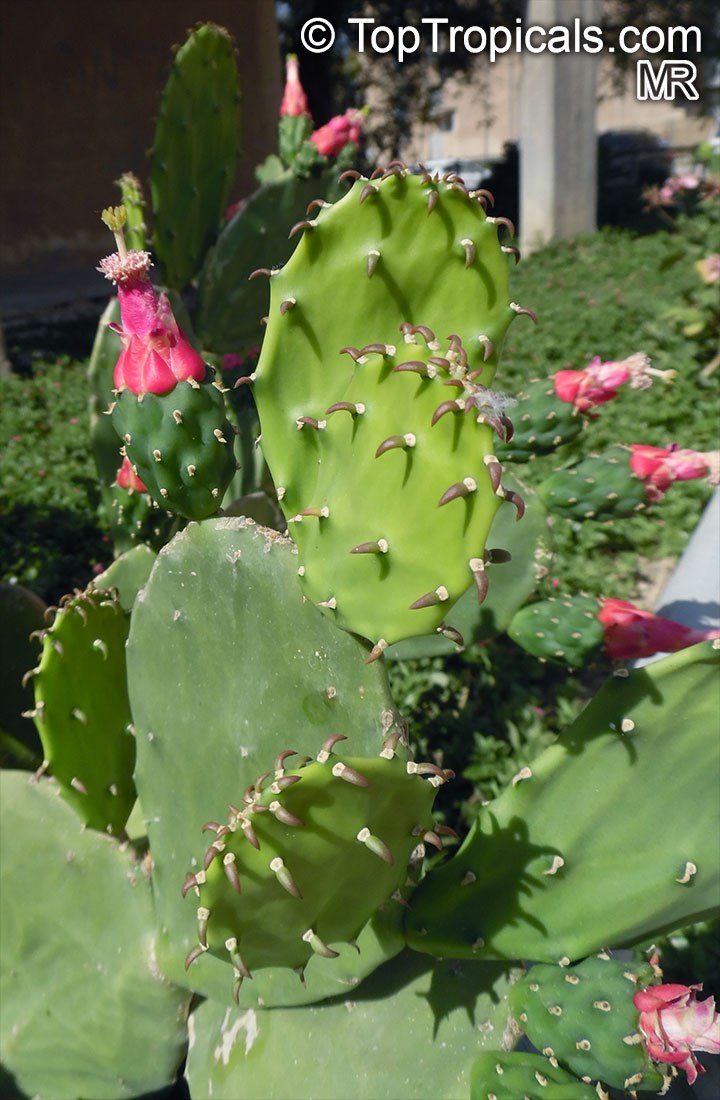
Opuntia cochenillifera - Velvet Nopal Cactus, Nopales, Prickly Pear, leaves

Opuntia cochenillifera - Velvet Nopal Cactus, Nopales, Prickly Pear, leaves and flowers
Opuntia cochenillifera - Velvet Nopal Cactus, Nopales, Prickly Pear, leaves and flowers

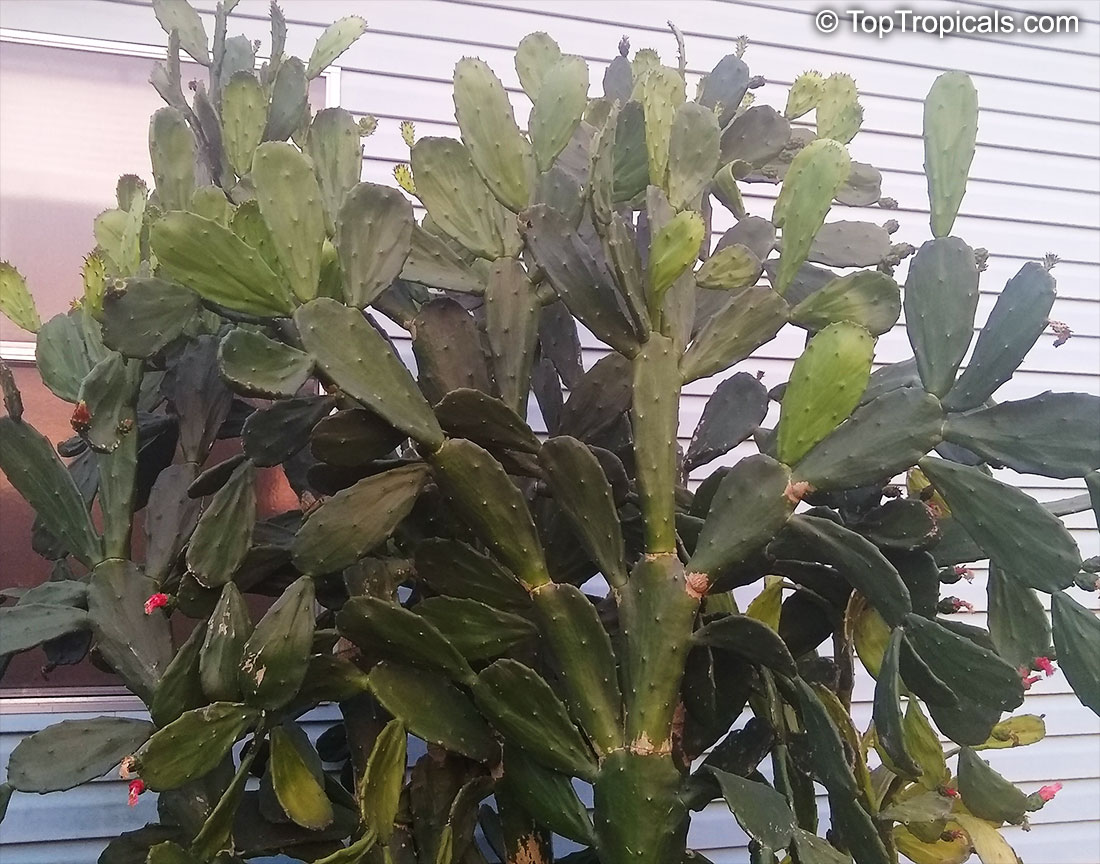
Opuntia cochenillifera - Velvet Nopal Cactus, Nopales, Prickly Pear, large plants

Opuntia cochenillifera - Velvet Nopal Cactus, Nopales, Prickly Pear, large plants

🐢 Edible cactus with health benefits that your tortoise will love too


🌵 Opuntia cochenillifera
- Velvet Nopal Cactus, Nopales, Prickly Pear - is one of the most useful and forgiving cactus species you can grow. Unlike most desert cacti, this one thrives even in humid tropical climates like Florida, making it one of the few rain-tolerant cacti that actually loves moisture. Fast-growing and ornamental, it produces bright red flowers and makes a beautiful, low-maintenance landscape plant that thrives in heat, drought, and even neglect.

🌵 Prickly Pear is a very valuable edible, used as a vegetable with impressive medicinal properties. The young pads, called nopales, can be stir-fried or sauteed with onions and garlic for a tangy, nutrient-rich side dish.

🌵 In Hispanic cooking, this plant is known simply as Nopal or Nopales – a traditional ingredient used in dishes like ensalada de nopales (nopal salad), nopales con huevo (eggs with cactus), and nopales asados (grilled cactus).

🌵 Regularly eating Nopales has been linked to improved blood sugar control, and many people who include it in their diet report significant help in managing diabetes.

🌵 Nopales is also a favorite treat for tortoises and other herbivorous pets. Its smooth, spineless pads are packed with hydration and nutrients, making it a safe, natural food source.

🌵 So, this is not just a cactus - it’s a food, medicine, and ornament all in one. Tough, beautiful, and endlessly useful!

🛒 Plant your own food and pharmacy Nopales

#Food_Forest #Remedies

🟢 Join 👉 TopTropicals
Date: 6 Dec 2025

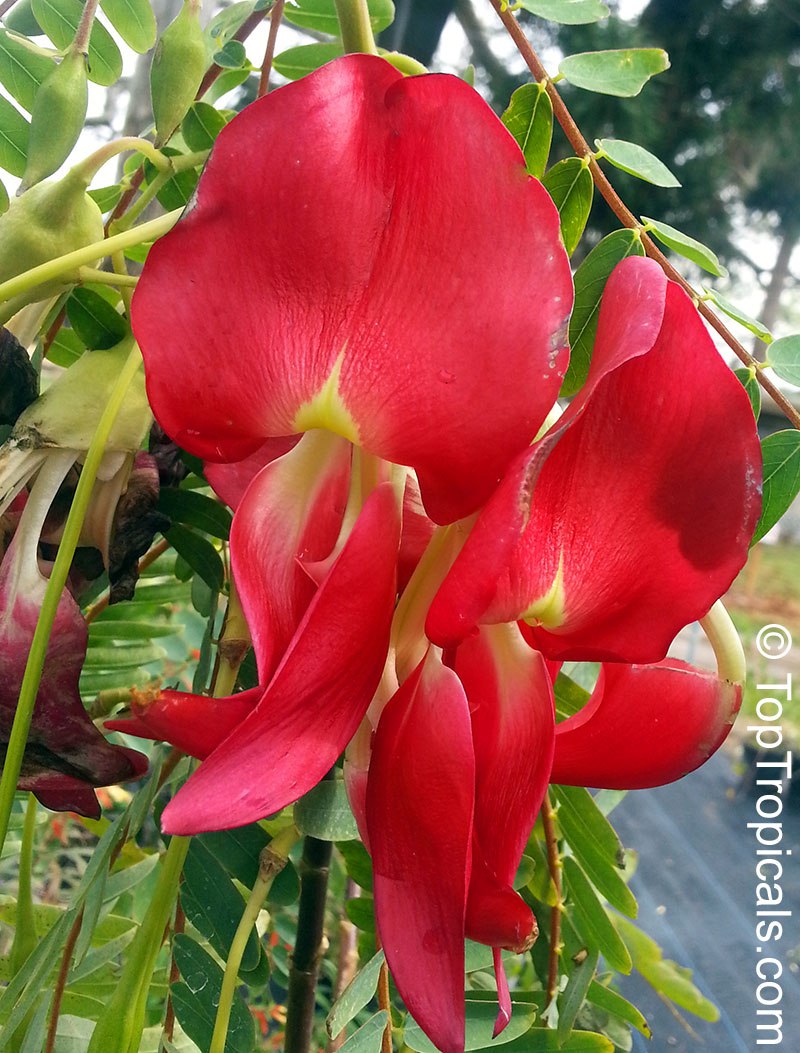
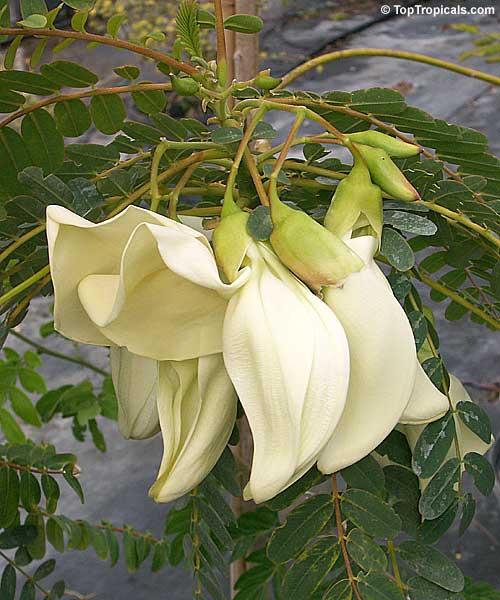
Sesbania flower fritters: quick-n-fun exotic recipes

Sesbania flower fritters: quick-n-fun exotic recipes Sesbania flower fritters: quick-n-fun exotic recipes Sesbania flower fritters: quick-n-fun exotic recipes

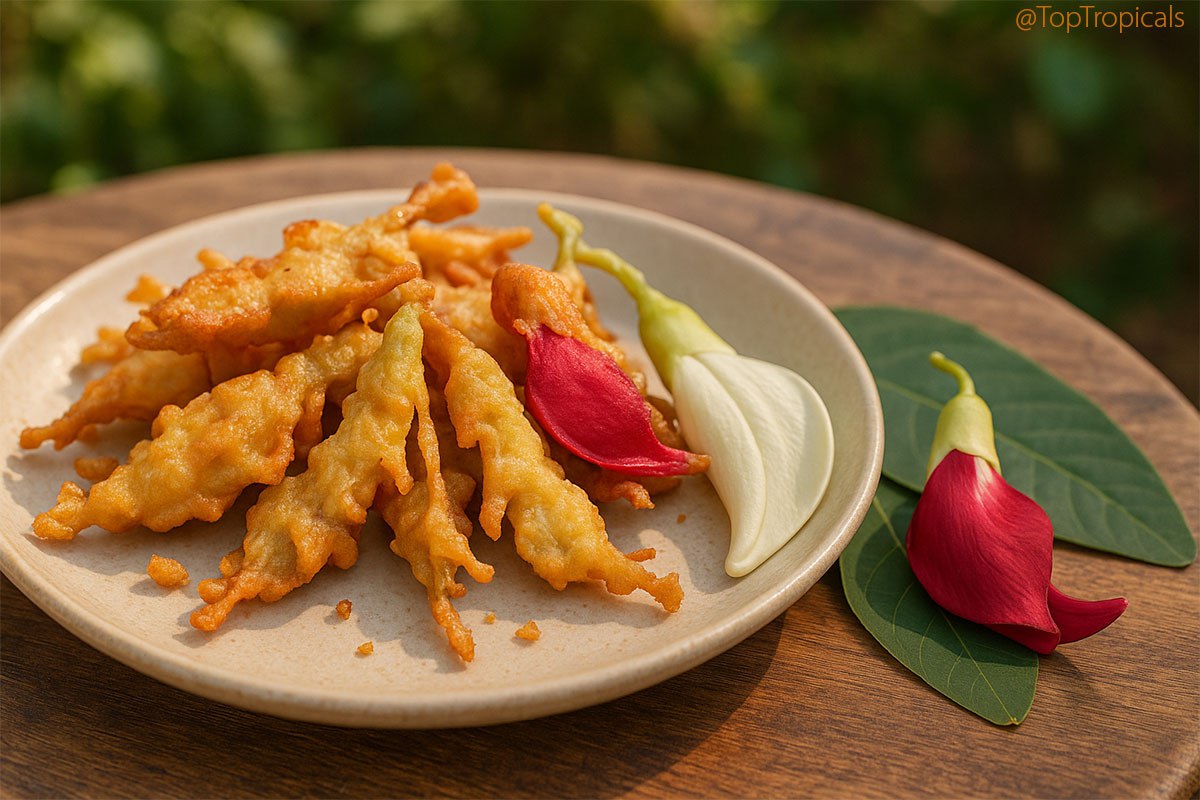
🍴 Sesbania flower fritters: quick-n-fun exotic recipes

🔴Delicate, floral, and fun to snack on.

Sesbania Flower Fritters

Ingredients

  • 1 cup fresh Sesbania flowers (Sesbania grandiflora), washed and trimmed
  • 1/2 cup all-purpose flour
  • 1/2 cup cold water
  • 1/4 teaspoon salt
  • Oil for frying

Instructions

  1. Rinse Sesbania flowers thoroughly and remove tough stems.
  2. In a bowl, mix flour, salt, and cold water to form a light batter.
  3. Heat oil in a pan over medium heat.
  4. Dip each flower into the batter, letting excess drip off.
  5. Fry until golden and crisp, about 1-2 minutes per side.
  6. Remove and drain on paper towels. Serve warm.

🛒 Add Hummingbird tree edible flowers tree to your garden

📚 Learn more:

Hummingbird Tree Plant Facts

Botanical name: Sesbania grandiflora, Agati grandiflora
Also known as: Hummingbird Tree, Butterfly Tree, Agati
USDA Zone: 9 - 11
Highligths Small tree 10-20 ftSemi-shadeFull sunWatering: Regular. Let topsoil dry slightlyRed, crimson, vinous flowersWhite, off-white flowersEdible plantPlant attracts butterflies, hummingbirdsDeciduous plantEthnomedical plant.
Plants marked as ethnomedical and/or described as medicinal, are not offered as medicine but rather as ornamentals or plant collectibles.
Ethnomedical statements / products have not been evaluated by the FDA and are not intended to diagnose, treat, cure, or prevent any disease. We urge all customers to consult a physician before using any supplements, herbals or medicines advertised here or elsewhere.Flood tolerant plant
Get personalized tips for your region

Sesbania grandiflora in Plant Encyclopedia
Why it's called Hummingbird Tree
Bird-looking flowers: you can eat the whole tree

#Food_Forest #Recipes

🟢 Join 👉 TopTropicals

Date: 2 Jan 2026

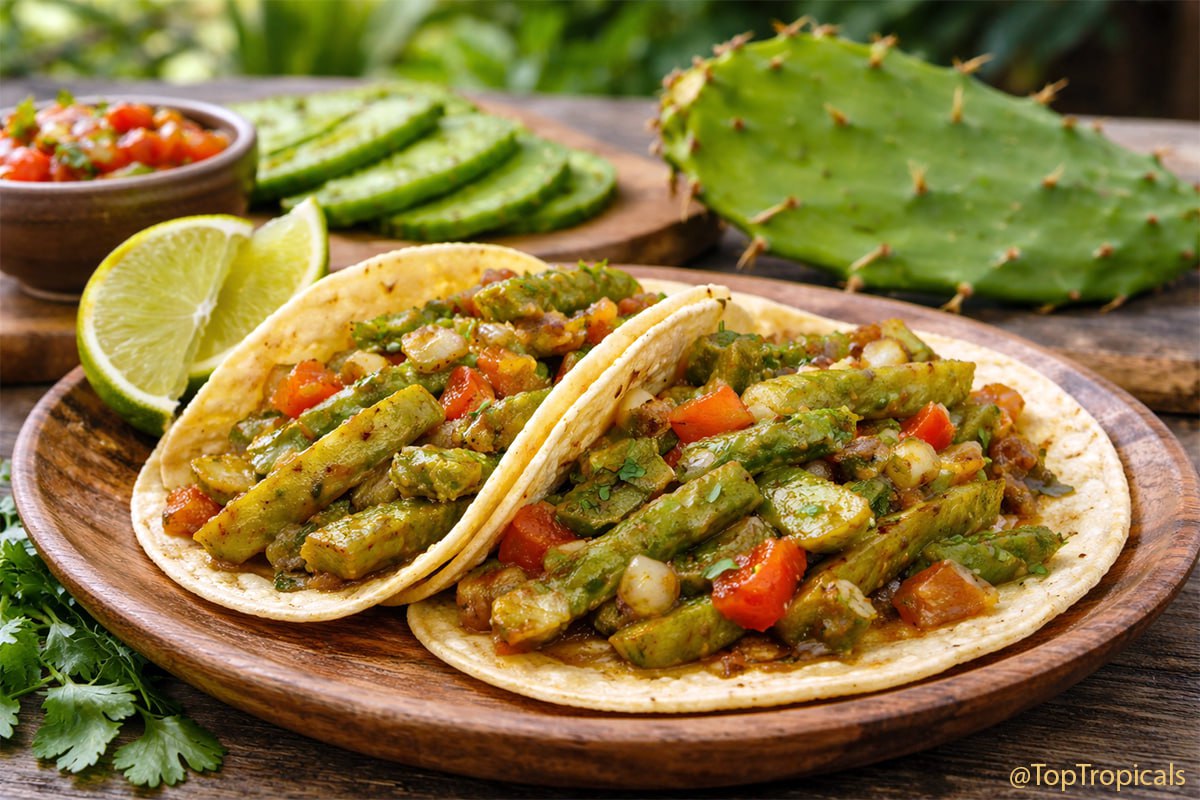
Velvet Nopal tacos: quick-n-fun exotic recipes

Velvet Nopal tacos

Velvet Nopal tacos

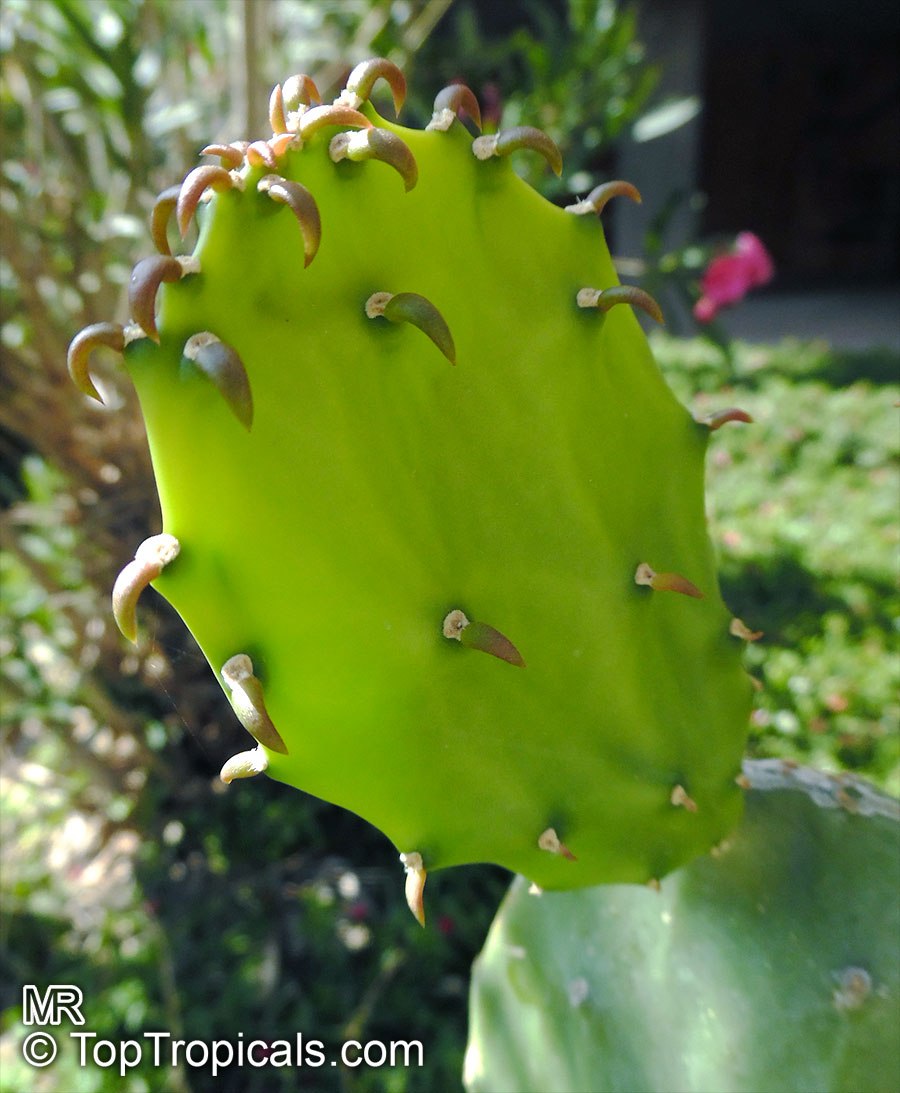
Opuntia cochenillifera - Velvet Nopal Cactus, Prickly Pear

Opuntia cochenillifera - Velvet Nopal Cactus, Prickly Pear

🍴 Velvet Nopal Tacos

Ingredients

  • 2 to 3 tender velvet nopal pads (Opuntia cochenillifera)
  • 1 small onion, diced
  • 1 small tomato, diced
  • 1 tablespoon vegetable oil
  • Salt to taste
  • Corn tortillas

Instructions

  1. Remove spines from nopal pads and slice into strips.
  2. Boil the sliced nopal for 5 minutes, then drain well.
  3. Heat oil in a pan and saute onion until soft.
  4. Add tomato and cooked nopal, season with salt, and saute until tender.
  5. Serve warm in corn tortillas.

🌵 About the plant:


Nopal Opuntia (prickly pear cactus pads) is a cornerstone vegetable in Mexican cuisine and a long-standing staple across Central and South America. It is valued both as food and medicine. Traditionally eaten sauteed, grilled, or stewed, nopal is rich in fiber, minerals, and antioxidants. It is especially well known for its role in blood sugar management - many people who eat it regularly report significant improvement in diabetes control.

🌱 In the garden:


Prickly pear is a fast-growing, tough desert plant with showy red flowers. It thrives on neglect, tolerates drought, and also handles Florida rain surprisingly well. Easy to grow, productive, and edible, it is one of the most practical food plants you can add to your landscape.

🛒 Add Nopal Cactus to your kitchen garden

📚 Learn more:

Cochineal Cactus Plant Facts

Botanical name: Opuntia cochenillifera, Nopalea cochenillifera, Opuntia nuda
Also known as: Cochineal Cactus, Warm hand, Velvet Opuntia, Nopales Opuntia, Nopal Cactus
USDA Zone: 8 - 11
Highligths Large shrub 5-10 ft tallSemi-shadeFull sunWatering: Moderate. Water when top soil feels dryRed, crimson, vinous flowersEdible plantSubtropical plant. Mature plant cold hardy at least to 30s F for a short time
Get personalized tips for your region

Opuntia cochenillifera - Velvet Nopal Cactus, Prickly Pear in Plant Encyclopedia
Edible cactus with health benefits that your tortoise will love too

#Food_Forest #Recipes #Remedies

🟢 Join 👉 TopTropicals

Date: 22 Mar 2026

Do Fruit Trees Increase Property Value? Tropical Plants That Pay Off

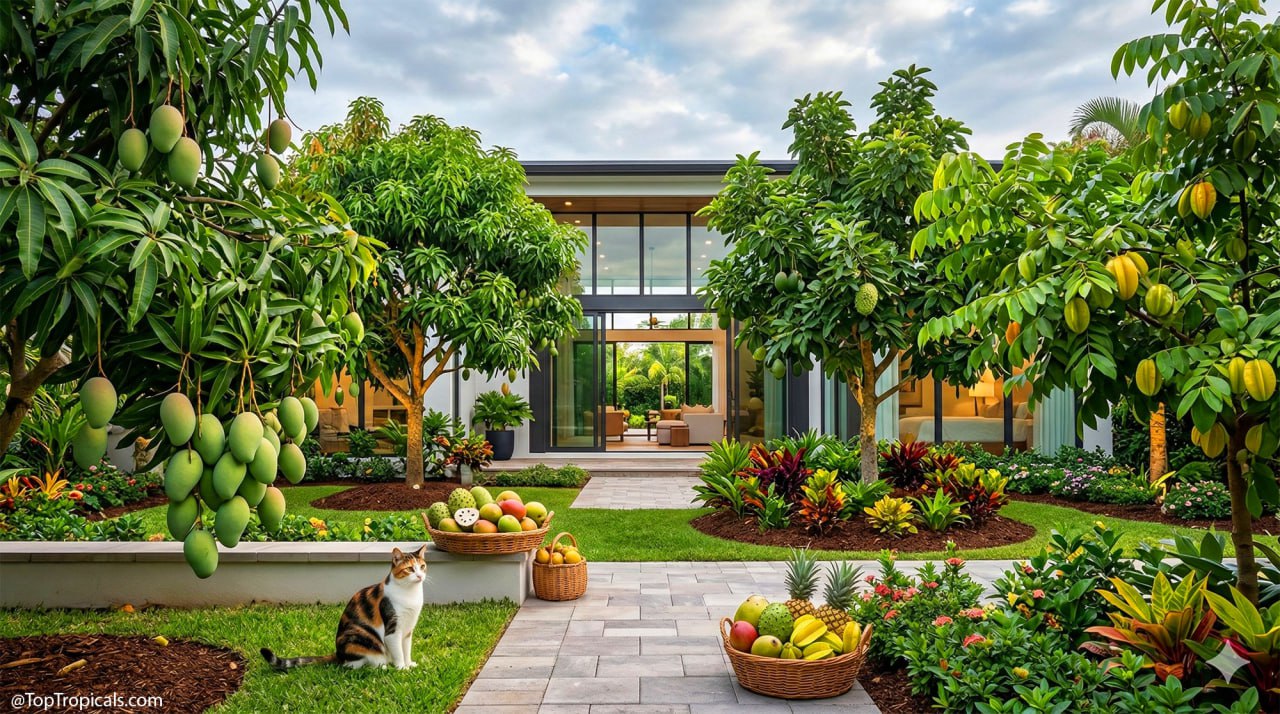
Yard with fruiting tropical trees

Yard with fruiting tropical trees

Landscaped yard in Florida

Landscaped yard in Florida

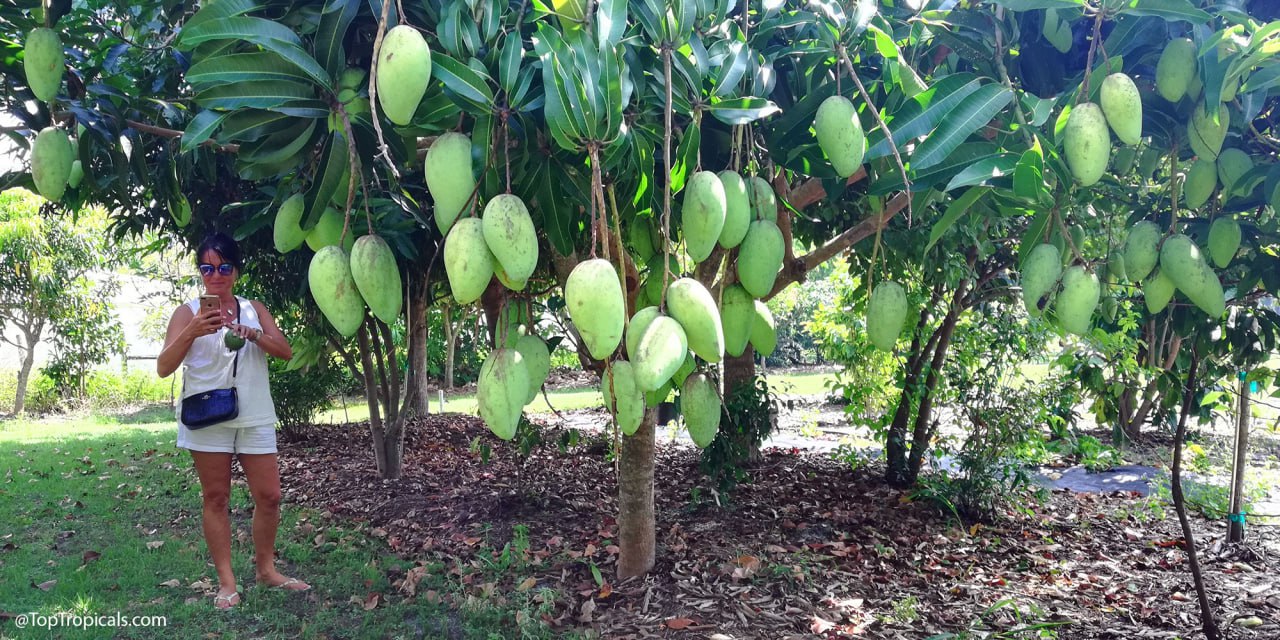
Mango tree fruiting in the garden

Mango tree fruiting in the garden

Do Fruit Trees Increase Property Value? Tropical Plants That Pay Off 🏡

Can your backyard pay for itself? Learn which 12 tropical fruit trees real estate experts say are the smartest investment for your landscape. Discover how tropical fruit trees like mango and avocado add "edible equity" and curb appeal to your property, making it more desirable to future buyers. Turn your yard into a private paradise that lowers grocery bills and boosts home value.

In warm climates like Florida, a mango tree isn't just landscaping - it’s a food-producing asset. Mature tropical fruit trees offer "edible equity," saving homeowners hundreds in grocery bills while creating a unique, memorable aesthetic for buyers.

Mango Plant Facts

Botanical name: Mangifera indica
Also known as: Mango
USDA Zone: 9 - 11
Highligths Large tree taller than 20 ftSmall tree 10-20 ftFull sunWatering: Moderate. Water when top soil feels dryYellow, orange flowersPink flowersEdible plantSeaside, salt tolerant plant
Get personalized tips for your region

🥭 1. Focus on "Instant Recognition" Favorites


Trees buyers already know and love provide the strongest ROI. They signal that the yard is already productive - something new builds can’t offer.

•  Top Picks: Mango, Avocado, Papaya, Banana, Guava, and Loquat.

Avocado Plant Facts

Botanical name: Persea americana, Persea gratissima
Also known as: Avocado, Alligator Pear, Aguacate, Abacate
USDA Zone: 9 - 11
Highligths Large tree taller than 20 ftSmall tree 10-20 ftFull sunWatering: Regular. Let topsoil dry slightlyEdible plantSubtropical plant. Mature plant cold hardy at least to 30s F for a short time
Get personalized tips for your region

•  The Value: A single mature avocado or mango tree can yield hundreds of pounds of fruit annually.

🥭 2. Create a "Memorable Discovery" with Exotic Varieties


Unusual fruits turn a standard yard into a tropical orchard, acting as a conversation piece during home tours.

•  The Exotic List: Jackfruit, Sugar Apple, Soursop, Sapodilla, Ice Cream Bean, and Star Fruit.

🥭 3. Strategic Placement for Energy Savings


Large-canopy trees like jackfruit or mango do more than provide food; they act as natural insulation.

•  Natural Cooling: Strategic planting reduces afternoon sun exposure and lowers AC costs.
•  Indoor/Outdoor Flow: Use trees to frame window views, block neighbors, and create private "outdoor rooms."

🥭 4. The Power of the "Mini Orchard"


A collection of 3–5 trees creates a stronger emotional pull than a lone plant. Buyers begin to visualize a lifestyle of smoothies and harvests.

•  Winning Combos: Mango + Avocado + Papaya or Guava + Star Fruit + Banana.

🥭 5. Maintenance: Health Equals Value


Fruit trees only add value if they look manageable. A neglected tree suggests a neglected home.

•  Pre-Sale Prep: Prune for tidiness, mulch the base, and clear fallen fruit.
•  Spacing Matters: Avoid overcrowding; ensure buyers can walk comfortably through the yard without feeling "closed in."

🥭 The Long-Term Play


Unlike decorative plants that may need frequent replacement, fruit trees appreciate over time. Because a mango tree takes years to reach peak production, the best time to plant for future resale value is now. By the time you list, your yard will offer shade, privacy, and a harvest that buyers find hard to resist.

🛒 Start Growing Your Edible Equity - Find the Perfect Fruit Tree for Your Yard

📚 Learn more:


Mango trees in Plant Encyclopedia

#Food_forest #How_to #Discover

🟢 Join 👉 TopTropicals

Date: 19 Jan 2026

You dont need to buy Gin any more!

Gin Berry, Glycosmis pentaphylla, Orangeberry, Limonia

🍸 You don't need to buy Gin any more!

🍸Guess what is this fruit that tastes like Gin - it's Gin Berry, Glycosmis pentaphylla. It's also called Orangeberry, or Limonia, and is one of those plants that surprises people the moment they touch it. Crush a leaf or rub one of the ripe berries, and the scent is unmistakable - fresh, citrusy, pure gin! Just add tonic.

Ash sheora Plant Facts

Botanical name: Glycosmis pentaphylla, Limonia pentaphylla
Also known as: Ash sheora, Orangeberry, Rum Berry, Gin Berry
USDA Zone: 9 - 10
Highligths Small tree 10-20 ftFull sunWatering: Moderate. Water when top soil feels dryWatering: Regular. Let topsoil dry slightlyWhite, off-white flowersEthnomedical plant.
Plants marked as ethnomedical and/or described as medicinal, are not offered as medicine but rather as ornamentals or plant collectibles.
Ethnomedical statements / products have not been evaluated by the FDA and are not intended to diagnose, treat, cure, or prevent any disease. We urge all customers to consult a physician before using any supplements, herbals or medicines advertised here or elsewhere.
Get personalized tips for your region


🍸 Why the berries smell like gin?


The leaves and berries are packed with aromatic oils rich in citrus terpenes, similar to compounds found in juniper and citrus peel. That shared chemistry is what creates the gin-like fragrance. It smells clean, sharp, and refreshing - more aroma than sweetness.

🍸 A lesser-known citrus cousin


Gin Berry belongs to the Rutaceae family, the same plant family as oranges, lemons, limes, and Curry leaf. You can see it in the glossy leaves and smell it in the oils, but the growth habit is different. Instead of becoming a tree, Gin Berry stays a compact, evergreen shrub.

🍸 Edible, but fragrance-forward


The small berries are edible and lightly sweet-tart, though most people notice the aroma before the flavor. In parts of South and Southeast Asia, the fruit is eaten fresh, added to chutneys, or used to scent drinks and infusions. It is subtle and aromatic rather than juicy.

🍸 Traditional uses and health benefits


🔸Gin Berry has a long history in folk medicine, especially in in Hindu medicine.
🔸Leaves used in teas for digestion and fevers
🔸Roots traditionally used for inflammation and pain
🔸Modern studies note antimicrobial and antioxidant activity

🍸 Easy garden and container plant


🔸Evergreen shrub with shiny leaves
🔸Naturally compact and easy to prune
🔸Small white flowers with a light fragrance
🔸Clusters of decorative berries
🔸Excellent for pots, patios, and warm climates
🔸Attracts pollinators, and birds enjoy the berries.

🍸 Why Gin Berry stands out


Gin Berry sits right between ornamental and edible. It has the citrus-family fragrance people love, stays manageable in size, and offers a unique sensory experience that most gardeners have never seen - or smelled - before.

🛒 Add Gin Berry to your rare fruit collection

#Food_Forest #Fun_facts #Remedies

🟢 Join 👉 TopTropicals