Garden Blog - Top Tropicals

Date: 9 Sep 2025

Night jasmine that disappears with sunrise: Parijat

Nyctanthes arbor-tristis - Parijat, Night Jasmine, Sad Tree, Tree of Sorrow

💔 Night jasmine that disappears with sunrise: Parijat


💔 Nyctanthes arbor-tristis, Parijat, Night Jasmine, Sad Tree or Tree of Sorrow... What secret is hidden in this flower?

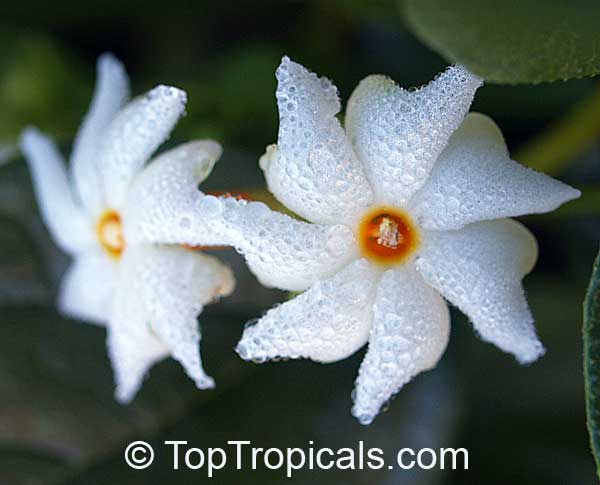
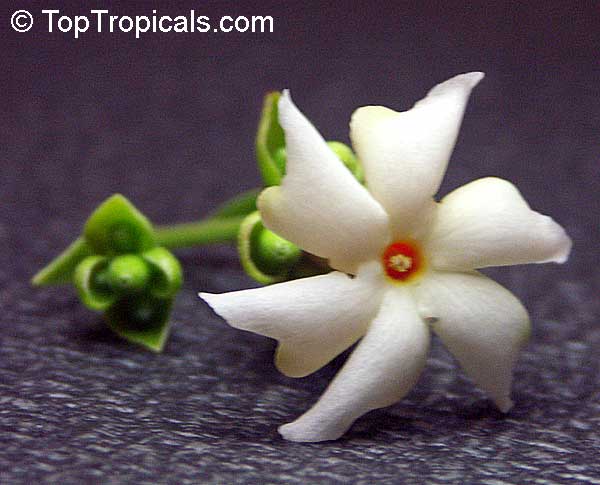
💔 Parijat is a small tree or shrub from South Asia known for its intensely perfumed white flowers with bright orange centers that open at dusk and fall by dawn.

💔 What is Parijat famous for?
Mostly for its scent and stories - but locals also use it in traditional remedies. The flowers are beloved in temple garlands and perfumery. Leaves, flowers, bark, and seeds are used in Ayurveda for treating fevers, sciatica, arthritis, and more. Extracts also show anti-inflammatory and liver-protective effects in modern studies.

💔 Why do people plant Parijat?
It’s both fragrant and spiritual. Parijat is sacred in Hindu myth - some say Krishna brought it from heaven, others that it sprang from a grieving princess’s ashes. People plant it near temples or in small gardens not just for the scent, but for its cultural symbolism and graceful beauty.

💔 Is Parijat easy to grow?
Yes - if your climate cooperates. Parijat grows up to 10 feet tall, handles full sun or light shade, and thrives in well-drained soil with regular, moderate watering. It blooms best with monthly fertilizer and tolerates light cold (into the 30s F). In cooler areas, grow it in a container. Regular pruning helps it stay compact and flower more.

🛒 Plant Parijat - the tree smell like heartbreak and heaven

📚 Learn more:


Sacred perfume tree for small spaces: Parijat blooms with heartbreak and heaven
Six most desired perfume plants
Five best fragrant plants for summer plantings

#Perfume_Plants #Trees #Discover

🟢 Join 👉 TopTropicals
Date: 25 Jun 2025

This sacred perfume tree is perfect for small spaces: Parijat blooms with heartbreak and heaven

This sacred perfume tree is perfect for small spaces: Parijat blooms with heartbreak and heaven

🕊 This sacred perfume tree is perfect for small spaces: Parijat blooms with heartbreak and heaven


Nyctanthes arbor-tristis, known as Parijat, Night Jasmine, or the Sad Tree, is more than a fragrant flowering shrub - it's a story wrapped in petals. This small tree from India with highly perfumed flowers is one of the most desired fragrant plants.

Parijat blooms at night and drops its white-and-orange flowers by dawn, like scattered tears on the ground. In Hindu mythology, it was brought to Earth by Krishna, sparking divine jealousy. Another legend says it rose from the ashes of a heartbroken princess, blooming in sorrow each night.

Parijat grows 5-10 feet tall and thrives in sun or partial shade with moderate water. Its heavenly scent draws butterflies and hearts alike, and its ghostly, glowing flowers are used in Buddhist temples and traditional medicine - stems for headaches, leaves for liver ailments, and blossoms for fevers and faintness.

Parijat is a tree of romance, ritual, and resilience. Cold-tolerant to the 30s F, it can be container-grown in cooler zones. Just give it well-draining soil and a bit of fertilizer each month, and let the magic unfold!

🛒 Add a piece of mythology to your garden with Parijat

#Perfume_Plants #Trees #Discover

🔴 Join 👉 TopTropicals

Date: 8 Aug 2019

How to grow Parijat indoors in winter

Q: I purchased Parijat plant last year spring. It had good growth in Summer, after that I kept the plant inside the house in winter. A couple of weeks it was ok, after that the plant lost leaves. What is a better idea for growing Parijat plant indoors in Winter?

A: Nyctanthes arbor-tristis, Parijat - is a semi-deciduous plant, which means, it may lose its leaves during unfavorable conditions such as drought, cold, low light and/or humidity. In your case, the plant dropped leaves because of the stress of moving indoors that includes reducing light and humidity levels. When a tropical plant loses leaves during winter, this means it goes into a dormant stage. If this happens, you need to reduce watering and keep the plant on a dry side, water in only when the top level of the soil feels dry to touch. Do not fertilize.
Try to place the plant in a well-lit spot such as a windowsill. If the windowsill and the window glass feel too cold for touch during wintertime, you may place a sheet of a Styrofoam underneath the pot, and a sheet of a bubble-wrap between the plant and the window glass, to create an extra barrier from cold. The plant may re-leaf during wintertime; if not, it may wait until spring, be patient.
Bring it back into outdoor light when minimum temperatures rise above 65F and resume fertilizing.

Recommended fertilizers for fragrant plants:

Pink N Good Daily Plant Food - Flower Booster
Plumeria Top Dress - Smart-Release Booster
SUNSHINE SuperFood - microelement supplement

Date: 22 Apr 2016

Plant Horoscope. Taurus Zodiac lucky plants: Fragrant Cananga odorata and Chonemorpha

Taurus - 4/20-5/20. Taurus is an EARTH sign ruled by the planet Venus. Venus is the planet that represents desire and beauty, regarded as the female embodiment of sexual love and human appetite, so Taurus plants often have gorgeous flowers and enticing fragrances and, occasionally, red fruit. It rules the internal sexual organs, the nose and sense of smell.

Because Taurus rules the throat and ears, the best plants for the Bull are often soothing to the throat, or may calm the digestive system after overindulging in the finest foods. Taurus is related to those things we want and value. It harmonizes various body systems, and influences the complexion and facial appearance. Also under Venus's dominion are the abdomen, kidney, thymus, and breasts. Venus-governed herbs are soothing and help to regulate the body's metabolism through the endocrine system. Taurus herbs are traditionally used to attract money and resources. Earthy Taurus sign is all about building a stable and comfortable foundation and can help you generate greater abundance and prosperity in your life.

Taurus Zodiac lucky plants - Aglaia, Cananga odorata (Ylang-Ylang), Artabotrys (Climbing Ylang-Ylang), Cerbera, Night blooming jasmine, Chonemorpha, Erblichia, Euodia, Hiptage, Iboza (Musk Bush), Anise, Lavender, Lonchocarpus Lilac Tree, Nutmeg, Parijat, Camphor Basil, Osmanthus, Funeral tree, Quisqualis, Satureja (Kama Sutra Mint Tree), Viburnum, Carissa, Murraya, Curry Leaf, Bunchosia (Peanut butter fruit), Eucalyptus, Lily, Vitex agnus castus (Blue Chaste Tree), Alstonia scholaris (Sapthaparni), Papaya, Maple, Jasmine, Guaiacum, Camellia, Ephedra, Fuchsia, Geranium, Spider lily, Gardenia, Magnolia, Plumeria, Paeonia,  Verbena, Clerodendrums, Apple, Pear, Apricot, Peach, Plantain, Olive, Grape, Pomegranate, Mango, Neem Tree, Cherry, Cypresses, all Berries, Raspberry, Asparagus, Mint, Clove, Roses, Stagshorn fern, Catnip.

For other signs information, see full Plant Horoscope.

April 22 Earth Day discount - 15% off fragrant plants! Earth Day is more than just a single day â€"April 22, 2016. It's bigger than attending a rally and taking a stand. Plant one tree at a time to make our Planet better! This Earth Day and beyond, let's make big stuff happen. - See more at: www.earthday.org

Check out our Fragrant Plants for 15% off! 1-day deal only!

Date: 25 Sep 2016

Libra Zodiac lucky plants

Libra - 9/23-10/22. Libra is an AIR sign, and is ruled by the planet Venus. Because Venus is the planet of beauty and love, Libra's plants often have light, lovely flowers and gorgeous scents.
Libra has been related to the endocrine system, the kidneys, and the bladder. Venus (which also rules Taurus) is responsible for the harmony between the various body systems, as well as the abdomen, kidneys and urinary tract, and thyroid. Libra's plants help to bring balance to these areas of the body. Libra's romantic nature appreciates a spice that cultivates love and sensuality. Cardamom is a spice known for its gently warming nature, so add a sprinkle when you want to heat things up slowly.

Libra Zodiac lucky plants: Jasmine, Gardenia, Euclinia, Pua Keni Keni, Randia, Beaumontia, Faradaya, Butterfly Ginger, Kopsia, Hydrangea, Montanoa, Aglaia, Dwarf Ylang-Ylang, Desmos, Clematis, Almond Bush, Brunfelsia, Four oclock plant, Juniper, Moonflower, Carissa, White Chocolate Jasmine, Night blooming jasmine, Fiddlewood, Honeysuckle, Orchid, Clerodendrums, Millingtonia, Parijat, Fried Egg Tree, Oxyceros, Phaleria, Tuberose, Cubanola, Portlandia, Rothmannia, Allamanda, Nasturtium, Rose, Camellia, Ephedra, Fuchsia, Ylang-Ylang, Magnolia, Stemmadenia, White Plumeria, Appleblossom, Needle Flower Tree, Tree Jasmine, Guaiacum, Epiphyllum, Amazon Lily, India Hawthorn, Stephanotis, Talauma, Pakalana vine, Wrightia, White flowers, Cypress, Lucky Bamboo, Dracaena, Bakul, Apple, Pear, Fig, Raspberry, Olive, Pomegranate, Apricot, Peach, Plum, Loquat, Grape, Blackberry, Mango, Cherries, Chrysobalanus icaco, Berries, Neem tree, Asparagus, Spices, Mint, Catnip, Bergamot, Thyme, Cardamom.

For other signs information, see full Plant Horoscope.

15% OFF ON ALL FRAGRANT PLANTS! 3 day sale.