Garden Blog - Top Tropicals

Date: 2 Dec 2025

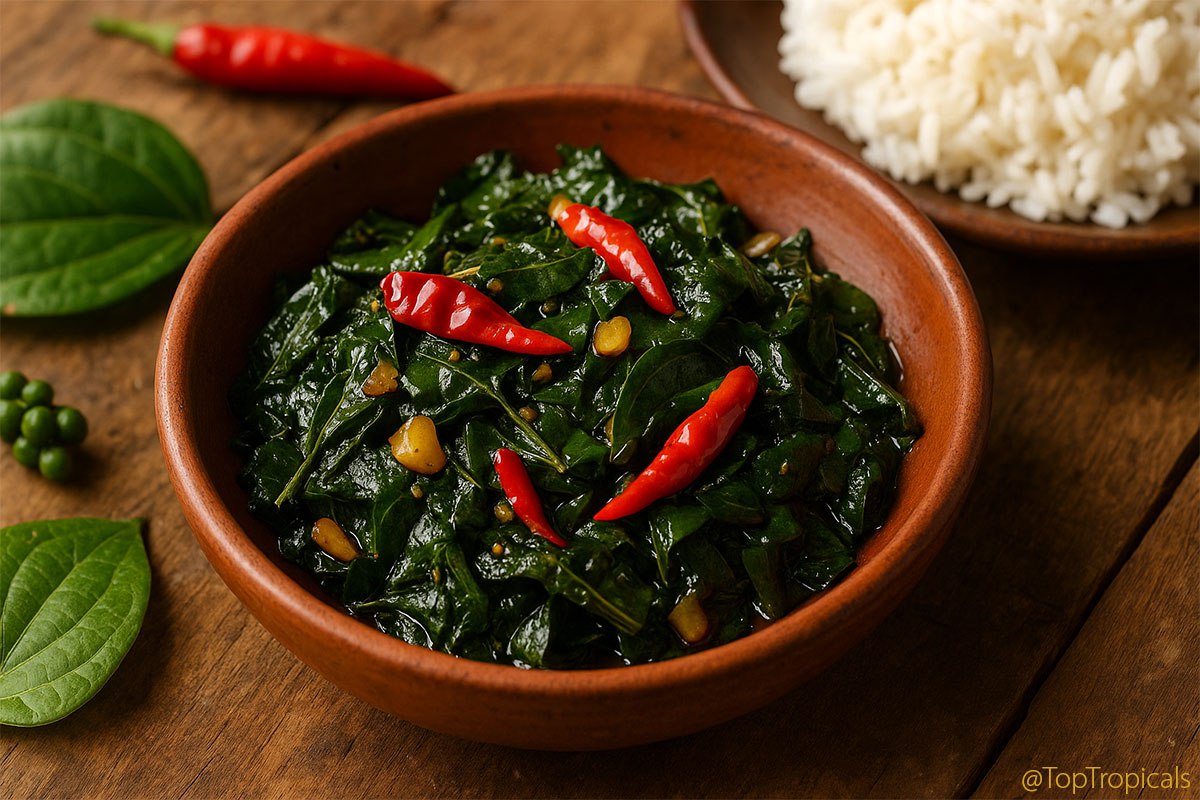
Black pepper leaf stir-fry: quick-n-fun exotic recipes

Black pepper leaf stir-fry

Black pepper leaf stir-fry

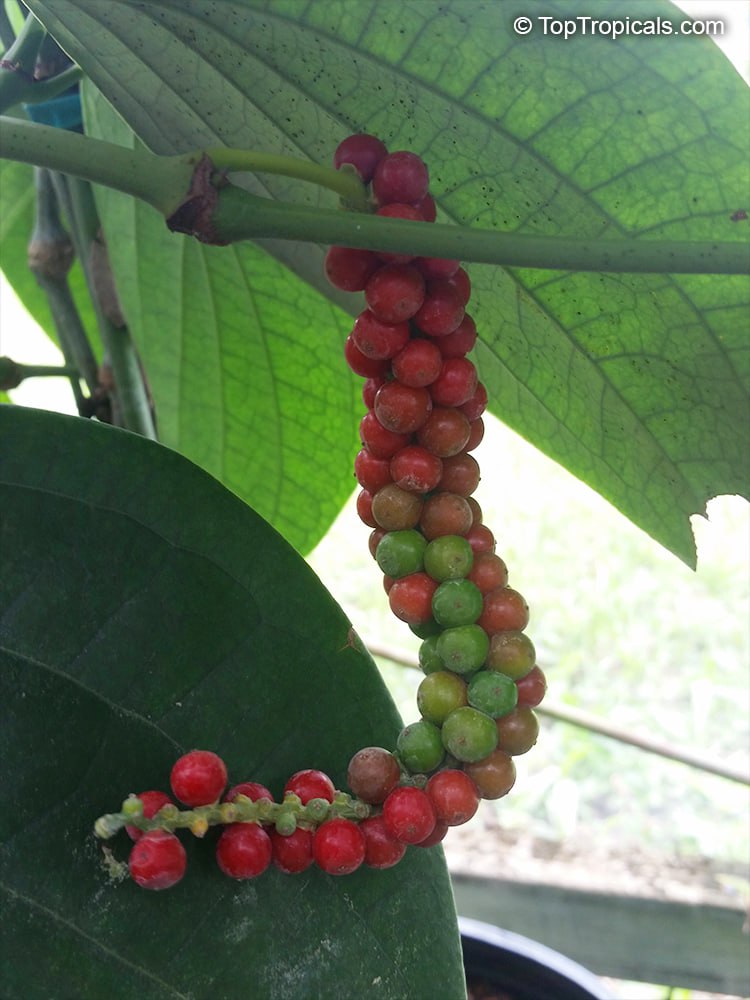
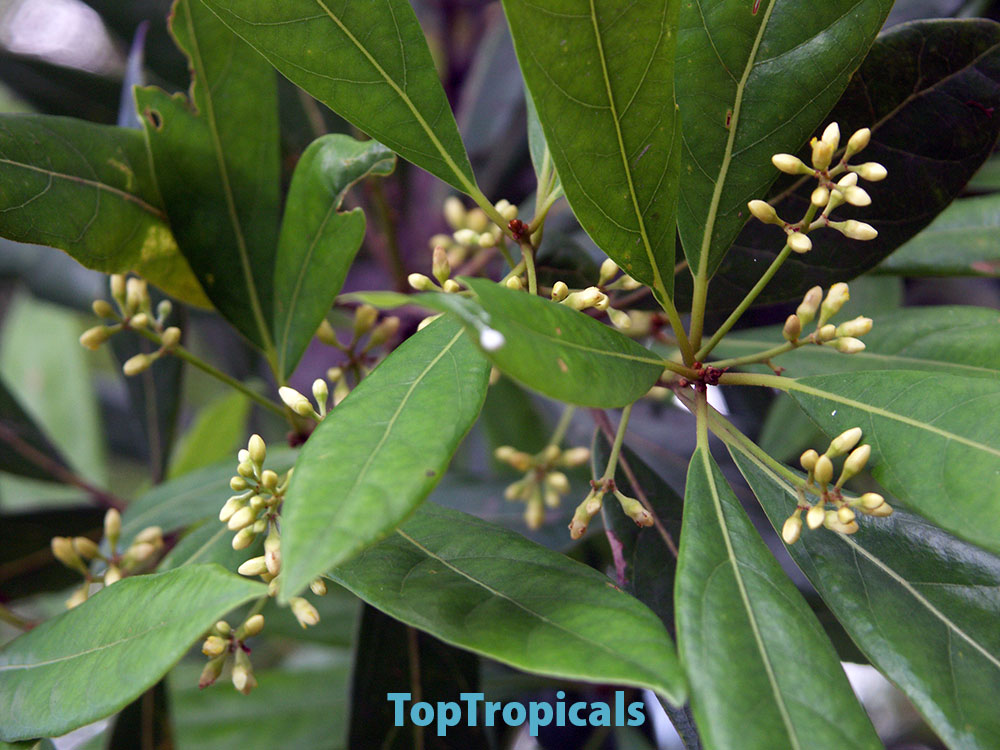
Black Pepper (Piper nigrum)

Black Pepper (Piper nigrum)

🍴 Black pepper leaf stir-fry: quick-n-fun exotic recipes

  • 🔴Saute chopped Black Pepper (Piper nigrum) leaves with garlic, chili, and soy sauce.
  • 🔴Bold, peppery, and perfect with rice.

Black pepper leaf stir-fry: quick-n-fun exotic recipes

Ingredients

  • 2 cups fresh Black Pepper (Piper nigrum) leaves, sliced
  • 4 garlic cloves, chopped
  • 3 to 5 small red chilies
  • 1 tbsp soy sauce
  • 1 tbsp oil
  • Salt to taste

Instructions

  1. Heat oil in a skillet.
  2. Add garlic and chilies and saute until fragrant.
  3. Add sliced Black Pepper leaves and stir-fry on medium heat.
  4. Pour in soy sauce and cook until leaves soften.
  5. Serve hot with rice.

🛒 Plant your own Black Pepper vine for all your kitchen needs

📚 Learn more:


📱 Watch this before cooking with black pepper

#Food_Forest #Recipes

🟢 Join 👉 TopTropicals

Date: 10 Dec 2025

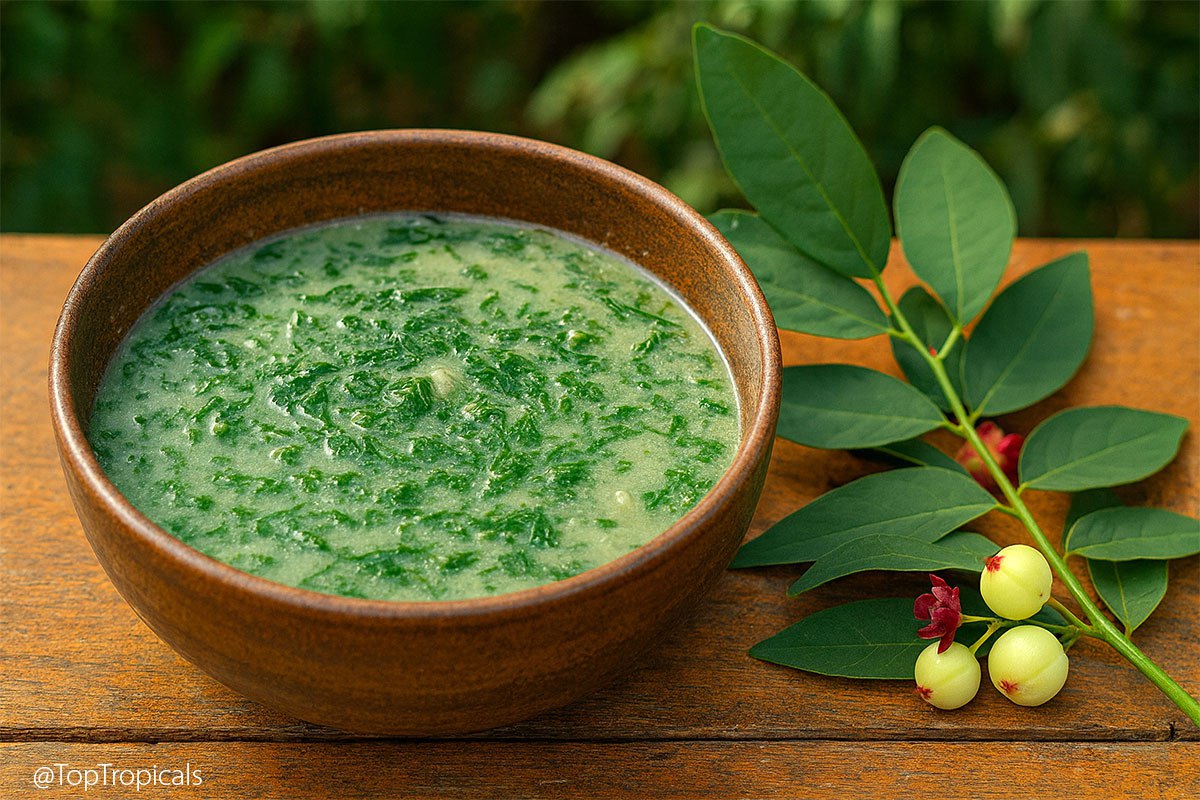
Katuk coconut soup: quick-n-fun exotic recipes

Katuk coconut soup

Katuk coconut soup

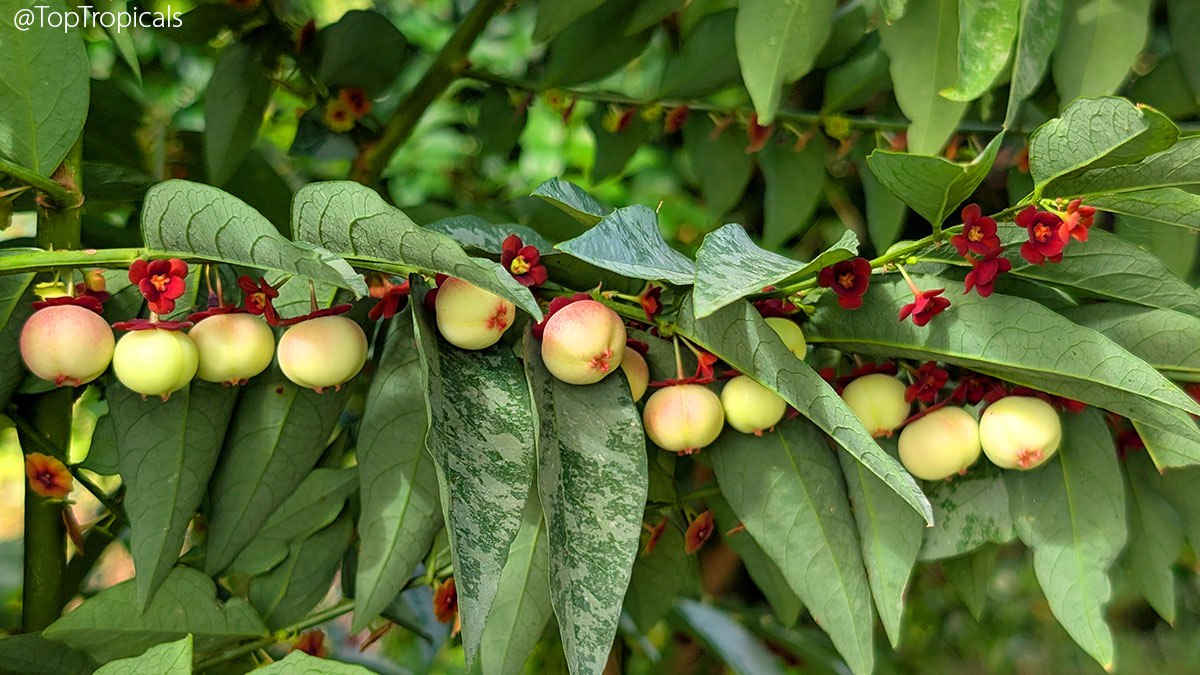
Katuk leaves - Sauropus androgynus, Tropical Asparagus

Katuk leaves - Sauropus androgynus, Tropical Asparagus

🍴 Katuk Coconut Soup

Ingredients

  • Katuk leaves (Sauropus androgynus), about 2 cups, stems removed
  • Coconut milk, 1 cup
  • Garlic, 1 clove, minced
  • Salt, to taste

Instructions

  1. Wash Katuk leaves thoroughly.
  2. Boil Katuk leaves in plenty of water for 15 minutes.
  3. Drain completely and discard the boiling water.
  4. Chop the cooked Katuk leaves.
  5. Warm coconut milk in a saucepan over low heat.
  6. Add garlic and simmer gently for 1 minute.
  7. Add the boiled Katuk leaves and cook for 3 to 5 minutes.
  8. Season with salt and serve warm.

Important Safety Note

Katuk leaves must always be boiled for at least 15 minutes and the water discarded. Do not consume raw or lightly cooked Katuk.


🛒 Add Katuk Superfood to your Food Forest

📚 Learn more:


#Food_Forest #Recipes

🟢 Join 👉 TopTropicals

Date: 6 Dec 2025

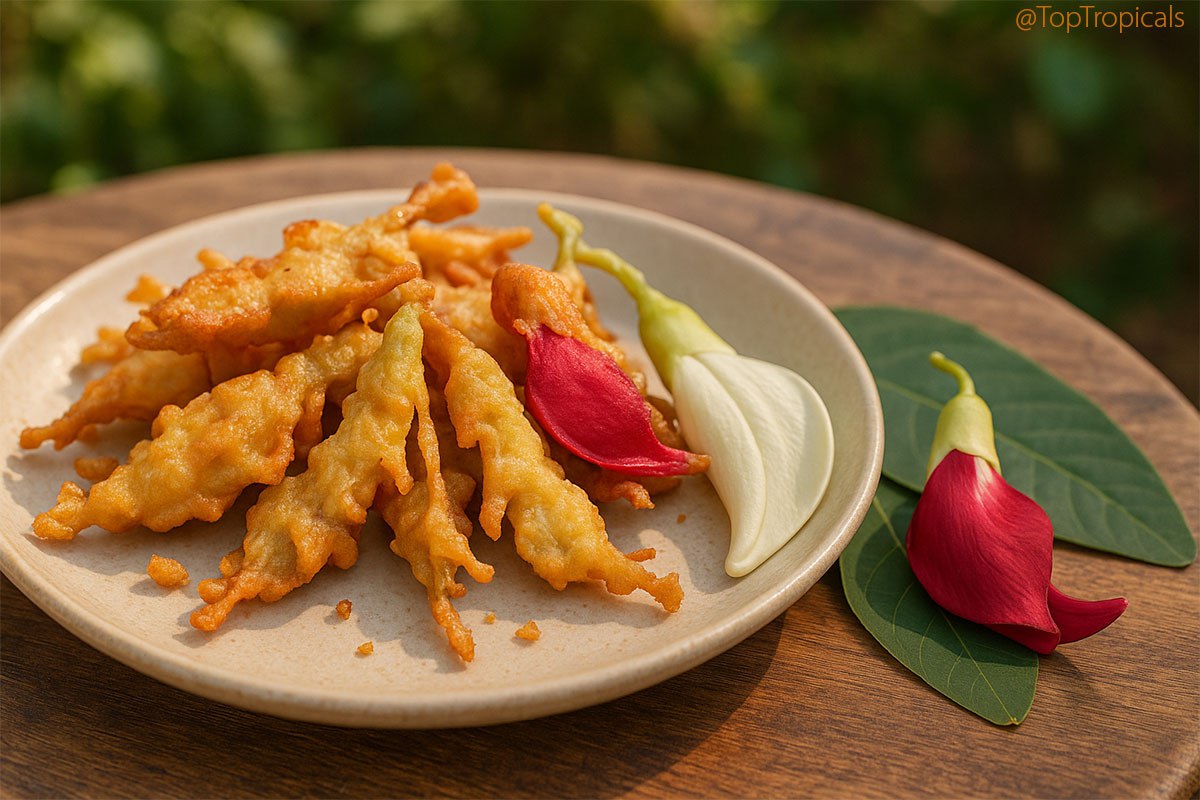
Sesbania flower fritters: quick-n-fun exotic recipes

Sesbania flower fritters: quick-n-fun exotic recipes Sesbania flower fritters: quick-n-fun exotic recipes Sesbania flower fritters: quick-n-fun exotic recipes

🍴 Sesbania flower fritters: quick-n-fun exotic recipes

🔴Delicate, floral, and fun to snack on.

Sesbania Flower Fritters

Ingredients

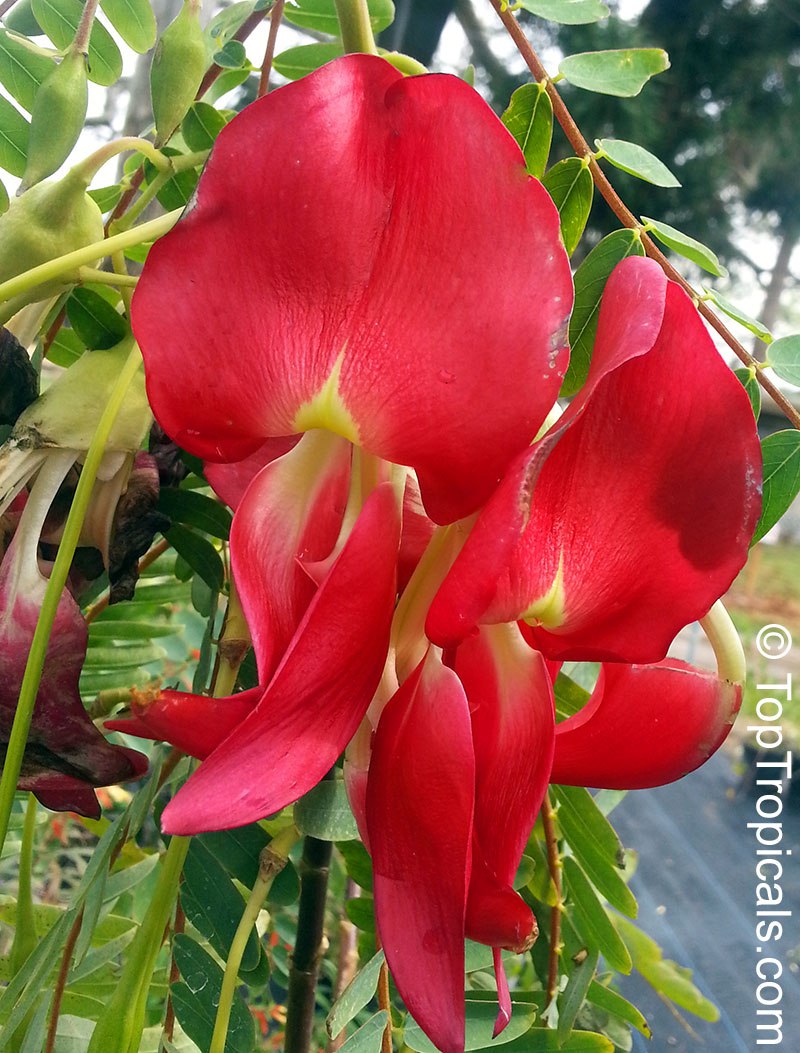
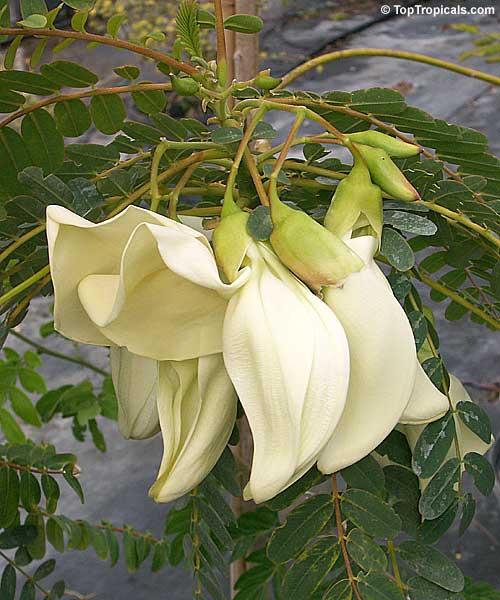
  • 1 cup fresh Sesbania flowers (Sesbania grandiflora), washed and trimmed
  • 1/2 cup all-purpose flour
  • 1/2 cup cold water
  • 1/4 teaspoon salt
  • Oil for frying

Instructions

  1. Rinse Sesbania flowers thoroughly and remove tough stems.
  2. In a bowl, mix flour, salt, and cold water to form a light batter.
  3. Heat oil in a pan over medium heat.
  4. Dip each flower into the batter, letting excess drip off.
  5. Fry until golden and crisp, about 1-2 minutes per side.
  6. Remove and drain on paper towels. Serve warm.

🛒 Add Hummingbird tree edible flowers tree to your garden

📚 Learn more:


#Food_Forest #Recipes

🟢 Join 👉 TopTropicals

Date: 23 Sep 2020

Fast-fruiting trees?

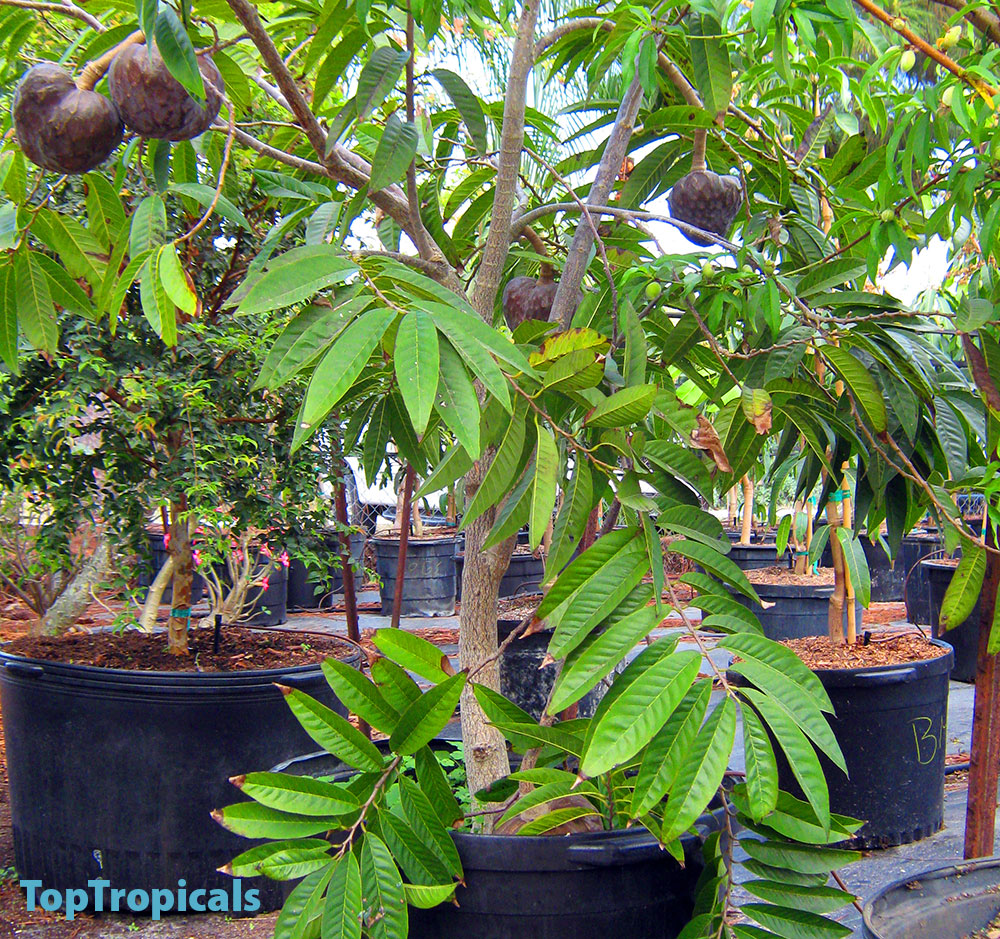
Photo above: Annona reticulata - Red Custard Apple

Q: More of a question than a review, but a review regarding your catalog, it would be easier for us buyers, if we could search for plants that produce fruit in 2 years or less, I don't have the patience to wait longer than that for fruit. I'm trying to buy for a fairly good sized garden but want some fast growers and fruit produced in 2 yrs. Can you help me out?

A: Fruiting time depends on many factors (established size, growing conditions, fertilizing, and even specific variety), this is why we can not just put a simple icon "will fruit within 2 years".
However, most grafted and air-layered fruit trees, including all Mango, Avocado, Loquat, Sapote, Sapodilla, Lychee/Longan, Peaches and Nectarines - will fruit right away. If you see in our store "grafted" or "air-layered" in plant description - these trees will fruit soon. Some of them already flowering and fruiting.
Some non-grafted trees or seedlings like Annona, Artocarpus (Jackfruit), Eugenia, Guava, Banana, Dragon fruit, Mulberry, Blackberry/Raspberry - will fruit within 3-4 years from seed or even sooner (Banana, Mulberry, Dragon fruit, Blackberry-Raspberry - within a year). Usually it says in description that this plant can produce fruit soon.
Bigger size plants are more established and have more energy to produce, so try to get larger size plants if your budget permits, and especially if you can pick up bigger plants rather than shipping them - obviously, shipping has size limitations.
In addition, all spice trees like Bay Leaf, Bay Rum, Allspice and many more - they will produce spice for you right away, so you don't need to wait at all!
If you have questions about fruiting time on any specific plant you put your eye on, don't hesitate to ask!

Photo above: Pimenta dioica - Allspice

Date: 24 Jun 2018

TopTropicals

URBAN TROPICAL GARDENING:
10 secrets of successful Container Mango growing on a balcony.

Q: I live in Miami in apartment on a second floor, and I have a balcony with SE exposure. I wonder if I can grow a mango tree in a pot? Will it fruit for me? I recently moved to South Florida and I don't know much about tropical plants; but I tasted real fiberless mangos from someone's garden - it was so delicious and different from those in the grocery store. I wonder if I can have a fruiting tree on my balcony? And if yes, how do I plant and take care of it?

A: Yes, you can! Here is what you need to do:
1) Temperature. You are lucky to live in Tropics, keep it on a balcony year round.
2) Light. Position the pot in a spot with the most sun exposure. Mango trees can take filtered light too, but the less sun, the less fruit you will get.
3) Soil and Container. Use only well drained potting mix. Step up the purchased plant into next size container (3 gal into 7 gal, 7 gal into 15 gal). When transplanting, make sure to keep growth point (where roots meet the trunk) just at the top of the soil. Covering base of the trunk with soil may kill the plant.
4) Water. Water daily during hot season, but only if top of soil gets dry. If it still moist, skip that day. Mangoes (unlike Avocados!) prefer to stay on a dry side.
5) Fertilizer. Use balanced fertilizer once a month, 1 tsp per 1 gal of soil. Do not fertilize during fruiting - this may cause fruit cracks.
6) Microelements. Apply SUNSHINE-Superfood once a month. This will help your mango healthy, vigorous, and resistant to diseases. Use SUNSHINE-Honey to make your fruit sweeter.
7) Insect control. Watch for scales and mealybugs, clean with solution of soapy water + vegetable oil (may need to repeat 2-3 times with 10 days interval), or with systemic insecticide like imidacloprid only as needed (if non-harsh treatment didn't help). Most Flea shampoo for dogs contain that chemical, you may try that shampoo solution.
8) Trimming. Once potted, do not remove leaves that are discolored or have spots until new growth appears. Dark dots on mango leaves, especially in humid climate like Florida, may be signs of fungus. Treat with fungicide according to label, and remove only badly damaged leaves. Trim crown as needed after flowering and fruiting (by Fall). Train into a small tree, and you may remove some lower branches eventually.
9) Flower and fruit. Mangoes are winter bloomers with bunches of tiny flowers coming in thousands. Many of them set fruit (if pollinating insects present). Keep in mind that young trees can only bare a few fruit. Normally a tree will drop excessive fruit and keep only a few that it can manage. To save the young tree some energy, remove fruit if too many and leave only 2-3 for the first year. It will pay you next year with more abundant crop.
10) Variety. Last but not least: Choose the right variety for container culture! Pick from "condo" dwarf varieties such as Icecream, Nam Doc Mai, Carrie, Cogshall, Julie, Fairchild, Pickering, Graham, Mallika, and a few others - check out Mango Chart pdf and full list of our Mango varieties.