Garden Blog - Top Tropicals

Date: 2 Jan 2026

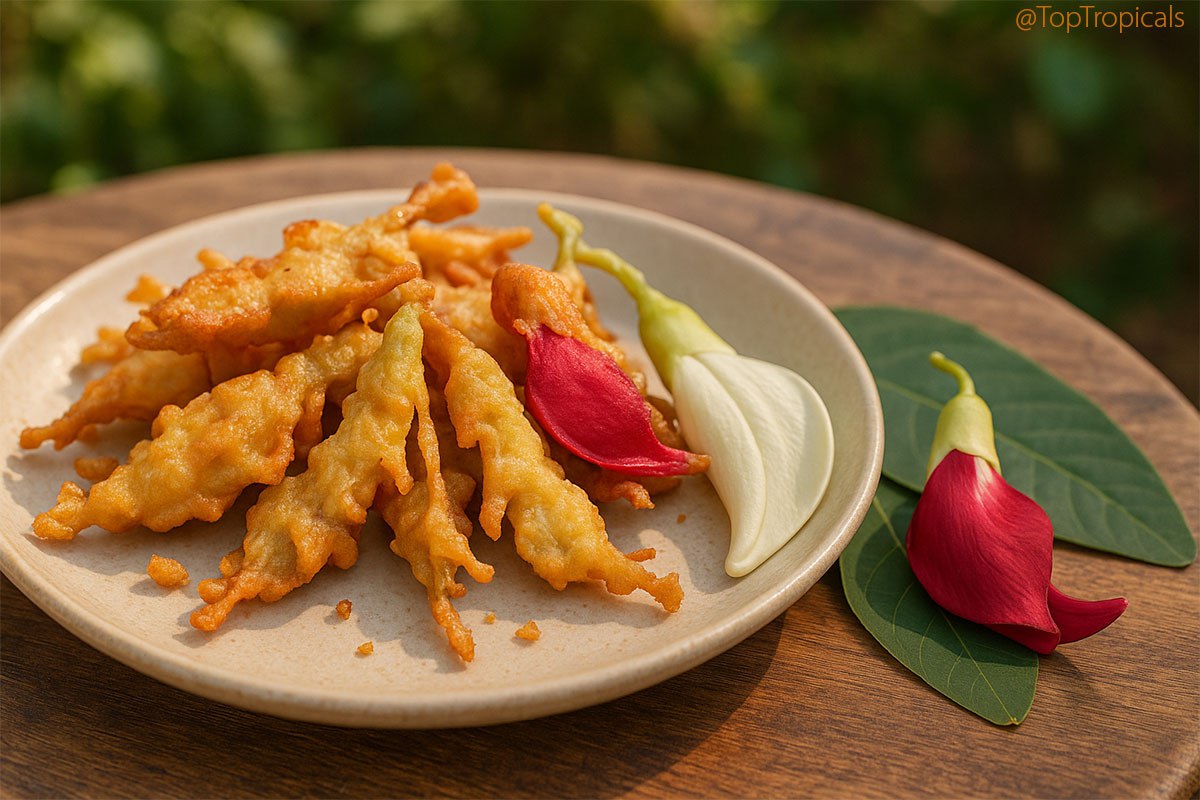
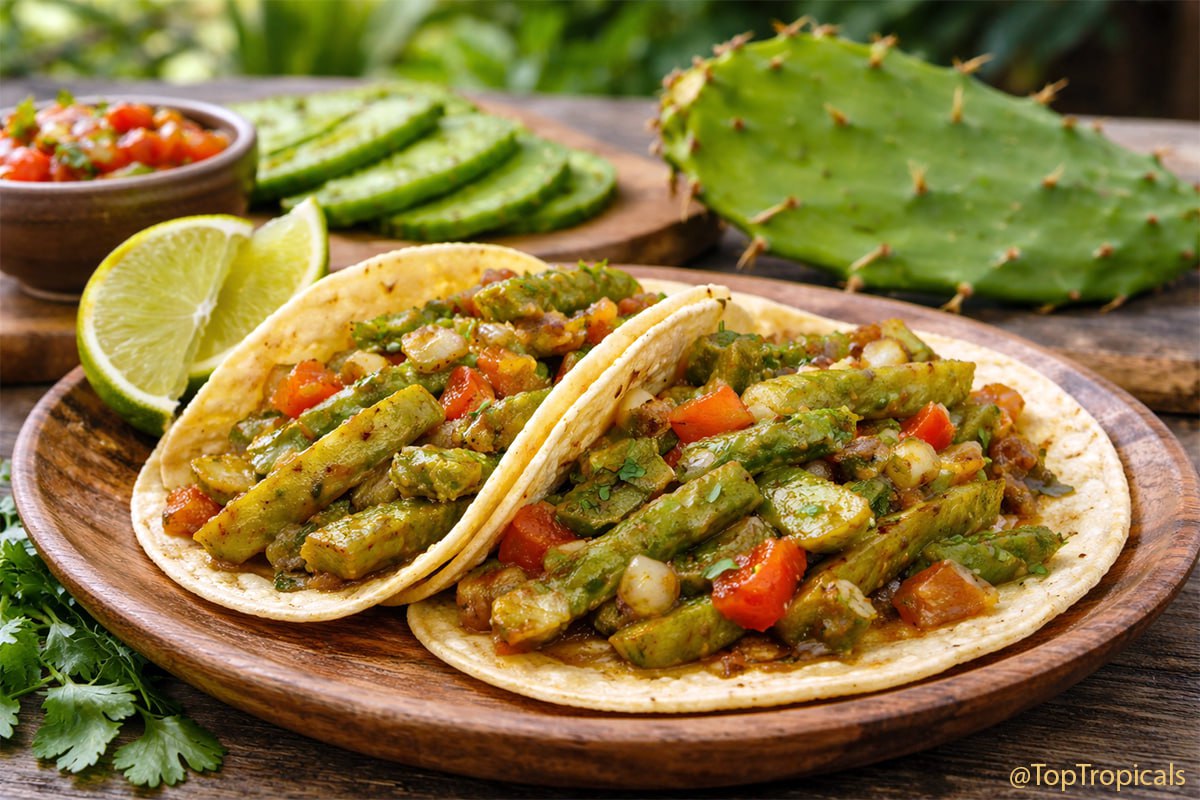
Velvet Nopal tacos: quick-n-fun exotic recipes

Velvet Nopal tacos

Velvet Nopal tacos

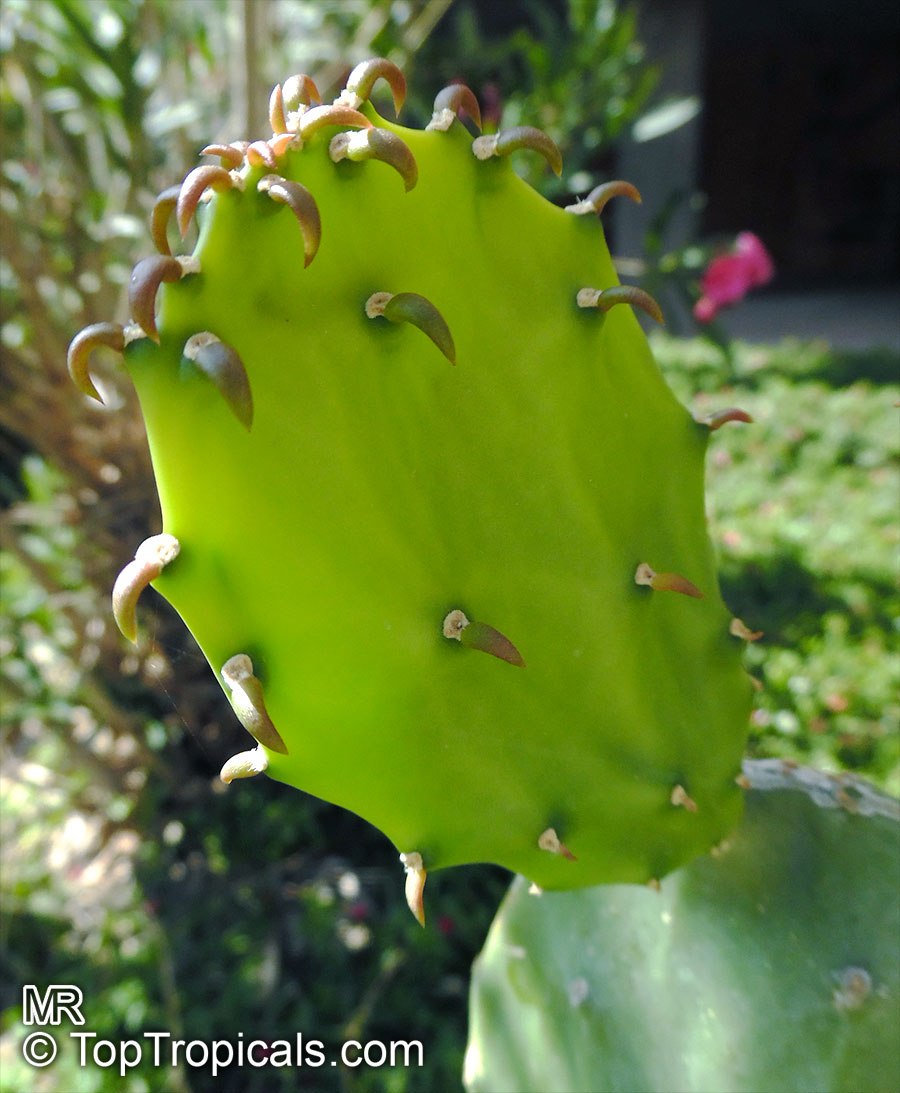
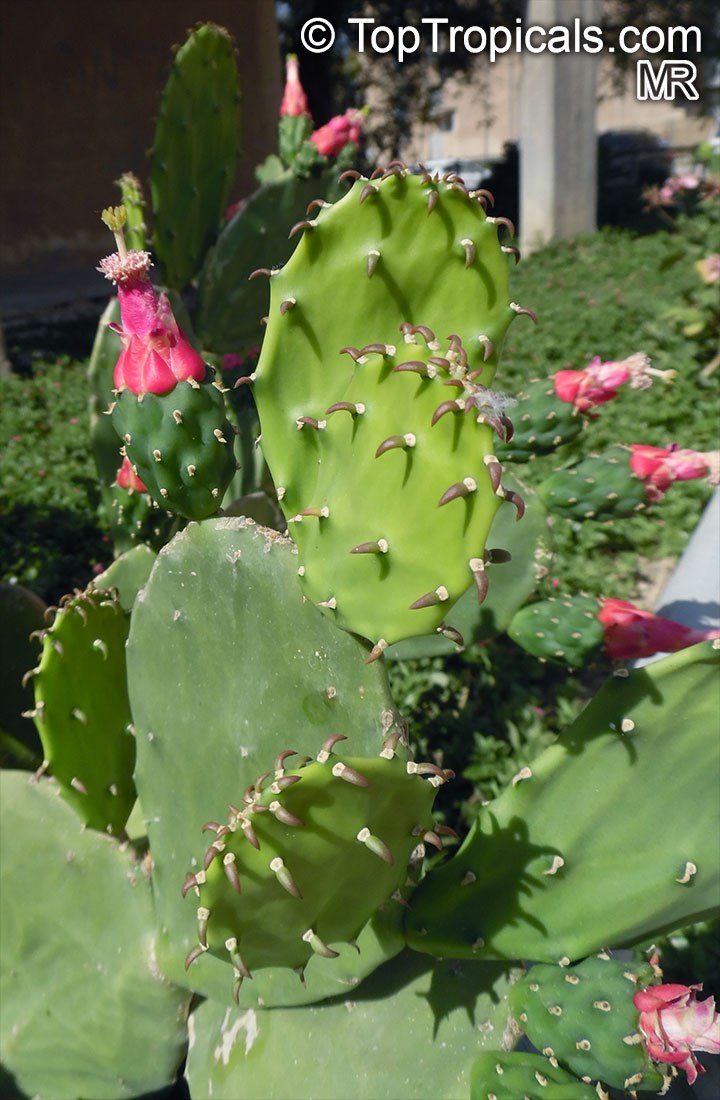
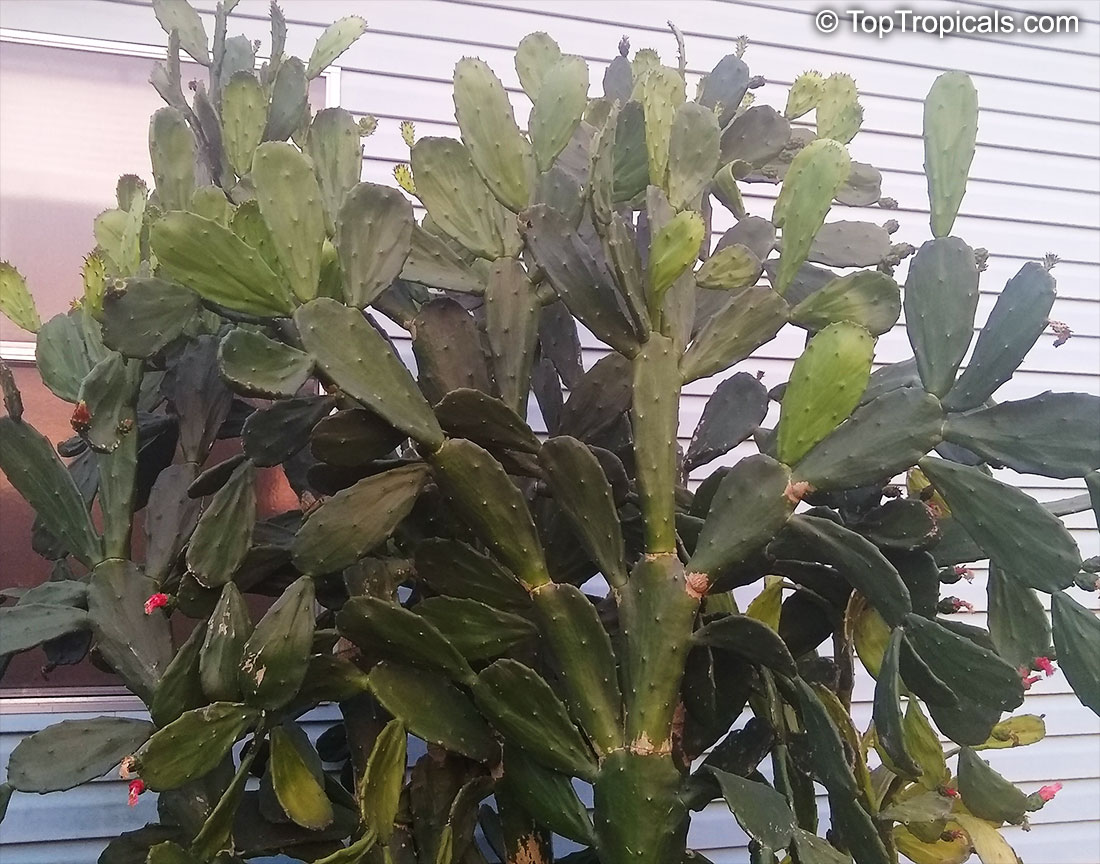
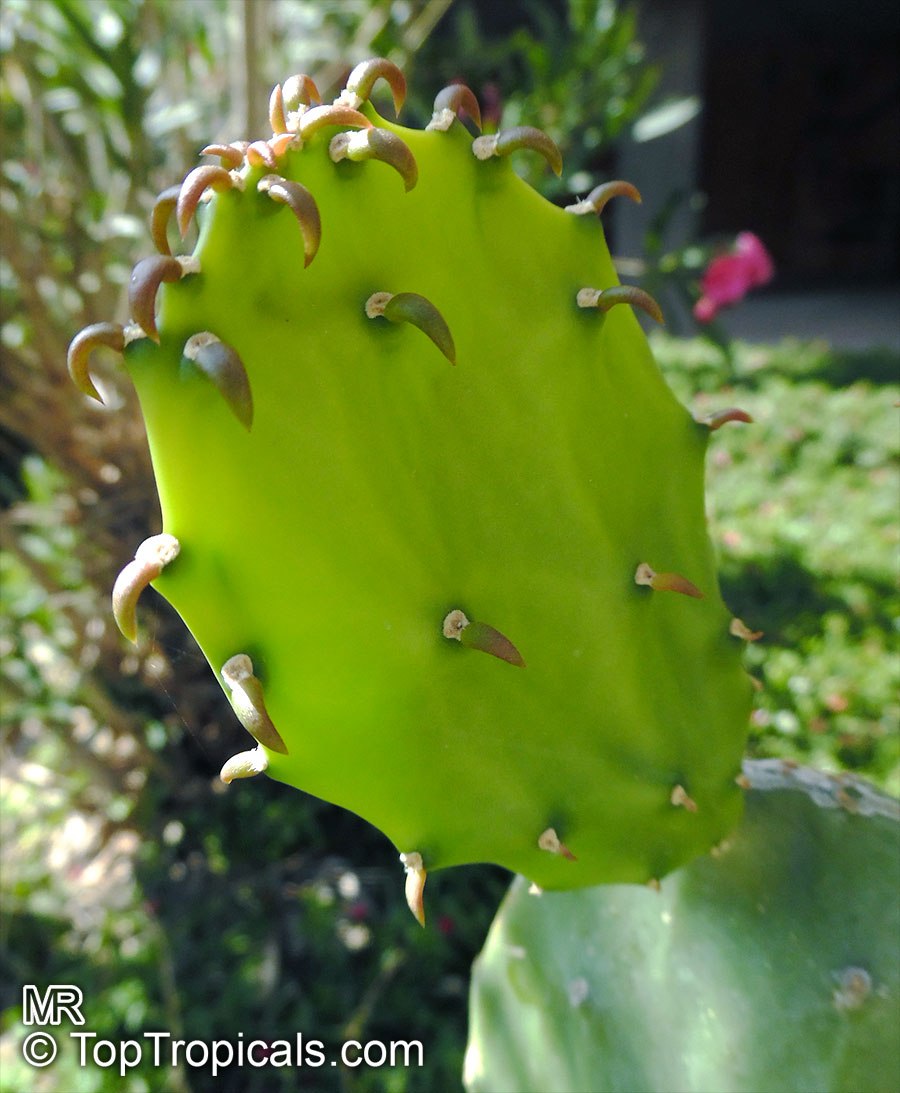
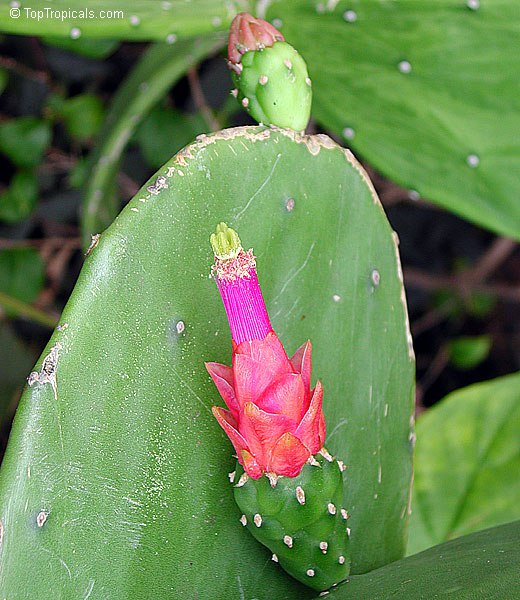
Opuntia cochenillifera - Velvet Nopal Cactus, Prickly Pear

Opuntia cochenillifera - Velvet Nopal Cactus, Prickly Pear

🍴 Velvet Nopal Tacos

Ingredients

  • 2 to 3 tender velvet nopal pads (Opuntia cochenillifera)
  • 1 small onion, diced
  • 1 small tomato, diced
  • 1 tablespoon vegetable oil
  • Salt to taste
  • Corn tortillas

Instructions

  1. Remove spines from nopal pads and slice into strips.
  2. Boil the sliced nopal for 5 minutes, then drain well.
  3. Heat oil in a pan and saute onion until soft.
  4. Add tomato and cooked nopal, season with salt, and saute until tender.
  5. Serve warm in corn tortillas.

🌵 About the plant:


Nopal Opuntia (prickly pear cactus pads) is a cornerstone vegetable in Mexican cuisine and a long-standing staple across Central and South America. It is valued both as food and medicine. Traditionally eaten sauteed, grilled, or stewed, nopal is rich in fiber, minerals, and antioxidants. It is especially well known for its role in blood sugar management - many people who eat it regularly report significant improvement in diabetes control.

🌱 In the garden:


Prickly pear is a fast-growing, tough desert plant with showy red flowers. It thrives on neglect, tolerates drought, and also handles Florida rain surprisingly well. Easy to grow, productive, and edible, it is one of the most practical food plants you can add to your landscape.

🛒 Add Nopal Cactus to your kitchen garden

📚 Learn more:

Plant Facts

Opuntia cochenillifera, Nopalea cochenillifera, Opuntia nuda
Cochineal Cactus, Warm hand, Velvet Opuntia, Nopales Opuntia, Nopal Cactus
USDA Zone: 9-11
Large shrub 5-10 ft tallSemi-shadeFull sunModerate waterRed, crimson, vinous flowersEdible plantSubtropical plant. Mature plant cold hardy at least to 30s F for a short time
  • Opuntia cochenillifera - Velvet Nopal Cactus, Prickly Pear in Plant Encyclopedia
  • Edible cactus with health benefits that your tortoise will love too
  • #Food_Forest #Recipes #Remedies

    🟢 Join 👉 TopTropicals

    Date: 22 Mar 2026

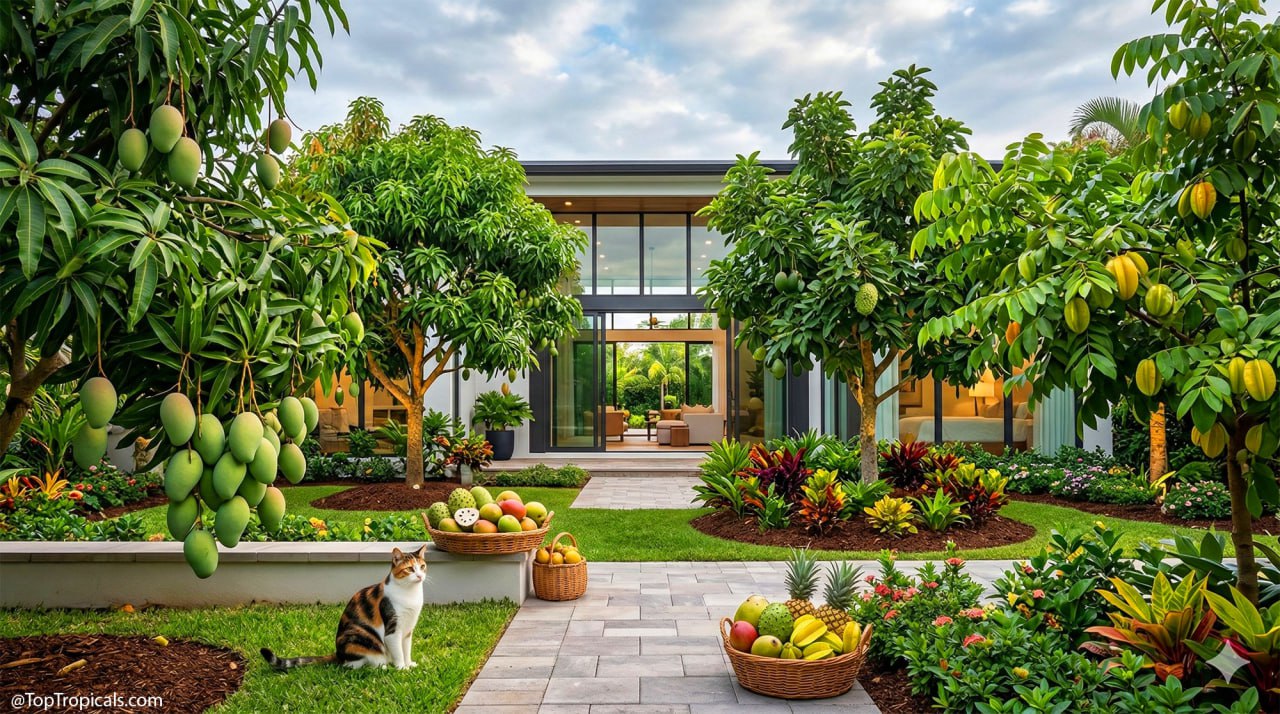
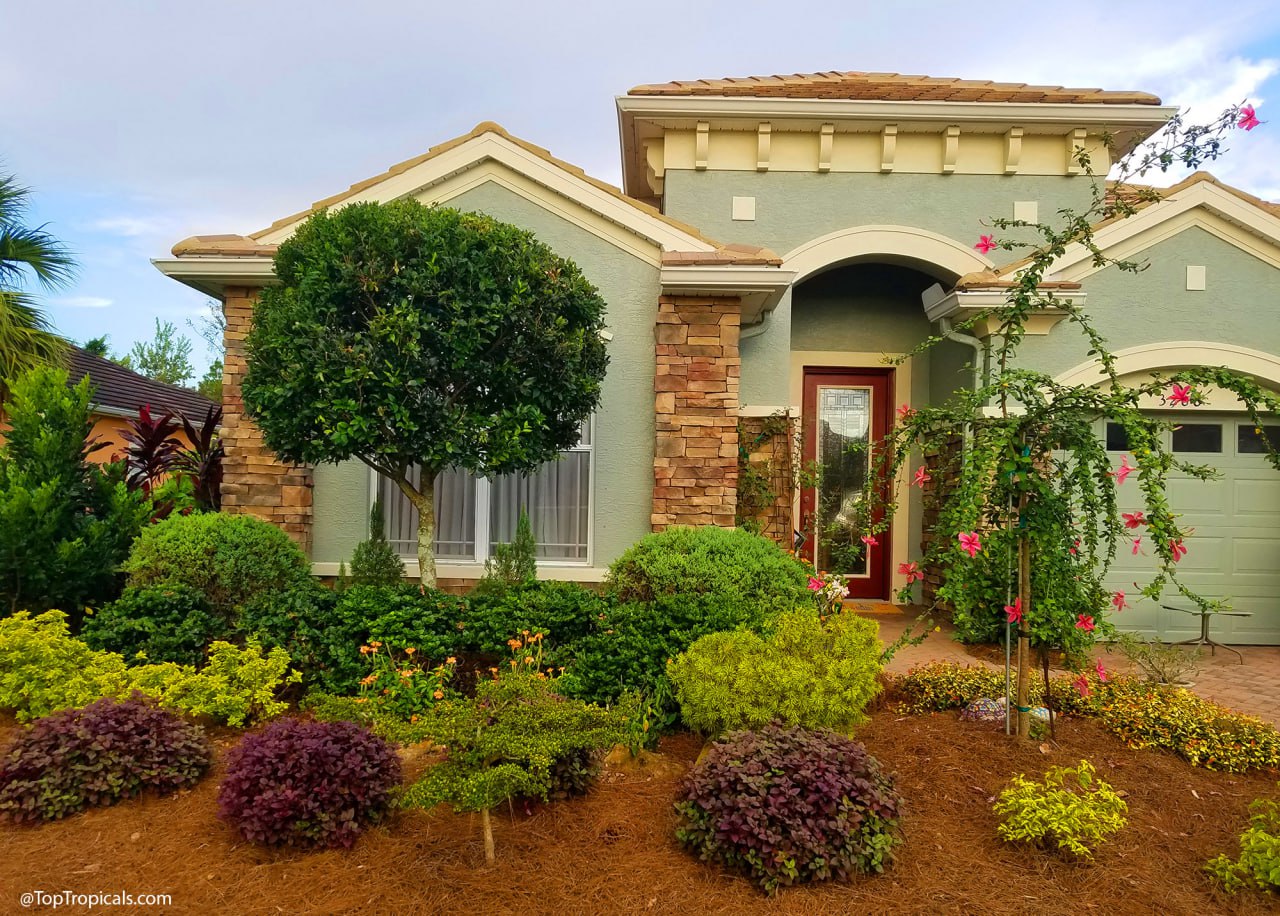
    Do Fruit Trees Increase Property Value? Tropical Plants That Pay Off

    Do Fruit Trees Increase Property Value? Tropical Plants That Pay Off Do Fruit Trees Increase Property Value? Tropical Plants That Pay Off Do Fruit Trees Increase Property Value? Tropical Plants That Pay Off
    Do Fruit Trees Increase Property Value? Tropical Plants That Pay Off 🏡

    Can your backyard pay for itself? Learn which 12 tropical fruit trees real estate experts say are the smartest investment for your landscape. Discover how tropical fruit trees like mango and avocado add "edible equity" and curb appeal to your property, making it more desirable to future buyers. Turn your yard into a private paradise that lowers grocery bills and boosts home value.

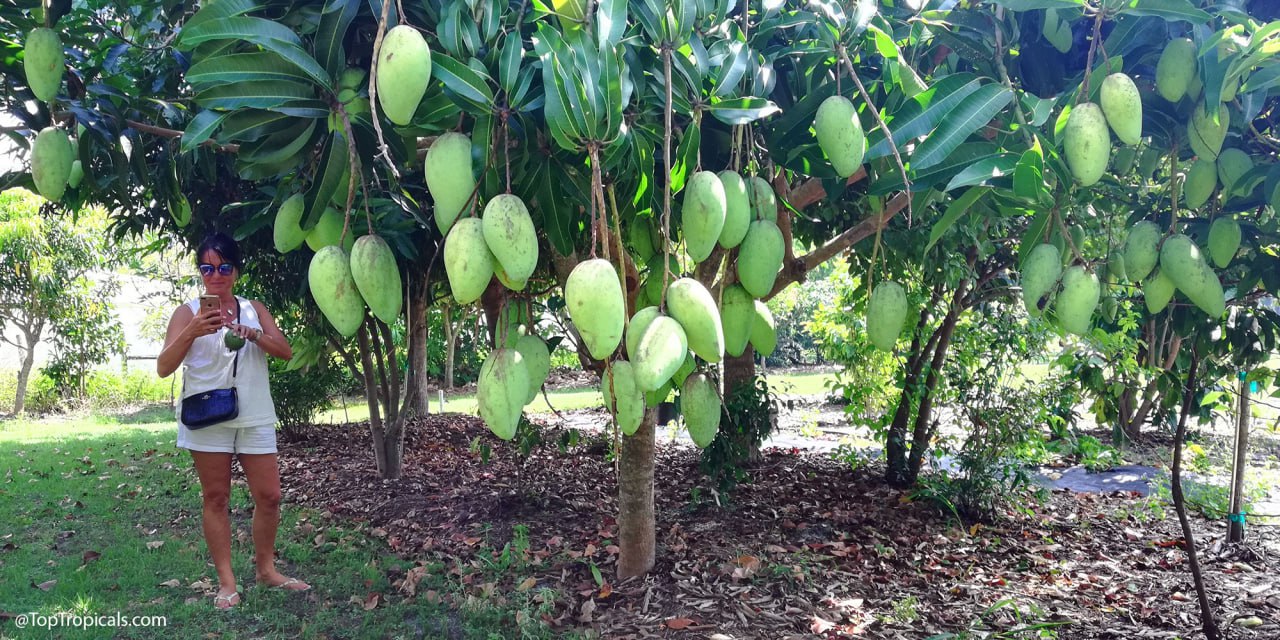
    In warm climates like Florida, a mango tree isn't just landscaping - it’s a food-producing asset. Mature tropical fruit trees offer "edible equity," saving homeowners hundreds in grocery bills while creating a unique, memorable aesthetic for buyers.

    • 🥭 1. Focus on "Instant Recognition" Favorites


    Trees buyers already know and love provide the strongest ROI. They signal that the yard is already productive - something new builds can’t offer.

    • •  Top Picks: Mango, Avocado, Papaya, Banana, Guava, and Loquat.
    • •  The Value: A single mature avocado or mango tree can yield hundreds of pounds of fruit annually.


    🥭 2. Create a "Memorable Discovery" with Exotic Varieties


    Unusual fruits turn a standard yard into a tropical orchard, acting as a conversation piece during home tours.

    • •  The Exotic List: Jackfruit, Sugar Apple, Soursop, Sapodilla, Ice Cream Bean, and Star Fruit.


    🥭 3. Strategic Placement for Energy Savings


    Large-canopy trees like jackfruit or mango do more than provide food; they act as natural insulation.

    • •  Natural Cooling: Strategic planting reduces afternoon sun exposure and lowers AC costs.
    • •  Indoor/Outdoor Flow: Use trees to frame window views, block neighbors, and create private "outdoor rooms."


    🥭 4. The Power of the "Mini Orchard"


    A collection of 3–5 trees creates a stronger emotional pull than a lone plant. Buyers begin to visualize a lifestyle of smoothies and harvests.

    • •  Winning Combos: Mango + Avocado + Papaya or Guava + Star Fruit + Banana.


    🥭 5. Maintenance: Health Equals Value


    Fruit trees only add value if they look manageable. A neglected tree suggests a neglected home.

    • •  Pre-Sale Prep: Prune for tidiness, mulch the base, and clear fallen fruit.
    • •  Spacing Matters: Avoid overcrowding; ensure buyers can walk comfortably through the yard without feeling "closed in."


    🥭 The Long-Term Play


    Unlike decorative plants that may need frequent replacement, fruit trees appreciate over time. Because a mango tree takes years to reach peak production, the best time to plant for future resale value is now. By the time you list, your yard will offer shade, privacy, and a harvest that buyers find hard to resist.

    🛒 Start Growing Your Edible Equity - Find the Perfect Fruit Tree for Your Yard

    📚 Learn more:

    Plant Facts

    Mangifera indica
    Mango
    USDA Zone: 9-11
    Large tree taller than 20 ftSmall tree 10-20 ftFull sunModerate waterYellow, orange flowersPink flowersEdible plantSeaside, salt tolerant plant

    Mango trees in Plant Encyclopedia

    #Food_forest #How_to #Discover

    🟢 Join 👉 TopTropicals

    Date: 23 Jan 2025

    Discover 10 best fruit trees to grow
    in Florida and Southern landscapes

    10  best  fruit  trees  to  grow  in  Florida,  collage

    Q: We recently moved into our new home in Florida, and the property is a great size - 5 acres - but it currently has no trees, just a few palms. I'm looking to plant some productive fruit trees to start building our own Food Forest. What fruit trees would you recommend as a good starting point?

    A: With five acres of space, you have a fantastic opportunity to create a fruitful garden that can provide for your family for many years to come. Below are our top recommendations for must-have, easy-to-grow fruit trees that thrive in Florida's climate, grow quickly, and start producing right away.

    1. Mango Tree

    Mango  fruit

    Mango trees (Mangifera indica) are a must-have for any Florida garden, embodying the essence of the Sunshine State with their delicious and nutritious fruit packed with vitamins and fiber. These fast-growing, low-maintenance trees thrive with minimal water and are heat-tolerant. Grafted varieties produce high-quality, fiberless fruit in just 2-3 years, while dwarf "condo" mangoes are perfect for smaller spaces or containers. While young trees need frost protection, mature trees handle cold better. Grafted mangoes offer rich taste that you won't find in commercially grown, fibrous varieties, ensuring a sweet and vibrant harvest from your own garden.

    2. Avocado Tree

    Avocado  fruit

    The Avocado tree (Persea americana) is an essential addition to any tropical or subtropical garden. Known for its health benefits and superfood status, it's a favorite fruit that's not only productive but also a beautiful ornamental tree. Some avocado varieties are more cold-tolerant than mango trees, with the ability to survive temperatures below 25F. While many enjoy growing avocado from seed, only grafted trees guarantee quality fruit and immediate production, as seedlings can take 7-8 years to bear fruit. To successfully grow avocado, ensure good drainage by planting on a raised mound (4-6 inches) and keep the soil consistently moist. There are also compact varieties like Wurtz and Fuerte that thrive in containers or small spaces, making them ideal for patios and small gardens.

    3. Tropical Cherries

    Eugenia  Lolita  cherry  fruit

    Tropical cherries, such as Cherry of the Rio Grande (Eugenia aggregata), Grumichama (Eugenia brazilensis), Pitomba (Eugenia luschnathiana), and Black Surinam Cherry (Eugenia uniflora var. Lolita), are popular and easy-to-grow fruit trees that offer fast growth and excellent fruit production. These compact, versatile trees thrive in both the ground and containers, starting to produce fruit almost immediately. Eugenias are low-maintenance, requiring minimal water, thriving in various soil types, and being pest-free. They are heat-tolerant and can endure cool winters, surviving light frosts. Birds love the fruit, but don't worry - there will always be plenty for everyone.

    4. Barbados Cherry Tree

    Malpighia  Barbados  cherry  fruit  on  a  branch

    Barbados Cherry (Malpighia glabra), also known as Acerola, is a tropical cherry renowned for having the highest vitamin C content of any fruit. This nutrient-packed fruit is perfect for jellies, jams, and freezing without losing its vitamin C. The Barbados Cherry is a fast-growing, dense shrub that fruits multiple times a year, providing abundant harvests for gardeners seeking quick results. It thrives in alkaline soil, tolerates drought, and is relatively cold-hardy, withstanding light freezes. Birds love the fruit, making it a great addition to wildlife-friendly gardens. The dwarf variety, Nana, with its small leaves and fruit, is perfect for containers, borders, or even bonsai, adding ornamental value to any space.

    5. Noni Tree

    Morinda  Noni  fruit  on  a 
 branch

    The Noni Tree (Morinda citrifolia) is a top superfood plant that makes a fantastic addition to any Southern garden. Known for its numerous medicinal benefits, Noni fruit offers anti-inflammatory properties, relief from arthritis, and support for conditions like diabetes, metabolism, and weight loss. It's even believed to help fight cancer. Noni trees grow quickly and begin producing fruit within 2 years from seed. This tough, resilient plant thrives in poor soil, endures summer heat, and withstands drought conditions. Despite its tropical appearance, Noni is surprisingly cold-hardy, recovering well after leaf damage in cooler weather. In addition to its health benefits, the Noni tree has ornamental value, with large, waxy leaves and unique fruit, where the flower appears to grow directly on the fruit!

    6. Macadamia Nut Tree

    Macadamia  nuts  on  a  plate

    The Macadamia Nut Tree (Macadamia integrifolia) is a fantastic addition to any garden, allowing you to grow these delicious, high price tag, nutrient-rich nuts right at home. These trees are cold-hardy, grow quickly, and thrive in all Florida soil types. Once established, they are productive and can tolerate both flooding and drought. Older trees can survive colder winters, while young trees need protection from temperatures below 25-26F. Macadamia trees like plenty of water and a special fertilizer program, including liquid fertilizers and microelements, to ensure healthy root development and optimal production. Aside from being rich in healthy fats, vitamins, and minerals, macadamia nuts offer numerous health benefits, such as improved digestion, heart health, weight management, and blood sugar control. They are also packed with tocotrienols - antioxidants which may protect against cancer and brain diseases.

    7. Papaya Tree

    Papaya  fruit  with  seeds

    Papaya trees (Carica papaya) are resilient, easy to grow, and produce fruit year-round. Rich in papain, a digestive enzyme, papayas are a superfood that promotes gut health. These fast-growing trees often begin producing fruit within the same year they're planted, providing quick rewards for gardeners. Many varieties, especially dwarf papayas, are space-efficient, reaching only 6-8 feet tall while still yielding large crops, making them perfect for small gardens. Surprisingly hardy for a tropical plant, papayas can withstand light freezes and strong winds (tested in hurricanes!). While they are self-fertile, planting 2-3 different cultivars improves pollination and increases yields. "Solo" cultivars, with their smaller, round or oval fruits, are sweet and less susceptible to fruit flies.

    8. Guava Tree

    Pink  Guava  fruit

    Guava trees are beloved for their flavorful fruit, commonly used in juices, drinks, and desserts. Popular varieties include Tropical Guava (Psidium guajava), Cattley Guava (Psidium littorale), Cas Guava (Psidium friedrichsthalianum), and Pineapple Guava (Feijoa sellowiana). Despite their tropical nature, guavas are surprisingly cold-hardy, suitable for cooler climates and occasional frost. These trees thrive in moist conditions and can tolerate some flooding, while their compact growth makes them easy to maintain at any height or shape. Guavas are fast-fruiting, often producing fruit within a year of planting, and even some varieties in 1 gal containers. The dwarf Nana variety is perfect for container culture, producing full-sized fruit in a compact form. Guava trees are mostly pest-resistant, though mealybugs may require occasional treatment with neem oil in humid, rainy areas. Planting multiple guava trees ensures a continuous supply of fresh, juicy fruit and delicious guava juice for everyone to enjoy.

    9. Jackfruit Tree

    Jackfruit  fruit  at  the  base  of  the  tree

    The Jackfruit tree (Artocarpus heterophyllus) is a striking, fast-growing tree known for producing the largest fruit grown on a tree, making it a showstopper in any garden. Nutrient-packed and often used as a meat substitute in South Asian cuisine, Jackfruit is also delicious in curries, chutneys, and as dehydrated chips. These trees grow quickly, have large waxy leaves, and can be maintained at a compact height of 7-8 feet, making them ideal for smaller spaces and easier cold protection. Despite being a tropical species, Jackfruit trees are relatively cold-tolerant and can survive light frost (although on the account of production volume), with established trees being more hardy than seedlings. Jackfruit trees begin producing fruit within 3-4 years from seed, and varieties come true to seed, eliminating the need for grafting, though it can be done for specific varieties.

    10. Loquat Tree

    Loquat  fruit  on  a  branch

    The Loquat tree (Eriobotrya japonica) is a fast-growing, drought-tolerant, and highly cold-hardy tropical fruit tree that thrives in Florida gardens. Loquats are heavy producers, with juicy, aromatic fruit that ripens from early spring to early summer, offering a delicious apricot-like flavor. This compact tree is perfect for small gardens, beginners, and those with limited space. Loquats are undemanding, thriving in any soil and withstanding summer heat, winter cold, heavy rains, and occasional flooding. Nutrient-rich, they are high in sugar, acids, vitamins B and C, minerals, and pectin. Loquats are versatile, enjoyed fresh or used in fruit salads, jams, jellies, chutneys, pies, sauces, and even wine-making, and they are often used as a natural sweetener.

    Shop Loquat Trees

    Date: 15 Mar 2019

    Save Coffee from extinct!

    TopTropicals.com

    The most popular kind of coffee for commercial production, Coffea arabica, is already on the endangered species list. According to research, Coffea arabica plant could become extinct in as little as 60 years.

    Coffee requires a forest habitat for its survival. With so much deforestation going on around the world, wild coffee species are being impacted at an alarming rate. Coffee plants grow in very specific natural habitats, so rising temperatures and increased rainfall brought by climate change can make coffee impossible to grow in places the plants once thrived.

    Read the whole article

    See video: Top Tropicals Showcase: Coffee plant

    To reserve a cup of coffee for yourself and your children, plant the Coffee tree now!

    TopTropicals.com

    Date: 27 Apr 2024

    Top Tropicals is now in Telegram!

    Top Tropicals is now in Telegram!
    🌴 Top Tropicals is now in Telegram!

    TopTropicals.com - the World's leading authority on tropical plants - is now in Telegram. If you grow a tropical garden or indoor collection of rare plants, this is your channel!

    Join to get exclusive updates on tropical gardening:

    Fun Facts and Nature Wonders
    🌺 How to make your plants flower and stay happy
    🥭 How to get the biggest fruit crop
    🏆 Sweepstakes and Contests
    Butterfly and Container Garden
    Food Forest
    ⚜️ Perfume Plants
    🍲 Exotic Recipes and Remedies
    ...and of course, your favorite -
    🐾 PeopleCats in the Garden!

    JOIN and share with friends! 👇

    🏵 TopTropicals