Garden Blog - Top Tropicals

Date: 3 Feb 2019

Aquarius Plant Horoscope

TopTropicals.com

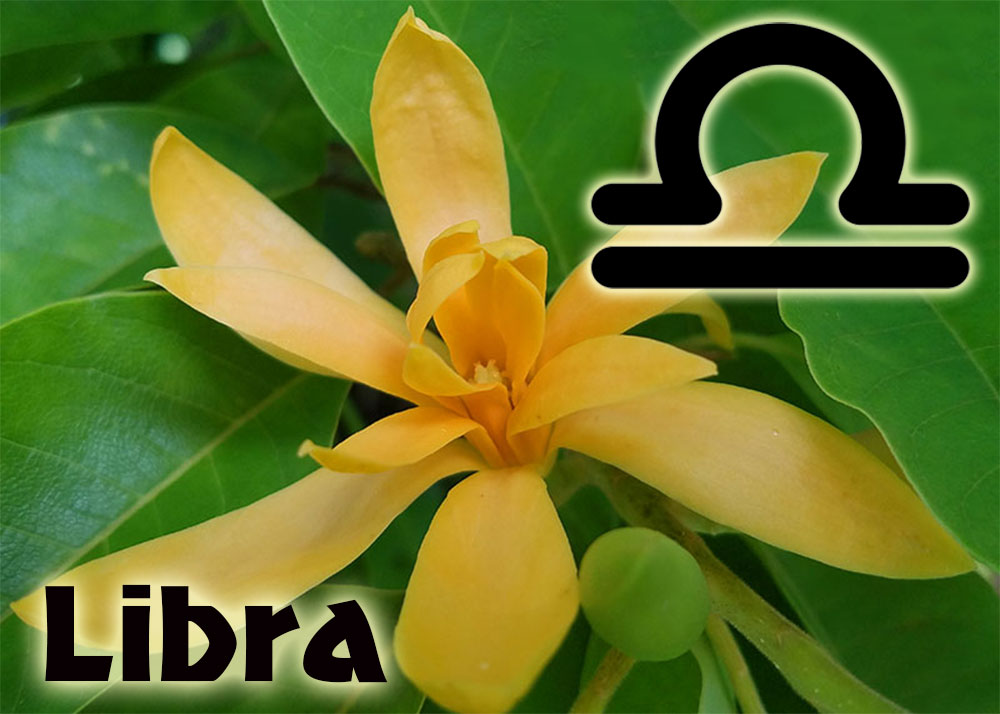
Aquarius - 1/22 - 2/18. Aquarius is an AIR sign ruled by odd-ball Uranus.
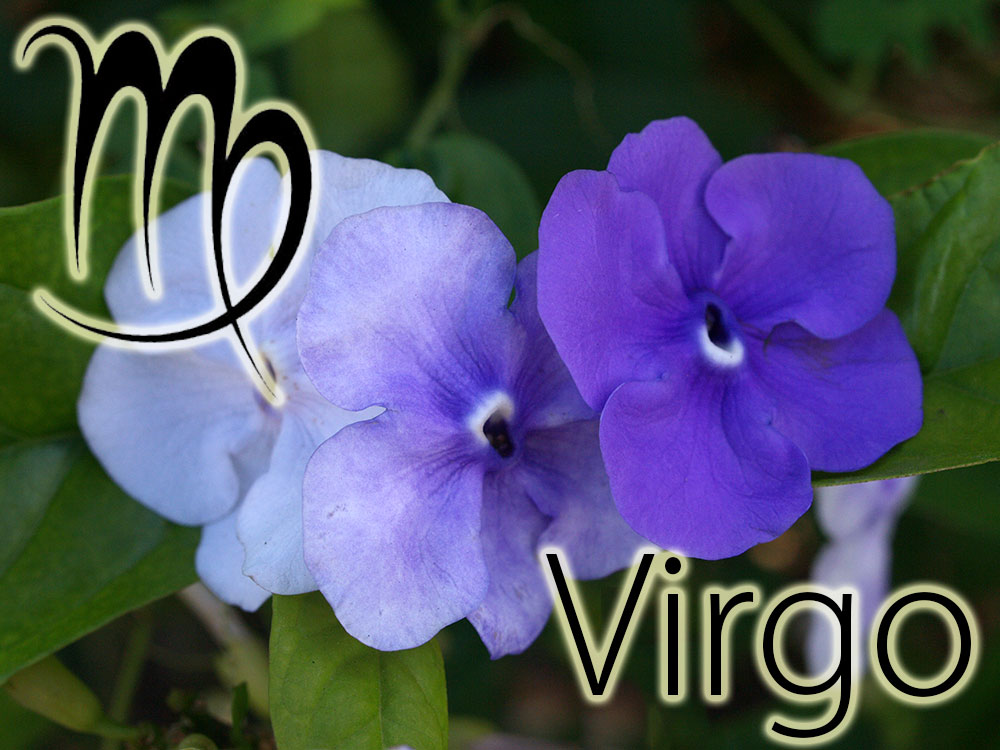
The water-bearer's plants will often grow in unusual places and may vary in appearance. They often have purple or blue flowers, or may have unusual colors.
The most healing and beneficial plants for Aquarius are the ones that help circulation, relax the nervous system, or promote inspiration. When Uranus was discovered, it replaced Mercury as ruler of Aquarius. Physiologically, Uranus rules the bioelectrical impulses that power the body's nervous system (nervous tension and nervous exhaustion brought on by powerful changes in the environment are related to both Mercury and Uranus). Physically, Aquarius rules the lower legs, the calves, and the ankles, and the electrical impulses that travel through the body's nervous system. The nervous system itself is ruled by Mercury, and Uranus is said to be a "higher octave" of Mercury. Since Uranus was discovered after the correspondences with plants had been established, the herbs used in Aquarius are Mercury herbs. Always difficult to pinpoint, quirky Aquarius appreciates the unusual and complex flavor of star anise. Use this star-shaped spice when you wish to bring happy surprises into your life.

Aquarius Zodiac lucky plants:

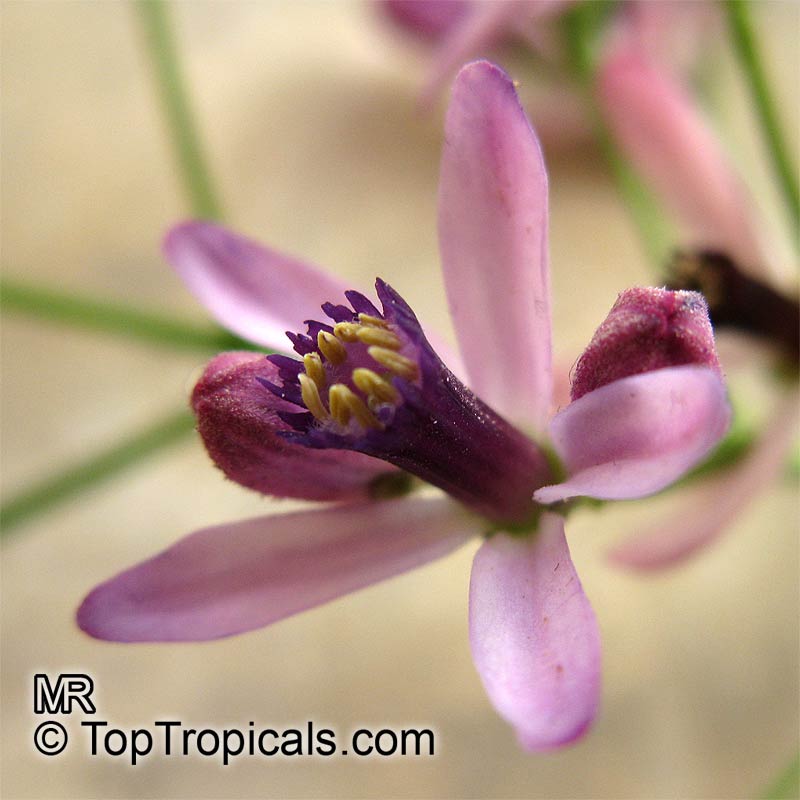
Anise, Orchid, Golden rain - Koelreuteria paniculata, Bird of Paradise, Heliconia, Petrea, Mandevilla, Jasminum, Kiwi, Persimmon, Loquat, Olive, Alocasia, Colocasia, Citrus, Apple, Peppers, Gingers, Carambola, herbs spicy with an unusual flavor, White Pothos, Ivy, Shami - Prosopis cineraria, Neem, Medinilla, Sheesham Tree, Catnip, Passion fruit, Valerian, Aloe, Myrrh, Kava-kava, Cinnamon, Clove, Eucalyptus, Coffee, Cola nut, Nepenthes, Vanilla Orchid, Strongylodon - Jade vine, Tacca - Bat Lily, Eranthemums, Agapanthus, Orchid trees, Bolusanthus, Chamaedorea metallica, Clerodendrum ugandense, Clitoria, Duranta, Guaiacum, Jacaranda, Lavanda.

For other signs information, see full Plant Horoscope.

Date: 24 Dec 2018

Growing Nutmeg from seed: secrets of successful germination

TopTropicals.com

Q: I received a Nutmeg nut and I am wondering do I need to open a hard shell before planting it? Any other tips on growing nutmeg from seed? When will you have Nutmeg plants for sale?

A: We just received fresh nutmeg seeds from Sri Lanka and planted them right away, so we should have Nutmeg plants by Spring/Summer. These are some tips on how to make germination a success:
- nutmeg seeds are viable only for a few weeks after harvesting so plant them as soon as possible.
- wash the seed and soak it in warm (100F) water with a few drops of SUNSHINE-S booster that improves germination. Soak for up to 24 hours. You may use a thermos to keep it warm.
- there is no need for scarification. The outer shell of nutmeg is hard, however, it is not thick so the water will penetrate easily. On the photo above, you can see 2 seeds: the one on the right expanded twice in size after sozking.
- Plant in a porous soilless mix, preferably light seed germination mix, in 4-6"pot, and keep moist but not soggy. You may cover the pot with plastic to keep moisture in.
- Unless you are germinating the seed in hot tropical conditions, you should use bottom heat - 80-85F. A heating pad is the best solution (make sure it doesn't have a timer that automatically shuts it off). For safety, use GFI protected electric outlets since you will be watering the pot.
- Be patient and allow a few weeks for germination. Once the seed sprouted, keep it in bright filtered light and apply SUNSHINE Superfood to young seedling, along with a small dose of Slow Release Fertilizer, for kickstart.
- Move the seedling out in bright sun light once the temperature outside is above 70F.

We have a very long waiting list for Nutmeg plants (item 3878) and seeds (item 6203), so you may reserve one for yourself using our Wishlist form; this way you will be notified immediately when we have the plants in stock, as they won't last long. A few seeds are still available for sale, order now while they are fresh:

Top

Date: 6 Dec 2018

Seven rules of cold protection for tropicals

TopTropicals.com

Q: I was always wondering how you guys manage to grow true tropical trees in Florida? I live in Puerto Rico and we have Breadfruit trees growing here in a wild... but my sister lives not far away from you, in Orlando, which is much colder, and I wonder if I can get her a Breadfruit tree for Christmas?

A: Your sister can grow a Breadfruit tree in Orlando either in a pot (and bring it indoors during cold periods) or in the ground inside a structure (an elclosed conservatory with heating system). See our customer's Greenhouse in Virginia. Cold protection of tropical plants is a lengthy subject and we have many interesting publications about it in our managine Tropical Treasures and on the website. In a nutshell, when growing tropicals outside of tropical climate, you need to follow these 7 rules:
1. Cut watering to a minimum. Cold+wet kills tropical roots.
2. Water thirsty plants before a cold night. Jucy leaves have fewer chances to be cold-zapped.
3. Wind protection is more important than a temperature drop. Plant tropicals close to a house or surrounded by other trees.
4. Duration of a cold period is more critical than the cold itself. If expecting long cold hours, bring up all available protection resources. Christmas lights or propane heaters - as long as there is a heat source, everything helps!
5. Remove plastic covers during the daytime so plants don't get "cooked" in the sun. Fabric covers are better than plastic.
6. Grow ultra-tropicals in containers and bring them inside the garage or even indoors during the cold.
7. Use SUNSHINE plant boosters and feed your plants well during Summer to improve cold hardiness.

Related topics:
About Cold Protection
Cold protection - winter action for your plant collection
Improving cold hardiness before winter: fertilizer and micro-elements
Cold hardy tropical fruit trees

Date: 6 Nov 2018

Shopping for gifts is not an easy chore!

6 important steps for successful Holiday Gift Plant Shopping

1. Make a list of friends and family members that absolutely require your special plant attention. Obviously, a live plant is the best present!
2. Set deadlines for shipping gift plants. Remember good timing is 50% of a good surprise!
3. Set a budget and call our Customer Service to help you pick the right plant that fits your needs and finances. Check out current sales and deals to get more for your dollar, and low cost offers.
4. Buy plants for plant lovers, or simply for those who appreciate the Nature, and the Beauty. Check out fragrant gift plants, fruit, and spice plants - these are always win-win! A gift certificate can be a great option so they can pick what they like, and it is not time sensitive!
5. Prepare. Remember that live plant requires some attention. Prepare pots, soil, and planting instructions beforehand so your beloved ones can enjoy a happy plant for a long time.
6. Don't forget about yourself! Take advantage of BOGO deals

Date: 2 Nov 2018

Happy Hobby: growing tropicals from seeds

TopTropicals.com

Q: What is the best time to start tropical plants from seeds? Should I wait till spring?

A: If you want to feel happier, get into gardening. If you want to feel God, start plants from seeds and watch New Life grow from a tiny grain. Fall is a perfect time to start tropicals from seed.
Traditionally, people prefer sowing seeds in Spring, especially temperate species for a vegetable garden: tomatoes, peppers, cucumbers... My grandmother up North started them in early Spring in paper cups on a windowsill, then once the temperatures went just above freezing, she planted them out in the garden beds, and that early start always helped her to have the best early crop in the neighborhood.
When we deal with tropical plants, "just above freezing" is not warm enough. Which means you have to grow small babies indoors for quite a while, providing additional heating when needed. Heating pads always work best. If you keep your living space around 75F (ideal for many species), this is a perfect temperature to get your seeds started. Tropical plants are not like annual tomatoes that try to grow through the season as fast as possible. They take time. So the sooner you start, the more chances to get small seedlings just in time when Spring air outside is "warm enough" for those tropicals - at least in 70's.
A great advantage of starting tropical seeds indoors is controlled temperature and moisture. In the plant world, environment extremes are not good for the germination process. Mild conditions of your home or a greenhouse create better chances for successful growth. Seeds won't get overheated in the hot Summer sun, and won't rot because of a sudden heavy rain. Just keep in mind that some species require light for good germination.
For the best seed germination:
- Use only well-drained mix - we recommend special Seed Germination Mix #3, professional grade. Put seeds not too deep (1/2 inch deep or less) to allow air circulation
- Soak large seeds for a few hours with Sunshine-S solution
- Keep warm (75-85F) and in bright light
- Keep soil slightly moist but not soggy
- Apply micro-element booster SuperFood