Garden Blog - Top Tropicals

Date: 26 Oct 2018

Improving cold hardiness before winter: fertilizer and micro-elements

TopTropicals.com

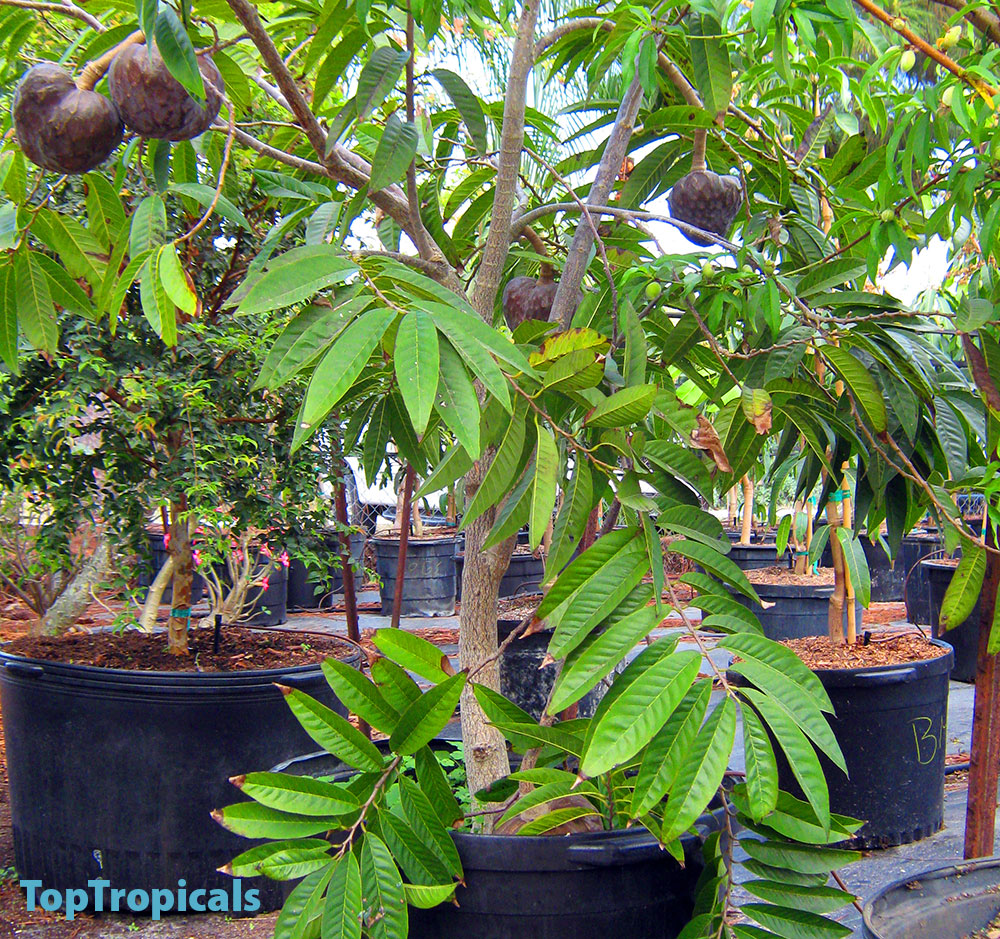
Q: I live in New Jersey and it is getting cool here, with temperatures in the upper 40s, but my tropical plant collection is in a heated sunroom (still around 70s). Should I continue fertilizing my plants? And if yes, my second question about deciduous Sugar Apple tree. Should I continue fertilizing it until it drops leaves?

A: First of all, even though you live outside tropical climate, your plants enjoy warm temperatures year round, and can be treated like if they were in a Southern garden.
Plant nutrients, both macro-elements (regular fertilizer) and micro-elements (such as iron, manganese, magnesium, copper, and other elements) play an important role not only in overall plant health but also in plant hardiness.
The rule of thumb is, even in warm climates we cut off any fertilizer by the end of October. You still have time for the last treatment this year (next will be in March, or when your plants start showing new growth). You may apply just a bit of slow-release granulated fertilizer, or water-soluble by foliar spray, diluted 1/2 of label strength, to all evergreen species in your collection.
The most important application before winter is micro-elements and other plant boosters that will help you plant collection survive winter months with a shorter daylight and cooler temperatures. Now it is a perfect time to make these simple steps:

1) Miscro-element applications, any one of: Superfood, Iron Supplement, Greenleaf.
2) Sunshine-T application: for improving cold hardiness, plus immune system resistance to insects and deceases.
3) Sunshine-Honey application for all fruit trees to encourage bigger and sweeter fruit next year.

Regarding your second question. Deciduous tropical plants like Annonas, Adeniums, Plumerias, etc - do not need regular fertilizer at this time, however, go ahead and apply microelements Superfood complex, as well as Sunshine-Honey, while leaves are still green. These two will give a kick-start to provide better flowering in spring, and production of sweeter fruit later.

Check out SUNSHINE boosters - all with free shipping!

Date: 13 Sep 2018

Season Colors from Kristi, TopTropicals Flower Queen

TopTropicals.com

Q: I live in New Jersey and I have a collection of potted tropical plants in my sun room. Our Fall season comes in bright colors, do you have something with colorful foliage for Fall?

A: For our northern customers it's almost time for the changing of the seasons. It is a very exciting and enjoyable time. The onset of fall means, less humidity, cooler nights and the Fall foliage. Here in Florida we do not get the chance to see the changing of the leaves, except maybe a few like Florida Maple Tree. So we use plants that mimic the season change, for all year round color! These are a few examples of the plants with colorful leaves that you may use for your Fall colors, plus remember - there is always a big list of Fall and Winter Flowering Tropicals!

Colorful tropical plants for Fall

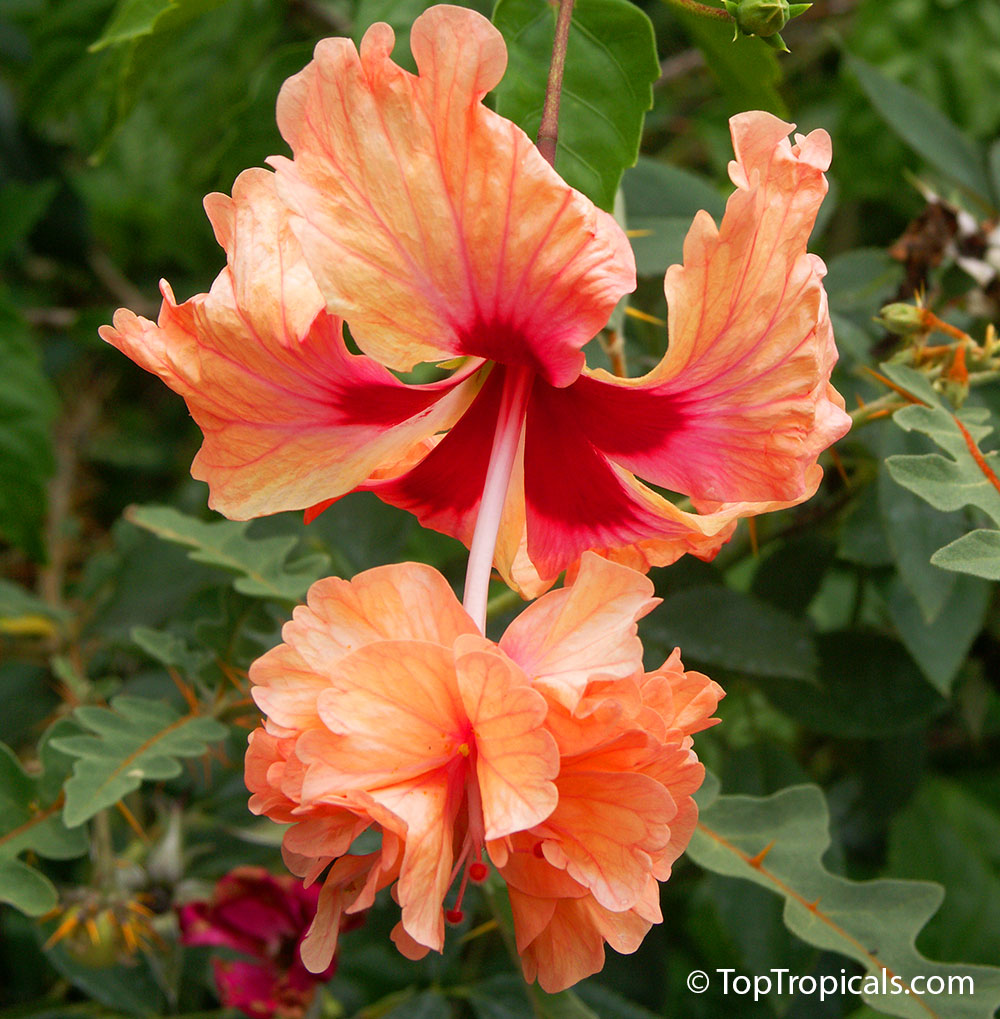
Hibiscus tiliaceus - Variegated Mahoe
Acalypha wilkesiana - Chicago Brick Copper Leaf - see all acalyphas
Mussaenda philippica x flava - Calcutta Sunset Marmelade
Pseuderanthemum atropurpureum Purple Haze
Acer rubrum - Red Maple
Adenium Nil with red veined leaves
Cerbera x manghas hybrid - Enchanted Incense
Cordyline fruticosa Willies Gold - see all codyline
Graptophyllum pictum Chocolate Queen

See Fall and Winter Flowering Tropicals.

Date: 30 Aug 2018

6 Things to Do on Labor Day Weekend

TopTropicals

1. Plant a tree... or a shrub, even just a small perennial will do. This plant will make you feel good and accomplished for the whole year, until next Labor Day (or even longer!). You will always see this fruit of your work and remember your motivation, so things are not that bad with you!

2. Pull 66 weeds. Needless to say, you have plenty of those in your yard at the moment. Why 66? Just do it and see what happens. If you don't see any happy results, pull another 66.

3. Fertilize all plants in your garden or potted collection with slow release fertilizer and microelements. Remember, this is the last chance to give them food and strength to survive, before winter. Starting October, all leftover fertilizer goes to storage, even in tropical gardens.

4. Apply SUNSHINE booster to protect your plants from cool temperature, help to go into dormancy and rest without stress.
Remember, there are products for all your pre-winter needs: Sunshine-T for improving cold tolerance, Sunshine-BC for caudex and bonsai plants, Sunshine-H for houseplants, and general booster Sunshine-E to cover all occasions... 50 and 100 ml bottles available for large plant collections.
Sunshine-Honey

Date: 29 Jul 2018

Fragrant garden

TopTropicals

Q: I love fragrant plants and I want to make a fragrant garden. Your website offers amazing selection. A friend of mine told me I should be careful with planting fragrant plants next to each other, and that mix of fragrances may create a funny combination. Are there any flowers that don't go together?

A: Flower scents, unlike perfumes, are pure natural and not as intoxicating to create funny combinations. Although some of them can be strong and even overwhelming. Example - Night Blooming Jasmine, Cestrum nocturnum, which fragrance at night is super-sweet; however most people like it. Reality is, even Night Blooming Jasmine planted next to Gardenia won't create a bad mixture, although one scent may somewhat take over another. In any case, with wind blowing in your garden, you will never be disappointed with fragrant garden. Some plants, like Ylang Ylang - Cananga odorata, or Magnolia champaca, create very fine fragrance that can be smelled yards away, other flowers you will need to stick your nose into.

Check out plants for fragrant garden

Date: 24 Jun 2018

TopTropicals

Plants that make you feel better

Researchers are claiming that gardening can be much more than just a hobby, and that honing those green-finger skills could actually have many benefits, including making us healthier! The presence of plants has been found to be helpful in many different settings, according to results of several experimental studies:

At school and work:
1. Improve your learning abilities
2. Improve reaction times, attentiveness, and attendance
3. Increase energy and your performance, purpose and motivation
4. Raise productivity and job satisfaction

At home
1. Relax and feel closer to nature while indoors
2. Make you feel needed
3. Have a clean air
4. Improve relationships and increase compassion.

In recovery:
1. Lower blood pressure (systolic)
2. Improve well-being
3. Lower levels of anxiety during recovery from surgery
4. Accelerate healing process

See full list of Rare Tropicals that are great house plants