Garden Blog - Top Tropicals

Date: 23 Nov 2024

Monkey Orange or Monkey Ear?
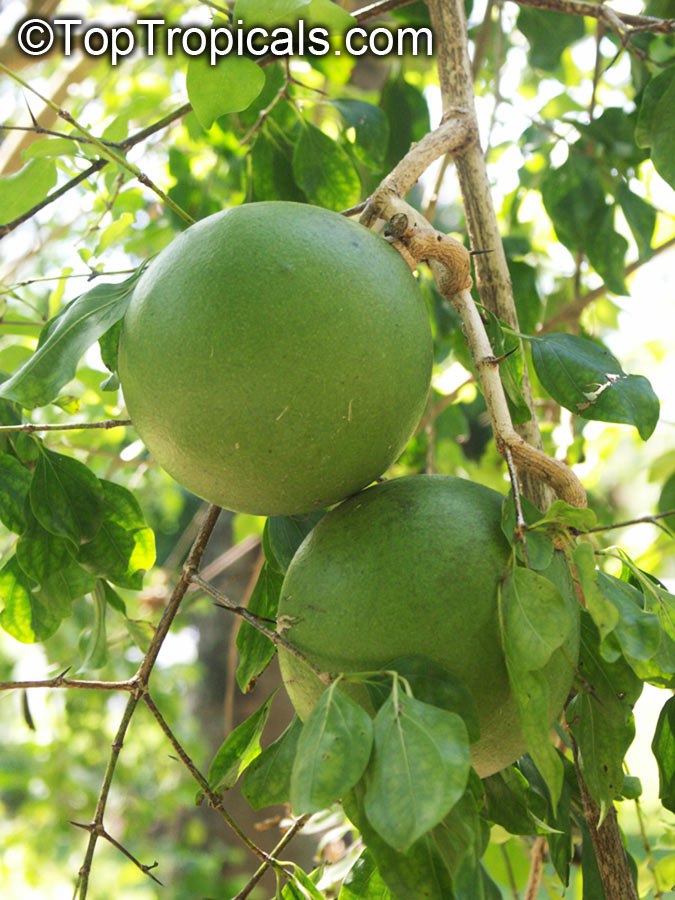
Monkey Orange (Strychnos spinosa)
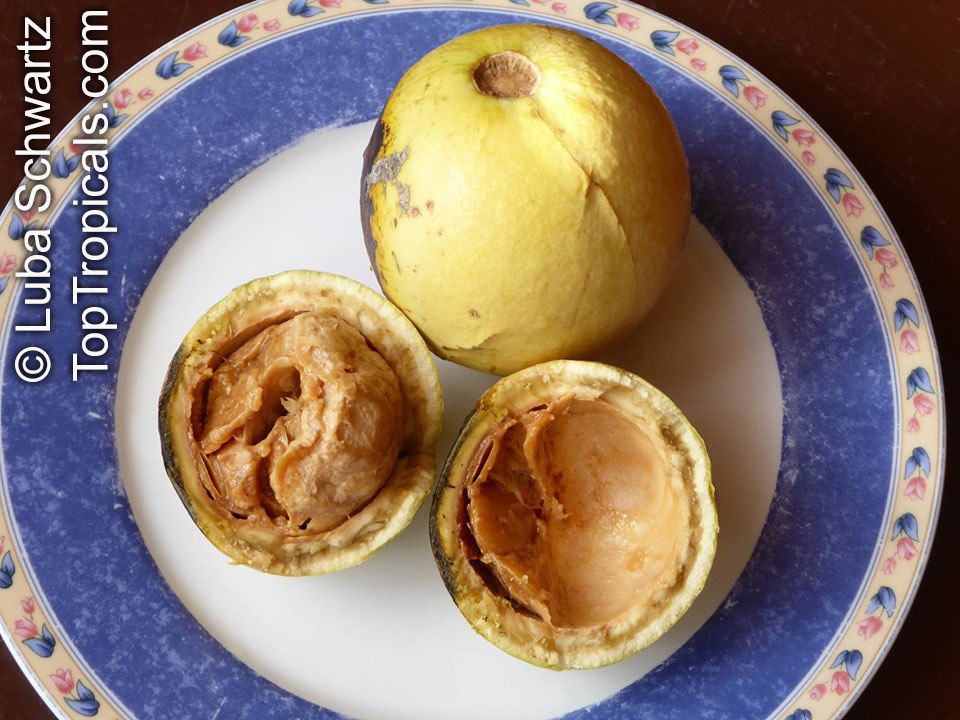
Monkey Orange (Strychnos spinosa)

Monkey Orange (Strychnos spinosa)

Monkey Orange (Strychnos spinosa)

🐵 Monkey Orange or Monkey Ear? 🙉

🍊 Besides bizarre Monkey Ear Tree that we mentioned earlier, there is another interesting Monkey Tree -

🍊 The Monkey Orange (Strychnos spinosa) is a captivating fruit tree from tropical Africa and Madagascar, known for its vibrant yellow fruits and wide range of uses.

🍊This small to medium-sized tree, has glossy leaves and thorny branches that make it visually striking.

🍊 What does the Monkey Orange taste like?


The fruits, size of an orange, have a hard shell that protects their sweet-tart pulp with interesting pleasant taste somewhat similar to mangosteen. Some people say it tastes like a mix of citrus and pineapple with a hint of fermentation.

🍊Rich in vitamin C and B vitamins, the fruit can be enjoyed fresh or transformed into jams, juices, and even wine.

🍊Its durable wood is prized for carvings, and its leaves and roots are used in traditional medicine and as natural insecticides.

🍊Slow-growing yet resilient, this hardy tree thrives in full sun and well-drained soil, offering beauty, nourishment, and practicality - an excellent choice for tropical or subtropical landscapes.

🐒 Why is it called Monkey Orange?


The "monkey orange" likely gets its name from its appeal to monkeys that eat the fruit and distribute the seeds in their habitat in Africa.

🛒 Plant Monkey Orange

#Food_Forest #Remedies

🔴 Join 👉 TopTropicals
Date: 22 Nov 2024

What tropical fruit is better than a watermelon?

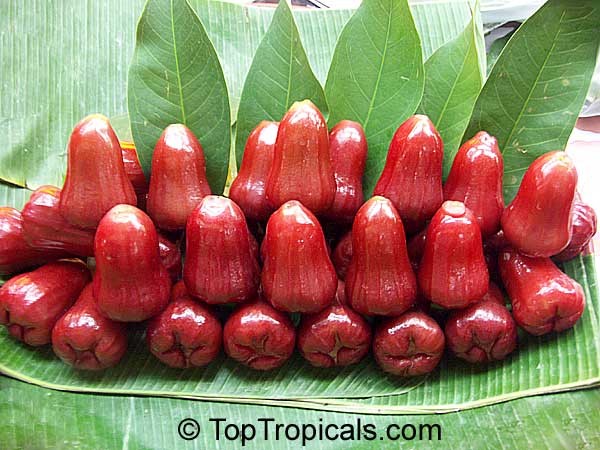
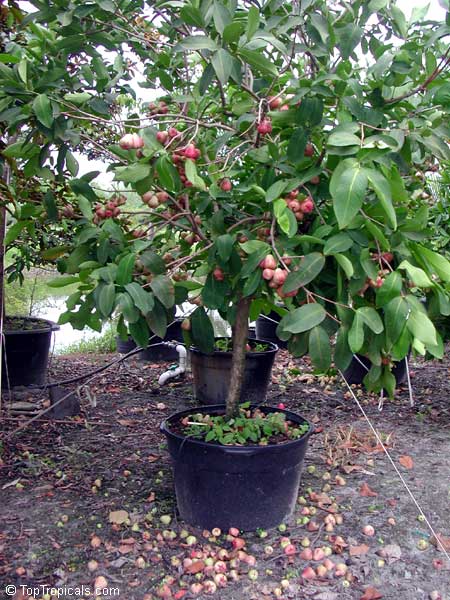
Syzygium samarangense, Java Apple, Macopa

Syzygium samarangense, Java Apple, Macopa

Syzygium samarangense, Java Apple, Macopa

Syzygium samarangense, Java Apple, Macopa

Syzygium samarangense, Java Apple, Macopa

Syzygium samarangense, Java Apple, Macopa

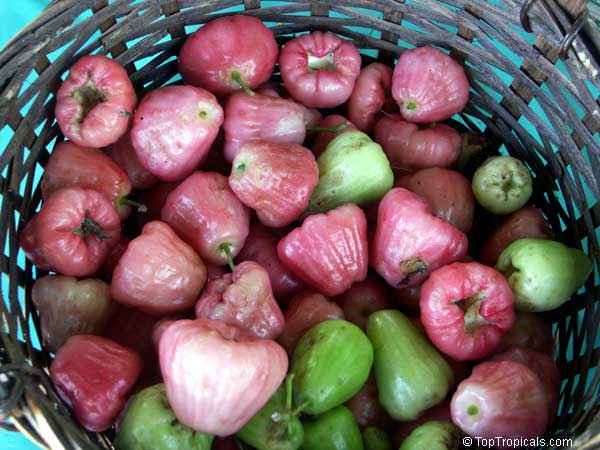
🍉 What tropical fruit is better than a watermelon? Wax Jamboo!


🍐 Syzygium samarangense, commonly known as Wax Jamboo, Java Apple, or Macopa, is an attractive tree native to tropical regions, with striking, glossy leaves and beautiful, fragrant flowers.

🍐 It produces pear-shaped fruits with smooth, waxy skin in varying colors, including white, green, pink, and crimson.

🍐 In tropical climates, it can yield abundant crops with up to 700 fruits per tree, harvested in two fruiting seasons annually!

🍐 Wax Jamboo is known for its crisp, crunchy texture and refreshing, mildly sweet flavor, making it a popular choice for both eating fresh and using in various culinary dishes. They're widely used in Indian-Ocean-Island cuisine for fresh salads or lightly sautéed dishes.

🍐 This tree is not just decorative; it's also quite low-maintenance. It thrives in fertile, well-drained soil with adequate rainfall and some humidity, and it is hardy down to just above freezing temperatures. It's also perfect for container gardening, requiring minimal care apart from regular watering and occasional feeding

🍐 Wax Jamboo fruits are often compared to watermelons because of their juicy, thirst-quenching properties, making them a fantastic treat on hot days.

🛒 Shop Wax Jamboo

#Food_Forest

🔴 Join 👉 TopTropicals

Date: 27 Nov 2024

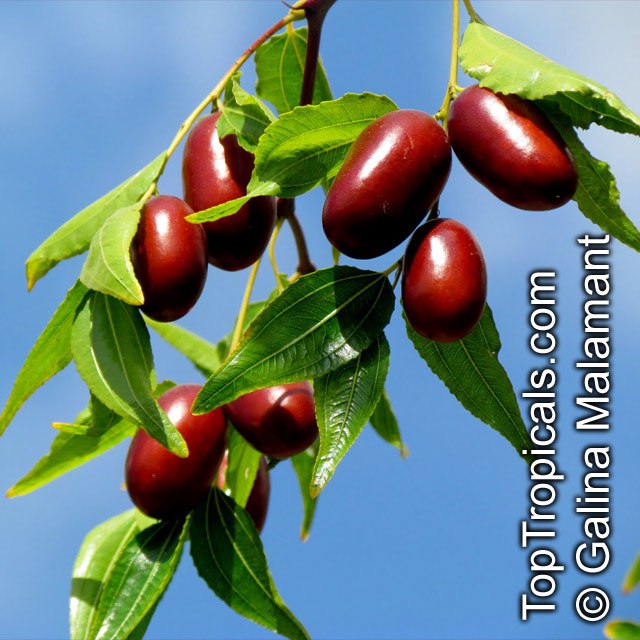
Why is Jujube Tree called the Tree of Happiness?

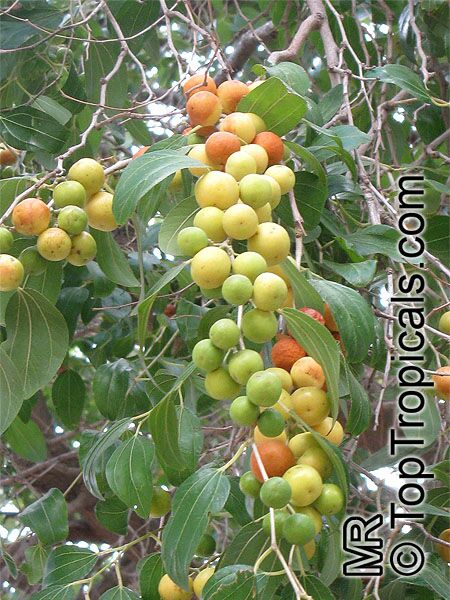
Jujube Tree (Ziziphus jujuba)

Jujube Tree (Ziziphus jujuba)

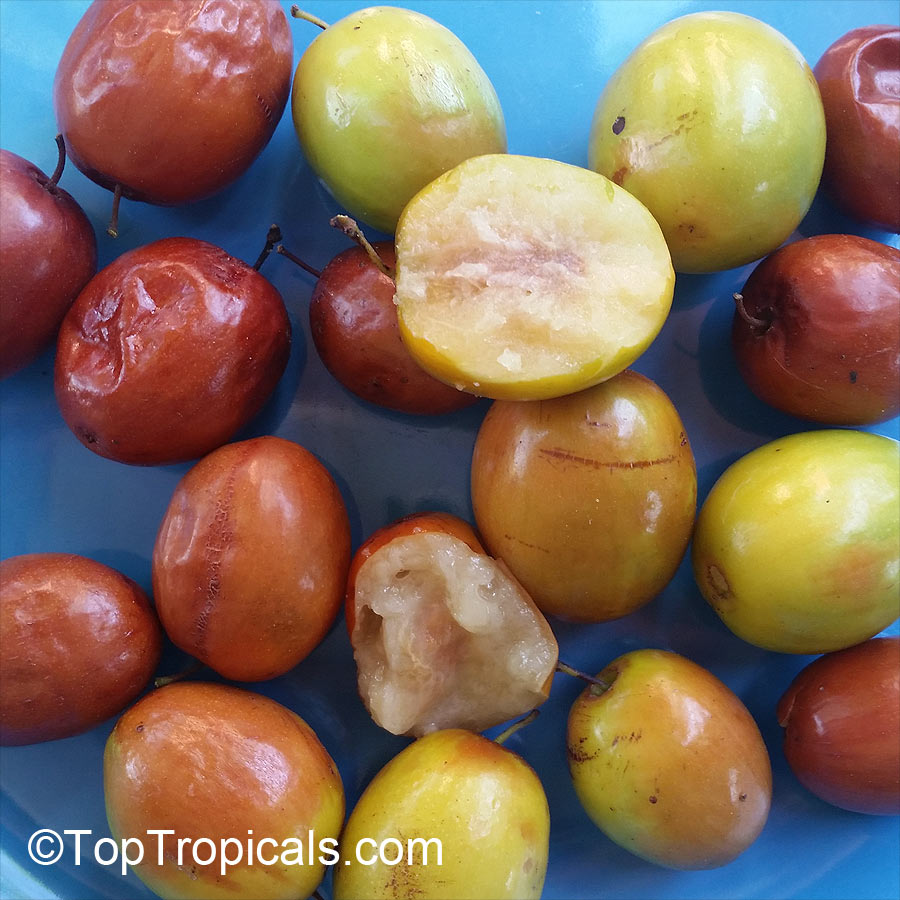
Jujube Tree (Ziziphus jujuba) fruit

Jujube Tree (Ziziphus jujuba) fruit

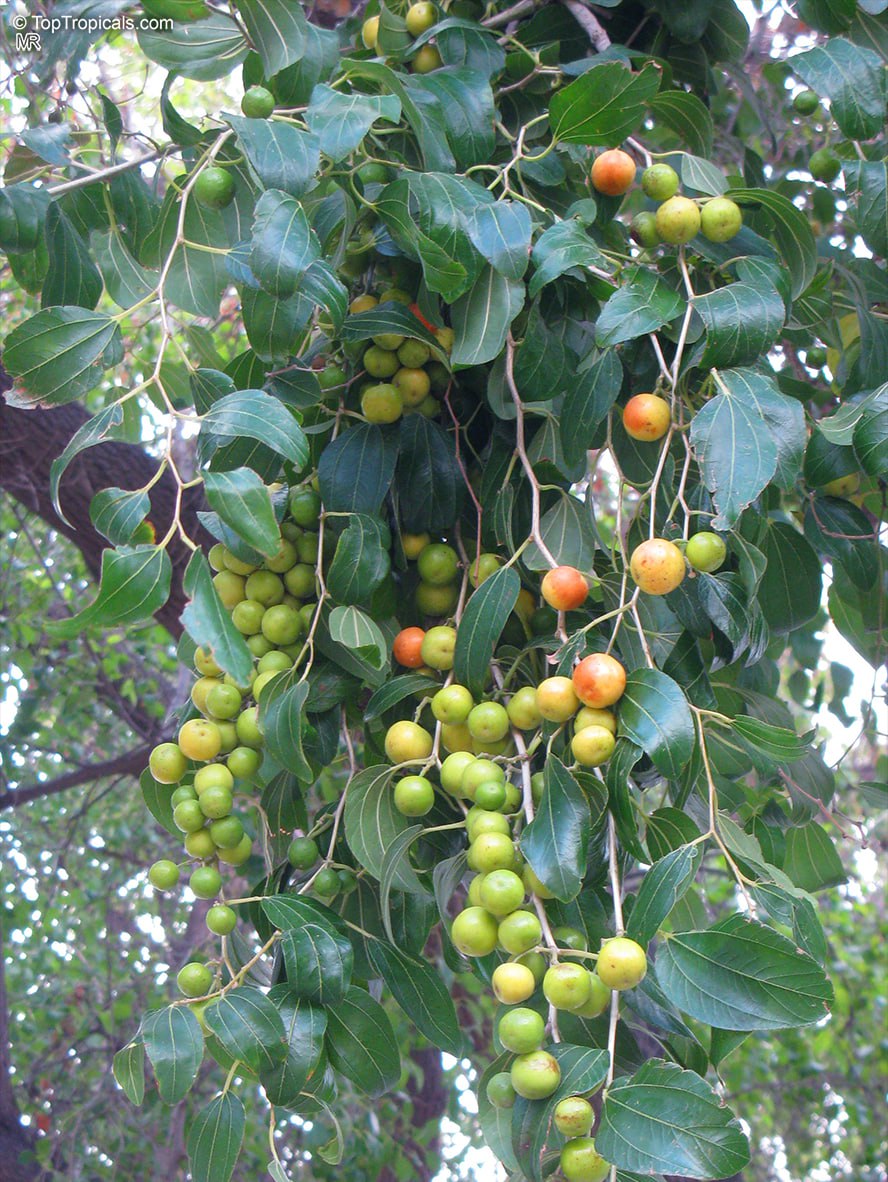
Jujube Tree (Ziziphus jujuba)

Jujube Tree (Ziziphus jujuba)

Jujube Tree (Ziziphus jujuba)

Jujube Tree (Ziziphus jujuba)

🙂 Why is Jujube Tree called the Tree of Happiness?


😇 The Jujube Tree (Ziziphus jujuba) is often called the "Tree of Happiness" and is one of the #Nature_wonders.

😇 Nutritious Fruit: The Jujube tree (Ziziphus jujuba) produces small, sweet, and slightly tangy fruits that are enjoyed by both children and adults.

😇 Hardy and Easy: This small, spreading tree with drooping branches grows quickly and thrives in poor, dry, and even moderately saline soils. It requires minimal care to flourish.

😇 Medicinal Uses: Every part of the Jujube tree, from its leaves to its bark and fruit, has medicinal properties. The fruit is known for its stress-relieving and immunity-boosting benefits.

😇 Thousands of Years in cultivation: Widely cultivated in China and India, jujubes have been grown for over 4,000 years. China has more jujube trees than any other type of fruit tree.

😇 Symbolism:


- The name Ziziphus comes from the Persian zizfum or Arabic zizouf.
- The tree is associated with Ziziphus spina-christi, the Christ's Thorn Jujube, which provided the thorns for the biblical crown of thorns.
- In Indian legends, the Jujube tree is said to be blessed with a boon: no matter how badly it is cut, it will never die, and a single root will cause it to regrow.
- Revered in India, the Jujube is known as the "Tree which removes sorrow" and is often offered to the god Siva.

😇 Greek Mythology: Some horticulturists draw a comparison between the Jujube tree and the Greek myth of Sisyphus. Like Sisyphus' boulder that endlessly rolls back down, the Jujube tree regrows tirelessly, symbolizing resilience, perseverance, and renewal.

📚 Learn more:


The tree of Happiness that removes sorrow

🛒 Plant Jujubу - Tree of Happiness

#Food_Forest #Remedies

🔴 Join 👉 TopTropicals
Date: 8 Dec 2024

How to get an unusual showy foliage plant for tropical look

Osmoxylon lineare, or variegated Miagos bush (Golden Feather)

🌴 How to get an unusual showy foliage plant for tropical look


🍀 Osmoxylon lineare, or variegated Miagos bush (Golden Feather), is a small, ornamental shrub native to Southeast Asia and the Philippines.

🍀 This rare variegated variety from Thailand has beautiful unusual foliage: dark green variegated with gold.

🍀 Growing to about 2-4 feet tall, it features striking foliage with an exotic, bamboo-like appearance, making it an eye-catching addition to a Southern garden or indoor space.

🍀 This hardy plant requires little care but thrives with regular moisture and warmth. It tolerates a range of light conditions from full sun to semi-shade and prefers frost-free temperatures. Although frost may cause some damage, it can tolerate brief exposures to temperatures in the 30s F.

🛒 Order Osmoxylon

#Container_Garden #Shade_Garden

🔴 Join 👉 TopTropicals

Date: 29 Dec 2024

What is the best fruit for summer drinks and wine?

🍸 What is the best fruit for summer drinks and wine?


🍋 Hands, down, Costa Rican Guava, or Cas Guava (Psidium friedrichsthalianum) takes the crown! This tropical gem from Central America is known for its intense flavor, making it perfect for refreshing beverages and creative drinks. The tree is incredibly productive - even young ones yield abundant fruit!

🍋 We discovered this fruit last Summer. The tree was so productive (on the second year!), we didn't know what to do with so much fruit! So we made a concentrated drink and have been drinking it since then. It looks like the juice has antibacterial properties so it doesn't need to be canned, it stores for months in refrigerator.

🍋 Plans for 2025 season crop: Homemade Cas Guava wine!
Next summer, we are going to try making wine with Cas Guava. Its bold, tangy flavor is sure to produce a delicious, unique brew!

💯 Why choose Cas Guava?


• Packed with vitamin C - four times more than lemons - for a powerful immune boost.
• Rich in antioxidants to combat stress and inflammation.
• Hardy and low-maintenance, thriving in poor soils and resisting pests.

🍸 Recipe: Cas Guava Juice Concentrate


Ingredients:
•  Fresh Cas Guavas
•  Sugar (to taste)

Instructions:
• Wash the guavas, cut in half and place them in a large pot with enough water to cover.
• Add sugar to taste and bring to a boil. Simmer for 5-10 min until the fruit softens.
• Let sit for a few hours so the fruit softens more.
• Strain the liquid through a colander to remove the pulp.
• Bottle the concentrate and refrigerate.
• To serve, dilute with water to your liking for a flavorful, tangy drink!

This concentrate doesn’t need sterilizing/canning and stays fresh for months, thanks to Cas Guava’s natural antibacterial properties.

🍸 Traditional Favorite: Agua de Cas


Cas Guava is the key ingredient in Costa Rica's famous Agua de Cas, a blend of cas juice, water, and sugar. It's a refreshing, slightly acidic drink that's perfect for hot days.

With its vibrant taste, rich nutrients, and endless possibilities, Cas Guava is a must-have for gardeners and culinary adventurers alike!

📚 Learn more:
•  What fruit is more sour and has more vitamin C than a lemon
•  What fruit can you drink? Costa Rican Cas is the Guava for Drinking
•  Costa Rican Guava

🛒 Order Cas Guava

#Food_Forest #Recipes #Guava

🔴 Join 👉 TopTropicals