Garden Blog - Top Tropicals

Date: 19 Sep 2025

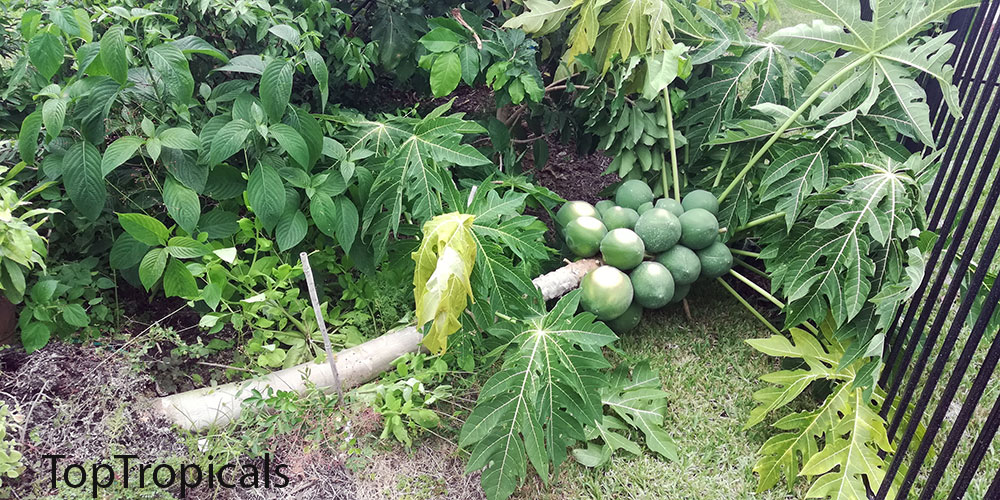
Truth about which fruit helps you lose weight faster: Mango or Papaya?

Truth about which fruit helps you lose weight faster: Mango or Papaya?

🥭 Truth about which fruit helps you lose weight faster: Mango or Papaya?


❓ Mango vs. Papaya: what's best for you?


  • ✔️ Nutritional comparison

Mango is rich in vitamins A and C, boosting immune health and skin.
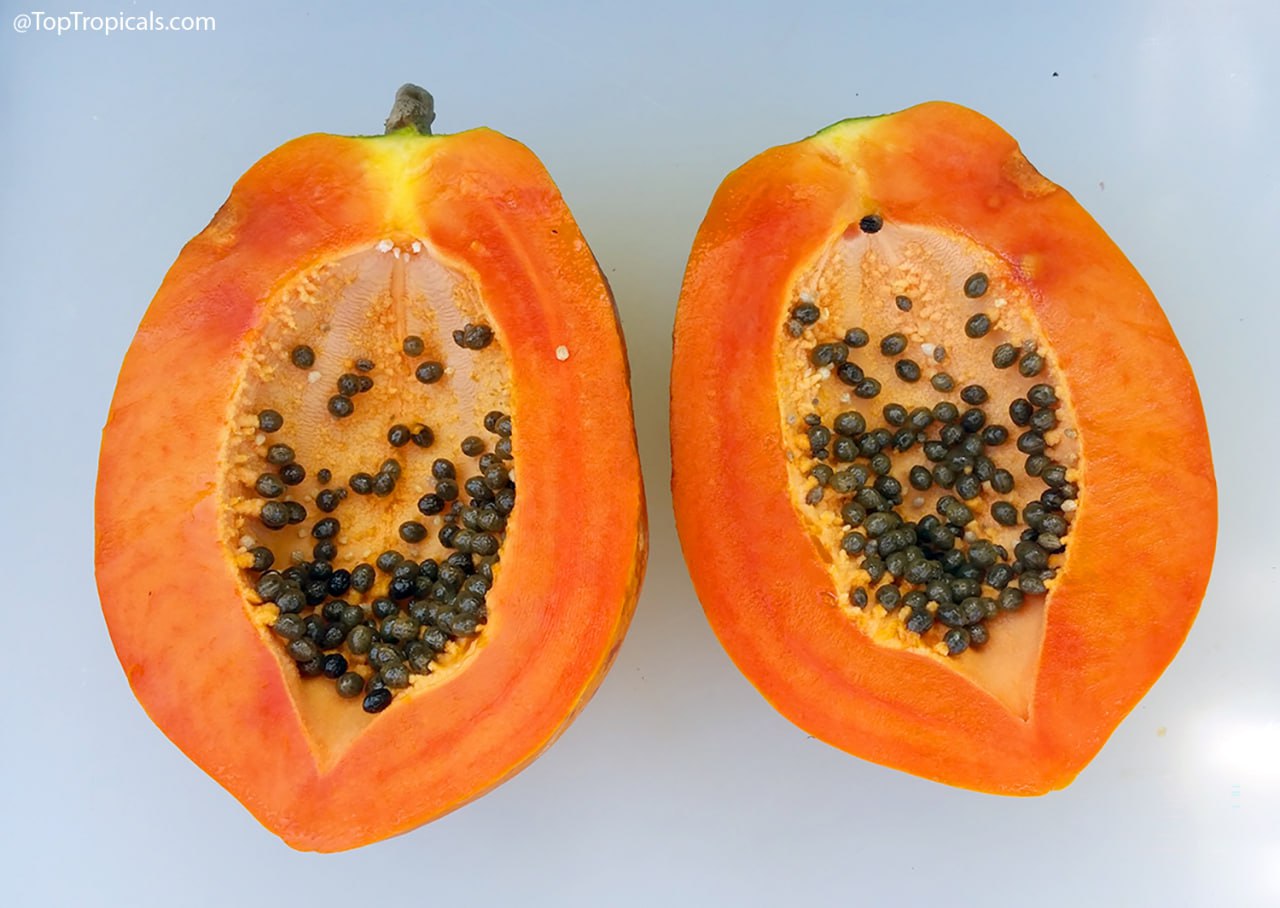
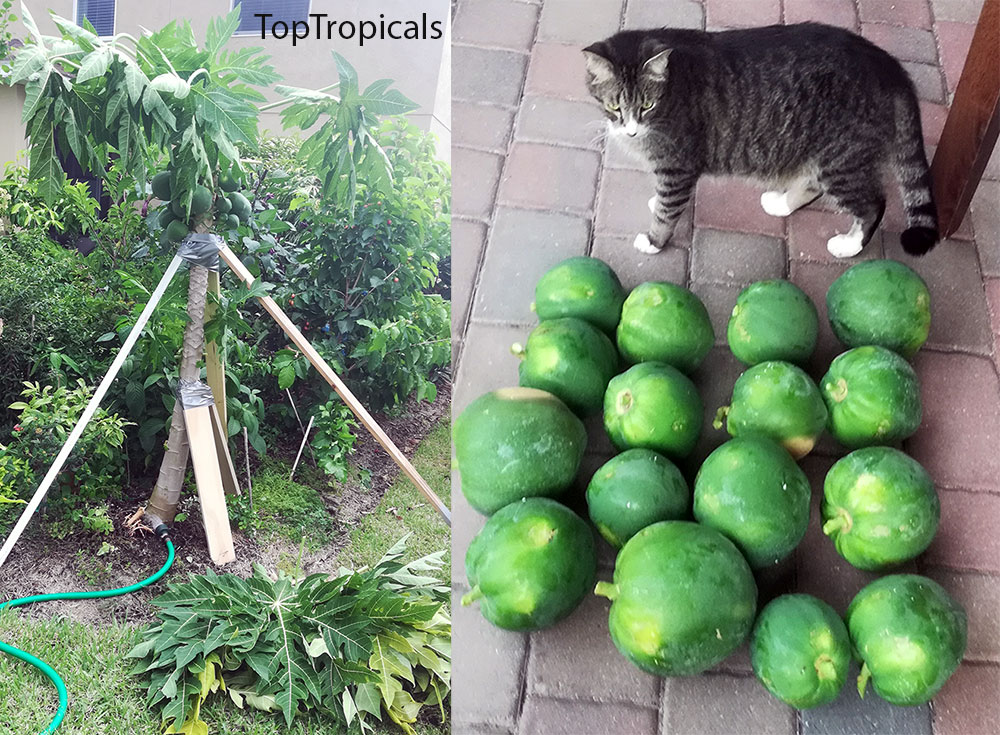
Papaya brings more folate and contains papain, an enzyme that aids digestion.

  • ✔️ Health perks

Mango may help lower inflammation and support blood sugar balance.
Papaya is known to ease digestion, reduce bloating, and support gut health.

  • ✔️ Calories and sugars

Both are low in calories, but mango has slightly more natural sugar.
If you’re sugar-sensitive, papaya might be the better option.

  • ✔️ Weight loss support

Mango and papaya both contain fiber and natural compounds that slow digestion.
This helps you feel fuller longer, which can reduce snacking and support weight management.

✔️ Which to pick when


Choose mango for a skin and immune boost.
Go with papaya if you want a gentler fruit that supports digestion and gut comfort.

Don't forget about Avocado when planting your fruit garden!
Avocado deserves a spot at the table too. While not sweet like mango or papaya, it's packed with heart-healthy monounsaturated fats, fiber, potassium, and B vitamins. Avocado supports brain and heart health, keeps you full longer, and provides a creamy balance to any tropical fruit plate.

All three fruits are also great for weight management. They're high in fiber and water content, which slows digestion, helps you feel fuller longer, and may reduce overall calorie intake naturally.

🛒Explore Mango, Papaya, and Avocado varieties

#Food_Forest #Mango #Papaya #Remedies #Discover

🟢 Join 👉 TopTropicals
Date: 13 Oct 2025

Sweet and crunchy fruit with a rose fragrance

🌹 Sweet and crunchy fruit with a rose fragrance


  • 🌹Syzygium jambos - Rose Apple - is a fragrant delight fruit! Also known as Malabar Plum or Pomme Rosa, the Rose Apple produces crisp, juicy fruits with a distinct rose scent, highly prized for jellies and confections.

  • 🌹This easy-to-grow plant is moderately cold-hardy and can tolerate poor soils.

  • 🌹 Rose Apple trees are versatile – they make attractive, wide-spreading shade trees and can also thrive as compact, bushy fruiting plants in containers. Watch the video:


📱

🛒 Enjoy rose-smelling fruit in your garden

📚 Learn more:


What fruit smells like roses?

Date: 17 Sep 2023

NEW VIDEO:
How to properly cook Akee - quick recipe

Akee is a close relative of Lychee, Longan, and Rambutan. You can find delicious akee meals only in Jamaican restaurants! But no need to search for it - grow your own tree, it can't be easier. It will start fruiting for you the next season, you don't have to wait long. Sometimes it fruits twice a year! However, the fruit is used as a vegetable, and is not eaten raw. It must be picked after the fruit has opened naturally. After the fruit has "yawned", the arils are parboiled and lightly fried in butter. Then they are really delicious! Watch the QUICK RECIPE provided by our PeopleCats!

The Akee tree - scientific name Blighia sapida - is easy in cultivation, fast growing and can be maintained compact. It is not bugsy or picky about soil/water conditions, and is relatively cold tolerant for being a tropical tree. Now it's the perfect time to plant it!

Ackee,  Akee  fruit  -  Blighia  sapida,  and  a  cat

Subscribe to our Channel:

Stay updated with TopTropicals Videos by subscribing to our channel at YouTube.com/TopTropicals and get our latest video news of what is fruiting and blooming!

Ackee,  Akee 
 fruit

Date: 24 Jul 2023

NEW VIDEO:
My new, rare, exotic fruit tree -
the Peanut butter fruit tree from Top Tropicals

By Scott Riddle

Ready to dive into your first-time mail-order plant experience? If you've ever been curious about what really happens when plants take a trip through the mail, this is the video you've been waiting for!

Get ready to embark on a mail-order gardening adventure with the one and only Scott Riddle, our customer from sunny California! What just landed in his mailbox was a package from Top Tropicals... This isn't an ordinary delivery - it's a Bunchosia argentea, a.k.a. the quirky Peanut Butter Tree!

You didn't know that peanut butter can grow on a tree?... Here at Top Tropicals we have a tree for everything - even for !

And hey, it's not just about plants - Scott's got an too! Brace yourselves for a rollercoaster of gardening escapades and loads of fun videos. Don't be shy, hit that like button, share the green-thumb goodness, and of course, make sure you subscribe!

Bunchosia  argentea  -  Peanut  Butter  Tree,  fruit  on  the  branch

Watch our original Peanut Butter Tree video:

Subscribe to our Channel:

Stay updated with TopTropicals Videos by subscribing to our channel at YouTube.com/TopTropicals and get our latest video news of what is fruiting and blooming!

Subscribe

Date: 26 Apr 2023

The Benefits of Companion Planting

Landscaped  garden  with  companion  planting

Q: What is companion planting?

A: Companion planting is a gardening technique that involves planting different crops or types of plants together in a way that benefits all plants. This practice has been used for centuries, and it can be especially useful in tropical gardens where there is a diversity of plant life: trees, shrubs, vines and climbers, ground covers, fruit and edibles, and different flowering ornamentals. It is a great way to improve the health and yield of fruit tree crops while reducing the need for fertilizers and pesticides. By choosing the right companion plants and planning your garden layout carefully, you can create a vibrant and diverse ecosystem that will benefit both your plants and the environment.

Companion planting involves:

Planting different crops together to repel insects: adding such plants as Lemon grass, Patchouli leaf, or Moujean Tea near your vegetables can deter aphids and other pests.

Attracting pollinators - Butterfly plants. Many tropical crops, such as passion fruit, papaya, mango, and avocado, rely on pollinators to produce fruit. Companion planting can help to attract pollinators such as bees, butterflies, and hummingbirds to your garden.

Providing nutrients to the soil, adding mulch and low growing plants (ground covers) to preserve moisture.

Planting a variety of different types of plants together in order to create a more resilient ecosystem that is less susceptible to pests and diseases.

To get started, plan your garden layout and choose companion plants with similar water and light requirements.
For example, plant in the same group lush foliage plants, gingers, and flowering brunfelsias in shady areas; plant jasmines and gardenias in full sun and very well-drained spots.
Rotate annual crops regularly and experiment with combinations to find what works best. By doing this, you can create a thriving ecosystem that benefits both your plants and the environment, reducing the need for harmful chemicals.

Landscaped  front  yard  with  companion  planting

Buddah  and  flowers