Garden Blog - Top Tropicals

Date: 21 Dec 2025

Everyone wants Red Jade vine - this is the one that lives! How to grow Red Jade outside the Tropics

Camptosema grandiflorum - Dwarf Red Jade Vine, Cuitelo, or Rooster's Crest

❤️‍ Everyone wants Red Jade vine - this is the one that lives! How to grow Red Jade outside the Tropics.


🔥 Camptosema grandiflorum (grandiflora) - Dwarf Red Jade Vine, Cuitelo, or Rooster's Crest - this Brazilian superstar brings cascading chains of bright red blooms.

🔥 Love the stunning, fiery blooms of the famous Red Jade Vine (Mucuna benettii) but live outside the tropics? Its cousin - Dwarf Red Jade Vine - delivers the same jaw-dropping, flame-red flower chains as the famous tropical Red Jade vines - but without the extreme fuss.

🔥 This vine is native to Brazil, where it grows at higher elevations. That is the secret. It is noticeably more cold tolerant than Mucuna benettii and can handle short dips to around 28F with little or no damage. It is also more forgiving with watering and can tolerate brief dry spells once established.

🔥 Bloom time is late fall through winter, exactly when most gardens slow down. The flowers are long, heavy, and hang best from a pergola, arbor, or fence where they can cascade freely. Butterflies, bees, and hummingbirds find it fast.

🔥 Despite the word "dwarf," this is a vigorous vine. It grows quickly, needs strong support, and rewards good care with a massive display. Give it sun to light shade, water when the soil feels slightly dry, avoid soggy roots, and prune after flowering. Mulch helps keep roots cool.

🔥 It can even be grown in a large container with solid support.

🔥 If you have ever wanted the iconic Red Jade look but live in a place with real winters or surprise cold nights - this is the smarter choice.

🛒 Plant the Red Jade Vine that grows outside the Tropics

📚 Learn more:

Crista-De-Galo Plant Facts

Botanical name: Camptosema grandiflorum
Also known as: Crista-De-Galo, Dwarf Red Jade Vine, Brazilian Red Jade Vine
USDA Zone: 9 - 11
Highligths Vine or creeper plantSemi-shadeShadeWatering: Regular. Let topsoil dry slightlyRed, crimson, vinous flowersPlant attracts butterflies, hummingbirdsSubtropical plant. Mature plant cold hardy at least to 30s F for a short timeSeaside, salt tolerant plant
Get personalized tips for your region

Camptosema grandiflorum - Dwarf Red Jade Vine in Plant Encyclopedia
Cold-hardy Dwarf Red Jade Vine
Camptosema grandiflora, Dwarf Red Jade Vine - my favorite plant

#Nature_Wonders #Hedges_with_benefits #Butterfly_Plants

🟢 Join 👉 TopTropicals

Date: 10 Jan 2026

How to grow Patchouli indoors

Patchouli - Pogostemon cablin

How to grow Patchouli indoors

Patchouli - Pogostemon cablin is easy to grow indoors if you give it what it likes. It is one of those plants that does double duty - it looks great and makes your home smell amazing. Those big, soft leaves release that deep, earthy scent just by being there.

☘️ Light and temperature


Patchouli loves bright shade. Think filtered light near a window, not harsh direct sun. Too much sun can burn the leaves, especially indoors. In lower light, it still grows well and keeps its fragrance. It is a tropical herb, so keep in warm - at room temperature.

☘️ Water and soil


This plant loves water. Use a well-draining soil mix and a pot with drainage holes, but do not let it dry out. Daily watering is usually fine in warm conditions. Good air circulation is important.
Growing patchouli is similar to growing herbs in containers - just be more generous with water than you would be with basil or oregano.

☘️ Containers and growth


Patchouli grows fast. Start in a 1-gallon pot, but plan to move it up to a 3-gallon container fairly quickly. More room means bigger leaves and a stronger scent.

☘️ Feeding


Feed regularly. You can use Sunshine Boosters Robusta with every watering, or apply Green Magic controlled-release fertilizer every 6 months and at each transplant. Patchouli responds quickly to feeding with lush growth.

☘️ Pruning and uses


Prune as the plant gets bigger to keep it full and bushy. Do not throw the leaves away - dry them for sachets or use fresh/dry leaves for tea.

☘️ Propagation


Patchouli roots very easily from cuttings. Snip a healthy stem, place it in water or moist soil, and it will root fast. It is one of the easiest plants to share with friends.

If you want a plant that grows fast, smells incredible, and actually does something useful indoors, patchouli is hard to beat.

🛒 Grow calming Patchouli Scent at home

📚 Learn more:

Patchouli Plant Facts

Botanical name: Pogostemon cablin, Pogostemon patchouli, Pogostemon heyneanous
Also known as: Patchouli, Pucha-pat
USDA Zone: 9 - 11
Highligths Groundcover and low-growing 2ft plantSmall plant 2-5 ftSemi-shadeFull sunWatering: Moderate. Water when top soil feels dryWatering: Regular. Let topsoil dry slightlyOrnamental foliageSpice or herb plantEthnomedical plant.
Plants marked as ethnomedical and/or described as medicinal, are not offered as medicine but rather as ornamentals or plant collectibles.
Ethnomedical statements / products have not been evaluated by the FDA and are not intended to diagnose, treat, cure, or prevent any disease. We urge all customers to consult a physician before using any supplements, herbals or medicines advertised here or elsewhere.Fragrant plant
Get personalized tips for your region

Patchouli - Pogostemon cablin in Plant Encyclopedia
Health Benefits of Pogostemon cablin (Patchouli, Pucha-Pat)
Patchouli: more than just a pretty scent
Archeologists found Patchouli perfume from Ancient Rome
Patchouli tea recipe

#Perfume_Plants #Remedies #Food_Forest #How_to

🟢 Join 👉 TopTropicals

Date: 8 Aug 2016

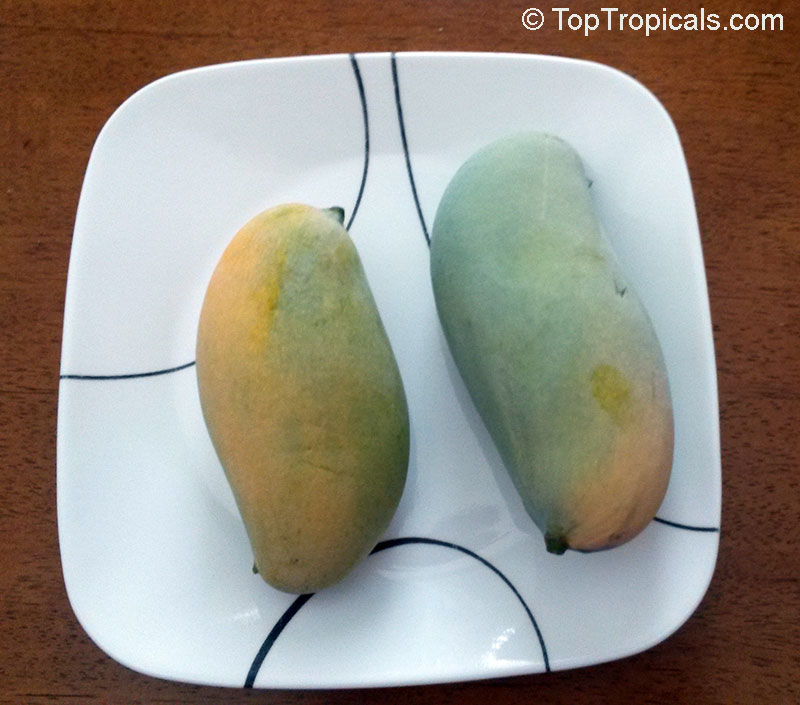
Growing mango in hot Arizona

By Mike D, Mesa, AZ. Despite to what you may think, mango can be successfully grown in desert Arizona climate. It has good heat and drought tolerance. It's possible providing the following:
1) Winter protection of a young plant when temperature goes around or below freezing. Try to plant trees in locations where they're protected from cold wind. Minimal temperatures vary widely. Areas which are closer to downtown are few degrees warmer, while outskirts can be very cold.
2) Some people are lucky enough to live in areas with good soil. However, most of us will have a so-called hardpan (extremely compacted desert) or caliche (layers of soil cemented together by calcium carbonate). Check with your local county extension office to determine how to deal with such conditions. Gypsum is usually used to loosen compacted soil.
3) When planting, dig a large hole making sure it has good drainage. Plant tree as usual, add mulch around it. It helps to conserve moisture.
4) Best time to plant is late Fall or early Spring, so mango can get established before Summer heat.
5) Plant where tree gets few hours of sun.
5) Water a lot until established. Once established, water when soil is dry.
6) Small plant may need protection from summer heat. Use shade cloth.
7) Mango requires very little nitrogen fertilizer. In hot climate, overdosing nitrogen may result in quick plant decline. Use balanced low nitrogen slow release fertilizer or avoid nitrogen completely. If you use mulch, then decomposing mulch provides enough nitrogen. Foliar spray of micronutrient solution is recommended during active growing period. Read more...

Date: 12 Apr 2016

Hot novelty plant for hot Arizona

Q: What plants would you recommend for very hot and dry spot in front of my house that gets full sun all day long? I live in AZ, we recently had a couple good rains but this is going to be it for a long time. It gets so hot during the day that every plant I tried didn't make it. We have a few nice orange trees growing well but I would like to plant something compact, colorful and hopefully fragrant if there is such plant.

A: There is a perfect small size plant for you that is extremely fragrant and yet will be thriving in these conditions. It is the famous Jasmine sambac. It will appreciate dry air of Arizona and will bloom profusely for you in full sun or in partial shade. It doesn't mind heat at all.

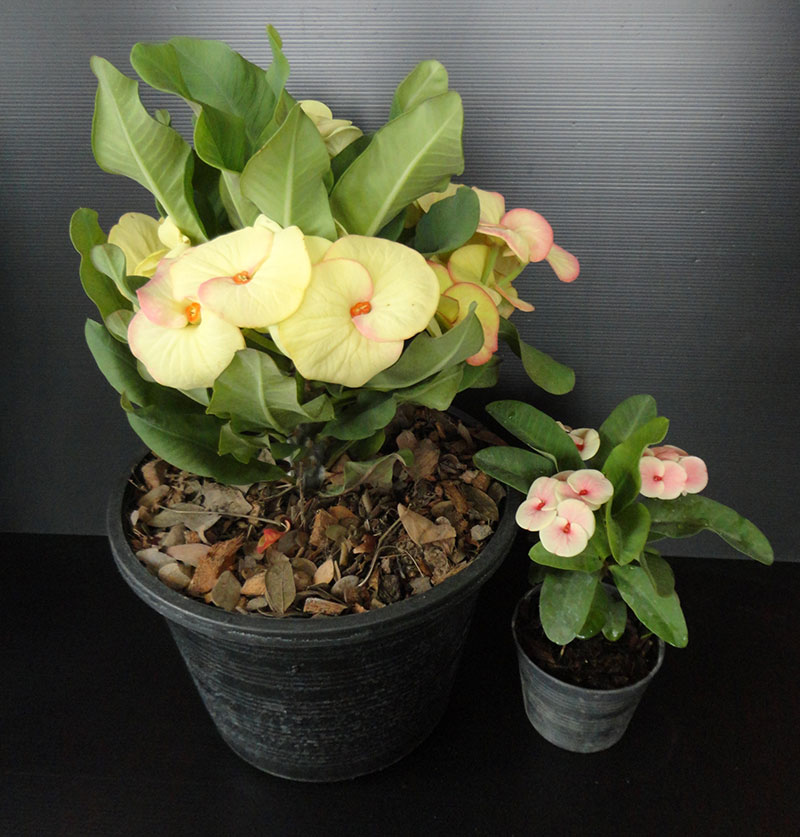
For colorful accents, a proven winner is Crown of Thorns - Euphorbia millii. New giant size flower varieties were recently selected in Thailand, and we just received a great selection, look at the colors! These plants don't mind hot sunny location at all. The more sun, the better the bloom! Small plants need regular watering until establish, then once they start developing, they will require less water.

Giant Euphorbia flowers from Thailand are 4-5 times bigger than regular flower euphorbia. Diameter of the flower is around 2". Compare giant flower to normal size - picture on the right.

See full list of plants for hot and dry spots.

Date: 15 May 2024

What does a dragon taste like? Does Dragon Fruit come from a monster cactus? Learn why you need to grow your own

Hylocereus and Selenicereus Dragon Fruit or Pitaya

Hylocereus and Selenicereus Dragon Fruit or Pitaya

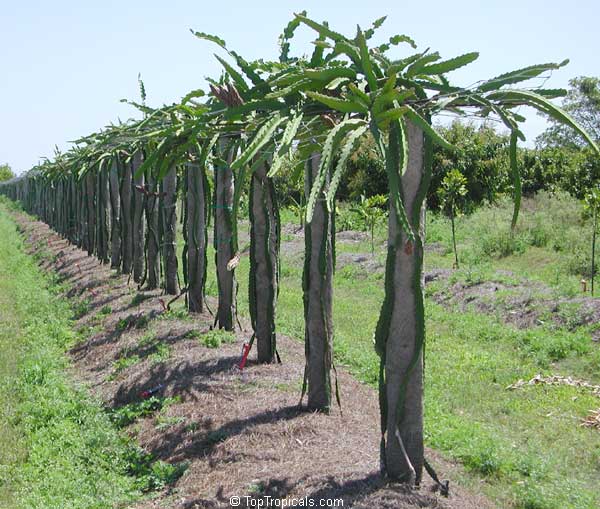
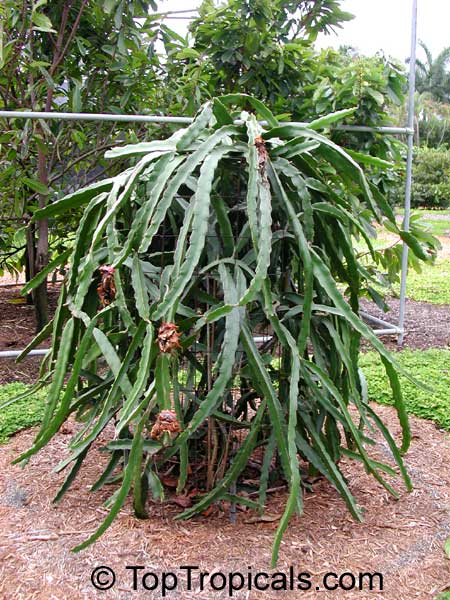
Hylocereus and Selenicereus Dragon Fruit or Pitaya trees on trellis

Hylocereus and Selenicereus Dragon Fruit or Pitaya trees on trellis

Hylocereus and Selenicereus Dragon Fruit or Pitaya on trellis

Hylocereus and Selenicereus Dragon Fruit or Pitaya on trellis

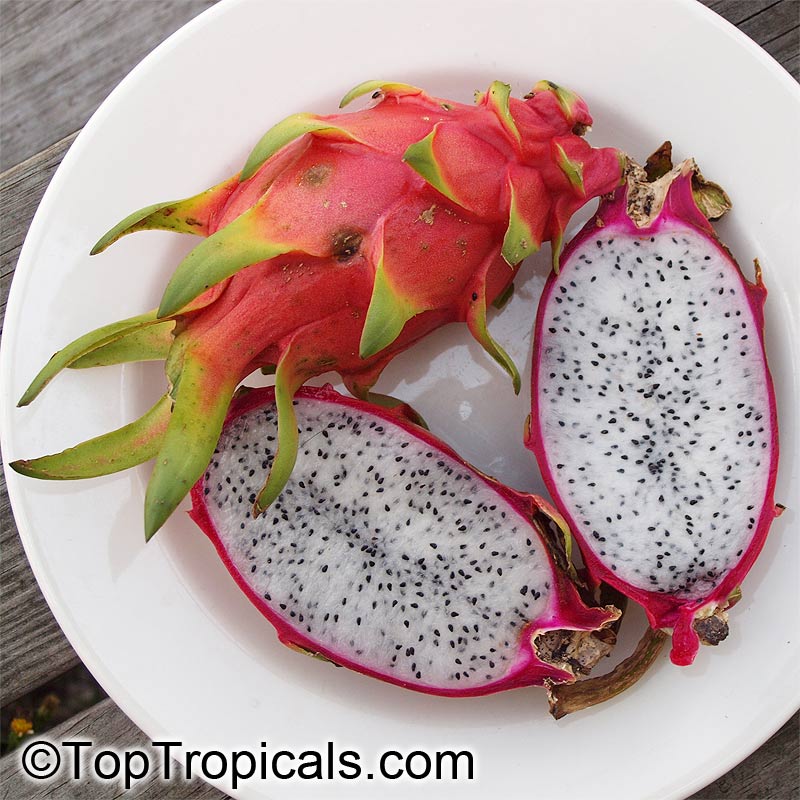
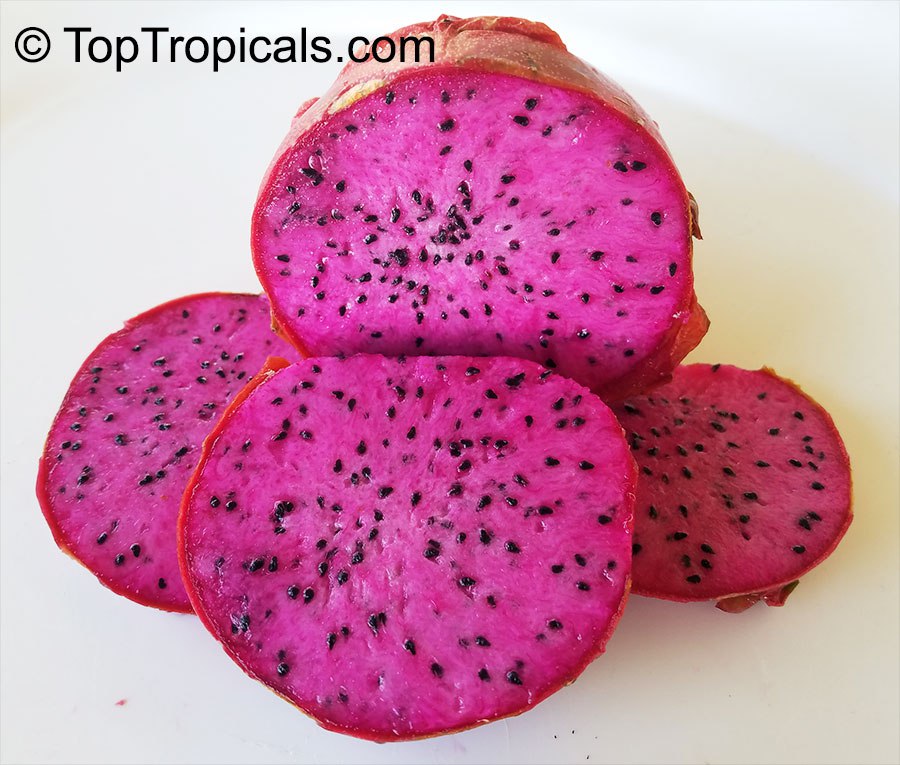
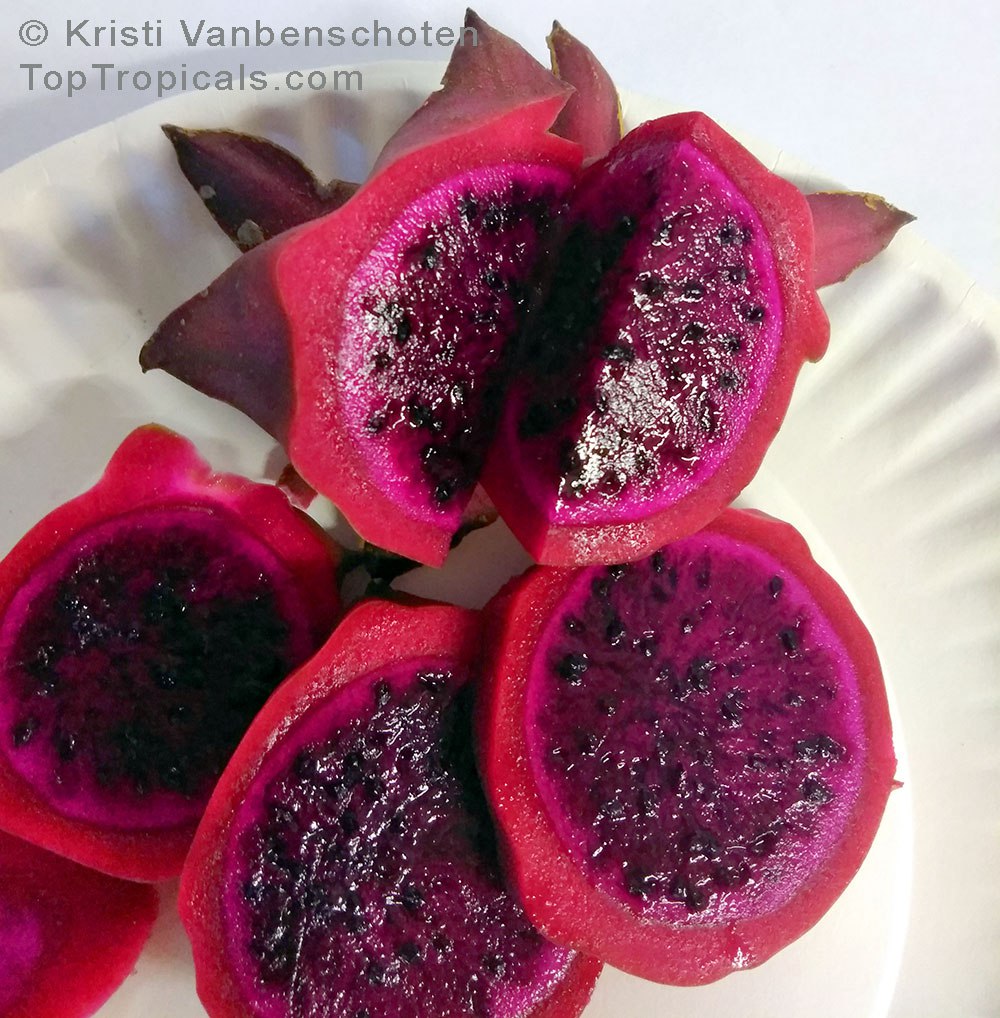
Hylocereus and Selenicereus Dragon Fruit or Pitaya red fruit

Hylocereus and Selenicereus Dragon Fruit or Pitaya red fruit

Hylocereus and Selenicereus Dragon Fruit or Pitaya purple fruit

Hylocereus and Selenicereus Dragon Fruit or Pitaya purple fruit

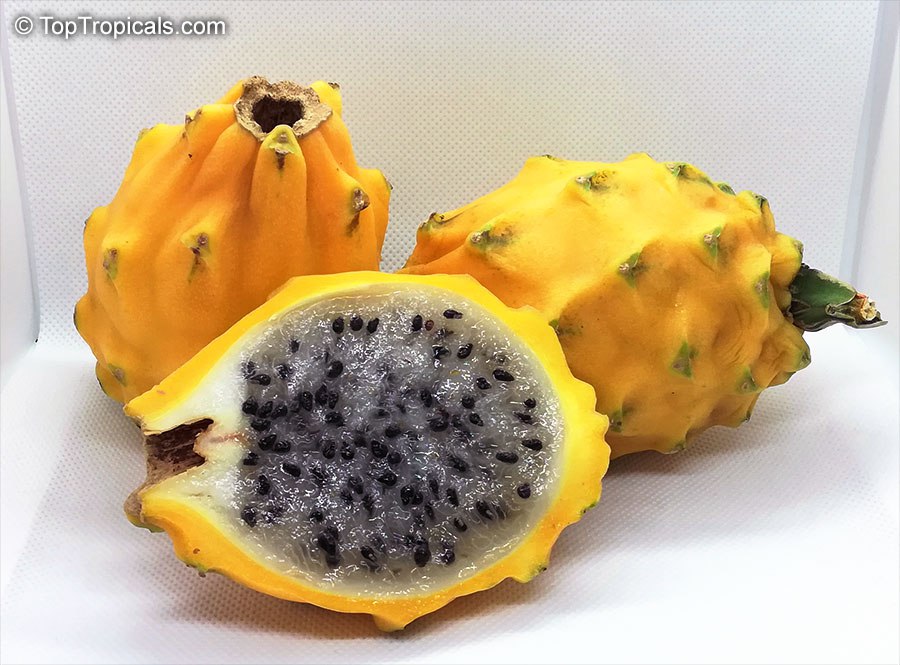
Hylocereus and Selenicereus Dragon Fruit or Pitaya Yellow Parlora

Hylocereus and Selenicereus Dragon Fruit or Pitaya Yellow Parlora

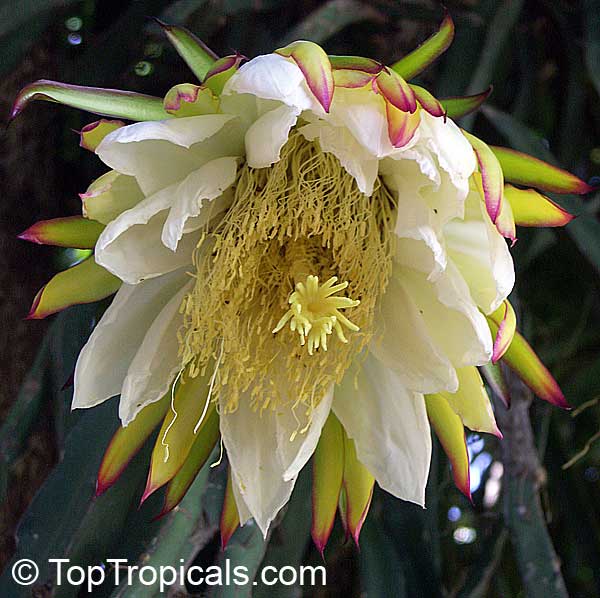
Hylocereus and Selenicereus Dragon Fruit or Pitaya flower

Hylocereus and Selenicereus Dragon Fruit or Pitaya flower

🐲 What does a dragon taste like? Does Dragon Fruit come from a monster cactus? Learn why you need to grow your own. 🌵

🔴 You may have tried a Dragon fruit from the store l, but do you know how it grows? On a cactus tree!

🔴 Names: varieties of Hylocereus and Selenicereus - these fruit bearing cactus plants are also called Dragon Fruit or Pitaya.

🔴 Commercially grown fruit sold in a grocery store may be tasteless. You need to grow your own good variety to have tasty, sweet, flavorful fruit!

🔴 Dragon fruit comes in many varieties. Colors of flesh differ: white, pink, dark red and even purple. The outside of the fruit can be red/pink or yellow.

🔴 In commercial groves, Pitayas grow like cactus trees, over a strong support - big "umbrella frames" ☂️

🔴 It is an easy plant, with low water needs, takes both sun and semi-shade.

🔴 Our favorite variety is Yellow Dragon Fruit Palora, (Selenicereus megalanthus). It is the sweetest and has the most flavor of all. We shared some recipes earlier.

🔴 Can be grown in container with a wooden trellis. And the flower is beautiful, too!

📚 Learn more about Dragon Fruit
🍹 Recipe: What to do with a Dragon fruit?

🛒Grow your own Tasty Dragon Fruits

#Food_Forest #Recipes #Nature_Wonders

🏵 TopTropicals