Garden Blog - Top Tropicals

Date: 16 Jan 2026

The most asked-about tree in the Sunshine State: Bauhinia

Purple Orchid tree - Bauhinia purpurea

🌸 The most asked-about tree in the Sunshine State: Bauhinia


🌸 If you visit Florida in winter, chances are you will notice a tree covered in orchid-like flowers and wonder what it is. That tree is often an orchid tree, most commonly Bauhinia purpurea. It is fast growing, wide spreading, and blooms from late winter through spring, sometimes with a second round in summer. The flowers range from magenta to lavender, are lightly fragrant, and stand out even from a distance. The leaves are just as distinctive - split into two halves like butterfly wings, which is why these trees are also called butterfly trees.

🌸 Orchid trees are easygoing and practical. They thrive in full sun, tolerate many soil types as long as drainage is good, and need little water once established. Growth is quick, often 2–3 feet per year, making them excellent shade trees for hot climates. The flowers attract bees, butterflies, and hummingbirds, and in some cultures the buds and blossoms are used in cooking, while the bark has a long history in folk remedies. Beautiful, useful, and low maintenance, orchid trees are a perfect fit for Southern landscapes.

🛒 Discover Bauhinias - Orchid trees

📚 Learn more:

Dwarf White Orchid Tree Plant Facts

Botanical name: Bauhinia acuminata
Also known as: Dwarf White Orchid Tree, White Bauhinia, Kaa-long, Snowy Orchid
USDA Zone: 9 - 11
Highligths Large shrub 5-10 ft tallSmall tree 10-20 ftFull sunWatering: Moderate. Water when top soil feels dryWhite, off-white flowersDeciduous plant
Get personalized tips for your region

Bauhinias - Orchid trees in Plant Encyclopedia
Compact Bauhinias - everblooming container trees
Cassia vs Bauhinia: which is better as an everblooming container tree?
You won’t believe this red orchid tree exists!
Rare Orchid Tree you may never find again and everyone wants
Why gardeners love the Pink Butterfly Tree: blooms, shade, and zero fuss
Napoleons Plume - Orchid Tree that blooms in a pot
How to grow Orchid Trees in pots
Bauhinias: trees with Orchid Flowers and Butterfly Wings
Why Bauhinias are called Orchid Trees: orchid flowers with butterfly wings...
Bauhinia blakeana - Hong Kong Orchid Tree
Bauhinia galpinii (punctata) - Pride of De Kaap or Nasturtium Bauhinia

#Trees

🟢 Join 👉 TopTropicals
Date: 21 May 2026

Rare Pineapple that looks like a sunset and thrives on neglect

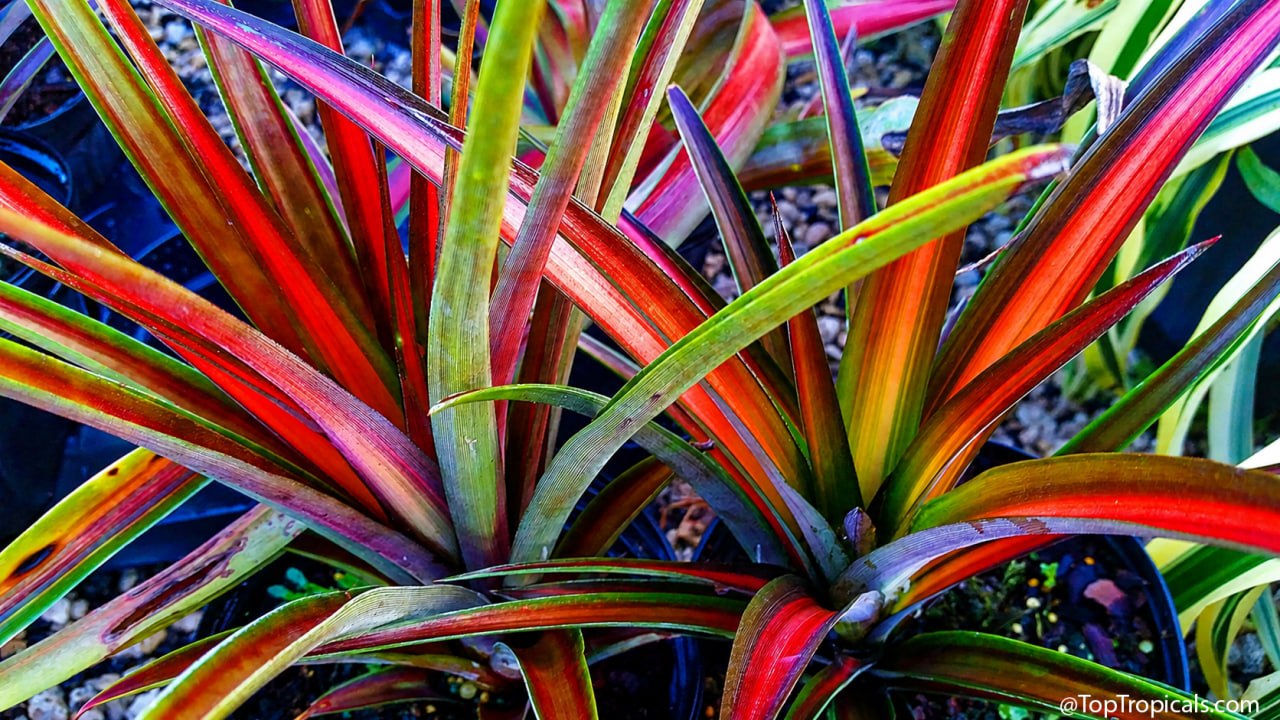
Pineapple Lava Burst colorful leaves

Pineapple Lava Burst colorful leaves

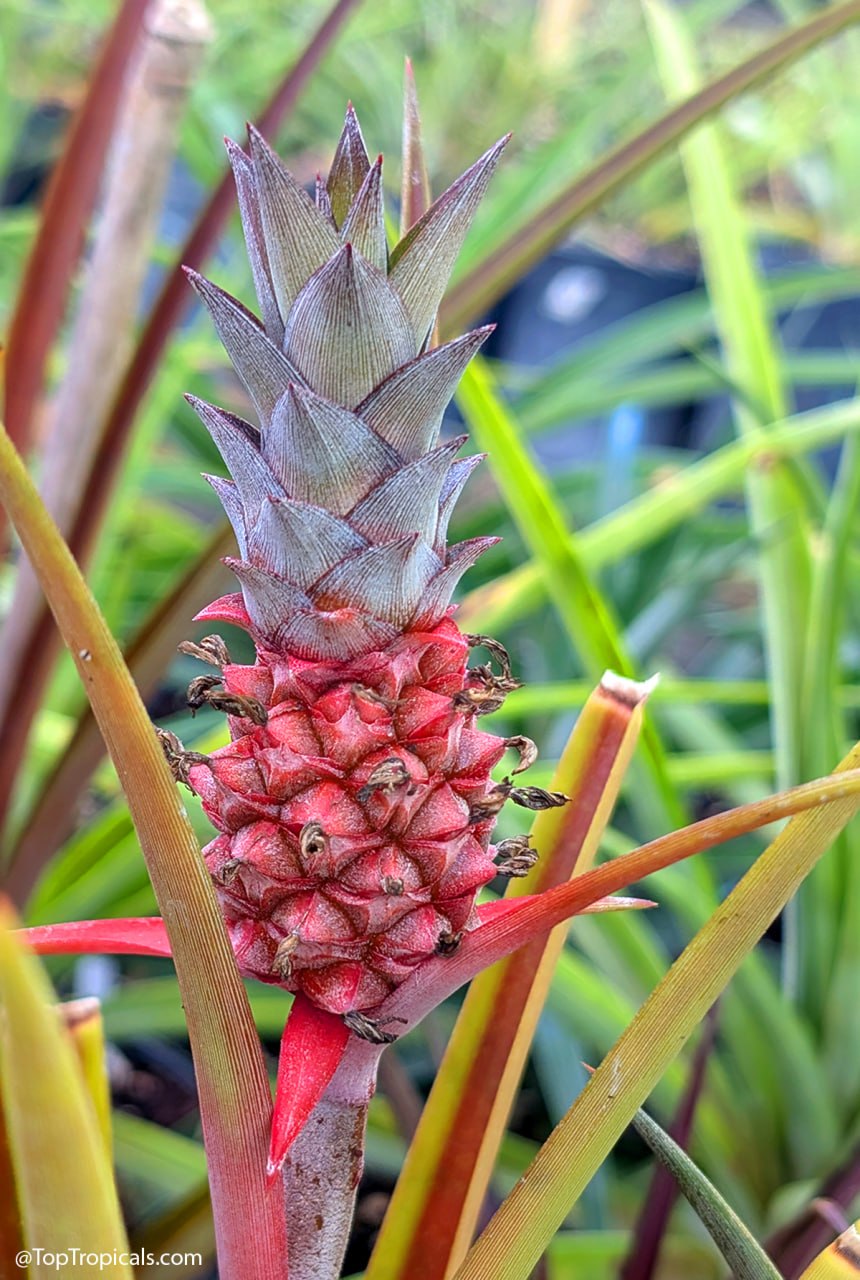
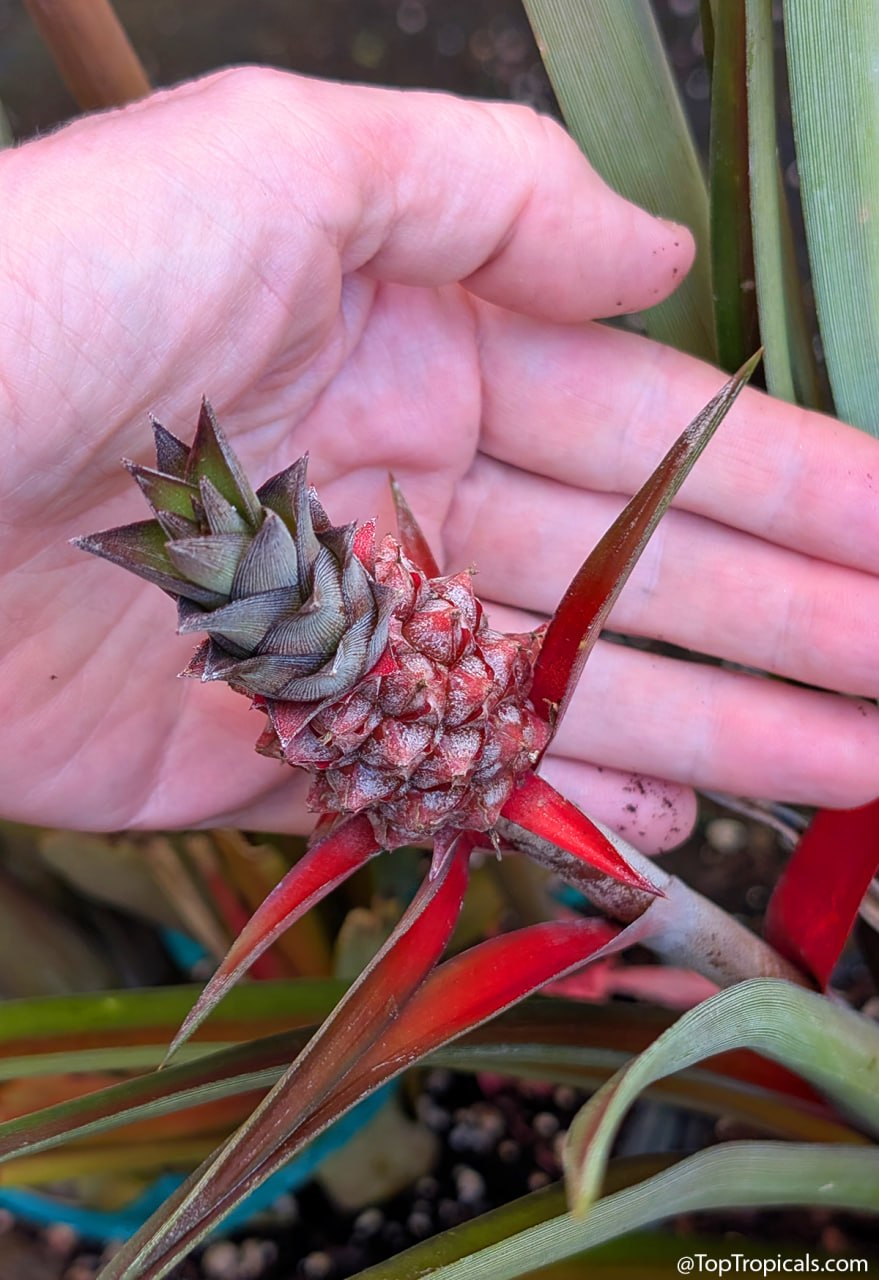
Pineapple Lava Burst fruit

Pineapple Lava Burst fruit

Pineapple Lava Burst fruit

Pineapple Lava Burst fruit

🌅 Rare Pineapple that looks like a sunset and thrives on neglect


Forget plain green plants - this pineapple looks like a tropical sunset! One look at Pineapple Lava Burst and you immediately understand why people stop and stare. This isn't your typical pineapple plant hiding quietly in the background; the leaves explode with shades of burgundy, pink, cream, green, and bronze, often changing intensity depending on sunlight and temperature. Even gardeners who don't normally collect bromeliads suddenly want one after seeing it in person.

Pineapple Plant Facts

Botanical name: Ananas comosus
Also known as: Pineapple, Pina
USDA Zone: 9 - 11
Highligths Small plant 2-5 ftSemi-shadeFull sunWatering: Moderate. Water when top soil feels dryOrnamental foliageThorny or spinyEdible plantSubtropical plant. Mature plant cold hardy at least to 30s F for a short time
Get personalized tips for your region


🍍 A pineapple plant that acts like living artwork


Pineapple Lava Burst belongs to the same plant family as bromeliads, and it definitely inherited the dramatic side of the family. The long arching leaves create a fountain-like shape, while the bold variegation gives the plant a painted appearance. In bright light, the burgundy and pink tones become especially intense, making the whole plant glow with tropical color.

Unlike many ornamental plants that only shine during bloom season, Lava Burst stays visually interesting year-round. Even without fruit, it looks like a centerpiece.

🍍 Yes - it actually produces a pineapple


One of the fun surprises about Lava Burst is that it does produce a real edible pineapple. The fruit is usually smaller than grocery store pineapples, but that’s not really the point. When the colorful fruit forms in the center, the plant becomes a tropical sculpture - a combination of striped foliage and bright fruit that looks like it belongs in a botanical garden rather than a typical backyard.

🍍 Pro-Grower Tips for Success


👌 Color Intensity: To get the most "lava" out of your plant, give it plenty of light. Increased UV exposure is the physiological trigger for anthocyanin production - the pigment responsible for those deep red and pink tones. If your plant is looking a bit green, it’s likely asking for a sunnier spot.

👌 Cold Hardiness & Protection: While these thrive in the heat, they are sensitive to frost. After the recent 25°F freezes we’ve seen in Florida, remember that these are the perfect "mobile" plants. Because they handle containers so well, you can easily move them into a garage or indoors during a cold snap to protect the foliage from burn.

👌 Fertilizing for Vibrancy: To keep the variegation crisp and the colors saturated, use a high-quality micro-element fertilizer - SUNSHINE Ananas - Pineapple and Bromeliad Booster with every watering. During active growth season, a gentle application of Green Magic provides the necessary nutrients to maintain plant health and color intensity without the risk of burning the delicate root system.

🍍 Surprisingly easy for a tropical-looking plant


Despite looking rare and complicated, ornamental pineapples are generally very manageable. Lava Burst likes warmth, bright light, and fast-draining soil. It handles containers extremely well, which makes it popular for patios, pool areas, lanais, and sunny windows indoors. Like many pineapple varieties, it dislikes soggy soil more than occasional dryness, making it much easier to grow than many fussy tropical foliage plants.

Its architectural shape also pairs beautifully with palms, crotons, cordylines, and other colorful tropical mainstays. Whether you have a sprawling poolside landscape or a small-space apartment garden, this plant brings a wow factor that is hard to beat.

🛒 Ready to add a burst of lava to your plant collection?
Check availability for Pineapple Lava Burst beyond traditional Pineapples

📚 Learn more:


Variegated Pineapple Lava Burst Rainbow in Plant Encyclopedia
What is the best pineapple to grow at home
What are the best varieties of Pineapples?
How we ate all pineapples from that ugly corner
The most luscious Hospitality Fruit: Pineapple
Three must-have fruit for every tropical garden

#Food_Forest #Container_Garden #Discover #Nature_Wonders

🟢 Join 👉 TopTropicals

Date: 8 May 2026

Job well done

King the Cat

King the Cat

👍 Job well done

"Well done is better than well said."
- Benjamin Franklin

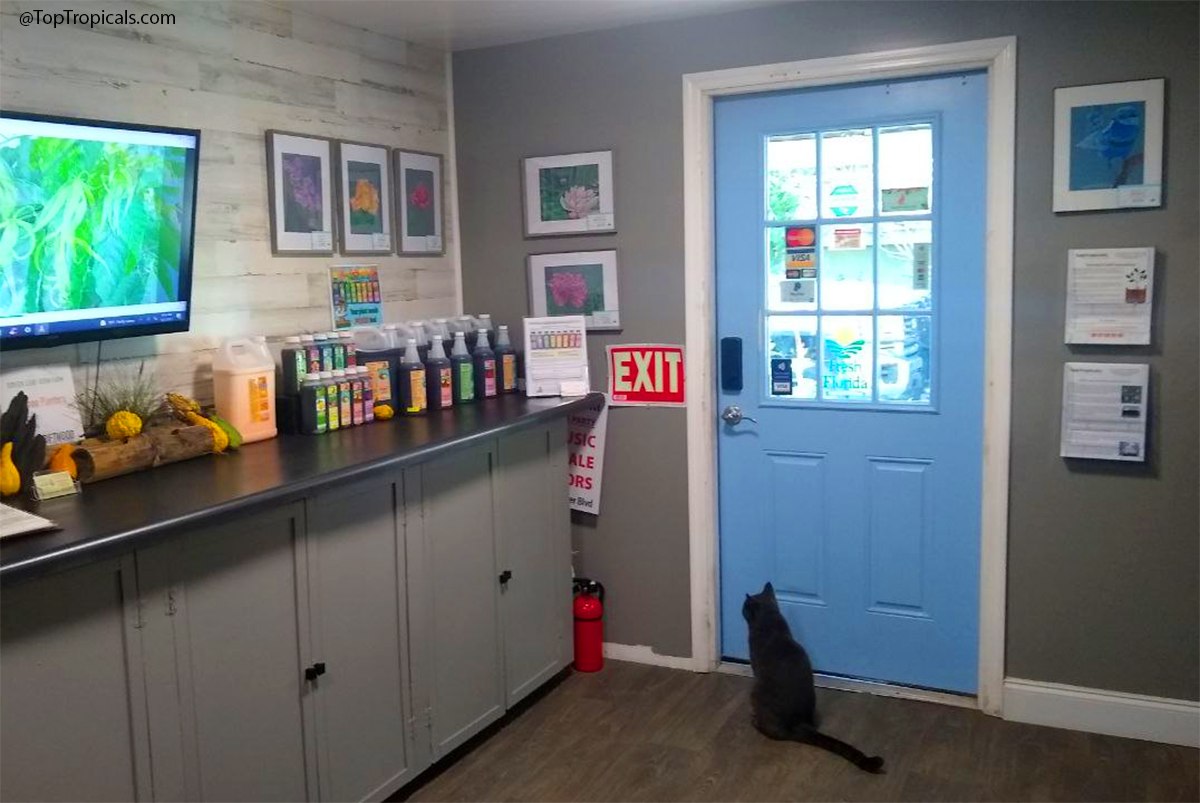
🐈📸 King the Cat heading out after displaying Sunshine Boosters at TopTropicals office. PeopleCats.Garden.

#PeopleCats #Quotes

🟢 Join 👉 TopTropicals

Date: 6 Jun 2026

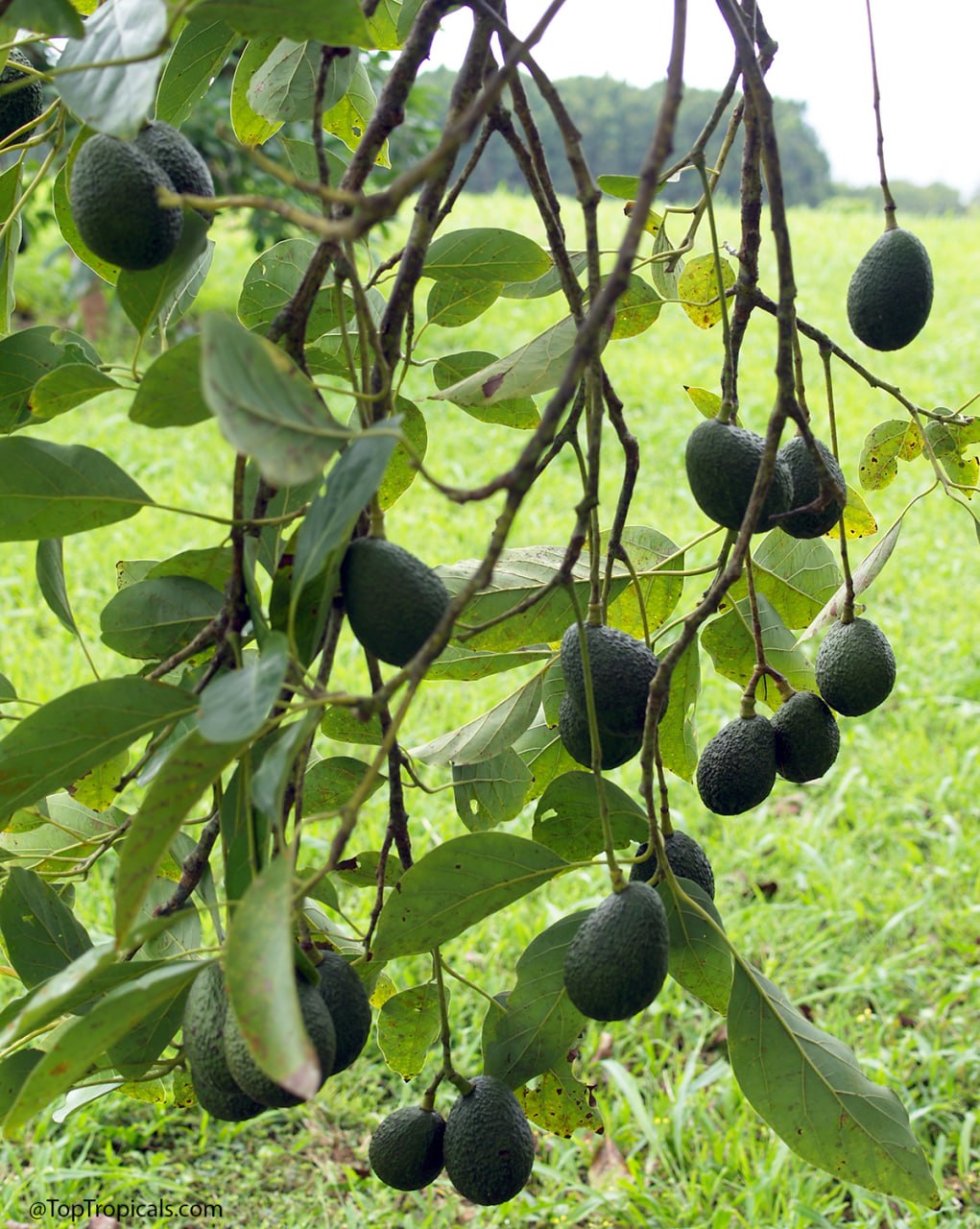
Avocado Ulala (Super Hass): the hidden world beyond green and black

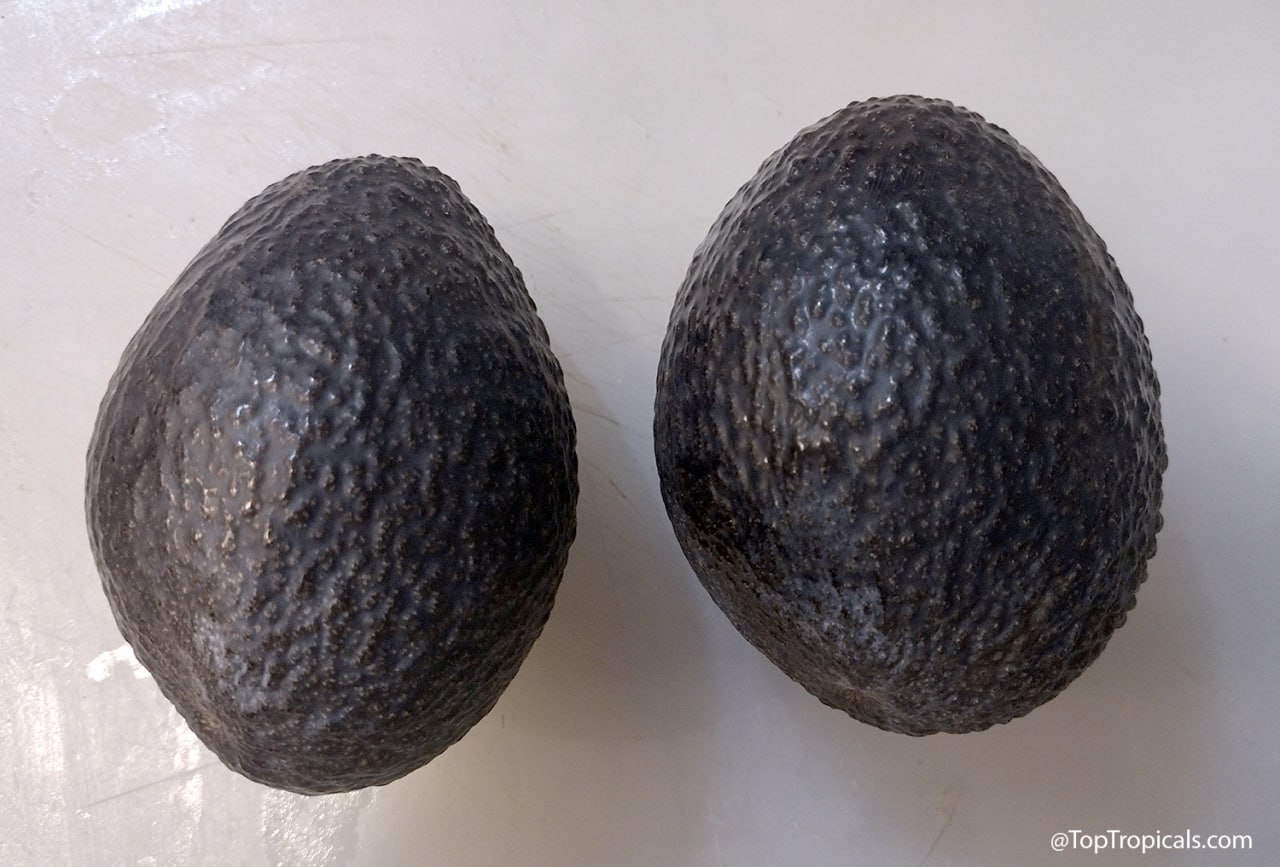
Avocado Ulala (Super Hass) fruit close up

Avocado Ulala (Super Hass) fruit close up

Avocado Ulala (Super Hass)

Avocado Ulala (Super Hass)

Avocado Ulala (Super Hass): the hidden world beyond green and black


Avocado Ulala (also spelled "Ooh La La" or "U-La-La") , often marketed as Super Hass, produces attractive dark purple-black fruit reminiscent of Hass but on a smaller tree. The flesh is rich, creamy, and high in oil, making it an excellent fresh-eating avocado. Its combination of cold tolerance, manageable size, and premium fruit quality has earned it a loyal following.

· Botanical name: Persea americana 'Ulala' (Super Hass)
· Origin: Louisiana
· Cold hardiness: Tolerates temperatures around 20°F
· USDA zones: 9a-11
· Flower type: A
· Tree size: Approximately 25 ft x 15 ft
· Growth habit: Upright and moderately vigorous, with a narrower canopy than many traditional avocado varieties
· Fruit size: 6-10 oz
· Fruit shape: Pear-shaped
· Fruit color: Purple-black when ripe
· Skin: Thick and easy to peel
· Flesh: Creamy, smooth, and rich
· Flavor: Buttery, nutty, and excellent for fresh eating
· Season: November-February
· Best use: Fresh eating, slicing, and premium guacamole
· Special feature: Produces dark-skinned Hass-like fruit while offering better cold tolerance than traditional Hass
· Why growers love it: Ulala combines the appearance and flavor that made Hass famous with improved cold hardiness and a productive tree. The attractive purple-black fruit, rich flesh, and winter harvest season make it a favorite among avocado enthusiasts. 👉 More

💡 Avocado tip: The best fertilizer is consistency


Avocados prefer small, regular feedings rather than large doses. Light feeding throughout the growing season often produces better results than occasional heavy fertilization. We recommend SUNSHINE C-Cibus - Amino-Acid Crop Booster - safe to apply with every watering, year around.

🛒 Explore cold hardy Avocado varieties

📚 Learn more:


· Avocado Variety Guide: Snack or Guacamole? Collector's inspiration
· Avocado Fuerte: the hidden world beyond green and black
· Avocado Florida Hass: the hidden world beyond green and black
· Avocado Brogdon: the hidden world beyond green and black
· Avocado Joey: the hidden world beyond green and black
· Avocado Fantastic: the hidden world beyond green and black
· Avocado Fantastic Quick Facts
· Cold-hardy avocado survival groups - what the numbers really mean
· How to protect Avocado from cold and how hardy is it?
· Avocado that laughs at frost: Mexicola Grande for cooler climates
· Cold hardy Avocado Joey - you eat it with the skin

📖 Our Book: Avocado Variety Guide, Snack or Guacamole?
·
Hard copy · PDF File Download

#Food_Forest #Avocado #Discover

🟢 Join 👉 TopTropicals

Date: 20 Sep 2025

The more you learn - the more treats you earn

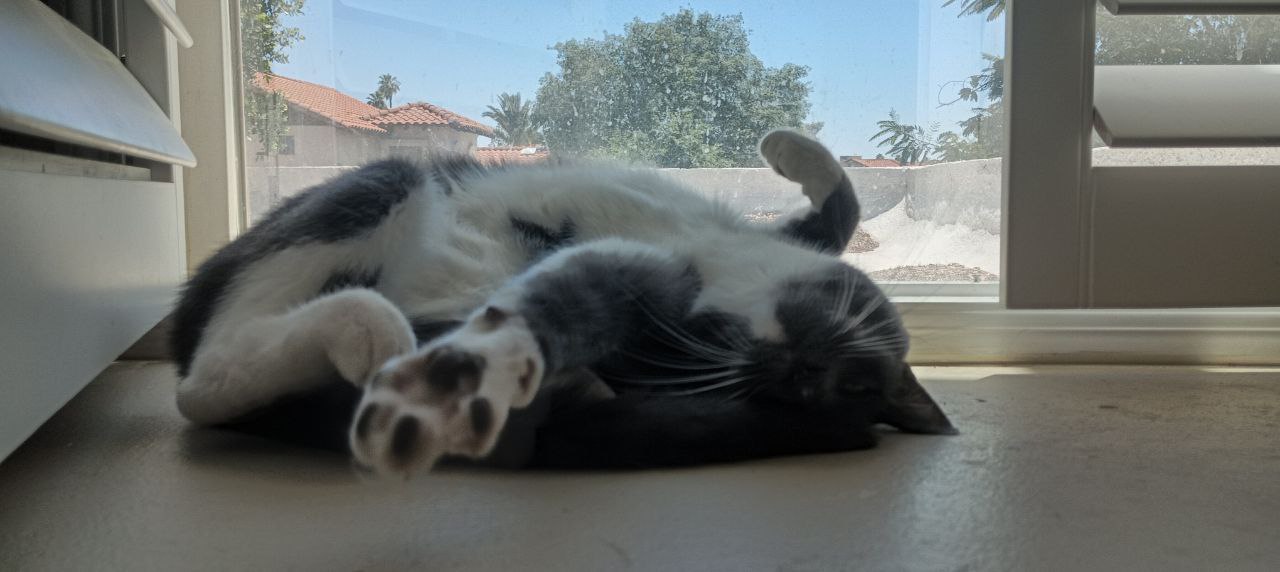
Cat Macaron and the Books at TopTropicals

Cat Macaron and the Books at TopTropicals

Cat Macaron on a sunny window

Cat Macaron on a sunny window

💻 The more you learn - the more treats you earn


"Hit the books, human, study hard, work harder! Somebody’s gotta bring home the tuna. Remember, the more you learn - the more treats you earn. I'll stay here supervising from the sunshine."


🐈📸 Cat Macaron and the Books at TopTropicals PeopleCats.Garden.

#PeopleCats

🟢 Join 👉 TopTropicals