Garden Blog - Top Tropicals

Date: 1 Dec 2025

What happens when you eat it every day: a bowl of Papaya for breakfast

bowl of Papaya for breakfast

bowl of Papaya for breakfast

🍲 What happens when you eat it every day: a bowl of Papaya for breakfast

  • 🍊 If you grow your own papayas or just enjoy picking one from your food forest in the morning, a small bowl (about 140-150 g) can quietly transform your day - and your long-term health. This tropical fruit is naturally low in calories, high in fiber, and loaded with vitamins A and C, making it a perfect morning starter for metabolism, digestion, and immunity.
  • 🍊 Why papaya works so well in the morning


    Papaya is famous for its natural enzyme, papain. It kick-starts digestion, eases bloating, helps break down proteins, and supports regular bowel movements. Ayurveda has praised ripe papaya for centuries as a cooling, Pitta- and Kapha-balancing fruit that clears toxins and improves gut function. Modern nutrition agrees: a fiber-rich, enzyme-rich fruit first thing in the day steadies appetite and helps prevent mid-morning cravings.
  • 🍊 Daily benefits at a glance


  • Weight support: Low calorie, high fiber, and keeps you full longer.
  • Heart and blood pressure: Rich in potassium, vitamins, and antioxidants that support healthy cholesterol, smooth blood flow, and normal blood pressure.
  • Liver support: Antioxidants, choline, and beta-carotene help reduce inflammation, regulate fats, and protect liver cells from oxidative stress.
  • Skin health: Papain and vitamin C help remove damaged cells, improve collagen formation, and support a clearer, smoother complexion.
  • Immunity: One medium papaya gives more than double the daily vitamin C requirement and helps stimulate white blood cells while protecting them from oxidative stress.
  • Constipation relief: Papaya’s fiber and enzymes gently improve regularity and support a clean, efficient gut.


🍊 What research shows


According to the National Library of Medicine, papaya pulp and seeds contain vitamins A, C, and E; B vitamins; potassium; magnesium; carotenoids; glucosinolates; and unique phenolic compounds. Together, these show antioxidant, anti-inflammatory, hypoglycemic, and hypolipidemic actions. Studies link papaya extracts to reduced cholesterol and triglycerides, improved blood pressure regulation (ACE-inhibitory effects), and protection against oxidative stress.

Papaya seeds also demonstrate promising anti-cancer potential, including activity against colon, prostate, and liver cancer cells. Lycopene and other carotenoids further reduce oxidative damage linked to chronic diseases.

🍊 For home growers


A ripe papaya from your own garden isn’t just a sweet breakfast bowl. It’s a daily boost for digestion, immunity, skin, heart, and metabolic health. Growing papaya means you have a year-round supply of one of nature’s most complete morning foods - fresh, clean, and packed with bioactive compounds your body immediately puts to use.

✍️ Scientific reference


National Library of Medicine:

🛒 Grow your own medicine - Papaya

📚 Learn more:

Plant Facts

Carica papaya
Papaya
USDA Zone: 9-11
Small tree 10-20 ftFull sunDry conditionsModerate waterYellow, orange flowersWhite, off-white flowersEdible plantEthnomedical plant.
Plants marked as ethnomedical and/or described as medicinal, are not offered as medicine but rather as ornamentals or plant collectibles.
Ethnomedical statements / products have not been evaluated by the FDA and are not intended to diagnose, treat, cure, or prevent any disease. We urge all customers to consult a physician before using any supplements, herbals or medicines advertised here or elsewhere.Subtropical plant. Mature plant cold hardy at least to 30s F for a short time


📱 Watch YouTube short videos:


#Food_Forest #Papaya #Remedies #Discover

🟢 Join 👉 TopTropicals
Date: 29 Oct 2025

Grow your own brain food: Avocado and Cocoa

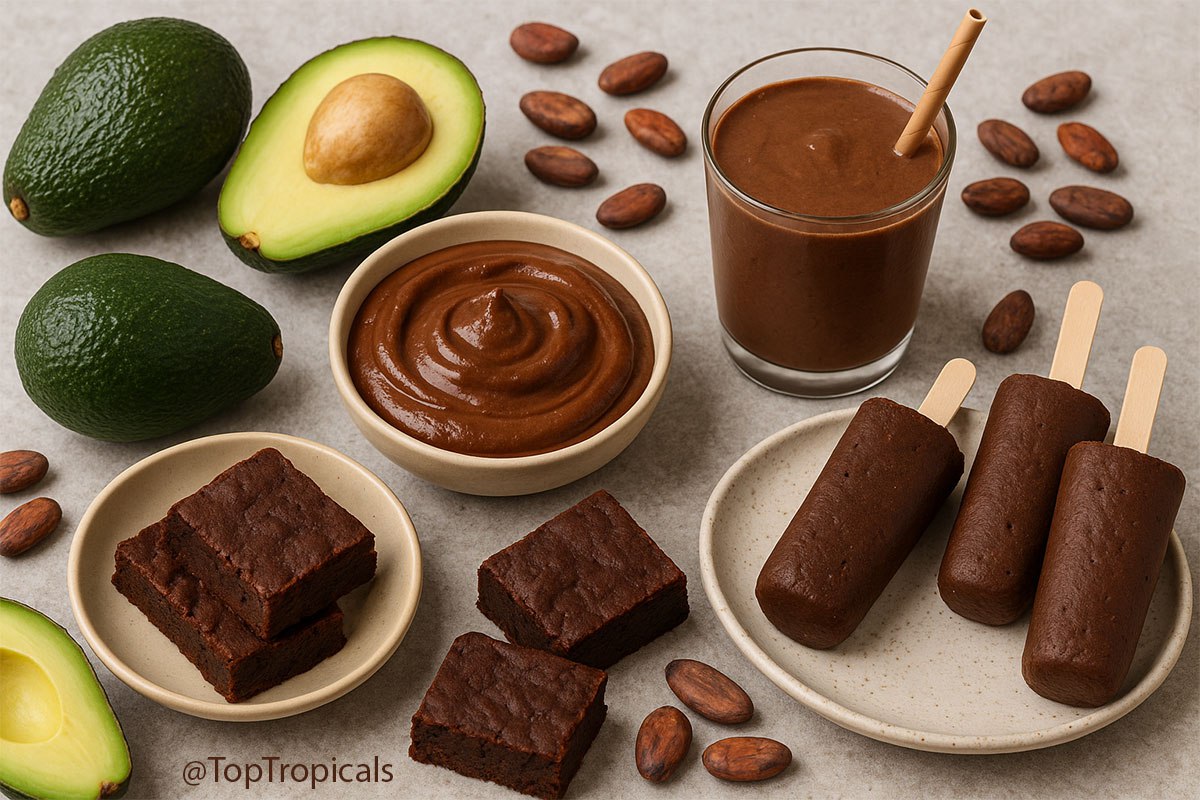
Avocado and Cocoa recipes

Avocado and Cocoa recipes

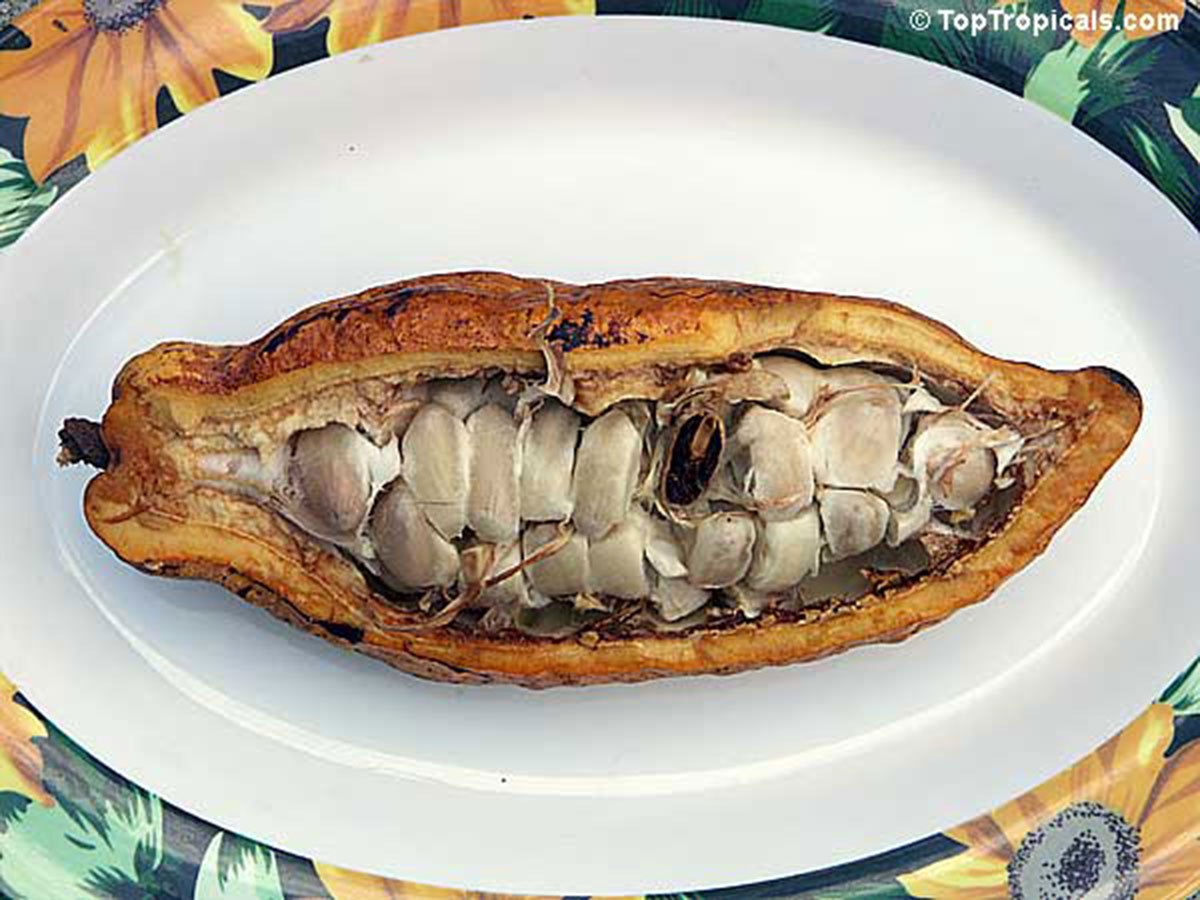
Chocolate tree fruit (Cocoa, Cacao beans) - Theobroma cacao

Chocolate tree fruit (Cocoa, Cacao beans) - Theobroma cacao

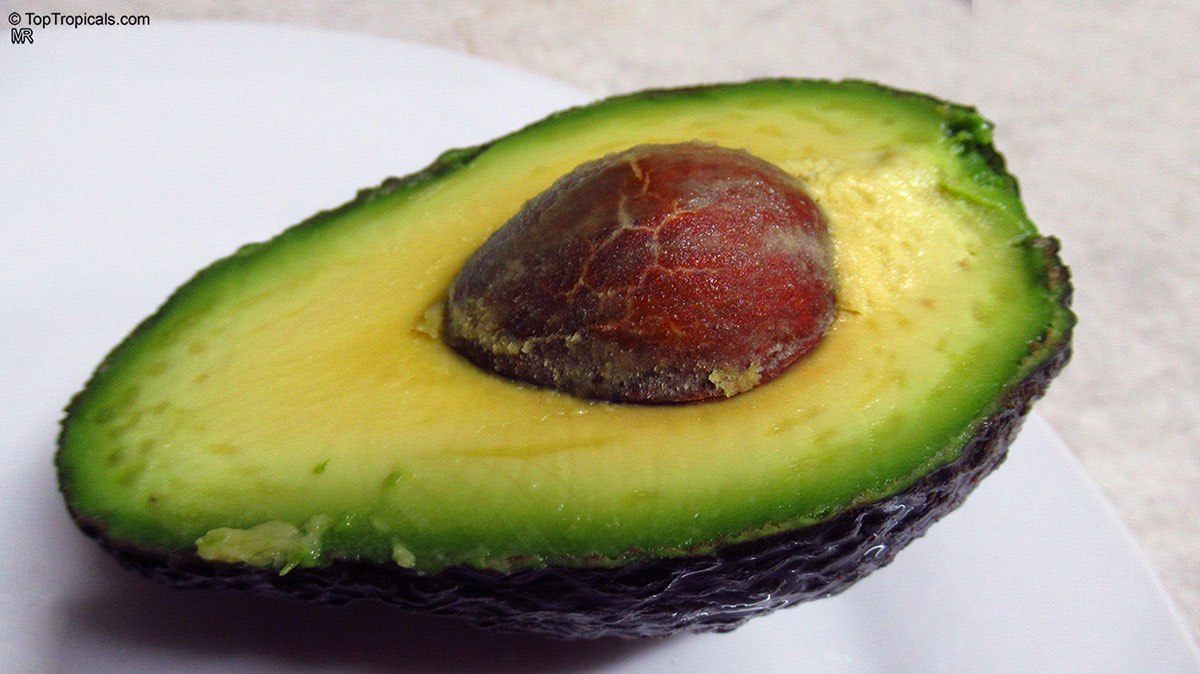
Avocado fruit

Avocado fruit

☕️ Grow your own brain food: Avocado and Cocoa

  • Avocado and cocoa aren't just a delicious combo - they’re also great for your brain. Studies show that Avocado's healthy fats improve blood flow and memory, while Cocoa’s flavonoids boost attention, mood, and overall cognitive performance. Together, they help protect brain cells from inflammation and aging.
  • Avocados are rich in monounsaturated fats and lutein, nutrients that support sharp thinking and long-term brain health. Cocoa, meanwhile, enhances circulation in the brain and has been linked to lower risk of stroke and dementia. So, growing your own avocado and cacao trees means growing your own natural brain boosters right in your garden.
  • Try blending the two in simple treats like avocado chocolate mousse or a smoothie with banana and almond milk - creamy, rich, and packed with brain-loving nutrients.


🍽 Delicious Avocado-Chocolate recipes:

  • 🍵 Avocado Chocolate Mousse


    To make this, simply blend ripe avocado, unsweetened cocoa powder, honey (or maple syrup), and a splash of vanilla for a rich, creamy mousse that feels indulgent yet guilt-free.
  • 🍵 Avocado Chocolate Smoothie


    This is perfect for breakfast and to make it, combine avocado, cocoa powder, banana, almond milk, and a touch of nut butter for a thick, chocolatey breakfast smoothie.
  • 🍵 Avocado Brownies


    This one is for the sweet tooth lovers, use mashed avocado in regular brownie batter, add cocoa powder, and bake for fudgy, nutrient-dense brownies.
  • 🍵 Chocolate Avocado Pudding Pops


    To make this bite-size snack, blend avocado, cocoa powder, dates (or honey), and coconut milk, then freeze in molds for refreshing delights.


🛒 Plant your own Chocolate tree (Cocoa, Cacao), and Avocado tree for long lasting brain power

📚 Learn more:
#Food_Forest #Remedies #Discover #Recipes

🟢 Join 👉 TopTropicals

Date: 20 Dec 2025

Grumichama spoon drizzle: quick-n-fun exotic recipes

Grumichama spoon drizzle

Grumichama spoon drizzle

Eugenia brasiliensis fruit tree - Grumichama

Eugenia brasiliensis fruit tree - Grumichama

🍴 Grumichama Spoon Drizzle

Ingredients

  • Ripe grumichama fruit (Eugenia brasiliensis), pulp only
  • Water, a small splash
  • Vanilla ice cream, for serving

Instructions

  1. Remove seeds from ripe grumichama fruit and collect the pulp.
  2. Blend the pulp with a small splash of water until smooth and pourable.
  3. Spoon or drizzle over vanilla ice cream and serve immediately.

📚 Learn more:

Plant Facts

Eugenia brasiliensis, Eugenia dombeyi
Grumichama, Brazilian Cherry
USDA Zone: 9-11
Small tree 10-20 ftSemi-shadeFull sunModerate waterEdible plantSubtropical plant. Mature plant cold hardy at least to 30s F for a short timeSeaside, salt tolerant plant

#Food_Forest #Recipes

🟢 Join 👉 TopTropicals

Date: 6 Jan 2026

How to grow papaya from seed without killing it, Part 2: seeds germination step by step

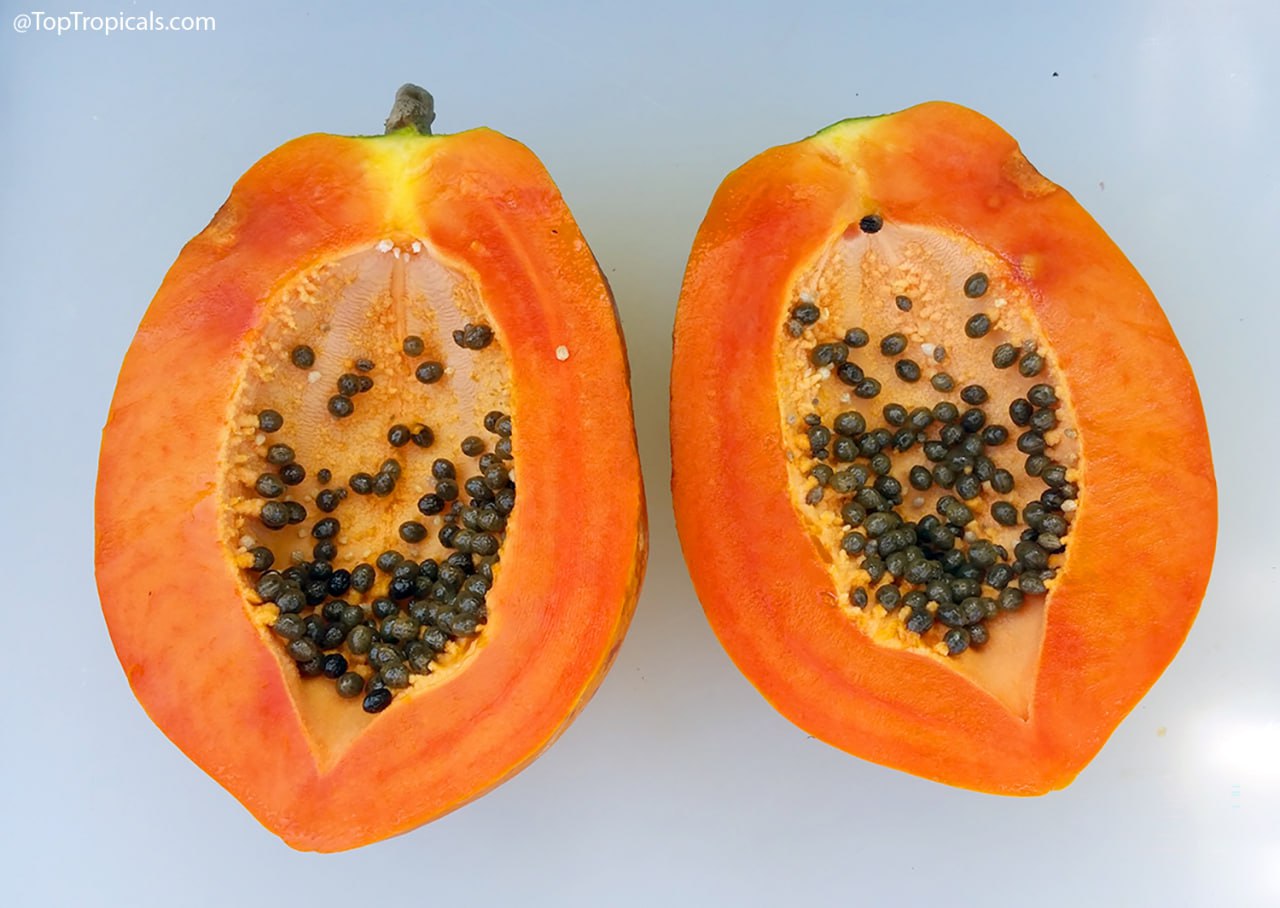
Ppaya fruit

Ppaya fruit

🍊 How to grow papaya from seed without killing it, Part 2: seeds germination step by step


Papaya germination is simple (see part 1), but it is rarely forgiving. Most failures happen not because seeds are bad, but because moisture, temperature, or patience is off by just a little. In Part 2, we focus entirely on germination - from preparing seeds to creating the right conditions for strong, healthy sprouts.
  • 🍊 Papaya seed germination requirements


    The simple papaya growing rules that actually work

    Fresh seeds taken from ripe fruit usually germinate in 2–3 weeks, as long as temperatures stay above 70F. Warmer is better - ideally 85-90F.
    Bottom heat helps a lot. Seed germination mats work very well.
  • 🍊 Key conditions:


🟡Well-draining potting mix or coconut fiber
  • 🟡Moist soil, never soggy
  • 🟡Consistent warmth
  • 🟡Stored dry seeds often go dormant and can take 8–10 weeks to sprout. When stored properly, papaya seeds remain viable for at least 12 months.


🍊 How to extract and prepare papaya seeds correctly


Growing papaya from seed sounds easy until this happens

So you bought a papaya at the grocery store and decided to plant the seeds. Here is the correct way to do it.

Removing the seeds
  • 🟡Cut the fruit in half lengthwise
  • 🟡Cut each half lengthwise again
  • 🟡Scoop seeds from each quarter with a teaspoon

  • Choosing viable seeds
  • 🟡Good seeds are black and about 1/4 inch in diameter
  • 🟡Small, green, or white seeds are immature and will not germinate
  • 🟡Fresh papaya seeds are coated with a slimy layer that prevents sprouting inside the fruit. This coating must be removed.

  • Cleaning and storing
  • 🟡Rinse seeds thoroughly (a strainer works well)
  • 🟡Remove all pulp and slime
  • 🟡Dry seeds on a paper towel

  • If storing seeds:
  • 🟡Dry completely for several days
  • 🟡Even slightly moist seeds will rot in storage

  • If planting right away:
  • 🟡Remove all pulp and slime and plant as soon as possible

If your papaya seeds have sprouted, you have already passed a major hurdle. Unfortunately, this is where many plants are lost next - not from poor germination, but from transplanting mistakes, excess water, or lack of sun. In Part 3, we cover containers, sunlight, watering, and the most common mistakes that kill papaya after it starts growing.

🛒 Explore Papaya varieties

📚 Learn more:

Plant Facts

Carica papaya
Papaya
USDA Zone: 9-11
Small tree 10-20 ftFull sunDry conditionsModerate waterYellow, orange flowersWhite, off-white flowersEdible plantEthnomedical plant.
Plants marked as ethnomedical and/or described as medicinal, are not offered as medicine but rather as ornamentals or plant collectibles.
Ethnomedical statements / products have not been evaluated by the FDA and are not intended to diagnose, treat, cure, or prevent any disease. We urge all customers to consult a physician before using any supplements, herbals or medicines advertised here or elsewhere.Subtropical plant. Mature plant cold hardy at least to 30s F for a short time


🎥 Nobel Prize goes to this pregnant male papaya

#Food_Forest #How_to #Papaya

🟢 Join 👉 TopTropicals

Date: 24 Jan 2026

Guava Cas cloud drink: quick-n-fun exotic recipes

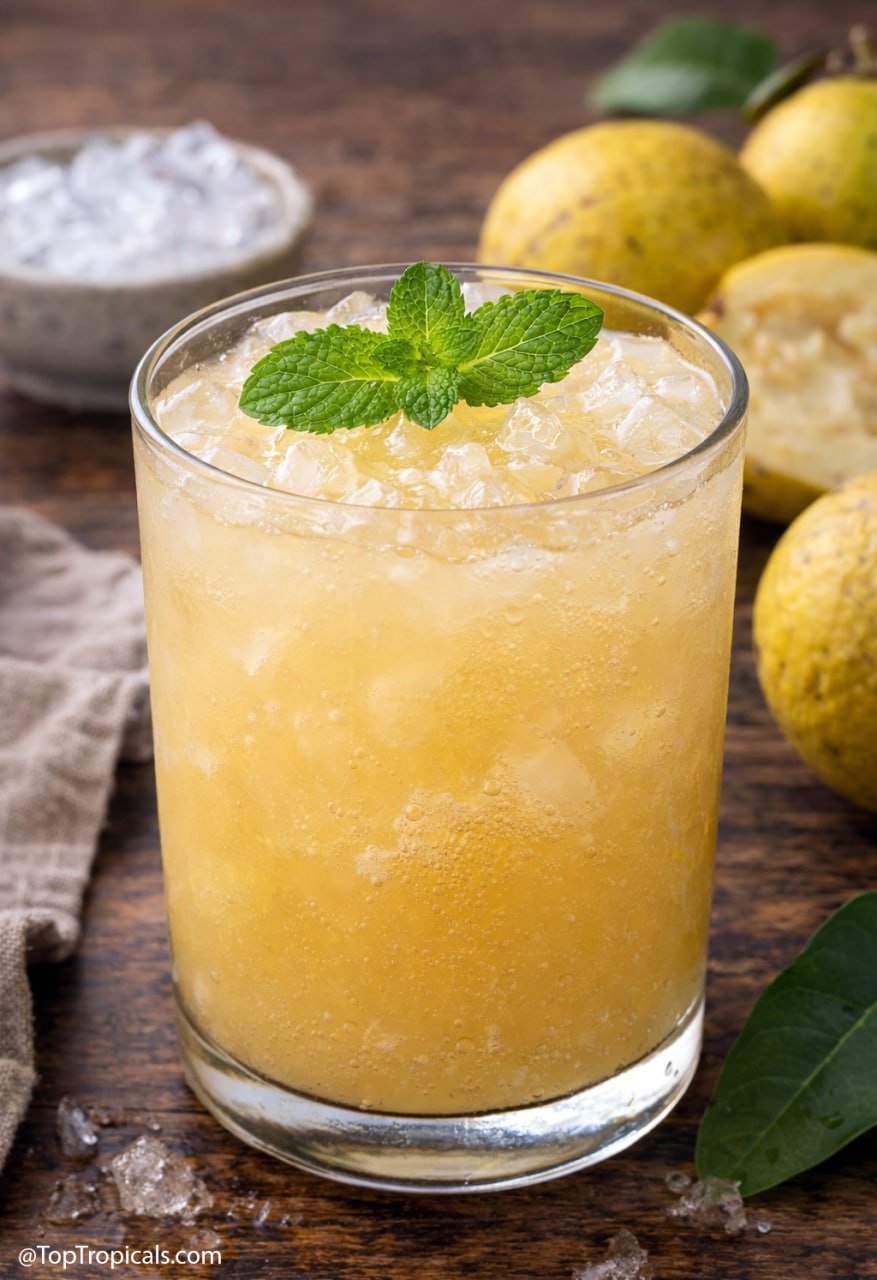
Guava Cas cloud drink

Guava Cas cloud drink

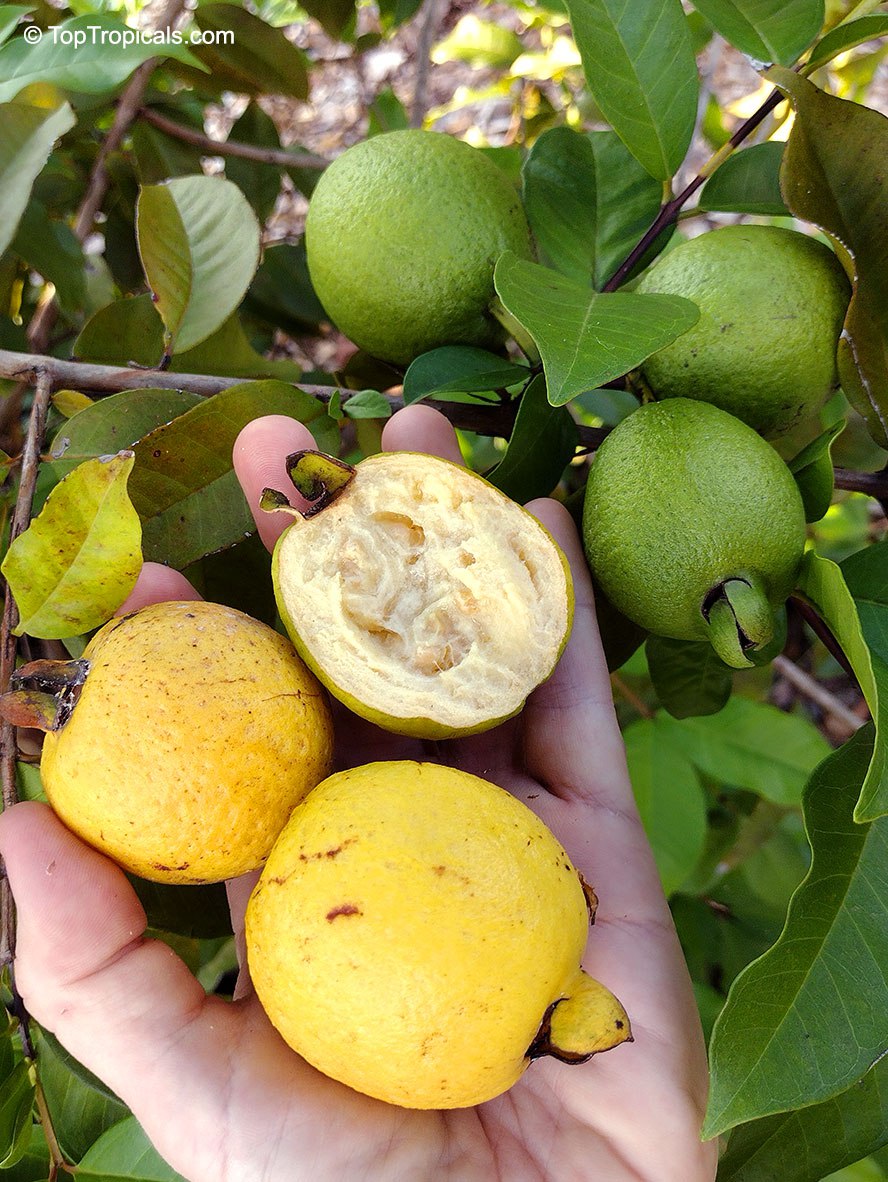
Cas guava (Psidium friedrichsthalianum)

Cas guava (Psidium friedrichsthalianum)

🍴 Guava Cas Cloud Drink (Quick and Fun Exotic Recipe)

Ingredients

  • 1 cup ripe Cas guava pulp (Psidium friedrichsthalianum)
  • 1.5 cups cold water
  • 1 tablespoon sugar (adjust to taste)
  • Ice cubes
  • Fresh mint (optional garnish)

Instructions

  1. Add Cas guava pulp, cold water, and sugar to a blender.
  2. Blend until smooth and evenly mixed.
  3. Strain the liquid to remove seeds and coarse pulp.
  4. Serve over ice for a cloudy, tangy refresher.
  5. Garnish with mint if desired.

Cas guava (Psidium friedrichsthalianum) is a Central American guava known for its bold, tangy flavor and high vitamin C content and Low sugar content. Unlike common guava, the pulp is sharp and refreshing, making it especially popular for drinks, juices, and traditional beverages.

🌱 In the garden:


Cas guava is a small, productive tree suited for warm climates. It prefers full sun, regular watering, and good drainage. The tree is adaptable, fairly fast-growing, and fruits reliably, making it a great choice for home gardens and containers.

🛒 Plant easy and productive Cas Guava

📚 Learn more:

Plant Facts

Psidium friedrichsthalianum
Costa Rica Cas Fruit, Cas Guava
USDA Zone: 9-11
Large shrub 5-10 ft tallSmall tree 10-20 ftFull sunWhite, off-white flowersEdible plantSubtropical plant. Mature plant cold hardy at least to 30s F for a short time

#Food_Forest #Recipes

🟢 Join 👉 TopTropicals