Garden Blog - Top Tropicals

Date: 19 Oct 2025

Much more than fancy flowers: discover the many faces of hibiscus

Hibiscus varieties

🌺 Much more than fancy flowers: discover the many faces of hibiscus

  • 🌺 When people think of hibiscus, they usually picture the "fancy hibiscus" - those dazzling hybrids of Hibiscus rosa-sinensis with wild color blends and exotic shapes. These varieties, often grown in pots or as showy houseplants, are famous for their tropical flair. But while they steal attention, there's far more to the hibiscus world than the exotic hybrids alone.
  • 🌺 The fancy hibiscus types can be a bit demanding: they prefer full sun but dislike extremes, need consistent feeding with liquid fertilizer and microelements, and require close watch for pests like mealybugs. Growing them in containers makes it easier to manage water, soil, and weather. With the right care, they’ll reward you with spectacular blooms, though not every variety flowers year-round.
  • 🌺 Beyond the showy hybrids lies a whole family of hibiscus species that deserve just as much admiration - if not more. These include tough, easy-growing, and even edible types that thrive in the landscape with minimal care. Many are cold-hardy, pest-resistant, and bloom for months. Some are used for teas and salads, adding both flavor and color to your kitchen.
  • 🌺 This season, several flowering standouts worth discovering include:


❓ What is your favorite Hibiscus plant?

🛒 Explore Hibiscus species and varieties

📚 Learn more:


#Hedges_with_benefits

🟢 Join 👉 TopTropicals
Date: 7 Aug 2025

Blackberry Jam Fruit - the sweetest surprise

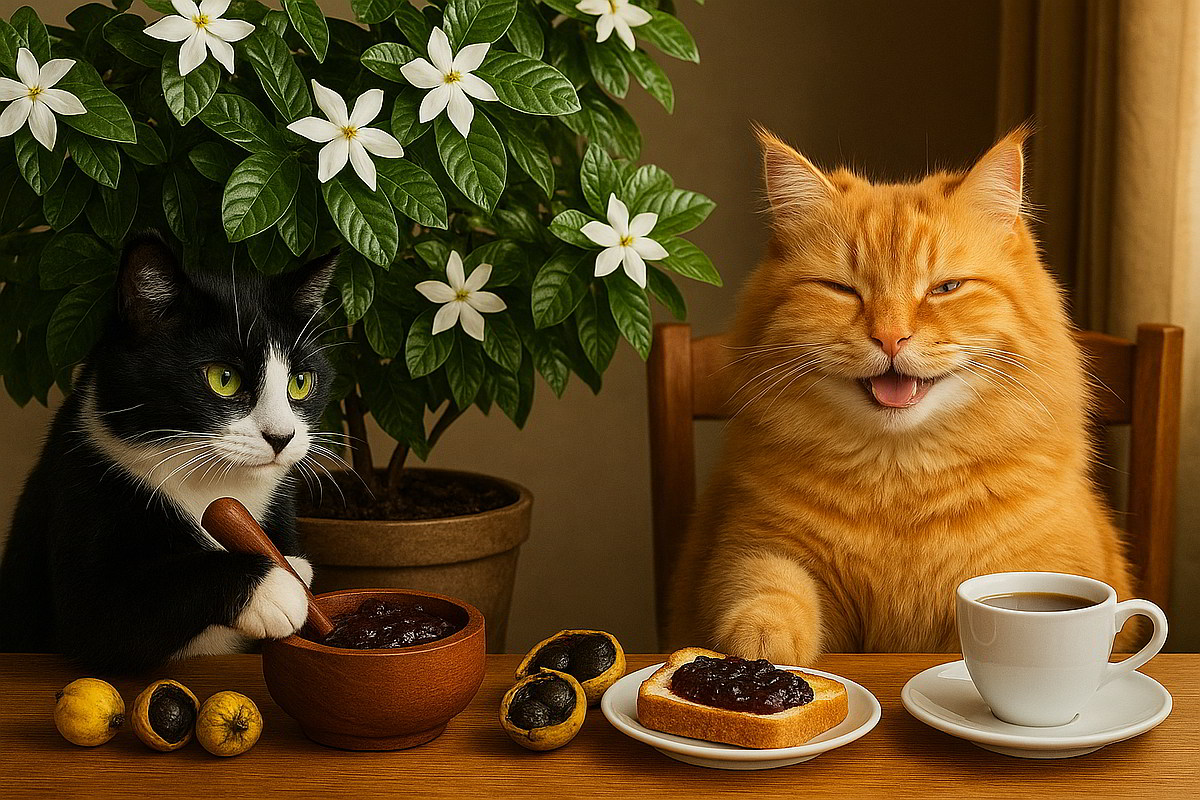
A  tuxedo  cat  making  jam  from  Blackberry  Jam  Fruit  (Randia  formosa)  while  an  orange  cat  smiles  in  a  chair,  sipping  tea  beside  a  large  flowering  Randia  plant  in  a  cozy,  sunlit  room.

Tea and Jam with the PeopleCats – A Tropical Afternoon Beneath the Randia

Meet the cats behind the jam! The tuxedo cat is none other than Google-the-cat - our beloved elder and one of the original cat-fathers of Top Tropicals PeopleCats.garden. At 18 years old, he’s still sharp, curious, and very much in charge. The orange fluffball? He represents the universal image of cat joy - and we’ve got a few real-life orange sunshine residents just like him.

Why do you include cats in a plant newsletter?

Because they’re part of the garden. Our rescued PeopleCats live among the plants, nap under the mango trees, inspect new arrivals, and occasionally steal a sunspot meant for seedlings. They’re not mascots — they’re part of our team. Sharing their presence is like showing a part of the soul of our space.🐈

Are the cat images real or AI-generated?

All our cats are real! We take lots of pictures and videos. And a few images are AI-generated illustrations inspired by our real PeopleCats.garden residents. While not literal photographs, they are creative interpretations that capture the spirit of our tropical home and its furry citizens.🐾

Are the stories about the cats true?

Mostly! The jam-making, tea-drinking, and greenhouse meetings are creative interpretations - but inspired by real personalities. We use AI scenes to bring their spirit to life. Real cats. Real plants. Imagined adventures.🐱

Watch Top Tropicals videos about PeopleCats

Shop Blackberry Jam Plants

Date: 4 Feb 2017

Groundhog Day Feb 2

On Groundhog Day Feb 2: Groundhog Punxsutawney Phil saw his shadow on Thursday morning, predicting six more weeks of winter during Groundhog Day festivities at Gobbler's Knob, a small hill just outside Phil's hometown.
According to folklore, if it is cloudy when a groundhog emerges from its burrow on this day, then the spring season will come soon; if it is sunny, the groundhog will supposedly see its shadow and retreat back into its den, and winter weather will persist for six more weeks.
Phil promised long winter, however, we should not cry in despair but starting to get ready for Spring!

Spring Check List:
- Make sure min temperatures are above 45F before you start bringing potted plants outside.
- When active new growth appears from buds, after-winter pruning can be done.
- You may start weekly fertilizing as soon as night temperatures raise above 55F.
- Start planting in the ground as soon as there are no more chances of frost, until then keep newly arrived plants in pots so they get better established.
- Low chill cold hardy fruit trees including Peaches, Nectarines, Plums, Apples, Mulberry, Loquats go in the ground first, so you can enjoy their blooms and early fruit set. Plant Pomegranates, blueberries and cranberries, raspberries and blackberries, grapes.
- Water as needed, still keeping on dry side until afternoons get hot and plants start using more water.
- Start seeds indoors. The sooner the better, to give seedlings more time to establish before planting out in the ground.

Overwintering Magnolia (Michelia)

Michelia alba Question: I have a question about Michelia alba. My Michelia alba leaves turning yellow and losing leaves. When I brought it inside for the winter, after the leaves falling off new one grow back not all of them grow back and now the new the branches start to die. I water once a week.

A: Whenever moving a plant in or out of the home it is always best to do it gradually. Moving a plant all in one day will cause stress to the plant due to environmental changes such as, new humidity levels, new light levels and new watering requirements. Michelias usually loose their leaves once in the spring and once before winter but grow them back right away. Now that your plant is inside with less humidity, light and leaves, you only need to water once the soil as almost dried out. You will need to stick your finger in the soil to see if it is still wet as the top layer dries before the under layer. If the branches are starting to die at the tips this usually means too much water. Move the plant to a bright light window, decrease water and you may want to also use a humidifier.

Date: 4 Oct 2024

How big is the Little Gem?

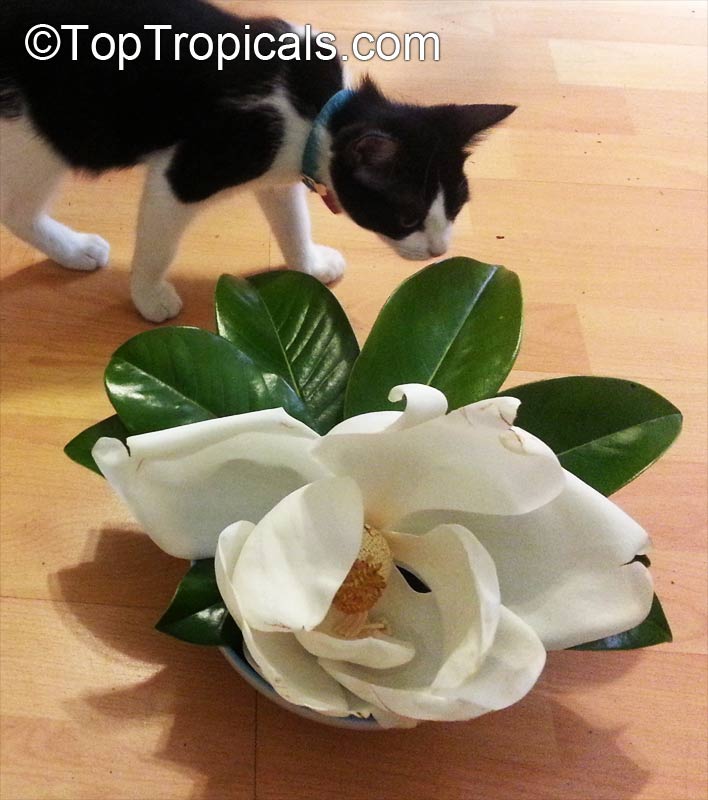
Little Gem Magnolia - Magnolia grandiflora - Southern Magnolia

Little Gem Magnolia - Magnolia grandiflora - Southern Magnolia

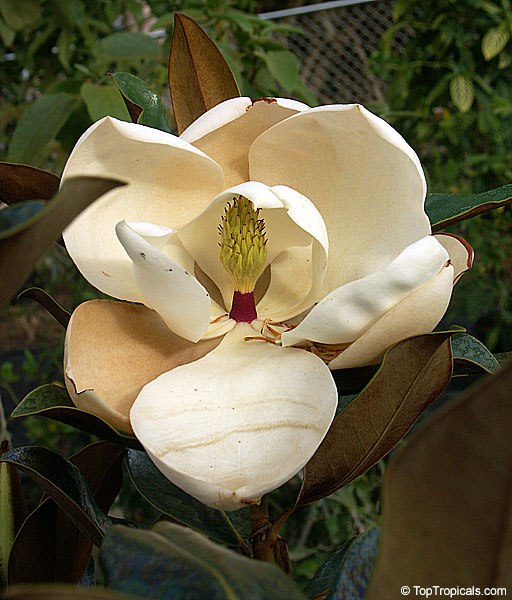
Little Gem Magnolia - Magnolia grandiflora - Southern Magnolia, flower

Little Gem Magnolia - Magnolia grandiflora - Southern Magnolia, flower

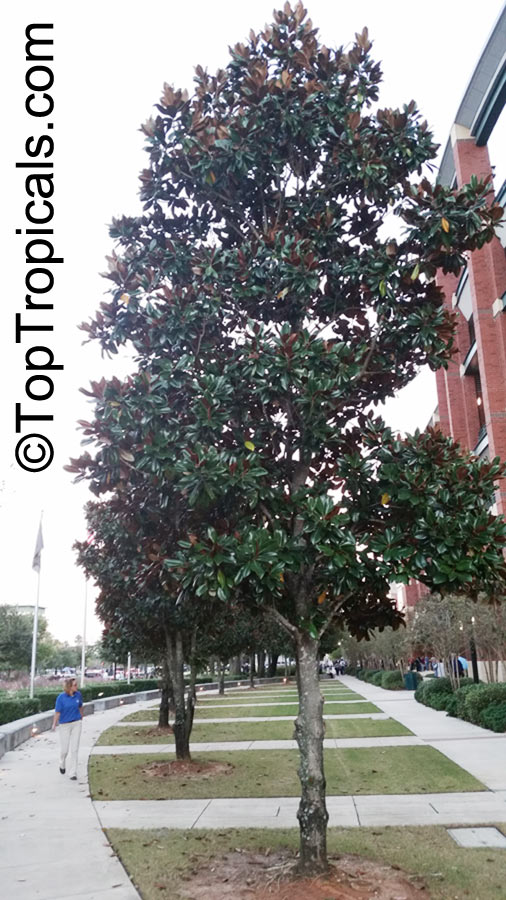
Little Gem Magnolia - Magnolia grandiflora - Southern Magnolia, tree

Little Gem Magnolia - Magnolia grandiflora - Southern Magnolia, tree

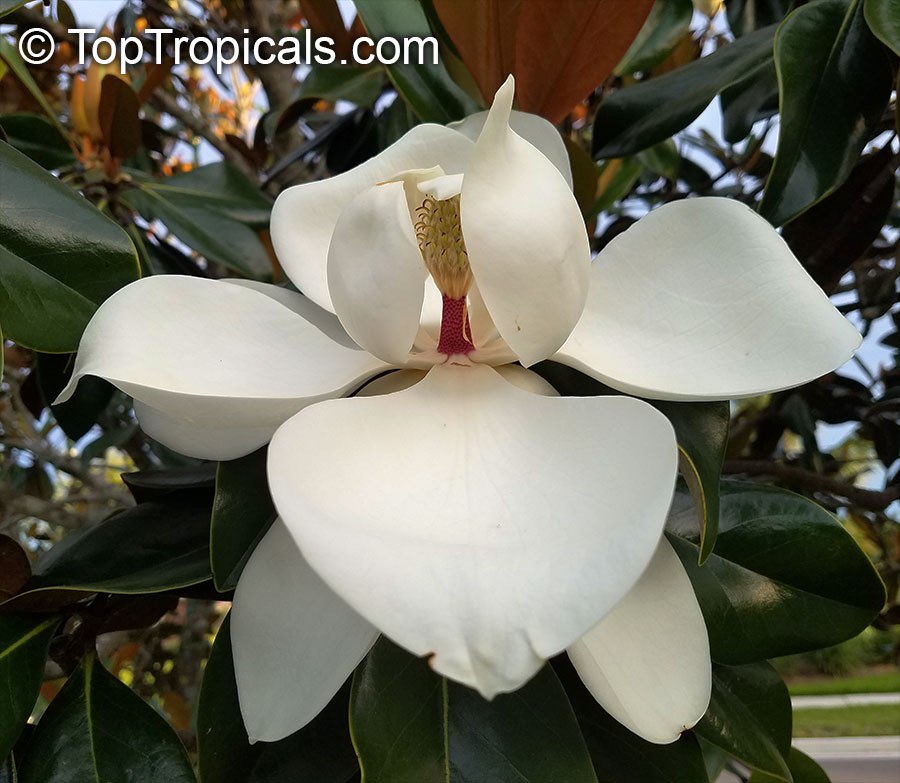
Little Gem Magnolia - Magnolia grandiflora - Southern Magnolia, flower

Little Gem Magnolia - Magnolia grandiflora - Southern Magnolia, flower

💎 How big is the Little Gem?

  • 🕊 Looking for a cold-hardy tree with majestic flowers and a scent that could make angels swoon? Meet the Little Gem Magnolia! This delightful dwarf variety of the Magnolia grandiflora - Southern Magnolia - packs all the charm without the towering height.
  • 🕊 With large, perfect white flowers that emit a divine fragrance, this beautiful columnar tree is like nature's perfume dispenser.
  • 🕊 The leaves? They’re fluffy and brown underneath, like a teddy bear wearing a velvet jacket!
  • 🕊 Though it’s called a "dwarf," don’t be fooled - Little Gem can still reach up to 8-10 feet wide if planted in the ground, offering plenty of blooms even when young.
  • 🕊 While it's slow-growing, this compact beauty is perfect for small gardens where space is precious. Ideal perfume tree for container garden.
  • 🕊 Whether it's in a container or part of your landscape, this magnolia is a total showstopper. If you're ready for a tree that blends elegance, fragrance, and manageable size, Little Gem is your new best friend!


📚 Learn more:


🛒 Order Little Gem Magnolia

#Perfume_Plants #Trees

🔴 Join 👉 TopTropicals

Date: 13 Sep 2025

Ground Orchid FAQ – Your Questions Answered
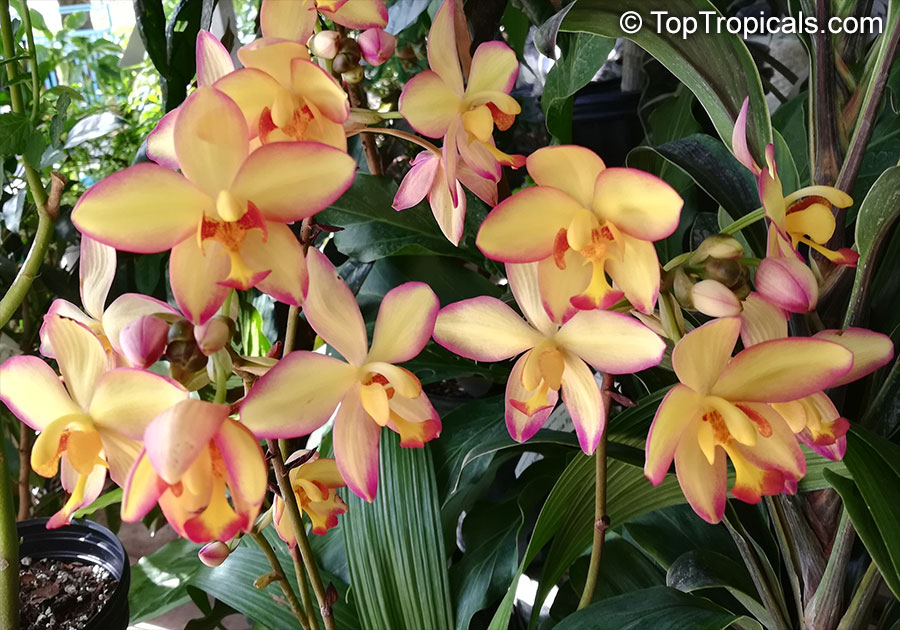
Spathoglottis  ground  orchid  growing  in  the  ground

Why should I buy them?

Because they give you more bloom for less effort. They flower on and off almost all year, they’re tough, and they come in colors you can actually plan a garden around.

Will they survive winter in my area?

In frost-free zones, yes, they come back bigger every year. If you’re farther north, just keep them in pots and bring them inside for the cold months.

Do they really bloom in shade?

They do. We’ve got a clump under a big oak and it still puts on a show. Not as heavy as full sun, but enough to brighten the spot.

How big do they get?

Depends which one. Spathoglottis stays neat, about knee-high. Nun Orchid shoots up tall spikes that can hit 4 ft. So you can go small or dramatic.

Are they hard to care for like other orchids?

Not at all. Forget the bark mix and misting bottles. Just plant them in soil, keep the water steady, and feed once in a while. That’s it.

Can I grow them in pots?

Absolutely. They do great in containers. Makes it easy if you’ve only got a patio or you want to move them in for winter. Use well-drained soilless mix like Abundance Potting Mix.

Do they attract pollinators?

Yep. Bees love them, butterflies too, and every so often a hummingbird will check them out.

What is the best fertilizer?

For extra blooms, we use Sunshine Orchidasm – Orchid TotalFeed Booster. Works like a charm!

Shop ground orchids