Garden Blog - Top Tropicals

Date: 1 Aug 2023

Yuca root, Cassava, Manihot, Tapioca...
Food and Beauty

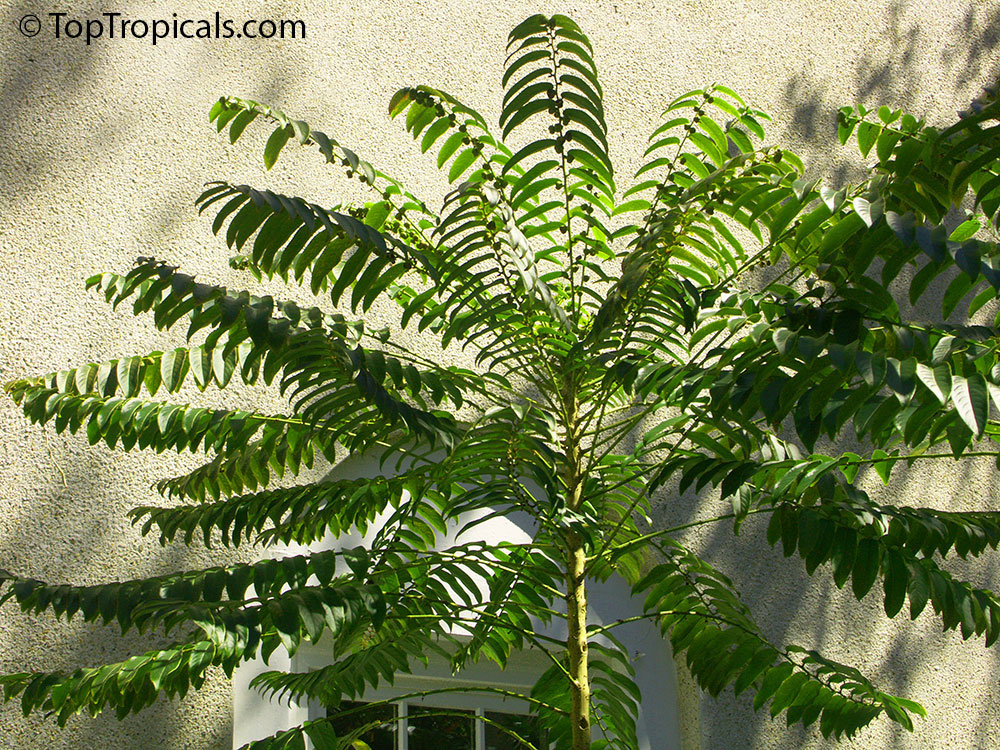
Manihot  esculenta,  Yuca  Root

Q: Can you recommend a pretty plant for my edible garden? Something that is not only useful but also very ornamental.

A: Introducing the fabulous and flamboyant star of the garden - Manihot esculenta, better known as the Yuca Root! This tropical root vegetable plant is the epitome of botanical fashion, showing off its cheerful and showy foliage like it's walking the runway of a tropical paradise...

The most stunning variety is Variegated Yuca root. You won't find this rare and remarkable variety of Yuca root just anywhere! It's like the unicorn of the edible plant world, combining practicality with pure visual delight. Not only can you feast on its starchy goodness, but you can also proudly display it as a stunning ornamental piece in your garden.

This tropical root vegetable knows how to put on a show, making its home as a shrub in subtropical zones across Asia, Africa, the Caribbean, and South America. Its roots and leaves are the real stars of the show, packed with all that starchy goodness. But hold on, there's a little twist to this drama! The root contains low levels of protein, while the green leaves are practically gym buffs with high protein levels.

Now, we must address the elephant in the botanical room - the mistaken identity crisis. Some folks confuse our lovely Yuca Root with Yucca, but let's clear things up: Yucca is a no-go in the culinary world. It's a non-edible plant from the Agave family, and you definitely don't want to cook that up for dinner!

So there you have it, folks! The Yuca Root, a true superstar of both the kitchen and the garden. Delicious, eye-catching, and ready to add a dash of tropical charm to your life. Get one for yourself, and let the good times yuca-roll!

Manihot  esculenta,  Yuca  Root,  tree

Date: 2 Jul 2023

Three colors of flowers
for 4th of July

Blue,  Red  and  White  flowers  for  4th  of  July

Q: Our anniversary is on the 4th of July. Do you have anything that might be a good gift? Maybe something flowering that has red, white and blue flowers... I know that is a lot to ask but maybe you have an idea?

A: We appreciate your intriguing question and extend our heartfelt congratulations on your approaching anniversary. Numerous tropical plants lend themselves beautifully to a captivating blend of red, blue, and white hues. Here are our top recommendations for the most delightful combination:

White: Jasmine sambac fragrant bush (var. Arabian Nights is our favorite, it's a free-bloomer and easy to grow)

Blue: Clitoria Vine, it is fast growing controllable vine, everbloomer. There is also a White variety of Clitoria, you can plant them together!

Red: Gloxinia, a smaller perennial that perfectly fits into this combination of three.

More flowers for white-blue-red colors:

White: Gardenias, Jasmines, Almond Bush, Brunfelsia, Clerodendrum Bridal Veil, fragrant Cashmere Bouquet, White Brazilian Plume Flower, Montanoa - Tree Chrysanthemum

Blue: Blue Sage Lead Flower, Blue Butterfly Clerodendrum, Weeping Blue Ginger, Duranta, Thunbergia erecta - Kings Mantle, and its white variety Alba, Blue Sky vine

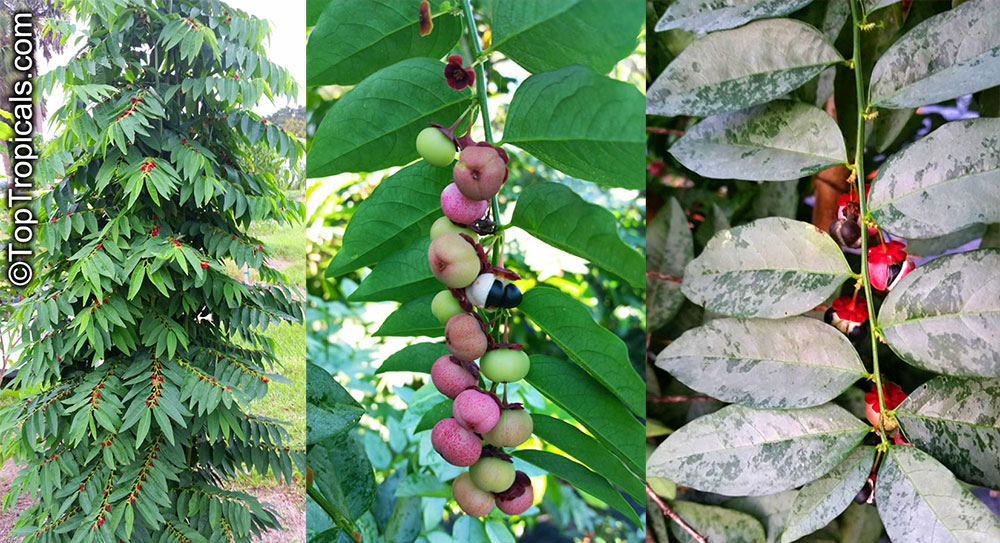
Red: Cat Tail Acalypha, Dwarf Poinciana, Red Bottlebrush, Pavonia multiflora - Brazilian Candles (it's actually red-and-blue), Red Button Ginger - French Kiss, Brazilian plume, Firespike , Scarlet Flame Passion Flower, Quisqualis (has white and red flowers on the same plant).

Quisqualis  Indica  -  Rangoon  Creeper

Quisqualis Indica

Date: 5 Mar 2023

How to move plants from indoors to outdoors

Cat  with  indoor  plant  hiding  behind  curtain

Q: When moving my tropical plant collection outside in the garden, what do I need to know to get them adjusted to this change?

A: As a tropical plant gardener, it's important to assess the temperatures outside before moving your plants outdoors. Most tropical plants thrive in sustained temperatures above 60F.
Moving your plants outside during the summer creates optimal growing conditions for sun-loving plants, providing them with more light and warmth than they can ever get inside. This active time of growth, along with the outdoor conditions of humidity, heat, sunlight, and natural day length, gives the plant a chance to experience growth in an outdoor environment, making for a much stronger plant.
However, be aware of sun burn. Direct sunlight can burn patches of white or brown on the surface of the tender leaves, so it's best to move your plants outside by hardening them off first. Gradually increase the amount of direct sunlight they receive over several days before moving them into full sun.
It's also a good time to prune your plants and repot them if needed, providing better aeration to the root system. But avoid root pruning as it can make your plant susceptible to disease and shock.
Overall, moving your tropical plants outside encourages their natural bloom cycle and provides extra vigor for the upcoming indoor season. However, be aware that you may have to deal with insects when you bring your plants back inside in the fall, so use preventive sprays like Sunshine NoBug before bringing them back inside. Leaf drop is also common when plants come back inside, so make sure to provide a well-lit location.
When moving plants outside, it's important to provide them with proper nutrients through fertilization. Outdoor conditions can deplete the soil of essential nutrients, so giving your plants a boost of fertilizer before moving them outside can help them acclimate to their new environment. Apply Sunshine Boosters with every watering, include micro-elements and bio stimulants to boost their immune system.

Sunshine  Robusta  Booster  with  lush  foliage  indoor  plant

Date: 1 Feb 2023

10 secrets of growing a perfect Mango tree

Grow Your Own Food

Mango  fruit  with  fertilizer  Mango  Tango  Sunshine  Boosters

How to grow a healthy and productive mango tree?

1. Right variety. Select a vigorous grower for in-ground planting, or a condo mango cultivar for growing in container. More info on varieties.
2. Soil must be well-drained. If planted in the ground, plant on a little elevation (see How to plant a tree)
3. Full sun is a must. The more sun, the more flower and fruit.
4. Water. Keep mango tree on a dry side, water young trees regularly but let top of the soil dry before next watering. Mango trees don't like wet feet.
5. Air circulation is important for mango tree to eliminate diseases. Allow enough space from other trees and buildings.
6. Fungicide. Mango leaves are very susceptible do fungal issues, especially in humid climates likу Florida. Spray fungicide (Copper or similar) according to the label, once a month.
7. Fertilize year around with every watering with liquid fertilizer Sunshine Boosters Mango Tango. Apply Micro-elements once a month and use other good supplements.
8. Shape. Check out Video: - to shape the most vigorous and productive tree.
9. Protect from hard freeze. Mango tree doesn't take freezing temperatures well. In subtropical areas Mango can be protected. Alternatively, it can successfully produce in container, if moved indoors during cold weather.
10. Fruit. Mango tree produces thousands of little flowers, many of them can set fruit. Do not let a small, young tree to keep more than 1-2 fruit, remove extra, to avoid exhaustion. Allow 2-3 years for the tree to establish until it produces a full crop. Apply Sunshine Honey supplement to your tree for sweeter fruit.

Perfectly  shaped  mango  tree

Tipping  mango  tree  video

Date: 28 Dec 2022

The food of the Gods:
A legend of the Guanabana

Guanabana  fruit

Grow Your Own Food

Guanabana, also known as Soursop, is a tropical fruit native to Central and South America. It is known for its sweet, juicy flesh and has a variety of medicinal properties.

According to legend, Guanabana was once a rare and coveted fruit that only grew in the highest reaches of the Andes Mountains. It was said to have mystical powers and was believed to be the food of the Gods. Those who ate the fruit were said to be blessed with good health and long life.

One day, a young shepherd boy came across a guanabana tree growing in a remote valley. He plucked a fruit from the tree and tasted it, finding it to be the most delicious thing he had ever eaten. The boy returned to his village and told everyone about the magical fruit he had discovered. Soon, word of the Guanabana spread far and wide, and people came from all over to try the fruit for themselves.

Painting  of  a  shepherd  in  a  valley  holding  guanabana  fruit

As the demand for Guanabana grew, the fruit began to be cultivated and grown in other parts of the world. Today, it is enjoyed by people all over the world and is known for its unique flavor and health benefits.

Download Article from Tropical Treasures Magazine: How to grow Guanabana indoors. Hand-pollinating and fruiting.

Guanabana  fruit  on  a  tree  by  a  hand