Garden Blog - Top Tropicals

Date: 19 Apr 2026

Complete Adenium Care Guide: 9 tips how to keep it simple and thriving
Complete Adenium Care Guide: 9 tips how to keep it simple and thriving

🌸 Complete Adenium Care Guide: 9 tips how to keep it simple and thriving


Adeniums don’t need intense care - just the right balance.
Most problems come from too much water, not enough light, or the wrong soil.
  • 🌸 1. Soil is everything


    Why it matters
    Adeniums are succulents with thick roots and a caudex that stores water. They must never sit in wet, heavy soil.
    Most problems come from soil that stays wet too long - leading to root rot, soft caudex, weak growth, and poor flowering.
    Good soil builds strong roots, dries faster, supports a healthy caudex, and improves blooming.

    Ideal soil formula
    Use a very fast-draining, airy mix with perlite, bark, sand, coconut fiber. Avoid heavy peat-based mixes.
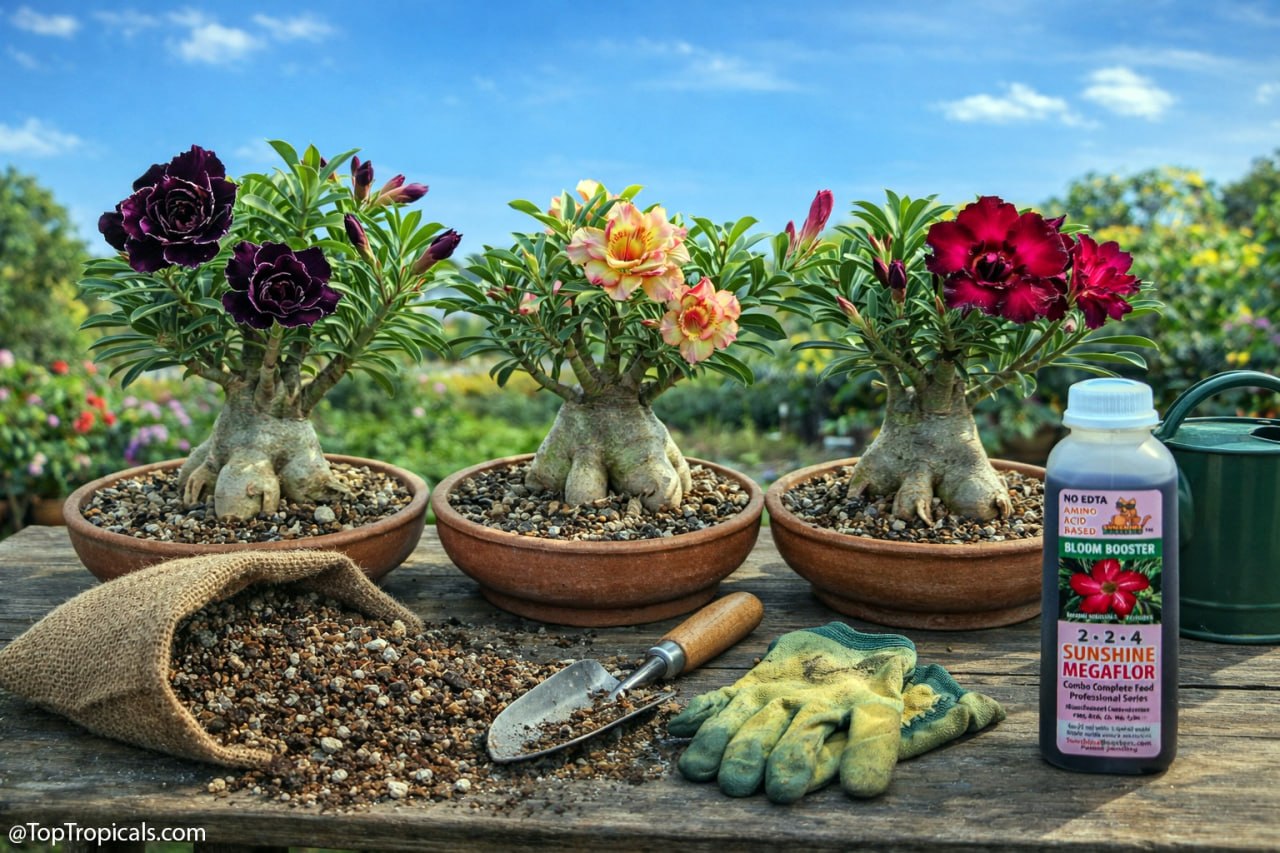
    A simple formula: TopTropicals Abundance potting mix + coarse sand (50/50). Use coarse sand (for construction), not fine beach sand. Sand improves drainage, structure, and aeration.
    You can also add lava rock and charcoal.

    Soil pH
    Adeniums prefer slightly alkaline soil. Too much peat (acidic) holds moisture and increases rot risk.
    Tip: add a few sea shells on top - watering slowly raises pH.

    Golden rule
    Better too fast-draining than too heavy.
    You can water more. You can’t fix rot.
  • 🌸 2. Containers


    Use shallow, unglazed clay pots. They dry faster, improve airflow, and stabilize the plant as the caudex gets heavy.
    Do not oversize - keep close to root ball.
    When repotting, raise the caudex slightly each time to develop that thick base.
  • 🌸 3. Light


    Give as much light as possible.
    Full sun is best, but in very hot climates, bright filtered light prevents leaf burn and helps flowers last longer.
    Too little light = weak growth and poor blooming.
  • 🌸 4. Watering


    Water deeply, then let soil dry out completely before watering again.
    Do not keep soil constantly wet. Adeniums prefer the dry side and hate sitting in moisture.
    In rainy climates, protect from excess water. Keep under cover - bright light, no constant soaking.
  • 🌸 5. Fertilizer


    Feed lightly and regularly during active growth.
    Use liquid fertilizer Sunshine Megafloк Bloom Booster on soil and lightly on leaves - avoid the caudex.
    Bloom boosters (high phosphorus) support flowers and caudex growth.
    Add controlled-release fertilizer (Green Magic) twice a year - spring and late summer. Do not fertilize during winter dormancy.
    Add microelements (iron, boron, molybdenum) - Sunshine Superfood supplement - for healthier leaves and longer blooms.
  • 🌸 6. Trimming (pruning)


    Trim after flowering, especially leggy branches.
    Pruning encourages branching - more branches = more flowers.
    Don’t be afraid to cut - it improves structure and blooming.
  • 🌸 7. Caudex development (secret trick)


    When repotting, raise the caudex slightly above soil level.
    Combined with regular feeding (bloom booster), this helps develop a thicker, more pronounced base.
  • 🌸 8. Seedlings vs grafted plants


    Seed-grown plants form a natural caudex but take 2-3 years to bloom and do not come true to type (often simple pink).
    Grafted plants combine a developed caudex with a known variety.
    Best choice for predictable, high-quality blooms.
  • 🌸 9. Troubleshooting


    If something goes wrong, check these first:

· Too much water
  • · Not enough light
  • · Soil too heavy
Fix these, and your plant will recover.

🛒 Explore Exotic Thai Adeniums

📚 Learn more:

Plant Facts

Adenium sp.
Adenium, Desert Rose, Impala Lily
USDA Zone: 9-11
Plant with caudexLarge shrub 5-10 ft tallSmall tree 10-20 ftFull sunDry conditionsModerate waterYellow, orange flowersRed, crimson, vinous flowersUnusual colorBlue, lavender, purple flowersWhite, off-white flowersPink flowersToxic or Poisonous

#Container_Garden #Adeniums #How_to #Discover

🟢 Join 👉 TopTropicals

Date: 18 Apr 2026

Surinam cherry skillet glaze: quick-n-fun exotic recipes

Surinam cherry skillet glaze: quick-n-fun exotic recipes Surinam cherry skillet glaze: quick-n-fun exotic recipes

🍴 Surinam cherry skillet glaze: quick-n-fun exotic recipes


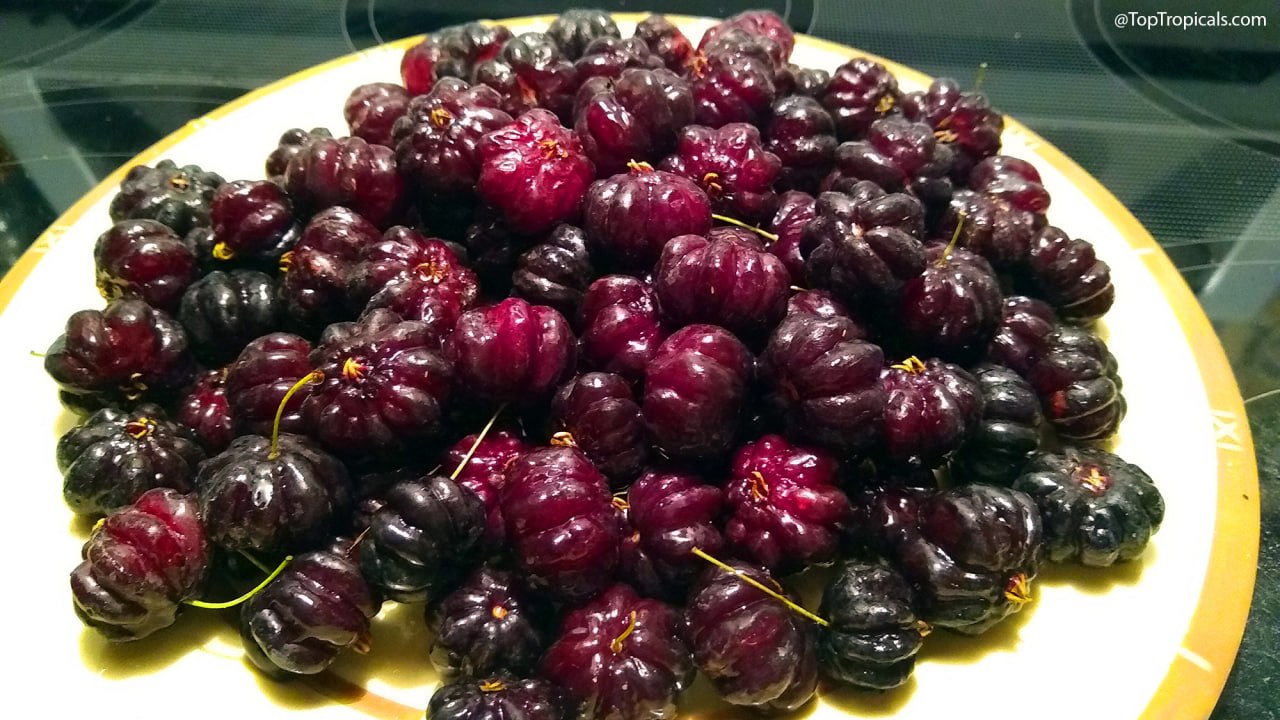
  • 🔴Halve ripe Surinam cherries, take the seed out
  • 🔴Cook in a pan with honey and a squeeze of orange. Simmer until syrupy.
  • 🔴Pour over grilled chicken or roasted vegetables.


🌿 About the plant:


Surinam cherry produces bright ribbed fruit that range from sweet to tangy depending on variety and ripeness.

🏡 In the garden:


A tough, adaptable shrub that can be trimmed as a hedge. Fruits multiple times a year in warm climates.

🛒 Plant Surinam Cherry in your garden

📚 Learn more:

Plant Facts

Eugenia uniflora, Eugenia michelii
Surinam Cherry, Pitanga, Brazilian Cherry
USDA Zone: 9-11
Plant used for bonsaiLarge shrub 5-10 ft tallSmall tree 10-20 ftSemi-shadeFull sunModerate waterRegular waterWhite, off-white flowersEdible plantFragrant plantSubtropical plant. Mature plant cold hardy at least to 30s F for a short time

#Food_Forest #Recipes

🟢 Join 👉 TopTropicals

Date: 18 Apr 2026

The Secret to a Sharper Mind Might Be Growing in Your Backyard

The Secret to a Sharper Mind Might Be Growing in Your Backyard

The Secret to a Sharper Mind Might Be Growing in Your Backyard


Your garden shed might hold a more powerful tool for brain health than your medicine cabinet. What if the best defense against cognitive decline isn’t found in a pill bottle - but right outside your door? While we often think of gardening as just a hobby, new research suggests that the combination of physical "zone-pushing" and harvesting your own nutrient-dense tropical fruit could be a literal life-saver for your brain.

  • 🍒 What the Research Actually Says


A massive study recently published in the journal Neurology followed more than 92,000 people to see how diet impacts the mind. The findings were clear: the quality of the plant-based foods you eat plays a massive role in your risk of dementia. It isn't just about "eating your veggies" - it's about which ones you choose.
(The full study: Plant-Based Dietary Patterns and Risk of Alzheimer Disease and Related Dementias in the Multiethnic Cohort Study)

  • 🍒 Why Growing Your Own Fruit Changes the Game


If you grow your own fruit, you quietly solve two problems at once. It turns a "diet plan" into a natural part of your day.

1. Effortless Nutrition
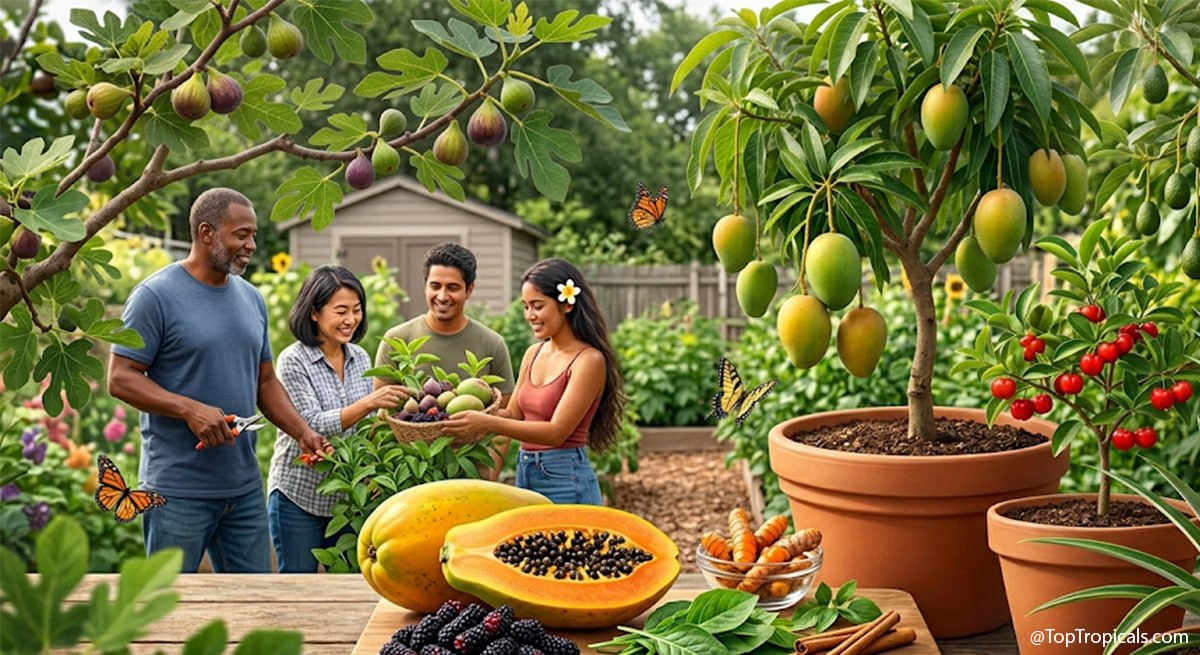
When a ripe mango, a handful of mulberries, or a fresh guava is hanging within arm's reach, you eat it. It replaces processed, sugary snacks without any "willpower" required. You are naturally moving toward the high-quality, whole-food diet the research supports.

2. Functional Fitness
Gardening doesn't feel like a workout, but it is. Bending, pruning, carrying pots, and digging are all forms of functional movement. It’s steady, useful physical activity that supports your heart and brain while you’re focused on your plants.

3. The "Outdoor" Effect
Sunlight and fresh air are natural mood boosters. The mental focus required to manage tropical plants - especially when you’re protecting them from a surprise freeze - provides a level of mental engagement and stress relief that you just can't get from a treadmill.

  • 🍒 What to plant if you are just starting


You don’t need a massive orchard to start investing in your brain health. One or two plants can shift your habits immediately.

For Fast Results: Papaya and Mulberries produce fruit quickly and are incredibly easy to manage. Turmeric (curcuma), leafy greens (Longevity spinach, Katuk) and Cinnamon proved instant harvest.
For Small Spaces: Dwarf Mango varieties and Cherries (Eugenias or Acerola), Pineapples thrive in containers and provide massive doses of antioxidants.
For the "Zone Pusher": Figs and cold-hardy Avocados offer healthy fats and fiber that are essential for long-term health.

  • 🍒 Start Small, Start Now


The research makes one thing clear: improving your food quality matters, and you can see results no matter your age. Planting a fruit tree changes what you eat, how you move, and how often you step outside.
That’s more than just gardening - that’s a lifestyle shift your brain will thank you for.

🍒 FAQ


Does fruit really support brain health?
Yes. Diets rich in whole, high-quality plant foods are linked to a lower risk of dementia, especially when they replace processed snacks and added sugars.

Is gardening enough to count as exercise?
Absolutely. Regular gardening provides steady, functional movement that improves circulation and supports overall physical health.

Is it too late for me to start?
No. The study showed that even participants who improved their diet quality in their 60s and 70s saw a measurable reduction in dementia risk.

🛒 Start your tropical fruit journey

Guava · Mango · Mulberry · Papaya · Pineapple · Avocado · Cherries · Figs

📚 Learn more:


#Food_Forest #Remedies #Discover

🟢 Join 👉 TopTropicals

Date: 17 Apr 2026

Contact confirmed at 6:07 am

Contact confirmed at 6:07 am
👽 Contact confirmed at 6:07 am 😎

No one noticed when Pelmen arrived from Planet Nibiru.
He blended in well - quiet, observant, classic undercover.
But every mission has a weak moment.
At exactly 6:07 in the morning, while conducting what appeared to be a routine sleep next to human operation, Pelmen’s true form slipped.
The paw extended. Long. Alien. Unmistakable.
Direct contact established.
The human remained asleep, unaware that critical data was being transmitted - thoughts, dreams, possibly snack preferences.
Pelmen held position. Calm. Focused. Professional.
Mission status: ongoing.

🐈📸 Cat Pelmen - a friend of TopTropicals PeopleCats.Garden.

#PeopleCats

🟢 Join 👉 TopTropicals

Date: 16 Apr 2026

5 striking variegated plumerias you cant ignore

5 striking variegated plumerias you cant ignore 5 striking variegated plumerias you cant ignore 5 striking variegated plumerias you cant ignore 5 striking variegated plumerias you cant ignore 5 striking variegated plumerias you cant ignore
5 striking variegated plumerias you can’t ignore. Soil tip 🌈

Variegated plumerias are a whole different level - not just flowers, but foliage that steals the show even when the plant is not in bloom. This batch feels rare, collectible, and a little addictive… once you see them, it’s hard to stop at just one.

🌸 Today's featured plumerias


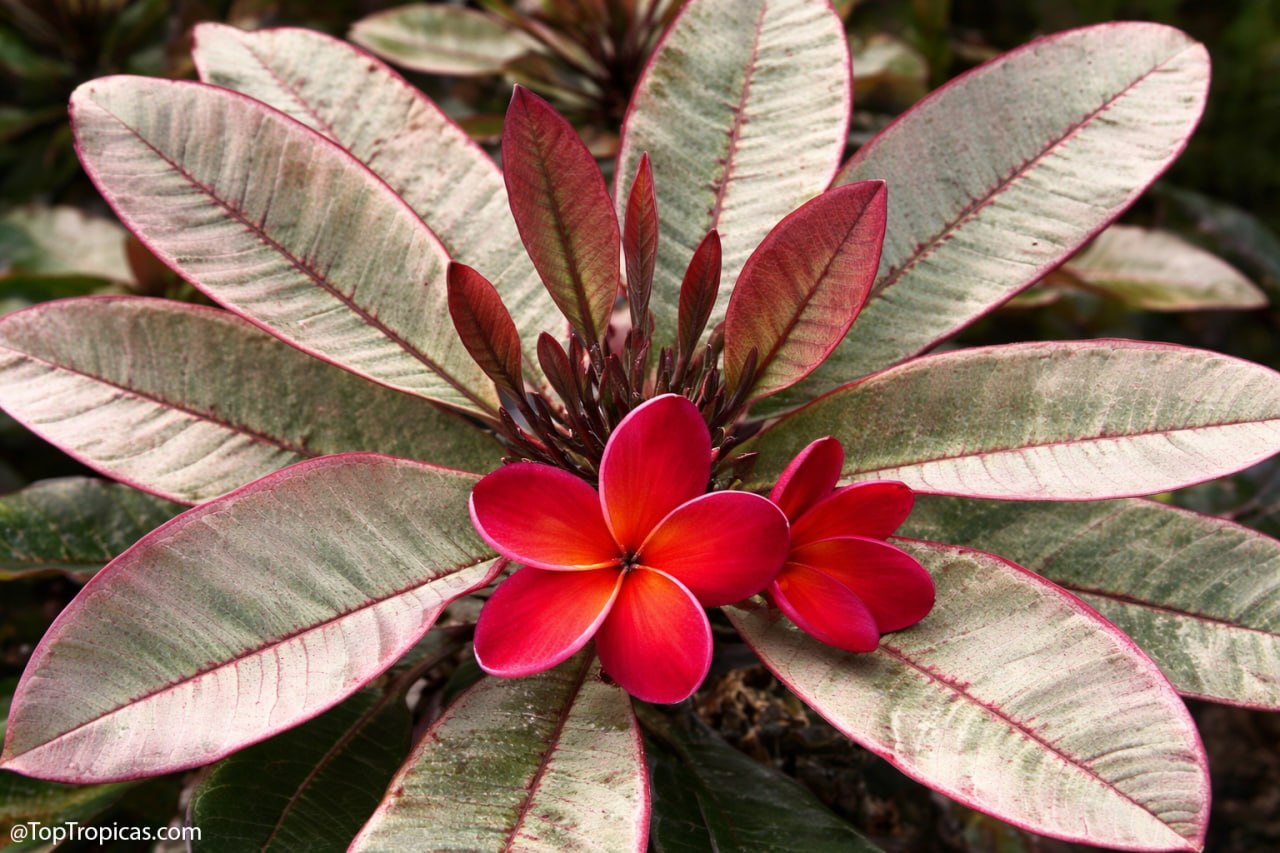
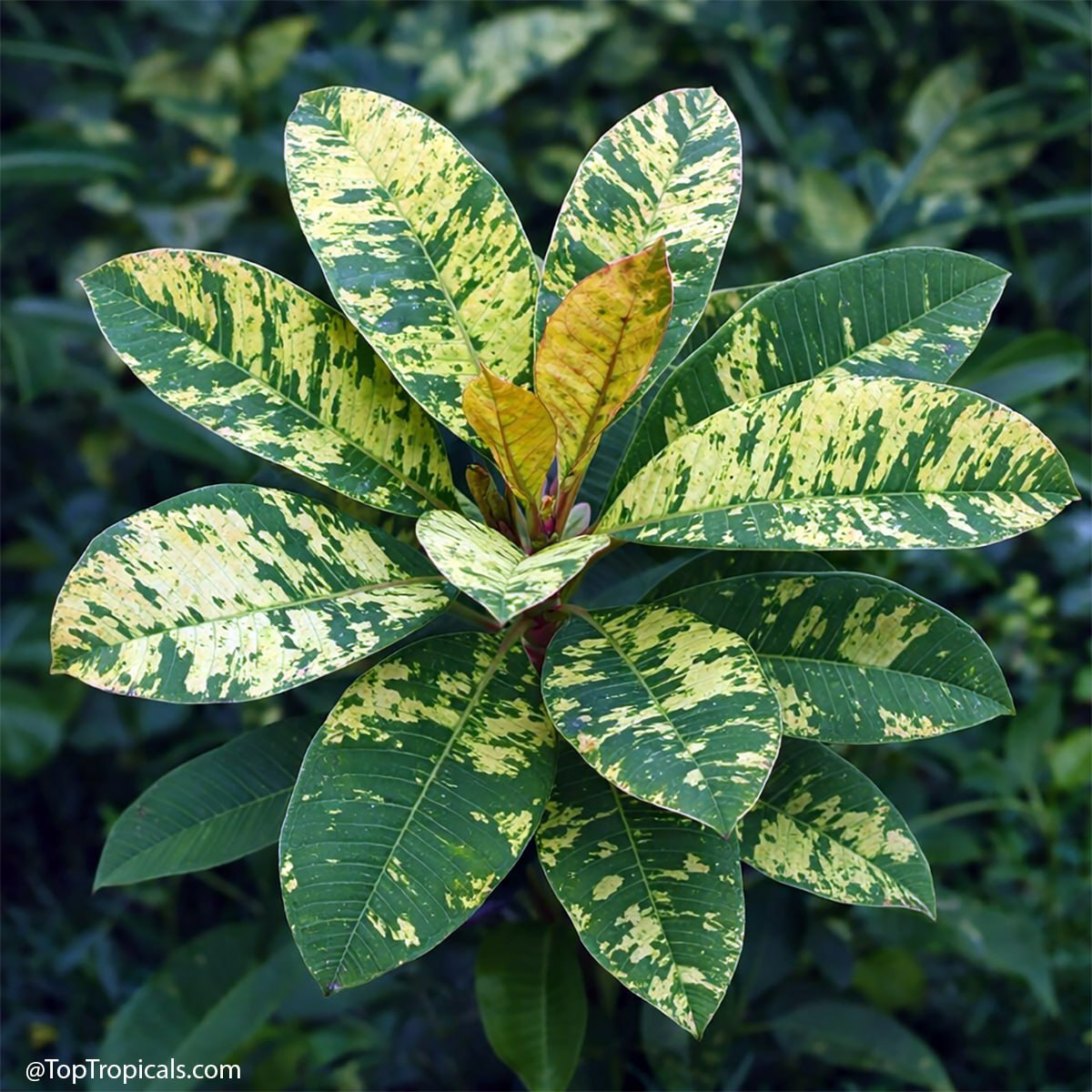
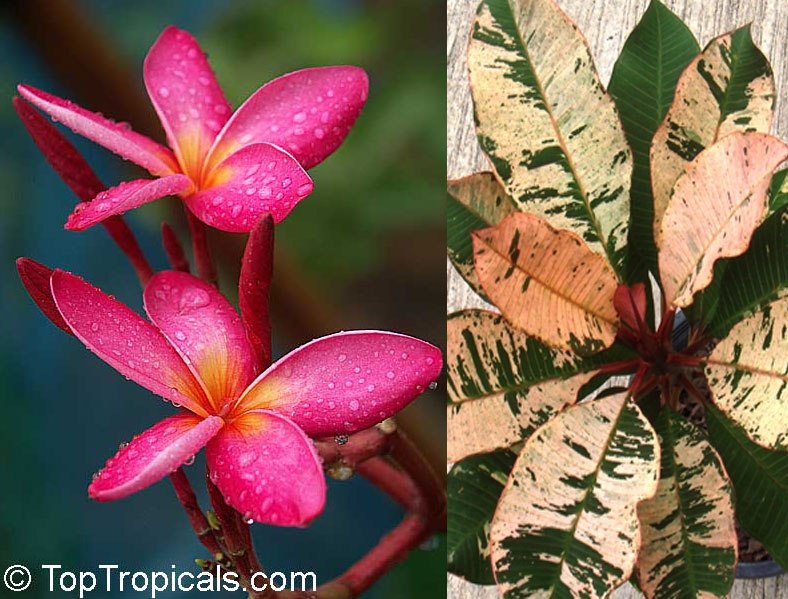
  •  ✦ Plumeria Pink Border Leaf Variegated - silver-green leaves with dark pink veins and a distinct pink edge, often deepening in new growth. Bright red flowers add strong contrast.

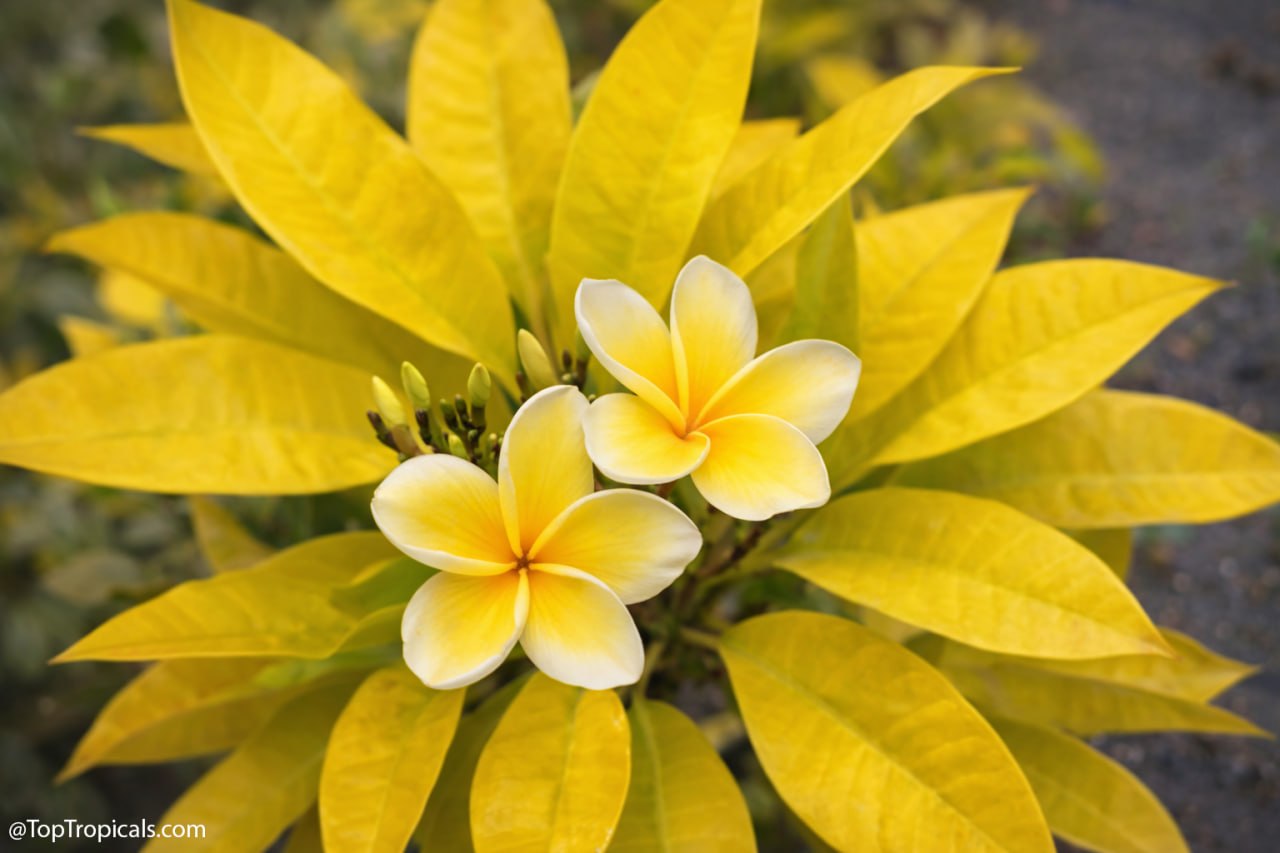
  •  ✦ Plumeria Golden Leaf - grown as much for its glowing golden foliage as for its soft yellow flowers with creamy edges. One of those varieties that stands out even without blooms.

  •  ✦ Plumeria Anyamanee Yellow Variegated - bright yellow flowers paired with dark green leaves streaked in yellow, creating a bold, high-contrast look. The Thai name means rare jewel, and it fits perfectly.

  •  ✦ Plumeria Maya Red Variegated - rich red-pink flowers with variegated leaves touched by reddish tones, giving the whole plant a warm, layered look. Fragrant and very eye-catching.

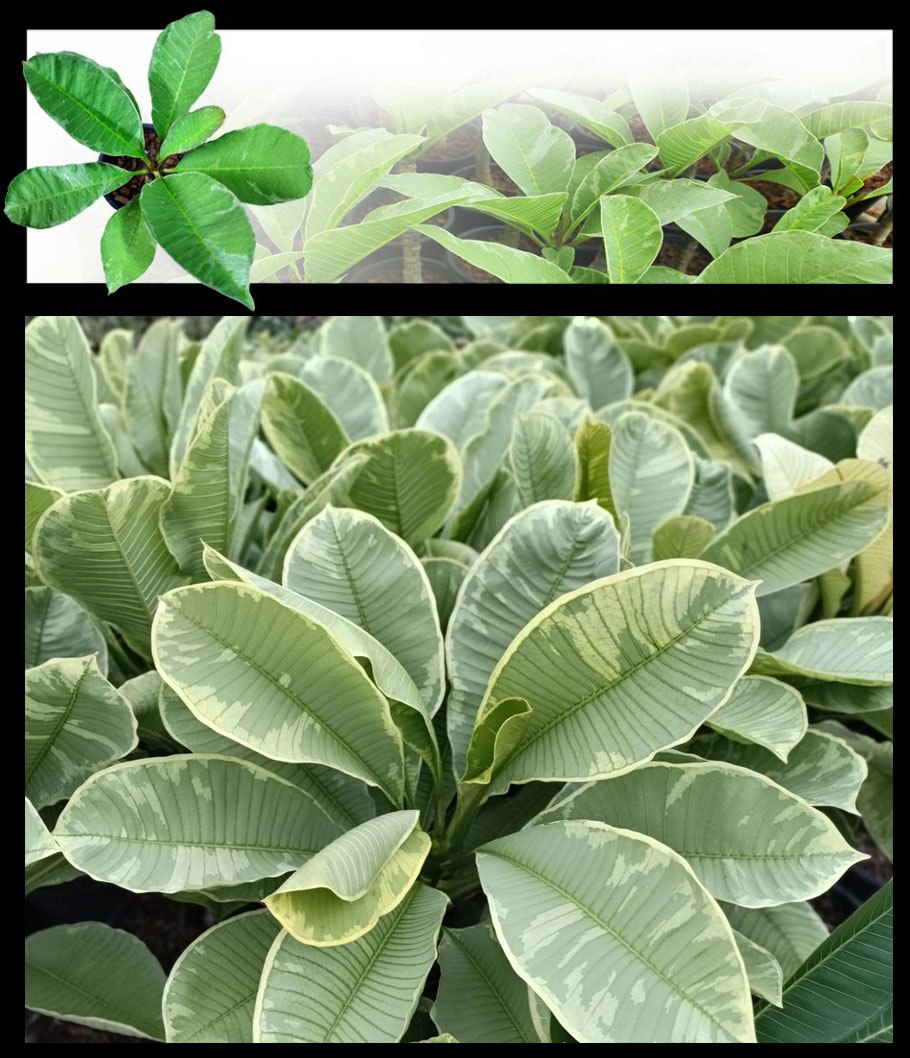
  •  ✦ Plumeria Silver Leaf Variegated - silvery variegated foliage paired with soft yellow blooms, creating a clean, elegant contrast. A collectible type that feels a bit different from typical plumerias.


💡 Plumeria tip: soil and drainage


Plumerias hate wet feet. Give them a fast-draining, airy mix so roots can breathe - think chunky soil with perlite, bark, and coconut fiber. A simple formula that works very well is Sunshine Abundance soilless formula mixed 50/50 with coarse sand - it drains quickly and keeps roots healthy and rot-free.

🛒 Shop Plumeria Collection and Enjoy the fragrant blooms

📚 Learn more:
🎥 How to get endless Plumeria Blooms

#Perfume_Plants #Container_Garden #How_to #Discover #PlumeriaRainbow

Plant Facts

Plumeria alba
Dwarf Plumeria
USDA Zone: 9-11
Large shrub 5-10 ft tallSmall tree 10-20 ftFull sunModerate waterWhite, off-white flowersFragrant plant
🟢 Join 👉 TopTropicals