Garden Blog - Top Tropicals

Date: 4 Jun 2016

Desert rose winter care
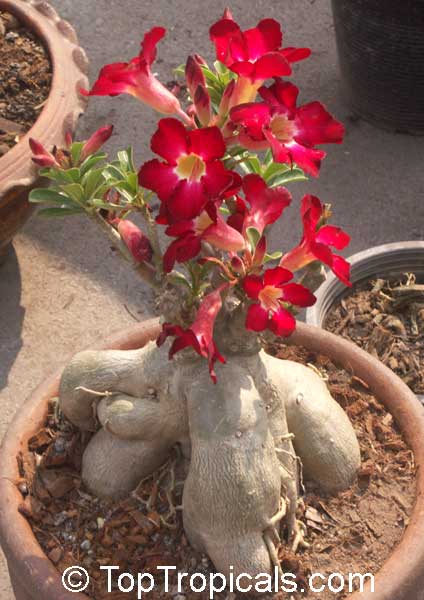
Q: I purchased several packets of desert rose seeds last year. I now have 45 very healthy seedlings some of them in bud. Almost all of my seeds grew but I lost most of them when I rook them in during winter. I did not water them for a month , kept them in their pots and set them by the window. they either dried up and died or rotted and died. I noticed when you send me grafted specimens that you bareroot them. Is this a better way to keep them inside in winter, bareroot? I hate to lose these plants come winter time. Pls advise me. I live in Houston, Tx. where we get temps below 40 degrees and sometime a day or more of freezing temps.

A: Thank you for your question. Rot is pretty common problem with Desert Roses. We monitor our Adeniums closely and have a special set up of watering environment and schedule, in dedicated greenhouses just for them. Nevertheless - every now and then we see a rotten caudex and can't help it to say "oops! over-watered!" These plants are very sensitive to environment changes, especially when it comes to a combination of water and temperature. These are a few tips that should help you to reduce risk of plant loss to a minimum:

1) Use only well drained mix with much higher content of perlite than you would use for most tropical plants. For adeniums, we use mix with 30-40% of perlite in it, while regular mix has 10-15%.

2) Adeniums like alkaline soil, unlike most of tropical plants (hard to say what else likes alkaline... Ficus for sure!). This means, regular mix with high content of peat moss may cause root rot. To increase alkalinity, you may add dolomite. Here in Florida where we have natural supply of shell rock handy, it is easy to add some shell to a potting mix (shell sand, rather than quartz sand). We always add a few large shells on top of a pots with a big specimen. Besides increasing soil pH (making it more alkaline), shells look very decorative.

3) Water very carefully during cooler months. When it is hot (85-100F), excessive water usually won't harm adeniums: it will be partially used by a plant, and partially will evaporate. Especially be careful with water when temperatures drop below 65F - then tropical plants simply stop growing process and go dormant. Once adeniums start losing leaves, this is a sign to reduce watering to once a week to once a month, and in very small quantity (couple tablespoons per pot).

4) We do not bareroot adeniums for winter storage. They are not bulbs. Barerooting of this plant is recommended only during shipping. Adeniums can stay without soil for up to a week without hardly any stress, sometimes even longer.

5) We keep our big collection specimens on a roofed porch during winter, where level of light is very low. Last winter we haven't lost a single plant due to low light. They take shade pretty well considering minimum or no water. However bright light is always better - it creates healthier environment for a plant. We all know about space limitations for our large collections, especially in winter. So if you can afford a bright spot for adenium during winter - the plant will be lucky!

Adenium Summer Sale: 20% off plants and seeds!
Date: 30 Dec 2022

Cold protection for tropical plants

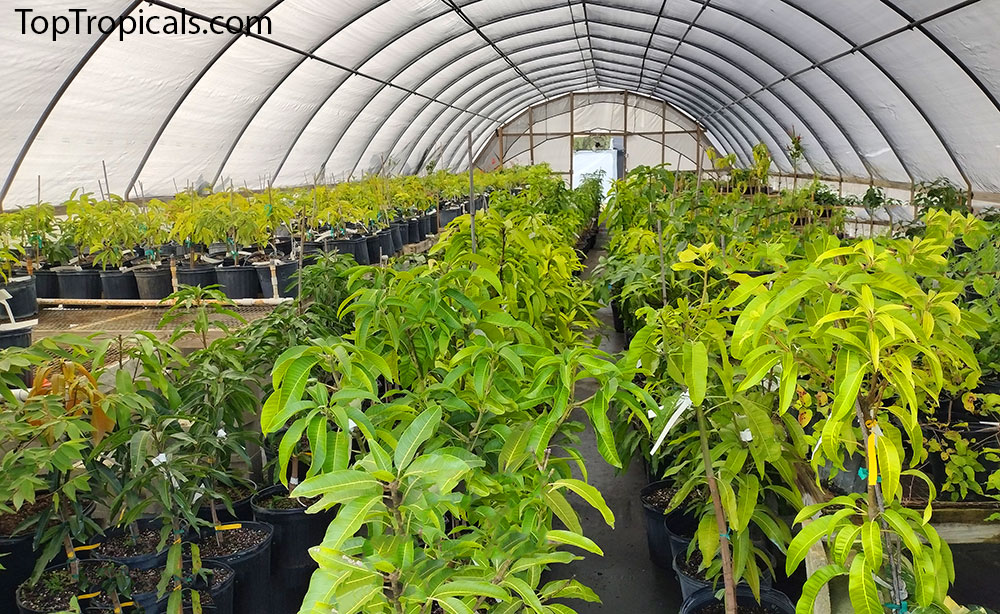
greenhouse  and  cold  protection  covers  on  tropical  plants

Pushing the limits of tropical gardening

The year is almost over but the winter is not. This Christmas weekend at our Sebring B-farm we had it down to 30F. As a tropical gardener, winter can be challenging, especially if you grow plants outside of tropical zones.

greenhouse  with  tropical  plants

To protect your garden from the cold, consider the following:

1. Monitor freeze watches and be prepared to take action if necessary.
2. Create temporary structures like mini-greenhouses using PVC pipes, carport frames, or bamboo sticks to support covers.
3. Use covers such as frost cloth, cardboard boxes, blankets, and bed sheets.
4. Use Christmas lights and other heating elements, including propane heaters, to keep plants warm.
5. Add a layer of heavy mulch around plant trunks to protect them from the cold.
6. Apply plant boosters that improve cold hardiness, such as Sunshine Epi, Sunshine-Si, and Sunshine Superfood.

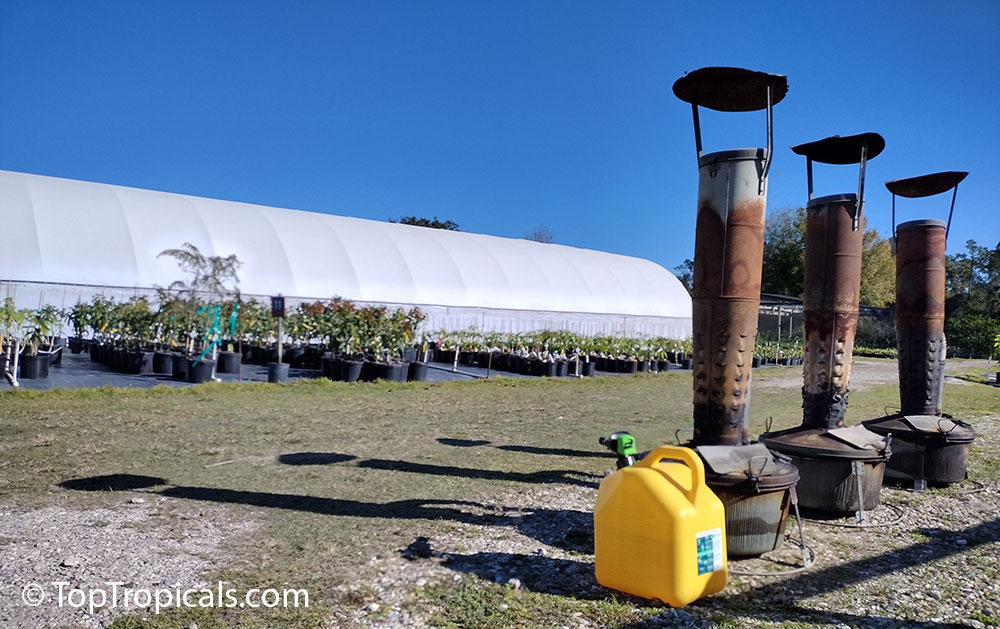
At TopTropicals B-Farm, we sprayed our plants with a special cold hardiness treatment Sunshine-Si and covered and wrapped everything we could. We also moved cold sensitive species inside greenhouses. All of our plants are looking great and happy!

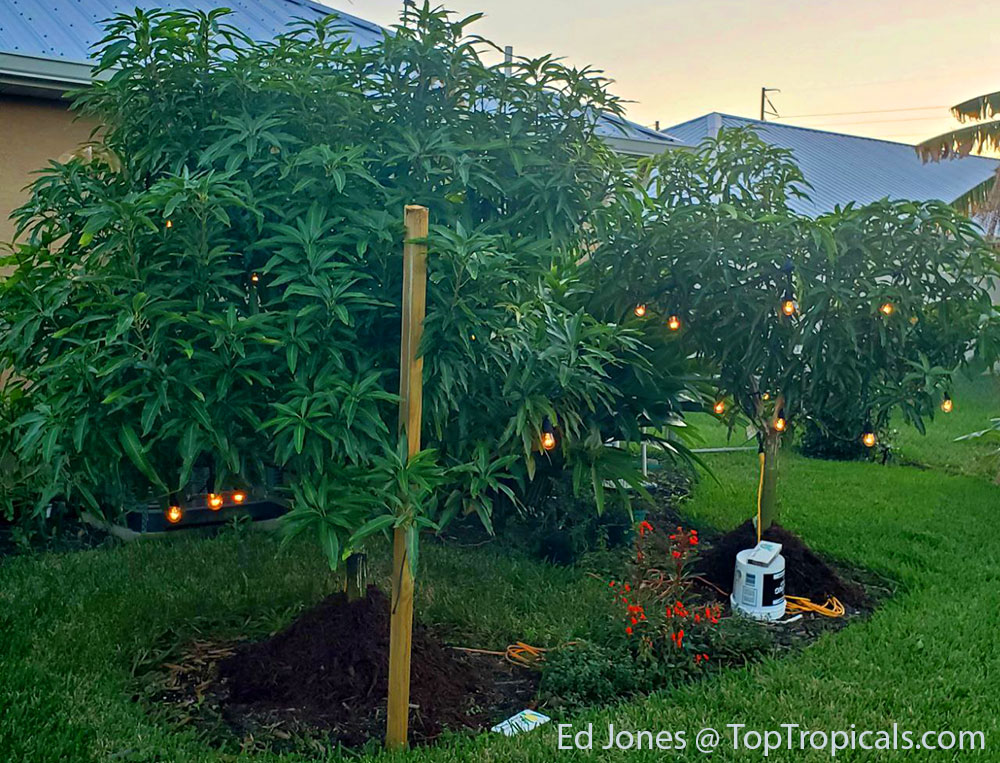
Mulching  mango  trunks  and  using  Christmas  lights  for  cold  protection

Photo above: Mulching mango trunks and using Christmas lights for cold protection

Read more about this special treatment plan: Cold Hardiness Improvement Kit.

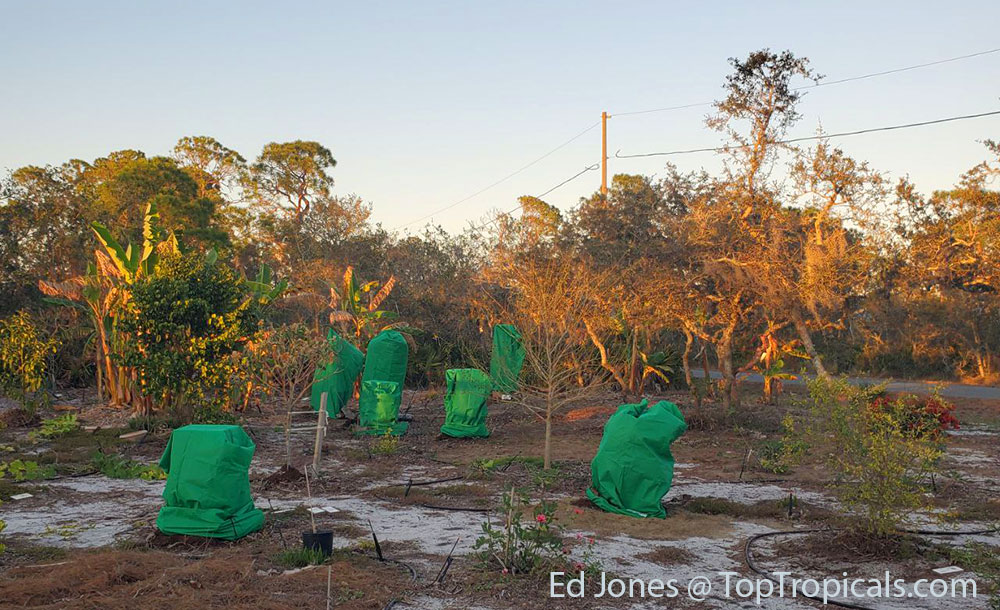
Covering  plants  during  cold  night

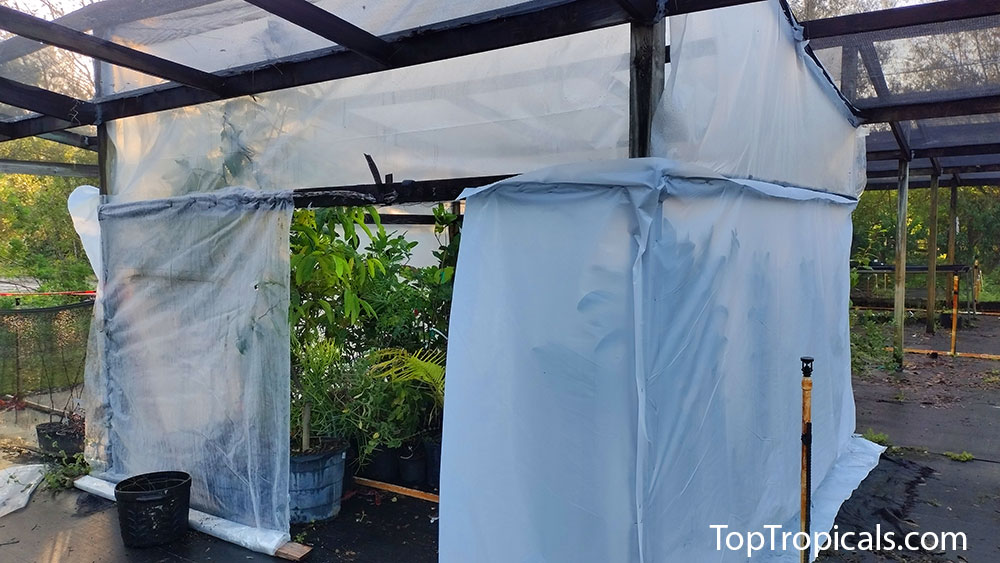
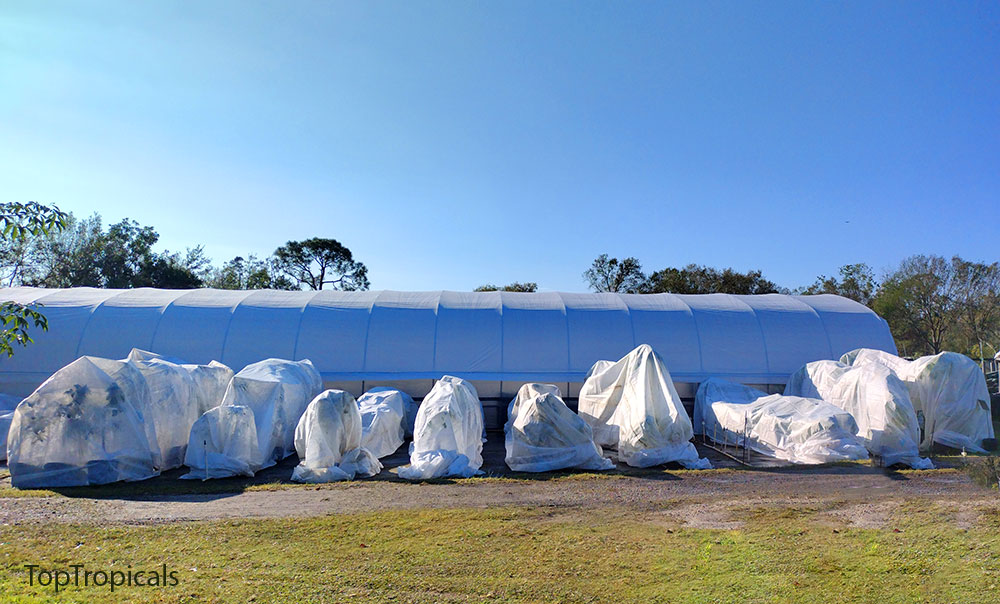
Plastic  warm  house  wrapping

Photo above: Temporary wrapping of a section of a greenhouse with a plastic or frost cloth protects from a windchill. It may also win you a few degrees even without a heater. In this particular case, according to our temp sensors, it was 30F outside, and 41F inside this "dome", no heaters used.


Sunshine Boosters:

Last chance to stock up
at a lower price!

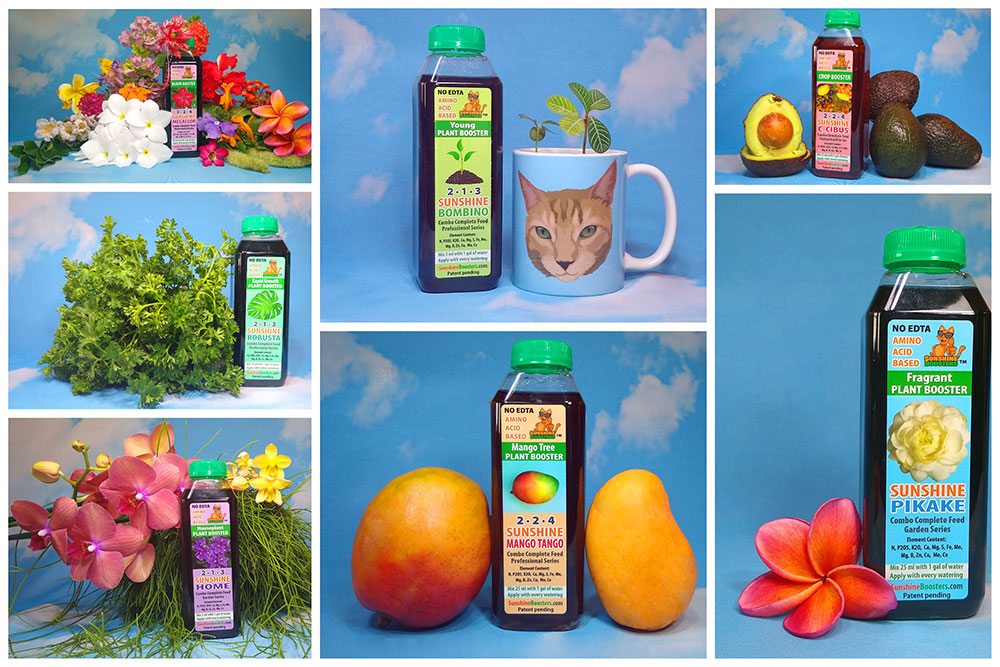
Sunshine Boosters are natural, amino acid-based liquid fertilizers made with only the highest quality ingredients. Starting in 2023, the pricing for Sunshine Boosters will be adjusting to reflect the increasing cost of supplies. This is your last chance to stock up on Sunshine Boosters before the end of the year! Sunshine Boosters are safe to use year around, with every watering.

Don't miss out on this opportunity to get the best value for your money!

Use discount for even better deal:

22FOR22
for 22% off orders $220+

Min order $220. Offer expires 12-31-22

Sunshine  boosters  for  different  plant  types

Date: 26 Jan 2022

Don't miss this one:
PodCast Premiere!

Episode 1
How to Protect Tropical plants in Winter: Q & A

Featuring Horticulturist Mark Hooten

...We are introducing our new Series: Top Tropicals Podcast. Growing tropicals and pushing the limits. Watch the first episode:

How to Protect Tropical plants in Winter

...Who doesn't like tropical beauty? Everyone wants tropical plants. But not everyone lives in a warm climate. Is it possible to grow tropicals outside of Tropics?
Top Tropicals horticulturist Mark Hooten, who is well known to many gardeners as the Garden Doc with his Saturday Plant Clinic, is answering gardeners' questions about how to prepare and protect tropical plants during winter...

Premiere scheduled:
Thursday, January 27, 8:00 AM

More about cold hardiness and cold protection:

Cold hardy tropical fruit trees
Growing Stephanotis and cold protection
Cold protection of tropical container plants
Plumeria cold protection
Ghost Cold Protection
Seven rules of cold protection for tropicals
Improving cold hardiness before winter: fertilizer and micro-elements
3D garden ideas and winter cold protection
Cold protection - winter action for your plant collection
About Cold Protection

Date: 19 May 2025

What fruit can reduce your blood pressure. Tropical fruit and plants that help keep blood pressure in balance

Tropical fruit that can reduce your blood pressure

Tropical fruit that can reduce your blood pressure

❤️ Tropical fruit and plants that help keep blood pressure in balance.
Part 1: What fruit can reduce your blood pressure?


💲 You don’t need to spend $$$ on doctors and medications to stay healthy and young. By eating right and adding a few powerful plants and fruits to your diet, you can naturally keep your blood pressure in check. Plant them today and harvest your own medicine tomorrow! And don’t forget - gardening itself is therapeutic! It keeps you active, reduces stress, and helps your whole body stay in balance.

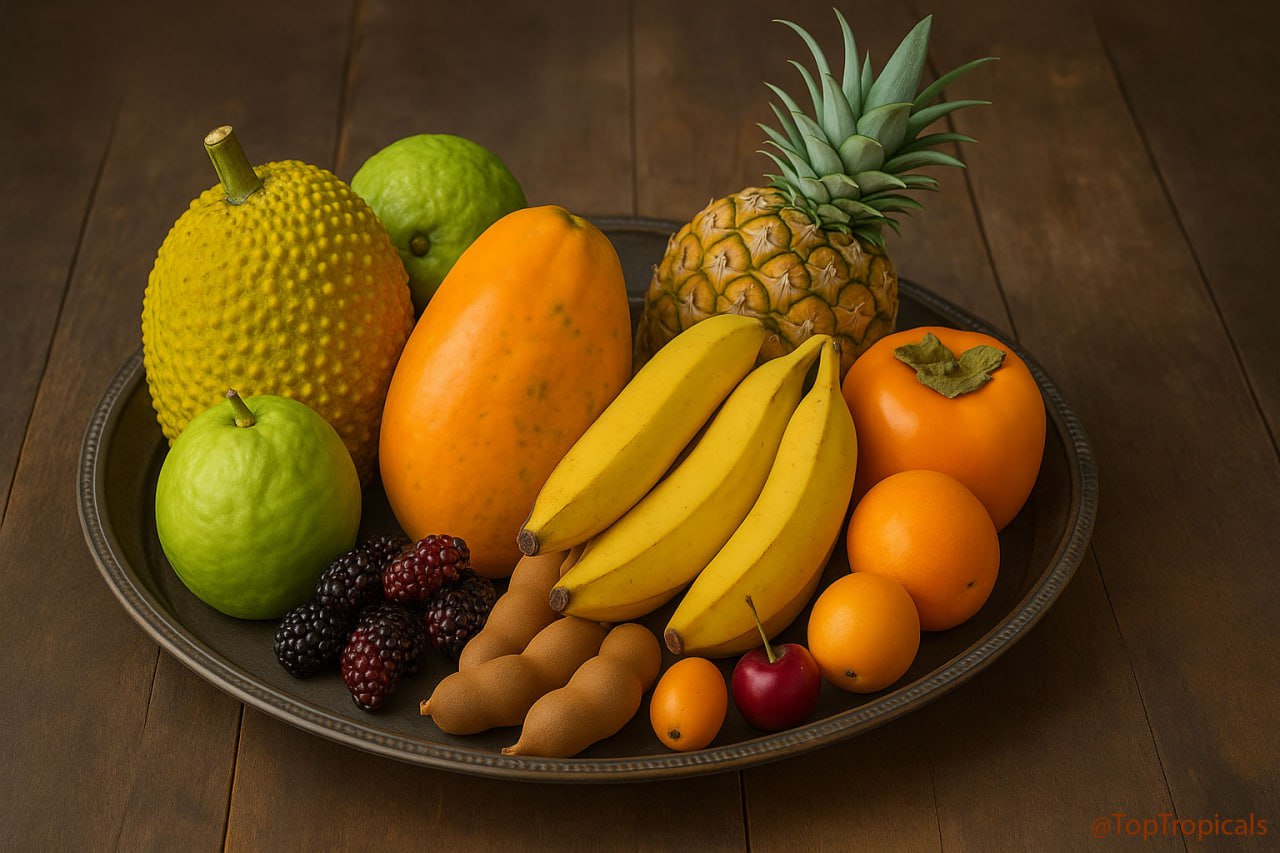
💚 Tropical fruit that help reduce blood pressure:

  • Jackfruit (Artabotrys hexapetallus) - Contains potassium and magnesium, which help relax blood vessels and regulate blood pressure.
  • Guava (Psidium sp.) - Rich in potassium and fiber, supports vascular health and may help lower blood pressure.
  • Papaya (Carica papaya) - High in potassium and antioxidants, promoting healthy blood pressure.
  • Banana (Musa sp.) - Well-known for its high potassium content, which helps counteract sodium and lower blood pressure.
  • Pineapple (Ananas comosus) - Contains potassium and bromelain, which may support circulation and reduce inflammation.
  • Persimmon - High in fiber and antioxidants, which can contribute to better heart and vascular function.
  • Mulberry (Morus sp.) - Contains resveratrol and other antioxidants linked to heart health and blood pressure support.
  • Tamarind (Tamarindus indica) - Rich in potassium and fiber, may help regulate blood pressure and support arterial health.
  • Loquat (Eriobotrya japonica) - Contains potassium, aiding in fluid balance and blood pressure control.
  • ✅🍒 Tropical Cherry (Eugenia) - Contains antioxidants and supports healthy circulation.

Part 2: Edible plants reducing blood pressure - see next post⤵️

🛒 Shop tropical fruit trees that boost your health

📚 Learn more:


Tropical fruit health benefits guide
#Disover more #Remedies and #Fruit_Forest

🔴 Join 👉 TopTropicals

Date: 22 Oct 2025

💞 Cassia or Bauhinia?

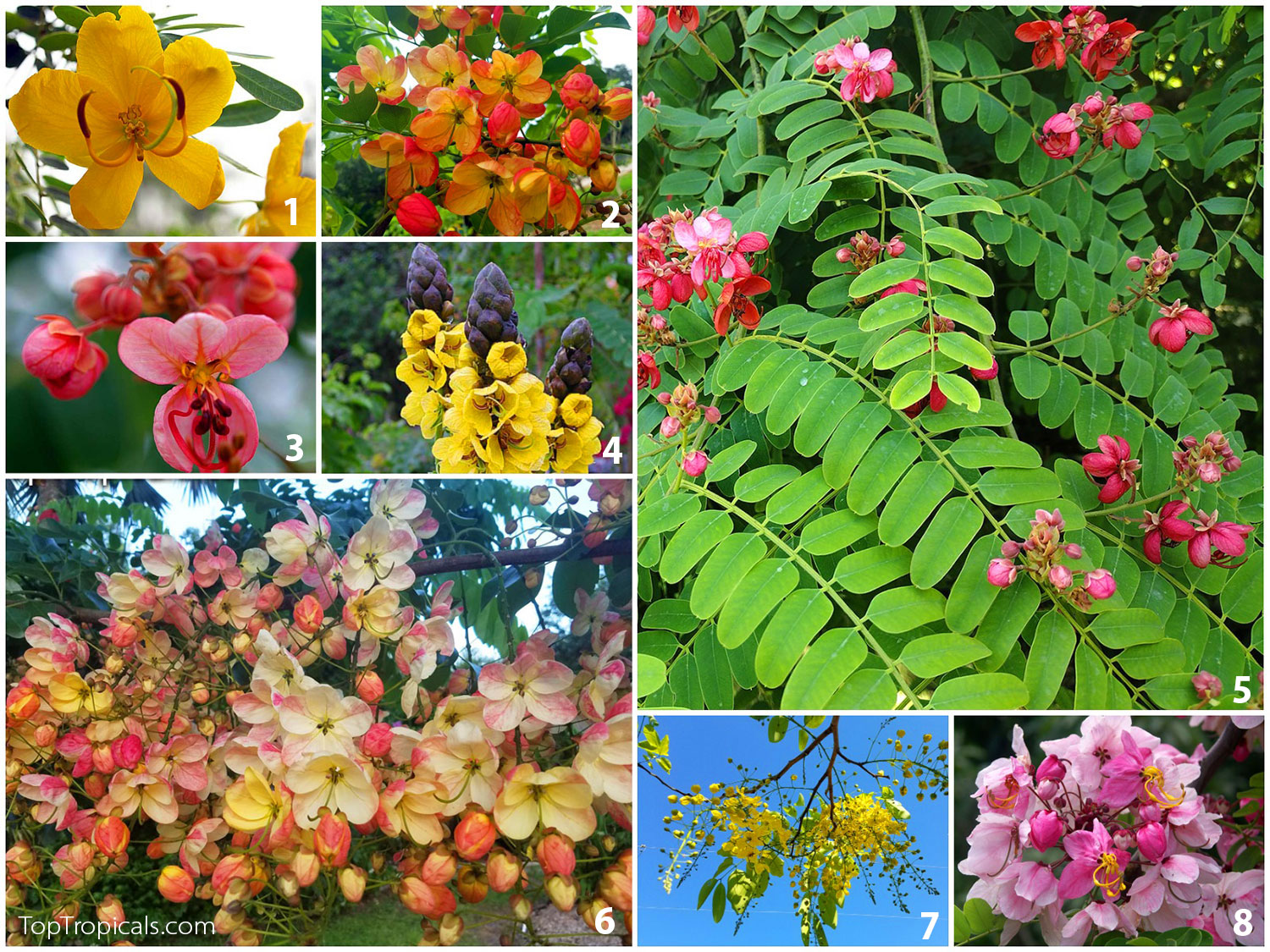
Collage  of  Cassia  and  Senna  flowering  trees:
1  –  Cassia  bicapsularis  (Butterfly  Bush),
2  –  Cassia  x  natalensis  (Rainbow  Cassia),
3  –  Cassia  grandis  (Red  Cassia),
4  –  Cassia  didymobotrya  (Popcorn  Cassia),  similar  to  Senna  alata 
 (Empress  Candles),
5  –  Cassia  javanica  (Apple  Blossom  Tree),
6  –  Cassia  roxburghii  (Ceylon  Senna),
7  –  Cassia  fistula  (Golden  Shower  Tree),
8  –  Cassia  x  nodosa  (Pink  Shower).

Looking for a small tree that blooms like fireworks but still fits on your patio? We hear this question all the time at Top Tropicals: Cassia or Bauhinia? Both are tropical showstoppers, but they shine in very different ways.

🌞 Cassias: Sunshine Fireworks

Cassia trees are some of the most rewarding tropical bloomers you can grow. Fast-growing, free-flowering, and surprisingly cold-tolerant, they thrive in full sun and summer heat. Their bright clusters come in shades of yellow, orange, pink, red, and even multicolor blends. The famous Rainbow Cassias show swirls of coral, gold, and rose on the same tree, creating a living fireworks display.

For gardeners in warm regions, these trees become spectacular focal points in the landscape. In containers, compact yellow forms like Cassia didymobotrya (Popcorn Cassia) and Senna alata (Empress Candles) stay manageable and bloom freely through summer.

Cassias can also be grown in pots with pruning and patience. Once mature, they reward you with breathtaking color that turns any patio or pool deck into a tropical show. Most showy cassias (numbers correspond to the photos in the collage above):

  1. Cassia bicapsularis (Butterfly Bush) - is a fast-growing, low-maintenance shrub covered in bright yellow, butterfly-like blooms from fall through winter.
  2. Cassia x natalensis (Rainbow Cassia)
  3. Cassia grandis (Red cassia) - a medium size tree having profuse blooms of dark pink to crimson flowers throughout the Spring.
  4. Cassia didymobotrya (Popcorn Cassia), small tree producing golden-yellow flowers with a distinct scent of peanut butter that open from brown buds in late summer and autumn. Similar to Senna alata (Empress Candles)
  5. Cassia roxburghii (Ceylon Senna) - graceful tree with spreading, drooping branches appearing to be overweighed by its wealth of clustering red blossoms.
  6. Cassia x nodosa (Pink Shower) - is a spectacular medium-sized, fast-growing tree with cascading clusters of fragrant pink-and-white appleblossom blooms in spring and summer.
  7. Cassia fistula (Golden Shower) - to many tropical gardeners, the most beautiful of cassias with masses of bright gold flower clusters appear on almost every branch.
  8. Cassia javanica (Apple Blossom) - dazzles with dense clusters of pink-to-white blossoms that change shades as they bloom, creating a spectacular display that lasts for months.
"Cassias love the heat and sunshine," says Tatiana Anderson, Top Tropicals Plant Expert. "They are perfect for anyone who wants big bursts of color and doesn’t mind giving them space and light to grow."

👉 Explore Cassia Trees

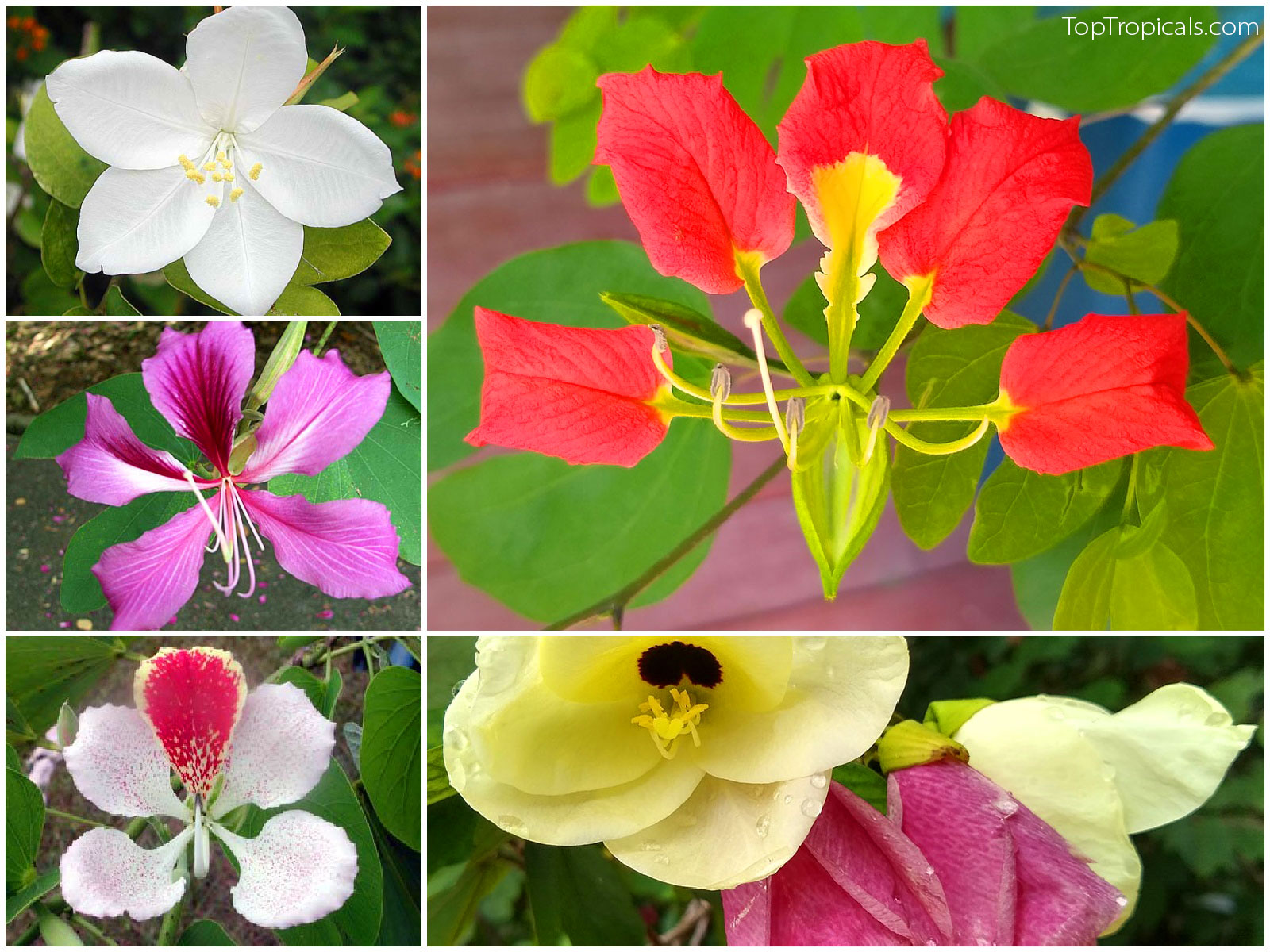
Bauhinia Magic: Orchid-Like Blooms in a Compact Size

Collage  of  Bauhinia  orchid  trees:  top  left  –  Bauhinia  acuminata 
 (Dwarf  White  Orchid  Tree),  middle  left  –  Bauhinia  blakeana  (Hong  Kong 
 Orchid  Tree),  bottom  left  –  Bauhinia  monandra  (Napoleon’s  Plume 
 Orchid  Tree),  top  right  –  Bauhinia  madagascariensis  (Red  Dwarf  Orchid 
 Tree),  and  bottom  right  –  Bauhinia  tomentosa  (Yellow  Orchid 
 Tree)

Bauhinia orchid trees: top left – Bauhinia acuminata (Dwarf White Orchid Tree), middle left – Bauhinia blakeana (Hong Kong Orchid Tree), bottom left – Bauhinia monandra (Napoleon’s Plume Orchid Tree), top right – Bauhinia madagascariensis (Red Dwarf Orchid Tree), and bottom right – Bauhinia tomentosa (Yellow Orchid Tree)

Bauhinia trees known as Orchid Trees, bring a touch of tropical luxury to any space. Their butterfly-shaped leaves and orchid-like blossoms appear in shades of red, pink, purple, white, and yellow, often lasting up to ten months a year. Bauhinias are ideal for gardeners who want nonstop color in a manageable size. Most species grow well in large pots and bloom young, often within the first season.

The following compact varieties stay neat and flower almost continuously in warm weather:

The Hong Kong Orchid Tree is especially prized because it is sterile and produces no messy seed pods, keeping patios clean. Grafted Buhinia blakeana trees begin blooming while still small, making them perfect for containers or tight spaces.

"Bauhinias are generous bloomers," Tatiana explains. "They respond beautifully to regular feeding and full sun. If nights turn too cold, just move the pot to a sunny porch - they’ll keep their tropical charm most of the year."

Give them full sun, regular fertilizer, and a well-drained mix such as Sunshine Abundance, and they will reward you with months of vivid blooms. When nights turn too cold, simply move the pot to a sunny porch or bright window. Bauhinias adjust beautifully and keep their tropical grace year after year.

🎥 Watch Short Videos:

💲 Special Offer – 20% off Cassias and Bauhinias!

Get 20% OFF Cassias and Bauhinias with code

RAINBOW2025

Min order $100. Excluding S/H, valid online only, cannot be combined with other offers.

Hurry, offer expires October 30, 2025!

👉 Explore Bauhinias - Orchid Trees