Date: 26 Jan 2022
Don't miss this one:
PodCast Premiere!
Episode 1
How to Protect Tropical plants in Winter: Q & A
Featuring Horticulturist Mark Hooten
...We are introducing our new Series: Top Tropicals Podcast. Growing tropicals and pushing the limits. Watch the first episode:
How to Protect Tropical plants in Winter
...Who doesn't like tropical beauty? Everyone wants tropical plants. But not everyone lives in a warm climate. Is it possible to grow tropicals outside of Tropics?
Top Tropicals horticulturist Mark Hooten, who is well known to many
gardeners as the Garden Doc with his
Saturday Plant Clinic, is answering gardeners' questions about how to prepare and protect tropical plants during winter...
Premiere scheduled:
Thursday, January 27, 8:00 AM

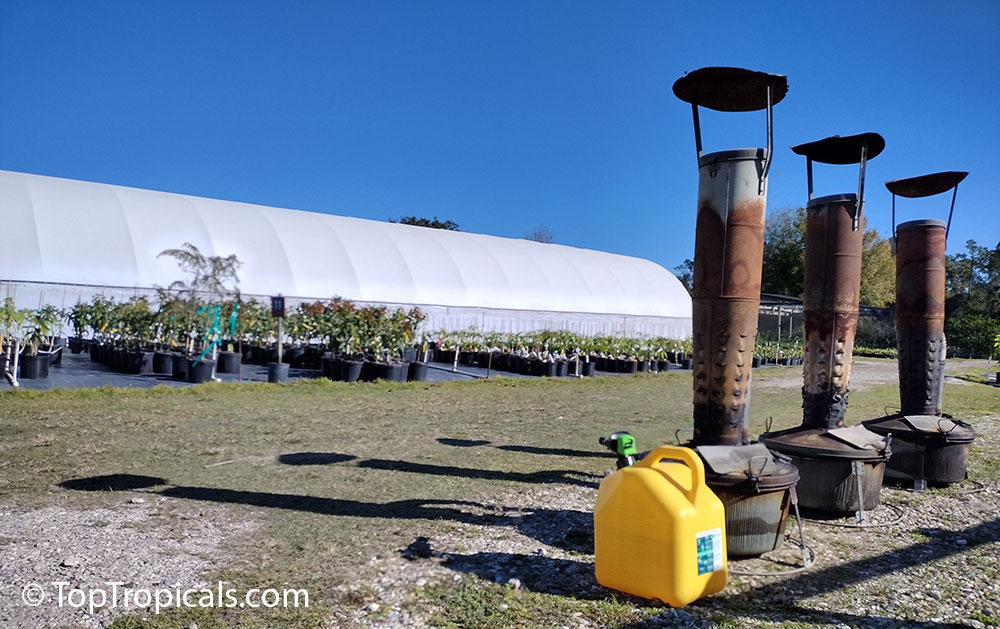
More about cold hardiness and cold protection:
Cold hardy tropical fruit trees
Growing Stephanotis and cold protection
Cold protection of tropical container plants
Plumeria cold protection
Ghost Cold Protection
Seven rules of cold protection for tropicals
Improving cold hardiness before winter: fertilizer and micro-elements
3D garden ideas and winter cold protection
Cold protection - winter action for your plant collection
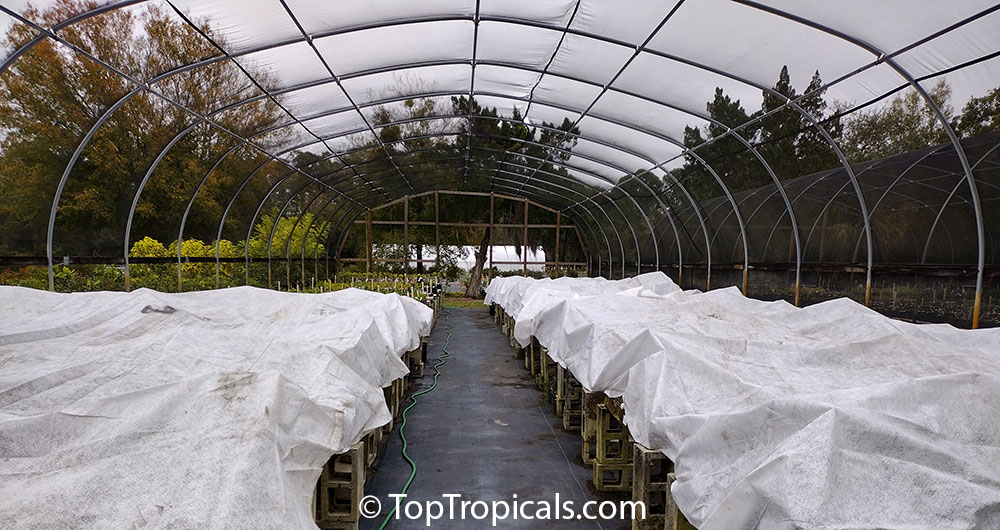
About Cold Protection
Date: 19 May 2025
What fruit can reduce your blood pressure. Tropical fruit and plants that help keep blood pressure in balance
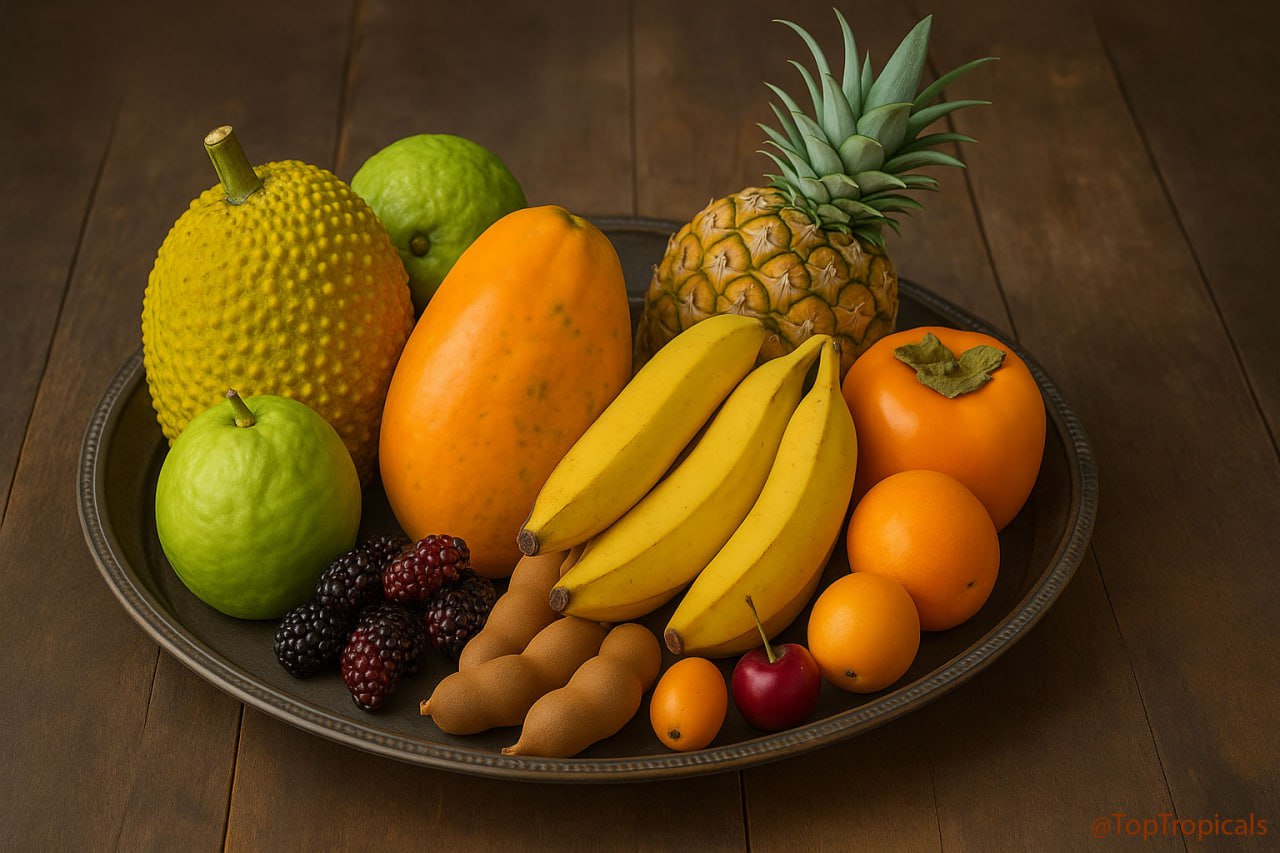
Tropical fruit that can reduce your blood pressure
❤️ Tropical fruit and plants that help keep blood pressure in balance.
Part 1: What fruit can reduce your blood pressure?
💲 You don’t need to spend $$$ on doctors and medications to stay healthy and young. By eating right and adding a few powerful plants and fruits to your diet, you can naturally keep your blood pressure in check. Plant them today and harvest your own medicine tomorrow! And don’t forget - gardening itself is therapeutic! It keeps you active, reduces stress, and helps your whole body stay in balance.
💚 Tropical fruit that help reduce blood pressure:
- ✅ Jackfruit (Artabotrys hexapetallus) - Contains potassium and magnesium, which help relax blood vessels and regulate blood pressure.
- ✅ Guava (Psidium sp.) - Rich in potassium and fiber, supports vascular health and may help lower blood pressure.
- ✅ Papaya (Carica papaya) - High in potassium and antioxidants, promoting healthy blood pressure.
- ✅ Banana (Musa sp.) - Well-known for its high potassium content, which helps counteract sodium and lower blood pressure.
- ✅ Pineapple (Ananas comosus) - Contains potassium and bromelain, which may support circulation and reduce inflammation.
- ✅ Persimmon - High in fiber and antioxidants, which can contribute to better heart and vascular function.
- ✅ Mulberry (Morus sp.) - Contains resveratrol and other antioxidants linked to heart health and blood pressure support.
- ✅Tamarind (Tamarindus indica) - Rich in potassium and fiber, may help regulate blood pressure and support arterial health.
- ✅ Loquat (Eriobotrya japonica) - Contains potassium, aiding in fluid balance and blood pressure control.
- ✅🍒 Tropical Cherry (Eugenia) - Contains antioxidants and supports healthy circulation.
Part 2: Edible plants reducing blood pressure - see next post⤵️
🛒 Shop tropical fruit trees that boost your health
📚 Learn more:
Tropical fruit health benefits guide
#Disover more #Remedies and #Fruit_Forest
🔴 Join 👉 TopTropicals
Date: 22 Oct 2025
💞 Cassia or Bauhinia?
Looking for a small tree that blooms like fireworks but still fits on your patio? We hear this question all the time at Top Tropicals: Cassia or Bauhinia? Both are tropical showstoppers, but they shine in very different ways.
🌞 Cassias: Sunshine Fireworks
Cassia trees are some of the most rewarding tropical bloomers you can grow. Fast-growing, free-flowering, and surprisingly cold-tolerant, they thrive in full sun and summer heat. Their bright clusters come in shades of yellow, orange, pink, red, and even multicolor blends. The famous Rainbow Cassias show swirls of coral, gold, and rose on the same tree, creating a living fireworks display.
For gardeners in warm regions, these trees become spectacular focal points in the landscape. In containers, compact yellow forms like Cassia didymobotrya (Popcorn Cassia) and Senna alata (Empress Candles) stay manageable and bloom freely through summer.
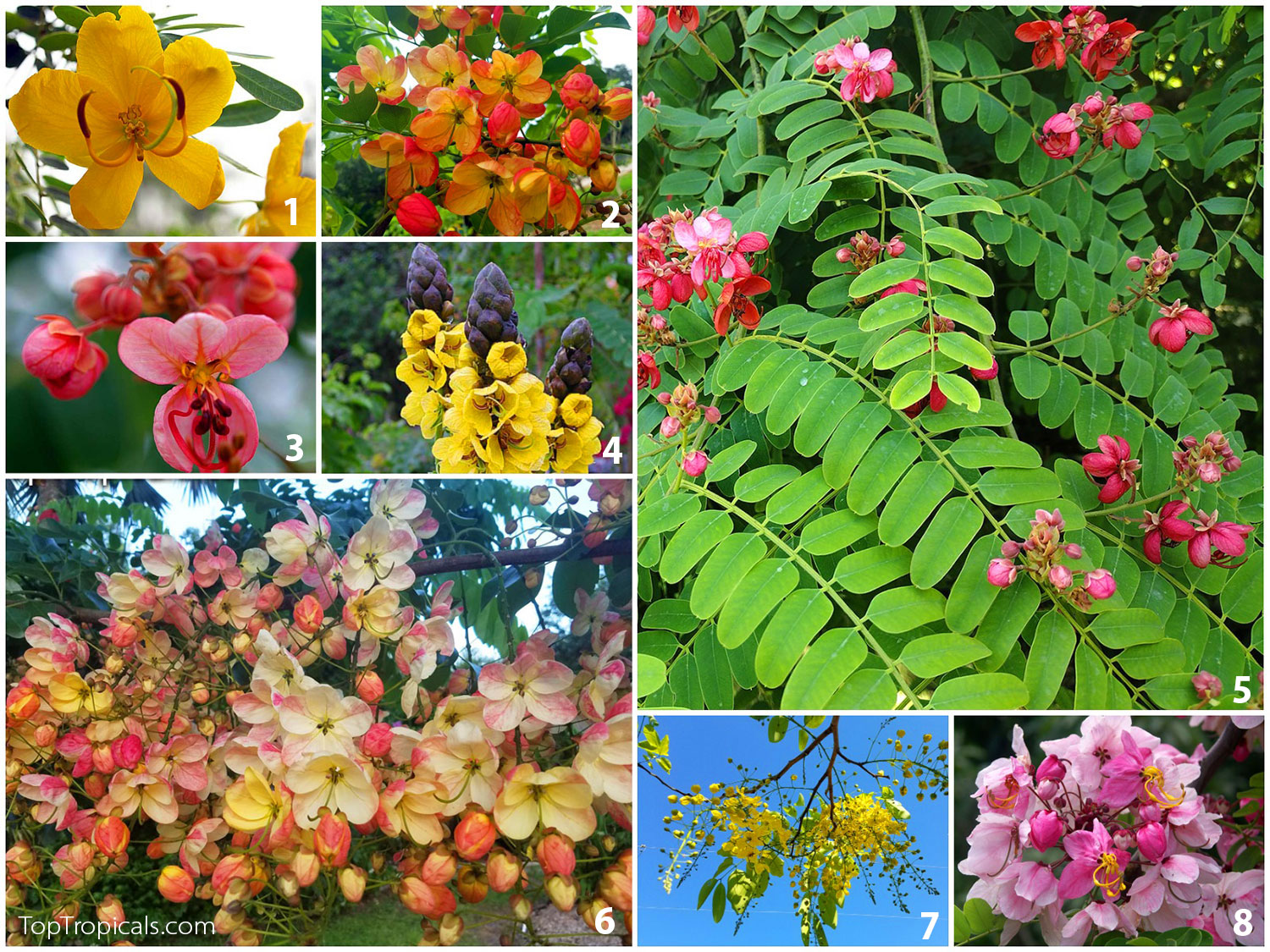
Cassias can also be grown in pots with pruning and patience. Once mature, they reward you with breathtaking color that turns any patio or pool deck into a tropical show. Most showy cassias (numbers correspond to the photos in the collage above):
- Cassia bicapsularis (Butterfly Bush) - is a fast-growing, low-maintenance shrub covered in bright yellow, butterfly-like blooms from fall through winter.
- Cassia x natalensis (Rainbow Cassia)
- Cassia grandis (Red cassia) - a medium size tree having profuse blooms of dark pink to crimson flowers throughout the Spring.
- Cassia didymobotrya (Popcorn Cassia), small tree producing golden-yellow flowers with a distinct scent of peanut butter that open from brown buds in late summer and autumn. Similar to Senna alata (Empress Candles)
- Cassia roxburghii (Ceylon Senna) - graceful tree with spreading, drooping branches appearing to be overweighed by its wealth of clustering red blossoms.
- Cassia x nodosa (Pink Shower) - is a spectacular medium-sized, fast-growing tree with cascading clusters of fragrant pink-and-white appleblossom blooms in spring and summer.
- Cassia fistula (Golden Shower) - to many tropical gardeners, the most beautiful of cassias with masses of bright gold flower clusters appear on almost every branch.
- Cassia javanica (Apple Blossom) - dazzles with dense clusters of pink-to-white blossoms that change shades as they bloom, creating a spectacular display that lasts for months.
"Cassias love the heat and sunshine," says Tatiana Anderson, Top Tropicals Plant Expert. "They are perfect for anyone who wants big bursts of color and doesn’t mind giving them space and light to grow."
Bauhinia Magic: Orchid-Like Blooms in a Compact Size
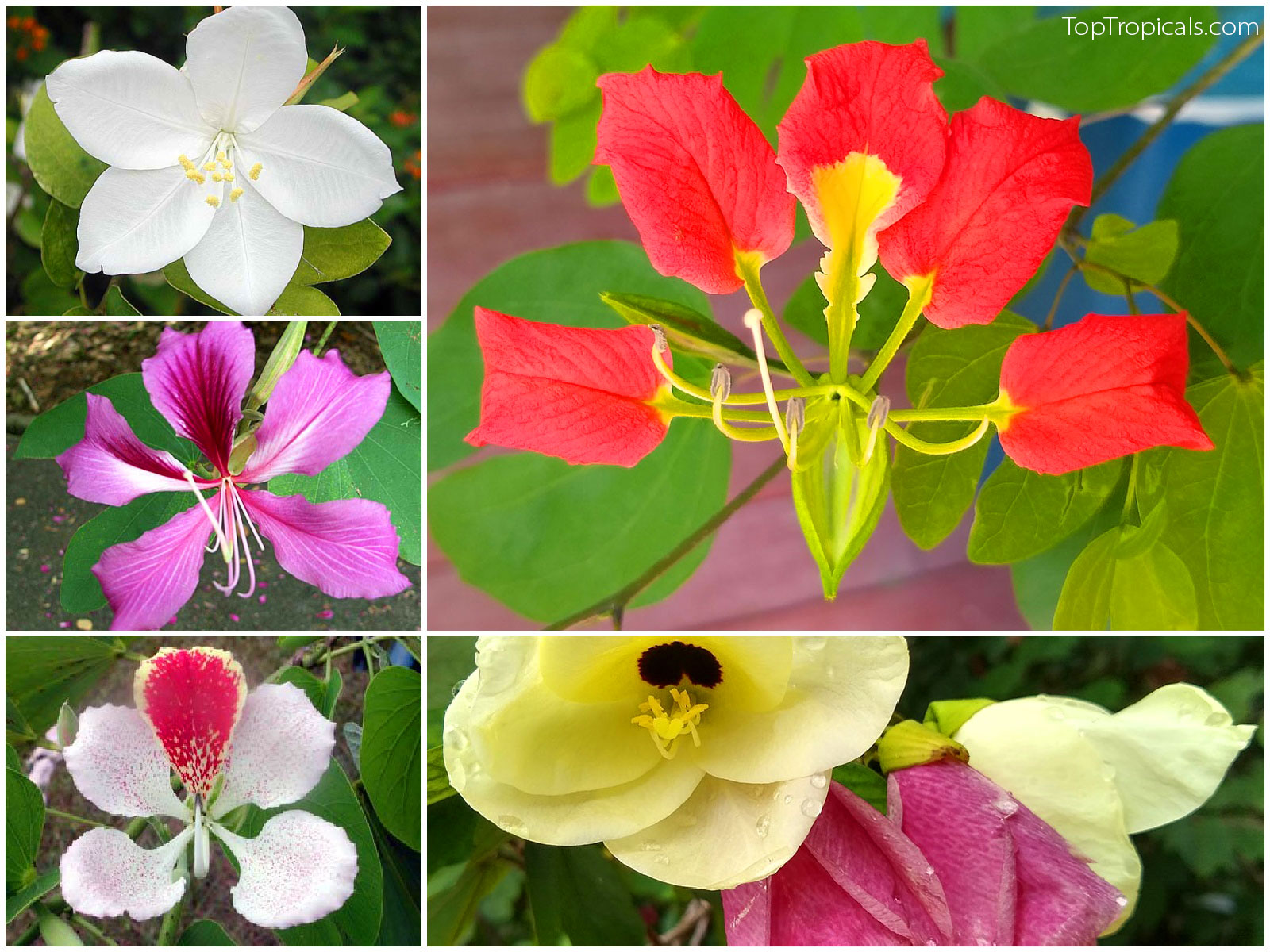
Bauhinia orchid trees: top left – Bauhinia acuminata (Dwarf White Orchid Tree), middle left – Bauhinia blakeana (Hong Kong Orchid Tree), bottom left – Bauhinia monandra (Napoleon’s Plume Orchid Tree), top right – Bauhinia madagascariensis (Red Dwarf Orchid Tree), and bottom right – Bauhinia tomentosa (Yellow Orchid Tree)
Bauhinia trees known as Orchid Trees, bring a touch of tropical luxury to any space. Their butterfly-shaped leaves and orchid-like blossoms appear in shades of red, pink, purple, white, and yellow, often lasting up to ten months a year. Bauhinias are ideal for gardeners who want nonstop color in a manageable size. Most species grow well in large pots and bloom young, often within the first season.
The following compact varieties stay neat and flower almost continuously in warm weather:
- Bauhinia madagascariensis (Red Butterfly Orchid Tree). Blooms from winter through fall, up to 10 months a year. The most cold-hardy of all.
- Bauhinia blakeana (Hong Kong Orchid Tree). A large tree in the ground, but compact in pots if trimmed. Grafted trees flower right away. Winter bloomer, cold hardy to light frost.
- Bauhinia tomentosa (Yellow Orchid Tree). Flowers from Winter through Summer, cold hardy to light frost.
- Bauhinia acuminata (Dwarf White Orchid Tree). Blooms from summer through winter. Less cold hardy.
- Bauhinia monandra (Napoleon's Plume Orchid Tree). Almost everblooming with the longest flowering period. Less cold hardy.
The Hong Kong Orchid Tree is especially prized because it is sterile and produces no messy seed pods, keeping patios clean. Grafted Buhinia blakeana trees begin blooming while still small, making them perfect for containers or tight spaces.
"Bauhinias are generous bloomers," Tatiana explains. "They respond beautifully to regular feeding and full sun. If nights turn too cold, just move the pot to a sunny porch - they’ll keep their tropical charm most of the year."
Give them full sun, regular fertilizer, and a well-drained mix such as Sunshine Abundance, and they will reward you with months of vivid blooms. When nights turn too cold, simply move the pot to a sunny porch or bright window. Bauhinias adjust beautifully and keep their tropical grace year after year.
🎥 Watch Short Videos:
💲 Special Offer – 20% off Cassias and Bauhinias!
Get 20% OFF Cassias and Bauhinias with code
RAINBOW2025
Min order $100. Excluding S/H, valid online only, cannot be combined with other offers.
Hurry, offer expires October 30, 2025!
Date: 10 Aug 2025

🌺 Back to School and Back to Planting – Cats in the Garden
Back to School, Back to Planting – Why August Works for Tropicals
Planting Season Isn't Over Yet
August is still a good month for planting tropicals in warm climates. The soil stays warm enough to push root growth, and late-summer weather gives plants time to settle in before winter. In drier areas, regular watering will keep them moving along just fine.
Tropicals in warm climates aren't usually harmed by cooler Winter weather, but as days get shorter, growth may slow down. This is why planting in late Summer-Fall lets roots grow during this last warm stretch, so the plant enters winter already established.
By spring, those roots are ready to drive new shoots, flowers, and fruit. There's no lost time to transplant shock - plants can get straight to blooming and fruiting earlier in the season.
August Planting FAQ
How can heat be prevented from harming new tropicals?
Water in the morning so plants start the day hydrated. Warm soil is good for root growth, but don't let it dry out.
How should new plants be protected from strong sun?
For the first couple of weeks, use a shade cloth or even a white bed sheet to soften midday sun and prevent leaf scorch.
What fertilizer works best for planting in summer heat?
Controlled-release types are best. We use professional grade Green Magic. You may pair it with Sunshine Boosters for steady, gentle feeding through the warm months.
Which tropicals grow best when planted in August?
Most tropical plants do well when planted in warm end-of-summer conditions, including Mango, Avocado, Guava, Jackfruit, Annona, Bananas, Orchid Trees, Jasmines, Allamanda and most of flowering trees, shrubs and vines.
Can tropical trees planted in August produce fruit next year?
Many can, especially fast growers, since they have established roots by the time spring growth begins.
How can tropicals be kept healthy when planting in August?
Mulch around the base to help prevent soil from drying out too quickly. Water deeply in the morning to help plants handle the heat.
Date: 18 Aug 2025
🌟Repotting FAQ
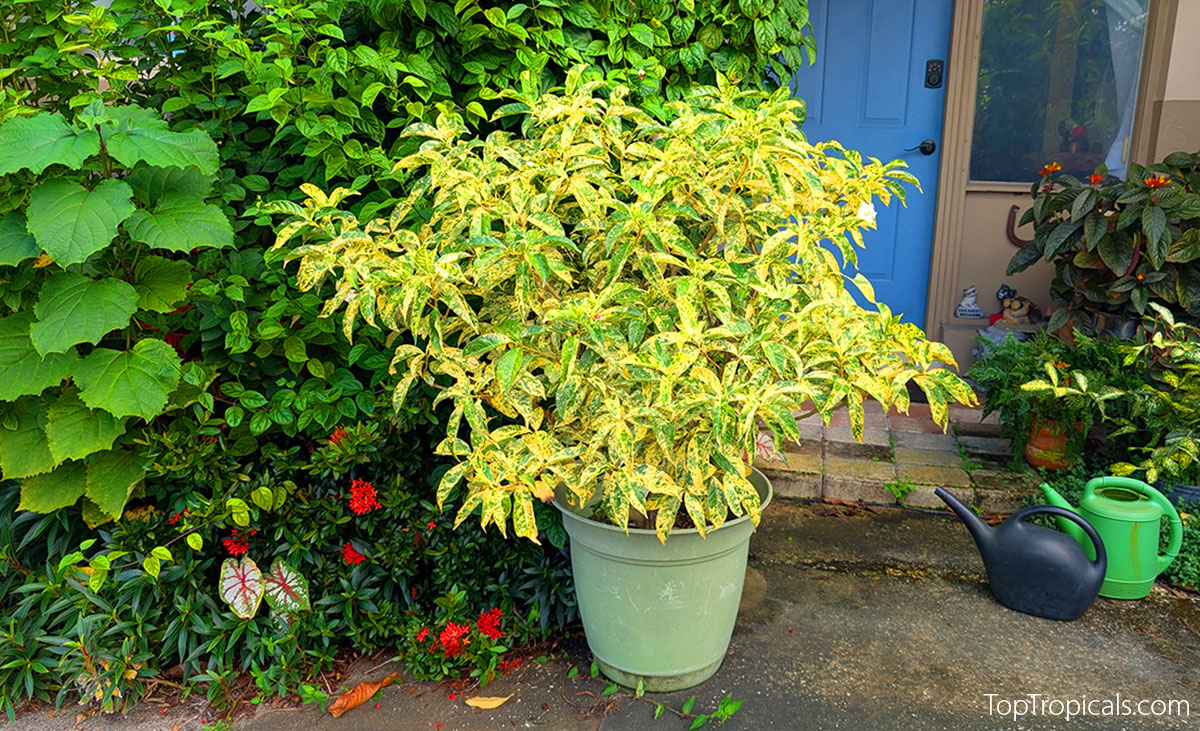
Q: How big should the new pot be?
A: Only a few inches larger than the old one. Oversized pots hold too much moisture and may cause root rot.
Q: Why are plastic pots better than ceramic?
A: Plastic pots are lighter, easier to handle, and you can cut them if a root-bound plant is stuck. Ceramic pots are heavy, breakable, and often lack drainage.
Q: How do I safely remove a plant from its pot?
A: Turn the pot upside down and let gravity help. Never pull by the stems or leaves. If stuck, lay the pot on its side and squeeze or tap it. Cut the pot if needed.
Q: Should I remove old soil from the roots?
A: No. Roots have tiny hairs that absorb water and nutrients. Shaking off soil damages them and sets the plant back.
Q: Why must the plant sit at the same soil level?
A: Planting too deep suffocates the stem, and planting too high exposes roots. Keeping the same level protects the root crown.
Q: How soon should I water again after repotting?
A: Water thoroughly right after repotting, then wait until the top inch of soil dries before watering again.
🌱 Done! Your plant now has room to grow stronger before fall.