Garden Blog - Top Tropicals

Date: 1 May 2026

This changes how you feed your plants

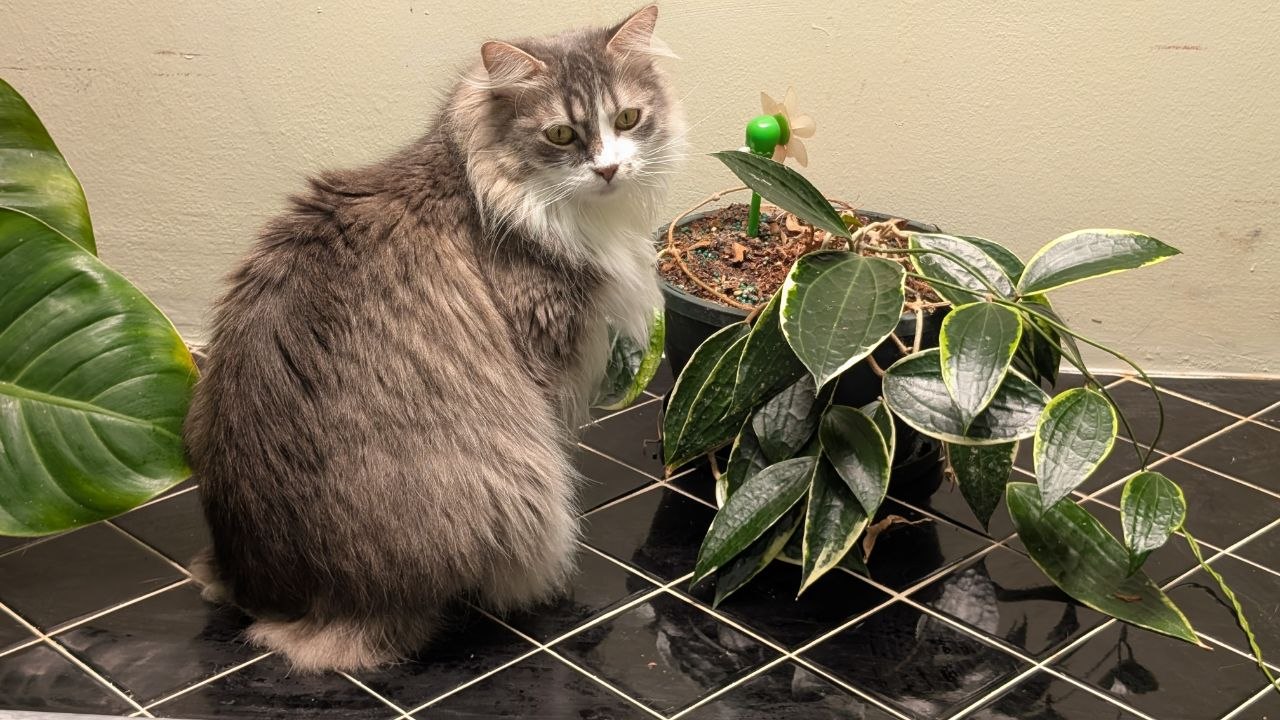
Smokey and Sunshine with Sunshine Boosters

Smokey and Sunshine with Sunshine Boosters

This changes how you feed your plants


Stop messing with fertilizers - you’re probably feeding your plants wrong. Keep it simple. Let your plants do the work.
Most gardeners don’t have a plant problem - they have a fertilizer problem. If feeding your plants feels confusing, expensive, or inconsistent, there’s a reason. The way most fertilizers are designed doesn’t match how plants actually grow today. Here’s what’s really going on - and why a simpler system works better.
  • ☘️ A simple way to feed your plants right


    Feeding plants shouldn’t feel like a chemistry class. But somehow it always does. Too many products. Too many formulas. Too many schedules. And somehow - still not sure if you’re doing it right.
    The truth is, growing healthy plants is simple. Good soil. Enough light. Proper care. And the right nutrients.
    That last part is where most people get stuck.

    Sunshine Boosters were made to fix exactly that. It’s a complete nutrition system that gives your plants what they actually need - without all the extra steps and guesswork.
  • ☘️ What Sunshine Boosters are and how they work


    So what is it, really?
    Sunshine Boosters is a new generation of plant nutrients based on amino acids. It includes the main nutrients plants need - nitrogen, phosphorus, and potassium - plus all the microelements, already balanced in one formula.

    No extra bottles. No missing pieces.
    It dissolves completely in water, so plants can take it in right away. No buildup in the soil, no leftovers sitting there doing nothing.
    You just mix it with water and use it during regular watering. That’s it. It works through the roots, and even through the leaves if you spray it.
    Instead of trying to manage a whole feeding system - you just feed and grow.
    Less work, better plants.

  • 👉 Stay with us - this is just the start. We’ll break it down step by step so you really understand what your plants need and how to give it to them. 👉 More...


🛒
Get your plants real food

📚
Learn more:
📱 What are Sunshine Boosters

#Discover #Fertilizers #How_to

Plant Facts

Fertilizers
Macro and Micro elements
USDA Zone: 9-11
🟢 Join 👉 TopTropicals

Date: 30 Apr 2026

Real Footage of a Turtle Laying Eggs

Turtle Laying Eggs

🐢 Real Footage of a Turtle Laying Eggs

She didn’t know she was being filmed!

***
Who was sitting on the bench,
Who was staring down the street -
It was evening time, you know,
Nothing much for us to do.

Then we noticed something strange:
There’s a turtle in our range!
In the dandelions she sits,
Looking serious, not a bit.

With her paws scraped the sand,
Spotted shell, so wide and grand,
In a secret little nook
Hid her treasure, no one looked!

That’s some news - the finest class!
That is one!
Laid her eggs at early dawn -
That is two!
And third thing, the mother dear
Covered them with sand right here.

Soon the babies will appear -
Watch, but don’t rush, keep it clear!
We then covered them with leaves,
So they’d rest in quiet peace.

There!

Well, we’ve got something cool at home!
What about you?
And we’ve got treasure in our yard!
What about you?

🐈📸 A Turtle friend is laying eggs at TopTropicals PeopleCats.Garden.

#PeopleCats

🟢 Join 👉 TopTropicals

Date: 30 Apr 2026

The One Peach Tree Every Florida Gardener Should Know About: Tropic Beauty

Peach tree in full bloom

Tropic Beauty Peach tree

Tropic Beauty Peach tree

Tropic Beauty Peach fruit

Tropic Beauty Peach fruit

🍑 The One Peach Tree Every Florida Gardener Should Know About: Tropic Beauty


Most Florida gardeners assume peaches are off the table. Wrong climate, not enough cold, too much heat. Tropic Beauty exists specifically to prove that wrong - and it ripens in late April while the rest of the country is still waiting on summer.
  • 🍑 I Didn't Think You Could Grow Peaches Here


I'll be honest - when I first started growing fruit trees in Florida, I assumed peaches were just off the table. Too much heat, not enough cold winters, wrong climate entirely. Then someone at my local nursery pointed me toward Tropic Beauty, and that assumption went right out the window.

This variety has been around since 1989, developed jointly by the University of Florida and Texas A&M. That's over three decades of Florida gardeners growing it, eating it, and planting more of them. When a cultivar sticks around that long, it's just a good tree.
  • 🍑 Why Low Chill Actually Matters Here


    Most peaches need 700 to 1,000 chill hours - the number of hours below 45°F the tree needs during winter to break dormancy and set fruit. In central and south Florida, we're lucky to scrape together 150 to 300 hours in a mild year. That rules out most varieties before you even get started.

    Tropic Beauty only needs 150. It was built for exactly the winters we have here - cool but not cold, brief but not brutal. Most years, it gets what it needs without you thinking about it at all.
  • 🍑 What the Fruit Is Actually Like

  • Medium-sized peaches, deep red blush covering about 70% of the skin over a bright yellow background. They look genuinely good on the tree - the kind of fruit that makes you grab your phone before you even pick one.

    Cut one open and you get soft, melting yellow flesh with classic sweet peach flavor, plus a little acidity to keep it interesting. The pit is semi-freestone, easy enough that you're not wrestling with it.

    If you've ever bitten into a grocery store peach and been let down - mealy texture, no real flavor - this is the opposite of that. Warm from the tree on a late April morning, it tastes like what peaches are supposed to taste like.
  • 🍑 April Harvest: Earlier Than You'd Think

  • Ripening in late April, Tropic Beauty is one of the earliest peaches you can grow anywhere. Most of the country is still waiting on peach season while you're already making cobbler.

    The fruit also holds well on the tree - no need to pick everything at once. You can let them hang and harvest over a couple of weeks, which is a real convenience if you're planning to can and want to spread the work out.
  • 🍑 One Tree Is Enough (But Two Doesn't Hurt)

  • Tropic Beauty is self-fertile, so it doesn't need a second tree to produce fruit. Plant one, get peaches. That matters if you're working with a smaller yard or just testing the waters.

    If you have space for two, yields do go up with cross-pollination - worth keeping in mind for a small home orchard.
  • 🍑 It Fits More Spaces Than You'd Expect

  • The tree can grow 15 to 20 feet, but with regular pruning it's easy to keep around 10 feet. It also works well in containers, which makes it more accessible than most fruit trees.

    Plant it in full sun, well-drained soil. Peaches don't love wet feet, so if drainage is questionable in your yard, mounding the soil before planting is a smart move.
  • 🍑 Worth Planting?

If you're in central or south Florida and you've been wanting to grow peaches but weren't sure it was realistic - Tropic Beauty is your answer. Proven over decades, adapted to the climate, and when it produces, it produces well.

Some trees you plant and hope for the best. This one, you just wait for April.

🎥 Before the peaches, there's this. Tropic Beauty in full bloom - proof that a fruit tree can be just as beautiful as anything you'd plant purely for looks.

📚 Learn more:

🛒 Shop Low Chill Peaches

#Food_Forest #Discover TopTropicals

Plant Facts

Prunus persica, Amygdalus persica
Peach
USDA Zone: 9-11
Small tree 10-20 ftFull sunRegular waterWhite, off-white flowersPink flowersEdible plantDeciduous plantSubtropical plant. Mature plant cold hardy at least to 30s F for a short time

Date: 29 Apr 2026

Soft peach tones - calm and glowing plumerias

Plumeria Morland

Plumeria Morland

Plumeria Thong Taweechok

Plumeria Thong Taweechok

Plumeria Gred Gaew

Plumeria Gred Gaew

Plumeria Moung Sangeam

Plumeria Moung Sangeam

Soft peach tones - calm and glowing plumerias. Pruning tip 🌈

This set is all about warmth without intensity - soft peach, coral, and golden tones that feel calm, balanced, and easy on the eyes. These are the plumerias you enjoy up close, where the subtle color blends really shine.

🌸 Today's featured plumerias:

  •  ✦ Plumeria Morland - soft pink petals with a creamy yellow center fading into white edges. Gentle gradient with a fresh, radiant look and light fragrance.
  •  ✦ Plumeria Thong Taweechok - warm golden-yellow petals infused with orange and coral, softening into creamy edges with a light pink blush. Smooth, glowing and well-balanced.
  •  ✦ Plumeria Gred Gaew - soft coral and peach tones with a glowing orange center and a clean white edge. Refined, crisp, and quietly elegant.
  •  ✦ Plumeria Moung Sangeam - creamy white to pale blush petals with a warm golden-orange center and a hint of peach at the edges. Soft, delicate, and naturally graceful.


💡 Plumeria tip: pruning for more blooms


Light pruning encourages branching - and more branches mean more flower tips. Trim after a bloom cycle or in early growing season, and your plumeria will come back fuller, bushier, and ready to produce more flowers.

🛒 Shop Plumeria Collection and Enjoy the fragrant blooms

📚 Learn more:
🎥 How to get endless Plumeria Blooms

#Perfume_Plants #Container_Garden #How_to #Discover #PlumeriaRainbow

Plant Facts

Plumeria alba
Dwarf Plumeria
USDA Zone: 9-11
Large shrub 5-10 ft tallSmall tree 10-20 ftFull sunModerate waterWhite, off-white flowersFragrant plant
🟢 Join 👉 TopTropicals

Date: 28 Apr 2026

Mango Rainbow - Cotton Candy

Cotton Candy mango

Cotton Candy mango

Mango Rainbow - Cotton Candy 🥭🌈
  • 🥭 Cotton Candy tastes just like the name. Seriously.

  • 🔸Super sweet, dessert-level flavor
  • 🔸Creamy, fiberless, melts in your mouth
  • 🔸Hints of vanilla and coconut


🥭 Late-season mango with golden fruit and reliable production.
If you love sweet mangoes - this one is hard to beat. More 👉

🛒 Shop Mango varieties

📚 Learn more:
#Food_Forest #Mango #Mango_Rainbow

Plant Facts

Mangifera indica
Mango
USDA Zone: 9-11
Large tree taller than 20 ftSmall tree 10-20 ftFull sunModerate waterYellow, orange flowersPink flowersEdible plantSeaside, salt tolerant plant
🟢 Join 👉 TopTropicals