Garden Blog - Top Tropicals

Date: 18 Nov 2016

Happy Holiday Season!
WINTER COMING TIPS. As the weather gets cooler, many of you move your potted tropical plants indoors. Please remember:

1. Lower air humidity, lower light and short day may cause some LEAF DROP. This is normal for seasonal environment change.

2. REDICE WATERING as winter coming. Under lower light and in cooler temperature, plants won't need much water; some plants go dormant and only need minimum water. Excess water may damage roots and kill a plant in winter.

3. NO FERTILIZER in winter. Active growth stops. Let the plant to go into dormancy or simply have a rest.

4. Watch for INSECTS by inspecting leaves regularly. They may attack plants more likely in the indoor conditions.

5. Apply SUNSHINE boosters to protect your plants from cold by boosting their immune system, vogor and cold tolerance. STAY WARM!

20% off sale ending soon! Check out our large selection of plants that are easily grown in containers. This week only, 20% off!
Date: 5 Jan 2025

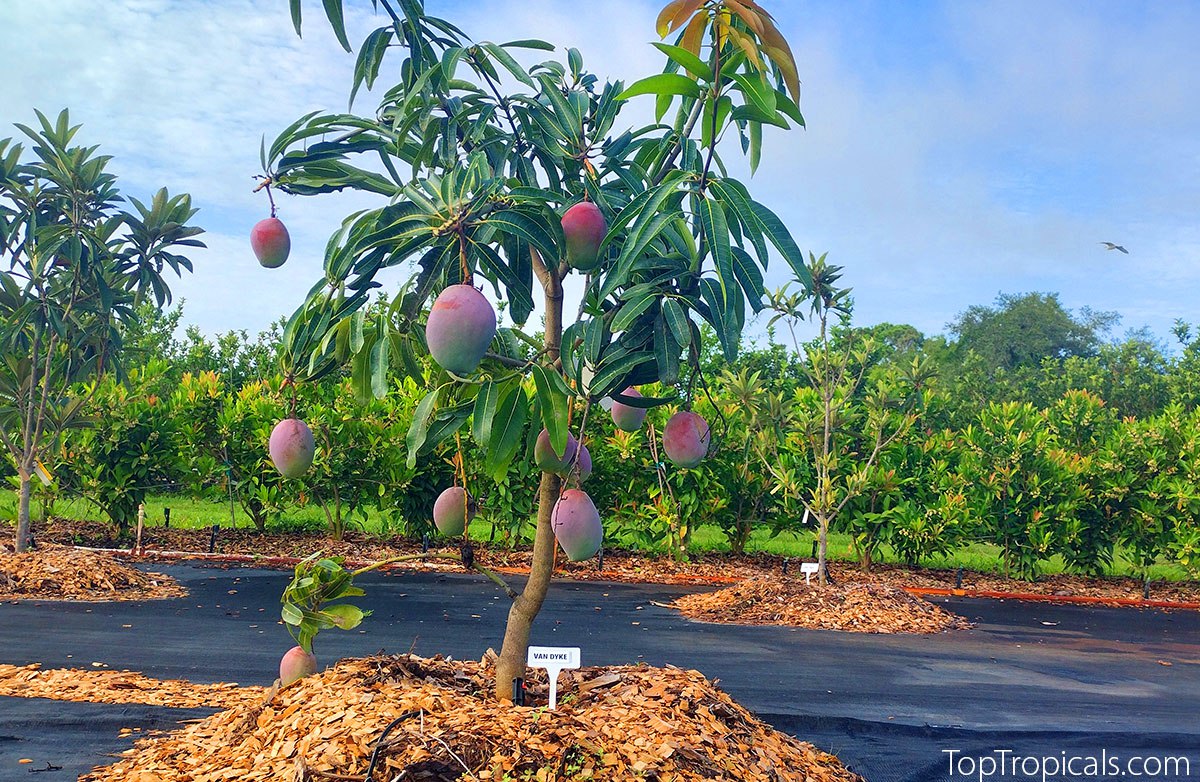
What are the Condo Mangos?

Mango tree with fruit

Mango tree with fruit

🥭 What are the Condo Mangos? A Practical Guide.

  • 🟠 What Are Condo Mangos?


    Condo Mangos, also known as dwarf mango trees, are perfect for small spaces. These trees can be grown in containers, making them ideal for balconies, greenhouses, or small suburban backyards. With proper care, they can be maintained at a manageable height of 6–10 feet through regular pruning. Some plant enthusiasts even manage growing Mango tree as an indoor plant!
  • 🟠 The term “Condo Mango”


“Condo Mango” refers to mango varieties that thrive in containers and are small by nature, allowing them to be easily kept even smaller with selective pruning.
  • 🟠 Size and Growth


    Unlike traditional mango trees, Condo Mangos are compact. They naturally grow to around 6-10 feet, but with proper pruning, they can be kept small, making them an excellent choice for limited space.
  • 🟠 Growing in Containers


· Condo Mango trees thrive in pots and containers.
  • · A 15-20 gallon pot is ideal to give the roots enough room to grow.
  • · Ensure your container has drainage holes to prevent root rot.


🟠 Planting Tips

  • · Plant Condo Mangos in full sun, where they’ll get plenty of heat and light.
  • · Use well-draining soil for optimal growth.
  • · Fertilizer regularly with quality plant food. Out best choice is Sunshine Mango Tango for edibles.
  • · Late Winter to early Spring is the best time to plant in containers, before the rainy season starts.
  • · Mangoes grow well in USDA zones 9-10, but if you live in cooler climates, you can grow them indoors or in a greenhouse, as long as you meet their heat and light needs.


🟠 Pruning and Maintenance

  • · Prune Condo Mango trees once a year to keep them at the desired height (6–10 feet), right after harvesting (late Summer to Fall)
  • · Trim the tips of the branches to maintain a compact shape and encourage healthy growth.
  • · Regular pruning will help keep the tree manageable and ensure better fruit production.

  • 📝 See most popular Condo Mango varieties in the next post 👇


🛒 Shop Condo Mango

📝 Earlier posts on #Mango:
#Food_Forest #Mango

🔴 Join 👉 TopTropicals

Date: 16 Jan 2025

How to grow a Lychee tree and have a reliable crop

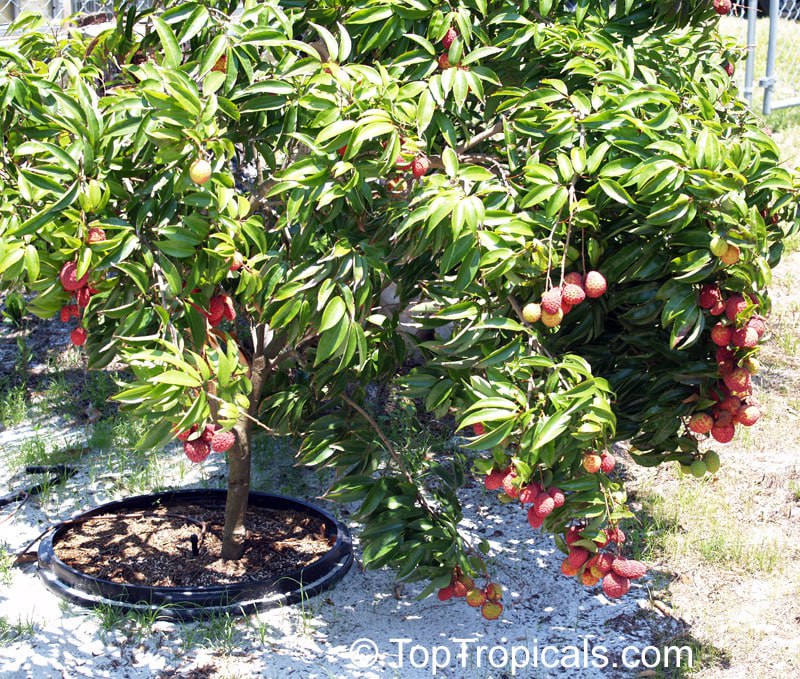
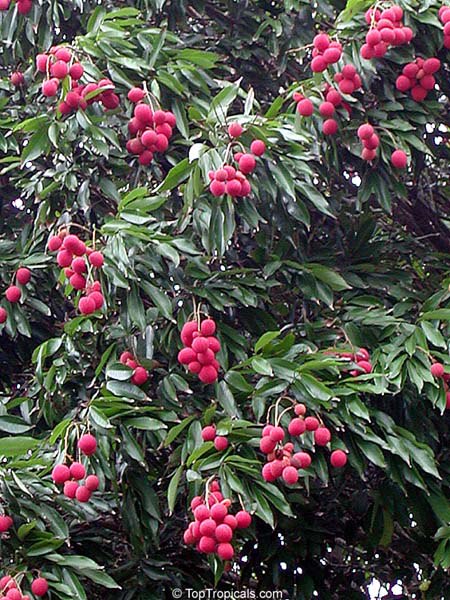
Lychee fruit on a tree, Litchi chinensis

Lychee fruit on a tree, Litchi chinensis

Lychee tree in a pot with fruit, Litchi chinensis

Lychee tree in a pot with fruit, Litchi chinensis

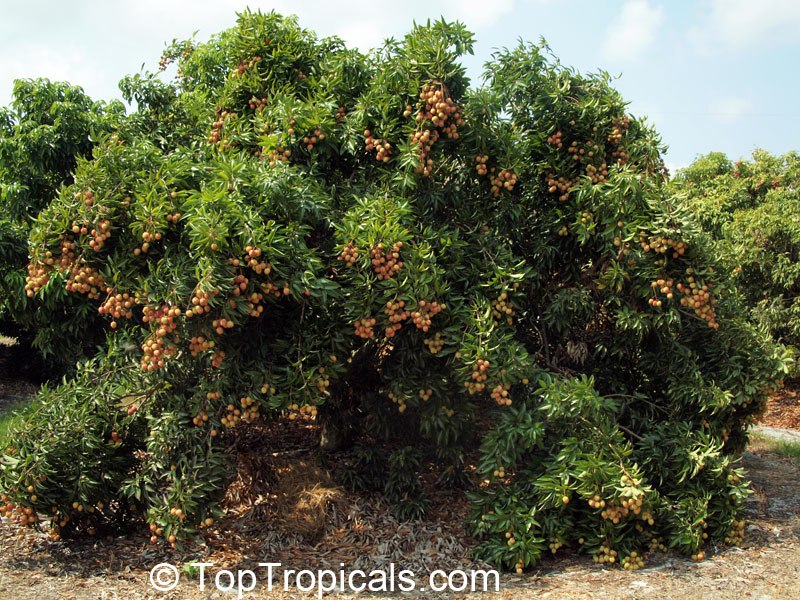
Lychee tree with fruit, Litchi chinensis

Lychee tree with fruit, Litchi chinensis

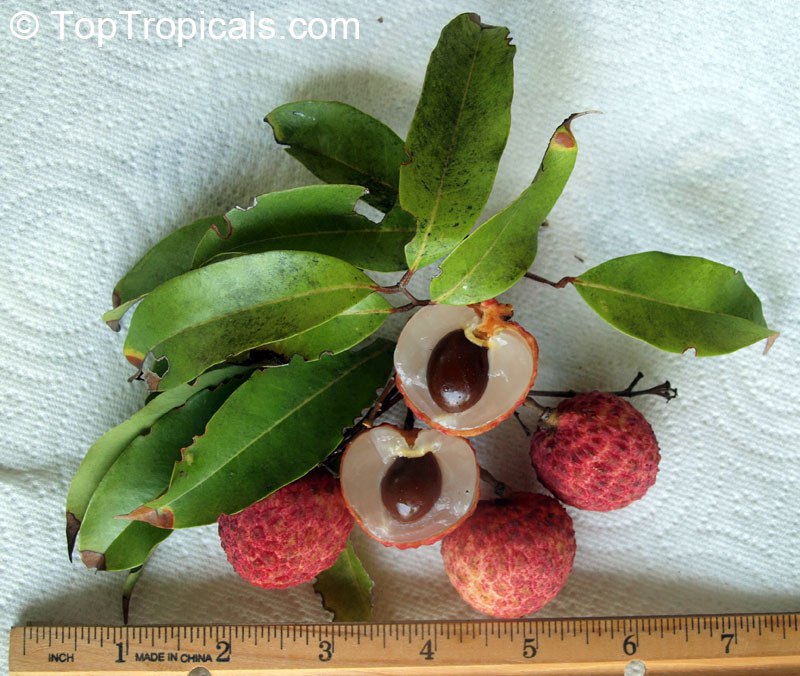
Lychee fruit, Litchi chinensis

Lychee fruit, Litchi chinensis

How to grow a Lychee tree and have a reliable crop. Practical Guide to Growing Lychee.
  • 🍑 Lychee (Litchi chinensis) is a tropical evergreen tree renowned for its delicious, aromatic fruit. Native to southern China, lychee trees can reach heights of up to 40 feet and are prized for their attractive foliage and bountiful fruit clusters.
  • 🍑 Important factors to consider when planting a Lychee tree


  • 💋Climate: Lychee trees thrive in tropical and subtropical climates with warm, humid summers and cool, dry winters. They require a period of winter chilling (100-200 hours between 32F and 45F) to induce flowering. Mature trees can tolerate temperatures as low as 25F, but young trees are susceptible to frost damage.
  • 💋Sunlight: Plant lychee trees in full sun to ensure vigorous growth and optimal fruit production. They require at least six to eight hours of direct sunlight daily.
  • 💋Soil: Well-drained, slightly acidic soils rich in organic matter are ideal. Avoid heavy clay soils or areas prone to waterlogging, as lychee trees are susceptible to root rot.
  • 💋Spacing: Ensure adequate space for the tree's mature size by planting at least 20 feet away from other trees or structures.


🍑 When and how do you harvest lychee fruit?

  • 💋Lychee trees typically begin to produce reliably after 3-5 years, with the fruit ripening in early summer.
  • 💋Timing: Wait until the fruit's skin turns bright red or pink, indicating full ripeness. Lychees do not ripen off the tree, so it's essential to harvest at the right time.
  • 💋Method: Use pruning shears to cut entire clusters, leaving a short stem attached to each fruit to prolong freshness. Handle the fruit gently to avoid bruising.
  • 💋Post-Harvest: Consume fresh lychees within a few days or store them in the refrigerator to extend shelf life. The skin may darken when refrigerated, but the fruit's quality remains unaffected.


🍑 How to grow a Lychee tree?

  • 💋Watering: Provide consistent moisture, especially during dry periods. However, avoid overwatering, as lychee trees are sensitive to waterlogged conditions. Mulching around the base helps retain moisture and regulate soil temperature.
  • 💋Fertilization: Apply a balanced fertilizer during the growing season to support healthy growth and fruit development. Avoid excessive nitrogen, which can inhibit flowering. Sunshine Boosters C-Cibus - natural liquid fertilizer - is the best choice, and is safe to use with every watering year around.
  • 💋Pruning: Minimal pruning is required. Remove dead or diseased branches and shape the tree to maintain its structure. Pruning after harvest can encourage new growth.


🍑 More practical advice on propagation and harvest in next post 👇

🛒 Shop Lychee trees

#Food_Forest #How_to

🔴 Join 👉 TopTropicals

Date: 29 Sep 2020

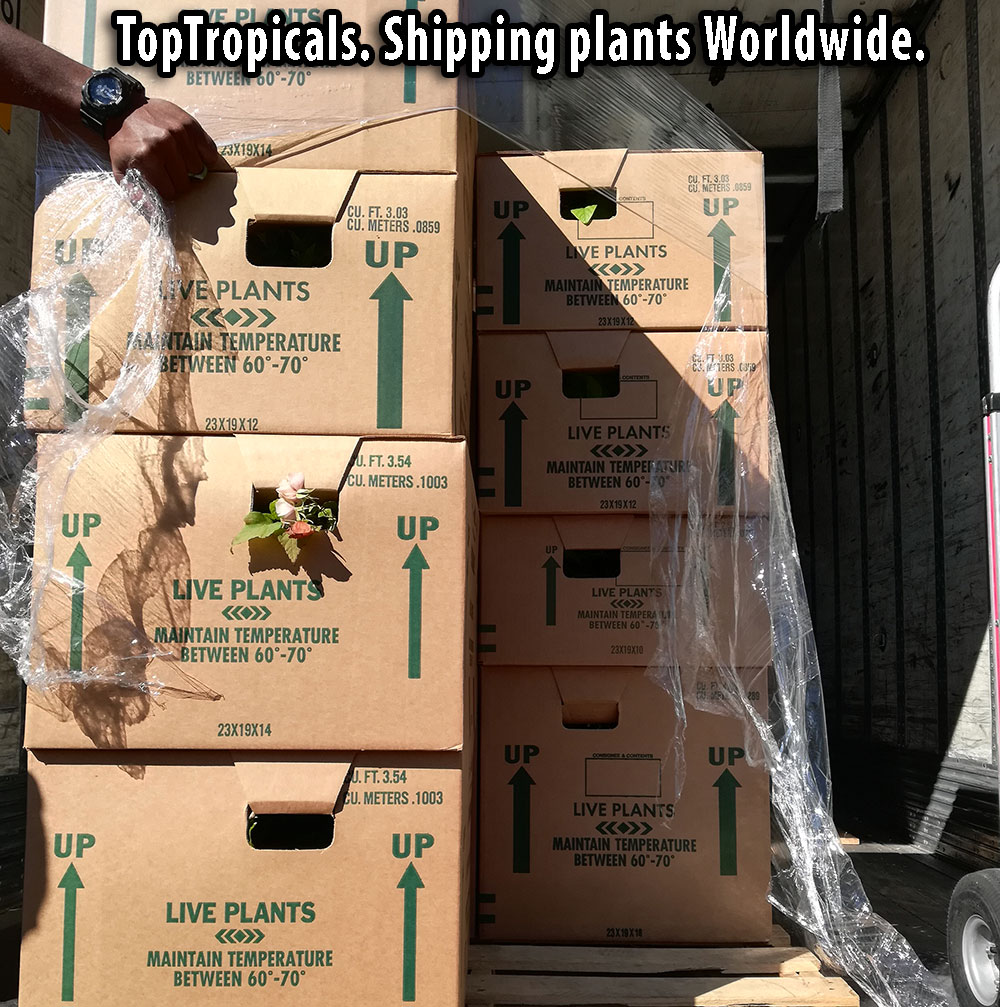
Shipping Tropical Plants Worldwide

Q: We are very interested in introducing frost-hardy avocado varieties into Switzerland. We would really, really like to have our own avocados in our garden. And we believe that the plants have a large sales market here. Do you see a way to send some plants to Switzerland? Which varieties would you recommend, which are the cold-hardiest?

A: Yes, we do ship plants all over the world, including Europe. For basic information on international shipping, please refer to these guidelines. Shipping plants internationally is a bit complex procedure, however we have over 17 years experience with that and you came to the right place. For a quote on shipping cost and to make sure you get all the necessary paperwork, contact our international department direct number 239-771-8082 or email us .

Regarding your questions about Avocado varieties:
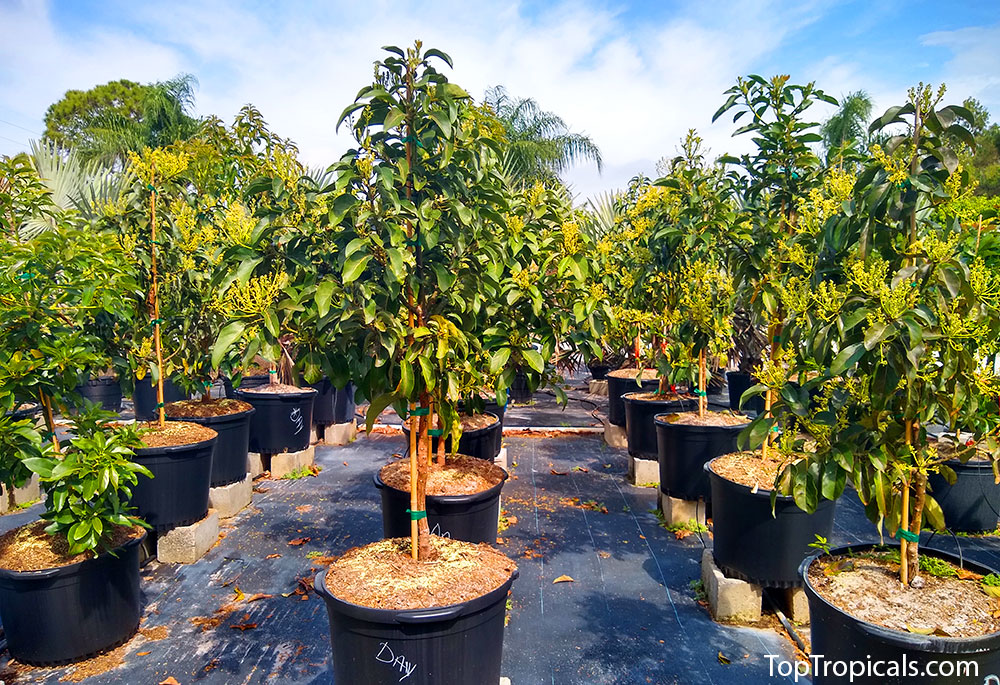
First, please take a look at Cold hardy Avocado varieties guide pdf file. The most cold hardy varieties like Brazos Belle, Fantastic, Joey, Lila, Poncho, Winter Mexican - can take short period of light freeze as long as they well established. This means, for the first year or two you need to protect them from freeze. Keep in mind that if you have hard freeze every night for several weeks, then even cold-hardy Avocados must be grown with cold protection. It is possible to do by creating a greenhouse/conservatory around plants in the ground, see example from one of our customers in Virginia. Even better - grow them in large pots. This way plants will be easier to handle and move around as needed. See the photo above of avocado production in pots.

Date: 24 Jun 2018

TopTropicals

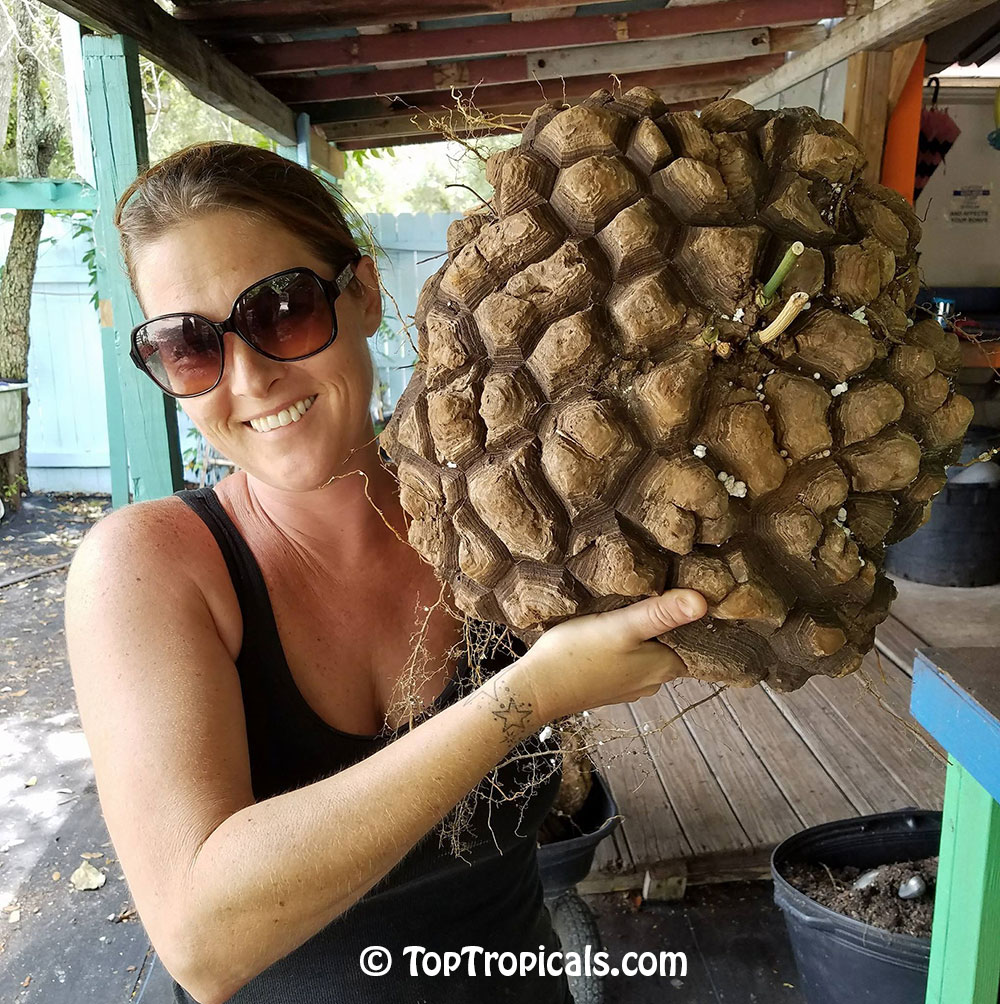
Elephant Foot, Turtle Shell - back in stock!

Dioscorea elephantipes.
Dioscorea is a curious plant with tuber above ground level covered with layers of corky bark, resembling a caudex. It is a slow growing, very unusual succulent. Tuber contains saponins, originally cooked and eaten as a famine food by the Hottentots. Caudex that grows up to 6' in nature, resembling an elephant's foot and looks as if it is segmented into geometric patterns (smaller plants look like tortoises) and looks dead but is actually a living tuber. A plant with 18"caudex can be almost 100 years old! The plant grows into a vine with attractive heart-shaped leaves and small yellow flowers. Culture is relatively easy. The vines may die back and regrow several times a year, depending on the particular plant and your region. The plant doesn't send down deep roots, so plant in a shallow pot about 1" larger than the diameter than the caudex. Potting soil should be very porous/loose so that there is easy drainage. Water well around the edges. Keep in a warm area and wait for the first shoots of the vine to appear. Water regularly from that point on. The plant should not be kept damp as with other tropical plants. Allow it to dry before watering again. Many books will say that they are winter growers, because they are native to the southern hemisphere. In fact, they grow in all seasons! Let the plant be your guide. You cannot force them to grow, and over watering will simply cause them to rot.
Elephant Foot is a collectors item, but remarkably easy to grow. It will be with you for years with no effort. It is a wonderful conversation piece! See more info about Dioscorea elephantipes.

We have limited stock, while supply lasts, hurry up!
*** 4-6"caudex *** 6-8" caudex *** 10-12"caudex *** Seeds. Don't forget special TopTropicals Adenium Soilless Mix that perfectly works for this plant!