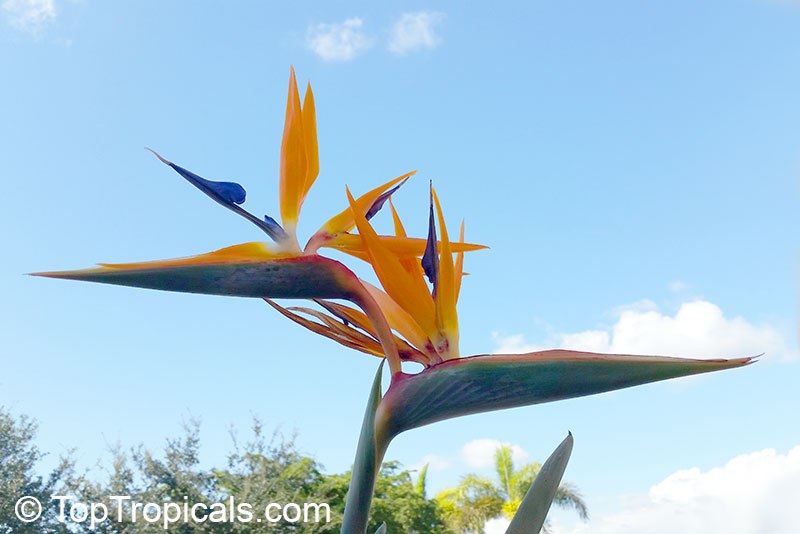
Garden Blog - Top Tropicals

Date: 21 Oct 2025

Compact Bauhinias - everblooming container trees
Compact Bauhinias - everblooming container trees

Compact Bauhinias - everblooming container trees

🌈 Compact Bauhinias - everblooming container trees

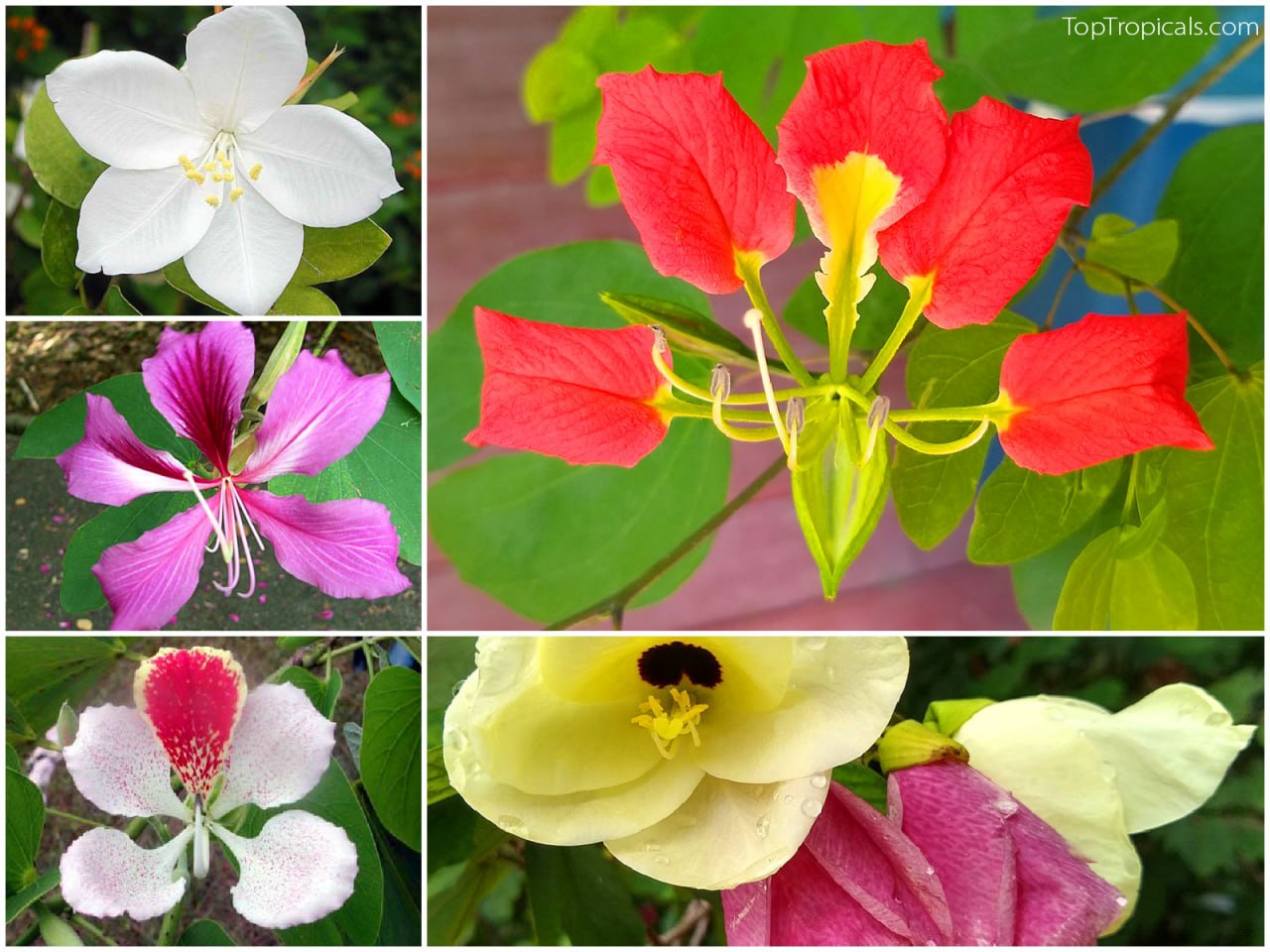
📸 Pictures for the previous post, Bauhinias:
  • Bauhinia madagascariensis - Red Dwarf Orchid Tree. Blooms from winter through fall, up to 10 months a year. The most cold-hardy of all.
  • Bauhinia blakeana - Hong Kong Orchid Tree. A large tree in the ground, but compact in pots if trimmed. Grafted trees flower right away. Winter bloomer, cold hardy to light frost.
  • Bauhinia tomentosa - Yellow Orchid Tree. Flowers from Winter through Summer, cold hardy to light frost.
  • Bauhinia monandra - Napoleon's Plume Orchid Tree. Almost everblooming with the longest flowering period (less cold hardy than the first three).
  • Bauhinia acuminata - Dwarf White Orchid Tree. Blooms from summer through winter (also less cold hardy than the first three).


🛒 Explore Bauhinias (Orchid Trees)

#Container_Garden #Trees

🟢 Join 👉 TopTropicals
Date: 23 Nov 2025

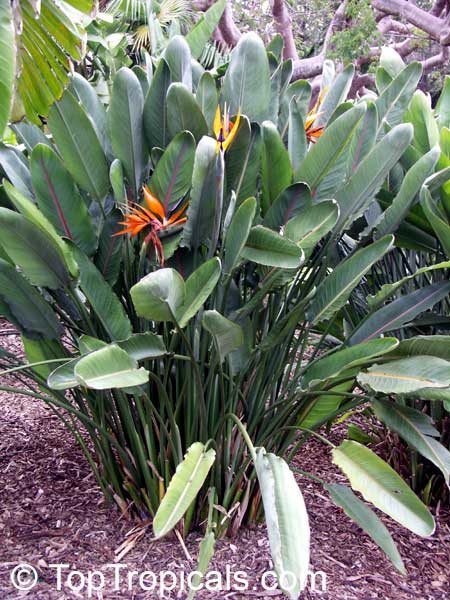
How to overwinter the tropical Bird of Paradise

Strelitzia reginae - the Bird of Paradise, bug plant

Strelitzia reginae - the Bird of Paradise, bug plant

Strelitzia reginae - the Bird of Paradise, flower

Strelitzia reginae - the Bird of Paradise, flower

❄️ How to overwinter the tropical Bird of Paradise

  • Strelitzia reginae - the Bird of Paradise is a resilient tropical that can adapt to indoor conditions through winter if given bright light, moderate warmth, and careful watering. With a few preventive steps and timely protection, plants will stay healthy and reward you with vigorous new growth and blooms when warmth returns.
  • When should you move plants indoors?


    Move Bird of Paradise indoors before nighttime temperatures consistently drop below 55F. Extended exposure to cooler air can slow growth and stress the plant. In central and south Florida, this often means late fall; in cooler zones, aim for early to mid-October. Once temperatures fall below 50F, leaf damage and root stress can occur.
  • What is the right location for a Bird of Paradise in winter, and why?


    Place the plant in the brightest spot available - ideally near a south- or west-facing window. Strelitzia reginae is light-hungry even during dormancy. Low light leads to leaf yellowing, weak petioles, and slowed recovery in spring. If natural light is limited, supplement with a full-spectrum grow light set 12-18 inches above the foliage for 12-14 hours daily. Maintain room temperatures between 65F and 75F.
  • Do you need to do anything before moving them indoors?


    Inspect the plant for pests such as mealybugs, scale, and spider mites, which often hide in leaf bases. Rinse the leaves and petioles thoroughly and check the soil surface for insects or snails. Prune off any damaged or aging leaves. If the plant has spent the summer in heavy rain, allow the soil to dry slightly before bringing it indoors to avoid fungus gnats or root issues.
  • Do plants need watering or feeding during winter?


    Reduce watering. Indoors, the Bird of Paradise grows slowly in lower light, and excess moisture can cause root rot. Let the top 1-2 inches of soil dry before watering again. Avoid fertilizing during winter rest; resume feeding in spring when new growth appears. If the air indoors is very dry, increase humidity with a pebble tray or humidifier rather than overwatering.
  • Can you overwinter Birds of Paradise outdoors?


    In frost-free areas of Florida (USDA zones 10-11), they can remain outdoors year-round. In zone 9, occasional cold snaps require protection. Mature clumps tolerate brief dips to about 30°F, but foliage burns easily at low temperatures.
  • What tips do you have for protecting plants outdoors?


    When frost threatens, water the soil thoroughly a day before - moist soil retains heat better than dry. Cover the plant overnight with frost cloth or breathable fabric, not plastic, to trap ground warmth. For large clumps, wrap the base with mulch or straw to protect rhizomes. After cold events, remove damaged leaves but wait until spring to cut deeply, as live tissue below may still recover.


📚 Learn more:


How to grow Bird of Paradise

🛒 Plant Bird of Paradise

#How_to #Container_Garden

🟢 Join 👉 TopTropicals

Date: 19 Dec 2025

Ten best shrubs for winter colors

💐 Ten best shrubs for winter colors


🛒 Explore Winter bloomers

#Hedges_with_benefits #Discover

🟢 Join 👉 TopTropicals

Date: 19 Dec 2025

Eight best winter blooming trees

💐 Eight best winter blooming trees


🛒 Explore Winter bloomers

#Trees #Discover

🟢 Join 👉 TopTropicals

Date: 25 Jan 2026

How to grow Winter blooms without sun, indoors or out

Clerodendrum wallichiii - Bridal Veil

✨ How to grow Winter blooms without sun, indoors or out

  • ⭐️ Clerodendrum wallichii - Bridal Veil, is one of those plants that quietly steals the show. It is a graceful shrub that drapes itself in long, hanging sprays of white, lightly fragrant flowers just when many gardens are slowing down. Around fall and into winter, it suddenly comes alive with cascading blooms that really do look like a veil.
  • ⭐️ One of the things that makes Bridal Veil really special is that it blooms beautifully in bright shade, which is rare - not many flowering shrubs are happy without direct sun. Because it tolerates lower light so well and stays elegant in a container, it also makes a surprisingly great indoor plant in a bright room or sunroom.
  • ⭐️ What you will love most is how elegant but easygoing it is. The plant grows upright with soft, arching branches, usually topping out around 6–7 feet, with narrow, pointed leaves that stay neat and refined. The green stems set it apart from some other clerodendrums, giving it a lighter, airier look even when it’s not in flower.
  • ⭐️ Bridal Veil does best when you treat it gently. It likes bright light but not harsh afternoon sun, and it really appreciates protection from wind. Give it a spot with morning sun or bright shade, keep the soil evenly moist but well drained, and it rewards you without much fuss. It’s a great choice for containers, patios, or sheltered garden beds where you can enjoy the flowers up close.
  • ⭐️ Another bonus - it blooms when you want it most. While many plants rest, Bridal Veil puts on its show from fall through spring, making it a favorite for winter-interest gardens in warm climates. Pollinators notice it too, especially when little else is blooming.
  • ⭐️ If you like plants that feel a bit romantic, bloom off-season, and don’t need constant attention, this one earns its place fast. Bridal Veil is quiet, graceful, and unforgettable once you’ve grown it.


🛒 Start your Clerodendrum collection

📚 Learn more:
#Shade_Garden #How_to #Hedges_with_benefits #Container_Garden

Plant Facts

Clerodendrum laevifolium, Clerodendrum wallichii, Clerodendrum nutans
Bridal veil, Nodding Clerodendron
USDA Zone: 9-11
Large shrub 5-10 ft tallSmall plant 2-5 ftSemi-shadeModerate waterWhite, off-white flowersPlant attracts butterflies, hummingbirdsFragrant plantSubtropical plant. Mature plant cold hardy at least to 30s F for a short time
🟢 Join 👉 TopTropicals