Garden Blog - Top Tropicals

Date: 16 Feb 2019

Deciduous plants soon sprouting
TopTropicals.com

Many people believe that living in a warm climate will dissuade a plant from its deciduous nature. However, deciduous plants react to not only temperate but also shortened hours of daylight and changes in precipitation. Additionally, some plants will drop foliage in phases between new growth, and others use abscission to aid in pollination; blooming without wind-blocking leaves and making flowers more visible for insects.

When pruning a deciduous tree or shrub, it's generally best to wait until late winter or early spring, before the plant begins to leaf out. Avoid pruning during periods of new growth; during this time, the plant is weakened by the struggle to reestablish its growth process. Before pruning your deciduous plant, first research the specific plant, as there will always be exceptions to general instruction. For example, many Rubus varieties desire to prune in late fall, as their buds are developed during the dormant winter season. Some trees may have flower or fruit during winter while having no leaves, give them a chance to flower before pruning.

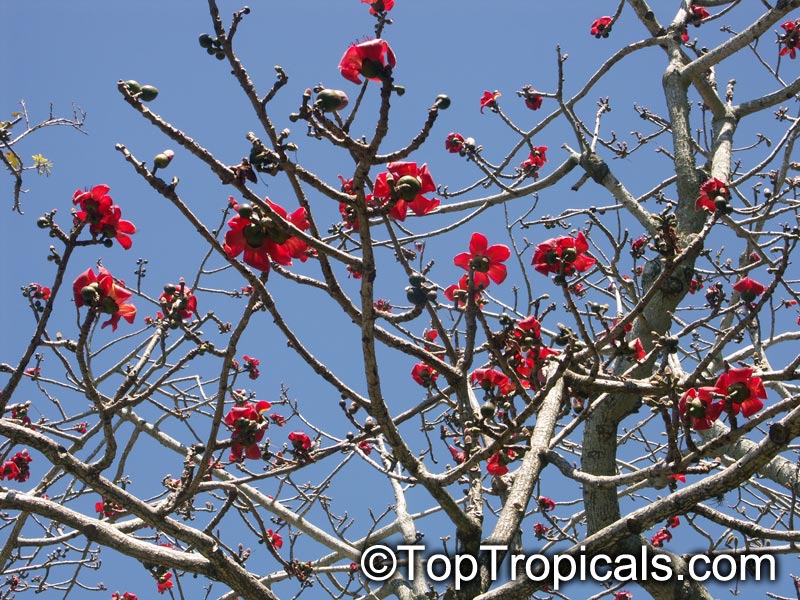
On the photo: Winter flowering Bombax ceiba in full bloom.

Date: 12 Jan 2025

We ship year around!

Cat  in  winter  hat

Watch the weather and use a heat pack!

Q: Do you ship plants in Winter or should I wait to place an order until Spring?

A: We offer year-round shipping to all 50 states, with weather conditions at the destination in mind: when temperatures are above 35F in winter and below 100F in summer to ensure your plants arrive in the best condition.

If the weather in your area isn't suitable for shipping, we can hold your order until conditions improve. For extra protection during colder months, we recommend using heat packs.

To minimize stress on your plants, consider using FedEx Hold locations - these temperature-controlled spots ensure a safe, convenient pickup, and prevent your box from being left outside in extreme temperatures. You can find these pickup locations at FedEx stores, Walgreens, many Dollar General stores, and other retailers.

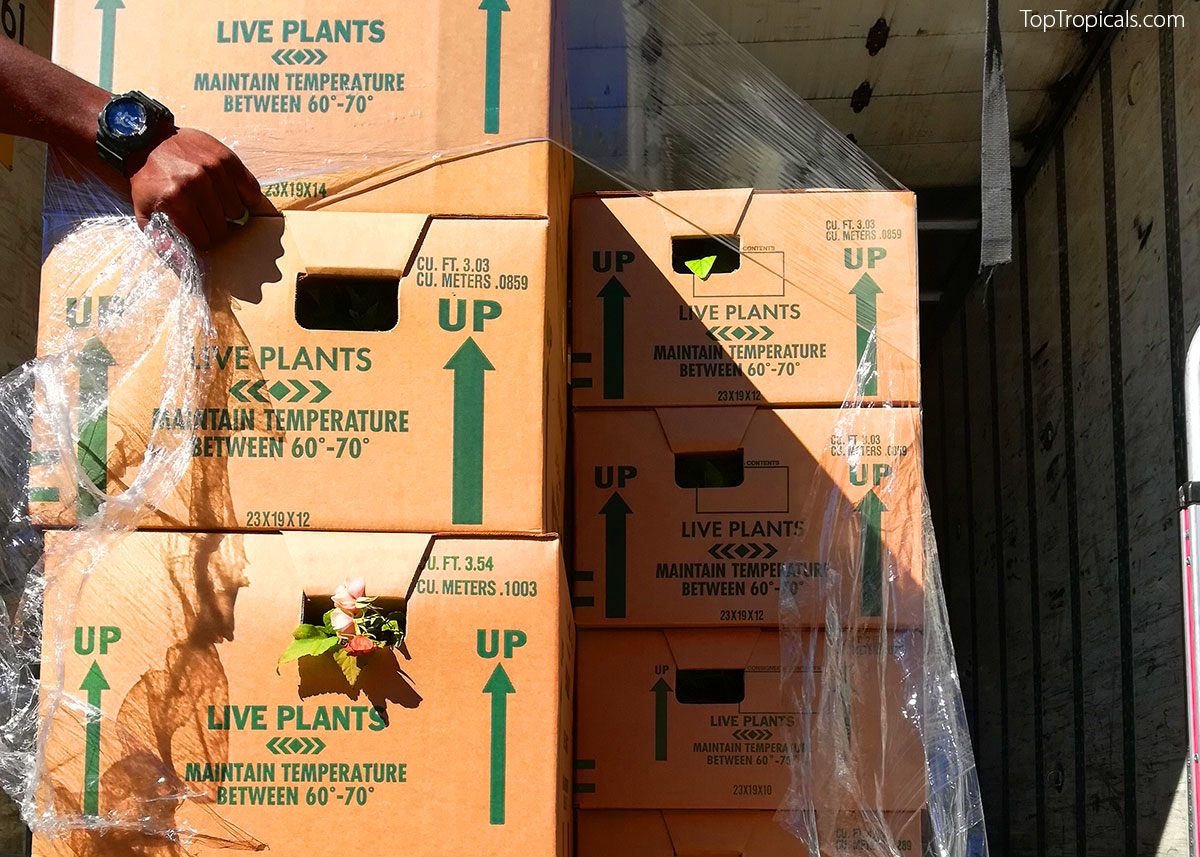
Shipping  plants  in  boxes

Date: 26 Oct 2018

Improving cold hardiness before winter: fertilizer and micro-elements

TopTropicals.com

Q: I live in New Jersey and it is getting cool here, with temperatures in the upper 40s, but my tropical plant collection is in a heated sunroom (still around 70s). Should I continue fertilizing my plants? And if yes, my second question about deciduous Sugar Apple tree. Should I continue fertilizing it until it drops leaves?

A: First of all, even though you live outside tropical climate, your plants enjoy warm temperatures year round, and can be treated like if they were in a Southern garden.
Plant nutrients, both macro-elements (regular fertilizer) and micro-elements (such as iron, manganese, magnesium, copper, and other elements) play an important role not only in overall plant health but also in plant hardiness.
The rule of thumb is, even in warm climates we cut off any fertilizer by the end of October. You still have time for the last treatment this year (next will be in March, or when your plants start showing new growth). You may apply just a bit of slow-release granulated fertilizer, or water-soluble by foliar spray, diluted 1/2 of label strength, to all evergreen species in your collection.
The most important application before winter is micro-elements and other plant boosters that will help you plant collection survive winter months with a shorter daylight and cooler temperatures. Now it is a perfect time to make these simple steps:

1) Miscro-element applications, any one of: Superfood, Iron Supplement, Greenleaf.
2) Sunshine-T application: for improving cold hardiness, plus immune system resistance to insects and deceases.
3) Sunshine-Honey application for all fruit trees to encourage bigger and sweeter fruit next year.

Regarding your second question. Deciduous tropical plants like Annonas, Adeniums, Plumerias, etc - do not need regular fertilizer at this time, however, go ahead and apply microelements Superfood complex, as well as Sunshine-Honey, while leaves are still green. These two will give a kick-start to provide better flowering in spring, and production of sweeter fruit later.

Check out SUNSHINE boosters - all with free shipping!

Date: 24 Jun 2018

TopTropicals

Carambola (Star Fruit) in winter

A word from our customer:
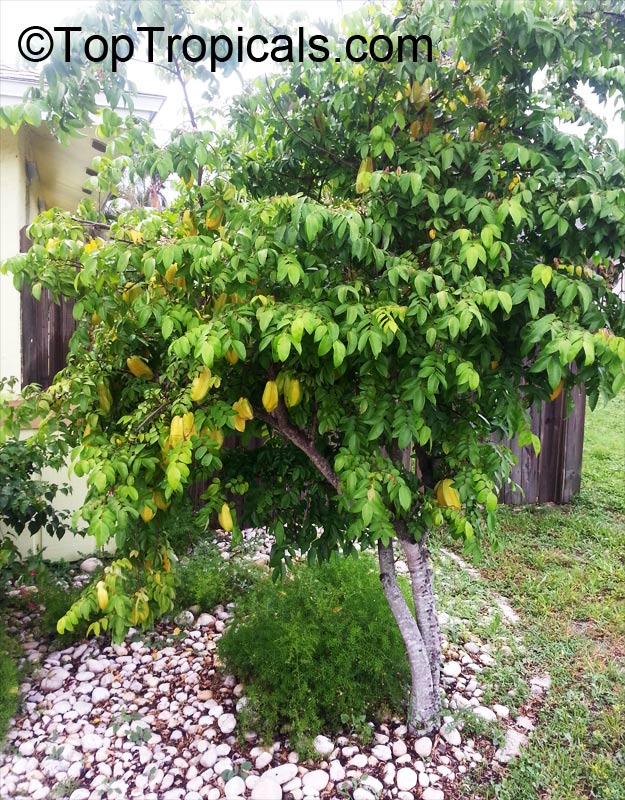
I just wanted to let you know that the Dwarf Carambola Kari has survived last winter and turned into a nice bushy tree this summer.I have been trying to grow this tree forever it never survived winters here. Then last year you suggested me to plant Carambola in wind protected corner, so I picked a place next to the house,South side very close to the wall. I covered it several times with a sheet on windy days like you said. The tree did lose leaves during winter but it survived and established well. I had my first crop this year nearly 20 fruit!Just thought your other customers wanted to know keep it protected from winds this is the secret,it works! (M., Avon Park, FL)

Check out this plant...

Date: 24 Jun 2018

TopTropicals

Winter mulching in Southern landscapes

"My rule of green thumb for mulch is to double my initial estimate of bags needed, and add three. Then I'll only be two bags short." (Author unknown)

Q: What is the best time for mulching in Florida? What type of mulch do you recommend and how much should I use?

A: Every gardener knows that spreading mulch in the garden helps to protect the soil in general, prevents weeds from growing, plus it has specific benefits during harsh winter conditions. A layer of mulch will keep the soil insulated, roots protected from possible freezing, so you'll also end up with better results in spring by laying down mulch in the cold months.
When? We lay mulch in our Florida garden right now. It is cool so we work twice more efficient. After rainy summer-fall season, most of mulch around plants had broken down and in many areas soil is exposed: easy target for weeds.
In general, in warm climates Fall and Winter mulching is the most effective. Mulch creates an insulating barrier between the soil and air, thereby protects plant roots from rapid fluctuations in soil temperature.
How much? There is never too much mulch. Just make sure to put it 2-3 inches away from the trunk to prevent rotting and mold.
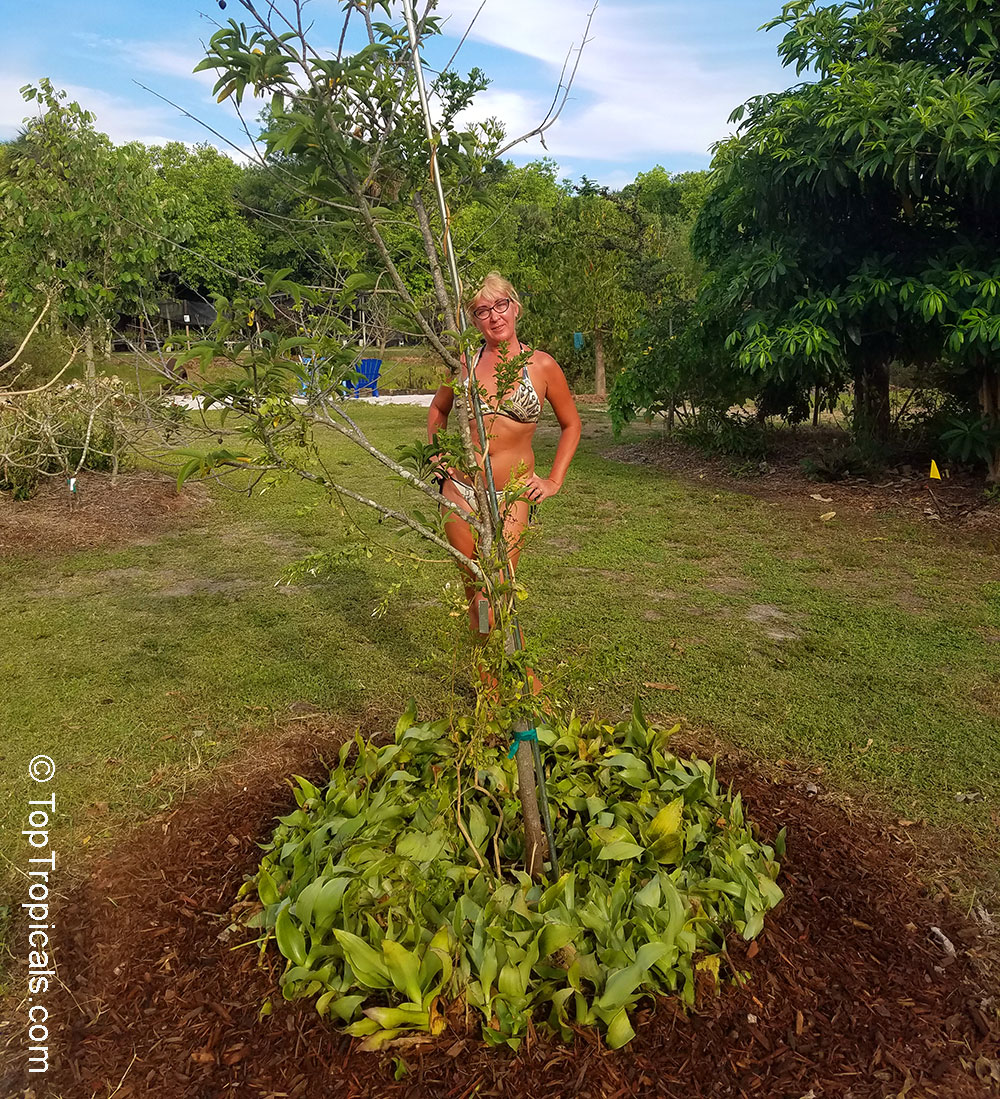
What kind? Different types of mulch can be used, including wood chips, shredded leaves, straw and hay. Yes, leaves and hay too! Remember all green parts of a plant (= your leaves and grass) are full of Nitrogen so important for plant vigor, it eventually will go back into the soil as extra benefit. Unless you want to spend a fortune on a fancy red or cypress mulch, you may use these natural materials that are handy in every garden. After raking leaves, pile them up and in couple weeks of drying and breaking down leaves will become a perfect, soft mulch that is best to use around fragile and herbaceous plants. After mowing your lawn, save the cut grass and use the hay as mulch. It always works the best in our garden, keeps weeds away better than wood chips, and in spite of a common belief that cut grass is full of weed seeds, we never seen grass or weeds sprouting from that hay.
Happy mulching and stay warm!