What is the most excusive tropical Christmas flower?
🎄 What is the most excusive tropical Christmas flower?
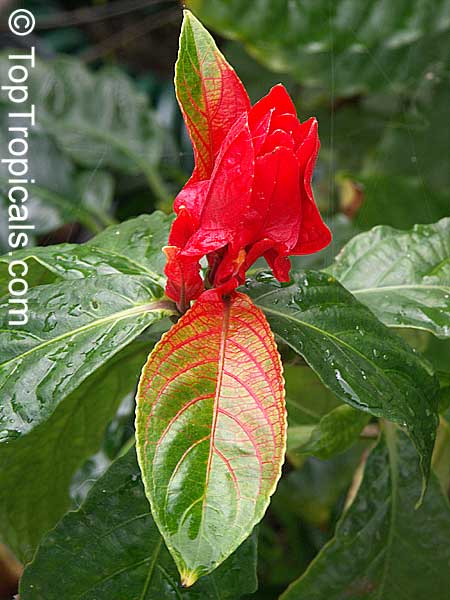
🎅 A festive showstopper, Ruellia colorata, known as Colorama, is a rare and vibrant addition to exotic container plant collection. Its brilliant scarlet bracts color up for Christmas and stay bright carmine for several months.
🎅 Native to Brazil, this small plant grows 2-4 feet tall, displaying brilliant scarlet bracts and crimson flowers that stay bright for months, adding a touch of holiday cheer.
🎅 One of Colorama's most striking features is its photoperiodic response: the top leaves turn crimson red around Christmas time due to changes in daylight length, much like the beloved Poinsettia. After winter, these leaves return to green, keeping the plant lively and versatile year-round.
Photoperiodism is the process where plants respond to the length of day and night, triggering changes such as leaf coloration or flowering.
🎅 Its blooms are a magnet for butterflies and hummingbirds, making it a favorite for wildlife enthusiasts.
🎅 Colorama thrives in shady to semi-shady spots and requires regular watering to stay lush and healthy. It's perfect for USDA zones 9-11 but can also be grown in colder regions if protected from frost. For winter care in cooler climates, move it indoors or to a warm area to keep this stunning beauty happy and blooming.
🎅 When grown in pots, ensure good drainage, use rich organic soil, and place the plant in a bright location.
🎅 Prune twice a year to maintain its compact, bushy shape, and fertilize with a flowering fertilizer once established.
Patchouli - Pogostemon cablin is easy to grow indoors if you give it what it likes. It is one of those plants that does double duty - it looks great and makes your home smell amazing. Those big, soft leaves release that deep, earthy scent just by being there.
☘️ Light and temperature
Patchouli loves bright shade. Think filtered light near a window, not harsh direct sun. Too much sun can burn the leaves, especially indoors. In lower light, it still grows well and keeps its fragrance. It is a tropical herb, so keep in warm - at room temperature.
☘️ Water and soil
This plant loves water. Use a well-draining soil mix and a pot with drainage holes, but do not let it dry out. Daily watering is usually fine in warm conditions. Good air circulation is important.
Growing patchouli is similar to growing herbs in containers - just be more generous with water than you would be with basil or oregano.
☘️ Containers and growth
Patchouli grows fast. Start in a 1-gallon pot, but plan to move it up to a 3-gallon container fairly quickly. More room means bigger leaves and a stronger scent.
☘️ Feeding
Feed regularly. You can use Sunshine Boosters Robusta with every watering, or apply Green Magic controlled-release fertilizer every 6 months and at each transplant. Patchouli responds quickly to feeding with lush growth.
☘️ Pruning and uses
Prune as the plant gets bigger to keep it full and bushy. Do not throw the leaves away - dry them for sachets or use fresh/dry leaves for tea.
☘️ Propagation
Patchouli roots very easily from cuttings. Snip a healthy stem, place it in water or moist soil, and it will root fast. It is one of the easiest plants to share with friends.
If you want a plant that grows fast, smells incredible, and actually does something useful indoors, patchouli is hard to beat.
🌷 Why Turmeric was named the 2026 Herb of the Year
🌷 Turmeric was named the 2026 Herb of the Year by the International Herb Association, and it is easy to see why gardeners are paying attention. This tropical plant from the ginger family is best known for its bright orange underground rhizomes, used for centuries as a spice, natural dye, and traditional remedy.
🌷Native to India, Turmeric (Curcuma longa) is closely related to Ginger and Cardamom. Its rhizomes are a staple in curry and widely used in Asian, African, and Caribbean cuisines. In recent years, turmeric has also gained attention for potential anti-inflammatory properties.
🌷 Herb, spice or flower?
• Botanically, turmeric is a spice, since it comes from the plant’s rhizomes rather than its leaves. In the kitchen, however, it often functions like an herb. Fresh turmeric can replace powdered turmeric in most recipes and delivers brighter flavor and color.
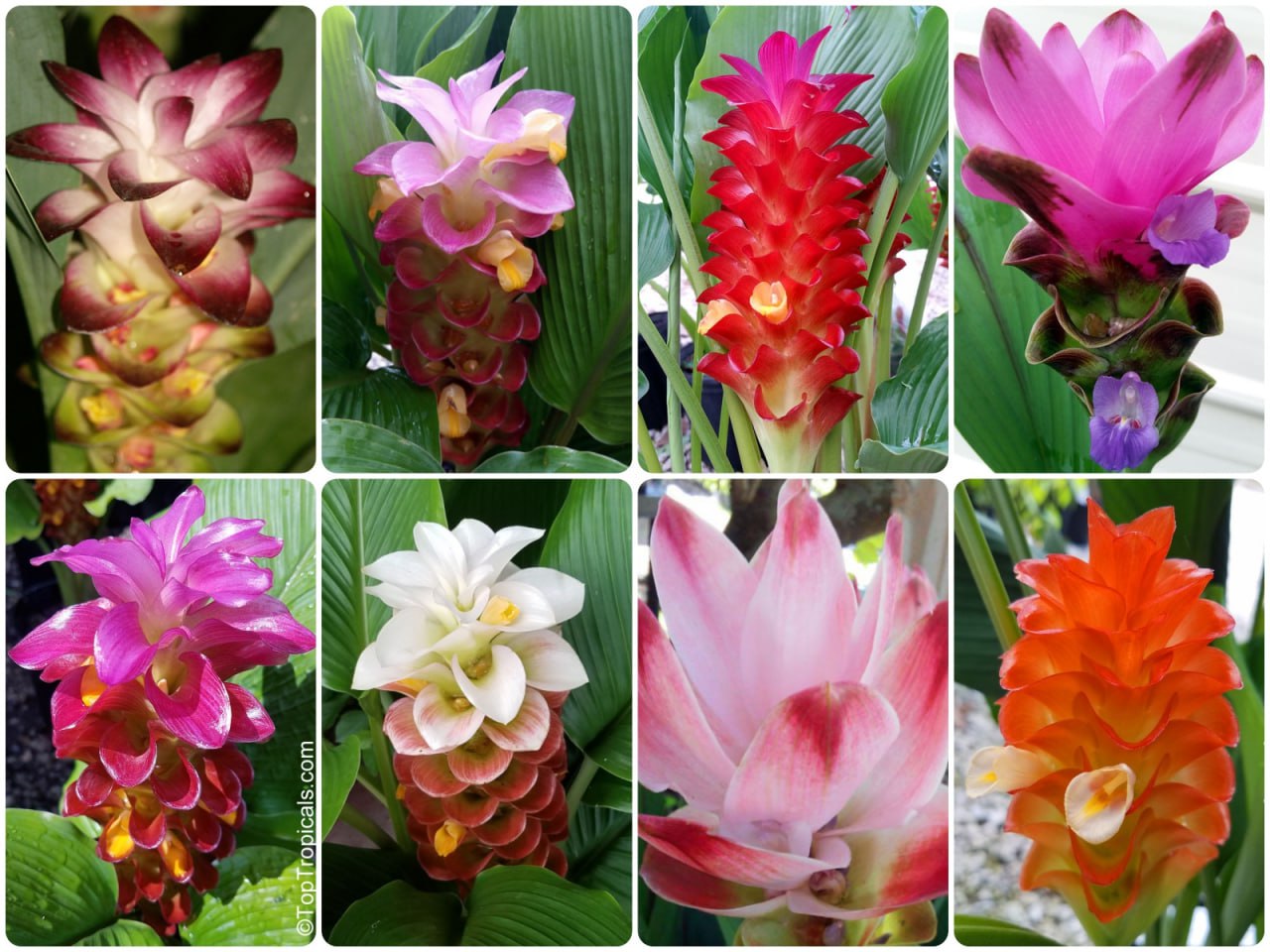
• Beyond edible Turmeric, there are many Curcuma hybrids grown purely for ornament. These selections produce striking, long-lasting flower spikes in shades of pink, white, orange, red, and purple, rising above lush tropical foliage. Ornamental curcumas are popular as patio plants and indoor accents, adding dramatic color and texture even where they are grown strictly in containers.
🌷 Growing turmeric anywhere - even in cool climates
Although Turmeric is a tropical perennial, it grows very well in containers, making it suitable for gardeners everywhere. When grown in pots, turmeric is treated as a warm-season plant that can be moved indoors as temperatures cool.
🌷 How to grow Turmeric
Turmeric is a compact, but bold plant, reaching 3-4 feet tall and wide, so it needs a roomy container. It prefers:
• Rich, well-drained soil
• Slightly acidic conditions (around pH 6–6.5)
• Consistent moisture
• Warm temperatures and bright, indirect light
The plant produces flowers that do not set seed, so turmeric is grown entirely from rhizomes.
🌷 Harvesting and using Turmeric
As the season ends, turmeric naturally goes dormant and the leaves yellow and dry. This signals harvest time. Dig the rhizomes, clean them, and dry them in a cool, shaded place.
Rhizomes can be:
• Boiled, dried, and ground into powder
• Frozen whole and grated as needed
• Pickled for long-term storage
Some healthy rhizomes can also be saved and replanted the following season, making turmeric both productive and renewable.
Compact, bold, and useful, turmeric proves that tropical plants can thrive well beyond the tropics - especially when grown in pots.
Mango Tree for Zone 5: top 15 Condo Mango for growing in cold areas
Mango Tree for Zone 5
🥭 Mango Tree for Zone 5: top 15 Condo Mango for growing in cold areas
🥭 Can you grow a mango tree in Zone 5? Short answer - yes! The trick is - containers!
Mango trees are tropical plants but they do great in pots when you choose the right varieties.
🥭 Compact types stay short, respond well to pruning, and produce in containers.
You can grow them on a patio, balcony, even move them indoors in your condo for winter. That is why they are called condo mangoes!
During warm months, they live outside.
When cold weather hits, they come inside.
🥭 With good light, proper watering, fertilizing, and some patience, these trees can reward you with real mangoes. Not a farm harvest, but enough to enjoy and share.
Vanilla planifolia Vine, Flower, and Cured Vanilla
Beans
How to Grow Vanilla: quick how-to
Vanilla is not complicated, but it does have preferences. Start with a
pot and regular, well-draining mix. It does not need anything exotic. Give
it:
Bright, indirect light
Warm temperatures
Good humidity
Air movement
Most importantly, give it something solid to climb. A wooden trellis, a log,
or a burlap-covered board works well. The surface should be porous so the
aerial roots can grip.
As it grows, guide the vine gently. You can prune it to control size.
Vanilla is slow to mature. That is normal.
The Bloom Secret
Vanilla does not bloom just because it looks healthy. It blooms when it
feels secure.
This is a climbing orchid. It must attach firmly to a solid, porous
support such as a wood log, trellis, or burlap-covered board. When the
aerial
roots grip and the plant reaches maturity, flowering becomes possible.
Once the flowers appear, they usually need to be hand pollinated to
produce pods. Each flower stays open for only a short time, so timing
matters.
How to pollinate vanilla: In this video, we show you
exactly how to pollinate vanilla step by step
❓Vanilla care: quick FAQ
Does Vanilla planifolia really produce vanilla
beans?
Yes. Vanilla planifolia is the commercial source of vanilla. After
flowering, it can form long green pods (vanilla beans). The aroma develops
later during curing.
What is the secret to getting vanilla to bloom?
Let it climb. Vanilla is a climbing orchid and usually will not bloom until
its aerial roots attach firmly to a solid, porous support like a wood log,
trellis, or burlap-covered board.
Do I need to pollinate vanilla flowers?
Yes. In most home growing conditions, vanilla flowers must be hand
pollinated to produce pods. Each flower is open for only a short time, so
timing matters.
Can I grow vanilla indoors?
Yes, if you can provide bright, indirect light, warmth, humidity, and a
support to climb. A sunny room with filtered light and a trellis or log can
work well.
What should I use for support?
Use a sturdy trellis, a wood log, or a burlap-covered board. The key is a
porous surface that aerial roots can grip. Avoid chemically treated wood.
Check out this very unusual way to
grow Vanilla Orchid over a wall.
What potting mix should I use for Vanilla plant?
Start in a pot with a regular, well-draining potting mix such as Sunshine
Abundance. As the plant matures, it relies more on its support and
aerial roots than the soil.
What fertilizer should I use? Sunshine
Boosters Orchidasm is formulated specifically for orchids and will work
perfecty for Vanilla orchid as well.
How big will it get?
As big as you let it. Train it and prune it. Vanilla grows according to the
structure and space you provide.
How long until it flowers?
Typically a few years. Vanilla is a long-term project, but it is very
rewarding once established.
For Collectors and Enthusiasts:
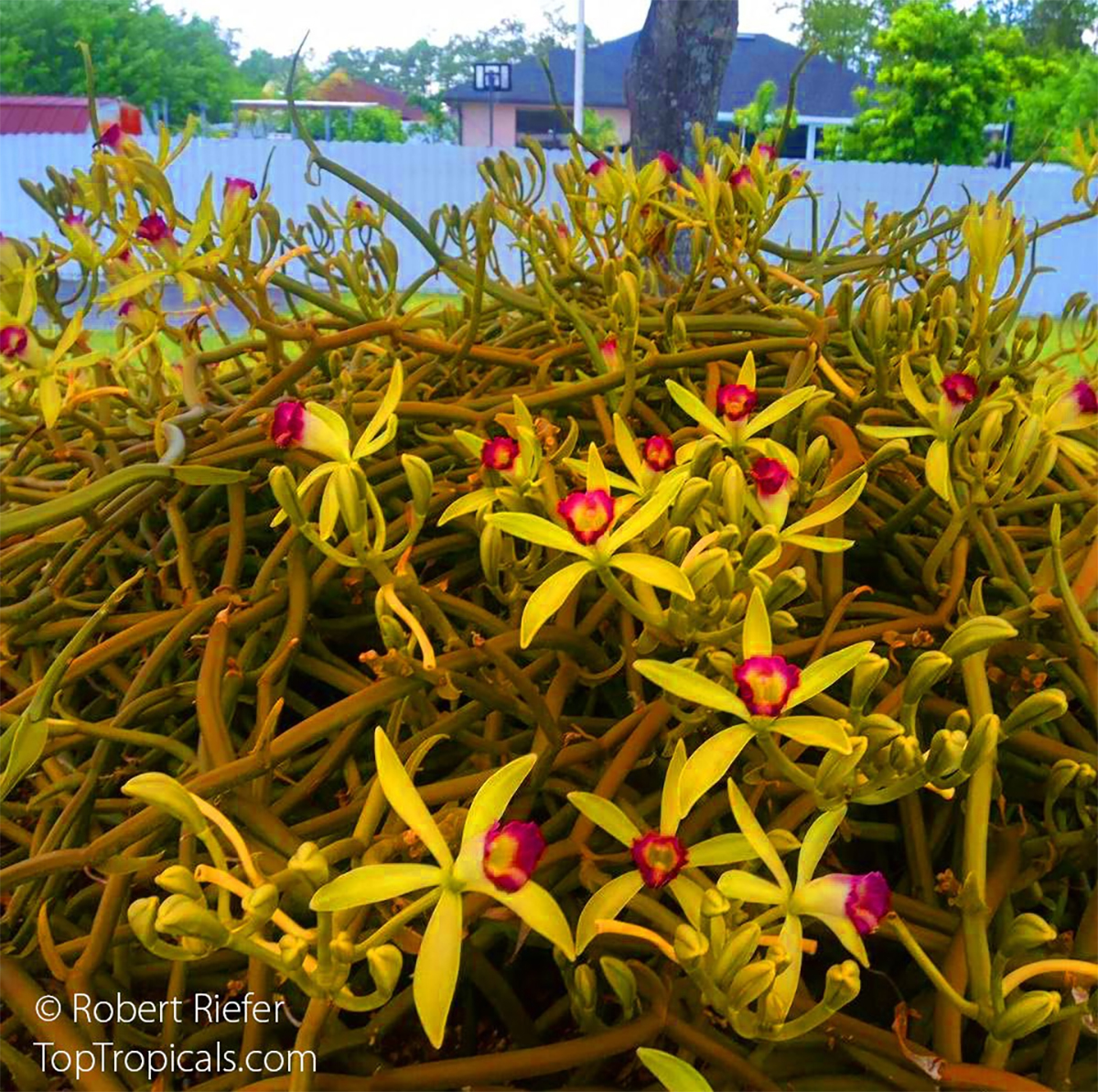
Vanilla dilloniana in Bloom - Rare Florida Native
Orchid
We also offer Vanilla dilloniana, a rare
Florida native species with distinctive flowers.
One remarkable specimen of this species, grown by our friend Robert
Riefer, became so vigorous over many years that it outgrew a 100 gallon
container and was eventually moved into a 250 gallon pool on wheels.
The plants we offer are propagated from that very specimen:
That kind of growth reflects deliberate cultivation and ideal conditions
- not something that happens unintentionally.
Vanilla grows according to the space and structure you provide.
For gardeners focused on producing real vanilla beans for the kitchen,
Vanilla planifolia remains the right place to
start.