Garden Blog - Top Tropicals

Date: 9 Aug 2021

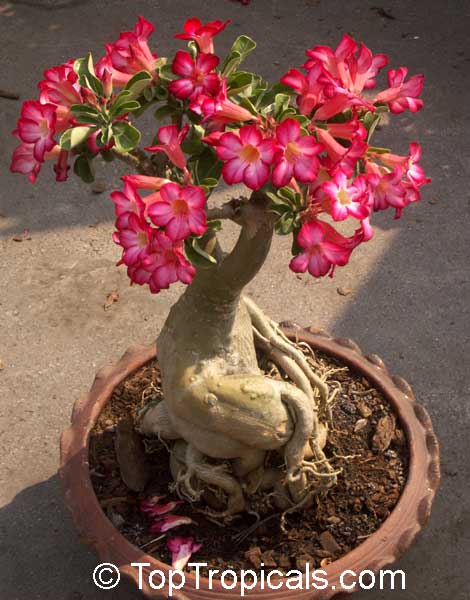
Care of Desert Roses

Q: I am looking forward to my three desert roses I just ordered from you and I am wondering how to take care of them, especially during winter time. Should I put the pots in full sun or shade? What kind of soil do they like? How often should I water them? When it gets cooler, should I bring them inside? We do have occasional frost here during winter.

A: Here are a few tips for your desert roses:

1. When received Adenium from mail-order, unpack carefully; branches are fragile. Plant in well-drained potting mix. Cactus mix will do, but we recommend special Adenium mix. If using regular acidic peat-based potting mix, you may add sea-shells on top of soil to neutralize acidity: adeniums prefer alkaline soils. Using clay pots is beneficial. Water once and do not water again until soil gets dry. Place in bright shade until new leaves sprout, then the plant can be moved to full sun.

2. Adenium is a succulent, but not a cactus. It needs watering, however let soil dry before waterings. Reduce watering during cool season and discontinue when plant gets dormant (drops all leaves in winter).

3. Bright light is the best for profuse flowering. However, adeniums look much healthier in slightly filtered light rather than in all-day full sun.

4. Fertilize and spray leaves with liquid fertilizer SUNSHINE Megaflor - Nutrition Bloom Booster. Phosphorous is responsible both for flowering and caudex development. Avoid caudex, spray over foliage only. Dry fertilizer can be used only during hot months.

5. Watch for spider mites during hot and dry season.

6. Give plants a break during winter dormant season. Keep in bright shade and reduce watering to 1-2 per month or stop watering if temperature is below 65F.

More info on growing Desert Roses:
What you need for successful growing Adeniums
Overwintering Adeniums outside of tropics
Growing Exotic Adeniums - Growing Exotic Adeniums

Date: 28 Sep 2024

What is Barbados Gooseberry?

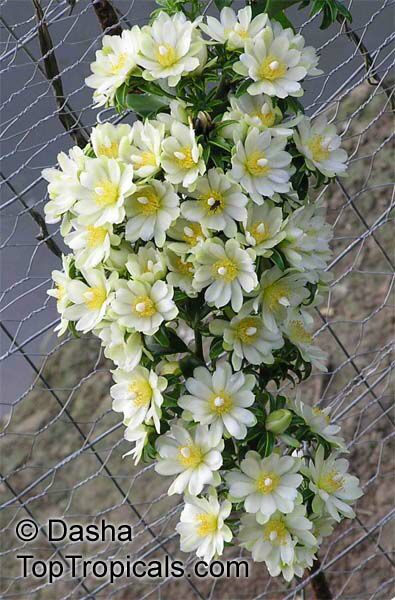
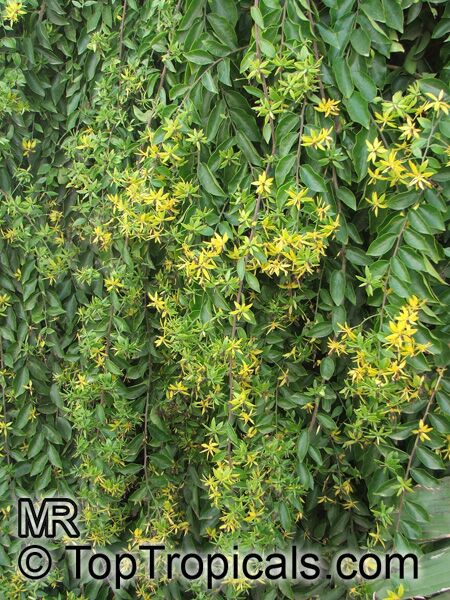
Perescia aculeata - Barbados Gooseberry, flowers

Perescia aculeata - Barbados Gooseberry, flowers

Perescia aculeata - Barbados Gooseberry

Perescia aculeata - Barbados Gooseberry

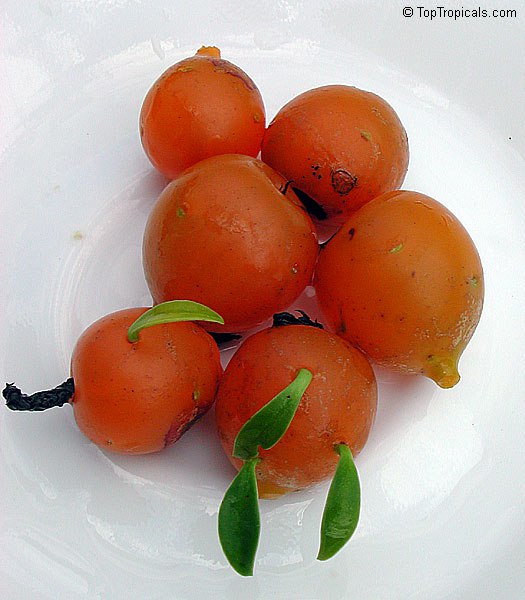
Perescia aculeata - Barbados Gooseberry, fruit

Perescia aculeata - Barbados Gooseberry, fruit

What is Barbados Gooseberry?


Perescia aculeata - Barbados Gooseberry, is a very interesting, unusual addition for any self-sustaining landscape due to its fast-growing nature and unique combination of cactus and leafy vine, with beautiful flowers and showy edible fruit.

Low-maintenance plant, it is perfect for covering walls or fences, adds greenery and a productive food source, making it both practical and visually appealing.
  • A unique cactus with real leaves, unlike most cacti. Needs very little water.
  • Fast-growing vine that can cover fences or walls quickly.
  • When in bloom, the vine is covered with beautiful white flowers, followed by bright orange, edible, tangy fruits.
  • Great for adding greenery and a food source to your garden.


🛒 Plant Barbados Gooseberry

#Food_Forest #Hedges_with_benefits

🔴 Join 👉 TopTropicals

Date: 8 Jul 2025

How to grow Dragon Fruit from a cutting - Quick Guide

Dragon fruit, Pitaya - Hylocereus sp.

🌵 How to grow Dragon Fruit from a cutting - Quick Guide

  • 🐉 Get a healthy cutting


    Use a 6-10 inch long stem cutting from a mature dragon fruit plant. Let the cut end dry in the shade for 2-5 days so it forms a callus. This also helps prevent rot and fungus.
  • 🐉 Prepare the soil


    Use well-draining soil - well drained potting mix, Adenium mix, or cactus mix is ideal. Dragon fruit hates wet feet!
  • 🐉 Plant the cutting


    Stick the callused end about 2-3 inches deep into the soil. Make sure it's planted upright (the way it grew on the parent plant).
  • 🐉 Support it


    Add a trellis or post. Dragon fruit is a climbing cactus and needs something to grow on.
  • 🐉 Water lightly


    Water once after planting, then wait until the soil dries before watering again. Overwatering can rot the cutting.
  • 🐉 Give it sun and warmth


    Place in bright, indirect sunlight while it roots. Once established, it can handle full sun.
  • 🐉 Watch it grow!


    Roots usually form in 2-4 weeks. New growth means it's taking off! This is the time to Ferilize it!


🛒Shop Dragon Fruit plants and cuttings

📚 Learn more:


#Food_Forest #How_to #Dragon_Fruit

🟢 Join 👉 TopTropicals

Date: 10 Jul 2025

🐉 New video:
Quick Guide - How to grow Dragon Fruit from a cutting

Dragon  fruit  from  cutting  video  guide

Step by step guide:

1. Use a 6-10 inch long stem cutting from a mature dragon fruit plant. Let the cut end dry in the shade for 2-5 days so it forms a callus. This also helps prevent rot and fungus.

2. Use well-draining soil - well drained potting mix, Adenium mix, or cactus mix. Dragon fruit hates wet feet!

3. Plant the cutting. Stick the callused end about 2-3 inches deep into the soil. Make sure it's planted upright (the way it grew on the parent plant).

4. Support it. Add a trellis or post. Dragon fruit is a climbing cactus and needs something to grow on.

5. Water lightly. Water once after planting, then wait until the soil dries before watering again. Overwatering can rot the cutting.

6. Give it light and warmth. Place in bright, indirect sunlight while it roots. Once established, it can handle full sun. Watch it grow! Roots usually form in 2-4 weeks. New growth means it's taking off! This is the time to Ferilize it!

Watch the 30-sec video
Dragon  fruit  collage Shop Dragon Fruits

Date: 4 Jul 2019

Super RARE: the Honduran Moon-Torch Cactus

by Mark Hooten, the Garden Doc

The most wonderful, easily growing, giant flowering, fragrant, and floriferous species of Selenicereus I have grown is an almost unknown species called Selenicerius hondurensis.  While its climbing stems are rarely thicker than a Sharpie marker, it's flowers measure 12 to 14 inches across (!), open as the sun is setting, and produce a most incredible fragrance... very rich and spreading thru the area. It smells like a combination of both white chocolate and vanilla. S. hondurensis also develops the most richly colored flowers of the Selenicerei, the outermost petals being a glowing orangey-gold. It's very stunning and provocative!  It flowers magnificently, several times during the summer... Continue reading...

Recommended fertilizers:

Tropical Greenhouse Plus - Plant Booster
Tropical Allure - Smart-Release Booster

Picture of the actual plants for sale: