Garden Blog - Top Tropicals

Date: 17 Jan 2026

Ti plant leaf color meaning
Hawaiian Ti plant (Cordyline fruticosa)

Hawaiian Ti plant (Cordyline fruticosa)

🌈 Ti plant leaf color meaning


The Hawaiian Ti plant (Cordyline fruticosa) is more than just a colorful tropical accent. Across Polynesian, Hawaiian, and Southeast Asian cultures, the color of ti plant leaves has long been associated with different meanings, moods, and uses - both symbolic and practical.

Hawaiian Ti Leaf Plant Facts

Botanical name: Cordyline fruticosa, Cordyline terminalis
Also known as: Hawaiian Ti Leaf
USDA Zone: 10 - 11
Highligths Large shrub 5-10 ft tallSmall plant 2-5 ftSemi-shadeShadeFull sunWatering: Regular. Let topsoil dry slightlyOrnamental foliageUnusual colorPink flowersSubtropical plant. Mature plant cold hardy at least to 30s F for a short time
Get personalized tips for your region


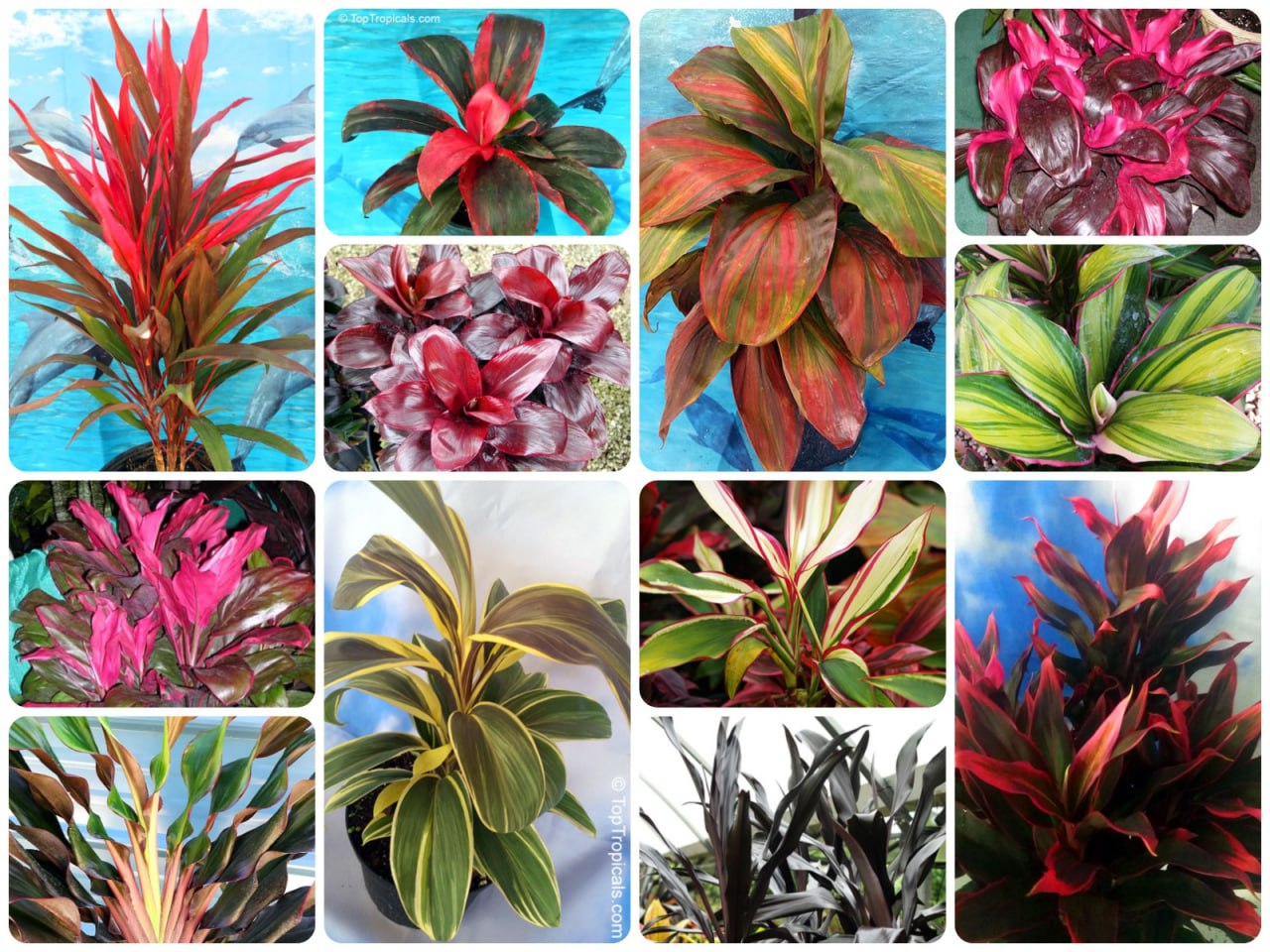
🌈 Green leaves
Green ti plants are linked to peace, balance, and steady growth. Traditionally, they were planted around homes for protection and good fortune. In the garden, green varieties are usually the toughest and most shade-tolerant.

🌈 Red and deep burgundy leaves
Red ti plants are associated with strength, power, and protection. In Hawaiian tradition, red ti leaves were believed to ward off negative energy and were often used in ceremonies. Garden-wise, deeper reds usually mean more sun exposure and stronger pigmentation.

🌈 Pink, magenta, and multicolor leaves
These colorful ti plants symbolize joy, celebration, and creativity. They are often used as ornamental focal points and in festive plantings. Variegated and pink types tend to prefer brighter light to keep their colors sharp.

🌈 Purple and dark-toned leaves
Purple ti plants are linked to mystery, spirituality, and transformation. Their dramatic color comes from high anthocyanin levels and usually intensifies in bright light with good nutrition.

🌈 Yellow or light variegation
Yellow tones often represent optimism and new beginnings. Plants with lighter variegation may grow a bit slower and need protection from harsh sun, but they add a softer contrast in tropical landscapes.

🌈 One practical note
Leaf color is influenced not just by variety, but also by light, temperature, and nutrition. Fading color usually means too little light or depleted soil, while rich, bold tones signal a happy plant.

Ti plant colors tell a story - part cultural tradition, part plant health, and part personal style in your garden.

🛒 Ti plants rainbow: collect them all

📚 Learn more:


Cordyline fruticosa in Plant Encyclopedia
Ti plant: bold color, easy care
Color that lasts year-round

#Container_Garden #Hedges_with_benefits #Shade_Garden #Discover #Horoscope

🟢 Join 👉 TopTropicals

Date: 31 May 2026

📚 🍩 ❓❓❓ 😱 5000 plants. 60000 photos. 25 years of notes. Estimated pages: ??? OH NO.

After posting about our search for a mysterious fragrant Cerbera, this arrived in our inbox:

"Bless you all for finding this and sharing… Love those books your research cats are hunting through. Where do I get those, too?"

Smokey & Sunshine looked at each other. Then at the books. Then at the donuts.

Sunshine: I knew someone would ask about them.
Smokey: About the plants in the photo?
Sunshine: No. The books. People want to read them.
Smokey: Most of those books don't exist. We made them up for the photo.
Sunshine: "The Apocynaceae Family" sounded very convincing. Very distinguished. Like the Corleone family, but with more flowers and fewer offers you can't refuse.
Smokey: The Corleones were also toxic. So the comparison holds. Did you notice you spilled donut glaze on the cover and called it peer review.
Sunshine: That is simply how great botanical discoveries are made.
Smokey: That explains the investigation board. And the suspects list.
Sunshine: The point is — now people want to read the books. All of them.
Smokey: The books. Do. Not. Exist.
Sunshine: Exactly. Which is why we need to convince the Top Tropicals humans to write them. They have 5000 plants, 60000 photos, and 25 years of notes. The raw material is right there.
Smokey: That would be a very large book.
Sunshine: Excellent. We can call it The Encyclopedia of Plants That Smell Better Than Donuts.
Smokey: That narrows it down to exactly one chapter.
Sunshine: A very good chapter though. Jasmine alone would fill at least twenty pages.
Smokey: While we wait for the humans to write it, the actual Top Tropicals plant encyclopedia is at toptropicals.com. Over 5,000 plants. No donuts involved.
Sunshine: ...yet.

Date: 16 Mar 2024

Monarch Butterflies Are In Trouble
You Can Help By Planting Milkweed

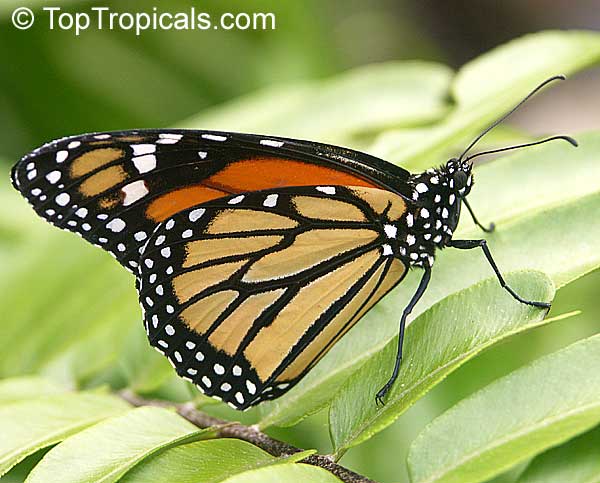
Monarch  Butterfly

Do you want to save butterflies from extinction? This is all you need - embrace the allure of butterfly plants and become a hero for monarchs!

...Ecologists and other scientists have been warning about an 80 percent decline in monarch populations due to habitat loss, pesticides and climate change over the past two decades, but 2024 is a critical year. A recently released annual survey on monarch populations reported a 59.3 percent decrease in population from 2022.
Milkweed plants are one of the best butterfly attractors and they can grow pretty much anywhere. It is a favorite of monarchs, according to Monarch Watch.... (Source: blockclubchicago.org)

Join us in combating the decline of monarch populations by welcoming these graceful creatures into your garden! Discover the beauty of butterfly plants today and help preserve their habitat.

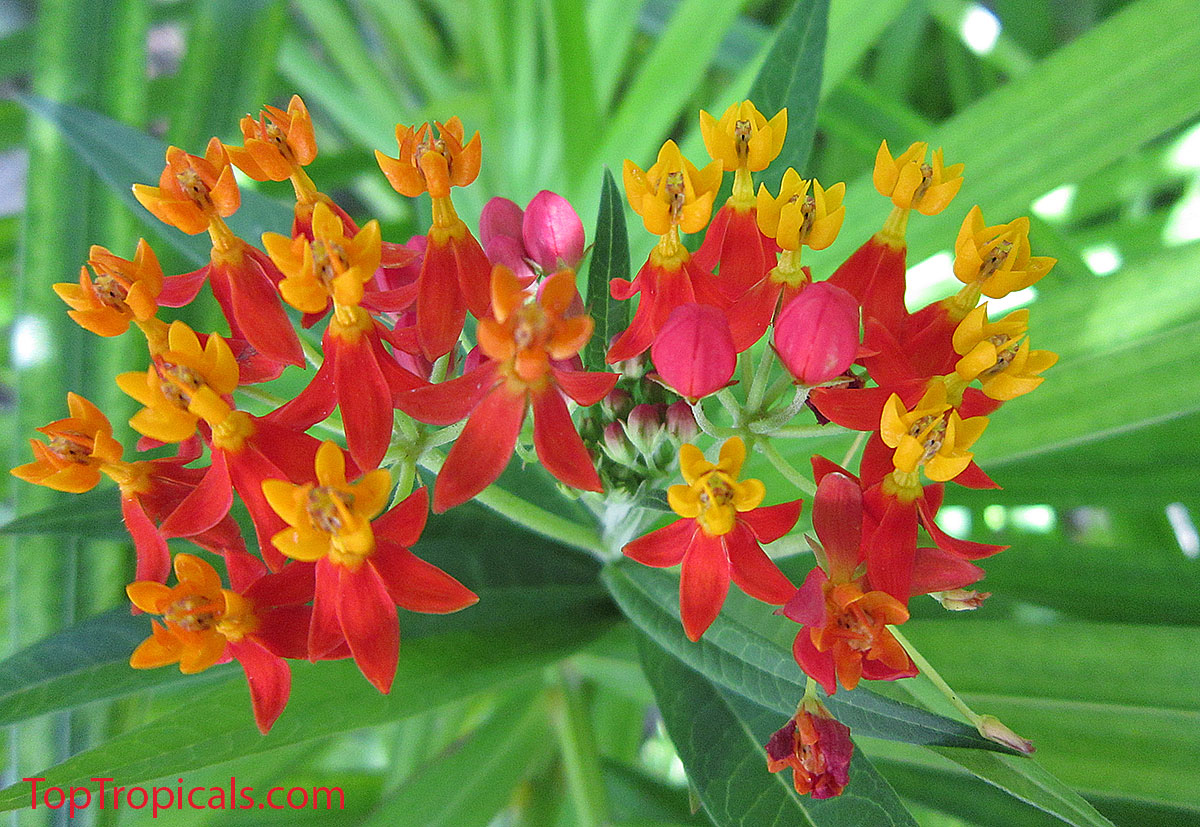
Milkweed

In the photo: Asclepias - favorite plant of all butterflies.

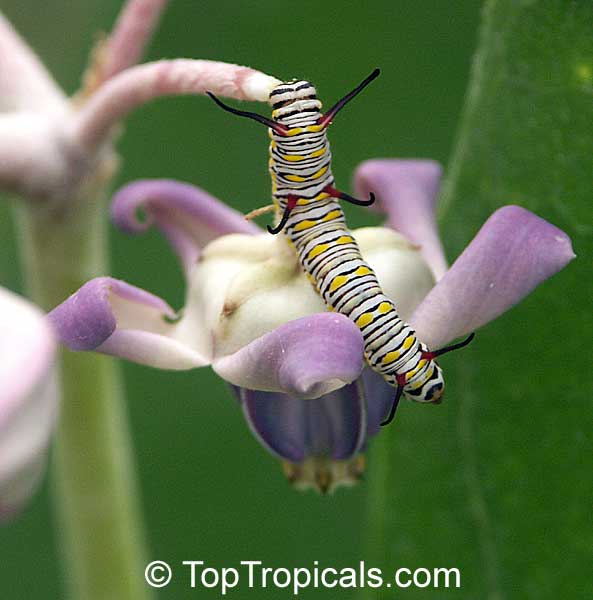
Calotropis  gigantea,  Giant  Milkweed

In the photo: a caterpillar of a future Monarch butterfly climbing up the Calotropis gigantea - Giant milkweed flower, one of the best host plants for Monarch butterfly.

Date: 24 Sep 2023

Go Bananas!
10 good reasons to plant bananas in your garden

Cat  with  bananas  in  refrigerator

Adding banana plants to your subtropical garden or plant collection can enhance the aesthetics of your outdoor and indoor space, provide fresh and nutritious fruits, and offer a fun gardening experience with relatively low maintenance requirements. It's a delightful way to connect with nature and enjoy the benefits of homegrown produce.

1. Tropical Ambiance: Banana plants bring a touch of the tropics to your subtropical garden. Their large, lush leaves create a lush and exotic atmosphere that can transform your garden into a tropical paradise.

2. Homegrown Flavor: Growing your own banana trees allows you to enjoy the freshest, most flavorful bananas right from your garden. Homegrown bananas often have a superior taste compared to store-bought varieties.

3. Nutritional Benefits: Bananas are packed with essential vitamins, minerals, and dietary fiber. By cultivating your own banana trees, you gain access to a nutritious and healthy snack option right in your backyard.

4. Quick Results: Banana plants are known for their fast growth. In subtropical climates, they can produce fruit in as little as one to two years. This means you don't have to wait long to savor the fruits of your labor!

5. Low Maintenance: Banana trees are relatively low-maintenance once established. They require regular watering, but their hardy nature makes them a relatively easy addition to your garden. They are not messy in a landscape.

6. Versatility: Bananas offer versatility in your garden. You can choose from dessert bananas for snacking, cooking bananas like plantains for culinary experiments, or even ornamental banana varieties to enhance your garden's aesthetics. There are so many varieties to enjoy! You can't find this big selection in a grocery store.

7. Sustainable Living: Growing your own bananas reduces your reliance on store-bought produce, contributing to a more sustainable lifestyle. It also minimizes the carbon footprint associated with transporting fruits to market.

8. Educational Value: Cultivating banana plants can be an educational experience for both adults and children. It offers insights into tropical horticulture and can foster an appreciation for gardening and botany.

9. Landscaping Appeal: Beyond their fruit-bearing potential, banana plants add visual interest to your garden. Their unique form and striking leaves make them an excellent choice for landscaping and providing shade in your outdoor space.

10. Resilience: While bananas thrive in tropical conditions, many banana varieties are hardy enough to withstand cooler climates, making them a durable addition to your garden.

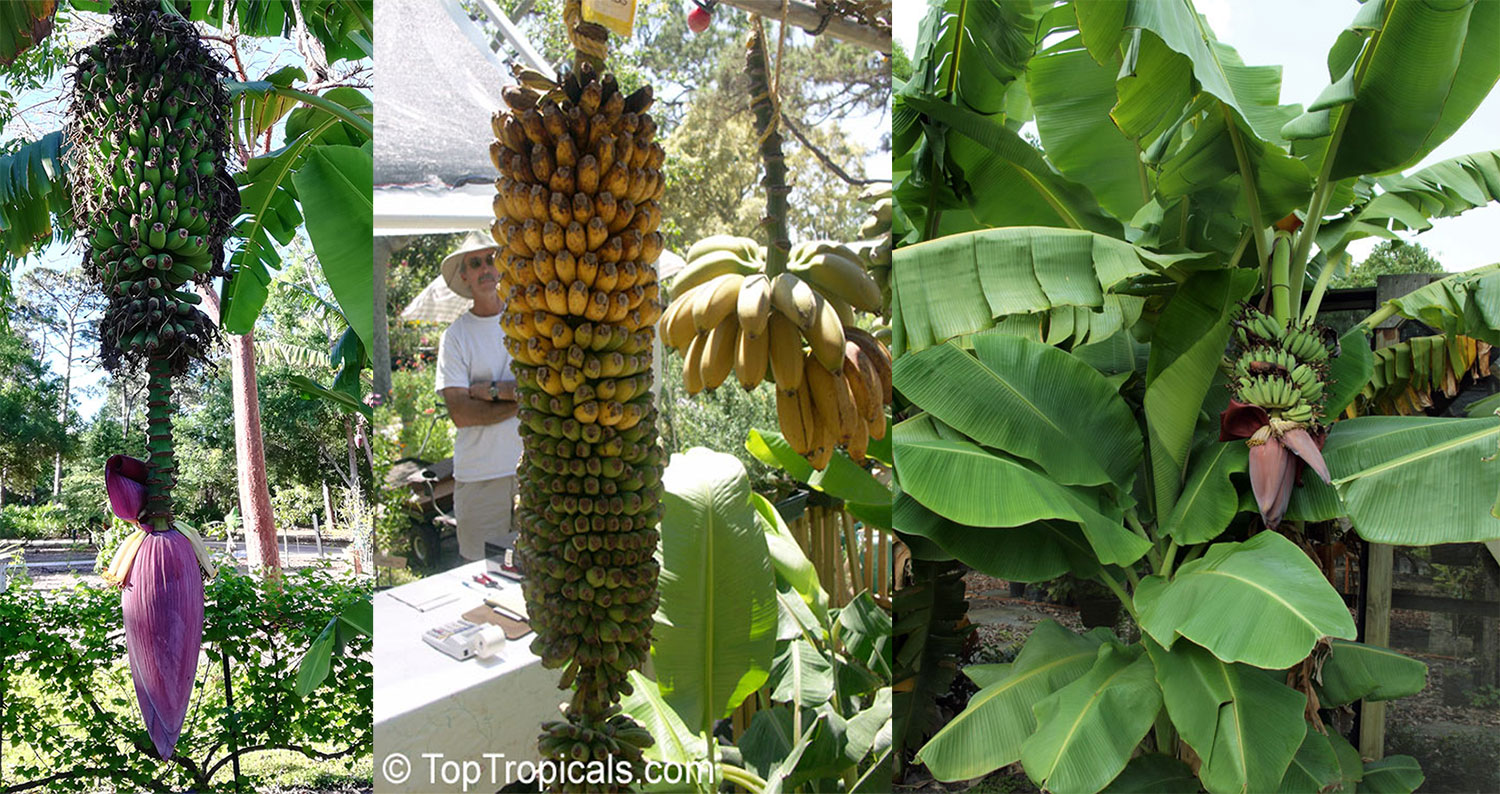
bananas  and  banana  trees

Date: 26 Jan 2022

Don't miss this one:
PodCast Premiere!

Episode 1
How to Protect Tropical plants in Winter: Q & A

Featuring Horticulturist Mark Hooten

...We are introducing our new Series: Top Tropicals Podcast. Growing tropicals and pushing the limits. Watch the first episode:

How to Protect Tropical plants in Winter

...Who doesn't like tropical beauty? Everyone wants tropical plants. But not everyone lives in a warm climate. Is it possible to grow tropicals outside of Tropics?
Top Tropicals horticulturist Mark Hooten, who is well known to many gardeners as the Garden Doc with his Saturday Plant Clinic, is answering gardeners' questions about how to prepare and protect tropical plants during winter...

Premiere scheduled:
Thursday, January 27, 8:00 AM

More about cold hardiness and cold protection:

Cold hardy tropical fruit trees
Growing Stephanotis and cold protection
Cold protection of tropical container plants
Plumeria cold protection
Ghost Cold Protection
Seven rules of cold protection for tropicals
Improving cold hardiness before winter: fertilizer and micro-elements
3D garden ideas and winter cold protection
Cold protection - winter action for your plant collection
About Cold Protection