Garden Blog - Top Tropicals

Date: 16 Jun 2026

This Hibiscus is called President for a reason
This Hibiscus is called President for a reason

🌺 This Hibiscus is called President for a reason


By Tatiana Anderson, Top Tropicals plant expert

Almost 30 years ago, I arrived in Hawaii from a very non-tropical part of the world. Everything seemed exotic - fragrant plumerias, colorful bougainvilleas, palms swaying in the trade winds. But one plant captured my attention more than any other: Hibiscus President Red.

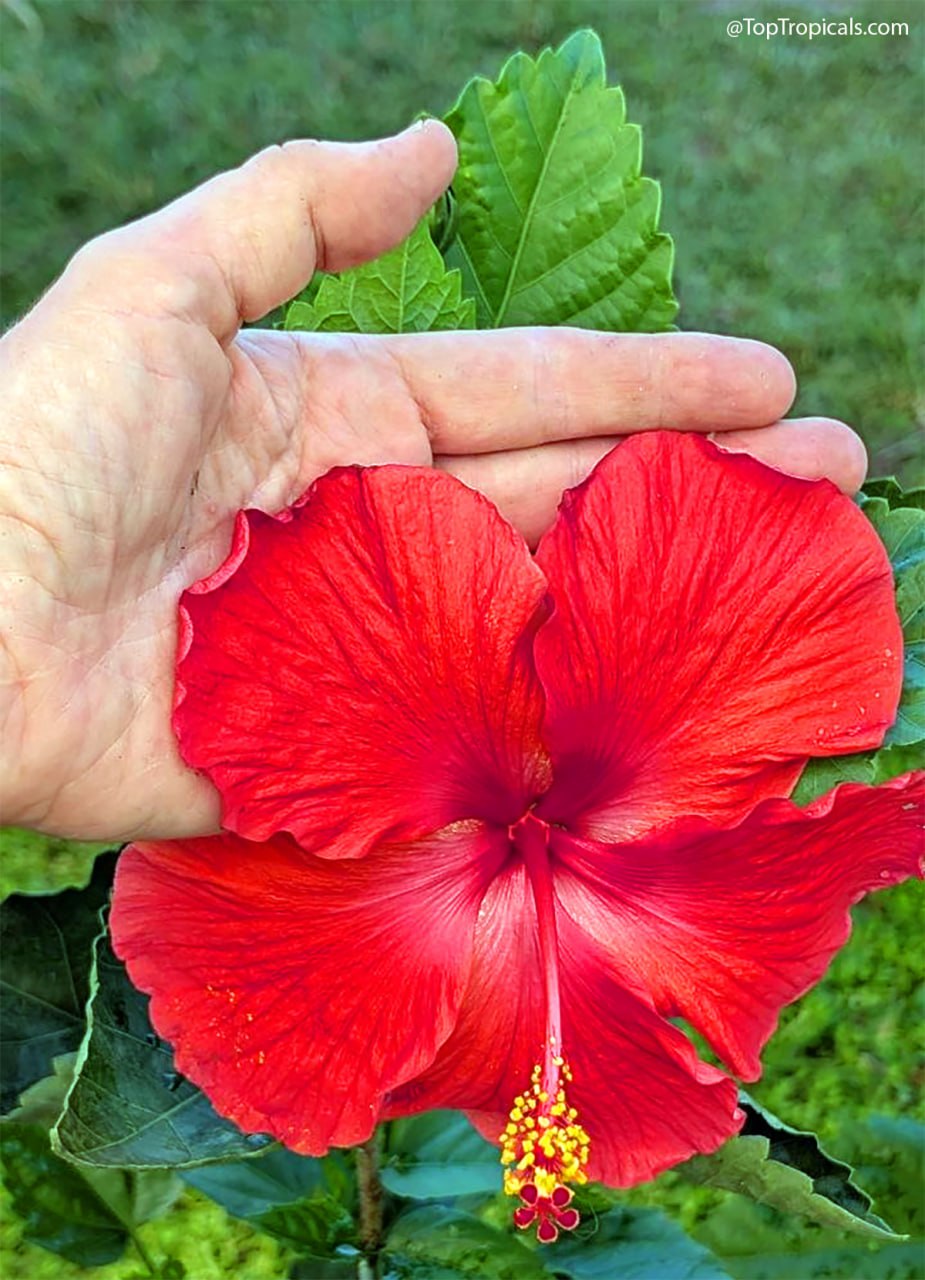
The flowers were enormous - literally the size of a hand. Bold, brilliant red. Impossible to ignore. It made such an impression that it became the very first tropical plant I ever bought from a nursery on Oahu.

Fast forward nearly three decades, and President Red surprised me again.

During Florida's historic February 2026 freeze, temperatures at our farm dropped to 25F for two nights, followed by nearly two weeks of unusually cold weather with temperatures lingering in the 40s. Many tropical hibiscus varieties were killed back to the ground. Some eventually returned from the roots, but looked rough for months.

President Red? It didn't blink an eye. No dieback. No visible damage. As soon as spring sunshine returned, it was growing and flowering as if nothing had happened.

I wouldn't call any tropical hibiscus "cold hardy," but President Red is clearly tougher than most. If you garden in a subtropical area where winter surprises occasionally happen, this variety has earned my respect.

And those giant, hand-sized red flowers are just as spectacular today as they were when I first saw them in Hawaii all those years ago.
👉 More...


Exciting Tropical Hibiscus varieties:
☄️ Hibiscus President Red - Giant Red Tropical Hibiscus
☄️ Hibiscus Apricot Brandy - Double Rose of Sharon
☄️ Hibiscus Double Red - Double Rose of Sharon
☄️ Hibiscus El Capitolio Tequila Sunrise
☄️ Hibiscus El Capitolio Bloody Mary
☄️ Hibiscus schizopetalus, Coral Hibiscus

🛒 Explore Hibiscus species and varieties

📚 Learn more:

Hibiscus Plant Facts

Botanical name: Hibiscus rosa-sinensis
Also known as: Hibiscus, Chinese Rose, Japanese Rose, Tropical Hibiscus, Shoe Flower
USDA Zone: 9 - 11
Highligths Large shrub 5-10 ft tallSemi-shadeFull sunKeep soil moistYellow, orange flowersRed, crimson, vinous flowersBlue, lavender, purple flowersWhite, off-white flowersPink flowersPlant attracts butterflies, hummingbirdsSeaside, salt tolerant plant
Get personalized tips for your region

· Hibiscus in Plant Encyclopedia
· Many faces of hibiscus
· Much more than fancy flowers: discover the many faces of hibiscus
· Tequila Sunrise Hibiscus breaks the rules
· Hibiscus El Capitolio Bloody Mary
· How to get rid of pests on Hibiscus?
· Skeleton Hibiscus with "crazy petals" - flower will blow your mind
· How to make your Hibiscus plants thrive and bloom
· How hibiscus plant acts like a chameleon
· Why this Hibiscus is changing color?
· You need this Cotton Candy
· The Tips of Hibiscus Flowers

#Hedges_with_benefits

🟢 Join 👉 TopTropicals
Date: 18 Jun 2026

Container Gardening in Hot Climate: Your Pot May Be Hotter Than You Think

Container Gardening in Hot Climate: Your Pot May Be Hotter Than You Think

Container Gardening in Hot Climate: Your Pot May Be Hotter Than You Think


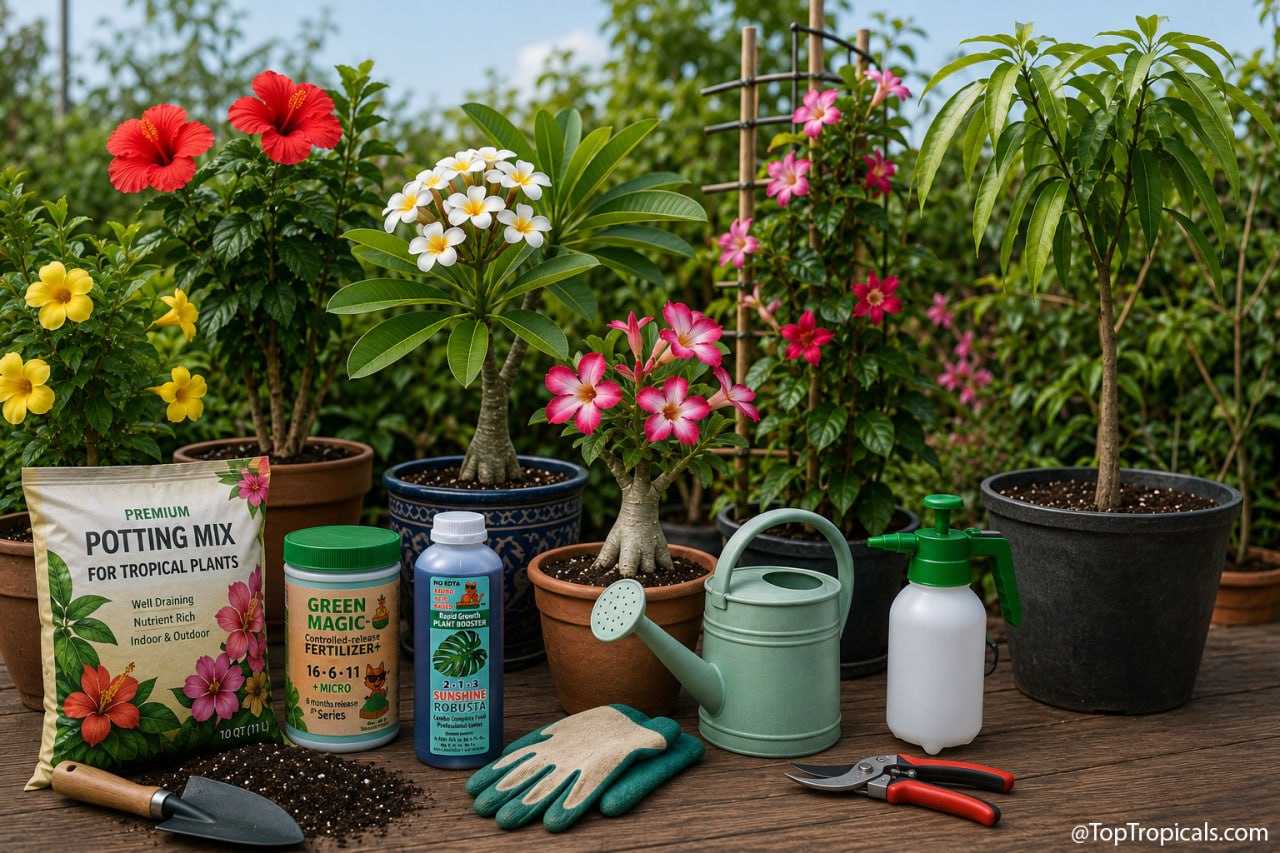
Container gardening lets you grow almost anything - tropical flowers, fruit trees, herbs, even small edible gardens. But in hot climates, pots create challenges that plants growing in the ground never face.
The biggest problem? Heat. A container sitting in full sun can become surprisingly hot. The potting mix dries much faster than garden soil, and roots can literally bake against the sides of the container during summer.
On a sunny summer day, the soil inside a container can heat up much faster than garden soil. While the leaves may look fine, roots trapped inside a hot pot can dry out, overheat, and become stressed long before gardeners notice a problem. That's why growing plants in containers during hot weather often requires a different approach than growing them in the ground.


Bigger Pots Stay Cooler🌡

• Large containers hold more soil, which means they stay moist longer and protect roots from temperature swings.
• Small pots may need watering daily - sometimes twice a day during extreme heat.
• Choose the largest container practical for your space and the plant's size. Avoid oversized pots, which can stay wet too long and promote root rot.

Protect the Pot, Not Just the Plant ☂️

Many gardeners focus on protecting the foliage from heat, but roots often suffer first.
Grouping containers together allows plants to shade each other's pots, helping keep the root zone cooler throughout the day. This is especially helpful for black nursery pots exposed to afternoon sun.
If a container sits in full sun all day, consider wrapping the pot with shade cloth or placing it inside a larger decorative planter. The goal is simple: keep the roots cooler while allowing the plant itself to receive the sunlight it needs.
The plant wants sun. The roots want shade.

Choose Containers Wisely

• Many gardeners love the look of clay pots, but in hot climates they can dry out very quickly because moisture evaporates through the porous sides.
• For most tropical plants, plastic nursery pots often perform better because they retain moisture longer and keep roots from drying out as fast.
• If appearance matters, simply place the nursery pot inside a decorative planter with good drainage.

Water Deeply, Not Constantly 💧

Frequent shallow watering encourages weak roots near the soil surface.
Instead, water thoroughly and allow excess water to drain away. A layer of mulch on top of the potting mix can also help slow moisture loss.

Feed Regularly

Container plants depend entirely on you for nutrition. Regular fertilizing during the warm growing season helps support stronger growth, flowering, and fruit production.

Check for Pests Often 🐛

Plants under heat and drought stress are more vulnerable to insects. Inspect leaves regularly for spider mites, scale, mealybugs, and other common pests before small problems become big ones.

Hot Climate Container Garden Checklist ✍️

• Use large containers whenever possible
• Make sure every pot has drainage holes
• Use quality potting mix, not garden soil
• Mulch the soil surface
• Fertilize regularly during active growth
• Inspect for pests weekly
• Watch for root-bound plants and repot as needed
• Be cautious with clay pots in hot weather

A healthy container garden is really a balance between moisture and drainage. Keep roots cool, provide consistent water and nutrition, and even tropical plants can thrive through the hottest months of summer.

🛒 Get fresh and real foodsoilless mix for your plants

📚
Learn more:
Sunshine Boosters: Complete Plant Nutrition System
Why June Is the Most Important Month for Potted Tropical Plants
Why young trees need staking?
The SECRET growers never tell you: simple trick how to bring plants back to life and keep green 
How to re-pot a plant properly?

#Discover #How_to

🟢 Join 👉 TopTropicals