Garden Blog - Top Tropicals

Date: 16 Jan 2026

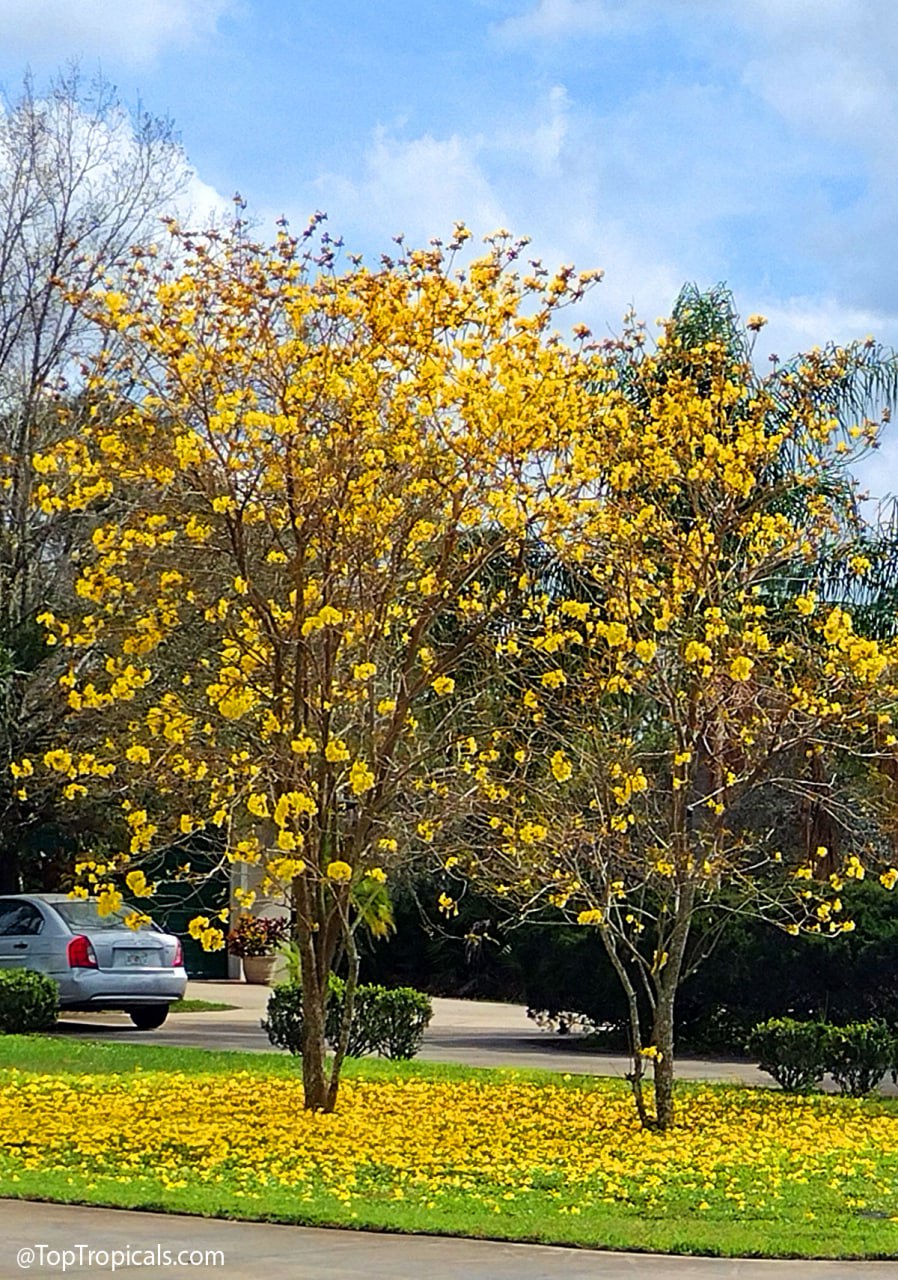
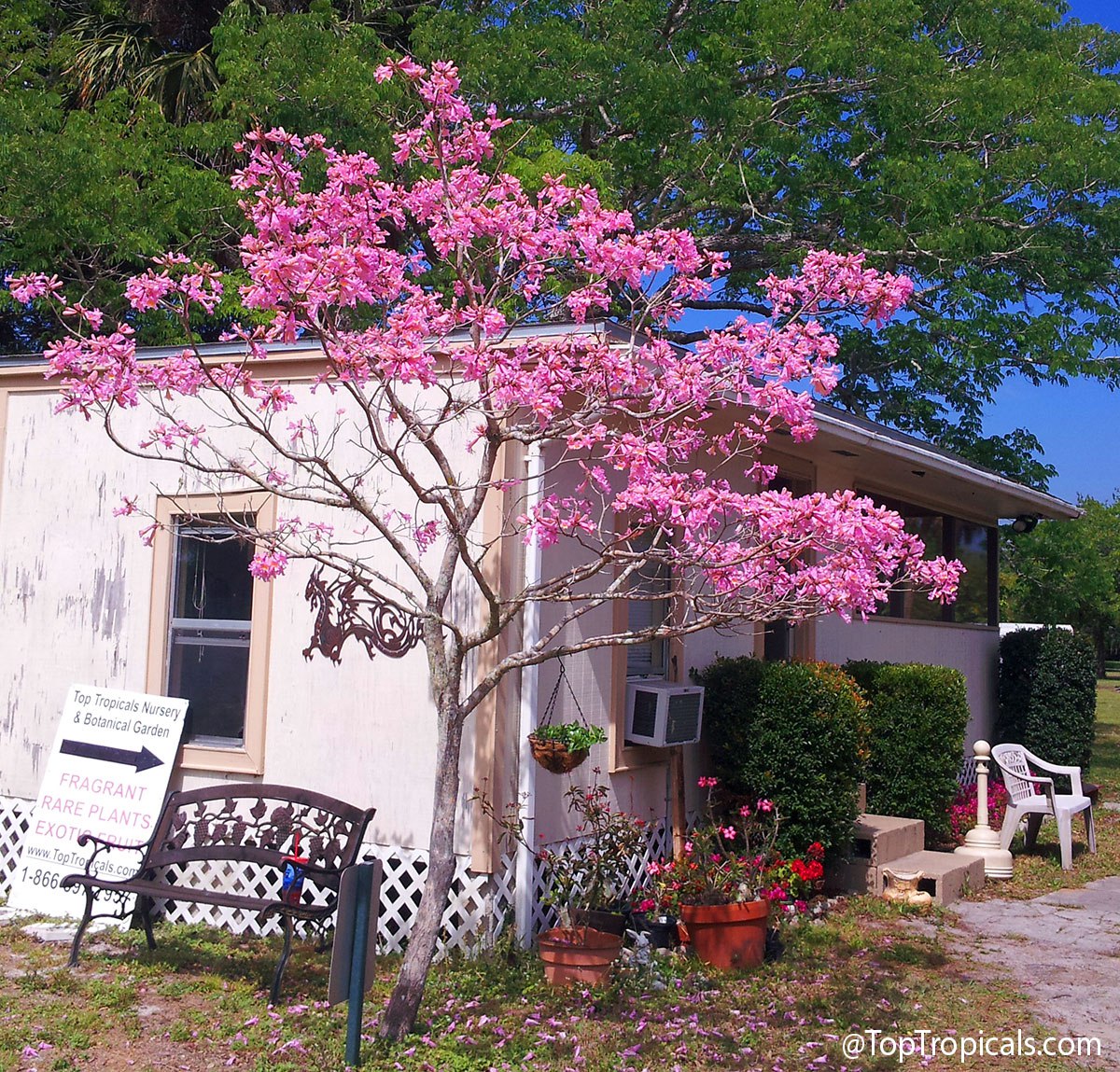
What is blooming in January: Purple Orchid Tree

Purple Orchid tree - Bauhinia purpurea

Purple Orchid tree - Bauhinia purpurea

🌺 What is blooming in January: Purple Orchid Tree


📸 Purple Orchid tree - Bauhinia purpurea

🛒
Discover Bauhinias - Orchid trees

📚 Learn more:


#Trees

🟢 Join 👉 TopTropicals

Date: 20 Feb 2026

Florida freeze damage - what to replant after a record cold winter

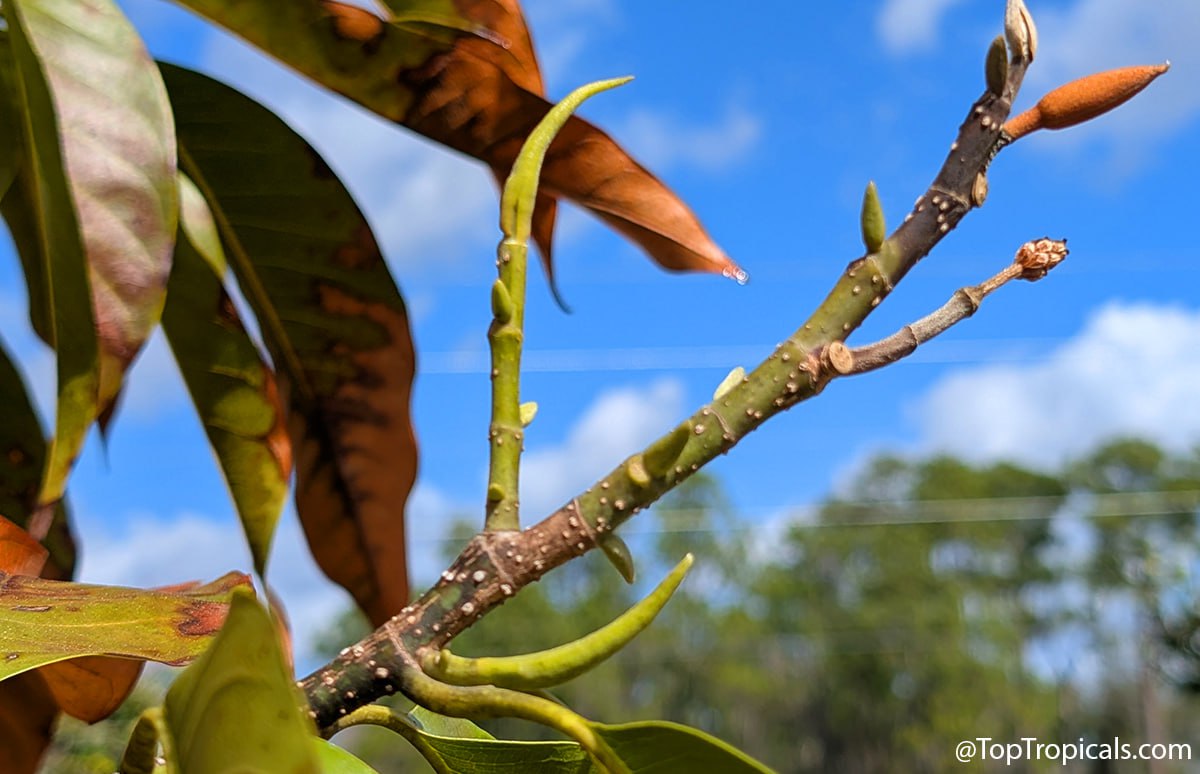
Magnolia champaka new shoots
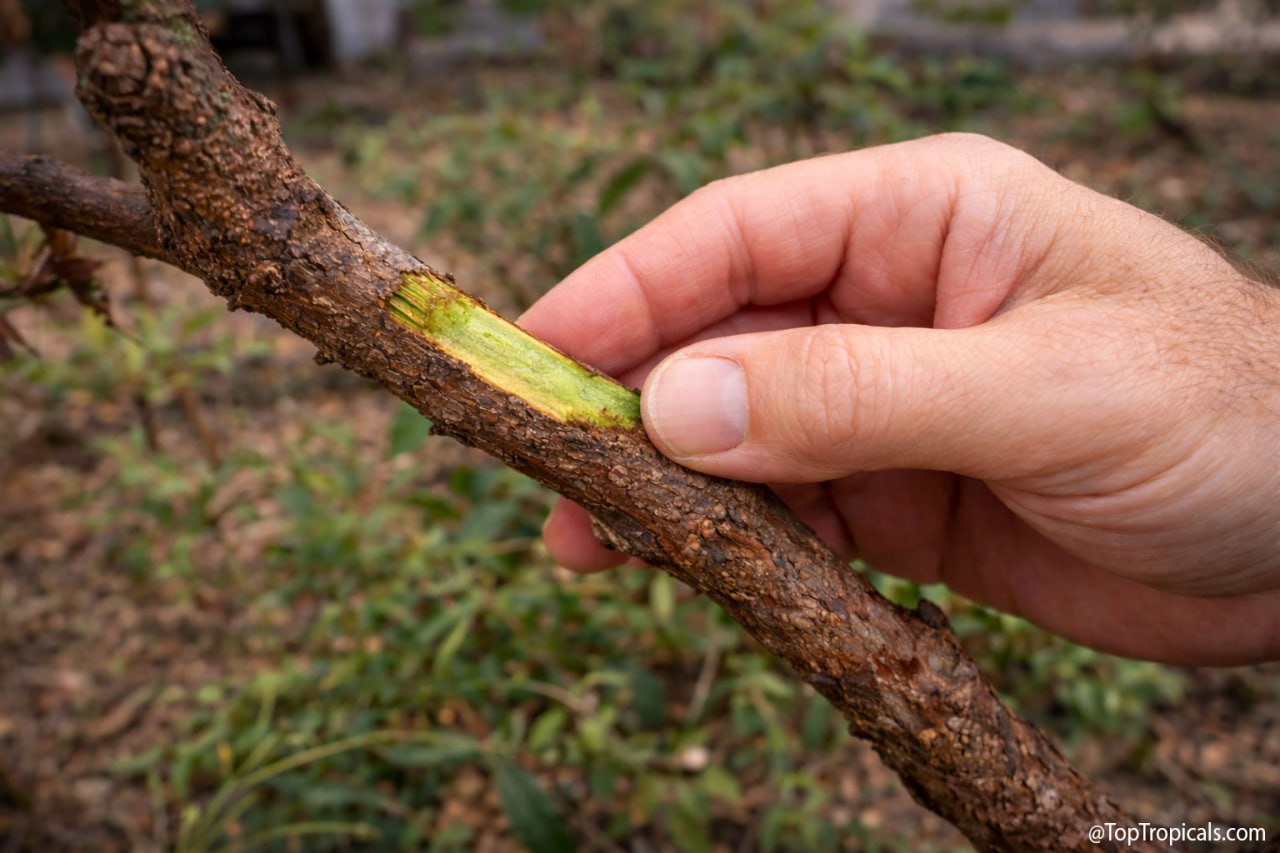
Magnolia champaka new shoots

Scratch test on a bark

Scratch test on a bark

❄️ Florida freeze damage - what to replant after a record cold winter

  • 🌱 A record freeze changed Florida gardens


    After the recent record cold across Florida, many gardeners are now seeing the real damage - browned leaves, split stems, collapsed shrubs, and fruit trees that may not recover.
    Some plants surprised us with new growth. Others are clearly gone.
    The practical question is simple: what should you replant so it does not happen again next winter?
    The good news - you can build a more frost-resilient garden without giving up beauty or fruit.
  • 🌱 First - do not rush to rip everything out


    Before replacing anything, check carefully:

Scratch the bark lightly - green underneath means the branch is alive.
  • Wait for consistent warm weather - some plants re-sprout weeks or even months later.
  • Look for growth higher on the stem, not just at the base.
After freezes, many tropicals look worse than they are. Patience often saves money.
  • 🌱 Why some plants survived and others did not


    Freeze survival depends on several factors:

Duration of cold - 2 hours vs 8 hours makes a major difference
  • Microclimate - south-facing walls, wind protection, canopy cover
  • Plant maturity - established roots handle stress better
  • Pre-freeze health - overfertilized, soft growth freezes faster
This explains why two identical plants in the same yard can perform very differently.
  • 🌱 What to replant for a frost-resilient garden


    Instead of replacing losses with the same tender species, consider:

Cold-hardy fruit trees
  • Proven freeze survivors from this winter
  • Shrubs that tolerate brief dips below freezing
  • Layered planting for wind protection

  • When redesigning:
  • Plant tender species closer to structures.
  • Use hardy trees as windbreaks.
  • Avoid low frost pockets.
  • Improve drainage - wet roots freeze faster.
You do not have to remove tropical character. You just have to plant smarter.

✍️ Check the list of freeze survivors:


What tropical plants survived Florida's historic freeze without protection
  • 🌱 Rebuild with strategy, not emotion


    After freeze damage, many gardeners replant quickly - only to repeat the same losses.
    A better approach:

Identify what truly died.
  • Learn which species survived locally.
  • Choose varieties proven in your climate zone.
  • Design with cold in mind.
One freeze can become a turning point. Many Florida gardens become stronger after a hard winter because the plant list gets refined.

🌱 Spring Equinox - a natural reset


The Spring equinox marks equal day and night and the astronomical start of spring. From this point forward, daylight increases and active growth accelerates.
For Florida gardeners, it is a natural reset.
New growth begins. Roots wake up. Replacement planting becomes safer.
This is the right time to rebuild.

🛒 Explore cold tolerant tropical plants and cold hardy Avocados

📚 Learn more:


#Discover #How_to

🟢 Join 👉 TopTropicals
Date: 20 Feb 2026

Top Ten Flowering Tree Winners of Florida 2026 Record Freeze

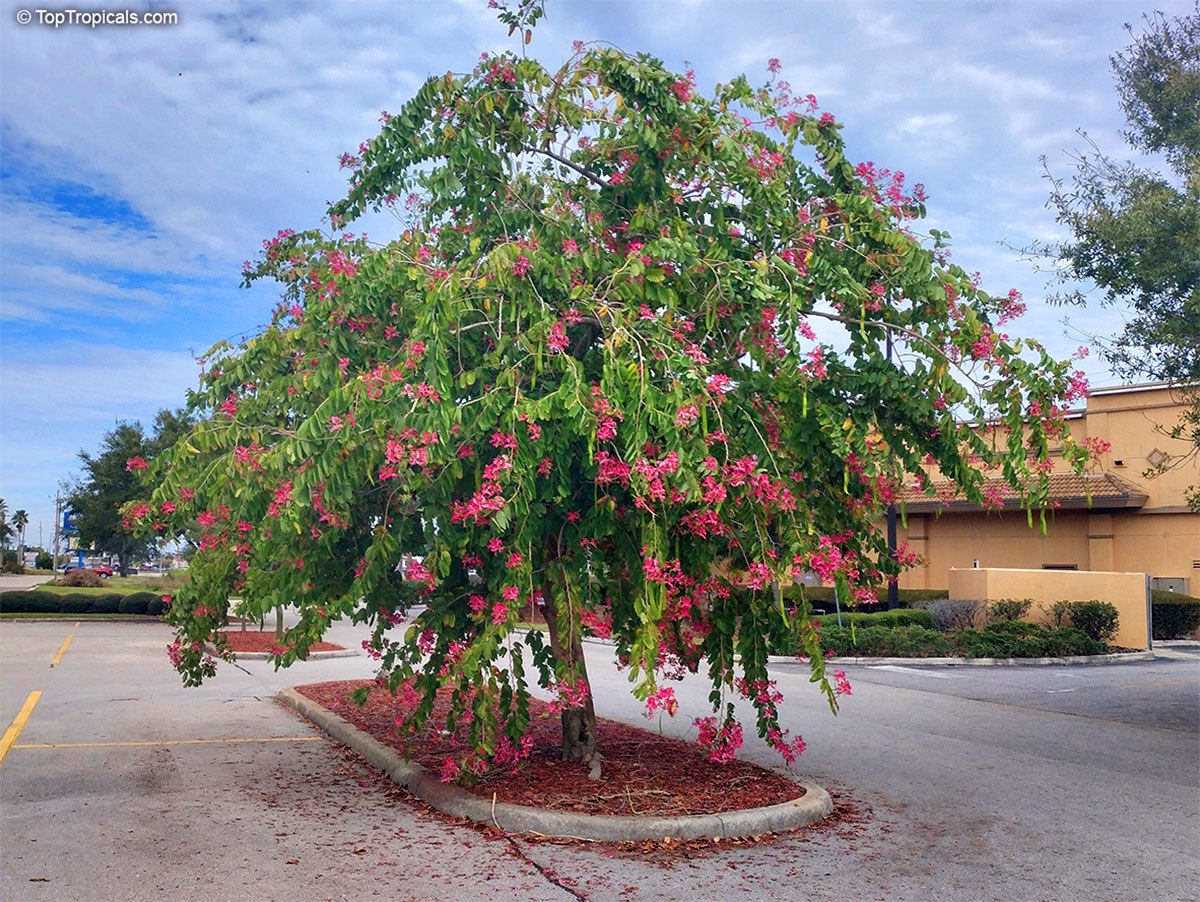
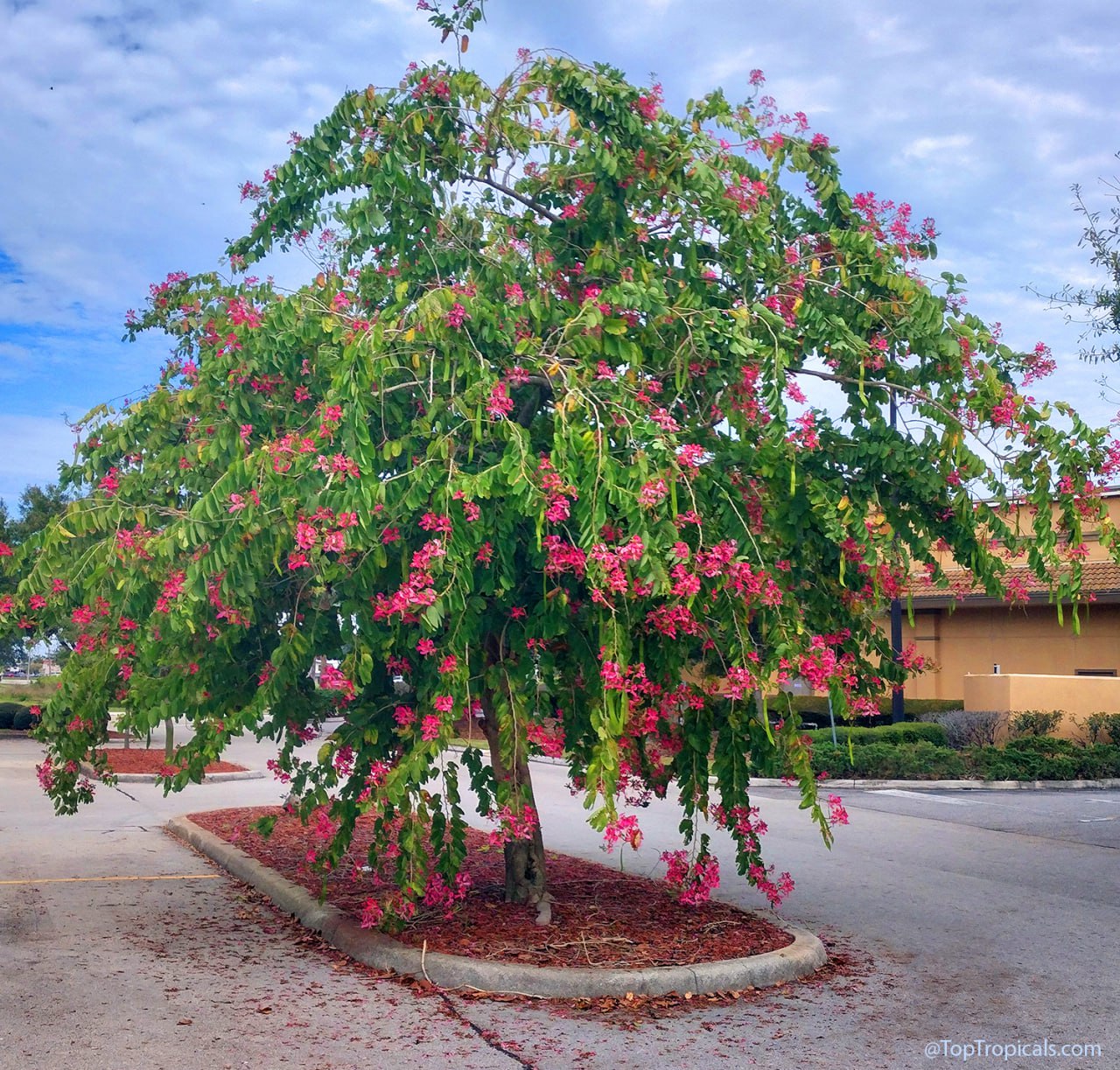
Bauhinia Orchid Tree

Bauhinia Orchid Tree

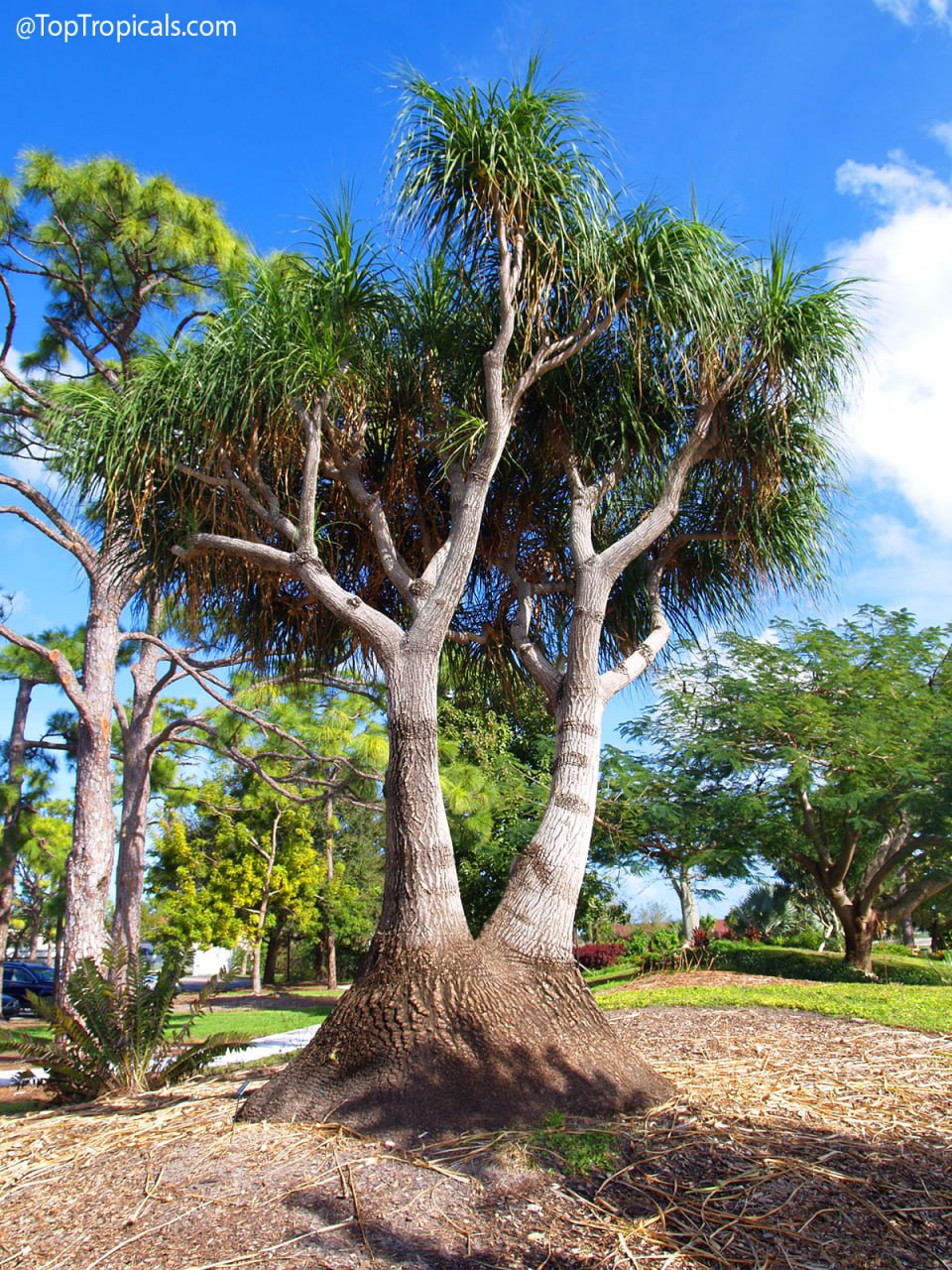
Beaucarnea recurvata - Pony Tail

Beaucarnea recurvata - Pony Tail

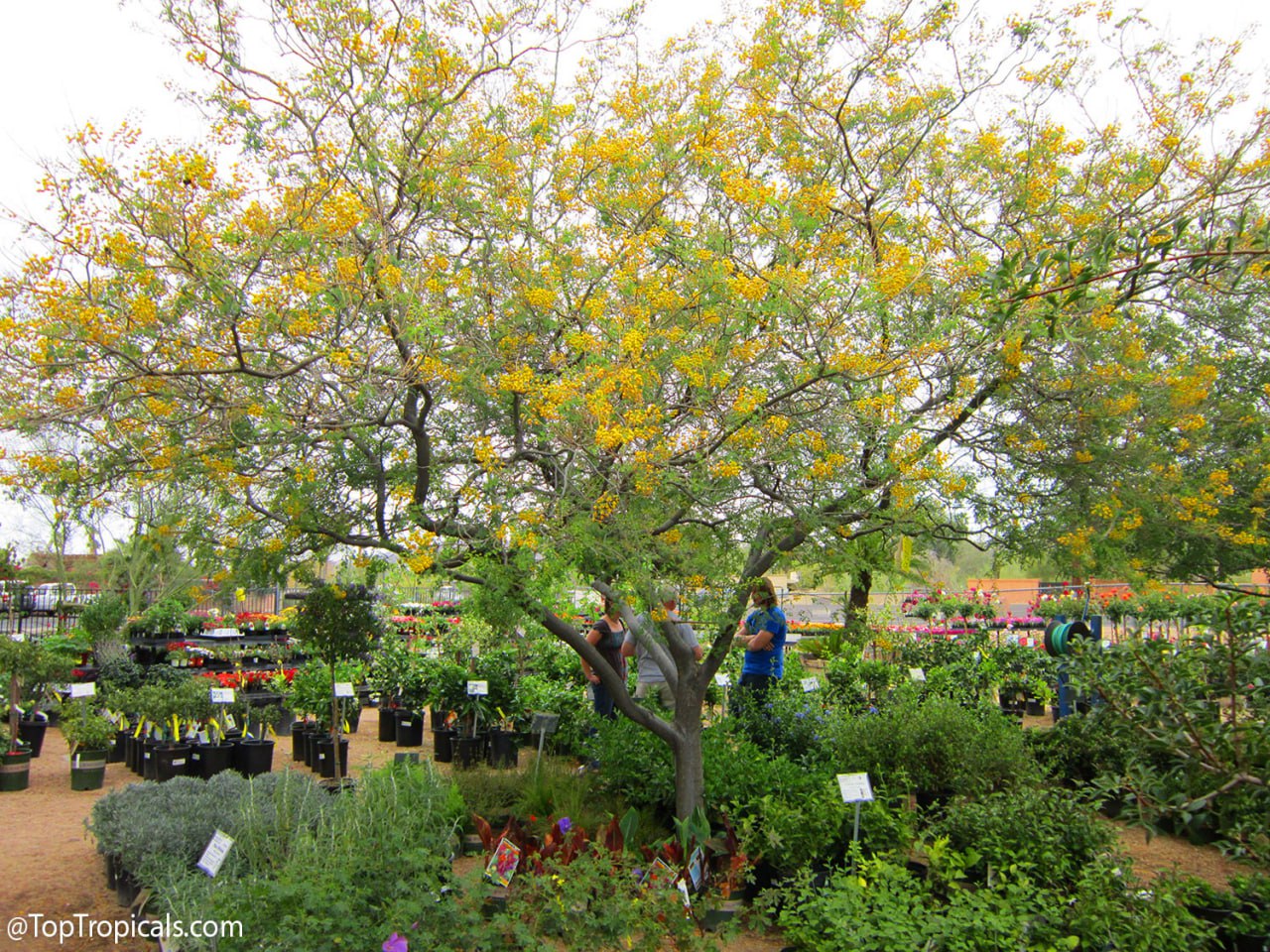
Caesalpinia mexicana, Mexican Bird of Paradise

Caesalpinia mexicana, Mexican Bird of Paradise

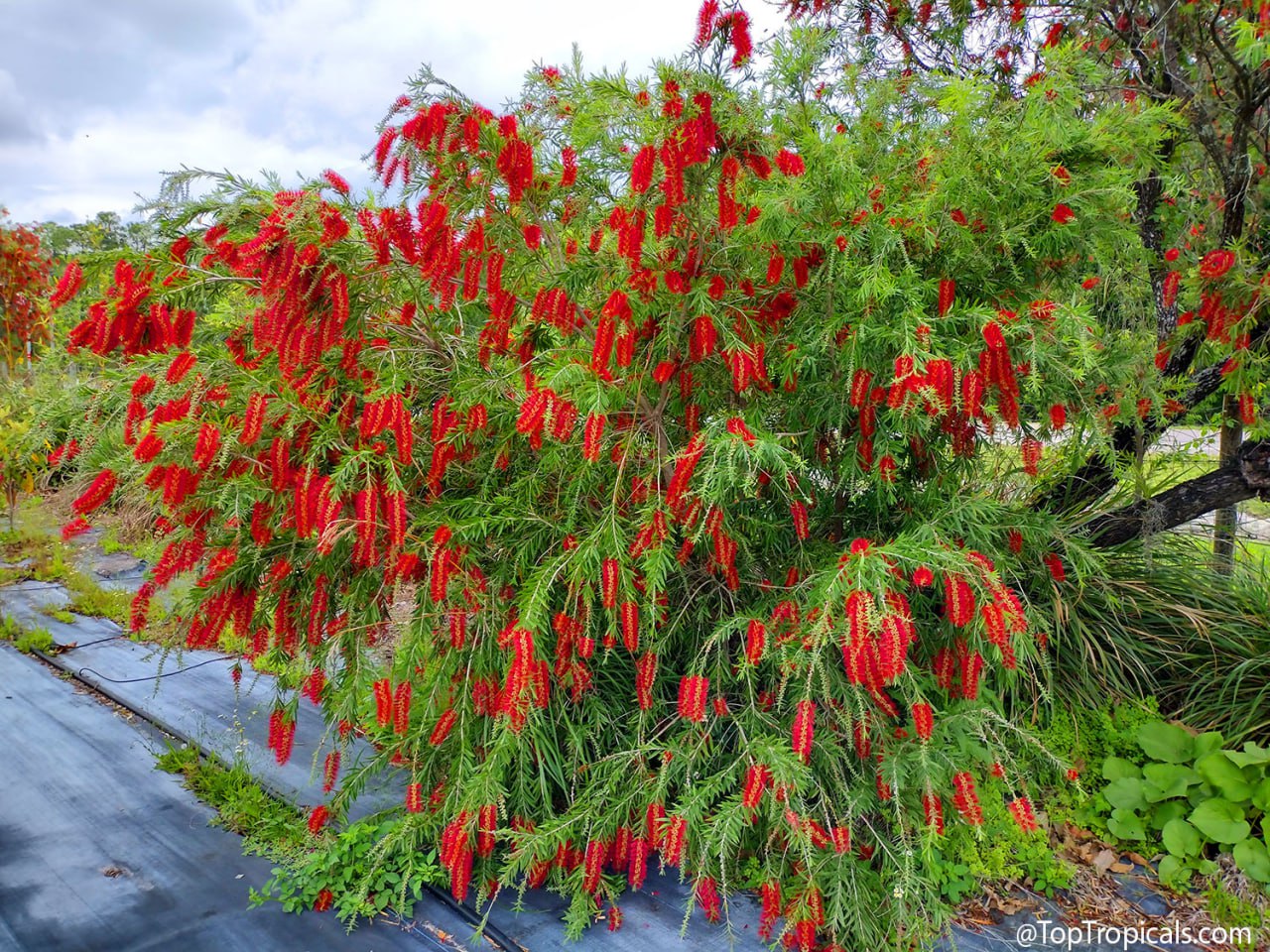
Callistemon - Bottlebrush

Callistemon - Bottlebrush

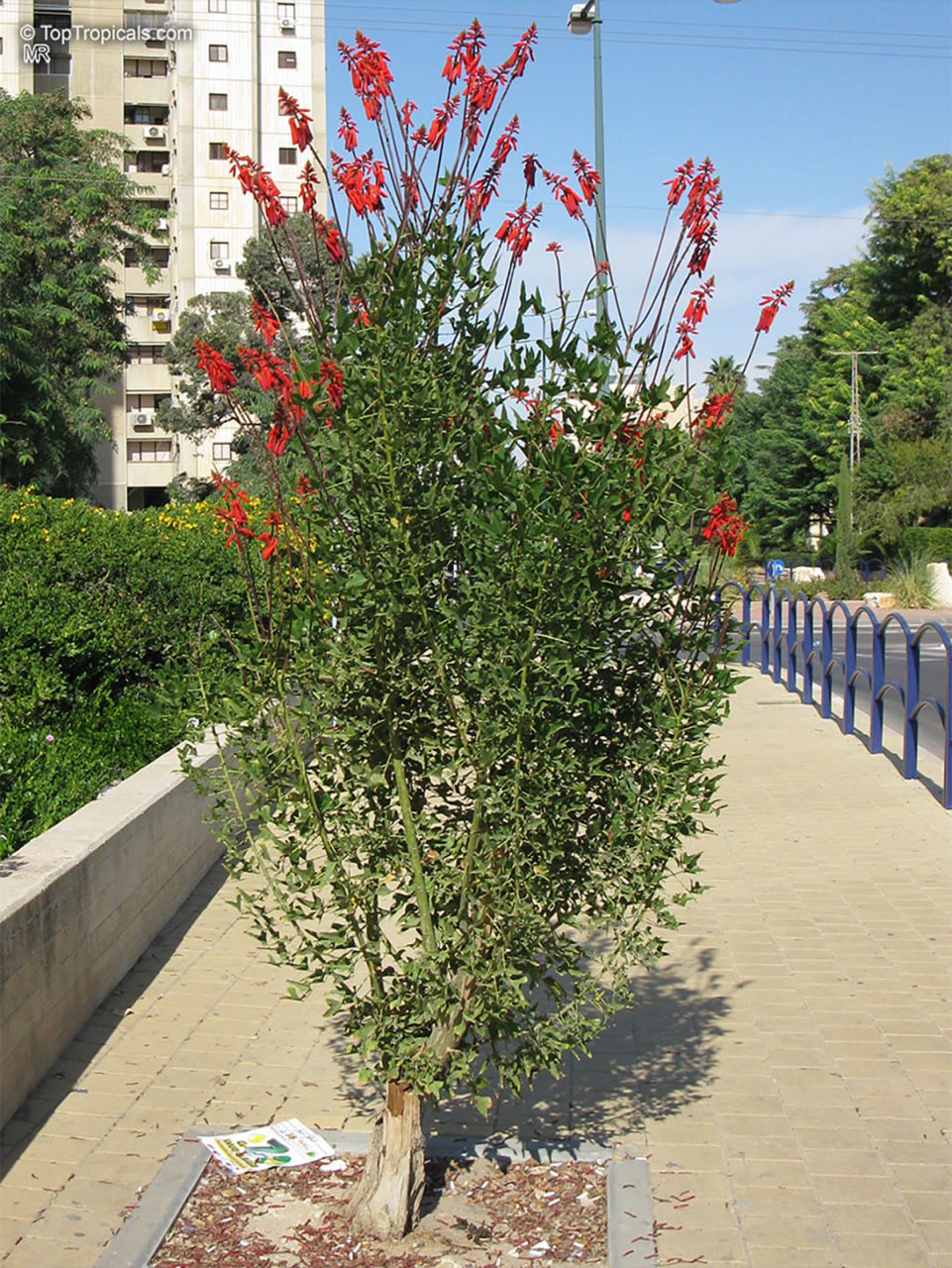
Erythrina

Erythrina

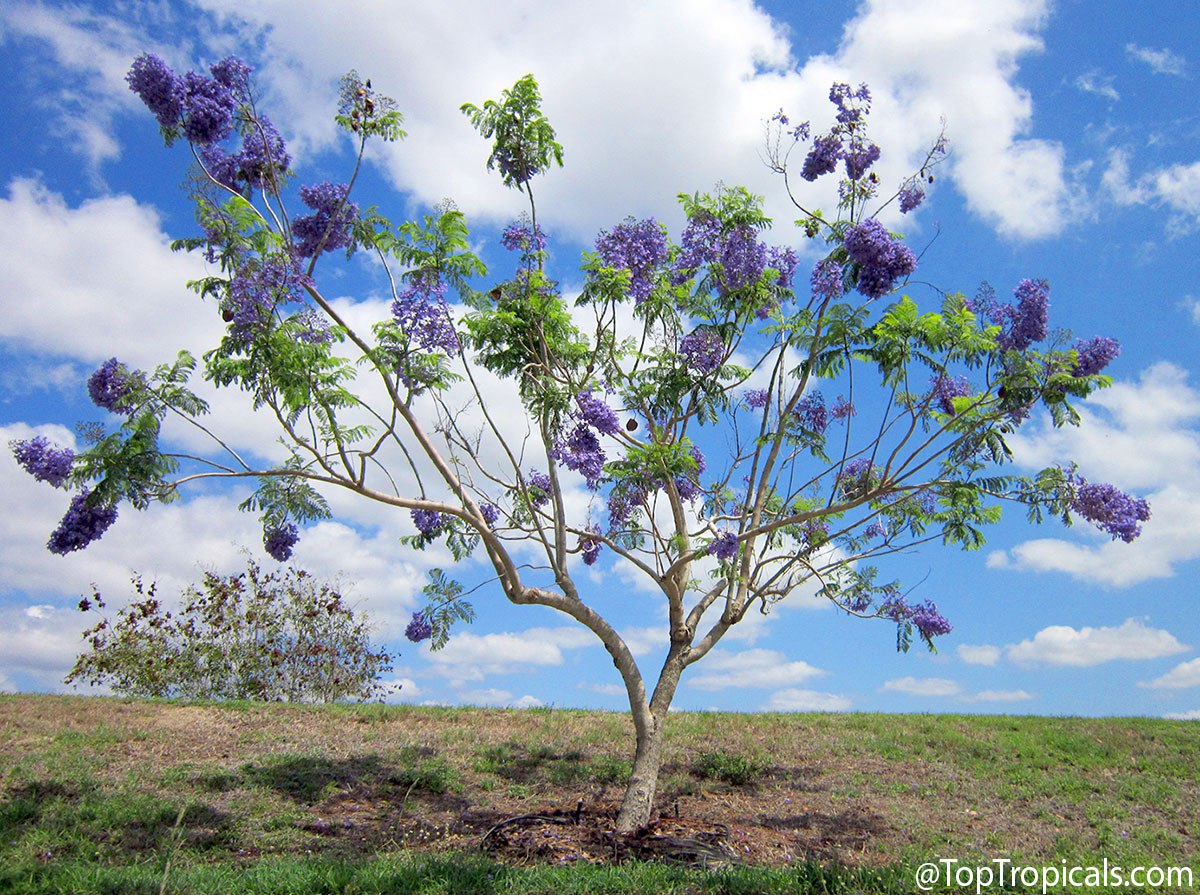
Jacaranda tree

Jacaranda tree

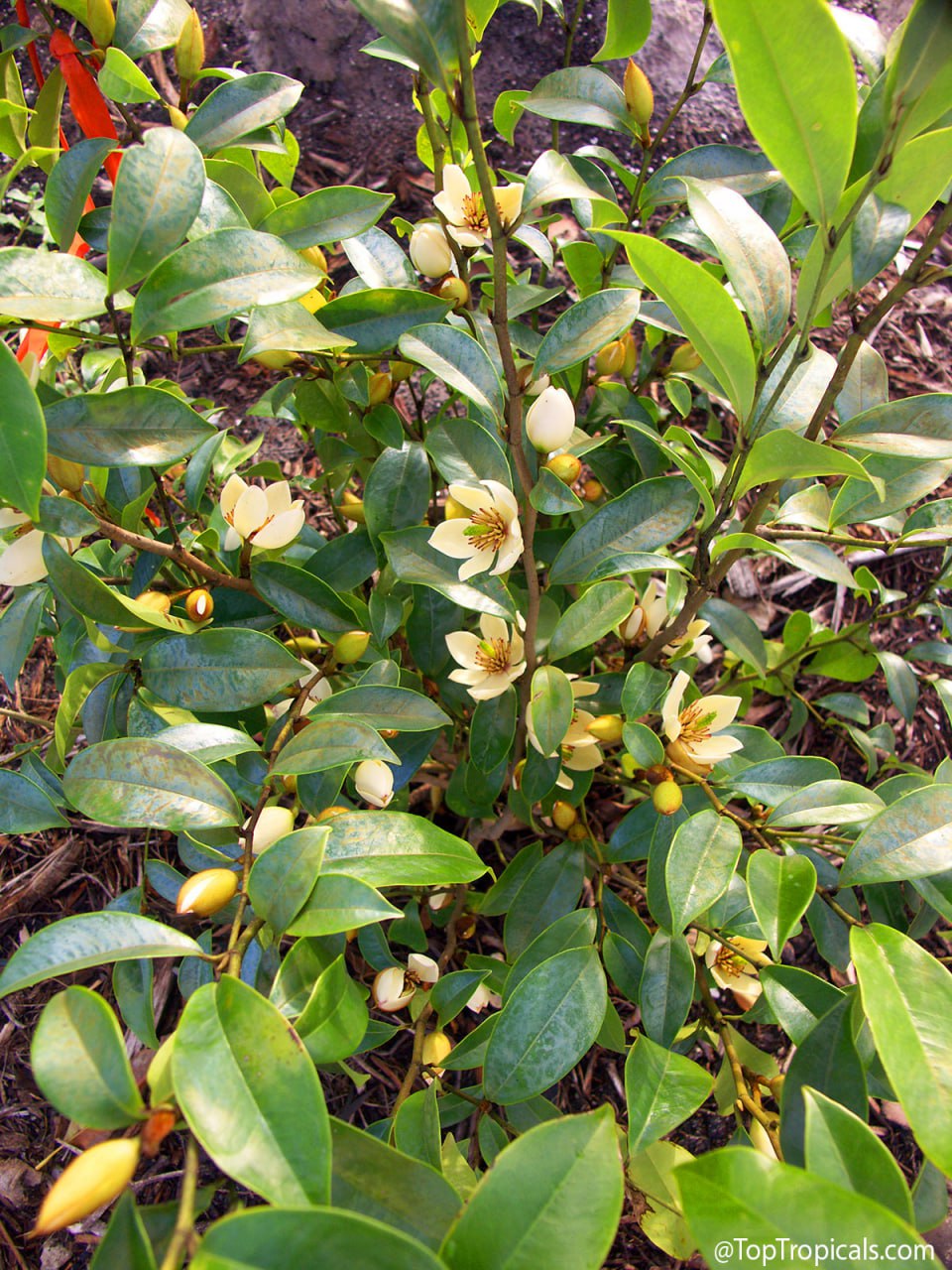
Magnolia figo

Magnolia figo

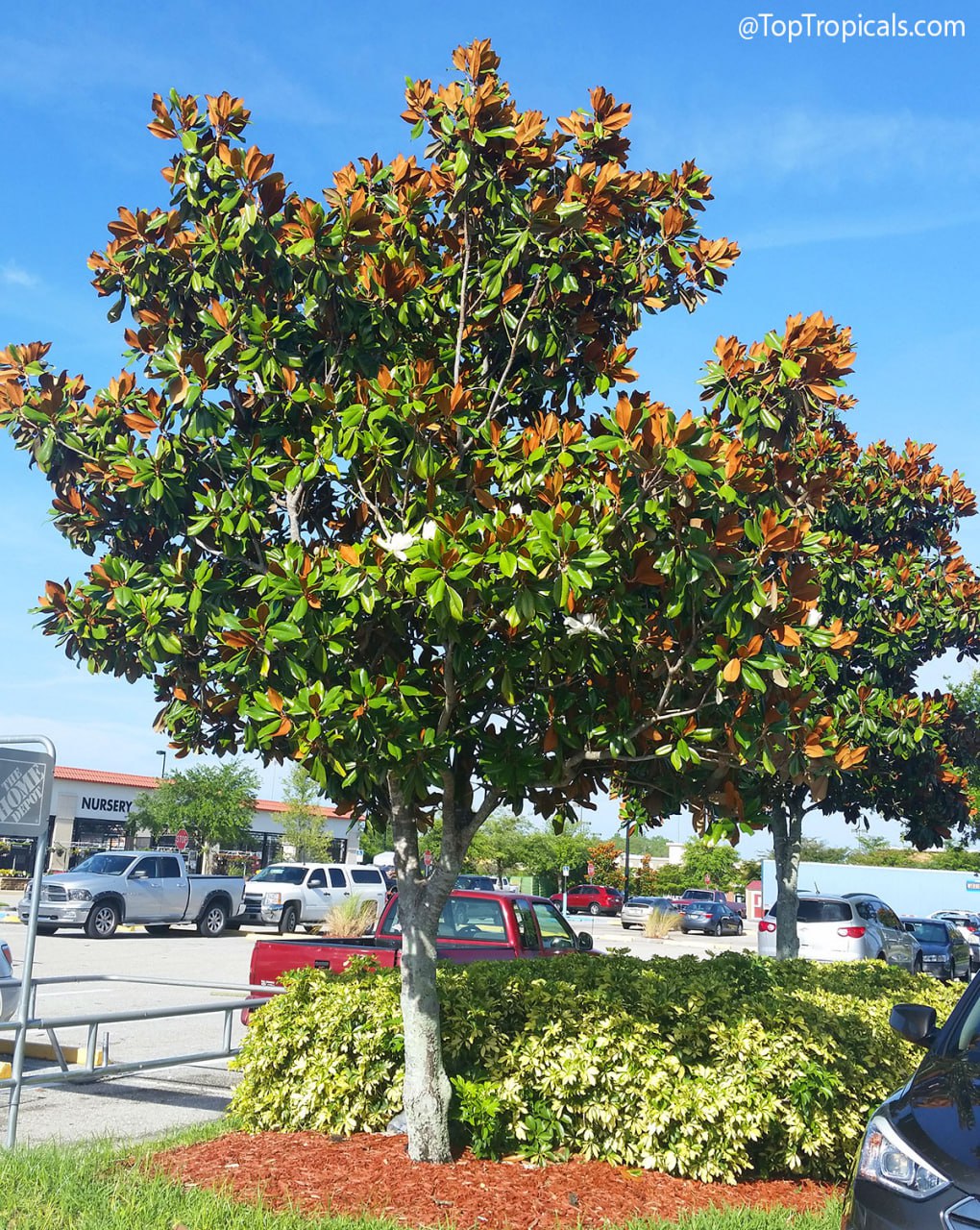
Magnolia Little Gem

Magnolia Little Gem

Tabebuia chrysotricha

Tabebuia chrysotricha

Tabebuia impetiginosa

Tabebuia impetiginosa

🏆 Top Ten Flowering Tree Winners of Florida 2026 Record Freeze


These flowering trees had no damage after 3 nights of hard freeze (25F) with NO PROTECTION:
🛒 Explore cold tolerant tropical plants

📚 Learn more:


#Discover #How_to #Trees

🟢 Join 👉 TopTropicals

Date: 25 Feb 2026

A Miracle in the Garden: Watching a Tiger Swallowtail Rebuild Itself on a Magnolia Champaka - Joy Perfume Tree

Tiger Swallowtail Butterfly

A Miracle in the Garden: Watching a Tiger Swallowtail Rebuild Itself on a Magnolia Champaka - Joy Perfume Tree 🐯

Tiger Swallowtail Metamorphosis: From Cocoon to Joy
  • 🏼 Nature’s most mind-blowing magic trick happened right here on a branch of our Magnolia champaka - the Joy Perfume Tree. Did you know that when a caterpillar enters its chrysalis (cocoon), it literally dissolves its body and rebuilds it from scratch?
  • 🏼 This Tiger Swallowtail chose the legendary Joy Perfume Tree as its nursery. It’s a match made in heaven—the "flying tiger" of North America born on a tree famous for the world’s most expensive perfume scent. While most people know the Champaka for its intensely fragrant flowers, few realize that even the leaves release a soft, sweet aroma when brushed against.
  • 🏼 In this video, you’ll see the rare moment of eclosion - where the butterfly emerges with soft, wrinkled wings and begins the slow process of pumping life into them before its first flight.
  • 🏼 It is a real gem in your garden - not just for fragrance lovers, but for wildlife that clearly loves it too.
Watch this Tiger Swallowtail butterfly being born on a Champaka - Joy Perfume tree!

🛒 Bring the miracle Joy to your garden - the perfume Champaka tree

📚
Everything You Need to Know About the Joy Perfume Tree:
· How to grow Magnolia champaca and get some Joy
🟡The Fragrance: What does Joy Perfume flower smell like?
· Which Champaka tree is better - White or Golden?
🟡More:

🎥

#Perfume_Plants #Container_Garden #Trees #Discover

🟢 Join 👉 TopTropicals

Date: 9 Mar 2026

Dont Wait Years: 8 Fruit Plants You Can Harvest the Same Season

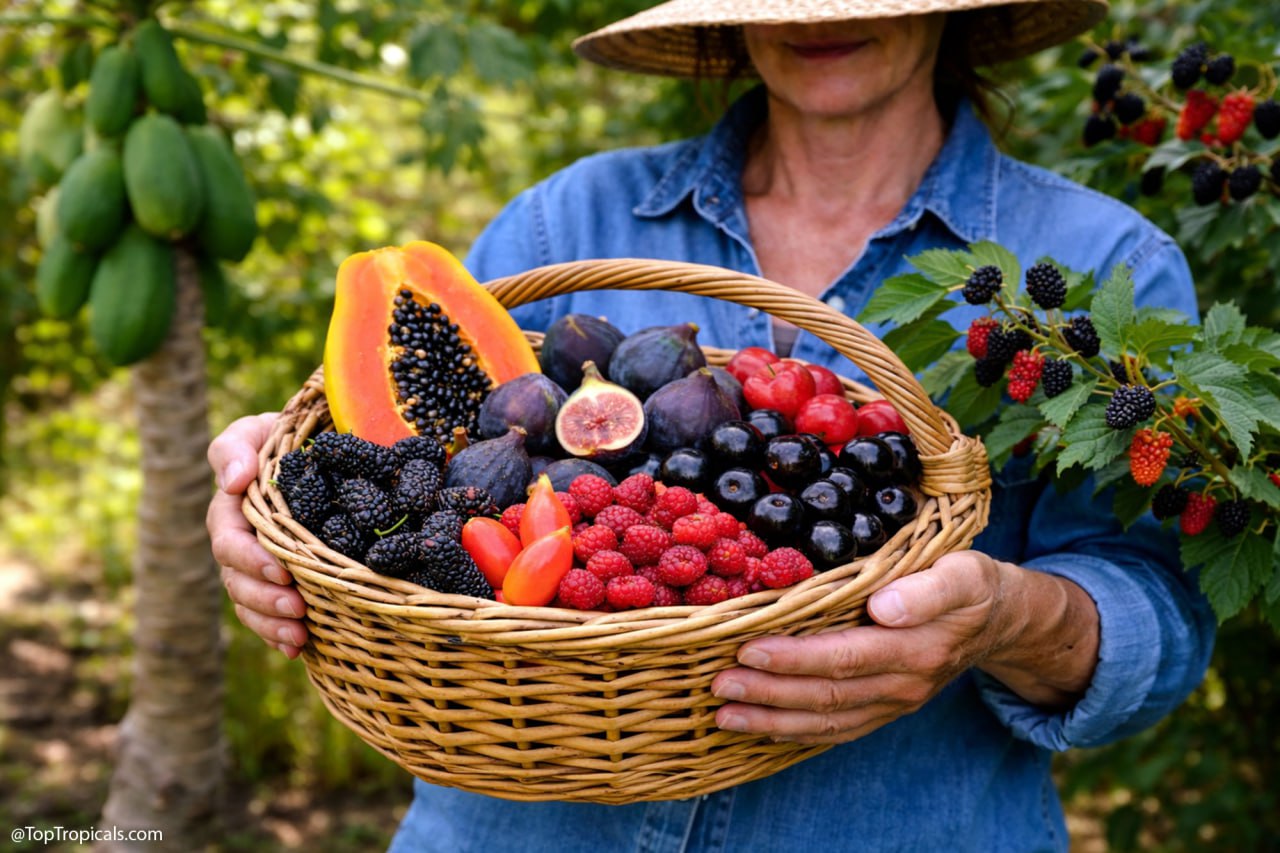
Don't wait years for fruit! Harvest papayas, berries, figs, and more in the very same season you plant them with these fast-growing varieties.

Don't wait years for fruit! Harvest papayas, berries, figs, and more in the very same season you plant them with these fast-growing varieties.

Don't Wait Years: 8 Fruit Plants You Can Harvest the Same Season 🍒

Growing fruit at home usually requires years of patience. Most gardeners view fruit trees as a long-term investment that may not pay off for a decade.
But you don't have to wait.
Certain tropical and subtropical plants are "fast-track" growers. In warm climates like Florida, choosing the right varieties means you can see flowers and fruit within months of planting - often in the very same season.
If you want a backyard harvest without the wait, here are the fastest-producing fruits you can plant today.
  • 🍓 1. Blackberry Jam Fruit (Randia formosa)


    A compact shrub perfect for containers. It produces star-shaped flowers and dark purple fruit that tastes exactly like blackberry preserves. Established plants often fruit in their first season.
  • 🍓 2. Peanut Butter Fruit (Bunchosia)


    This fast-growing large shrub produces orange pulp with the uncanny flavor and texture of peanut butter. Expect flowers and bright red berries within months of planting in warm conditions.
  • 🍓 3. Papaya (Carica papaya)


    The "giant herb" of the fruit world. Papayas are legendary for their speed, often flowering just months after planting and providing sweet, vitamin-rich fruit within the same year.
  • 🍓 4. Grumichama Cherry (Eugenia brasiliensis)


    A stunning Brazilian evergreen. Grafted plants can fruit the same season they are planted, offering glossy, dark cherries with a sweet, mild finish.
  • 🍓 5. Black Surinam Cherry (Eugenia uniflora var. Lolita)


    The 'Lolita' cultivar is a game-changer. It grows quickly as an edible hedge and produces nearly black, resin-free fruit that is significantly sweeter than the common red varieties.
  • 🍓 6. Mysore Raspberry and Tropical Blackberries (Rubus sp.)


    Unlike traditional berries that require chill hours, these Rubus species thrive in the heat. Their vigorous canes grow rapidly, often fruiting the same season they hit the soil.
  • 🍓 7. Everbearing Mulberry (Morus sp.)


    Mulberries are incredibly generous. Everbearing varieties produce sweet berries over an extended window and often begin fruiting the very first year they are planted.
  • 🍓 8. Fig Trees (Ficus carica)


    Figs are the champions of container gardening. They are highly drought-tolerant and famous for setting honey-sweet fruit even at a very young age—often just months after being established.


🏡 Where to plant them?
  • 👉 Tips for Faster Results


  • •  Start Large: Buy "nursery-established" plants rather than seeds.
  • •  Feed the Need: Use high-quality organic fertilizer to support rapid growth.
  • •  Sun is Fuel: Most of these varieties require at least 6-8 hours of direct sunlight to trigger flowering.


🛒 Plant these fruits now - some can produce within months

📷 Freshly picked tropical fruit bounty: don't wait years for fruit! Harvest papayas, berries, figs, and more in the very same season you plant them with these fast-growing varieties.

#Food_forest #How_to #Discover

🟢 Join 👉 TopTropicals