Garden Blog - Top Tropicals

Date: 28 Apr 2021

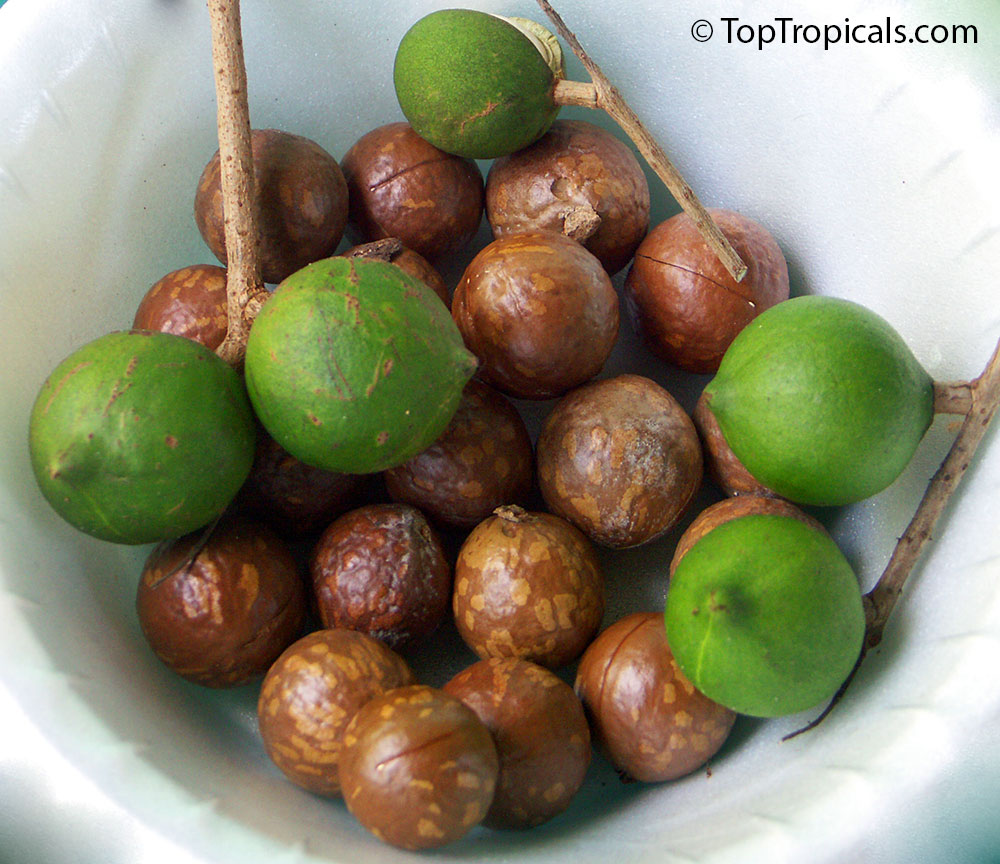
Macadamia Goodness
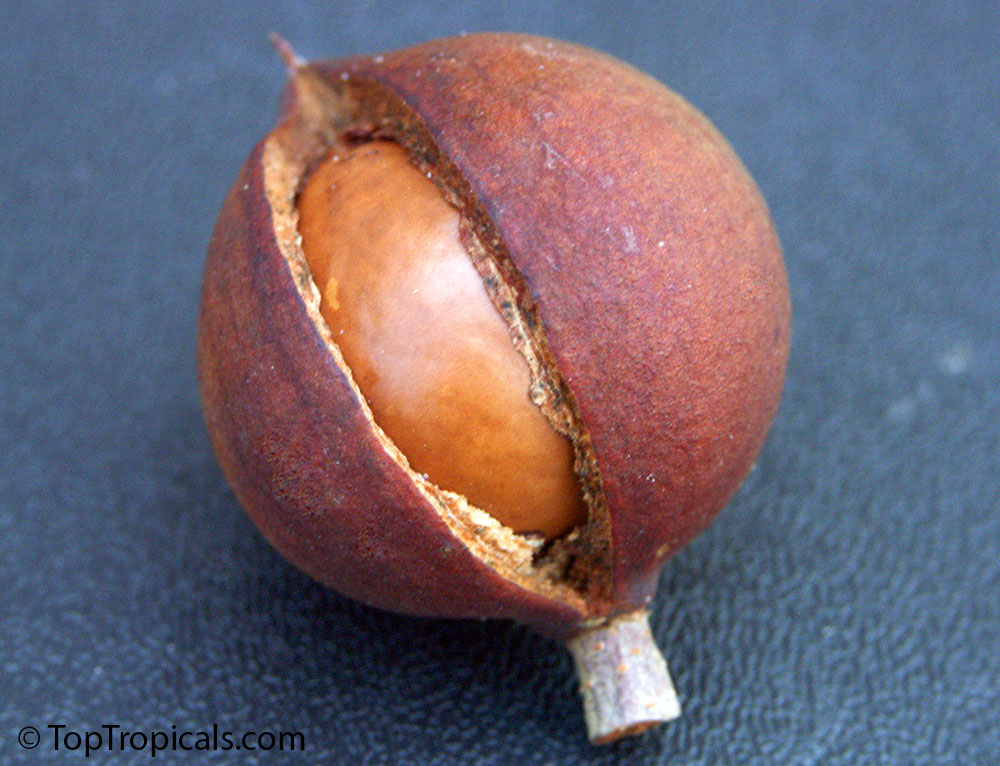
Macadamia nuts are rich in vitamins, minerals, fiber, antioxidants, and healthy fats. Their potential benefits include weight loss, improved gut health, and protection against diabetes, metabolic syndrome, and heart disease.
Native to Australia, Macadamia trees are now grown in various places around the world, such as Brazil, Costa Rica, Hawaii, and New Zealand.
Like most other nuts, Macadamia nuts are rich in nutrients and beneficial plant compounds. They are also linked to several benefits, including improved digestion, heart health, weight management, and blood sugar control.

10 health benefits of macadamia nuts

1. Rich in nutrients
2. Loaded with antioxidants
3. Boost heart health
4. Reduce risk of metabolic syndrome
5. May aid weight loss
6. Improve gut health
7. Providing anticancer properties
8. Boosting brain health
9. Bumping up your longevity
10. Easy to add to your diet
Learn more...

Delicious Macadamia nuts are loved by everyone, but they are so expensive from a grocery store... If you are excited about this nut, start saving: get your own tree and harvest your own goodness!

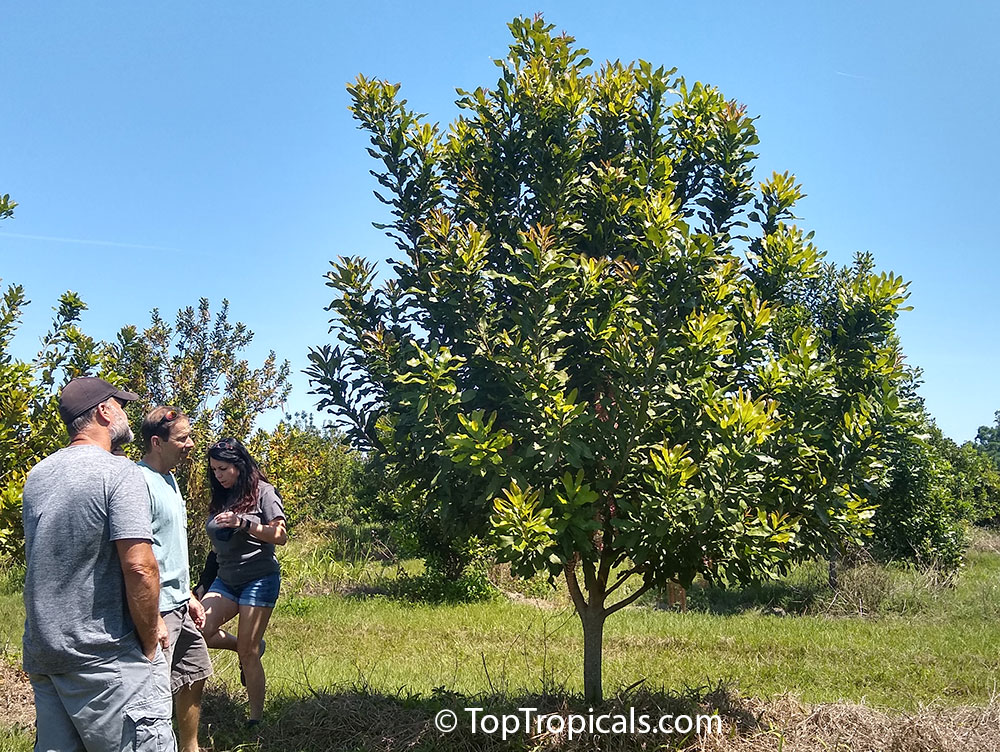
Macadamia are very handsome trees. They are easy to grow, require very little care and are relatively cold hardy. The are slow growing, compact bushy trees that start fruiting within 2-3 years from seed. Macadamias trees are reliable producers. The most important in Macadamia cultivation - do not over-fertilize this plant, it is very sensitive to regular fertilizer. Use only liquid plant food, and provide Micro-elements on regular basis.

Read more about this plant >>

Date: 29 Oct 2020

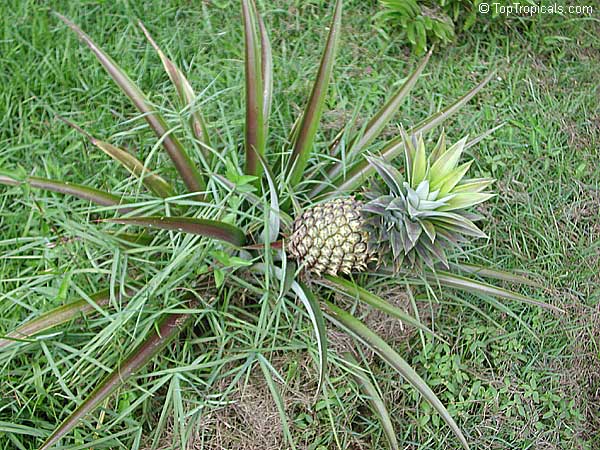
The Best Pineapples

Q: What varieties of the Pineapple are the best for planting in Florida? When do they fruit? I have a small yard, with a room for one or two, but can I keep more in pots? I am excited to grow my own pineapples!

A: Pineapple is truly the King of fruits! One of the most delicious fruits in the world. They start flowering from January to March in Florida and yes, they happily grow in the ground as well as in pots. Heaviest fruiting is in Summer (May to September), and some staggered throughout the year.
Be careful with watering, keep in mind that like any bromeliad, Pineapple needs very little water and needs the soil to get dry between waterings. Use only acidic soil and acidic plant food.
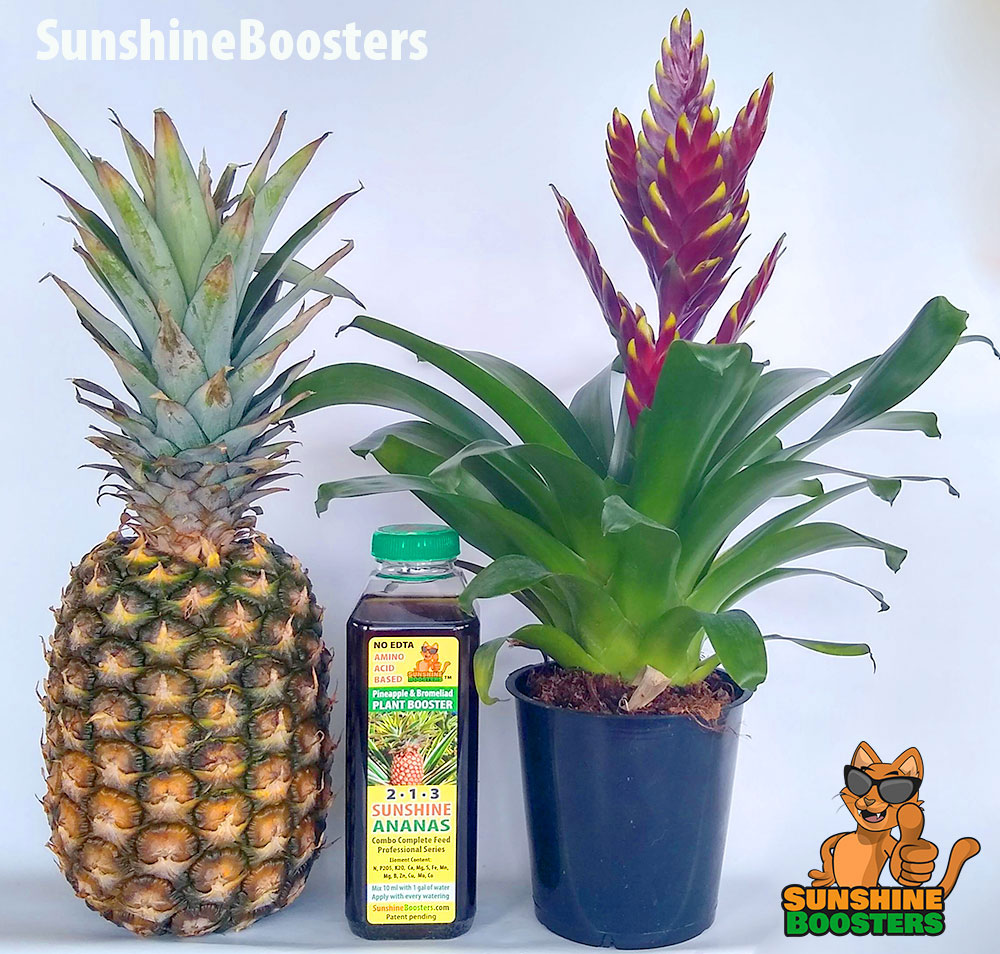
Make sure to feed these plants on regular basis, especially if grown in pots. Pineapples are heavy feeders but are also very sensitive like all bromeliads, so be careful with traditional fertilizers, do not exceed recommended dosage. It is safe to use liquid amino-acod-based Sunshine Boosters Ananas fertilizer year round.

The mot popular pineapple varieties for home growers are:
Elite Gold
Royal Hawaiian - Royale
Sugar Loaf

Date: 4 Oct 2020

New video: Ground orchids.
All-summer colors for shady gardens

WATCH NEW VIDEO

Did you know orchids can be grown in the ground?
Orchids have a mystique that seems to set them apart from most other flowers... they are elegant and almost unreal in their perfection... The symmetry of the flowers has led to the orchid being a symbol of a perfect beauty.
But not every gardener has luck growing traditional orchids. Some complain about their special maintenance: "Mount them on a tree, do not overwater... and all that hassle just for once-a-year flower?" Sounds familiar?
Terrestrial orchids (a.k.a. ground orchids) grow in regular garden soil instead of in the air on tree branches. And they bloom almost year round!...

Ground orchids are available from our store.

Stay updated with TopTropicals Videos by subscribing to our channel at YouTube.com/TopTropicals and get our latest video news of what is fruiting and blooming!

Remember to get plant food for your orchids and Ground orchids!
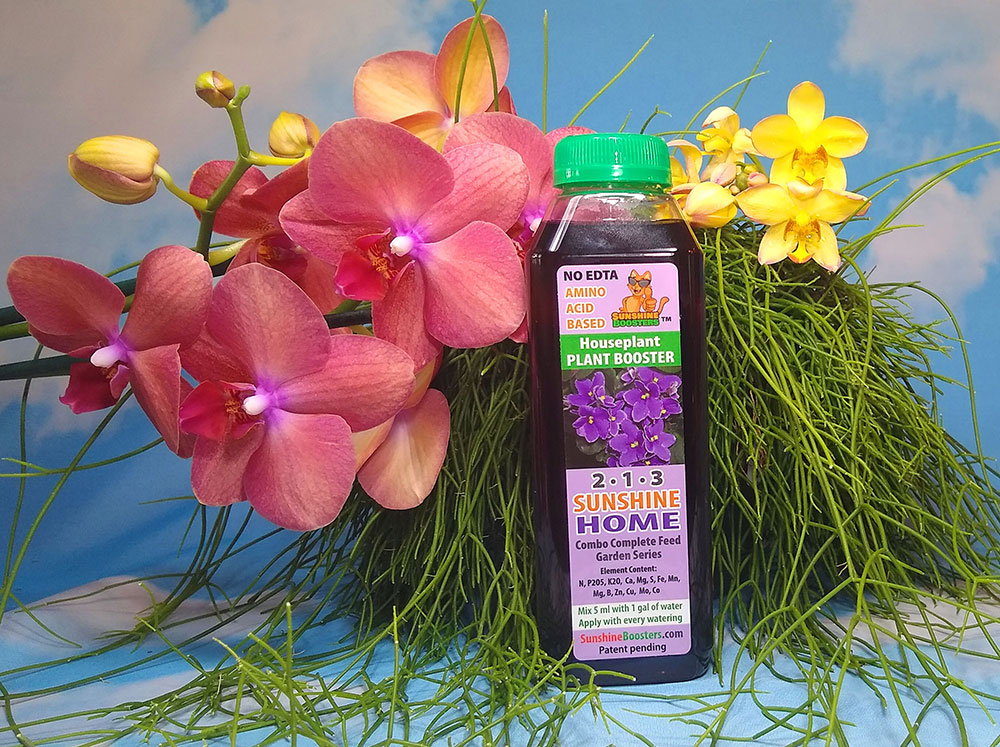
In the photo: Sunshine-Home, plant booster for tender house plants and orchids.

Date: 19 Jul 2020

Sugar grains on leaves?

by Mark Hooten, the Garden Doc

Q: On my Stemmadenia tree I noticed tiny drops (like white sand grain or sugar crystals) and wonder if this is a disease or some kind of insect and what can I do about it?

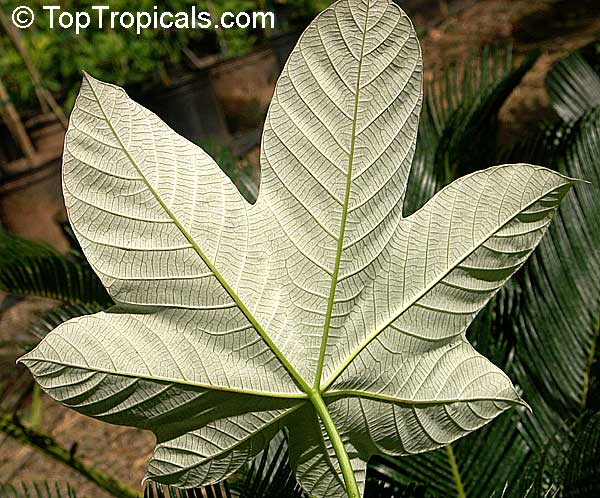
A: Sometimes certain vigorously growing (mostly tropical) plants develop suspiciously-looking tiny "growths" mostly on the undersides of their leaves. Without strong magnification, they can be easily mistaken for mealy bugs, scale insects, or any number of parasitic disease vectors.
However, according to plant pathologists, these are actually harmless excretions actually exuded by the plants themselves. A chemical analysis of these tiny granules shows that they are nothing more than polysaccharides. Polysaccharides are basically complex chains of sugar/glucose molecules which are simply a production of all plants undergoing photosynthesis. Polysaccharides are at the beginning of the entire food-chain. These odd tiny sugar-grained nodules are actually only semi-crystalline complex sugars which certain plants have over manufactured and have had no choice but to excrete through their stomata (breathing pores).
I have personally observed Cecropia, Psychotria, Spondias (Hog Plum), and Guavas doing this... there are many others. Nothing to worry about, they are harmless, but if they bother you - wash them off with a hose water.

Date: 20 May 2020

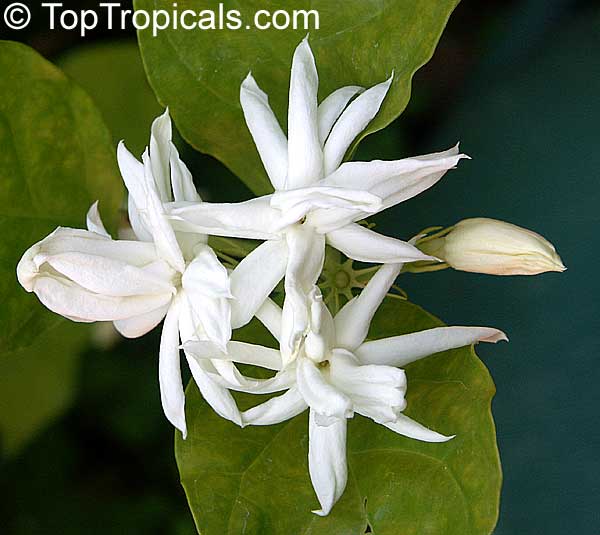
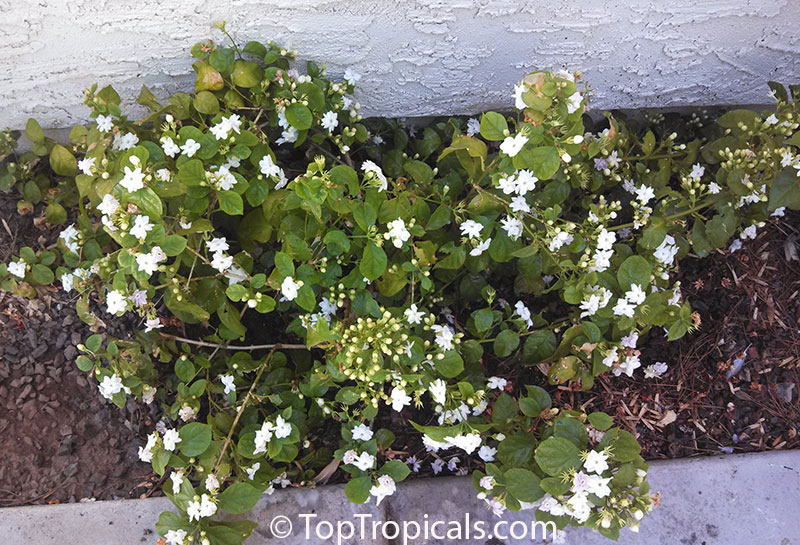
How to prevent Jasmine flower drop

Q: My jasmine buds turn purple to brown and drop before it blooms. What should I do to get the jasmines to bloom fully. Appreciate your help & suggestions.

A: At this time of the year in Florida, jasmines may drop flowers because of the sudden hot weather. The plants didn't have a chance yet to change their metabolism to summer type. The high temperatures promoted early bloom, but the plant is not strong enough to support the flowers. It needs extra food. To improve flower quality and reduce bud drop, we recommend these supplements:
SUNSHINE Pikake - Fragrant Plant Booster
Sunshine Honey
and Sunshine Superfood