Date: 16 May 2026
🔮 When the World Around Becomes Too Gray: Plant a Tree. Eat a Donut. Keep going.

Smokey: Plant a tree.
Sunshine: And if that does not help?
Smokey: Plant another one.
Sunshine: And eat a donut.
Smokey: Not strictly necessary, but statistically beneficial.

If you have been feeling a little worn down lately, you are not alone.
You already know about the headlines. We do not need to list them. You have probably seen them today before breakfast.
We are not here to pretend that is not happening. It is happening. And it is a lot. But here is the thing we keep coming back to, the thing that has been true for as long as people have had hands and a patch of ground: when the world feels out of control, you can still plant something.
Gardening is not an escape. It is an answer. When you put a tree in the ground, you are making a quiet statement. You are saying that you expect there to be a future. That you intend to be in it. That shade and fruit and flowers still matter, and you are going to make sure they exist in your corner of the world.
That is not naive. That is courageous in the most ordinary and underrated way.
One tree, planted this season, might give you fruit in a few years. It might give butterflies somewhere to stop. It might give a bird a place to nest. It will almost certainly give you something to look at on a hard day that reminds you the world still contains beauty, and that you put some of it there. And if one tree does not quite do it? Plant another one.
Dostoevsky said beauty will save the world. We think a mango fruiting in your backyard counts. So does a Magnolia opening on a quiet morning.
Do not skip the donut.
A donut is a small, simple, completely unnecessary thing. That is exactly the point. It is not productive. It does not solve anything. It is just good, and sometimes that is the whole reason. In a world that constantly demands you be useful and informed and concerned, eating a donut is a quiet act of being human. You are allowed to enjoy a small thing on a hard day. You do not have to earn it.
Rest a little. Then go put something in the ground. Anything that will grow and flower and remind you that beautiful things are still happening whether the headlines mention them or not.
We have the plants. You bring the donuts.
🛒 Plant a sweeter world: grow color and flavor
Date: 6 Jun 2026
Avocado Ulala (Super Hass): the hidden world beyond green and black
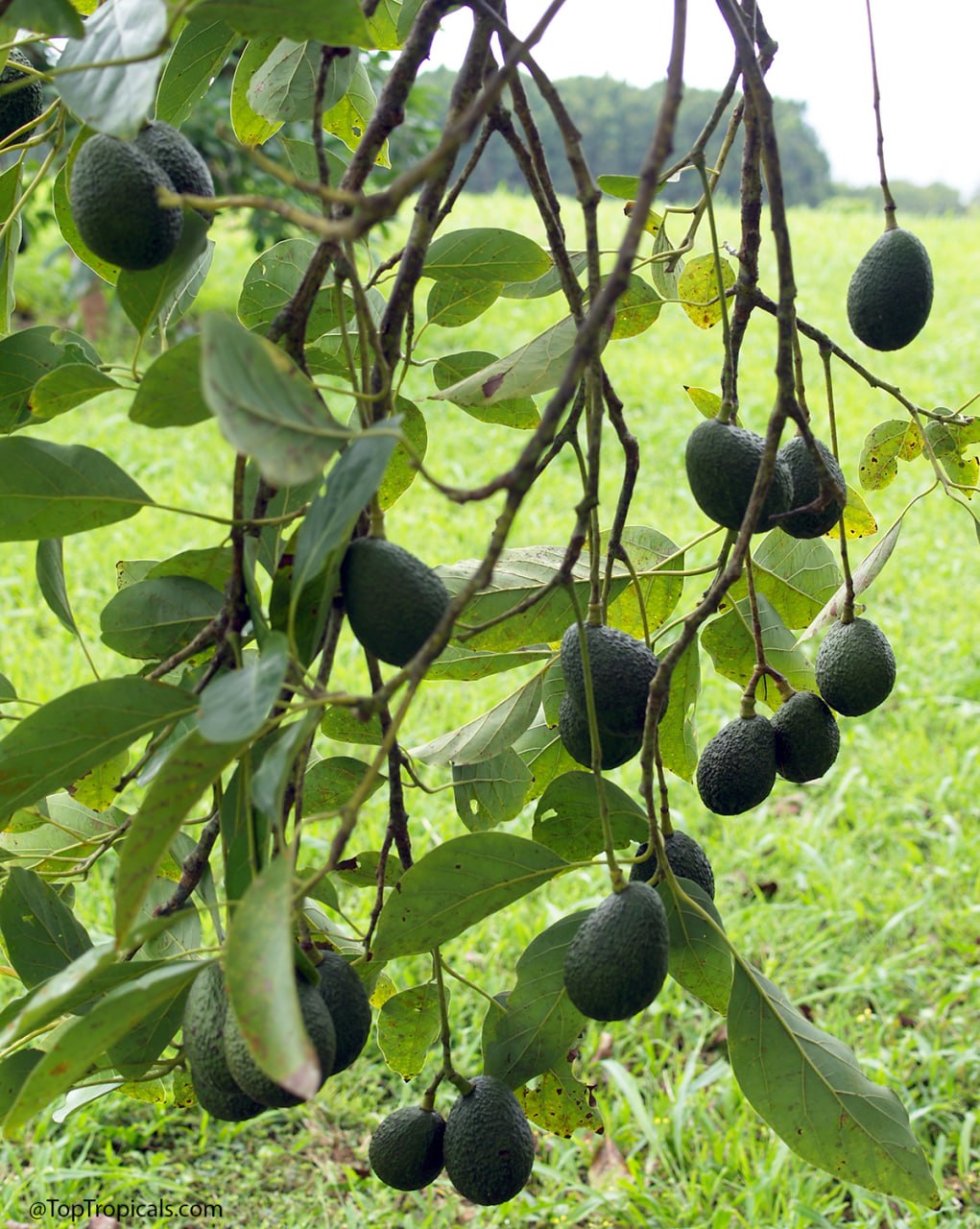
Avocado Ulala (Super Hass): the hidden world beyond green and black
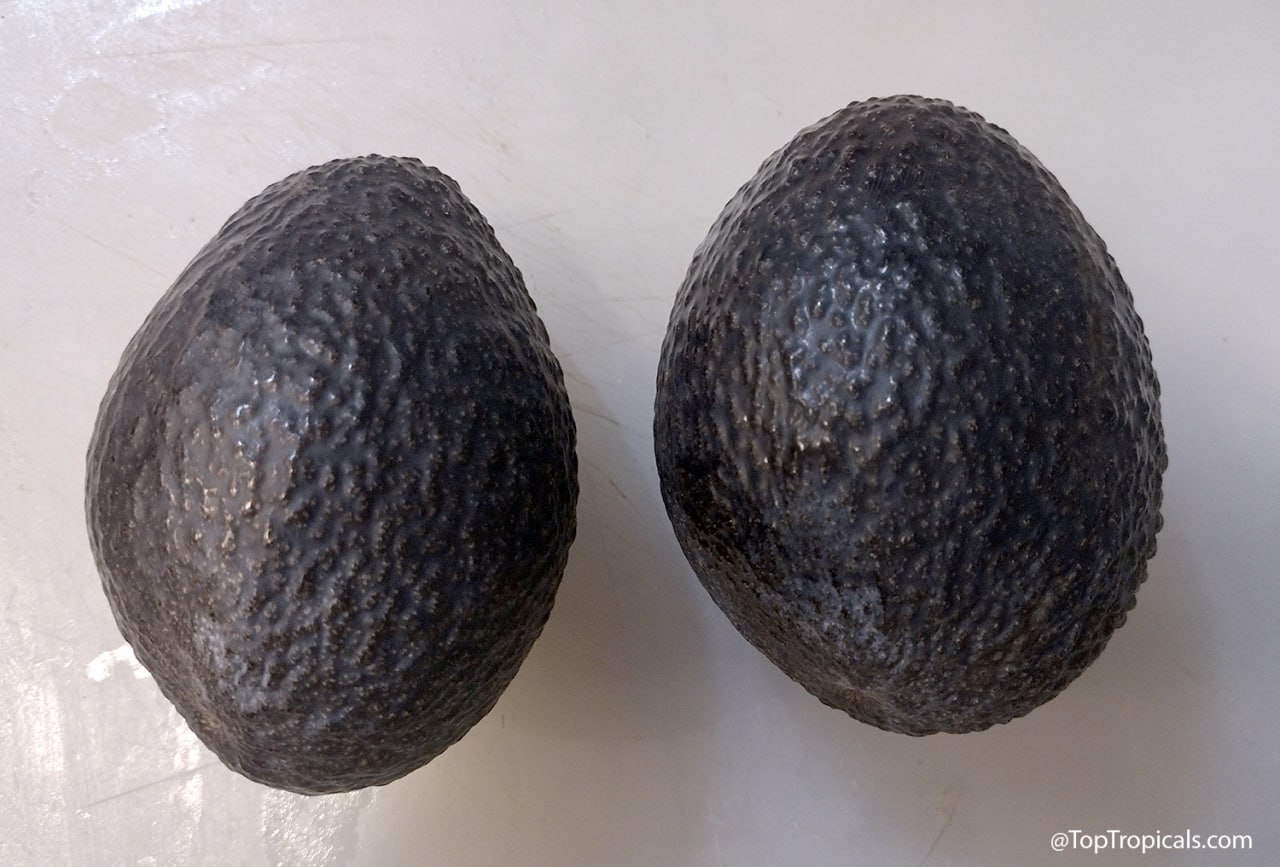
Avocado Ulala (also spelled "Ooh La La" or "U-La-La") , often marketed as Super Hass, produces attractive dark purple-black fruit reminiscent of Hass but on a smaller tree. The flesh is rich, creamy, and high in oil, making it an excellent fresh-eating avocado. Its combination of cold tolerance, manageable size, and premium fruit quality has earned it a loyal following.
· Botanical name: Persea americana 'Ulala' (Super Hass)
· Origin: Louisiana
· Cold hardiness: Tolerates temperatures around 20°F
· USDA zones: 9a-11
· Flower type: A
· Tree size: Approximately 25 ft x 15 ft
· Growth habit: Upright and moderately vigorous, with a narrower canopy than many traditional avocado varieties
· Fruit size: 6-10 oz
· Fruit shape: Pear-shaped
· Fruit color: Purple-black when ripe
· Skin: Thick and easy to peel
· Flesh: Creamy, smooth, and rich
· Flavor: Buttery, nutty, and excellent for fresh eating
· Season: November-February
· Best use: Fresh eating, slicing, and premium guacamole
· Special feature: Produces dark-skinned Hass-like fruit while offering better cold tolerance than traditional Hass
· Why growers love it: Ulala combines the appearance and flavor that made Hass famous with improved cold hardiness and a productive tree. The attractive purple-black fruit, rich flesh, and winter harvest season make it a favorite among avocado enthusiasts. 👉 More
💡 Avocado tip: The best fertilizer is consistency
Avocados prefer small, regular feedings rather than large doses. Light feeding throughout the growing season often produces better results than occasional heavy fertilization. We recommend SUNSHINE C-Cibus - Amino-Acid Crop Booster - safe to apply with every watering, year around.
🛒 Explore cold hardy Avocado varieties
📚 Learn more:
· Avocado Variety Guide: Snack or Guacamole? Collector's inspiration
· Avocado Fuerte: the hidden world beyond green and black
· Avocado Florida Hass: the hidden world beyond green and black
· Avocado Brogdon: the hidden world beyond green and black
· Avocado Joey: the hidden world beyond green and black
· Avocado Fantastic: the hidden world beyond green and black
· Avocado Fantastic Quick Facts
· Cold-hardy avocado survival groups - what the numbers really mean
· How to protect Avocado from cold and how hardy is it?
· Avocado that laughs at frost: Mexicola Grande for cooler climates
· Cold hardy Avocado Joey - you eat it with the skin
📖 Our Book: Avocado Variety Guide, Snack or Guacamole?
· Hard copy · PDF File Download
#Food_Forest #Avocado #Discover
🟢 Join 👉 TopTropicals
Date: 25 Jun 2021
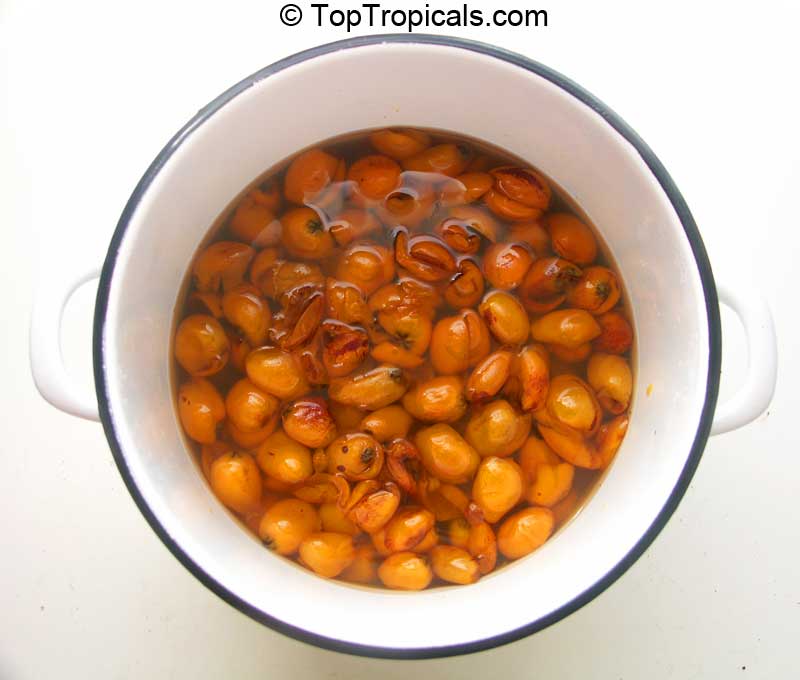
Kristi's Loquat Tropical BBQ sauce
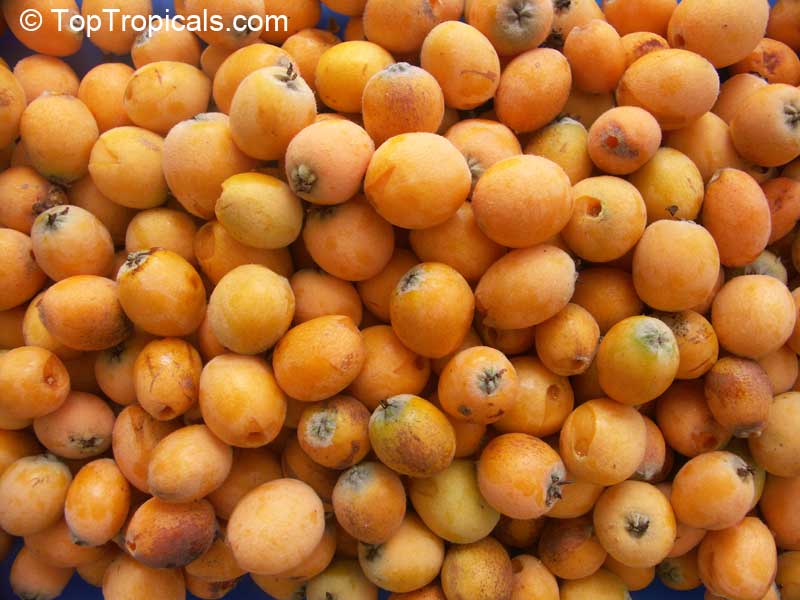
Loquat trees are famous for their abundant fruit production. Many customers who purchased this tree from us, soon end up with some serious crops and start asking if we have any special recipes for loquat fruit - because you can only eat so much out of hand! Here is our manager Kristi's favorite Loquat recipe - not only delicious and tropically-aromatic, but also good for you. Happy Tropical Meal!
Ingredients
2 lbs loquat fruit
1 cup soft brown sugar
3 cups malt vinegar
1 onion chopped
2 cloves garlic
1/2 tsp salt
1/2 tsp black pepper
1/4 tsp cayenne pepper
6 cloves whole or 1/2 tsp ground cloves
Instructions
Wash the fruit, cut them in half and remove stones. The loquats will
lose about a third of their weight once stoned (3 lbs of whole fruit = 2 lbs of fruit, stones removed). Add loquats and all remaining
ingredients to a large saucepan. Bring to a low boil, then simmer for about an hour, stirring occasionally. The liquid will have reduced quite a bit and the fruit
will be collapsed and very soft. Allow to cool slightly, then liquidize the sauce in a blender or a food processor. Be careful, hot sauce really
burns!
This delicious tropical sauce is great for any BBQ - with meats or fish. Enjoy!

Date: 30 Aug 2020

Healthy Plant Food
Q&A from Mr Booster
How to make Mango tree fruit
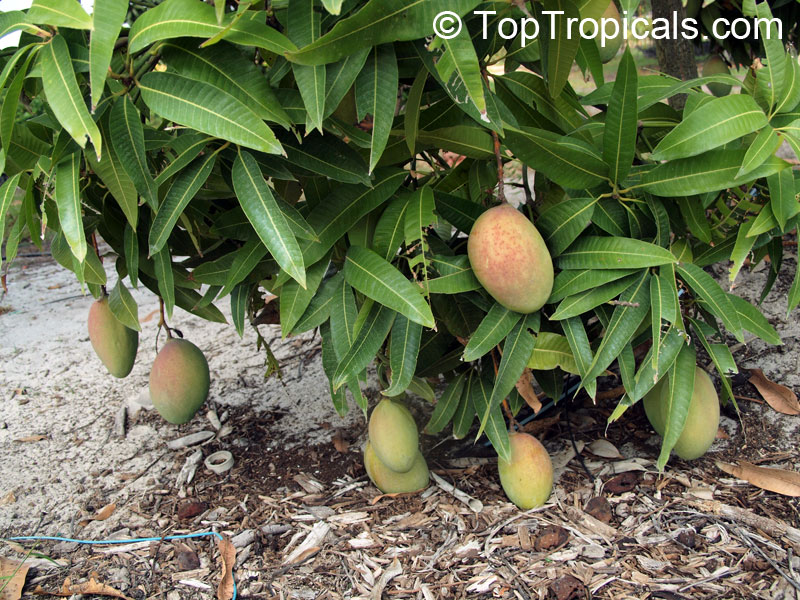
Q: Hello, I have a five-year-old Lemon Meringue tree that has only given me fruit one year. It put out about 50 mangoes and has done nothing for the past three years. Do you recommend any vitamins or any of the nutrients that you guys sell to help with this for next season?
A: We've had very similar problem with our Nam Doc Mai Mango tree, fruited once and no more next year. Usually the reason is nutrients deficiency, here in Florida we have poor soils.
We applied Mango-Tango tree booster and it
started flowering within a couple of weeks.
Generally, Mango flowering season is over by now, however, we recommend to
feed the tree starting now, during active growth season. This way it will get
better established before winter and also will store away all elements
necessary for triggering flowering and fruiting. So by late Fall through Winter it
will be ready to flower.
Along with the fertilizer, additional micro-element supplements will be
beneficial. For improving fruit quality and increasing number of flowers, we
also recommend to use
SUNSHINE-Honey - sugar booster
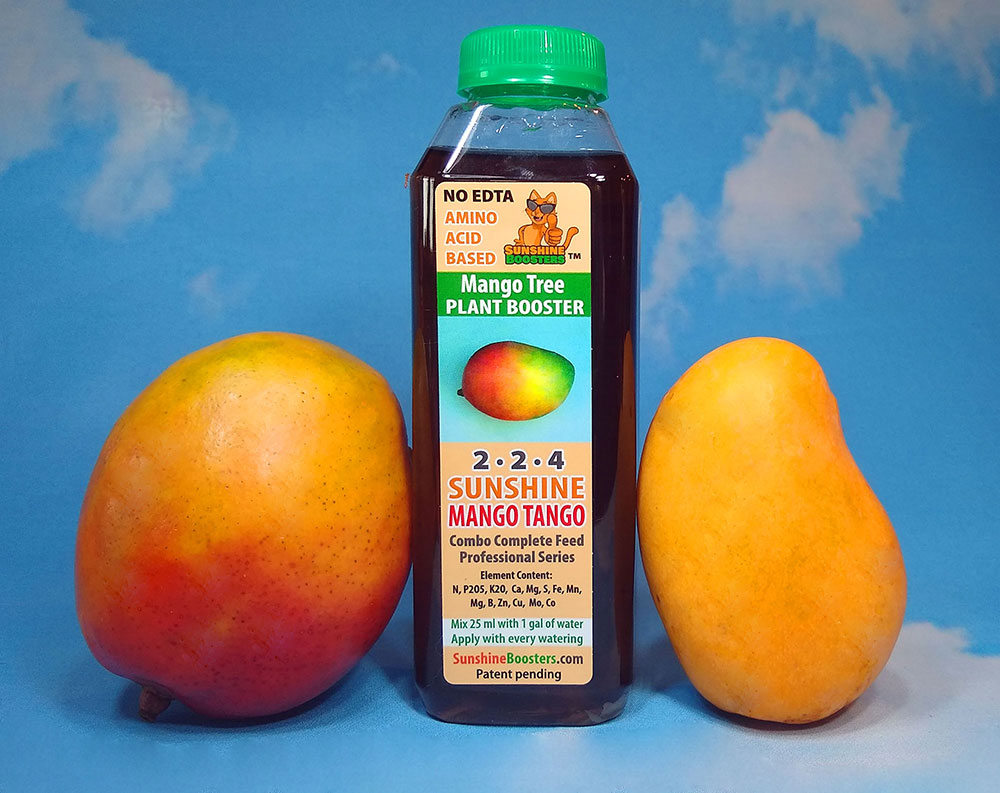
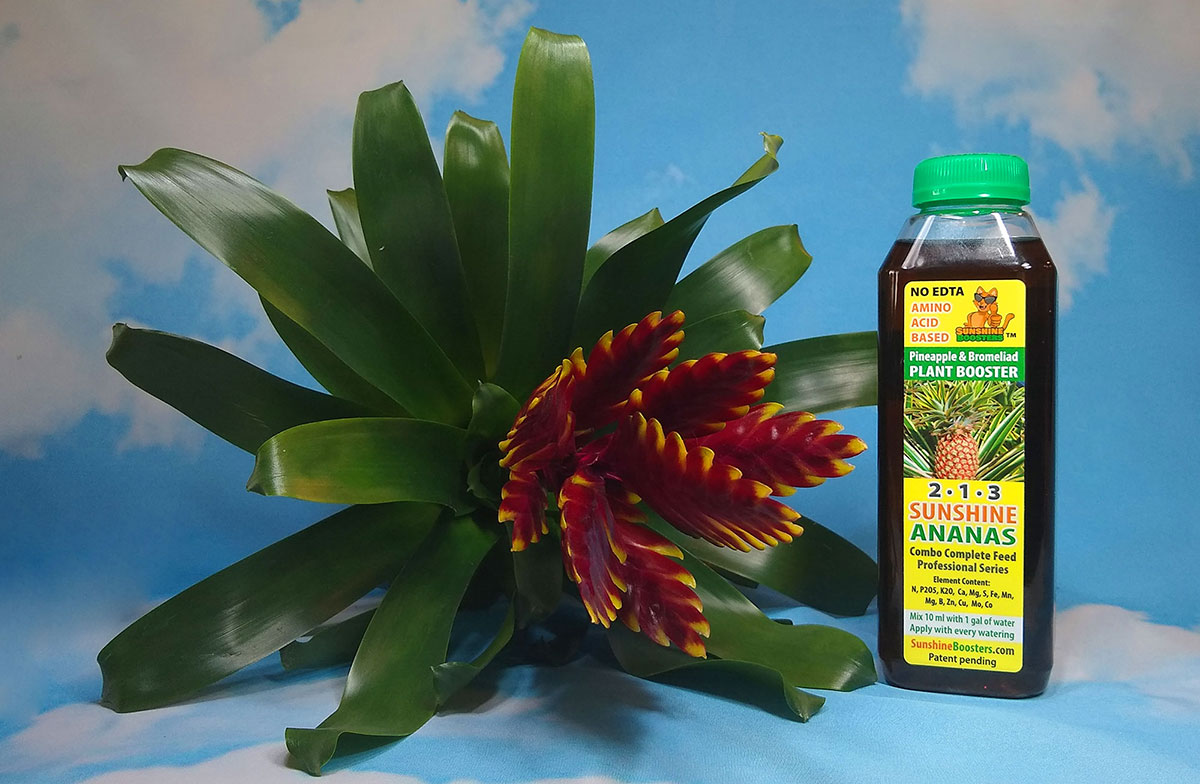
SUNSHINE Mango Tango - Mango Tree Booster, for healthy mango trees and profuse fruit production.
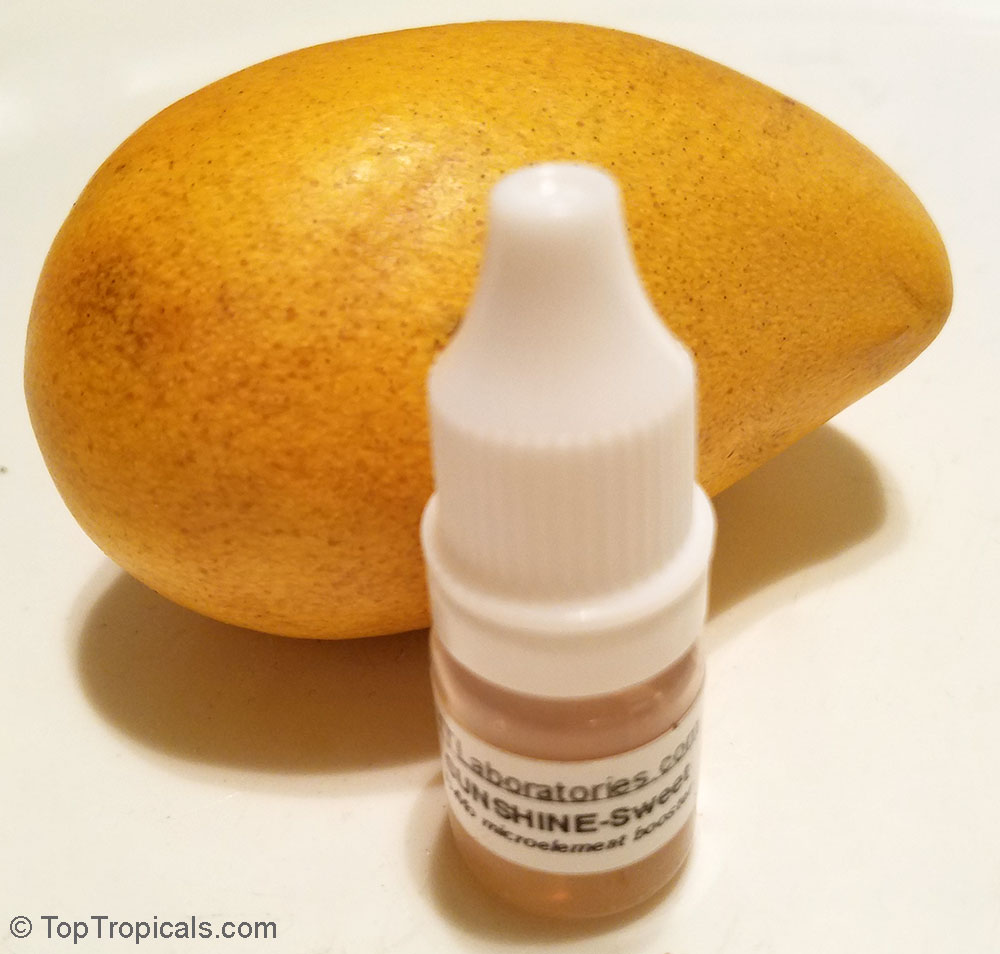
SUNSHINE Honey - a natural supplements that makes fruit sweeter, and increases fruit quantity and quality.
Date: 22 Jun 2024
Pineapple Season started!
The most luscious Hospitality Fruit
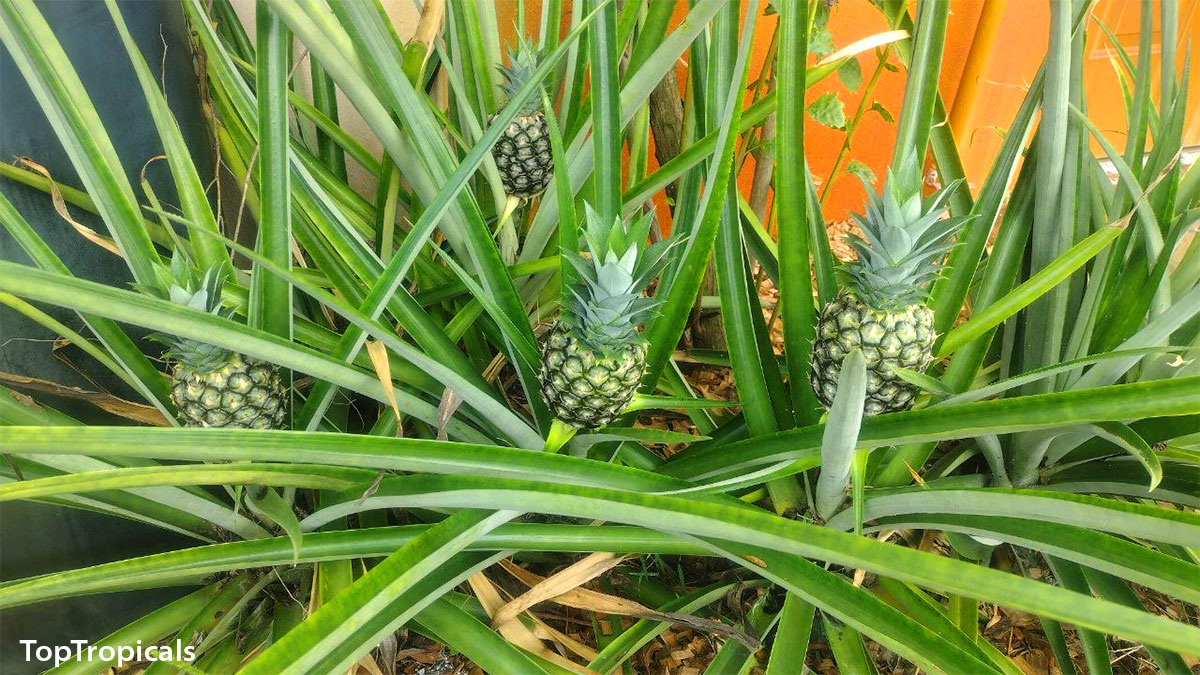
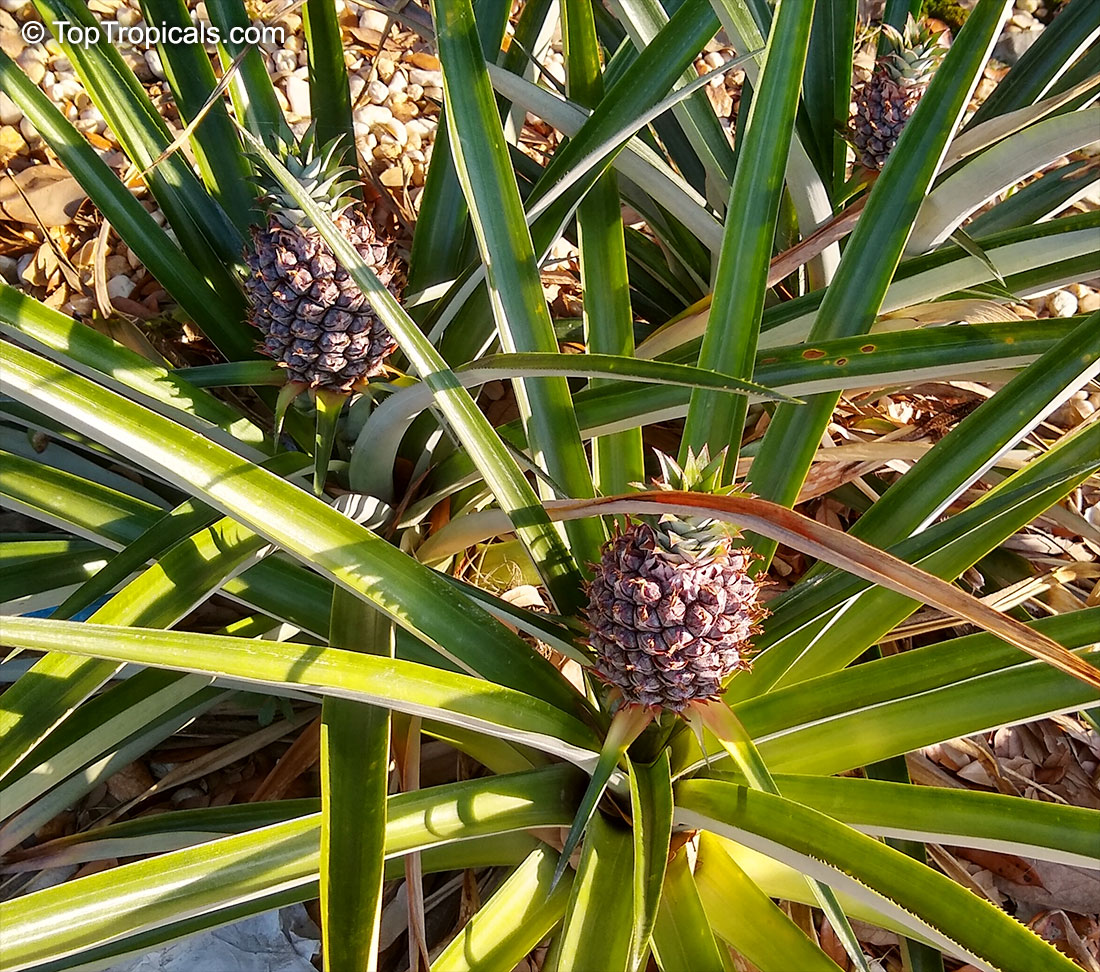
Pineapple plant (Ananas comosus) produces a delicious fruit treat and is a fascinating plant to grow.
King of fruits. Pineapple is often referred to as the "king of fruits" (along with Durian and Mango). It is cherished for its sweet and tangy taste, refreshing qualities, culinary uses, and health benefits, including high vitamin C content and digestive enzymes.
Bromelain for healthy guts: pineapples contain an enzyme called bromelain that can break down proteins and is often used as a meat tenderizer. It's great for digestion; eat 1 slice of pineapple after every meal to maintain healthy digestive system.
Single fruit per plant: each pineapple plant produces just one pineapple per year.
Growth time: It takes about 18-24 months for a pineapple to mature and be ready for harvest.
Symbol of Hospitality: in many cultures, pineapples are a symbol of hospitality and welcome.
Those are berries! A pineapple is formed from many individual single fruit (technically, berries), which fuse together around the core.
Cultivation. Pineapples are easy to grow. They need very little water to thrive, and take full sun, shade, semi-shade. For faster production, fertilize with SUNSHINE boosters Ananas - Pineapple and Bromeliad Booster. Perfect container plant, Pineapple can be grown indoors as a houseplant. Many superior varieties are available in selection.
Learn more: The most luscious Hospitality Fruit - Pineapple.