Garden Blog - Top Tropicals

Date: 25 Sep 2022

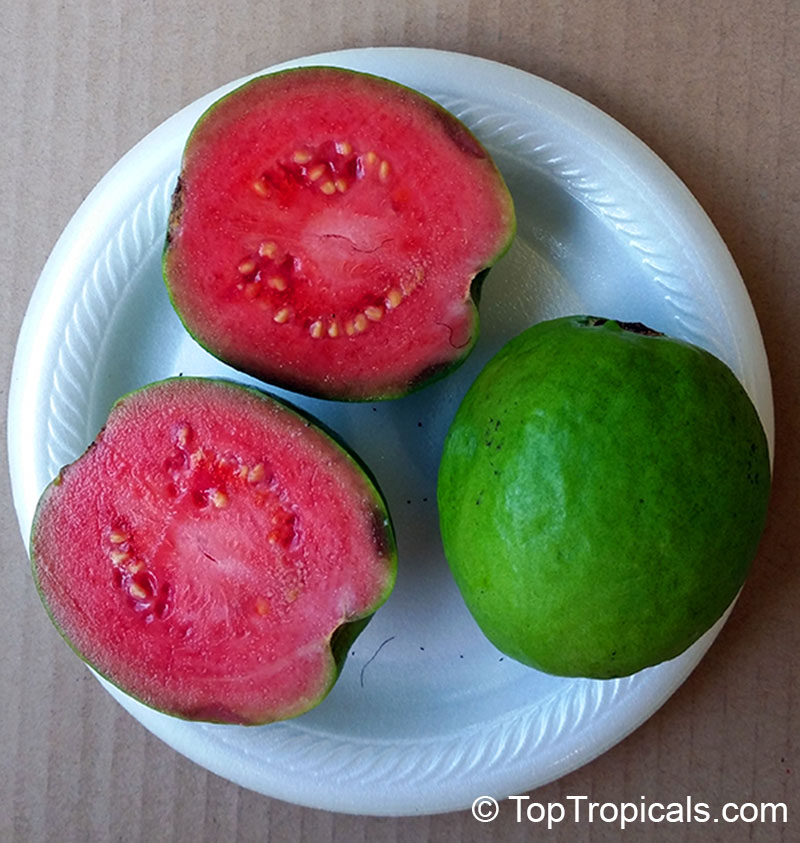
Guava, the easiest container fruit tree
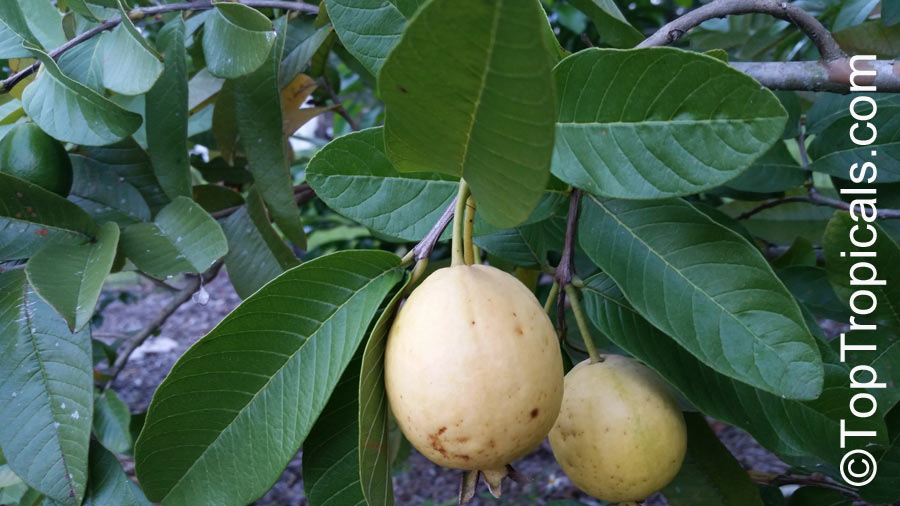
Guava  fruit  on  a  branch

Grow Your Own Food

Guava is one of the most popular and well-known tropical fruit because it is so tasty, sweet, juicy and flavorful! Many people are familiar with it because of the large number of products made from this aromatic fruit. But very few people know that Guava tree culture is very easy and this plant can fruit in a pot right away. Guava tree start blooming and producing fruit as small as 1 gal pot size. It can be kept in compact shape, responds well to pruning, stays bushy and grows very fast. It is a perfect container fruit tree or a specimen for a tropical garden of any size.
Upon ripening, the fruit becomes soft and juicy. It may be eaten fresh, made into a juice or nectar contain fruit pulp, or made into preserves, jam, jelly, or paste. A distinctive, savory-fresh aroma of fruit is thermo-stable, thus survives processing. The guava is an excellent source of vitamins C and A.
The plant is relatively cold hardy. Our young trees, 3 months after being planted in the ground were exposed to a short period of freeze last winter (mid-20's) but they grew back without significant damage. Try to keep Guava cold-protected for the first winter, then it will be much hardier once established.
Guavas are fast growers and heavy feeders, and benefit from regular applications of fertilizer. Make sure to get some Sunshine Boosters fertilizer: Sunshine C-Cibus - Crop Booster, and feed them your round.
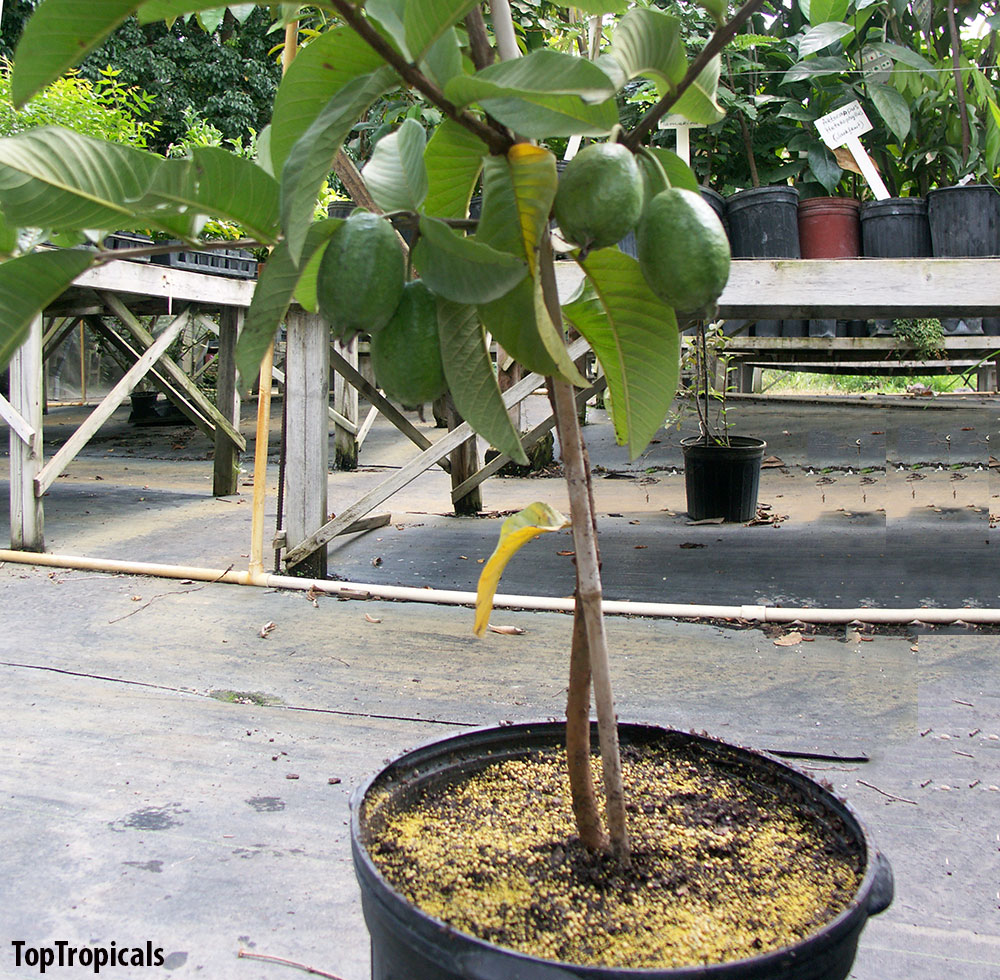
Guava  tree  fruiting  in  container

Guava  fruit

Date: 22 Aug 2022

What tree will fruit indoors?

Fruit  trees  for  indoor  containers

Q: I love your tropical fruit selection and I wish I lived in a warmer climate. Is there any fruit tree that can be happy indoors during winter and have fruit? I am not expecting a big crop but it would be fun to have a small piece of tropics at home. I don't have much gardening experience, can you suggest something easy for a start?

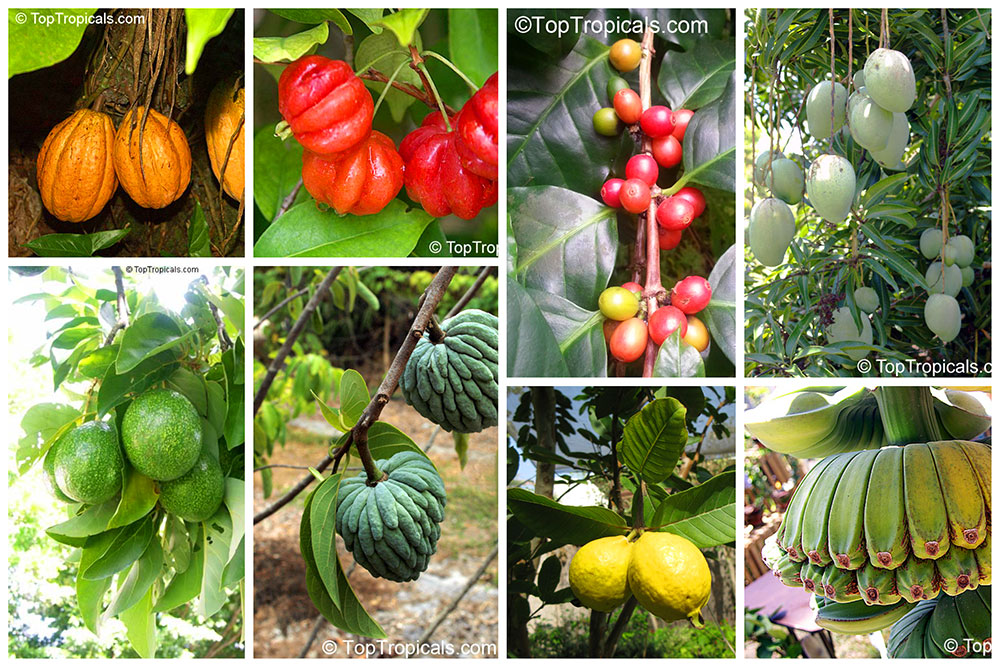
A: Several tropical fruit trees can be grown indoors, in pots, providing bright light that is necessary for flowering and setting fruit. Among them are many varieties of Bananas, Guavas, Annonas and tropical Cherries - these can be easily maintained in containers. Even dwarf varieties of Avocado and Mango are good candidates for indoor culture. You can bring containers indoors for winter and take outside into full sun during warm months so your plants can store lots of energy in Summer.
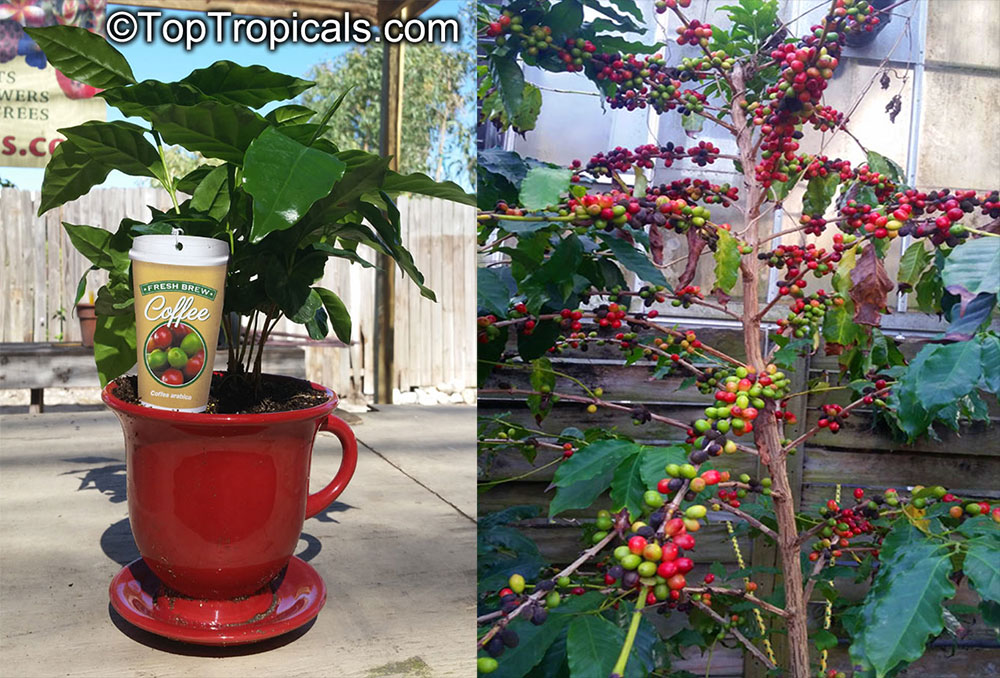
The easiest fruit tree for indoor culture that doesn't require bright light and can be grown indoors year around is a Coffee tree. Start with it, it is on sale today! Once you gain some experience, you can upgrade to a Chocolate tree!
Remember, all container grown plants need balanced nutrition program. It can be easily provided with Sunshine Boosters your around. For fruit trees, just add some Sunshine C-Cibus Crop Booster to your cart.

Coffee  video

Date: 23 Oct 2020

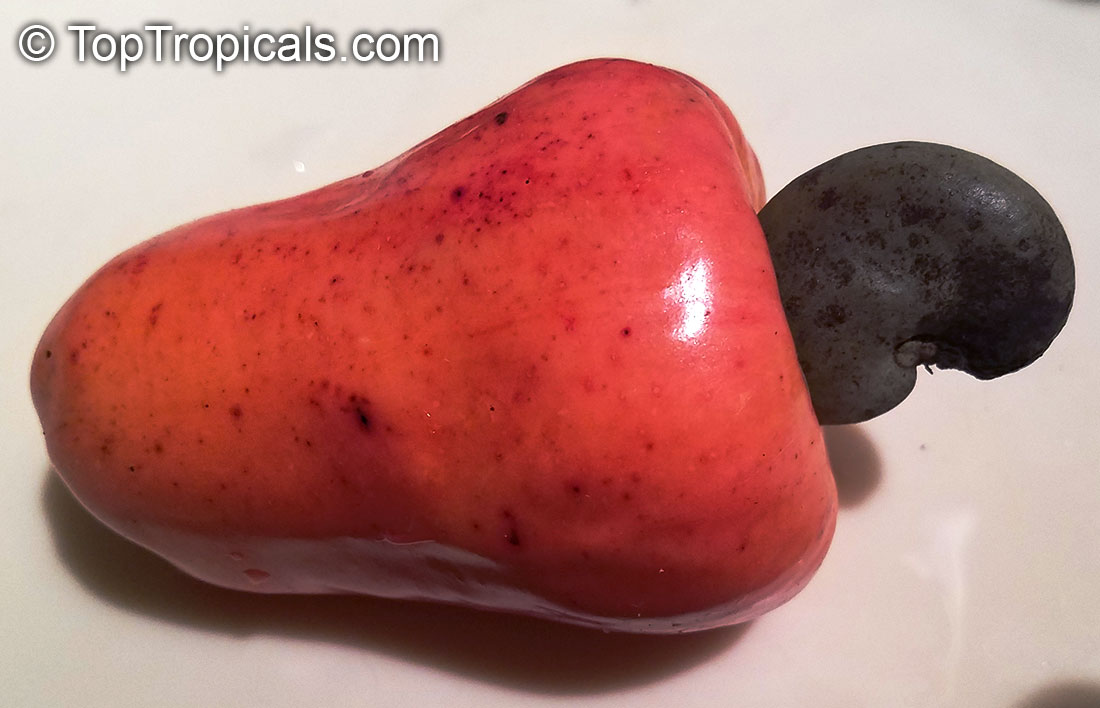
Cashew Nut tricks and challenges

Q: I bought a cashew plant in May of this year it has been slow-growing well then all of a sudden it started dying. I have cut it back halfway down. So a plant that was close to 3 ft tall is now 1 1/2 feet. I see new leaves trying to spring closer to the root. Help! It's in a huge 18"wide pot, I have not put it in the ground yet. I am in the Orlando area.

A: Generally speaking, Cashew is not the easiest plant to grow. Cutting it down added more stress to the plant. A few thoughts:

1) Chances are, the tree was over-watered (possibly summer rains, we had pretty wet summer this year in FL). Cashew trees are very sensitive to over-watering while young. Considering it sits in pretty large pot, this may have created soggy conditions. Don't bother repotting the plant now, just try to reduce watering. We have less rains now. If you have automatic sprinklers, move it away from sprinkler so you can control moisture manually. Even better - move it under roof (lanai, etc) where it still can get lots of bright light, but you can control water.

2) In Orlando, winters are too cold for this tree. Make sure to protect it from cold - bring inside when temperature drops below 65F, especially considering that the plant is still struggling.

3) Keep in mind that Cashew is semi-deciduous tree, meaning it looses leaves during cooler period. If all leaves are gone but the stem still green (after nail scratch) - just give it time, it may start growing vigorously in Spring.

4) You may apply Sunshine Boosters with every watering (which should be once a week, or even less frequent if the soil is still moist) - SUNSHINE C-Cibus - Crop Nutrition Booster

Keep the plant in full sun or at least very bright filtered light. It must be always warm. Bring inside if below 65F.

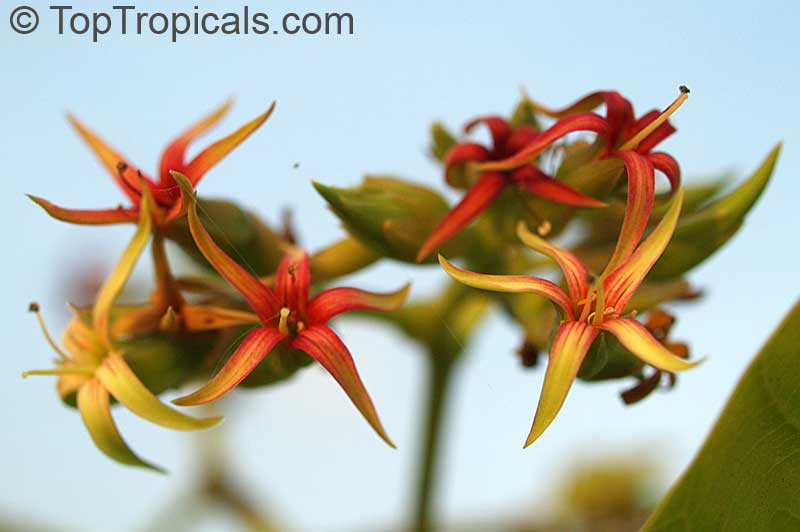
Photo above: Cashew Tree flowers are so amusing!

Date: 23 Mar 2020

Garden Sustainability Tips: Live your Life. Dig your Garden.

You can grow herbs and vegetables that can be easy incorporated into your home landscape. You don't need a raised bed for a few little things that will come really handy for your kitchen.

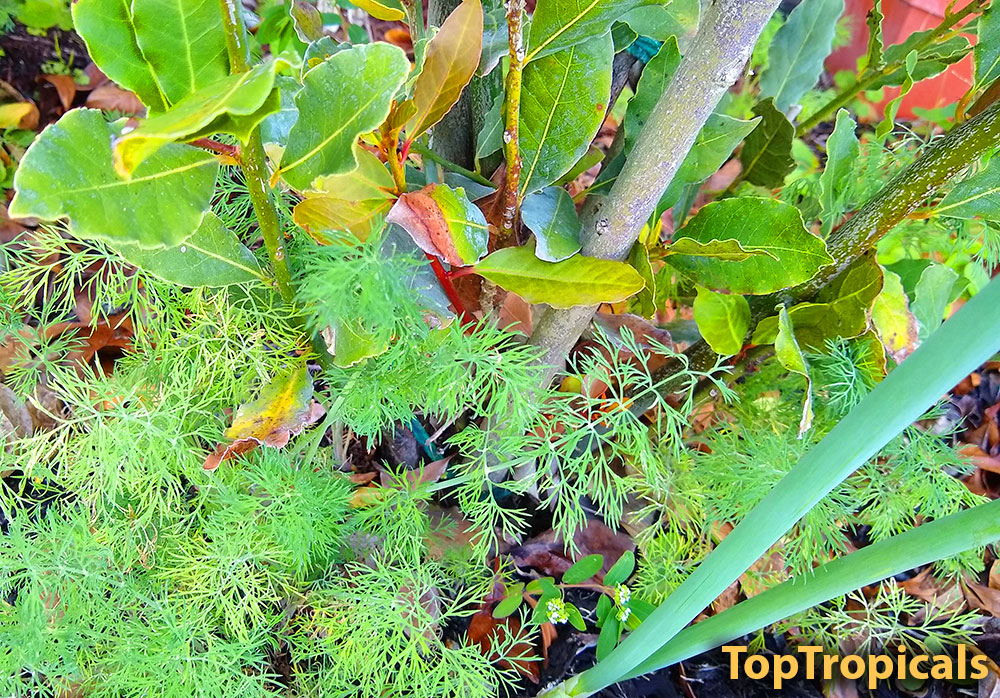
1. Parsley. Get a small 4"pot parsley plant from a local garden center. It grows super fast and just one plant can provide great healthy addition for your cooking for a few months. Plant in in full sun, under a tree or shrub, where it gets hit by a sprinkler.
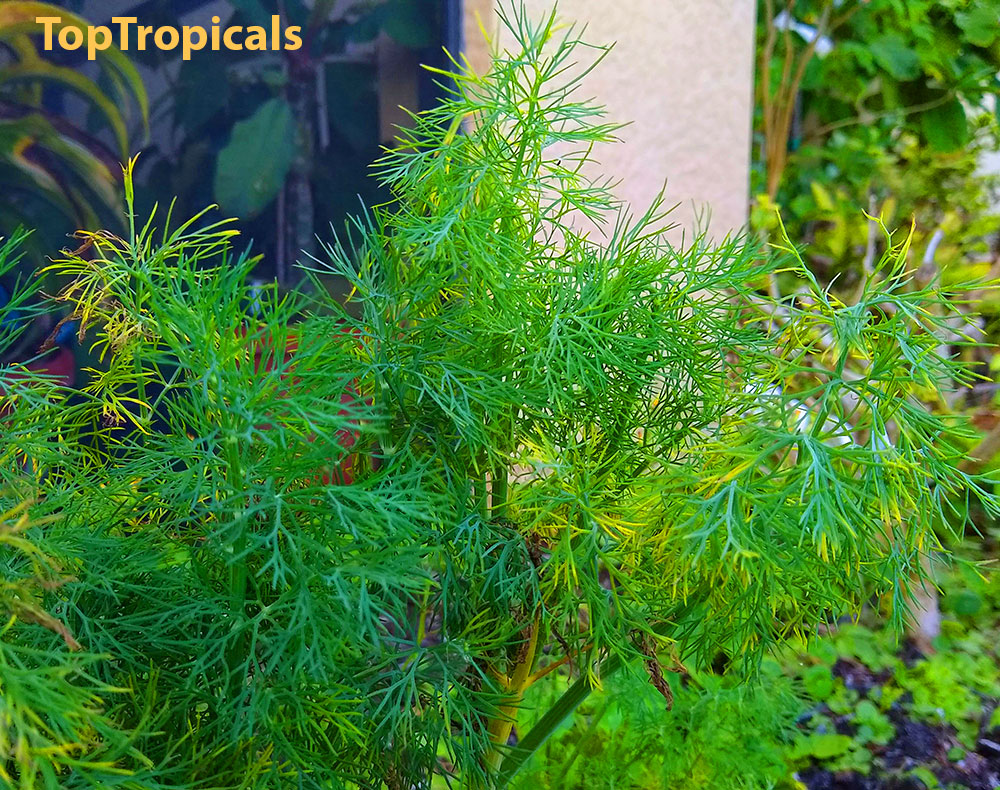
2. Dill. This one grows from seeds quickly and easily. It also needs full sun and regular water.
3. Chives, or Green Onion. Don't through away"bulbs"from chives you got from the store. Stick them in the ground, pretty much anywhere in your garden. You will have supply of fresh chives loaded with vitamins right away (withing a few days!) and for many months. You can also plant an onion bulb (root-end down... duh) - this one will produce greens even faster!
4. Bay Leaf. If you live in a mild climate, plant a Bay Leaf in your yard (closer to the door - closer to the kitchen!). It is a wonderful healthy spice for soups and stews that makes them super flavorful. If your winters are cold, keep the plant in a pot. Bay Leaf makes a great undemanding houseplant that needs bright light, but very little water.
5. Cherry tomatoes are easy to grow, heat tolerant and even grow in lower light, so they are easy to incorporate into any existing landscape. Get Sunshine Boosters to double your crop: see how it works.
6. More herbs and spices. Check out our large selection of herbs and spices - they are on sale today!
7. Garden work is a great exercise. While the gym is closed - get to gardening. Read about Fun workout and Calories Burning Gardening.
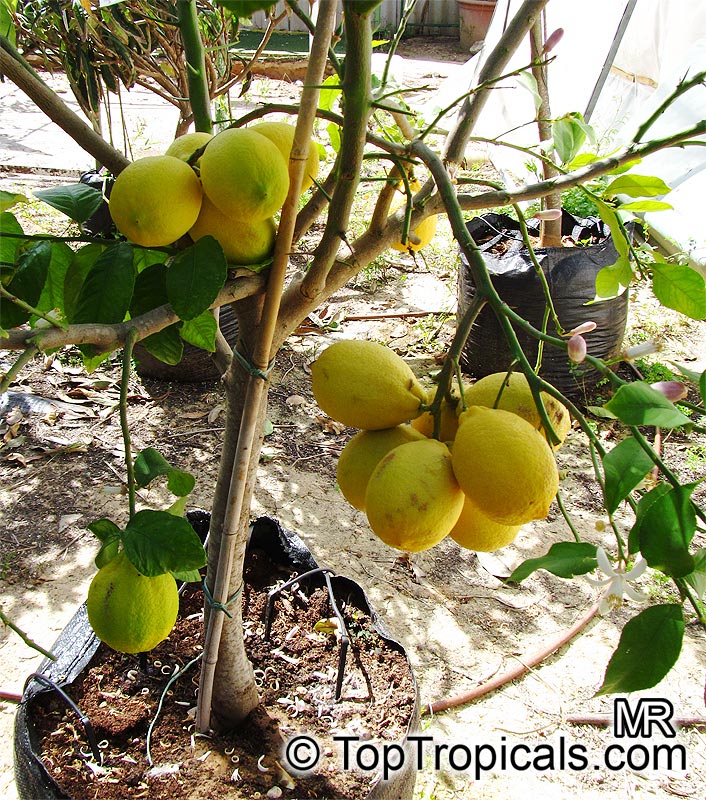
8. Lemons. Vitamin C is your best friend for boosting immune system, and Lemons have tons of it! In areas where citrus can grow outside, Lemon tree is a must-have for your garden, or at least find a friend who has one! Citrus also makes a great house plant, so you can keep it in a pot, too. Just make sure to have a grafted tree that will produce right away.

Lemon Juice Health Booster Recipe

1. Squeeze juice from 1 lemon and mix it with 1 cup of water.
2. Add ice cubes and 1-2 tbsp of any flavored syrup (optional). You may add some fresh mint for Mojito flavor.
3. Enjoy this drink at least once a day.
4. Get a bunch of lemons, squeeze fresh juice into ice cube trays and freeze. 1 lemon = makes 1 ice cube. Store in freezer and use 1-2 cubes to make the above drink, daily.

Besides being rich in vitamin C that will boost your immune system, Lemon juice is a Natural medicine that helps to treat:
- cold and flu
- headaches and high blood pressure
- stomach problems
- insomnia
- and much more
Drinking lemon juice on regular basis will make your body stronger and more resistant to infections and many illnesses.

Please take good care of yourself and your loved ones. Stay healthy.

Date: 22 Oct 2024

How to grow Jackfruit in a pot:
the biggest fruit in the world

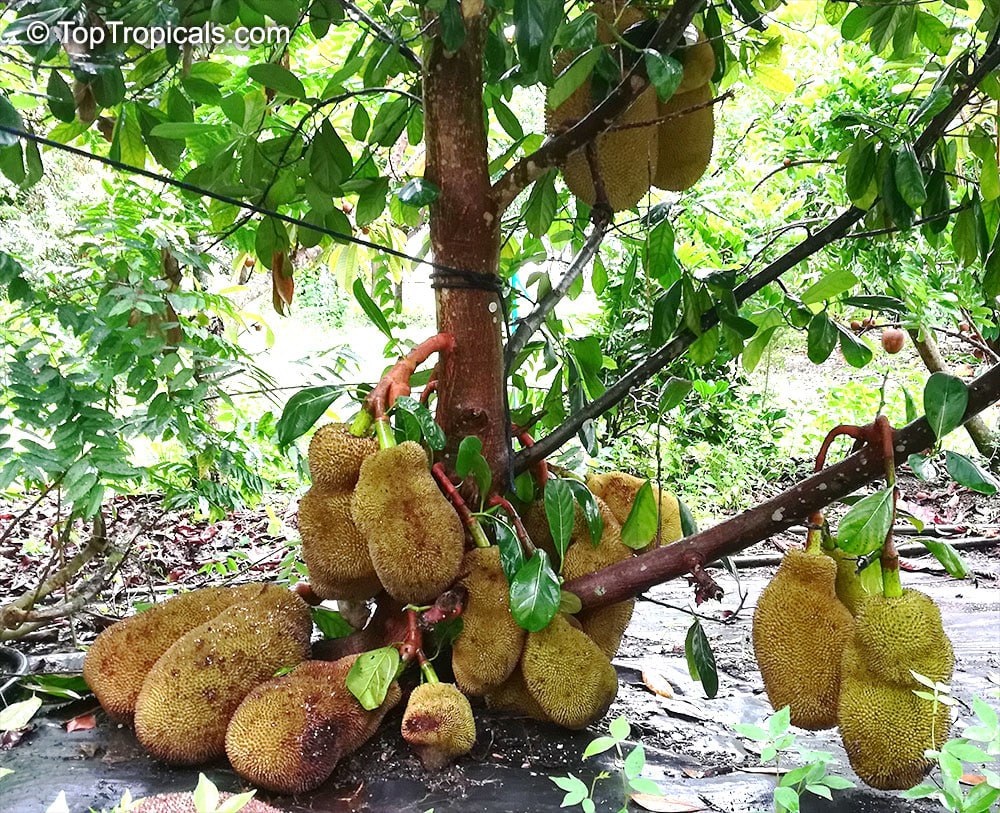
Jackfruit  -  Artocarpus  heterophyllus

Q: Can I grow Jackfruit in a pot?

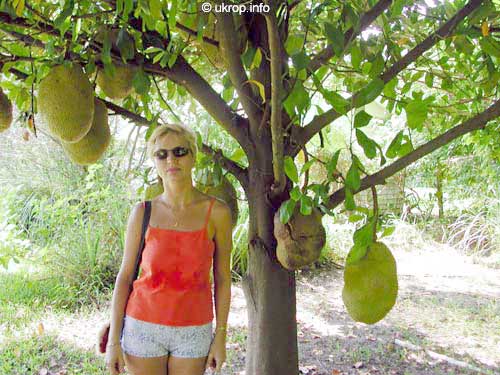
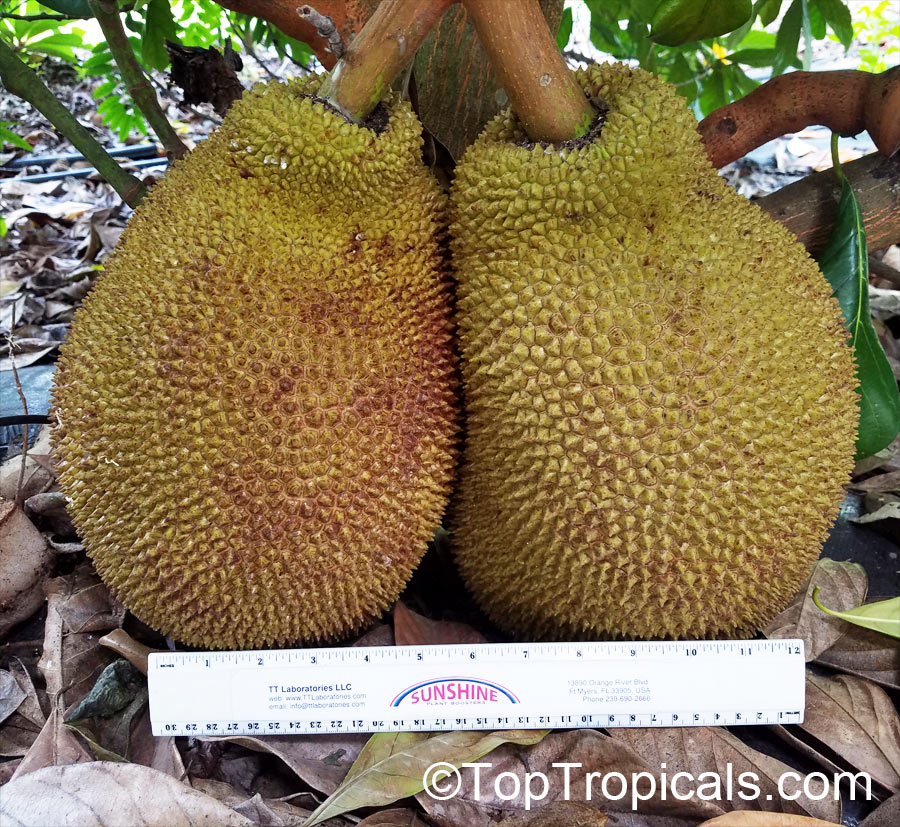
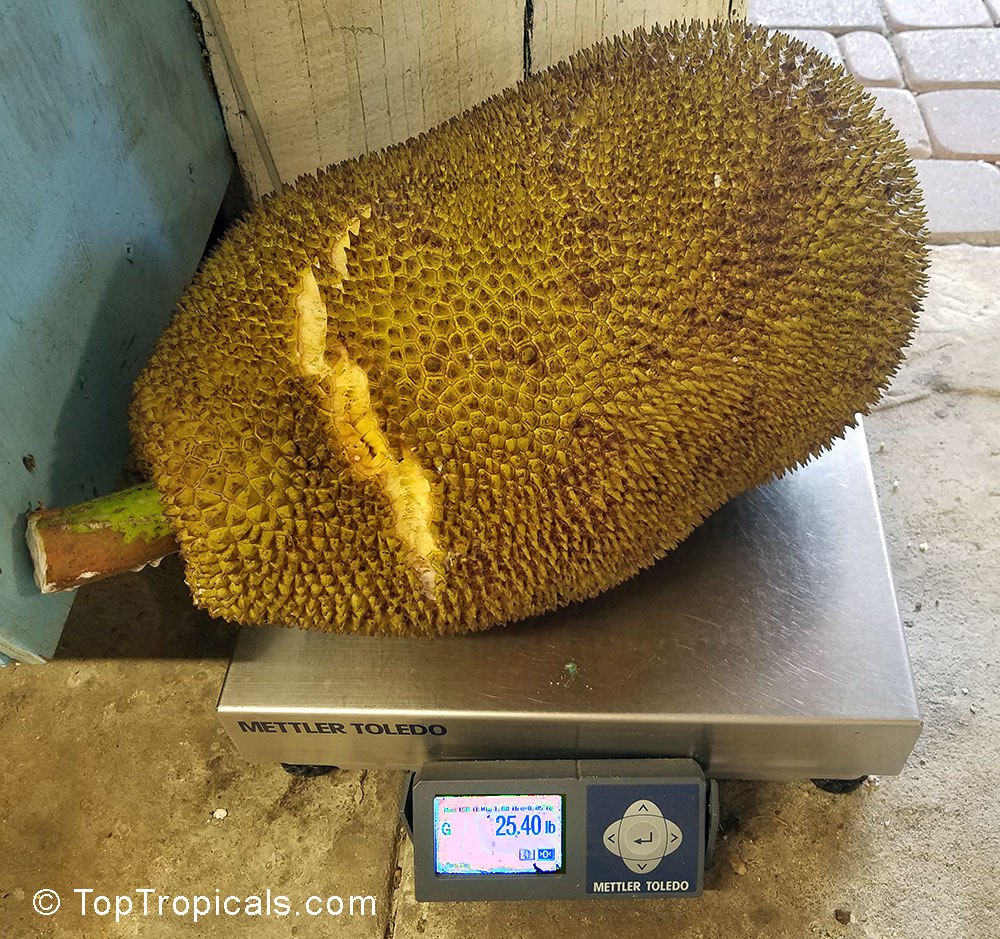
A: Yes, you can! Jackfruit trees, despite producing the largest tree-borne fruit in the world - up to 80 pounds and 36 inches long - can thrive and fruit in containers. The tree has a clever feature: it grows fruit only at the base of the trunk, allowing you to manage its height and size. With regular pruning, the tree can stay compact at just 6-7 feet tall, making it perfect for pot culture.

1. Getting started: pot sizes and growth tips

Start with: A 3-7 gallon container.
As it grows: Gradually increase to a 15-25 gallon pot by the time it reaches fruiting size (2-4 years).
Pruning is key: Keep the tree topped at 6-7 feet to focus its energy on fruit production.
Fertilize regularly: Use high-quality plant food like Sunshine Boosters C-Cibus to promote healthy growth and fruit development. C-Cibus is the best natural plant food for fruit and edibles.

2. Fun facts about Jackfruit - Artocarpus heterophyllus

Jackfruit  -  Artocarpus  heterophyllus

A mature Jackfruit tree can produce 200 pounds of fruit per year.
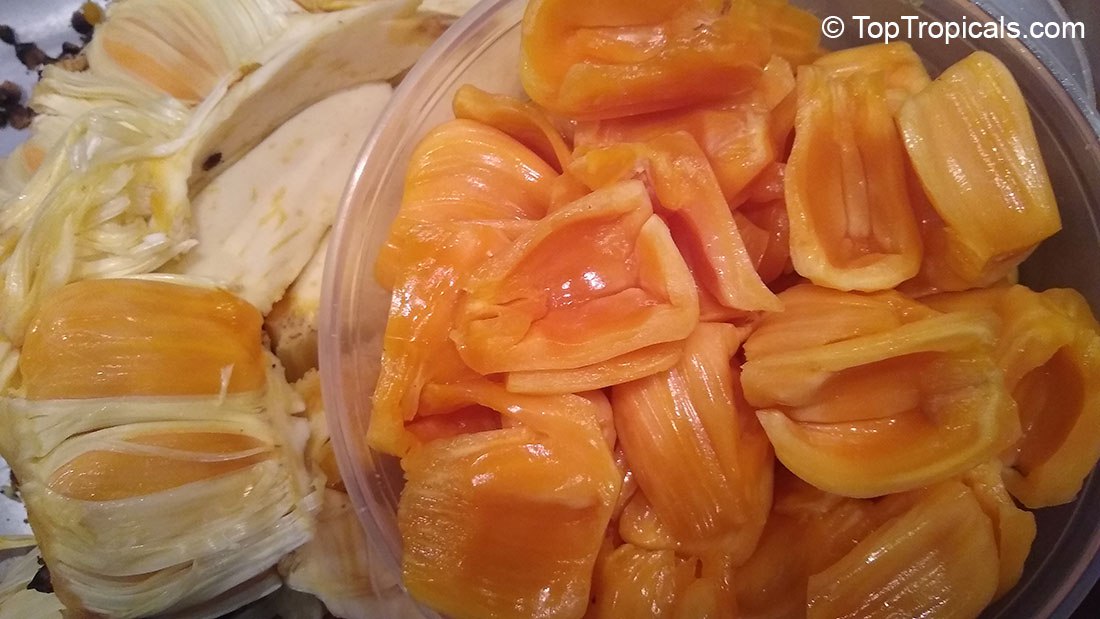
The fruit consists of large, sweet, yellow bulbs with a banana-like aroma.
Seedlings start fruiting within 3-4 years, with fruits ripening in just 4-6 months after flowering.

3. Cold tolerance of Jackfruit trees

Though often thought of as ultra-tropical, mature trees can withstand light frost for short periods without major damage. Keeping Jackfruit in pots also offers an easy way to move them indoors during cold spells if you're in a cooler climate.

4. Secrets for successful Jackfruit production

- Frost-free temperatures are essential.
- Use rich, organic soil with compost, manure, or peat moss.
- Maintain moist soil with regular watering.
- Constant pruning to keep the tree under 7 feet promotes healthy fruiting.
- Apply fertilizer and microelements regularly for better fruit quality.

By following these tips, you'll be able to enjoy the world's biggest fruit right from your patio!

Jackfruit  -  Artocarpus  heterophyllus

Learn more:
About Jackfruit
How to grow the biggest fruit on Earth
Cheena - Jackedack

Videos:
Jackfruit Fruit

Jackfruit  -  Artocarpus  heterophyllus

Jackfruit  -  Artocarpus  heterophyllus