Q: I am long time customer of yours, I live in San Diego
California and while the summer and Fall temperatures are warm to mild, the winter
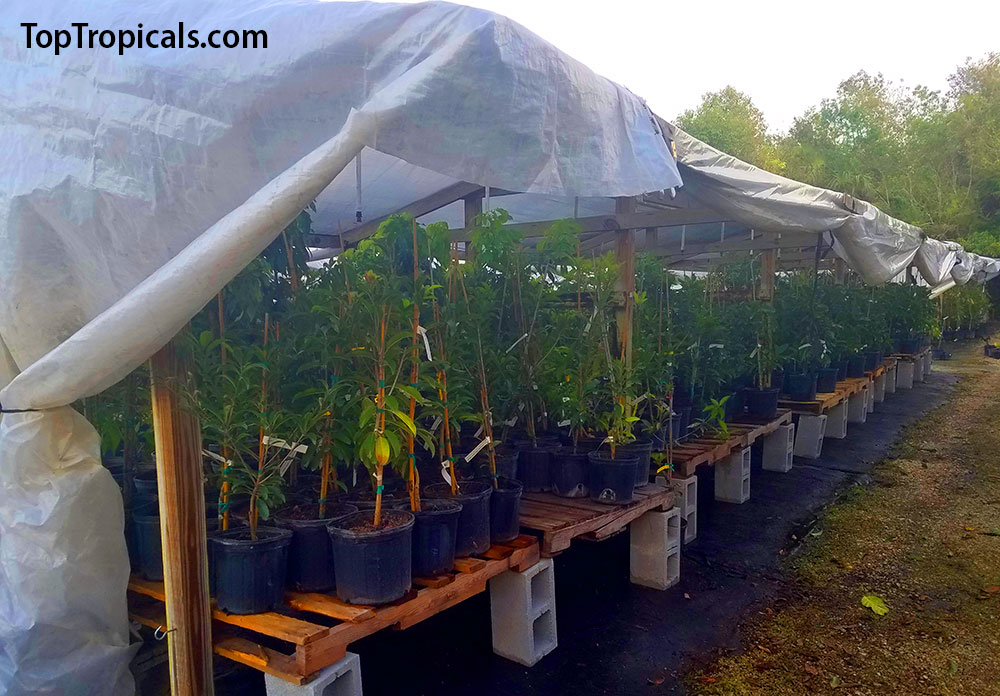
temperatures dip to a point where some tropicals die off. We are experimenting
with different variations of way to heat and insulate the pots we have the
tropicals planted in as a way to keep them alive during the colder winter
months. I was wondering if you knew of the ideal soil temperature for these
tropical in order to look their best year round. All of the heaters we have
installed have thermostats and temperature adjustments so we can now keep the soil
anywhere between a range of between 65-75 degrees. Any advise you can provide
would be greatly appreciated.
A: This is a very interesting concept you are working with.
Indeed, keeping pots/roots warm, may help a lot! We've been experimenting with
cold protection for a long time - for the above-ground plant parts. For sure
keeping roots protected (even with a thick layer of mulch) will benefit tropical
plants during winter. In case with container plants, this may help
dramatically.
The guideline is, tropical plants slow down or stop their metabolism at
65F. As long as you can keep soil above that temperature - this should work
great. Of course, the higher the better.
Optimum temperature for growing tropical plants in general - 70-85F.
Above 90F, metabolism stops too, unless it's a heat tolerant, desert
plant.
More information on winter cold protection of tropical plants and
zone pushing:
By Tatiana Anderson, Horticulture Expert at Top
Tropicals
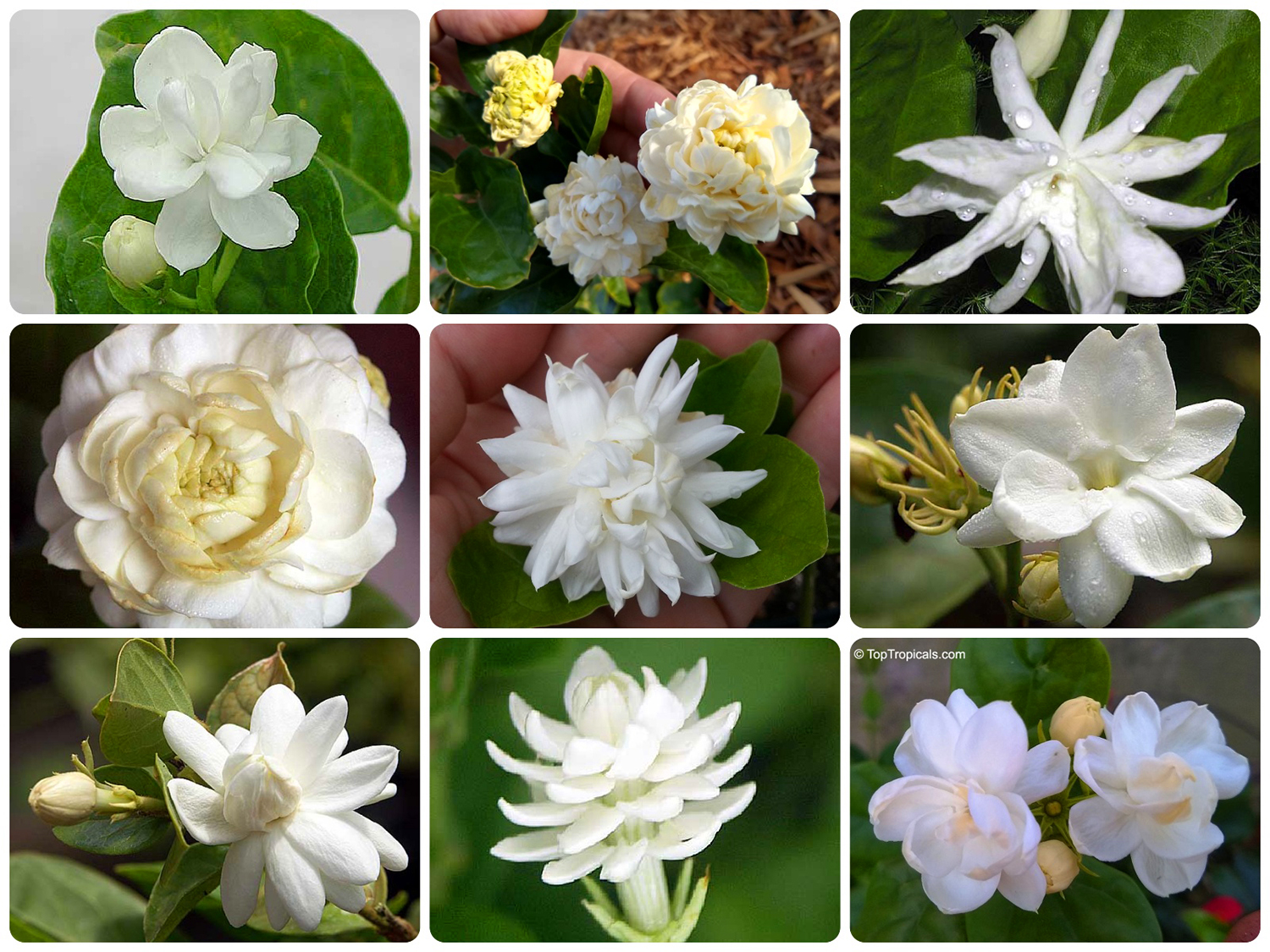
Jasmine Sambac varieties: Arabian
Nights, Little Duke, Belle of India, Grand Duke, Duke Supreme, Maid of
Orleans, Mysore Mulli, Malichat, Gundu Mallii
One of the reasons Jasmine Sambac is so fascinating is that it does not
come in just one form. Each variety has its own personality.
If you want a compact patio plant, Arabian Nights or Little
Duke are excellent choices. They stay tidy, bloom generously, and are
easy to manage in containers.
If you prefer elegant, elongated petals and a refined look, Belle of
India is a favorite. It can be grown as a small bush or trained lightly
as
a vine.
For those who love full, carnation-like double flowers, Grand Duke of
Tuscany and Grand Duke Supreme are classic
selections. They are vigorous and make impressive shrubs in warm
climates.
If you need a stronger climber for fences or hedges, Maid of
Orleans performs beautifully in full sun while Mysore Mulli
prefers semi-shade.
Collectors often enjoy rare forms like Mali Chat or newer hybrids
such as Gundu Malli, which combine traits from different lines.
How to Grow Jasmine Sambac Successfully
Sambac is not difficult, but it responds best to consistency.
Light: Full sun produces the most flowers. In very hot
climates, light
afternoon shade is acceptable. Indoors, place it in the brightest window
available.
Soil: Use a well-draining potting mix such as Sunshine
Abundance. Sambac does not
like heavy, constantly wet soil.
Water: Water thoroughly, then allow the top layer to dry
slightly before watering
again. Reduce watering during cooler months.
Pruning: Light trimming after a bloom cycle encourages
branching. More branches mean more flower buds.
Feeding: Sambac is a heavy bloomer, and fragrance takes
energy. During active growth, feed regularly with a balanced fertilizer that
supports flowering such as Green Magic (controlled release every 6 months) or liquid Sunshine
Boosters Pikake (formulated especially for fragrant flowers) - with
every watering. I prefer formulas slightly higher in potassium to encourage
stronger bud formation and richer bloom cycles. Consistent feeding during
warm months makes
a visible difference in both flower count and intensity of scent.
With proper care, Jasmine Sambac will reward you not just with flowers,
but with perfume that changes the atmosphere of your entire garden.
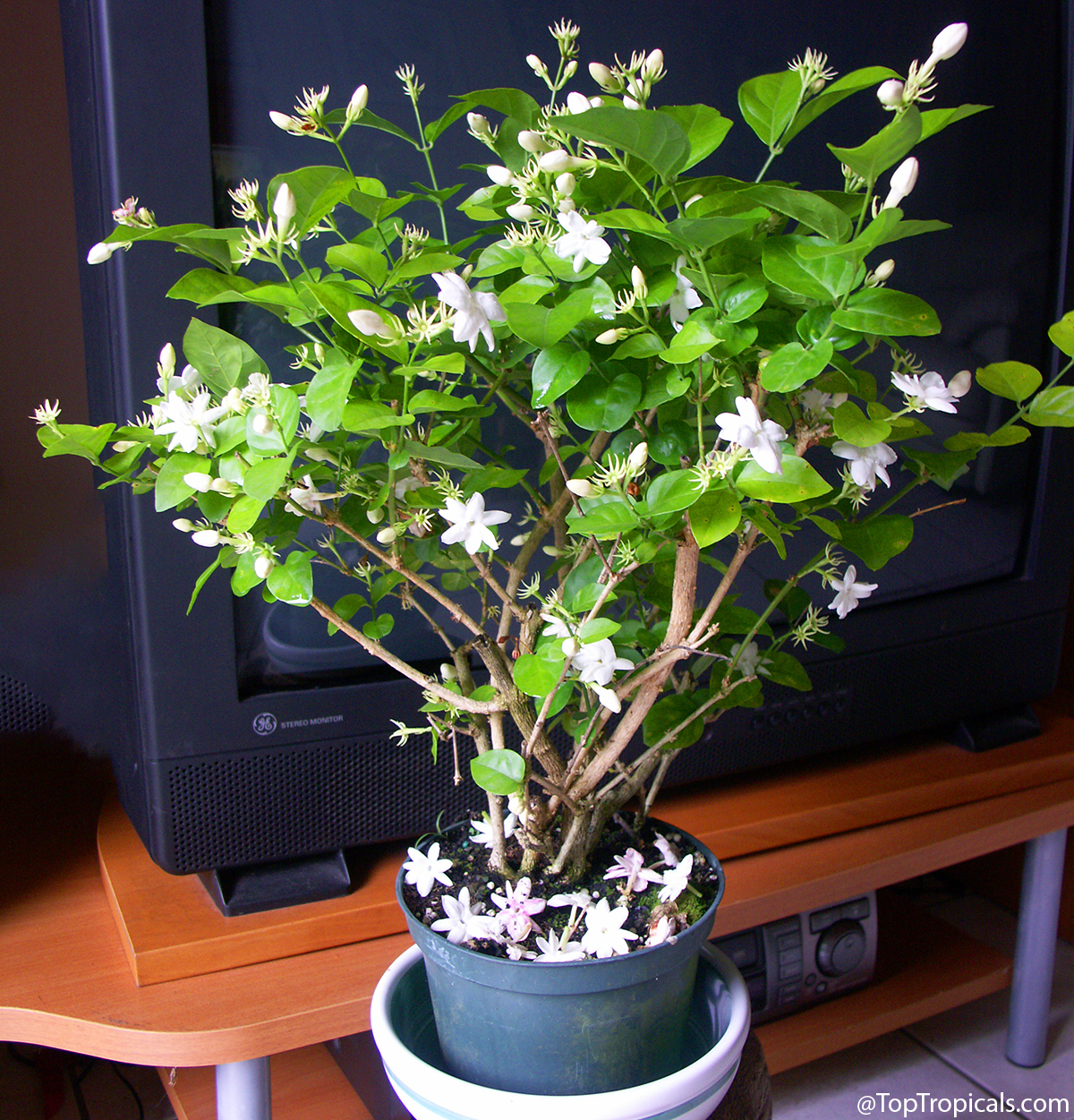
Jasmine Sambac Maid of
Orleans flowering indoors in a container under bright light.
❓Frequently Asked Questions About Jasmine Sambac
Does Jasmine Sambac need full sun?
It flowers best in full sun. In very hot climates, light afternoon shade
is acceptable. Indoors, give it the brightest window possible.
Can I grow it in a pot?
Yes. Sambac performs beautifully in containers. Many gardeners prefer pots
because it is easier to control size and move during cold weather.
How often does it bloom?
With proper light and feeding, it blooms in cycles throughout the warm
season. Consistency in care makes flowering more reliable.
Why is my plant not blooming?
The most common reasons are insufficient light or irregular feeding.
Increase light first, then review your fertilizing routine.
Is it difficult to grow indoors?
Not if you provide strong light and good air circulation. Compact varieties
adapt especially well.
Is it frost tolerant?
No. Jasmine Sambac is tropical. Protect it from temperatures below 40F and
bring it indoors before frost.
🌸 Year of
the Horse Special – Jasmine Bonus
Celebrate 2026 with the fragrance of Jasmine plants. For a limited time,
enjoy special savings when you grow one of
the most wanted perfume plants in cultivation.
Jasmine Sale - 15% Off
Save 15% on all Jasmine plants.
Discount is already applied in the online store - no code needed.
The Heart-Shaped Houseplant People Keep Giving as a Living Love Note
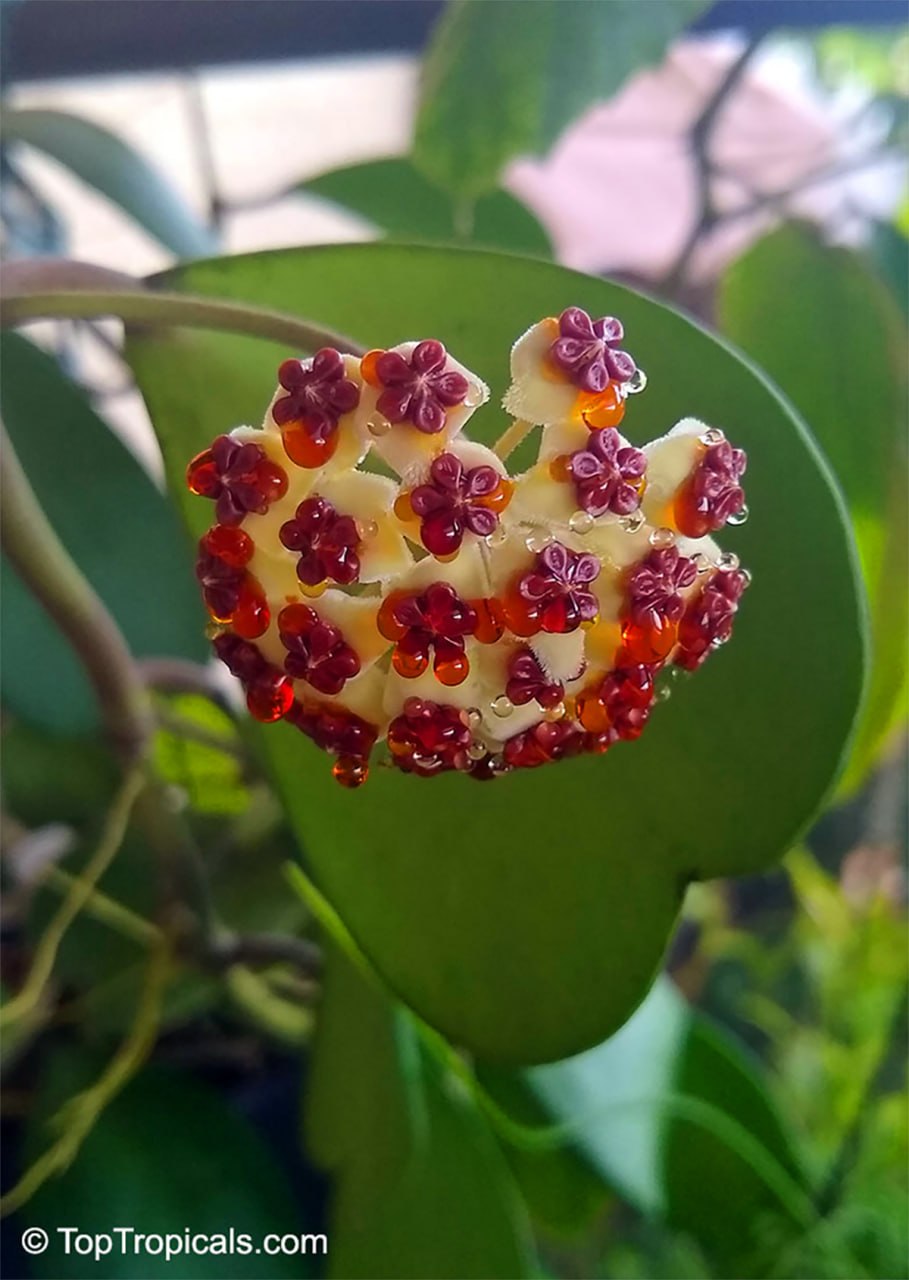
Hoya kerrii - Sweetheart Plant or Valentine Hoya flowers
Hoya kerrii - Sweetheart Plant or Valentine Hoya
💞 The Heart-Shaped Houseplant People Keep Giving as a Living Love Note
Most houseplants are just greenery, but Hoya kerrii is different. One look at its perfectly heart-shaped leaves and you immediately understand why it’s called the Sweetheart Plant or Valentine Hoya. It looks almost unreal - thick green hearts climbing along twisting vines, as if designed specifically for a Love Gift. But unlike flowers that fade in a week, this gift keeps growing, quietly reminding someone every day that they are loved. For plant collectors, it has become one of the most charming and recognizable indoor plants in the world.
💖 Three Stunning Varieties to Obsess Over
The famous heart shape is only part of the story. Mature plants grow long, twining stems covered in succulent-like leaves that look like little green valentines hanging in every direction. It comes in three beautiful forms:
🟢 Classic Jade Green: Deep green foliage and the fastest grower of the family. 🟡 Sunshine Variegated: Bright, creamy-yellow margins that light up a room. ⚪️ Moonlight Variegated: Softer, silvery-cream internal patterns for an elegant look.
Many people first discover Hoya kerrii as a single rooted leaf sold in a tiny pot. While those cute novelty hearts make popular gifts, mature trailing plants are far more impressive. 👉 Pro-Tip: If you want cascading vines, buy a plant with a visible stem and multiple leaves. Those single novelty leaves look adorable on a desk, but without a piece of stem tissue, they never grow any larger.
💖 Surprisingly Low-Maintenance
One reason the Sweetheart Hoya exploded in popularity is simple: it is extremely forgiving and tolerates neglect better than too much attention. Because the thick leaves store water like a succulent, it easily survives weeks between waterings.
It adapts beautifully to standard home or office life:
💧Water: Low to moderate. Let the soil dry out completely between waterings. ☀️Light: Bright, indirect light is best, though it tolerates lower-light spots. 📊Environment: Thrives in average household humidity and indoor temperatures.
The single biggest mistake you can make is overwatering. When in doubt, leave it dry.
💖 The Fragrant, Wax Flowers
Many owners don't even realize Hoya kerrii blooms until it suddenly produces clusters of strange, waxy flowers that look almost artificial.
The blooms form in rounded, umbrella-like clusters of tiny, double-layered stars - a pale outer star topped with a rich, reddish center crown. Like most Hoyas (affectionately called "wax plants"), the blooms are remarkably long-lasting and release a sweet, rich fragrance, especially in the evening.
💖 A Plant That Tells a Story
There is something deeply thoughtful about giving a living, heart-shaped plant. Cut flowers are a temporary gesture, but a Sweetheart Hoya becomes a permanent fixture on a windowsill, a kitchen corner, or an office desk.
That is why this quirky tropical vine remains a favorite for birthdays, anniversaries, and "thinking of you" surprises. Some plants simply decorate a room; a Sweetheart Hoya quietly tells a story every time you walk past it.
The Holy Grail of Medinillas: Why Collectors are Chasing the Philippine Pink
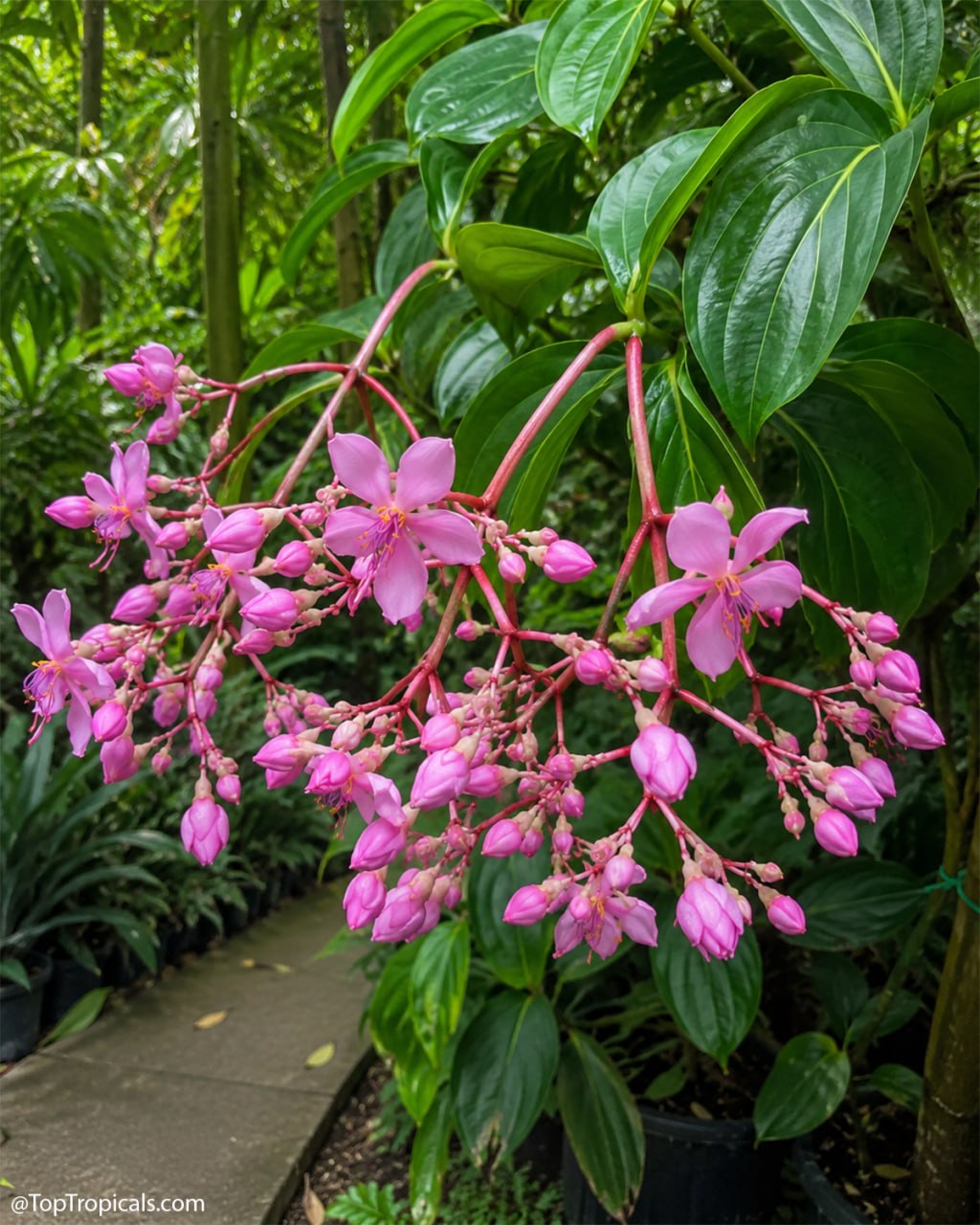
Medinilla apoensis - Philippine Pink
Medinilla apoensis - Philippine Pink
🎀 The Holy Grail of Medinillas: Why Collectors are Chasing the Philippine Pink
Some tropical plants are impressive because of their massive size, others capture attention with the delicate beauty of their flowers; Medinilla apoensis - popularly known as the "Philippine Pink" - stands out because it somehow does both at the same time.
🎀This rare Philippine species produces vivid, bright pink flower clusters that rise and cascade above the foliage like glowing tropical chandeliers. Unlike many Medinillas that rely mostly on oversized pink bracts for their visual show, this species gets its dramatic appearance from the flowers themselves - large, intensely colored blooms arranged in elegant, pendant clusters.
The effect is so striking that many people assume the plant is artificial the first time they see it.
🎀 A Different Kind of Medinilla
Most indoor gardeners are familiar with the famous Medinilla magnifica, often called the "Rose Grape" plant. However, Medinilla apoensis has a completely different personality.
· Architectural Foliage: The leaves are heavily veined, lush, and deeply textured, giving the plant a rich rainforest appearance even when it isn't flowering.
· Floating Blooms: When it's time to bloom, the bright pink flowers emerge on branched, hanging stems, floating above and around the leaves instead of hiding beneath them.
· Oversized Flowers: The individual flowers can reach nearly 2 inches across—unusually large for the genus—creating a fuller and far more dramatic display than its relatives.
Its graceful, cascading growth habit only adds to the effect, making mature plants look almost sculptural.
🎀 A Rare Collectors Treasure from the Cloud Forests
As the name suggests, Medinilla apoensis originates from the Philippines, a tropical region famous for its extraordinary epiphytic plants and rich rainforest biodiversity. In the wild, these plants naturally grow perched on tree branches in humid mountain forests, where constant airflow, filtered light, and mist create the ideal microclimate.
Because it remains relatively uncommon in commercial cultivation, the "Philippine Pink" has that exact combination that plant enthusiasts love: it is rare, exotic-looking, and elegantly dramatic.
🏆 The Best Part? It is surprisingly manageable to grow indoors if you can mimic its native cloud-forest habitat.
🎀 How to Help It Thrive
Despite its finicky, ultra-tropical appearance, Medinilla apoensis isn't impossible to keep happy. Like many epiphytes, its success comes down to a few key elements:
· Light: Bright, filtered or dappled sunlight (avoid direct, scorching afternoon sun).
· Climate: Warm temperatures and consistently high humidity.
· Watering: Regular moisture, but never allow the roots to sit in stagnant water.
· The Golden Rule: Avoid dense, heavy soil. In nature, their roots are exposed to constant airflow. To prevent root rot, use a chunky, fast-draining tropical mix containing orchid bark, coco coir, and perlite.
🎀 The Ultimate Showstopper
Some plants blend seamlessly into the background of a collection. Medinilla apoensis is not one of them.
Between the heavily textured foliage, the sculptural cascading habit, and those glowing pink flowers suspended like fine jewelry, this is the kind of plant that instantly becomes the center of attention in a greenhouse, patio, or bright living room.
For the dedicated plant collector, finding one of these rare treasures in full bloom feels less like routine gardening and a lot more like discovering hidden tropical treasure.
Smokey and Sunshine HIRING NOW: Customer service / sales in garden center
👨�Smokey and Sunshine HIRING NOW: Customer service / sales in garden center
Sunshine: Smokey, we need plant people. Smokey: Does your girlfriend know plants? Sunshine: Of course. She fertilized my donuts so they would grow larger. Smokey: Did it work? Sunshine: Kind of. I gained three pounds. Smokey: Perfect. Bring her in.
TopTropicals.com is looking for a part-time customer service and sales team member for our Ft Myers Garden Center.
If you genuinely love plants, enjoy helping people, and don't mind getting your hands dirty in a tropical nursery environment – then working with rare tropical plants, fruit trees, and fellow plant lovers can be fun and rewarding!
💼 Responsibilities
· Help walk-in customers select plants and check out · Answer customer questions by phone, email, social media, and message board · Open and close office, operate cash register · General customer service and sales support
📚 Requirements
· Genuine love for plants and willingness to learn. We will train · Friendly, patient, and polite with customers · Strong work ethic and reliability; punctuality is essential · Ability to follow instructions and work efficiently · Must be able to lift up to 50 lbs and comfortable working outdoors in Florida heat and weather · Drug-free - background check and drug test upon employment · Valid Florida driver's license and reliable transportation · Must love cats - our famous "PeopleCats" helpers patrol the gardens daily
� Preferred qualifications
· Basic computer skills (email, office, internet). We will train · Previous plant knowledge or nursery experience · Sales or customer service experience
💰 Pay
· Starting pay: $18/hour depending on experience and performance · Opportunity for growth based on performance
📅 Schedule
· Part-time to start, potential for full-time later · Friday and Saturday, 9 am - 4 pm
📍 Location:
Top Tropicals Garden Center 13890 Orange River Blvd Ft Myers, FL 33905
✍️ How to apply:
Please email a brief resume and a short paragraph explaining why you'd like this job.
Resume guidelines: · Keep it brief; include job history and education · Please avoid long descriptions of unrelated experience · Tell us why working with plants and people interests you
🚶➡️ To apply in person:
You are welcome to visit our Garden Center during business hours: Monday-Saturday, 9 am - 4 pm To apply in person, ask for Kristi - our manager. No phone calls please.
Thanks for applying - we hope to see you working alongside our plants, #PeopleCats, and fellow plant lovers soon.
 How to Grow Jasmine Sambac Successfully