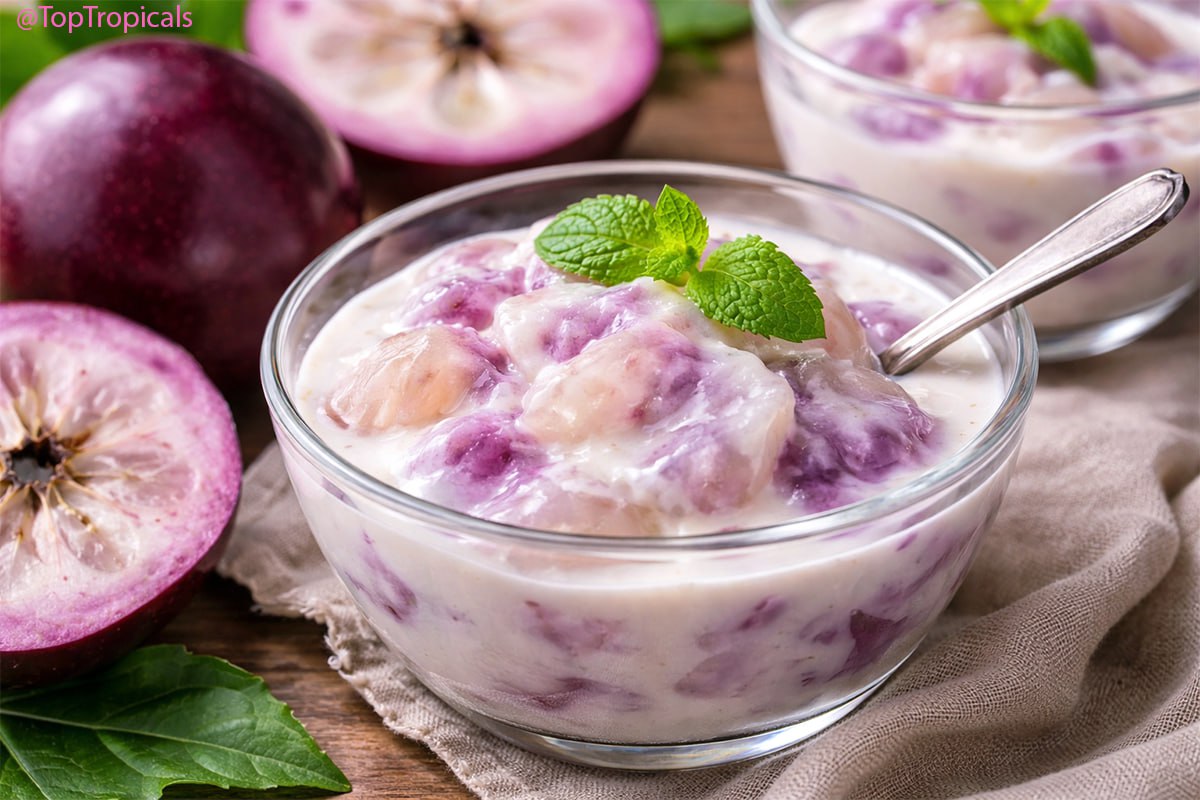
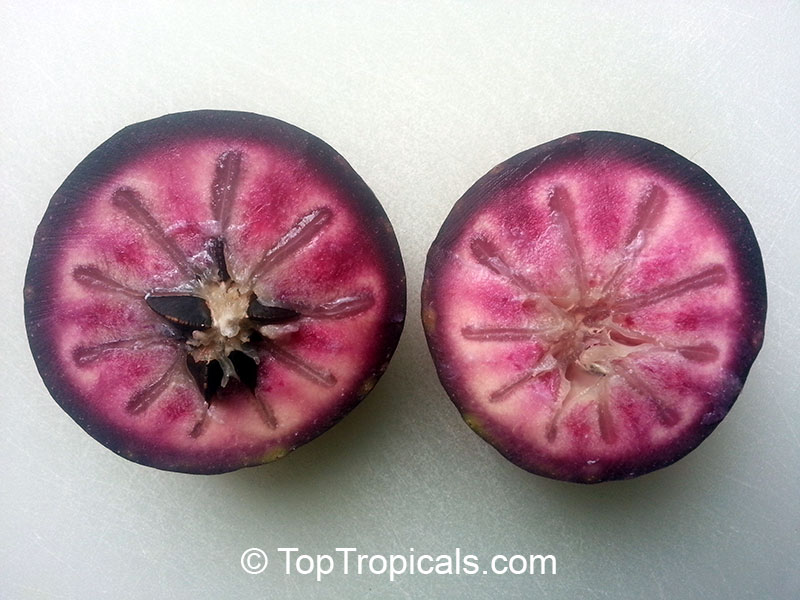
🔴Chill star apple halves, then scoop out the jelly-soft pulp.
🔴Stir gently with cold sweet cream for a tropical dessert cup.
⭐️ About the fruit:
Caimito, also known as star apple, is a classic tropical fruit tree native to the West Indies and widely grown throughout the Caribbean, Central America, and other warm regions. It thrives in USDA zones 10-11 and can handle brief dips into the low 30s. The fruit has a mild, grape-like flavor and a soft, jelly texture, and is a good source of vitamin C and minerals. Traditionally eaten fresh, caimito is also used in desserts, drinks, and preserves.
🌱 In the garden:
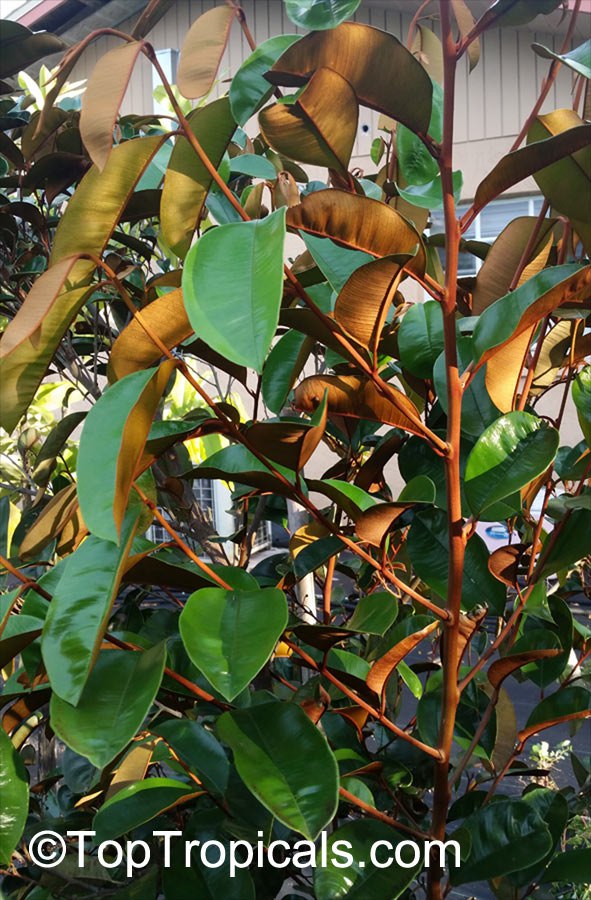
Beyond its fruit, caimito is highly ornamental. Its large, glossy green leaves have a striking coppery-rust colored underside, giving the tree a dramatic two-tone effect when stirred by wind. It prefers full sun and regular watering and grows well in the ground or large containers. In cooler climates, container-grown trees can be moved indoors for winter protection, making caimito both a productive and visually stunning addition to the garden.
Watch how to squeeze natural shampoo from the Ginger!
Shampoo Ginger, Zingiber zerumbet, Pine Cone Ginger
💄 Watch how to squeeze natural shampoo from the Ginger!
🎆 Shampoo ginger uses and fragrance
Shampoo Ginger, also known as Zingiber zerumbet or Pine Cone Ginger, is one of those plants that sounds too good to be true - but isn’t. This tropical ginger has been used for centuries not just as an ornamental plant, but as a practical, fragrant, everyday resource.
🎆 Natural shampoo from a flower cone
The most famous use of shampoo ginger comes from its bright red, pine cone-shaped flower bracts. When the cones mature, they fill with a milky, slippery liquid. Simply squeezing the cone releases this natural cleanser, traditionally used as shampoo in Asia and Hawaii. It gently cleans hair, leaves it soft, and adds a light, fresh scent. Even today, extracts of shampoo ginger are still used in commercial shampoos and hair products.
🎆 Fragrance throughout the entire plant
Shampoo ginger isn’t just useful - it smells amazing. The leaves, stems, and cones all carry a warm, spicy fragrance typical of true gingers. The scent is fresh and clean, with earthy and slightly citrusy notes. Because of this, the plant has also been used in traditional body rinses, hair treatments, and natural perfumes.
🎆 More than hair care
Beyond shampoo, the cones are popular as long-lasting cut flowers, often used in tropical floral arrangements. The plant itself grows into a lush, leafy clump that adds strong tropical character to gardens, especially in warm, humid climates.
🎆 A plant with a traveling history
Shampoo ginger is also known as a “canoe plant.” Ancient Polynesian voyagers intentionally carried it across the Pacific as they settled new islands. Its usefulness, fragrance, and beauty made it valuable enough to earn a place on long ocean journeys.
Shampoo ginger is a rare mix of beauty, history, fragrance, and function - a plant that proves some of the most interesting garden plants are also the most practical.
This old-school tropical fruit is making a quiet comeback: Eggfruit - Canistel
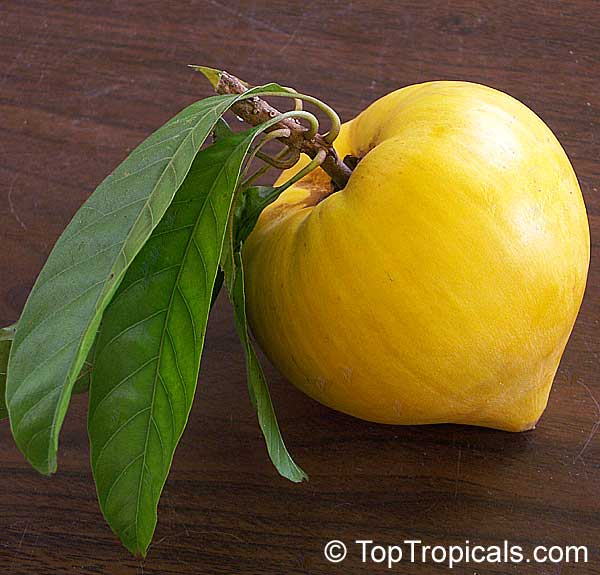
Canistel - Pouteria campechiana, Egg Fruit
💛 This old-school tropical fruit is making a quiet comeback: Eggfruit - Canistel
❓✔️ The tropical fruit that feels like dessert but isn’t junk: FAQ
💛 What is canistel fruit?
Canistel is the fruit of Pouteria campechiana, often called Egg Fruit because its texture resembles a cooked egg yolk. It has dense, yellow flesh and a naturally sweet, custard-like flavor.
💛 Is canistel a high-energy fruit?
Yes. Canistel contains complex carbohydrates that provide steady, long-lasting energy instead of quick sugar spikes. It is a good choice for active days or when you need sustained fuel.
💛 Does canistel help you feel full?
It does. The thick texture and fiber content make canistel very satisfying, helping you feel full with smaller portions.
💛 Can canistel support weight management?
Canistel is filling and naturally sweet, which can help reduce cravings for processed desserts and snacks.
💛 Is canistel easy to digest?
Yes. Its soft, pasty texture is gentle on the stomach and often well tolerated by people with sensitive digestion.
💛 How does canistel benefit skin health?
Canistel provides beta-carotene and vitamin C, which support skin renewal, elasticity, and overall skin appearance.
💛 Does canistel help with muscle function?
Yes. It contains potassium and other minerals that support muscle function and help reduce fatigue after physical activity.
💛 Is canistel good for brain health?
Canistel supplies iron and B vitamins that support oxygen delivery and mental clarity, especially during periods of fatigue.
💛 Does canistel support healthy aging?
Its antioxidants help protect cells from oxidative stress, which plays a role in aging and long-term wellness.
💛 Is canistel just a snack fruit?
Not at all. Canistel is a functional fruit used in custards, smoothies, baked goods, spreads, and even savory dishes, offering both nutrition and comfort-food satisfaction.
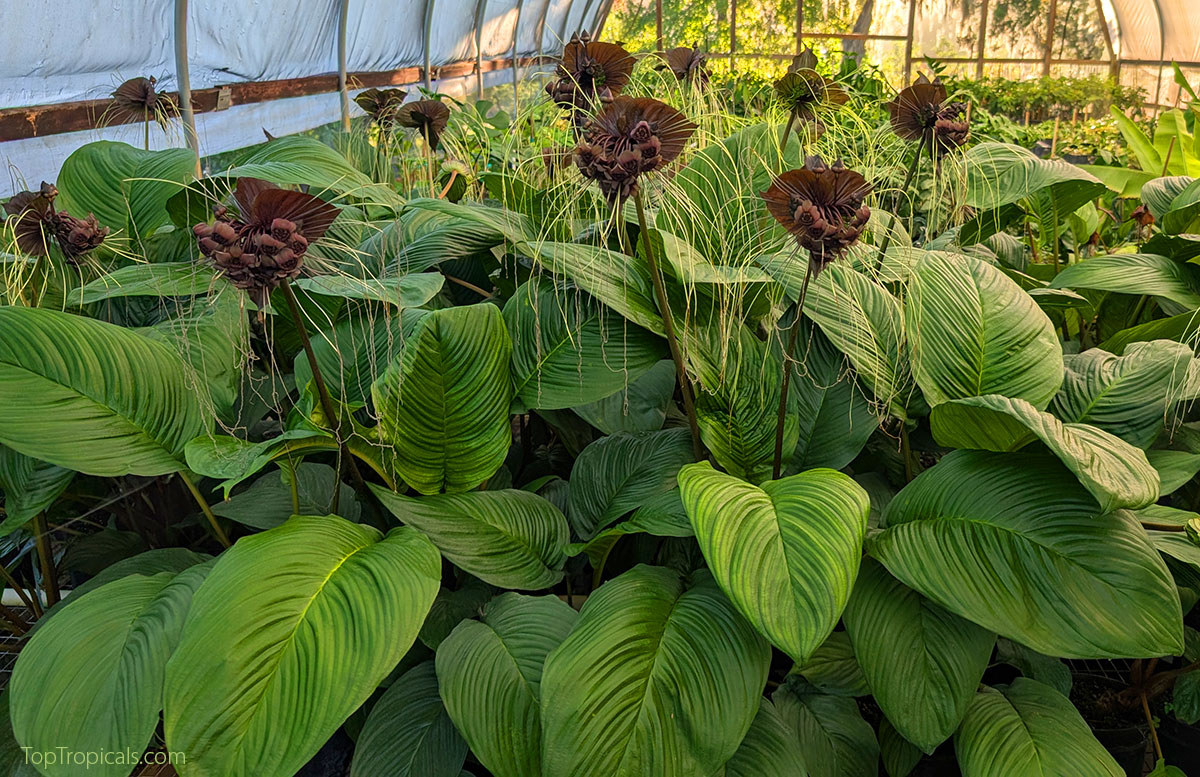
Every so often a plant blooms and the whole greenhouse seems to slow
down.
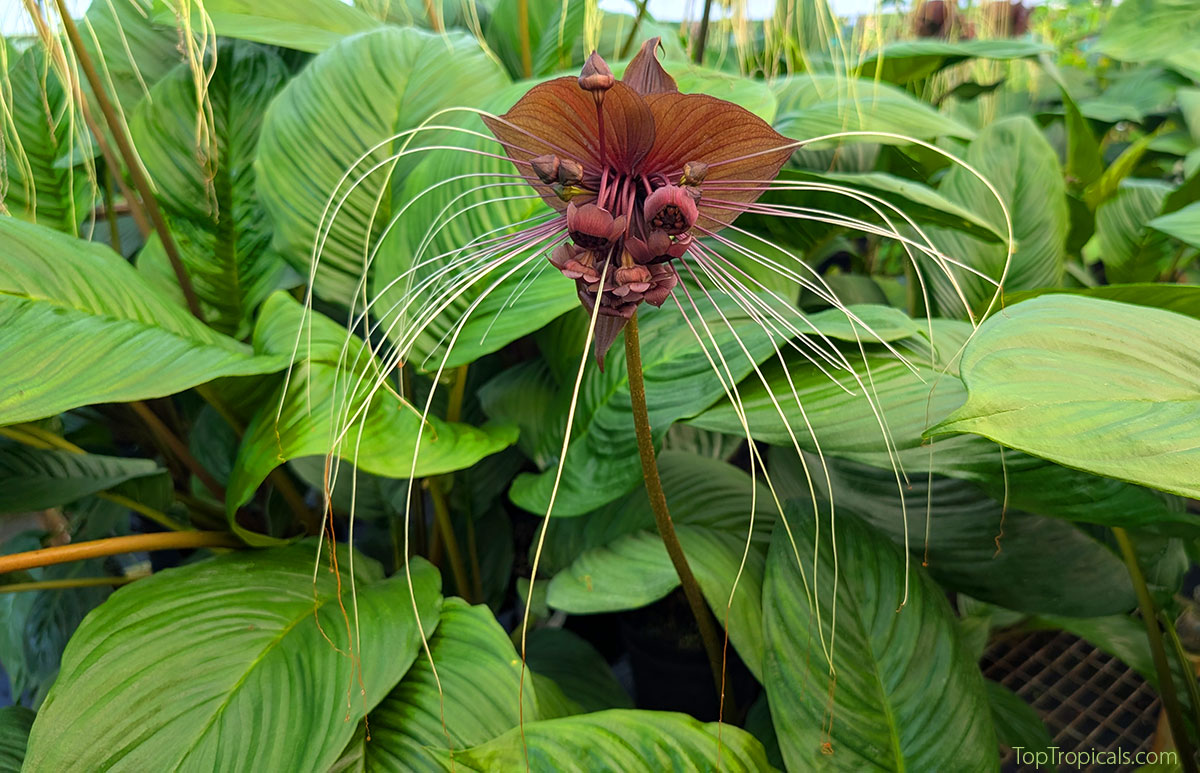
That is what happened this week with the Black Bat Lily, Tacca
chantrieri. We have grown Taccas for years, but
when the black ones open properly, it still feels special. The flowers are
dark and quiet, almost unreal up close. They do not shout for attention.
They make you lean in.
Right now, we have a lot of them blooming at the same time. If you have
never seen one in person, photos only get you part of the way there. The
wings are darker than you expect, and the whiskers seem to go on forever.
People walk into the greenhouse, stop, stare, and usually ask the same
question:
"Is that real?" - Yes. It is.
A quick honest note, because this matters. The blooms themselves are
delicate and may not travel well. That is just the nature of this plant. The
plants, however, are strong, well established. With the right conditions,
they bloom again. This is not a one-time trick.
Black Tacca is not a beginner houseplant, but it is also not impossible.
It likes filtered
light, steady warmth, and humidity. It does especially well in a greenhouse
or a
bright indoor spot where you already keep plants that enjoy moisture. It is
the kind of plant you keep
close, not one you forget in the corner.
We are offering them now simply because they are ready and looking their
best. If you have been waiting for one,
this is a good moment.
You can see the Black Bat Lily here:
https://toptropicals.com/store/item/2345.htm
Just wanted to share something we are enjoying in the greenhouse right
now. Some plants come and go. Some stay with you.
Tacca (Bat Lily) FAQ
What is Tacca?
Tacca, also known as Bat Lily or Devil Flower, is a tropical plant grown
for its unusual bat-shaped flowers with long whisker-like filaments. The
most popular species
is Tacca chantrieri, the Black Bat Lily.
Is Tacca hard to grow?
Tacca is not a beginner plant, but it is not impossible. It does best
with warmth, humidity, and filtered light. Gardeners who
already grow orchids, calatheas, or other humidity-loving plants usually do
well
with Tacca.
Does Tacca need a greenhouse?
A greenhouse is ideal, but not required. Tacca can be grown indoors in a
bright spot with indirect light and good humidity, such as near a humidifier
or in a bright bathroom with a window or skylight.
Will my Tacca arrive in bloom?
Plants may be blooming in the greenhouse, but flowers are often removed
before shipping because they are
delicate and do not travel well. The plants are well established and capable
of blooming again with proper care.
How often does Tacca bloom?
Tacca does not bloom constantly. It may take time to establish before
flowering, but once settled, it can bloom seasonally and may produce
multiple flowers
in warm, humid conditions.
Does Tacca grow from a bulb?
Tacca grows from a rhizome, not a bulb. The rhizome stores energy and
allows the plant to regrow and bloom again.
Why does Tacca have long whiskers?
The long filaments are thought to help attract pollinators such as flies
by mimicking the look of decaying organic matter. While unusual, this is
part of the plant's natural pollination strategy.
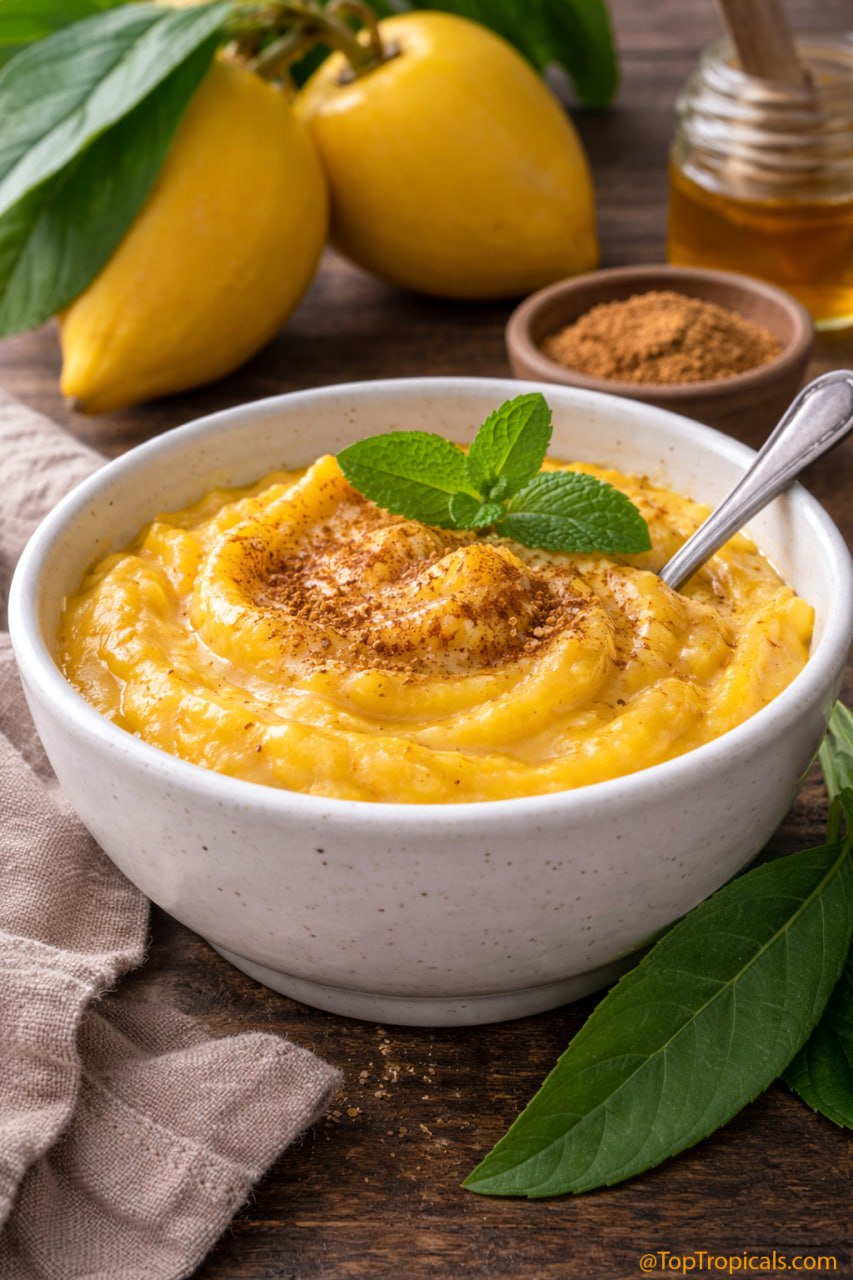
Mash thoroughly with a spoon, adding milk gradually until smooth and custard-like.
Serve immediately, topped with a light sprinkle of cinnamon.
🌿 About the plant:
Canistel (Pouteria campechiana), often called Eggfruit, has dense yellow flesh with a flavor reminiscent of sweet potato, pumpkin, and custard. It is naturally rich and filling, which is why it is often used mashed, blended, or cooked.
🌱 In the garden:
Canistel is a tough, drought-tolerant tropical fruit tree that performs well in warm climates. It prefers full sun, well-drained soil, and minimal fuss once established. Compact growth and heavy production make it well suited for edible landscapes and container growing.