Garden Blog - Top Tropicals

Date: 30 Jun 2026

The Vine That Changes Color Before Your Eyes: Mansoa

Garlic Vine (Mansoa alliacea)
Garlic Vine (Mansoa alliacea)

Garlic Vine (Mansoa alliacea)

😈 The Vine That Changes Color Before Your Eyes: Mansoa


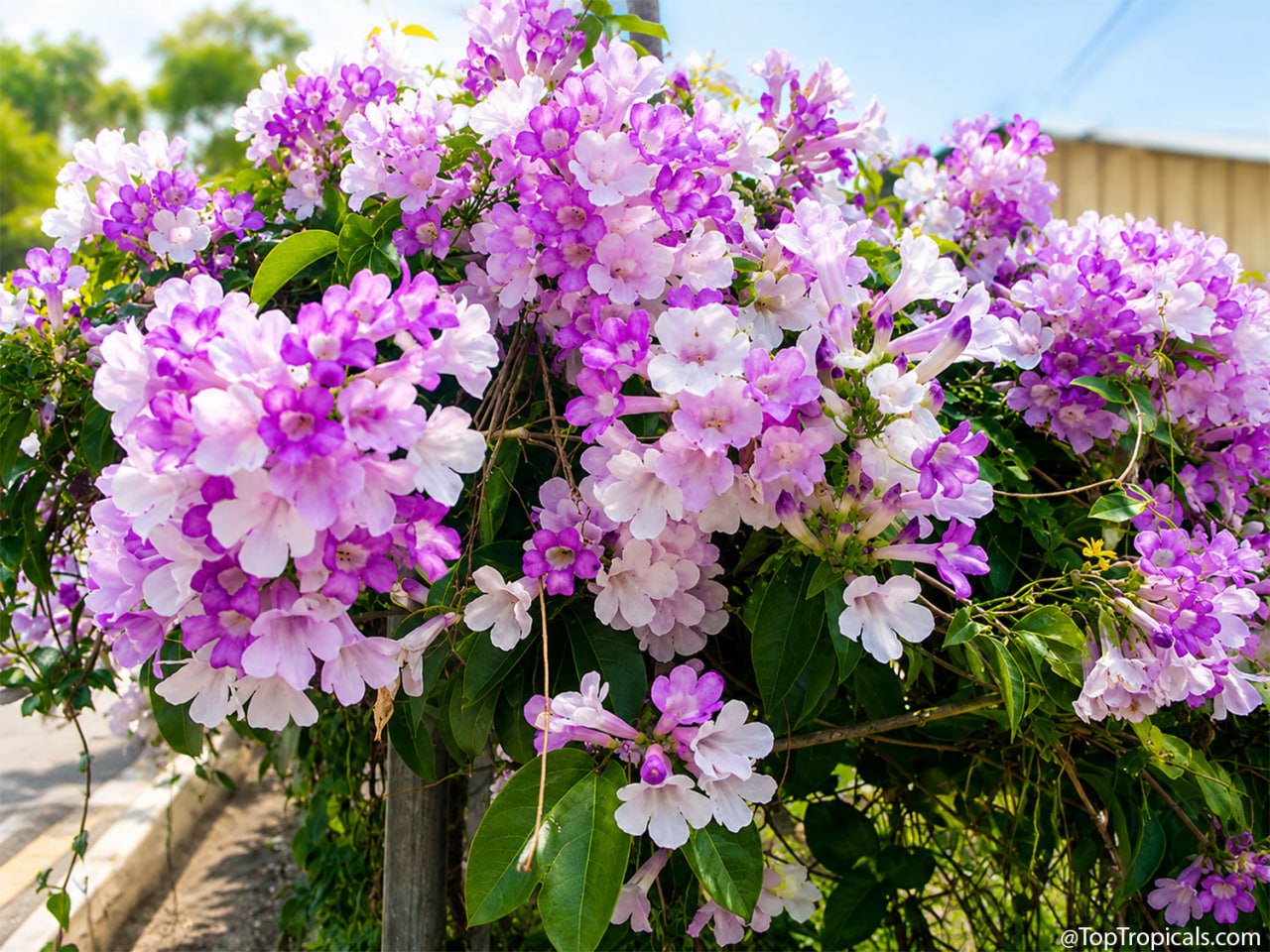
One day it’s a deep, dramatic purple; a few days later, it's a soft, pale lavender: during peak bloom, the Garlic Vine puts on a remarkable, shape-shifting show. With flowers blooming in several shades at once, the entire plant looks like a living watercolor painting.

😈 Why Gardeners Are Obsessed


The Garlic Vine (Mansoa alliacea) is one of the most sought-after tropical climbers available, and it’s easy to see why. When in full bloom, it creates a cascading waterfall of purple hues tumbling over fences, arbors, and trellises.

· The Color-Changing Trick: The flowers open a deep, rich lavender with a white throat. As they age, they gradually fade to softer pastel shades. Because new and old flowers share the vine simultaneously, a single plant displays three distinct colors at the exact same time.
· The Secret Scent: Crush a leaf between your fingers, and you’ll instantly smell garlic. This unusual trait didn't just give the plant its common name—it also inspired local folklore. In some tropical regions, hanging Garlic Vine is said to ward off bad luck, negative energy, and even vampires!

😈 Low-Maintenance and High Reward


Unlike many aggressive tropical vines that threaten to take over your entire yard, the Garlic Vine has a moderate growth rate and is incredibly well-behaved.

· Versatile Styling: It can climb a trellis, drape over a fence, or stay surprisingly compact in a large patio container.
· Overwintering: Gardeners in cooler climates can easily grow it in pots and bring it indoors for the winter, where it can even double as a unique houseplant.
· Off-Season Blooms: As an added bonus, this vine typically saves its biggest floral displays for the cooler months, injecting vibrant color into your garden when most other tropicals have gone dormant.

😈 Quick Care Guide at a Glance


· Light: Full sun to partial shade (more sun = more blooms!)
· Watering: Moderate; allow topsoil to dry slightly between waterings
· Hardiness: USDA Zones 9–11 (must bring indoors if temperatures drop below freezing)
· Soil: Well-draining, fertile mix

If you're looking for a flowering vine that's unusual, stunningly colorful, and a guaranteed conversation starter, the Garlic Vine is tough to beat.
Are you thinking about planting this in the ground as a permanent garden feature, or are you looking to grow it in a container for flexibility?

🛒
Plant a Living Watercolor

📚 Learn more:

Garlic Vine Plant Facts

Botanical name: Mansoa alliacea, Pachyptera hymenaea, Pseudocalymma alliacea, Cydista aequinoctialis
Also known as: Garlic Vine, Cipo de Alho, Equinox Vine, Cydista, Cydisia
USDA Zone: 9 - 11
Highligths Vine or creeper plantSemi-shadeFull sunWater Requirement: Low. Allow soil to dry out between wateringsWatering: Moderate. Water when top soil feels dryBlue, lavender, purple flowersPink flowersPlant attracts butterflies, hummingbirdsSubtropical plant. Mature plant cold hardy at least to 30s F for a short timeSeaside, salt tolerant plant
Get personalized tips for your region

Mansoa alliacea in Plant Encyclopedia
Ten shrubs you need to have for winter colors
Top 20 plants for a Butterfly Haven
What color is garlic vine flower
How to get rid of a bad luck with the Garlic Vine
🎥 Why Garlic vine keeps away the vampires

#Hedges_with_benefits #Butterfly_Plants #Discover

🟢 Join 👉 TopTropicals
Date: 26 Sep 2025

Tequila Sunrise Hibiscus breaks the rules

Hibiscus El Capitolio Tequila Sunrise

Hibiscus El Capitolio Tequila Sunrise

Tuxedo cat Smoky and Orange Cat Sunshine enjoying Tequila Sunrise

Tuxedo cat Smoky and Orange Cat Sunshine enjoying Tequila Sunrise

🍸 Tequila Sunrise Hibiscus breaks the rules


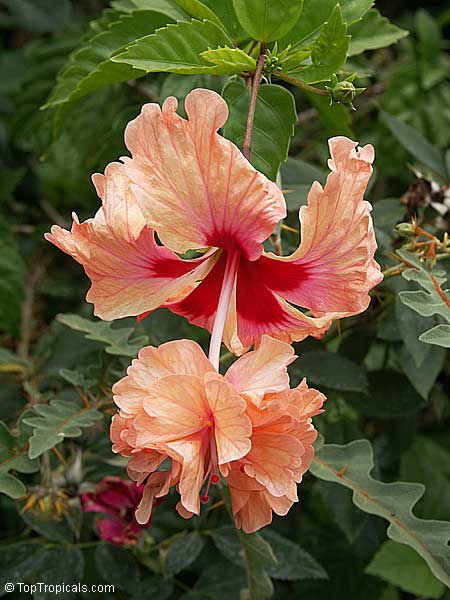
🌅 Hibiscus El Capitolio Tequila Sunrise is a cousin of Hibiscus El Capitolio Bloody Mary we introduced earlier. El Capitolio is an unusual type of Hibiscus with a graceful, fountain-like growth habit and unique pendant, double-skirted blooms

🌅 Tequila Sunrise has warm peach-orange tones, often with soft pink highlights. The pom-pom-like flowers stand out against glossy green foliage, adding a bright, exotic touch to the garden.

🌅 Blooming from summer through fall, this hardy hibiscus thrives in full sun to partial shade, tolerates heat, drought, salt, and even wet soils. A fast grower reaching 5-10 ft, it's perfect as a showy specimen, hedge, or container plant in USDA zones 9-11.

🛒 Shop Hibiscus plants

📚 Learn more from previous posts:


💋Hibiscus El Capitolio Bloody Mary
💋Most useful Hibiscus plants
💋How to get rid of pests on Hibiscus?
💋Skeleton Hibiscus with "crazy petals" - flower will blow your mind

#Hedges_with_benefits

🟢 Join 👉 TopTropicals

Date: 3 Aug 2025

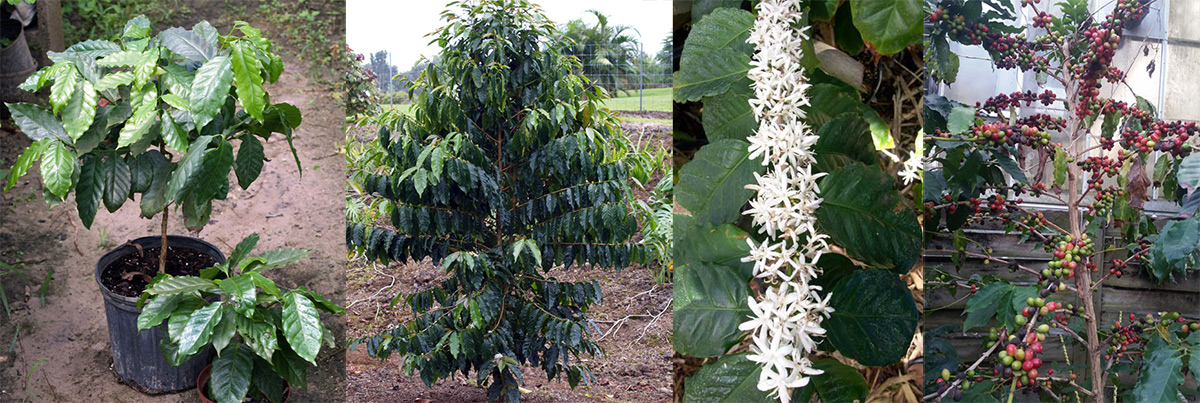
Four  stages  of  Coffee  Tree  growth:  a  young  potted  plant,  a  mature  tree  in  the  ground,  white  star-shaped  blooms,  and  a  branch  full  of  ripening  red  and  green  coffee  cherries.

What is the most popular and easiest tropical fruit tree to grow indoors?

No doubt about it - it's the Coffee Tree.

  • Coffee is shade-loving and easy to grow with regular water
  • It grows into a dark green shrub or small tree (about 3 to 5 feet tall in a pot)
  • Its fragrant, star-shaped flowers resemble gardenias
  • The whole fruit is edible and turns green to yellow to red
  • The seeds are real "coffee beans" that can be dried, roasted, and ground at home.

Five Reasons to Grow a Coffee Plant

  • Perfect Indoor Fruit Tree: Thrives in filtered light and stays compact
  • Low Maintenance: Forgiving, adaptable, and ideal for new gardeners
  • Aesthetic Appeal: Glossy green leaves and clusters of white blooms
  • Homegrown Coffee: Yes, you can roast your own beans.
  • Year-Round Beauty: Evergreen with seasonal fragrance

Coffee Plant Care Tips

  • Light: Bright, indirect light is best. Avoid harsh afternoon sun.
  • Water: Keep soil lightly moist but not soggy. Let the top inch dry out before watering again.
  • Humidity: Loves higher humidity. Mist regularly or place on a pebble tray.
  • Fertilizer: Use a balanced, gentle fertilizer like Sunshine Boosters C-Cibus every few weeks during growing season.
  • Soil: Loose, rich, and well-drained. High in organic matter and slightly acidic. For potted plants, use a quality indoor tropical mix, such as Top Tropicals Abundance mix
  • Repotting: Refresh soil and size up the pot every 1–2 years to keep roots healthy.
  • Can I grow it outdoors?: Yes - bring it outside in warm months and back indoors before frost. It's best suited for USDA zones 10-11, but container growing gives you flexibility in cooler climates.
  • How long until I get beans?: Expect flowers and fruit within 3 to 4 years from seedling stage - often sooner if you start with a young tree.
  • What does the fruit taste like?: Mild and sweet-tart, like a mix between a cherry and a cranberry. You can eat it fresh.

How to Make Coffee from Your Own Tree

  • Harvest: Pick the ripe red cherries
  • Pop and Soak: Squeeze out the beans and ferment 1-2 days to remove pulp
  • Dry: Spread out to dry for 1-2 weeks until hard and papery
  • Husk: Remove the thin shell to reveal green beans
  • Roast: Use a dry skillet or oven until fragrant
  • Grind and Brew: Cool, grind, and enjoy the freshest coffee you've ever had.
    Learn more: How to make your own coffee from homegrown beans

Coffee Health Benefits

  • Rich in antioxidants - supports heart and brain health
  • Boosts focus and mental alertness
  • Supports metabolism and fat-burning

Why Coffee Makes the Perfect Gift Plant

  • Long-living and beautiful
  • Symbolic, useful, and personal
  • Great for coffee lovers, gardeners, and the "person who has everything"

Read Garden Blog about Coffee

Shop Coffee Plants

Date: 11 May 2023

The Wonderful World of Tamarind:
from Planting to Plating

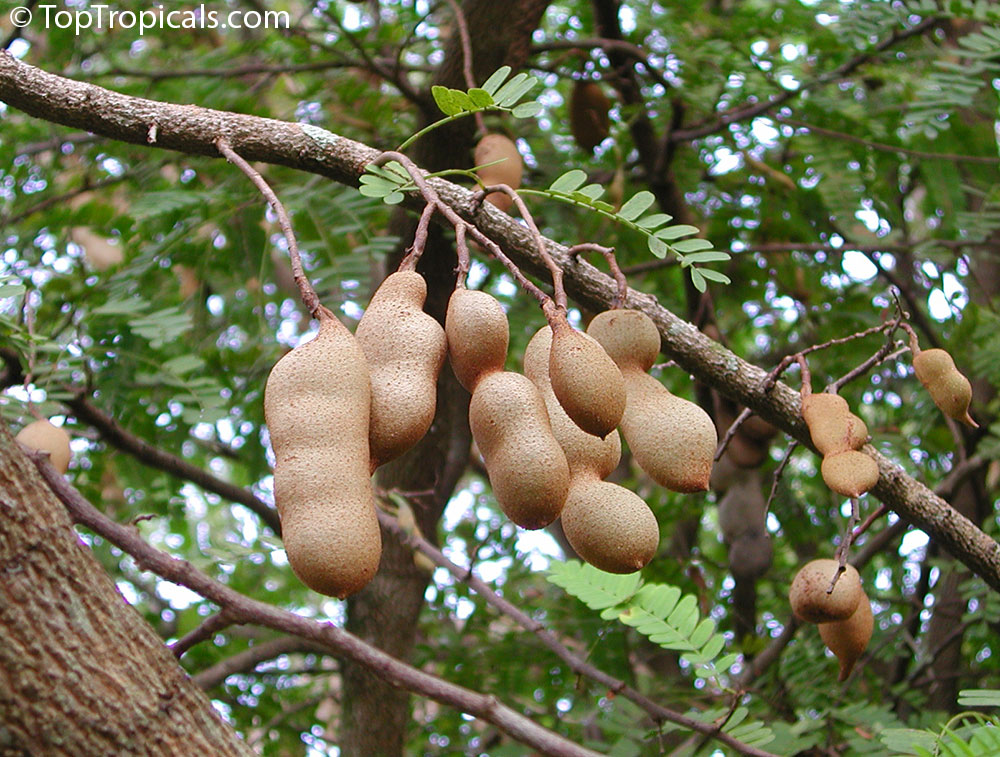
Tamarind  tree

Q: I use a lot of tamarind in my cooking. Can I grow my own Tamarind fruit? Can Tamarind tree grow in North Florida? Will Tamarind grow well outside or should I keep it in a pot?

A: Originating from tropical Africa, the Tamarind - Tamarindus indica - is a tropical tree that is highly appreciated for its ornamental beauty, delightful shade, and soft texture.

Tamarind is a highly valued culinary ingredient, with its tangy and sweet-sour flavor profile making it a popular addition to many dishes. It is frequently used in South Asian, Latin American, Caribbean, and African cuisines to add a touch of acidity and sweetness. Tamarind paste, made from the fruit's pulp, is a key ingredient in Worcestershire sauce, tamarind chutney, and many curry dishes. The seeds, when roasted and ground, can be used as a coffee substitute or as a thickening agent in sauces and stews....

Tamarind tree is prized for its versatile fruits and numerous health benefits. The tree can be grown outside in warm climates, as well as in pots and indoors... even as bonsai!
CONTINUE READING >>

Tamarind  fruit

Date: 29 Dec 2021

Magenta Freckles of Shooting Stars

A Nerve Flower for a natural stress relieve

by Alex Butova, the Witch of Herbs and Cats

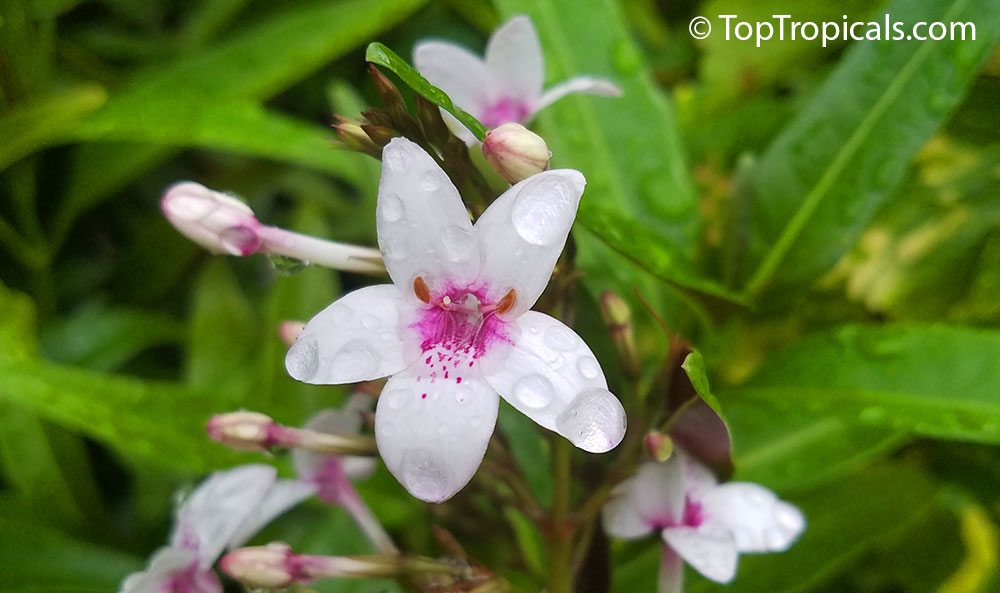
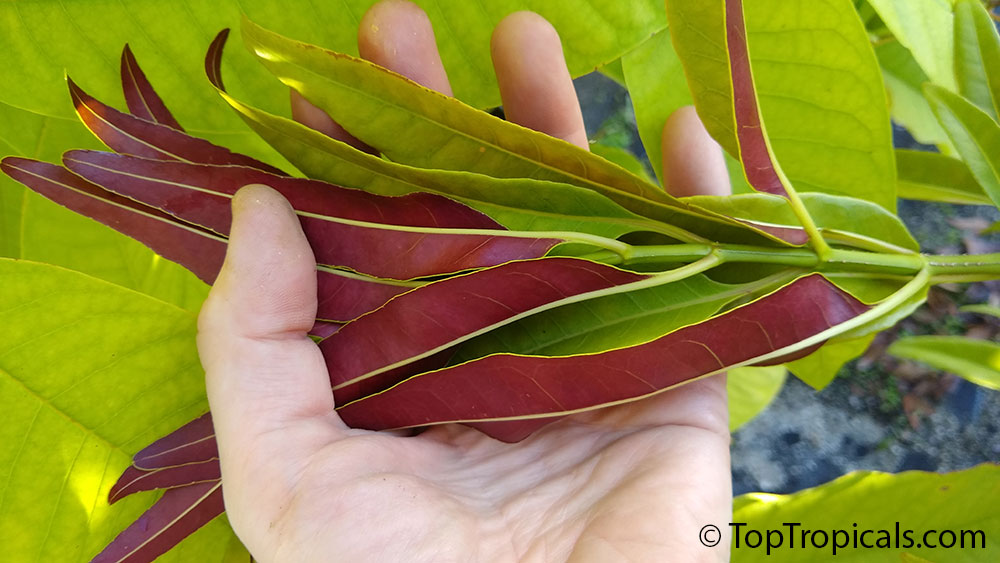
...A compact grower, this happy plant takes both sun and shade, and thrives nearly in any conditions and soils... From afar, we see its smiling, sunny, happy flower faces dotted with magenta-purple freckles, reverberating in the showering sunlight... The low growing bushes cheer you with a cascade of their star-flower fireworks. And the bonus part is - striking leaves: papery, narrow, metallic-green with bright mauve underneath in attractive trailing clumps. The combination of pinkish flowers with splashes of purple and these unusual leaves make this plant quite unique. Australians say that presence of these plants in the garden removes anxiety and calms your nerves...

CONTINUE READING >>