Vanilla planifolia Vine, Flower, and Cured Vanilla
Beans
How to Grow Vanilla: quick how-to
Vanilla is not complicated, but it does have preferences. Start with a
pot and regular, well-draining mix. It does not need anything exotic. Give
it:
Bright, indirect light
Warm temperatures
Good humidity
Air movement
Most importantly, give it something solid to climb. A wooden trellis, a log,
or a burlap-covered board works well. The surface should be porous so the
aerial roots can grip.
As it grows, guide the vine gently. You can prune it to control size.
Vanilla is slow to mature. That is normal.
The Bloom Secret
Vanilla does not bloom just because it looks healthy. It blooms when it
feels secure.
This is a climbing orchid. It must attach firmly to a solid, porous
support such as a wood log, trellis, or burlap-covered board. When the
aerial
roots grip and the plant reaches maturity, flowering becomes possible.
Once the flowers appear, they usually need to be hand pollinated to
produce pods. Each flower stays open for only a short time, so timing
matters.
How to pollinate vanilla: In this video, we show you
exactly how to pollinate vanilla step by step
❓Vanilla care: quick FAQ
Does Vanilla planifolia really produce vanilla
beans?
Yes. Vanilla planifolia is the commercial source of vanilla. After
flowering, it can form long green pods (vanilla beans). The aroma develops
later during curing.
What is the secret to getting vanilla to bloom?
Let it climb. Vanilla is a climbing orchid and usually will not bloom until
its aerial roots attach firmly to a solid, porous support like a wood log,
trellis, or burlap-covered board.
Do I need to pollinate vanilla flowers?
Yes. In most home growing conditions, vanilla flowers must be hand
pollinated to produce pods. Each flower is open for only a short time, so
timing matters.
Can I grow vanilla indoors?
Yes, if you can provide bright, indirect light, warmth, humidity, and a
support to climb. A sunny room with filtered light and a trellis or log can
work well.
What should I use for support?
Use a sturdy trellis, a wood log, or a burlap-covered board. The key is a
porous surface that aerial roots can grip. Avoid chemically treated wood.
Check out this very unusual way to
grow Vanilla Orchid over a wall.
What potting mix should I use for Vanilla plant?
Start in a pot with a regular, well-draining potting mix such as Sunshine
Abundance. As the plant matures, it relies more on its support and
aerial roots than the soil.
What fertilizer should I use? Sunshine
Boosters Orchidasm is formulated specifically for orchids and will work
perfecty for Vanilla orchid as well.
How big will it get?
As big as you let it. Train it and prune it. Vanilla grows according to the
structure and space you provide.
How long until it flowers?
Typically a few years. Vanilla is a long-term project, but it is very
rewarding once established.
For Collectors and Enthusiasts:
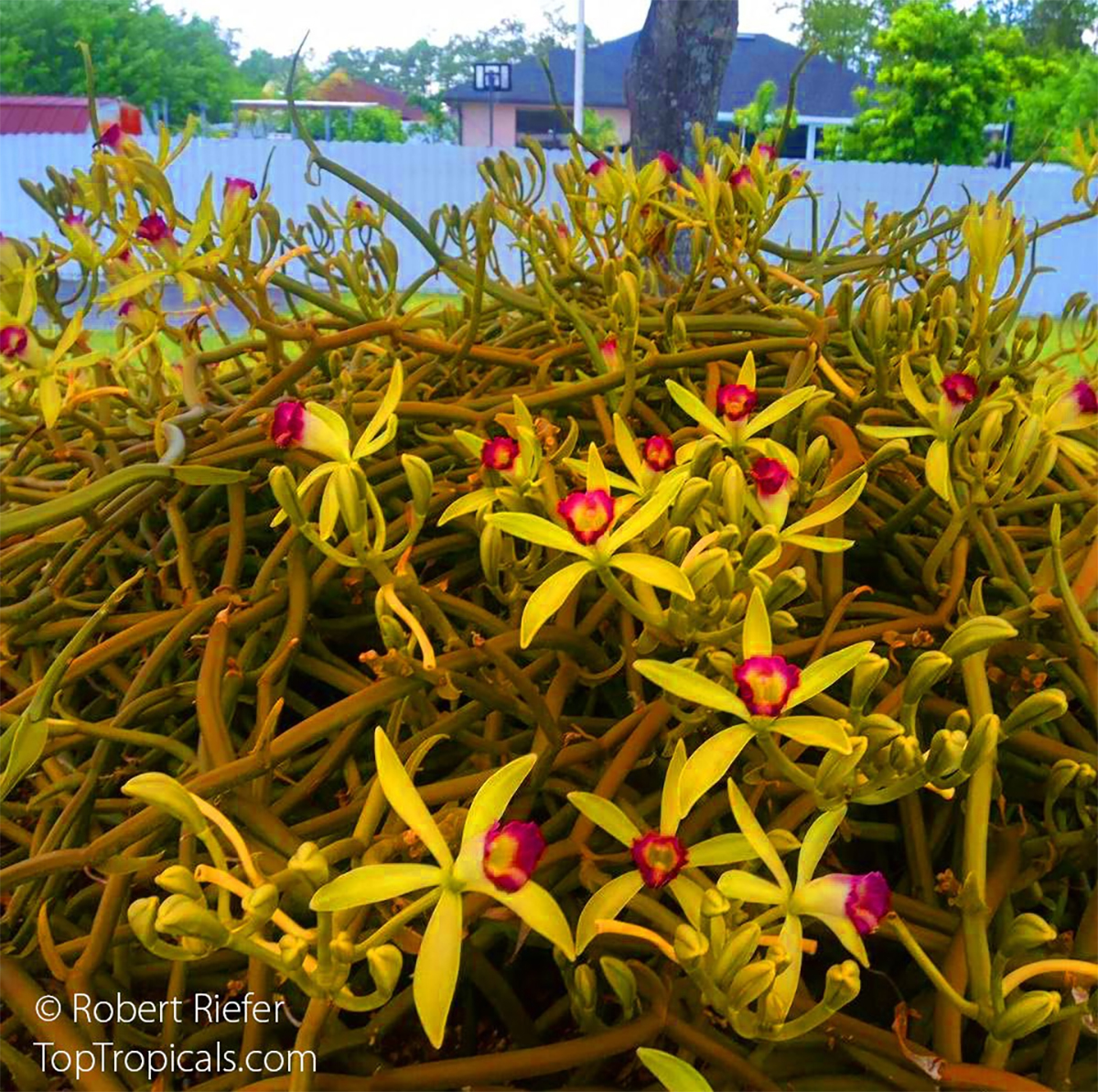
Vanilla dilloniana in Bloom - Rare Florida Native
Orchid
We also offer Vanilla dilloniana, a rare
Florida native species with distinctive flowers.
One remarkable specimen of this species, grown by our friend Robert
Riefer, became so vigorous over many years that it outgrew a 100 gallon
container and was eventually moved into a 250 gallon pool on wheels.
The plants we offer are propagated from that very specimen:
That kind of growth reflects deliberate cultivation and ideal conditions
- not something that happens unintentionally.
Vanilla grows according to the space and structure you provide.
For gardeners focused on producing real vanilla beans for the kitchen,
Vanilla planifolia remains the right place to
start.
Holiday season in Florida means sunshine, green leaves, and cats on
patrol. On
Saturday 12/13/25, our PeopleCats are hosting a special Holiday Plant Market
at TopTropicals,
9 am to 4 pm. This is not a regular nursery day. This is the one where you
grab a donut in one hand, a mango tree in the other, and try not to trip
over a cat giving you a tour.
We are bringing out the best plants we grew all year: big fruit trees
with real branches, flowering and fragrant beauties, rare collectors
plants, and vines that are ready to take off as soon as you get them home.
December is perfect planting weather in Florida, so while the rest of the
country is scraping frost from windshields, you can be
choosing which banana, mango, or jasmine will perfume your yard next
summer.
Holiday extras: 30% OFF online prices, free plant with purchase, 5 to 10
dollar specials, mini donuts and holiday treats, iced tea and citrus water,
tropical Christmas music, and
raffle prizes. If there is enough ripe fruit in the morning, we will set up
a
tasting table too. Our PeopleCats will be on duty all day, rearranging
plants,
checking on visitors, and occasionally allowing themselves to be petted
between tours.
Event discounts and specials are valid at both locations:
Save the date, tell a friend, and plan your plant hunting route now. Come
celebrate the holidays the Florida way: sunshine, rare fruit trees, happy
cats, and a car full of tropical
plants going home with you.
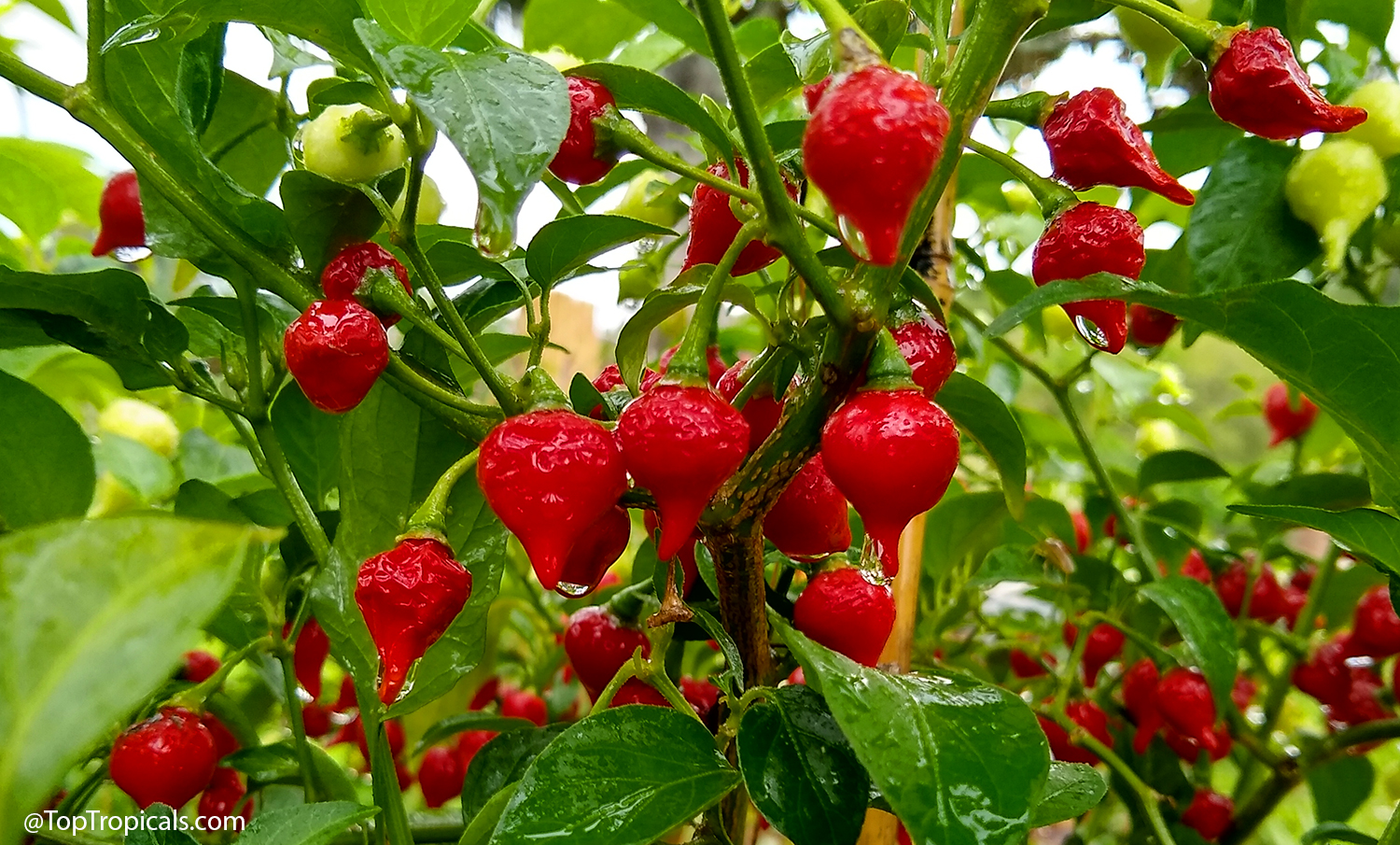
Biquinho
pepper loaded with fruit - small, beak-shaped peppers ripen
from green to bright red, offering intense fruity habanero flavor with
little to no heat on a compact, heavy-producing plant.
Sweet Pepper Plant Facts
Botanical name: Capsicum annuum Also known as: Sweet Pepper, Chilli Pepper, Cayenne Pepper, Paprika, Ornamental pepper
USDA Zone: 4 - 10
Highligths
A lot of plants that thrive in Florida heat have deep roots in Mexico, and
not just as ornamentals. Think coral vine or flame vine climbing a fence in
summer, or bird of paradise
sitting at the edge of a patio like it owns the place. These are not plants
that need coaxing. They grow fast, full, and unapologetically.
Then there are the plants you actually eat: peppers,
prickly
pear, sweetleaf,
and fruit trees like avocado, guava,
and sapodilla.
They do not just decorate the yard. They change how the yard works, and how
the kitchen feels all year.
Avocado Plant Facts
Botanical name: Persea americana, Persea gratissima Also known as: Avocado, Alligator Pear, Aguacate, Abacate
USDA Zone: 9 - 11
Highligths
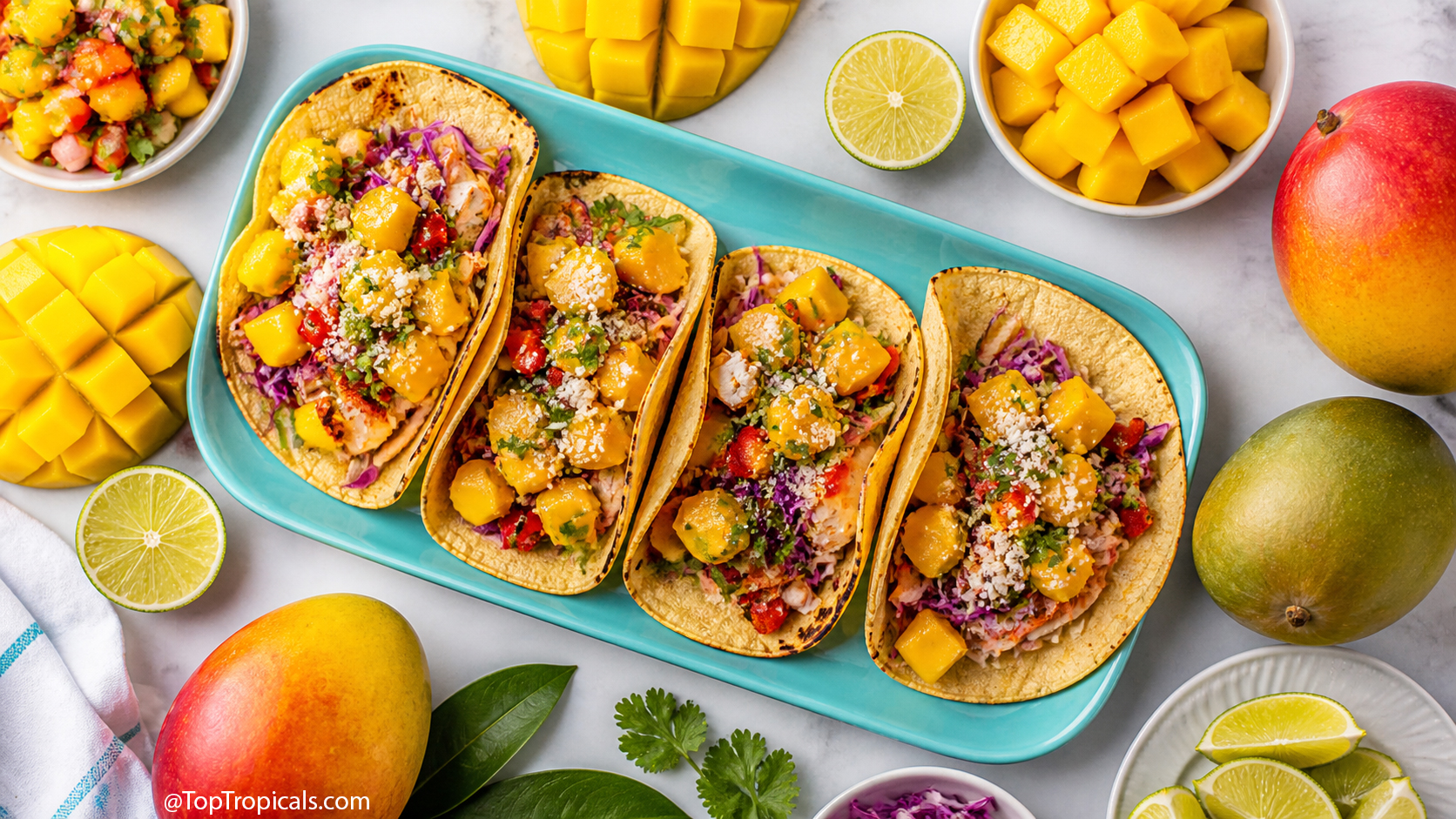
That is the part that sneaks up on you. Gardening stops being about having a
pretty yard and starts becoming a way of living. Mango tacos taste
different when you picked the mango yourself. Everything does.
Mango Plant Facts
Botanical name: Mangifera indica Also known as: Mango
USDA Zone: 9 - 11
Highligths
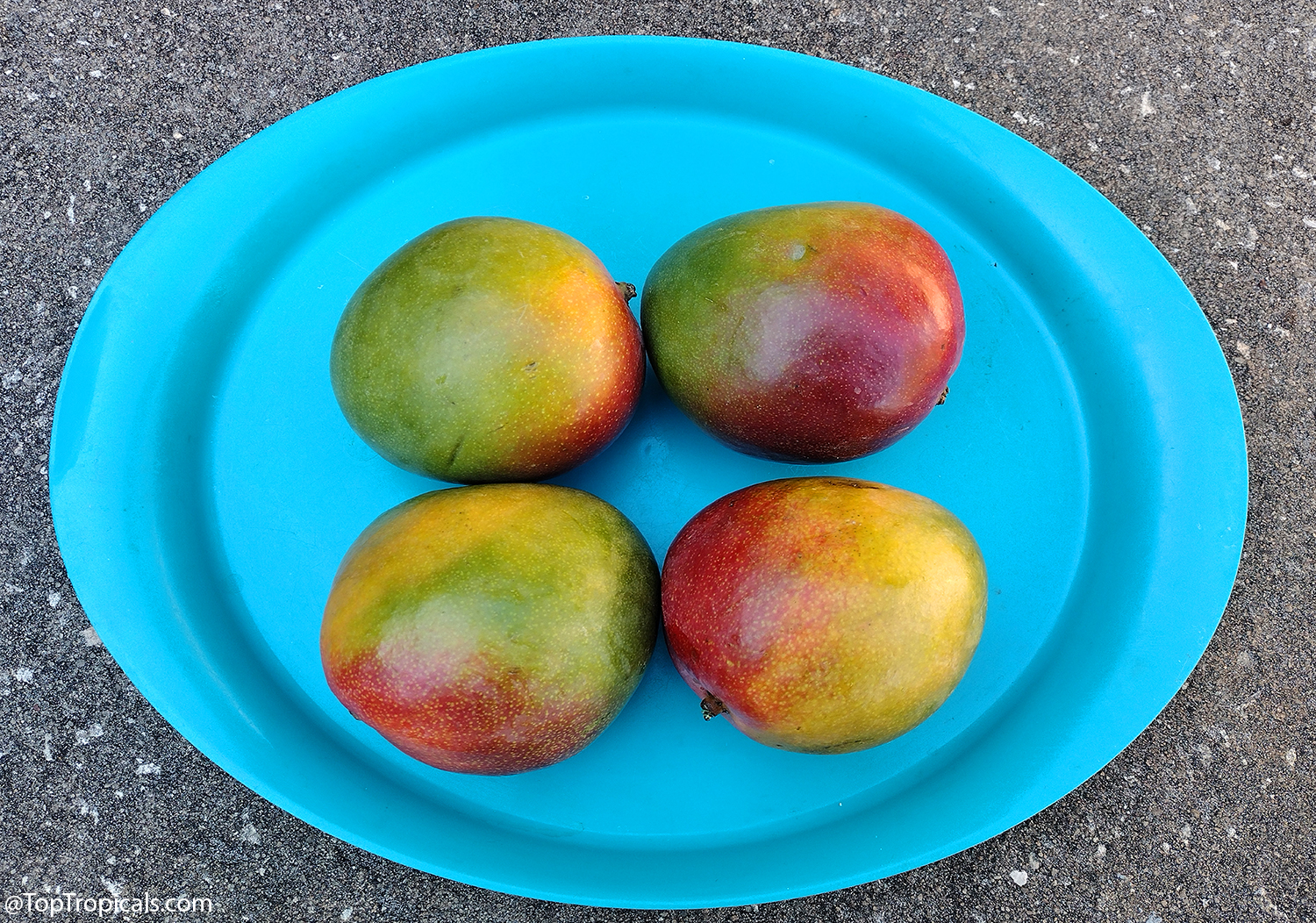
Kent mango - classic late-season variety with smooth,
fiberless flesh and rich, sweet flavor.
🍀Mexican
Plants That Thrive With Minimal Effort
by Tatiana Anderson, Top Tropicals Garden
Expert
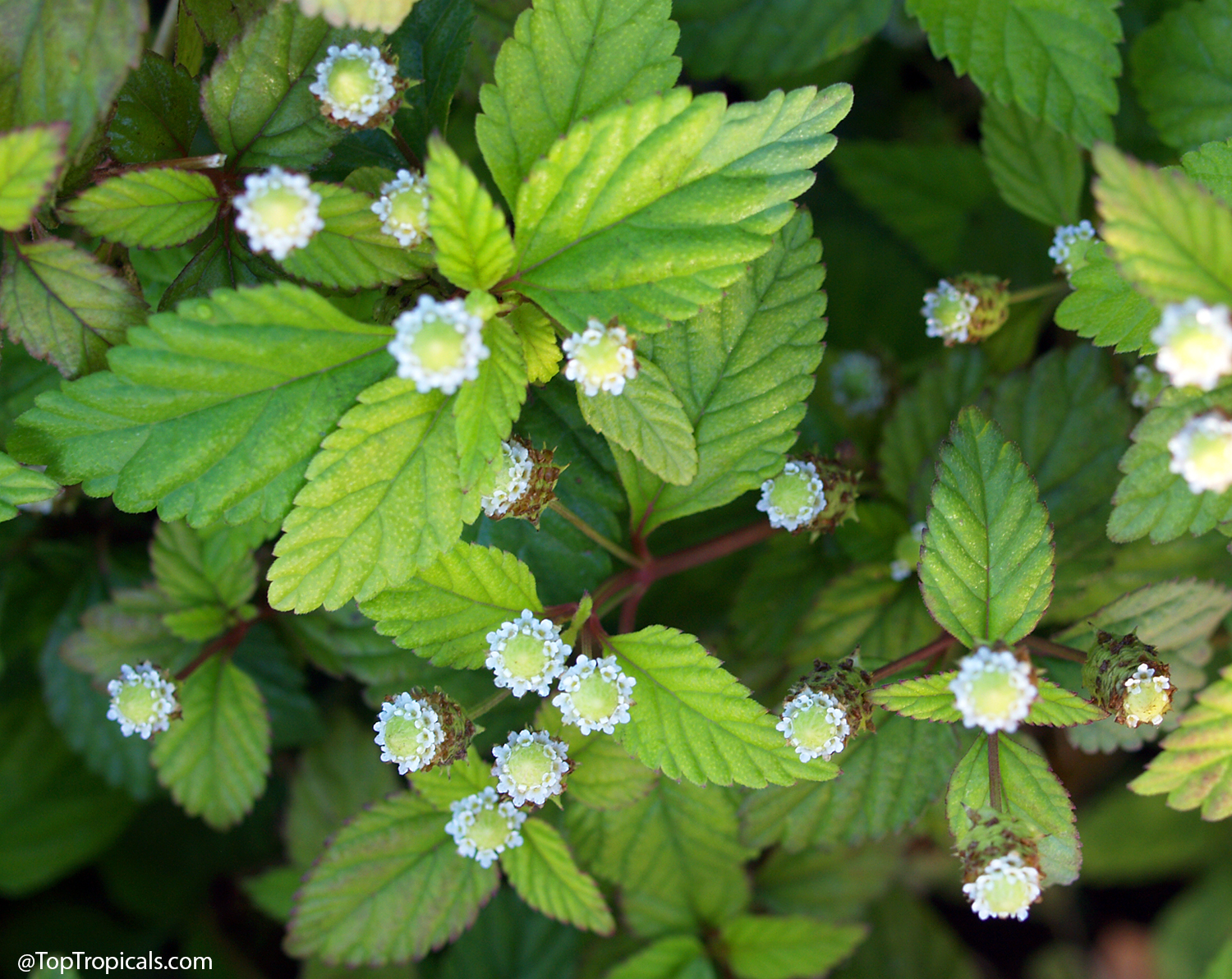
Lippia
dulcis - Aztec Sweet Herb in bloom - a low-growing Mexican herb
with tiny white flowers and remarkably sweet leaves that can be eaten fresh
or added to fruit dishes, traditionally used since Aztec times for coughs
and colds.
Aztec Sweet Herb Plant Facts
Botanical name: Phyla dulcis, Lippia dulcis, Phyla scaberrima, Lippia mexicana Also known as: Aztec Sweet Herb, Sweetleaf
USDA Zone: 9 - 11
Highligths
These Mexican plants are surprisingly easy to grow if you give them what
they expect: sun, heat, and good drainage. Most of them are built for tough
conditions and will grow fast with minimal care once established.
The one rule that matters: fill the planting hole with water. If it does
not drain in 5-10 seconds, plant on a mound or use a container.
Flowering
vines will take off quickly, edibles like peppers and sweetleaf
lippia
are very forgiving, and cactus types prefer to be left alone rather than
overwatered.
For full, step-by-step growing tips and plant-specific advice, read our blog
- we break everything down in practical, real-world terms.
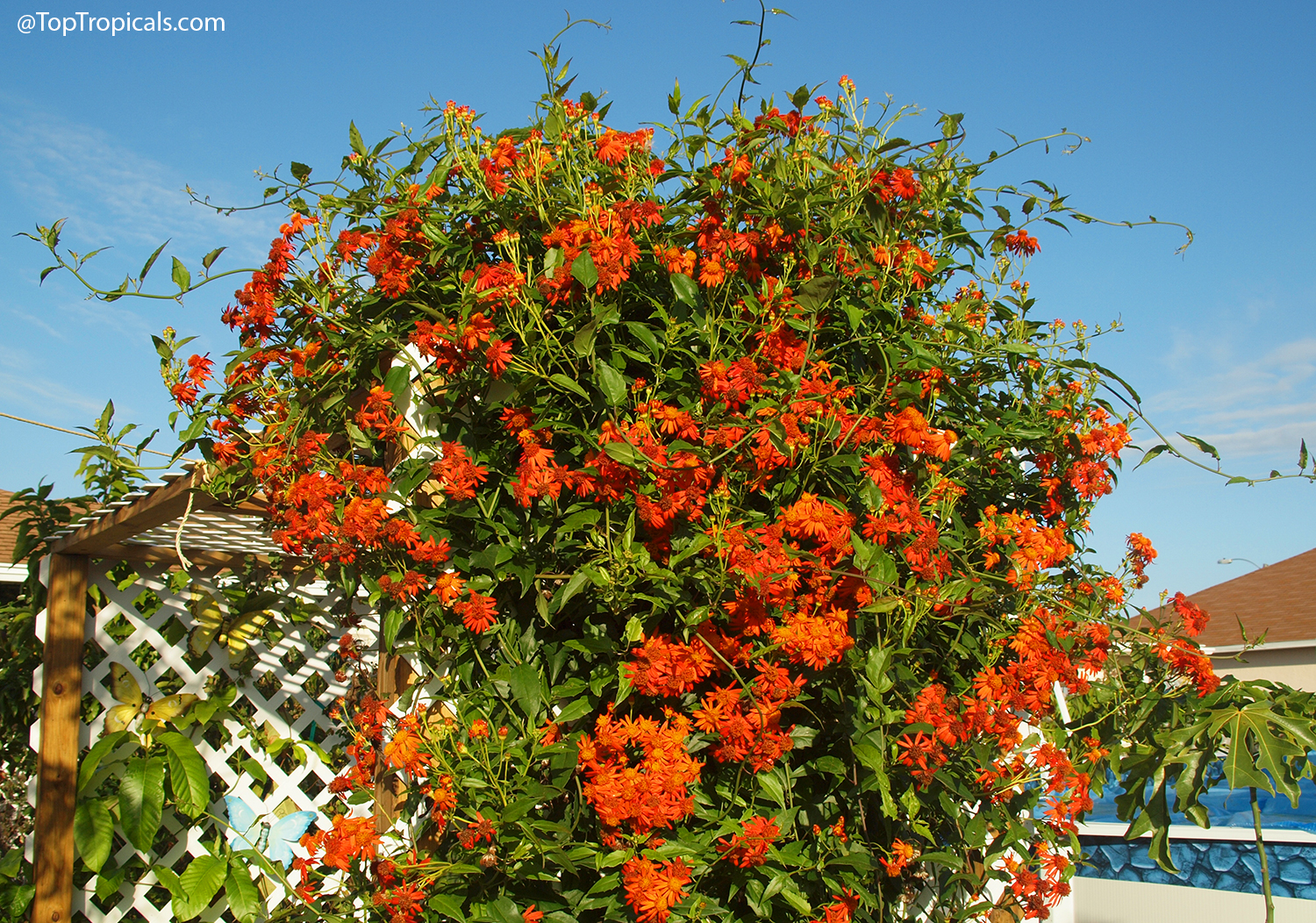
Mexican Flame Vine in full bloom - a fast-growing,
drought-tolerant climber that quickly covers fences with vivid red flowers,
attracting
pollinators and adding bold color with minimal care.
Mexican Flame Vine Plant Facts
Botanical name: Pseudogynoxys chenopodioides, Senecio confusus Also known as: Mexican Flame Vine, Orangeglow Vine
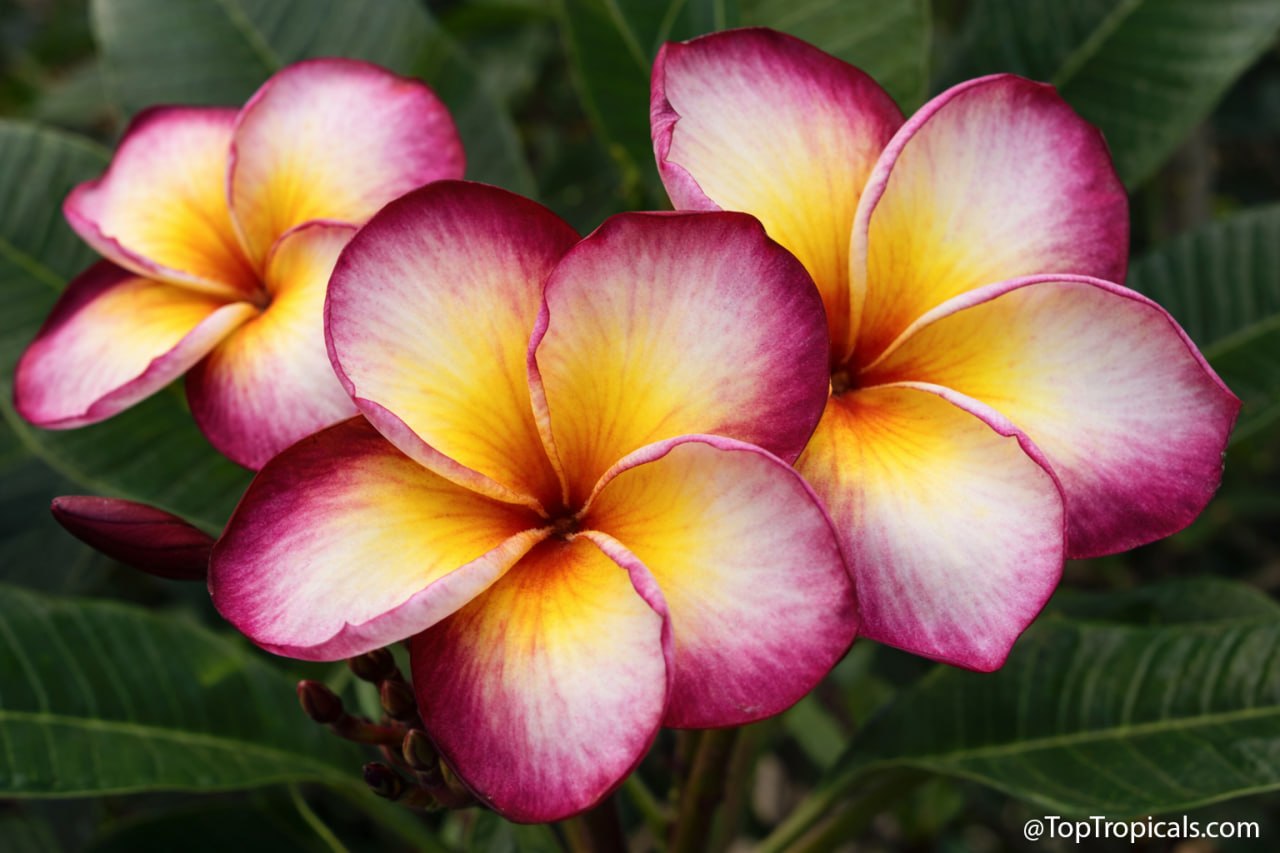
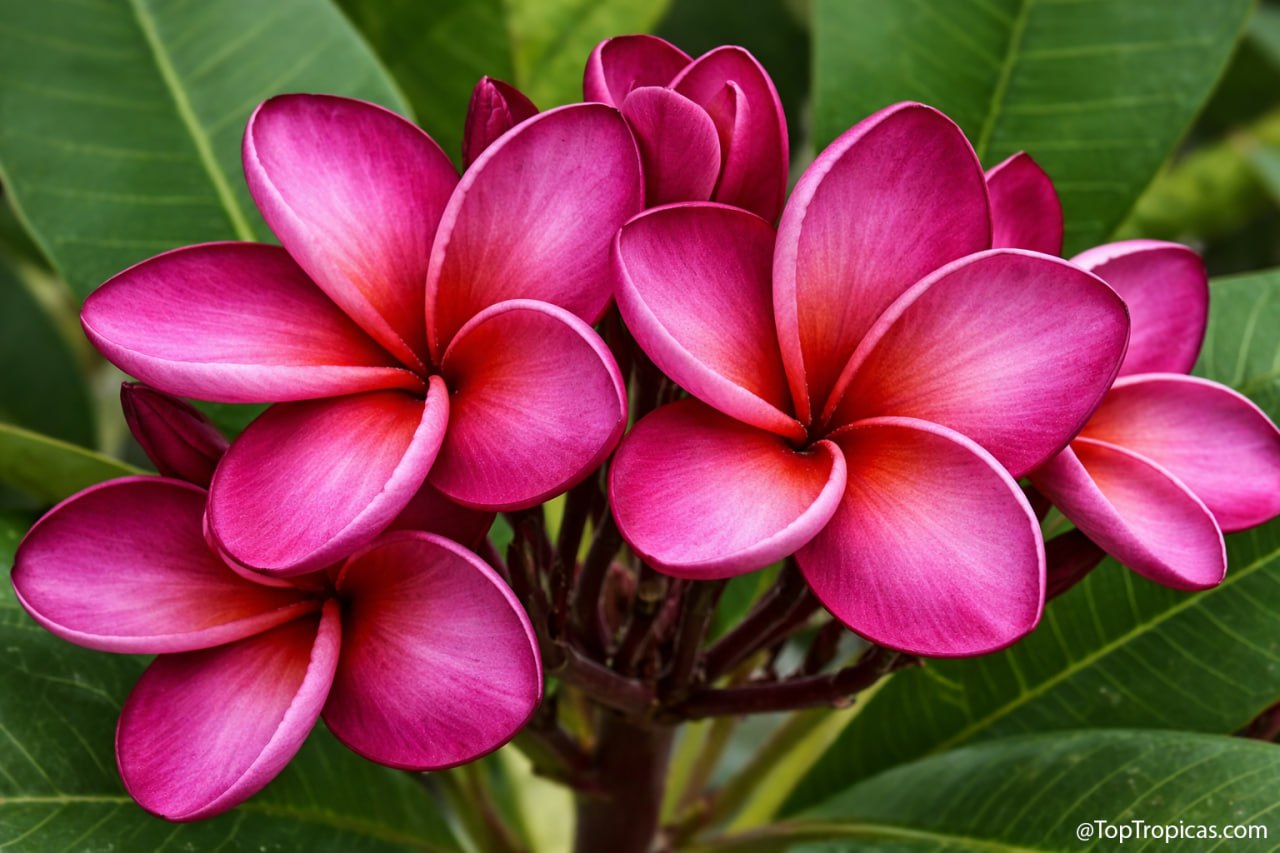
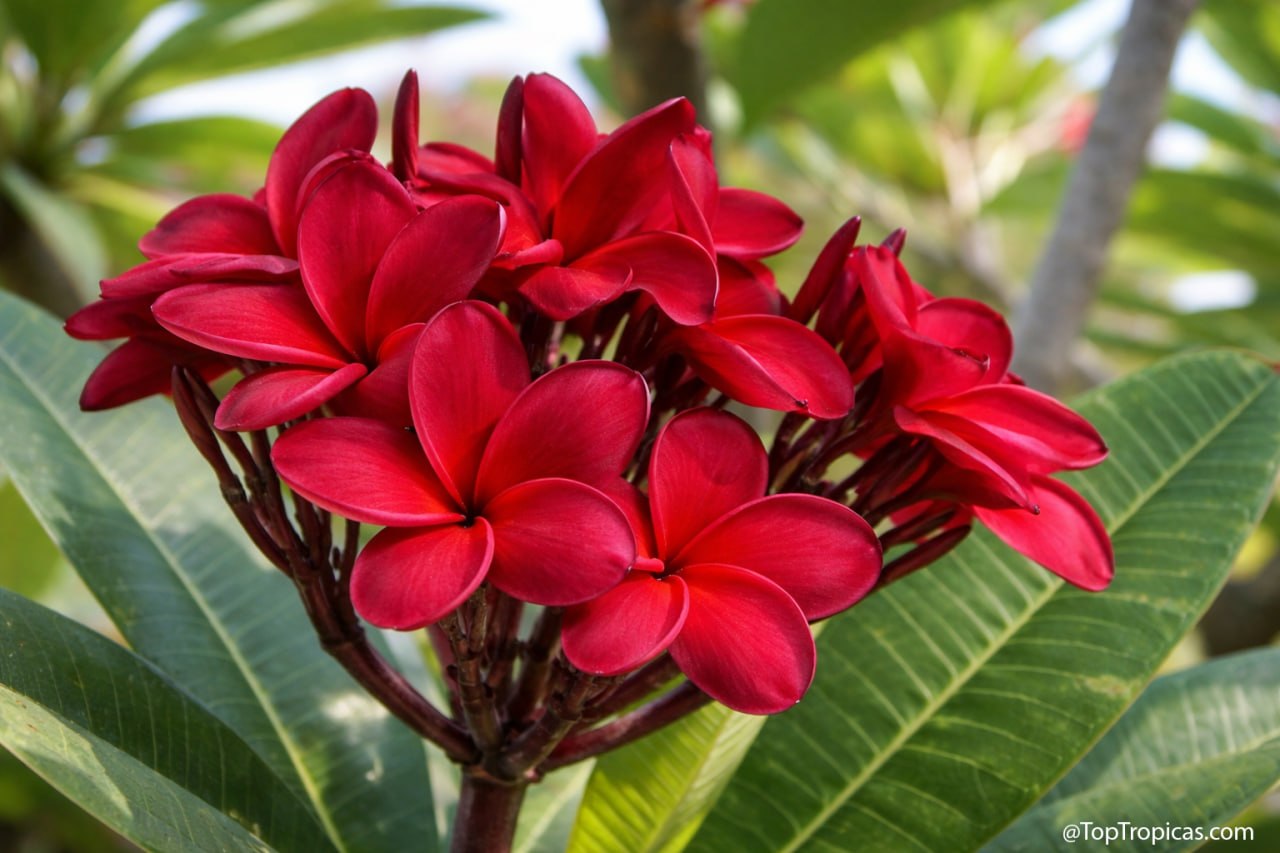
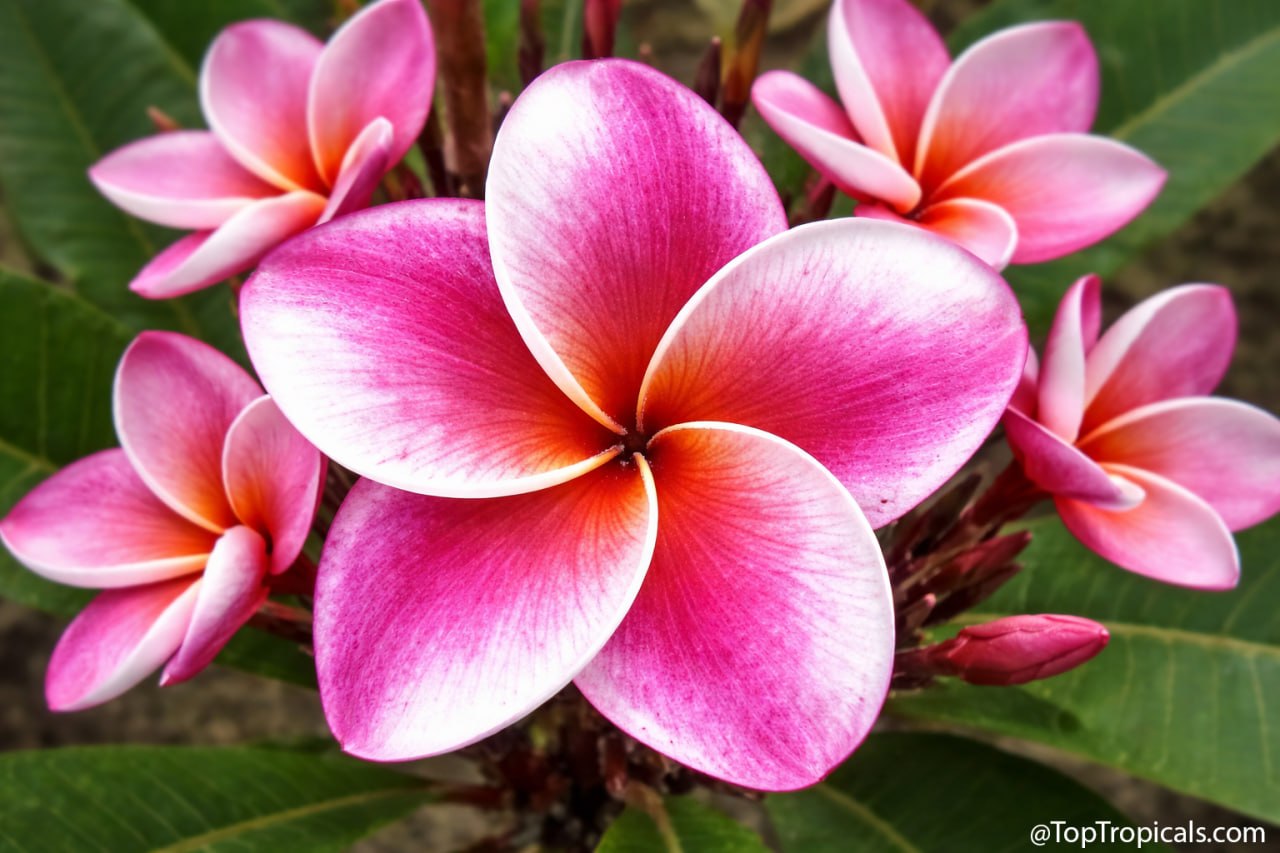
Bold reds and ruby tones - plumerias with real intensity
Plumeria Maneerat
Plumeria Siam Ruby
Plumeria Red Siam
Plumeria Kled Tabtim
Bold reds and ruby tones - plumerias with real intensity. Feeding tip 🌈
Plumeria Plant Facts
Botanical name: Plumeria sp. Also known as: Plumeria, Frangipani
USDA Zone: 9 - 11
Highligths
This set is all about depth, richness, and that unmistakable red glow. From ruby shades to deep velvety tones, these plumerias bring strong color and a luxurious feel - the kind that instantly draws your eye.
🌸 Today's featured plumerias:
✦ Plumeria Maneerat - golden-yellow center fading into creamy tones and strong pink to red edges, creating a radiant, glowing effect. Full, layered blooms with a rich, jewel-like look. ✦ Plumeria Siam Ruby - deep ruby pink petals with softer rosy highlights and a luminous center. Smooth, rounded blooms with a polished, gemstone feel. ✦ Plumeria Red Siam - rich, velvety red flowers with deep, consistent color and a soft satin finish. Dense clusters create a bold, classic tropical look. ✦ Plumeria Kled Tabtim - vibrant pink petals deepening toward a warm orange-red center, outlined with a clean white edge. Bright, refined, and glowing with a ruby-like effect.
💡 Plumeria tip: feeding for flowers
Plumerias are heavy feeders, especially when actively growing.
Use a fertilizer higher in phosphorus to push blooming.
Liquid feeding like Sunshine Megaflor can be used regularly, while a controlled release like Green Magic gives steady nutrition over time.
🌵Dragon Fruit (Pitaya) is one of the most rewarding exotic fruits to grow. Sweet pulp, striking looks, and plenty of health benefits make it a favorite. You'll see it in three main types: white-fleshed (Hylocereus undatus), red-fleshed (Hylocereus costaricensis), and yellow-skinned (Hylocereus, or Selenicereus megalanthus).
🌵Don't want to wait years for fruit? Here’s the good news: unlike many tropical trees that test your patience, dragon fruit is a fast-fruiting, easy-going cactus. With the right care, you can harvest in just 1-2 years from a cutting - or even the same season if you plant a well-established specimen.
🌵 How to get Dragon Fruit faster
Give it strong support - trellis, fence, or post. This cactus loves to climb. Full sun and good drainage - sandy or well-draining soil works best. Smart watering - water deeply in hot weather, then let the soil dry. Dragon fruit loves water during active summer growth, but remember it's still a cactus - don’t keep soil soggy. Pollination matters - flowers open at night. Some varieties are self-fertile, but planting a few different types boosts fruit set. This is why it helps to keep several varieties close together. Feed well - use organic liquid fertilizers like Sunshine Boosters C-Cibus with every watering, or Green Magic controlled-release fertilizer every 6 months. With these steps, dragon fruit quickly rewards you with flowers, followed by colorful, delicious fruit. Few exotics are this easy - or this fast! 🛒 Start your fast-growing Dragon Fruit production