Garden Blog - Top Tropicals

Date: 1 Dec 2025

What happens when you eat it every day: a bowl of Papaya for breakfast

bowl of Papaya for breakfast

bowl of Papaya for breakfast

🍲 What happens when you eat it every day: a bowl of Papaya for breakfast

  • 🍊 If you grow your own papayas or just enjoy picking one from your food forest in the morning, a small bowl (about 140-150 g) can quietly transform your day - and your long-term health. This tropical fruit is naturally low in calories, high in fiber, and loaded with vitamins A and C, making it a perfect morning starter for metabolism, digestion, and immunity.
  • 🍊 Why papaya works so well in the morning


    Papaya is famous for its natural enzyme, papain. It kick-starts digestion, eases bloating, helps break down proteins, and supports regular bowel movements. Ayurveda has praised ripe papaya for centuries as a cooling, Pitta- and Kapha-balancing fruit that clears toxins and improves gut function. Modern nutrition agrees: a fiber-rich, enzyme-rich fruit first thing in the day steadies appetite and helps prevent mid-morning cravings.
  • 🍊 Daily benefits at a glance


  • Weight support: Low calorie, high fiber, and keeps you full longer.
  • Heart and blood pressure: Rich in potassium, vitamins, and antioxidants that support healthy cholesterol, smooth blood flow, and normal blood pressure.
  • Liver support: Antioxidants, choline, and beta-carotene help reduce inflammation, regulate fats, and protect liver cells from oxidative stress.
  • Skin health: Papain and vitamin C help remove damaged cells, improve collagen formation, and support a clearer, smoother complexion.
  • Immunity: One medium papaya gives more than double the daily vitamin C requirement and helps stimulate white blood cells while protecting them from oxidative stress.
  • Constipation relief: Papaya’s fiber and enzymes gently improve regularity and support a clean, efficient gut.


🍊 What research shows


According to the National Library of Medicine, papaya pulp and seeds contain vitamins A, C, and E; B vitamins; potassium; magnesium; carotenoids; glucosinolates; and unique phenolic compounds. Together, these show antioxidant, anti-inflammatory, hypoglycemic, and hypolipidemic actions. Studies link papaya extracts to reduced cholesterol and triglycerides, improved blood pressure regulation (ACE-inhibitory effects), and protection against oxidative stress.

Papaya seeds also demonstrate promising anti-cancer potential, including activity against colon, prostate, and liver cancer cells. Lycopene and other carotenoids further reduce oxidative damage linked to chronic diseases.

🍊 For home growers


A ripe papaya from your own garden isn’t just a sweet breakfast bowl. It’s a daily boost for digestion, immunity, skin, heart, and metabolic health. Growing papaya means you have a year-round supply of one of nature’s most complete morning foods - fresh, clean, and packed with bioactive compounds your body immediately puts to use.

✍️ Scientific reference


National Library of Medicine:

🛒 Grow your own medicine - Papaya

📚 Learn more:


📱 Watch YouTube short videos:


#Food_Forest #Papaya #Remedies #Discover

🟢 Join 👉 TopTropicals
Date: 19 Nov 2025

5 fruits that help manage gout (high uric acid)

5 fruits that help manage gout

5 fruits that help manage gout

🍒 5 fruits that help manage gout (high uric acid)


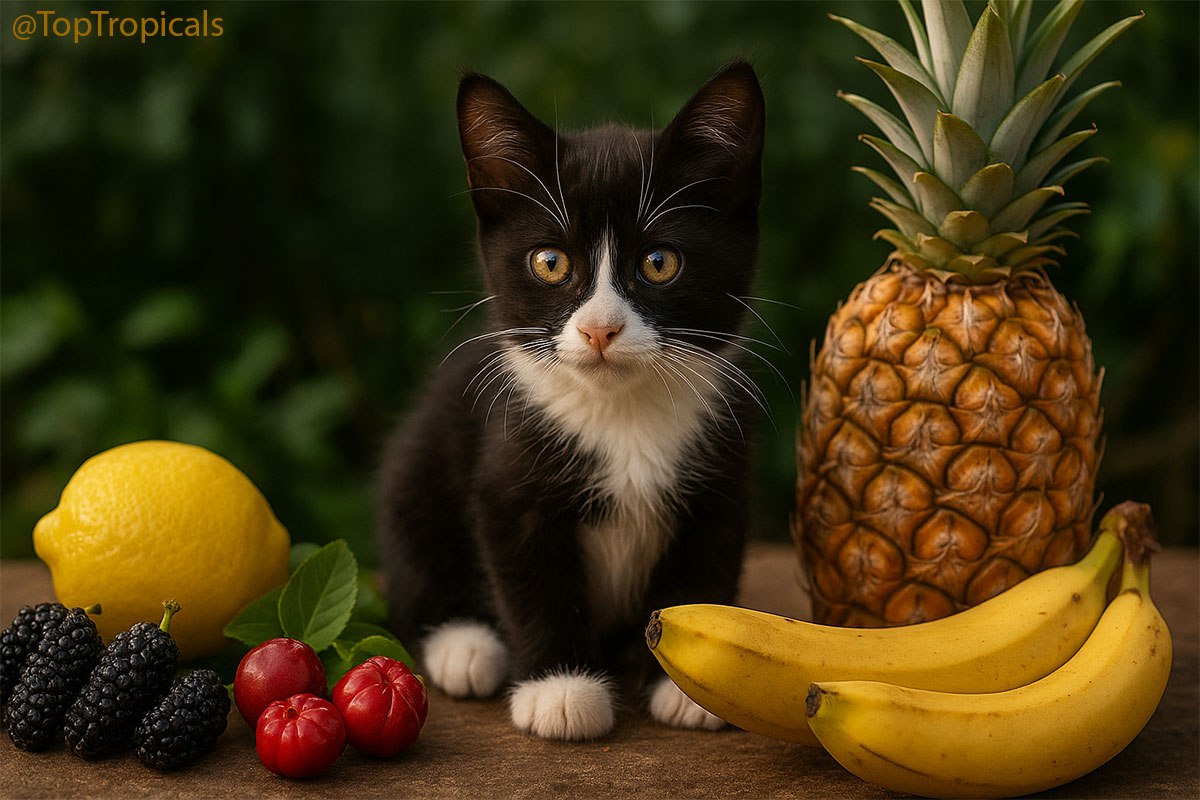
💥 High uric acid, hyperuricemia, also called gout, causes painful swelling in joints and can affect kidney health over time. Medicine helps, but so does what you grow and eat. Some fruits can naturally flush out excess uric acid and reduce inflammation. Here are five easy fruit trees and plants that can help:

🍋 Citrus


Citrus trees are great to grow in pots or sunny yards. Lemons and oranges are rich in vitamin C, which helps kidneys remove uric acid and keeps the body’s pH balanced. A glass of lemon water in the morning or a fresh orange during the day can help. Studies in Science Direct show lemon juice lowers uric acid levels in the blood.

Berries (mulberries, blackberries, blueberries, strawberries)


Berries are packed with antioxidants that fight inflammation and support kidney health. Mulberry trees are perennial trees and bushes that produce berries year after year. They grow well in both temperate and warm areas, and are an easy choice for all backyard gardeners. Mulberry high water content helps flush out toxins. Research from the National Institute of Health shows berries rich in polyphenols can lower uric acid naturally.

🍒 Cherries


Cherries are one of the best fruits for gout. They’re rich in anthocyanins, compounds that reduce inflammation and uric acid levels. National Institute of Health studies have found regular cherry intake helps lower gout attacks. Dwarf cherry trees can grow in large pots if space is limited.

🍌 Bananas


Bananas are rich in potassium, which helps the kidneys remove uric acid more efficiently, according to PubMed central. They’re also low in purines, the compounds that form uric acid. Dwarf banana varieties grow well in containers and add a tropical look while supporting healthy digestion and uric acid balance.

🍍 Pineapple


Pineapple contains bromelain, a natural enzyme that eases swelling and pain caused by gout. It’s also refreshing and supports kidney function. Studies by global health science group show pineapple juice can help reduce inflammation and uric acid. It’s easy to grow in a pot or sunny garden bed.

These fruits won’t replace medicine, but they can support your body’s natural detox system. Grow them, eat them fresh, and enjoy both their flavor and health benefits.

🛒 Explore Fruit trees and grow your own natural remedies

📚
Learn more:
#Food_Forest #Mango #Remedies #Discover

🟢 Join 👉 TopTropicals

Date: 20 Feb 2026

What tropical plants survived Floridas historic freeze without protection

Florida historic freeze

What tropical plants survived Florida's historic freeze without protection

In the first week of February 2026, arctic air pushed deep into Florida. For many areas, this was the coldest event in over a century.
We received one question over and over: How did your gardens do?
Top Tropicals Farm in Sebring, Florida is up and running - and this freeze became a real-world hardiness test for tropical and subtropical plants. Below is our initial field report after inspecting established plantings.

📊 Weather data - February 1-6, 2026


Sebring, Florida - 132 years of recorded observations
This was not a light frost. It was prolonged, windy, penetrating hard freeze.


🌡 Minimum temperature: 25F
❄️ Wind chill: 14F
⏳ Duration: 3 nights of 8-10 hour hard freeze
☀️ Daytime temperatures: around 50F for 7 days
🌀 Wind: sustained 20 mph, gusts 40-50 mph
  • Cold protection


    In-ground trees: selected plants covered with frost cloth, especially mango and young avocado trees.
    Tender container plants: moved into greenhouses with propane heat above 34F.
    Hardy container plants: frost cloth and wind protection only - no plastic
    Nutrition support: plants fertilized regularly during the growing season with Green Magic and Sunshine Boosters to maintain vigor and hardiness.

    However, the plants listed below had no protection at all.
    All were established trees 2-3 years in the ground.
  • The plants below had NO PROTECTION, established trees 2-3 years old


✅ Survived with no damage
:
  • 🍑 Tropical Fruit Trees and Edibles:


    Citrus
    Loquats
    Mulberries
    Macadamia Nut
    Jaboticabas
    Pomegranates
    Avocado - cold hardy varieties
    Feijoa - Pineapple Guava
    Psidium littorale - Cattley Guavas
    Eugenias (Grumichama, Rio Grande, Surinam and more)
    Olive trees
    Bay Leaf (Laurus nobilis)
    Fig trees (Ficus carica)
    Prunus sp - Peaches, Plums, Nectarines
    Persimmons
    Rubus (Blackberries) including Tropical Mysore Raspberry
    Elderberry (Sambucus)
    Yerba Mate - Ilex paraguariensis
    Opuntia - Nopal Cactus, Prickly Pear


🌸 Flowering Trees and Shrubs:


Beaucarnea recurvata - Pony Tail
Callistemon - Bottlebrush
Yucca
Tabebuias
Magnolia figo and Little Gem
Calliandra tweedii - Red Powderpuff
Sophora tomentosa
Galphimia gracillis - Thriallis
Acacia trees
Osmanthus fragrans
Abutilon trees
Erythrina - several species
Monkey Ear tree - Enterolobium cyclocarpum
Bauhinia Orchid Trees - several species
Pseudobombax ellipticum - Shaving Brush Tree
Bulnesia arborea- Vera Wood
Caesalpinia mexicana, Mexican Bird of Paradise
Sansevieria - Snake Plant
Foxtail fern - Asparagus densiflorus
Lonicera - several varieties
Jacaranda tree
Eucalyptus
Plumbago Imperial Blue
Philodendron bipinnatum
Gardenias
Gingers (dormant rhizomes)

✳️ Minimal leaf damage only:
(These plants showed light cosmetic damage but no structural injury)

🍑 Tropical Fruit Trees and Edibles:


Glycosmis pentaphylla - Gin Berry
Black sapote tree
Tamarind tree
Syzygiums: Rose Apple and Java Plum

🌸 Flowering Trees and Shrubs:


Pandora vine
Jasminum - several species
Stenocarpus sinuatus - Firewheel Tree
Xanthostemon
Quisqualis indica
Schotia tree
Eranthemum pulchellum - Blue Sage
Hiptage benghalensis - Helicopter Flower

🏡 What this means for Florida gardeners


This freeze was a stress test few gardens are prepared for. Yet many species handled 25F, wind, and multi-night freeze conditions without protection.
Choosing proven survivors, planting in smart microclimates, and maintaining strong plant health during the growing season makes a measurable difference.
More updates will follow as full recovery continues - but these early results already help define a stronger plant palette for future winters.

🛒 Explore cold tolerant tropical plants and cold hardy Avocados

📚 Learn more:


🎥 These Avocados survived 3 nights of 25F hard freeze, Florida Record Freeze

#Discover #How_to

🟢 Join 👉 TopTropicals