Garden Blog - Top Tropicals

Date: 27 Oct 2025

🌳 Why Large Grafted Trees Are Better

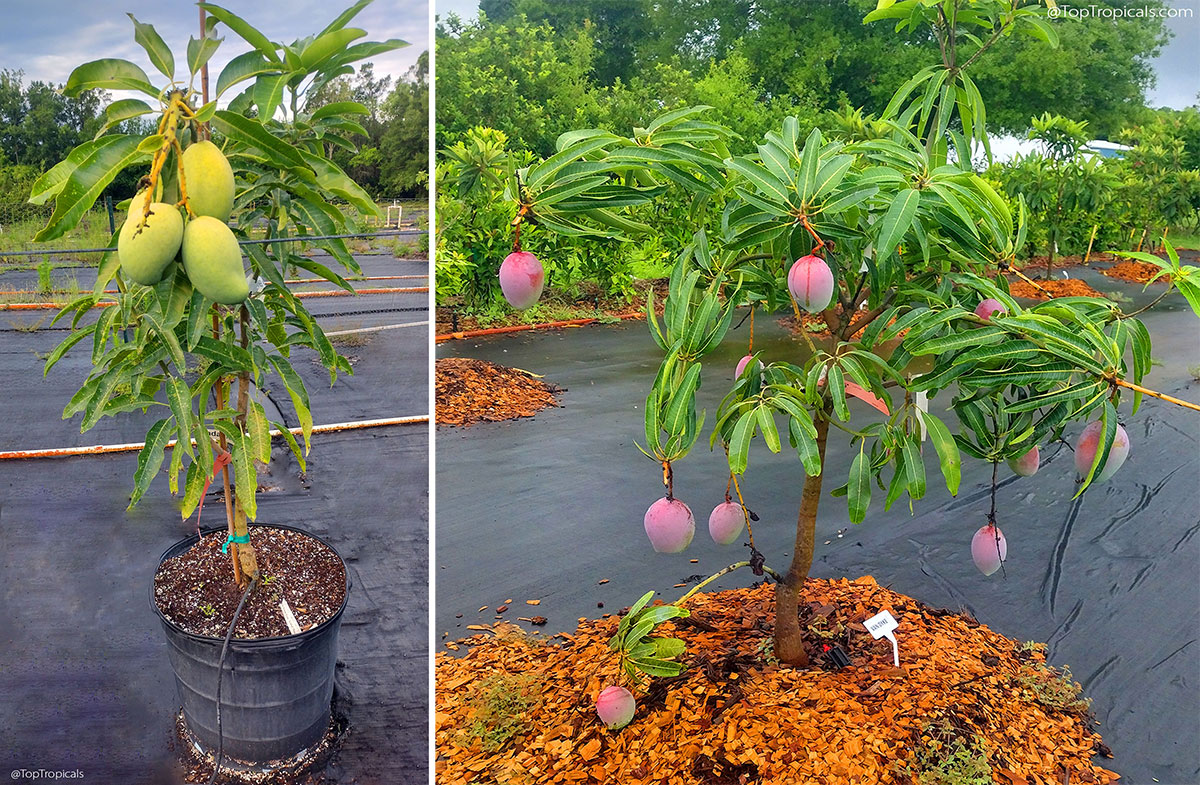
Comparison  of  Mango  trees  growing  in  container  and  in  ground  at  Top 


Tropicals  nursery  -  potted  tree  with  large  green  fruit  and  in-ground  tree 


with  ripe  purple  fruit  ready  for 


harvest

These are not seedlings — they’re grafted trees, which means you get the true variety with known flavor, quality, and performance. Large grafted trees give you a real head start:

  • Already mature with a strong root system.
  • Handle transplanting and weather shifts with ease.
  • Can bloom and fruit in the first or second season.

No guessing, no waiting years — you’ll get the exact fruit you want, sooner.

  • 👉 Learn more: How long does it take for a mango tree to bear fruit?

    For Indoor and Patio Growers

    No space for a full orchard? You can still grow your own tropical paradise! Our large grafted Condo Mango trees adapt beautifully to big containers on patios, balconies, and sunrooms. They stay compact, flower sooner, and can fruit even in pots when given good light and warmth.

  • 👉 Learn more: What are the Condo Mangos?

    Bring the tropics indoors — move your tree outside for summer sun, then back inside before frost. It’s the perfect way to enjoy homegrown fruit wherever you live.

    Give your garden a smart start this season. Large grafted Mango trees are ready — but only for a short time before winter.

    👉 Plant now, harvest sooner, and enjoy the true variety!

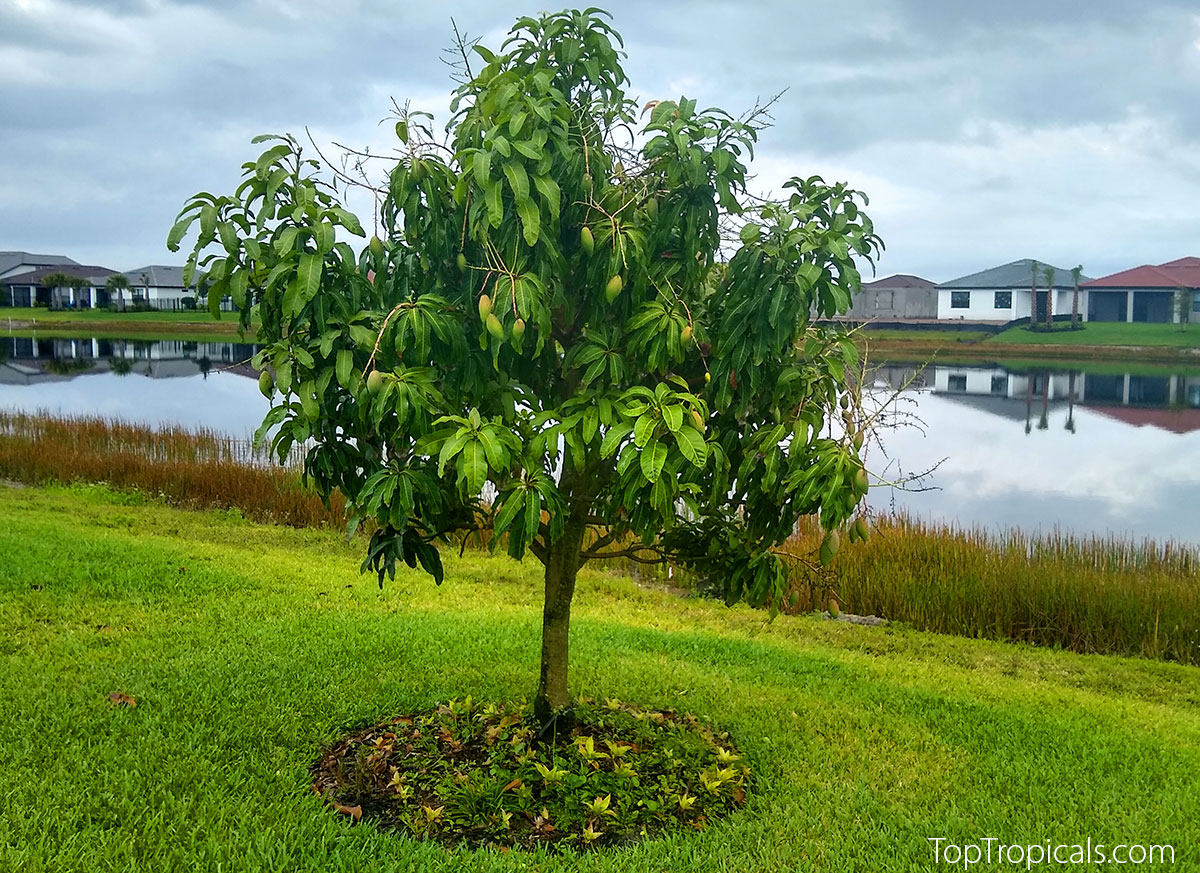
    Mango  tree  growing  by  a  lake  in  a  Florida  backyard,  healthy  green 


foliage  and  young  fruit  developing  on 


branches

    Plant Care Tips by Top Tropicals Plant Expert Tatiana Anderson

    Large grafted Mango trees are easy to establish.

    • Soil: Well-drained, rich mix — avoid heavy clay.
    • Water: Deeply once or twice a week after the tree is established; keep soil evenly moist during the first few weeks after planting.
    • Light: Full sun or bright patio spot.
    • Feeding: Use balanced fertilizer Sunshine Boosters Mango Tango with every watering and Green Magic controlled release fertilizer every 6 months for steady growth.
    • Protection: Cover on cold nights for the first winter.
    • 👉 Learn more: How to take care of a mango tree in winter.

    Plant once, care lightly, and your tree will reward you with fast growth and early fruit.

    🌳 Big Trees, Local Pickup Only

    For our local gardeners, we have something special. Extra-large 15- and 25-gallon Mango trees. These are full, mature specimens that simply can’t be shipped, but they’re perfect for local pickup or delivery.

    Instant Impact and Faster Fruit

    These trees already have strong trunks, big root systems, and start blooming next Spring. Plant one in your yard and it instantly looks like it’s been there for years.

    Delivery and Installation

    We offer local delivery and professional installation for large trees in the nearby area. Our team can bring the tree to your garden, position it correctly, and help with planting and setup.

    👉 Contact us to arrange delivery and installation for your 15- or 25-gallon tree.

    Limited Availability: Quantities are small, and these big trees go fast — once sold, they won’t be available again until next growing season.

    "Large grafted trees give you a head start — they’re stronger, settle in faster, and can reward you with fruit the very next season," says Tatiana Anderson

    🎥 Watch Short Videos:

    🛒 Shop Mango trees

Date: 6 Sep 2025

Avocado coconut popsicles: Quick-n-Fun exotic recipes

Avocado coconut popsicles

Avocado coconut popsicles

🍴 Avocado coconut popsicles: Quick-n-Fun exotic recipes

  • 🔵Puree avocado with coconut milk and sugar.
  • 🔵Pour into molds and freeze.
  • 🔵Enjoy the creamiest tropical ice pops ever!


🛒 For home-grown ingredients you will need:


Home grown Avocado
Home grown Coconut

Avocado Coconut Popsicles

Ingredients

  • 2 ripe avocados
  • 1 cup coconut milk
  • 2 tbsp sugar (or to taste)

Instructions

  1. Puree avocado with coconut milk and sugar.
  2. Pour into molds and freeze.
  3. Enjoy the creamiest tropical ice pops ever!

#Food_Forest #Recipes #Avocado

🟢 Join 👉 TopTropicals

Date: 15 Dec 2025

🌿 Bring the Jungle Inside: Winter Survival Guide. Part 3. Watering and Humidity. ❄️


💦 Water, Humidity, and the Small Things That Decide Who Makes It to Spring

Smokey  the  tuxedo  cat  checks  soil  moisture  and  wipes  a  monstera  leaf 
 

while  Sunshine  the  ginger  cat  relaxes  with  a  watering  can  beside  indoor 
 

tropical  plants  in  winter.

Smokey: "Still damp. No watering today."
Sunshine: "Great. I am excellent at not watering."
Smokey: "You have been practicing not doing any work your whole life."

In Part 1 (Winter Survival Guide: Temperature) we covered the foundation: light, placement, and acclimation. That is the survival layer.

Part 2 (Winter Survival Guide: Temperature) is about what quietly ruins plants indoors in winter. Not overnight. Slowly.

Most winter losses come from good intentions and habits that worked fine outdoors or in summer, but fail indoors when growth slows.

Watering: Where Most Indoor Plants Die in Winter

If there is one winter skill that matters more than anything else, it is knowing when not to water.

In winter, light is weaker, temperatures are lower, roots stay cold longer, and growth slows or stops. Plants simply do not drink the way they do in summer.

How winter watering actually works

Do not water on a schedule. Winter does not care about your calendar.

Instead:

  • Water thoroughly when you do water.
  • Let excess drain out.
  • Then wait longer than feels comfortable.

Before watering, test the soil with your finger. Water only when the top inch or so is dry.

If the soil below still feels cool and damp, do nothing. That is the hardest skill to learn.

Remember what we covered in Part 1: in winter, soil and roots stay cold much longer. Cold roots absorb water very slowly. Wet, cold soil is not helpful moisture. It is stress.

Waiting is often the correct move.

Common winter watering traps

  • The soil surface looks dry, but the root ball is still wet.
  • Pots near windows dry unevenly.
  • Large pots stay wet for weeks.

Always check below the surface. If the pot feels cold and heavy, roots are not asking for water yet.

Signs you are watering too much

  • Soil stays wet for many days.
  • Pot feels heavy long after watering.
  • Leaves yellow and soften.
  • Fungus gnats appear.

As a rough guideline, most indoor tropicals need 25 to 50 percent less water than summer, sometimes even less in low light.

Always use room temperature water. Cold water shocks roots and slows recovery.

Humidity: Invisible Winter Stress

Winter indoor air is dry. Often far drier than people realize.

Heating systems pull moisture out of the air, and many homes sit at 20 to 30 percent humidity all winter. Most tropical plants prefer something closer to 50 to 60 percent.

Low humidity rarely kills plants outright. It weakens them first. That is why pests show up more often in winter. The plant is already stressed before insects arrive.

What low humidity looks like

  • Brown or crispy leaf edges.
  • Curling leaves.
  • New leaves stuck while unfolding.
  • Spider mites appearing suddenly.

What actually helps

  • Group plants together.
  • Use pebble trays.
  • Run a room humidifier.
  • Use bathrooms if light allows.

Humidity works best when plants are grouped. One isolated plant in dry air struggles far more than a group sharing moisture.

Misting leaves feels helpful, but it only raises humidity for minutes. It does not fix dry air.

Cleaning Leaves: More Important Than It Sounds

Winter light is already weak. Dust makes it worse.

Dusty leaves block light, clog stomata, and create hiding places for pests.

Wiping leaves is one of the simplest winter care steps, and one of the most ignored.

How to clean

  • Soft cloth.
  • Plain water.
  • Mild soap if needed.

Gently wipe. No scrubbing. Every few weeks is enough.

Plants with fuzzy leaves, like African violets, should only be brushed gently with a dry brush.

Clean leaves also make problems easier to see. You will spot mites, scale, or damage early instead of discovering it weeks later.

Winter is not the season to be surprised.

Soil and Pots Behave Differently Indoors

Soil that works outdoors often behaves badly indoors. No wind, lower evaporation, and cooler roots mean the same soil stays wet far longer than expected.

In winter, roots care more about oxygen than water. Soil that stays wet pushes oxygen out, even if the plant looks fine above the soil line.

This is why rot often appears suddenly in late winter, not right after watering mistakes.

Pot size matters

Large pots dry slowly. Slow drying plus cool soil equals rot.

If a plant is barely growing, a very large pot is not doing it any favors.

About repotting

Winter is not the time to repot unless you must.

Only repot if:

  • Roots are rotting.
  • Pests are severe.
  • The plant is clearly failing.

Repotting in winter slows recovery and often makes things worse.

Airflow: Quietly Important

Indoor winter air is still. Still air leads to mold, fungus, and spider mites.

Airflow is not about cooling plants. It is about breaking stagnant air layers that pests and fungus love.

A small fan on low, not blowing directly on plants, makes a big difference. Even gentle movement helps more than people expect.

Drainage and Mold: Boring but Critical

Never let pots sit in water.

Standing water causes root rot, fungus gnats, and mold smell. Always empty trays after watering.

Raise pots slightly so air can move underneath. It helps more than people expect.

If you smell sour soil or a musty odor, something is staying wet too long. That smell is an early warning, not a minor issue.

Fertilizer: Mostly Stop

This is where a lot of winter damage happens.

If a plant is not actively growing, fertilizer does not help. It hurts.

In winter, most indoor tropicals are in maintenance mode, not growth mode. Feeding during this time leads to salt buildup, root burn, and weak, floppy growth.

Green leaves do not mean the plant is growing. They often just mean the plant has not given up yet.

Growth shows up as new leaves, longer stems, or expanding roots. No growth means no feeding.

When light feeding is acceptable

Only if all of these are true:

  • The plant is warm.
  • Light is strong.
  • You see real new growth.

Even then, feed lightly and less often than summer.

Spring will come. You do not need to force it.

Common Winter Care Mistakes

  • Watering on a schedule.
  • Misting instead of humidifying.
  • Fertilizing to fix poor light.
  • Ignoring cold windowsills.
  • Placing pots on cold tile or stone.
  • Repotting out of boredom.
  • Letting trays stay wet.
  • Assuming green leaves mean growth.
  • Assuming winter leaf drop always means death.

Quick Winter FAQ

My soil stays wet forever.
Too little light, too cold, or pot too large. Water less.

Leaves are crispy but soil is wet.
Low humidity combined with overwatering.

Should I mist every day?
No. Fix the air, not the leaves.

Can I fertilize just a little?
Only if the plant is clearly growing.

Why do I suddenly have fungus gnats?
Wet soil indoors is the invitation.

My plant looks fine but has not grown in months. Is that bad?
No. Stability is success in winter.
Date: 12 Dec 2023

Easy compact bush for sandy soil

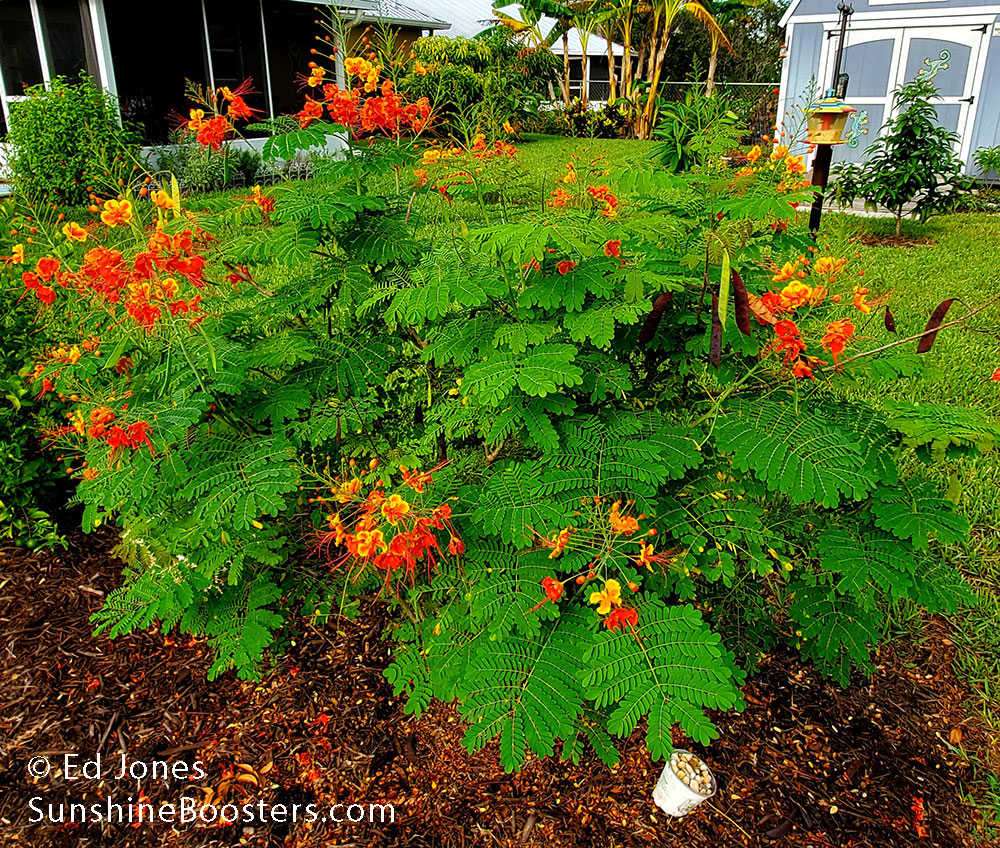
Caesalpinia  pulcherrima  -  Red  Dwarf  Poinciana,  Bird  of  Paradise

Caesalpinia pulcherrima - Red Dwarf Poinciana, Bird of Paradise.

Q: Can you recommend a flowering bush that will be in full sun and in sandy soil. I do not want it to exceed 10 feet.

A: For a garden specimen bush that is medium size and tolerates poor soils, we can recommend to choose from the plants below. These are all easy to grow, not fussy about soil and water, and stay compact and require minimal or no trimming at all.

Calliandra surinamensis - Powderpuff - 6-8 ft
Hibiscus mutabilis Cotton Candy - Mallow Hibiscus - 5-6 ft
Dombeya seminole - Tropical Rose Hydrangea 4-6 ft
Allamanda schottii - Dwarf Allamanda Bush 3-4 ft
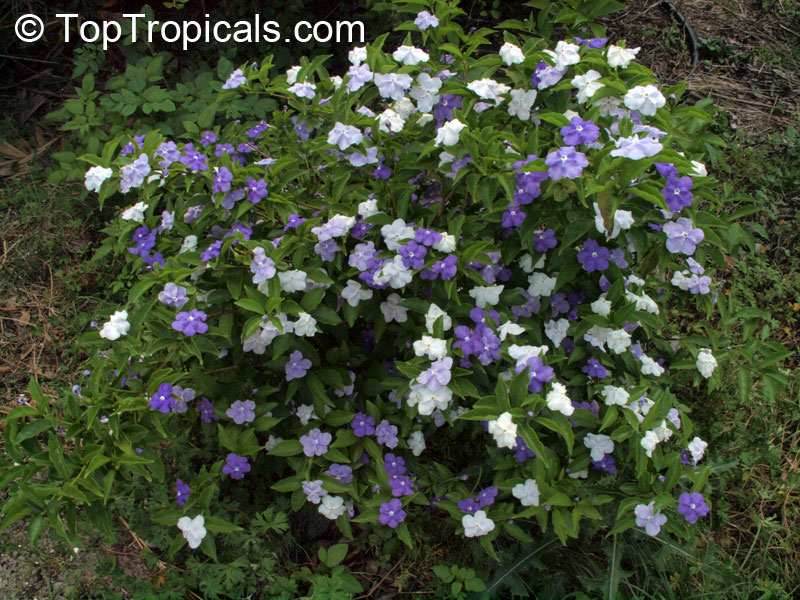
Brunfelsia pauciflora Compacta - Dwarf Yesterday-Today-Tomorrow - 4-5 ft
Calliandra schultzii - Dwarf calliandra - 4-5 ft
Plumbago auriculata Imperial Blue
Caesalpinia pulcherrima - Red Dwarf Poinciana, Bird of Paradise - 2-4 ft
Hibiscus schizopetalus - Coral Hibiscus - 5-6 ft
Jatropha integerrima compacta - 4-5 ft
Clerodendrum bungei - Glory Bower - tolerates shade, 4-5 ft
Eranthemum pulchellum - Blue Sage, Lead Flower (prefers shade) - 4-5 ft
Magnolia figo - Banana Magnolia - small tree, 6-8 ft
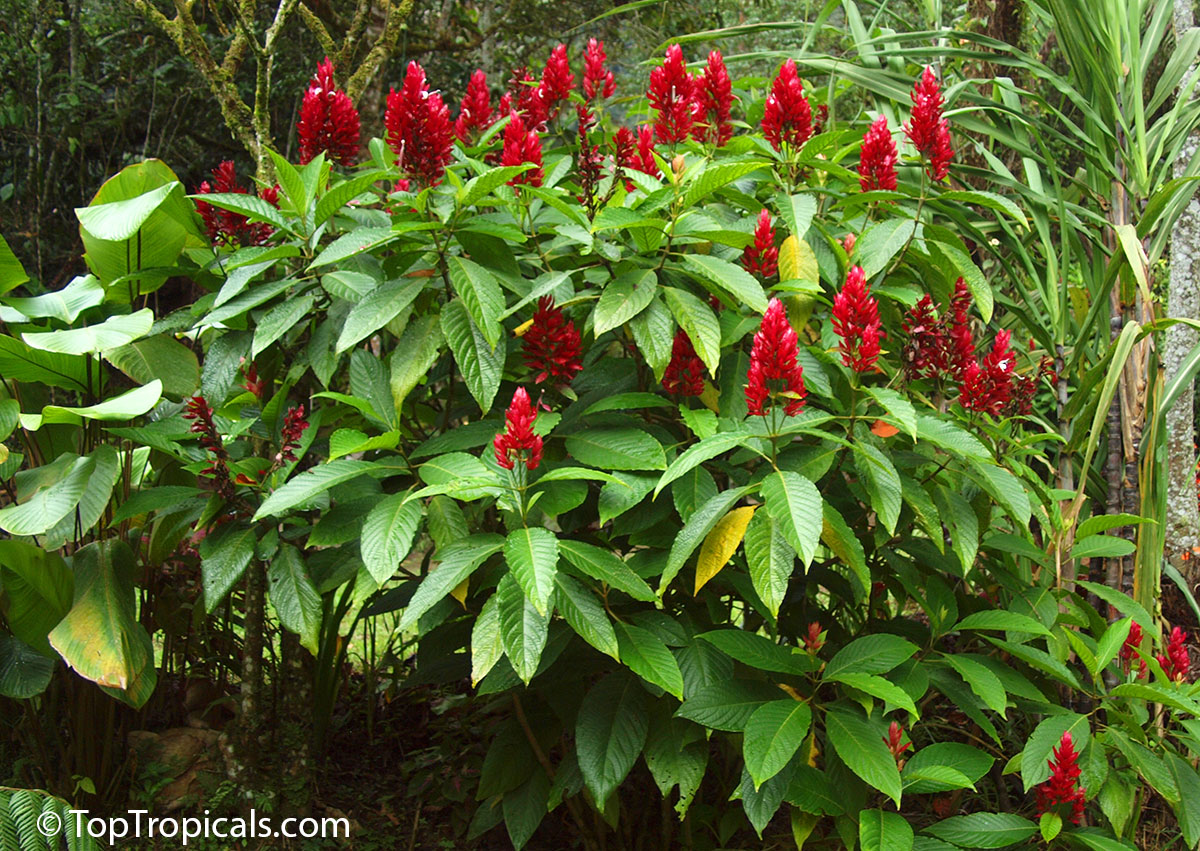
Megaskepasma erythrochlamys - Brazilian plume (tolerates shade) - 5-6 ft
Tibouchina lepidota - Ecuador Princess, Jules Dwarf - 3-4 ft
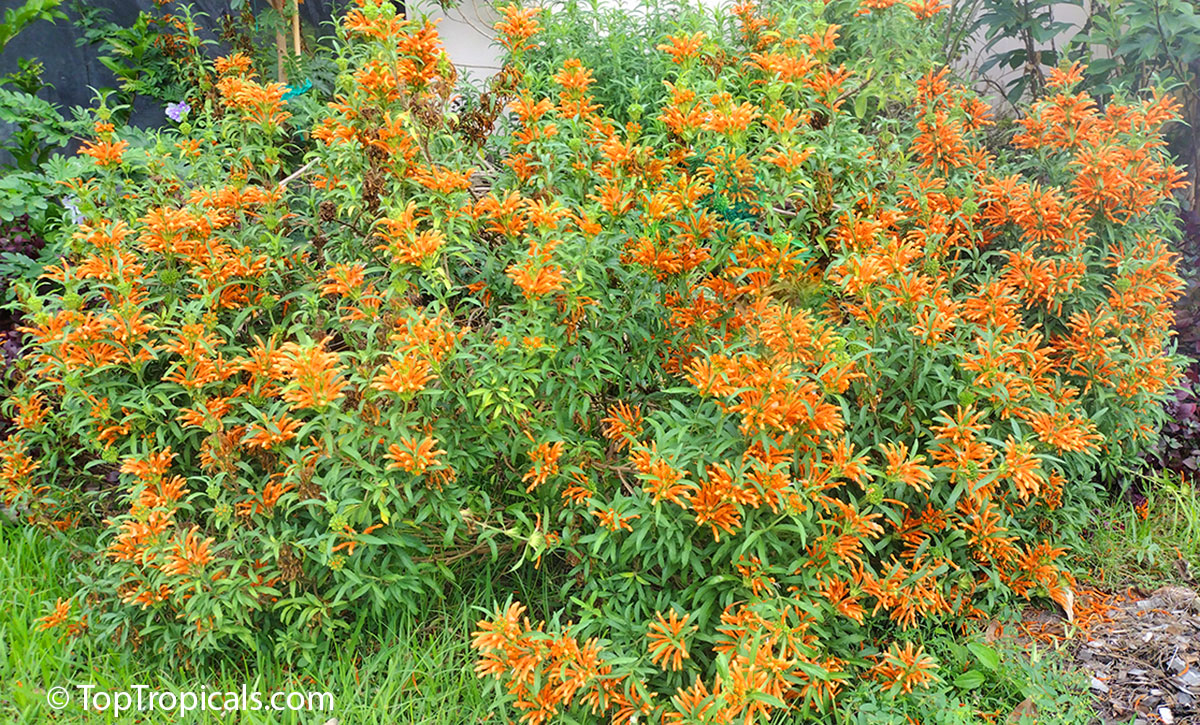
Leonotis leonurus - Lions Ears - 3-4 ft

Also, for your further reference, check out the reference chart Hedges with Benefits Chart to see different flowering bushes that are great for hedges as well as garden specimens, depending on your specific needs.

Megaskepasma  erythrochlamys  -  Brazilian  plume

Megaskepasma erythrochlamys - Brazilian plume.

Brunfelsia  pauciflora  Compacta  -  Dwarf  Yesterday-Today-Tomorrow

Brunfelsia pauciflora Compacta - Dwarf Yesterday-Today-Tomorrow.

  Leonotis  leonurus  -  Lions  Ears

Leonotis leonurus - Lions Ears.

Date: 15 Jun 2021

Healthy Plants: Q&A from Mr Booster

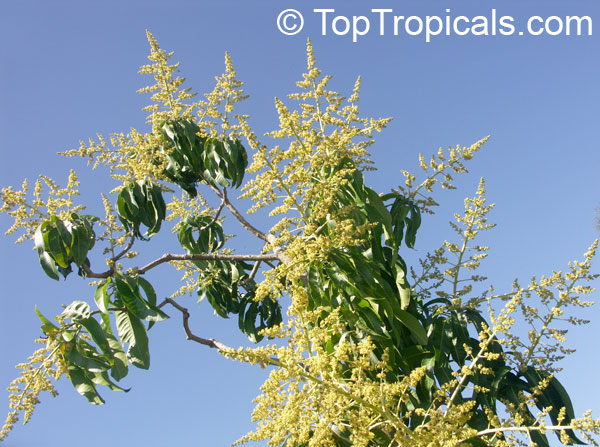
How to prevent mango flowers drop

Q:The mango blossoms my tree had in February have blown off due to weather conditions. Do you know what I can do to prevent this from happening again in the future?

A: The only "guarantee" to protect mango flowers from cold weather damage here in Florida is to plant a LATE flowering variety. Generally, mango trees are winter bloomers. Those varieties called "early season" start flowering in January (for example, Nam Doc Mai), and of course very often they get affected by cold, so they drop. Some varieties are so called "late season" - for example Venus. They start flowering in spring when the weather conditions are more favorable.
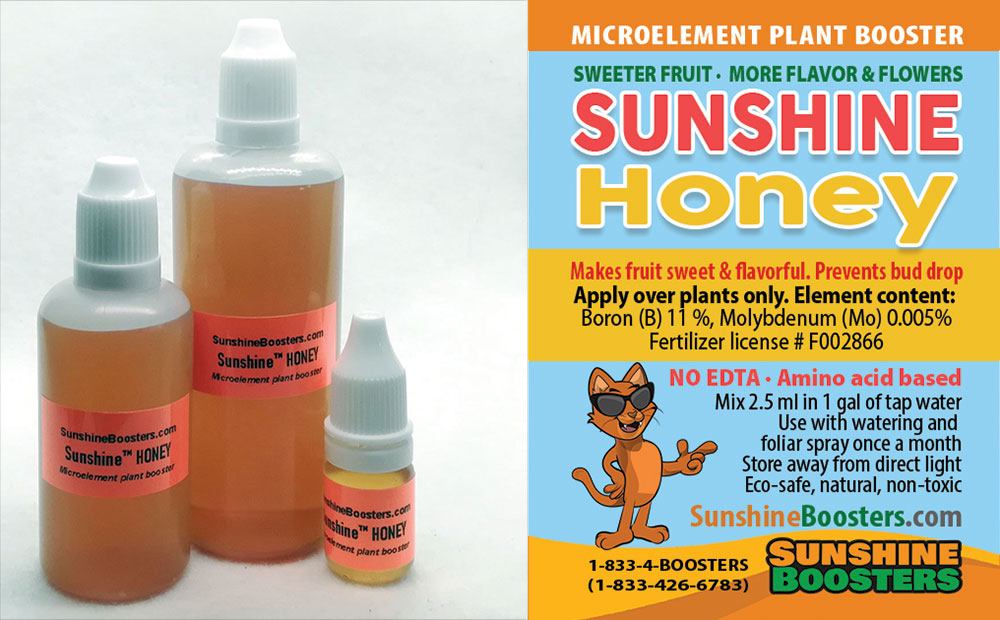
Another thing that may help you with mango flower drop is applying plant micro-element supplement Sunshine-Honey - it contains Molybdenum and Boron, which help flower and fruit development/strength and prevent their drop.

Read more: Boosting Mango Flowers and Fruit.