Date: 5 Sep 2019
How to get Jasmines to flower
Q: On the picture, these are a few of the jasmine plants that I have from Top Tropicals. I have bought so many plants from you over the years, not just jasmine. I have several varieties of jasmine. They were all doing very well. However this year I didn't get a single flower. There are a lot of buds... But before the buds open they become brown and withered. I bought fertilizer from you. Fertilized the plants once a month like I always do. I water the plants once a week. I repotted the plants hoping that would take care of this problem. Some of the jasmine plants I pruned... the plants came back vigorous growth with a lot of buds... BUT it is the same problem! Please help.
A: One of the possible reasons why they have flower issues is - maybe they don't have enough sunlight. They need to be in full sun all day long for profuse blooming and proper flower forming. However since the buds are forming, there may be just enough light. In this case, dropping buds may be a sign of overwatering.
Important steps - how to make Jasmine Sambac flower:
1. Soil. Use only well-drained soil
2. Water. Keep plants on a dry side and never over water. If the top of the soil is still moist, do not water.
3. Sun. Keep in full sun all day long. The more sun, the more flowers.
4. Bloom booster. Use Flower booster fertilizers:
Pink N Good Daily Plant Food - Flower Booster
Fragrant Plant Special booster, this 90-day Smart-Release container
plant food:
Plumeria Top Dress - Smart-Release Booster
Do not use fertilizers with high Nitrogen (1st number in NPK formula)
- those will promote more leaves instead of flowers.
5. Micro-elements. Use Apply micro-elements, they will help the
plant to develop healthy and long-lasting flowers:
SUNSHINE SuperFood - plant booster
Here is more information on growing Jasmine
Date: 29 Aug 2019
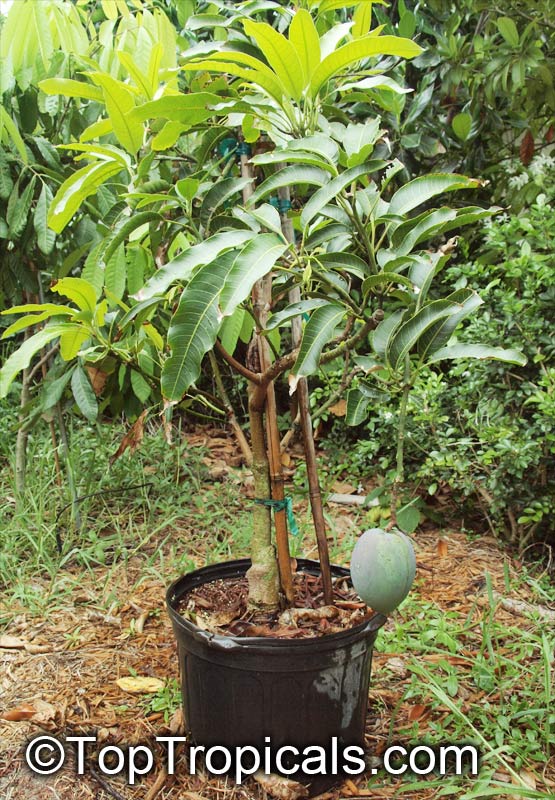
How to establish a Mango Tree
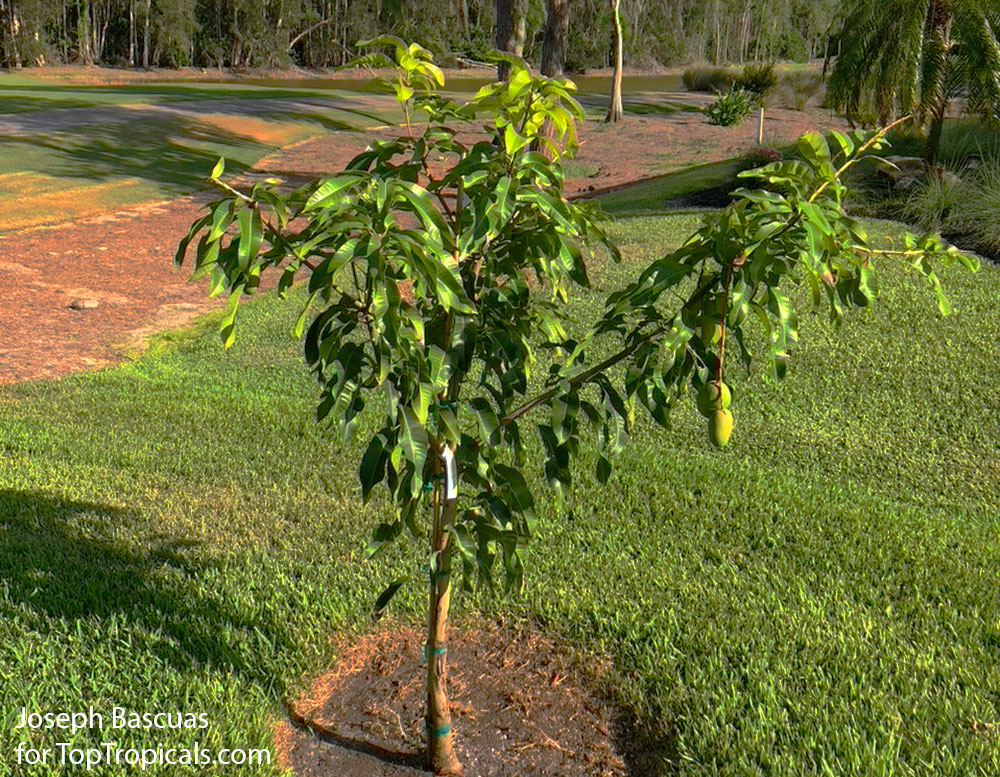
Q: I received my mango tree from you on Monday and it looked beautiful. I followed the instructions and kept it out of direct sun. I watered it a little each day when the potting mix was dry to the touch. But the leaves are turning yellow and brown then falling off. Should I have removed the tree from the soil it was packed in?
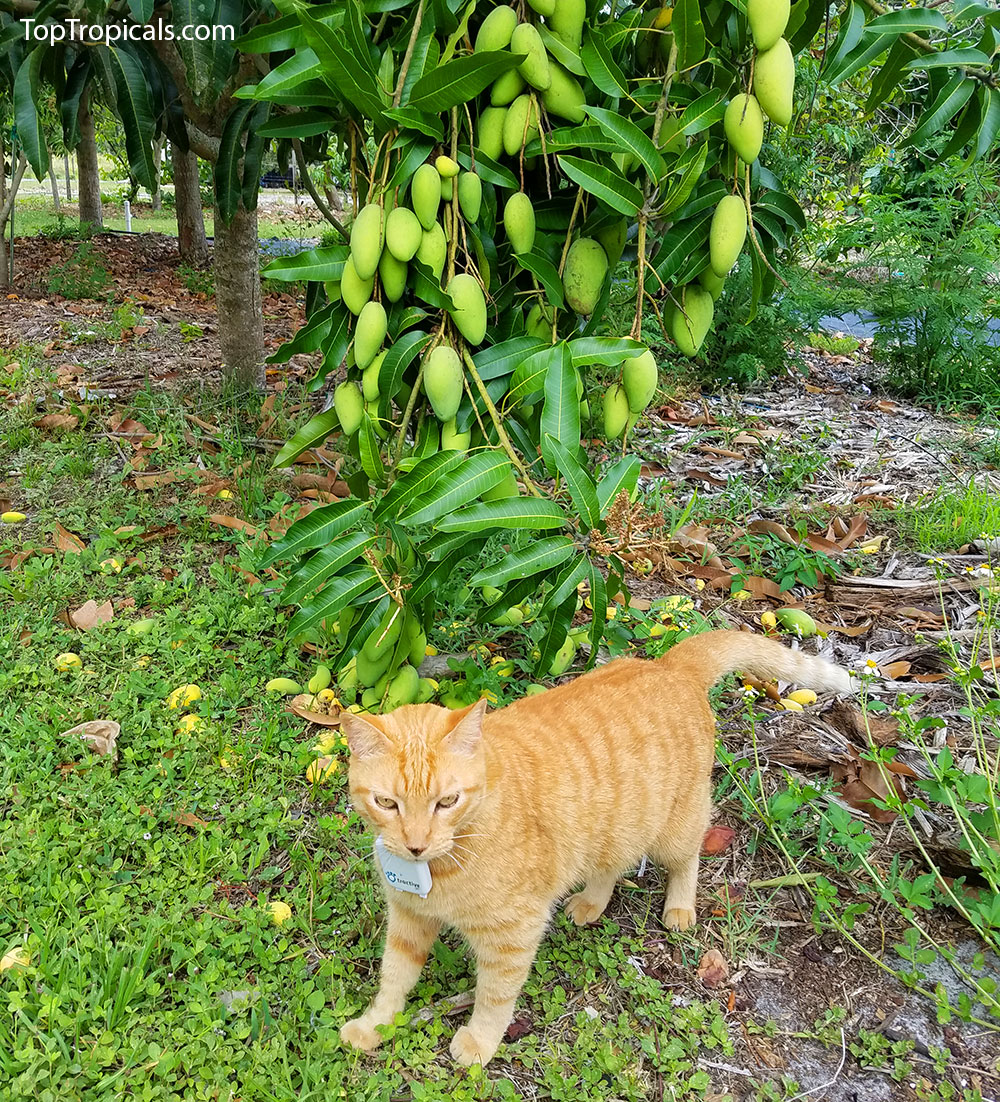
A: Leaf drop and dry/yellow leaves are normal symptoms of shipping stress. Your mango tree looks healthy overall. Considering you have high humidity now in Louisiana, the plant should recover soon under proper care. These are important tips:
- Keep the plant in bright shade, away from direct sun - at least for a
week, then you may start moving it gradually to semi-shade, then to full sun
within a few days.
- Do not over-water. If the top of the soil is still moist, do not
water until it dries a little bit. Mango prefers to stay on a dry side. From this
point, over-watering is more dangerous than under-watering. You may skip a
watering if in doubt.
- If it rains every day, make sure to keep the pot under the roof to
protect from excessive water.
- Do not remove original soil and do not disturb roots.
- You used the right container size and looks like you have a quality soil with good drainage. Keep the plant in this container at
least for a few months. You may step it up only when you see a lot of active
growth of branches and leaves - this means, the root system is developing fast
too.
- do not fertilize until you see new growth. Then use Mango Food Smart release.
- to help the plant recover from stress, you may use SUNSHINE-E booster and micro-element foliar spray with SUNSHINE-Superfood
Date: 26 May 2024
How to grow Bottle brush trees
Q: Please recommend me a cold hardy flowering tree that doesn't need much care.
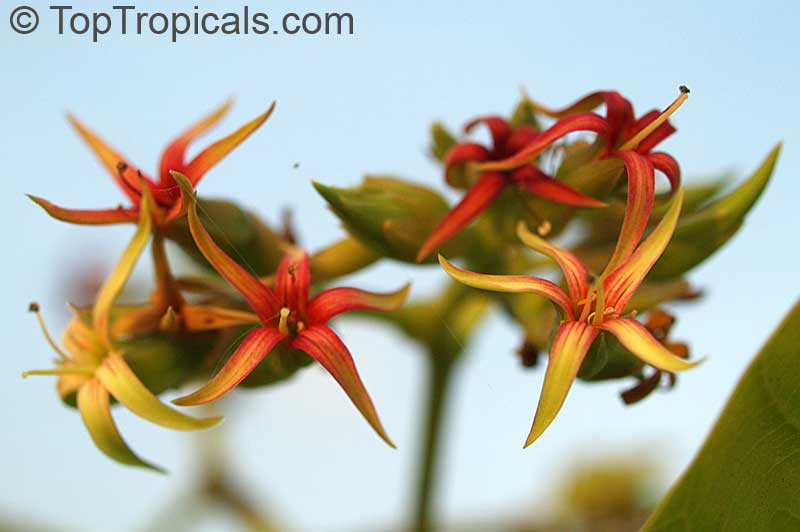
A: Growing bottle brush trees (Callistemon spp.) can be a rewarding experience, as they are known for their striking, brush-like flowers and ability to attract pollinators. Here are some detailed tips to help you successfully grow and maintain these trees.
Hardiness
Bottle brush trees are best suited for USDA hardiness zones 8-11. They thrive in warm climates and can tolerate some light frost, but severe cold can damage or kill the plant.
Planting Location
Sunlight: Bottle brush trees require full sun to thrive. Ensure they get at least 6-8 hours of direct sunlight per day.
Soil: They prefer well-draining soil. While they are relatively tolerant of poor soil conditions, a sandy or loamy
Space: Consider the mature size of the tree when planting. Some species can grow quite large, so provide enough space for them to spread without being crowded by other plants or structures.
Attracting Pollinators
Bottle brush trees are popular with pollinators. Their bright, nectar-rich flowers attract bees, butterflies, and birds, particularly hummingbirds. This makes them an excellent choice for a garden designed to support local wildlife.
Blooming and Fertilization
Bottle brush trees typically bloom in late spring to early summer. However, in mild climates, they may have sporadic blooms throughout the year.
Fertilization: While bottle brush trees do not require heavy fertilization, applying a balanced, slow-release fertilizer in spring can promote healthier growth and more abundant blooms. Be cautious not to over-fertilize, as this can lead to excessive foliage growth at the expense of flowers. During the year, use |find_name=Sunshine Boosters Megaflor(Sunshine Megaflor)| - it is safe to use with every watering, year around.
Watering
During the establishment period, keep the soil moist. Once established, they are quite drought-tolerant but will benefit from regular watering during dry spells.
Pruning
Prune after flowering to maintain shape and remove any dead or diseased branches. This also encourages bushier growth.
By following these guidelines, you can enjoy the beauty and benefits of bottle brush trees in your garden. Their vibrant flowers and attraction to pollinators make them a delightful addition to many landscapes.
Date: 27 May 2024
A story about John and Kayla and their little fruit tree
🍊 What is the best fertilizer for fruit trees?
SUNSHINE C-Cibus:
🔸 helps to produce strong growth, high yield, larger fruit size.
🔸 improves plant health and vigor, and increases crop yield.
🔸 eco-friendly and natural, can be used for edibles and organic gardens. Pollinating insects friendly.
🔸 safe to use in daily feeding with every watering.
🔸 does not affect crop taste.
🛒 Get SUNSHINE C-Cibus - Crop Booster for your fruit garden
#How_to #Fertilizers
🏵 @TopTropicals
Date: 22 Jun 2024
Pineapple Season started!
The most luscious Hospitality Fruit
Pineapple plant (Ananas comosus) produces a delicious fruit treat and is a fascinating plant to grow.
King of fruits. Pineapple is often referred to as the "king of fruits" (along with Durian and Mango). It is cherished for its sweet and tangy taste, refreshing qualities, culinary uses, and health benefits, including high vitamin C content and digestive enzymes.
Bromelain for healthy guts: pineapples contain an enzyme called bromelain that can break down proteins and is often used as a meat tenderizer. It's great for digestion; eat 1 slice of pineapple after every meal to maintain healthy digestive system.
Single fruit per plant: each pineapple plant produces just one pineapple per year.
Growth time: It takes about 18-24 months for a pineapple to mature and be ready for harvest.
Symbol of Hospitality: in many cultures, pineapples are a symbol of hospitality and welcome.
Those are berries! A pineapple is formed from many individual single fruit (technically, berries), which fuse together around the core.
Cultivation. Pineapples are easy to grow. They need very little water to thrive, and take full sun, shade, semi-shade. For faster production, fertilize with SUNSHINE boosters Ananas - Pineapple and Bromeliad Booster. Perfect container plant, Pineapple can be grown indoors as a houseplant. Many superior varieties are available in selection.
Learn more: The most luscious Hospitality Fruit - Pineapple.