Garden Blog - Top Tropicals

Date: 30 Apr 2026

The One Peach Tree Every Florida Gardener Should Know About: Tropic Beauty

Peach tree in full bloom
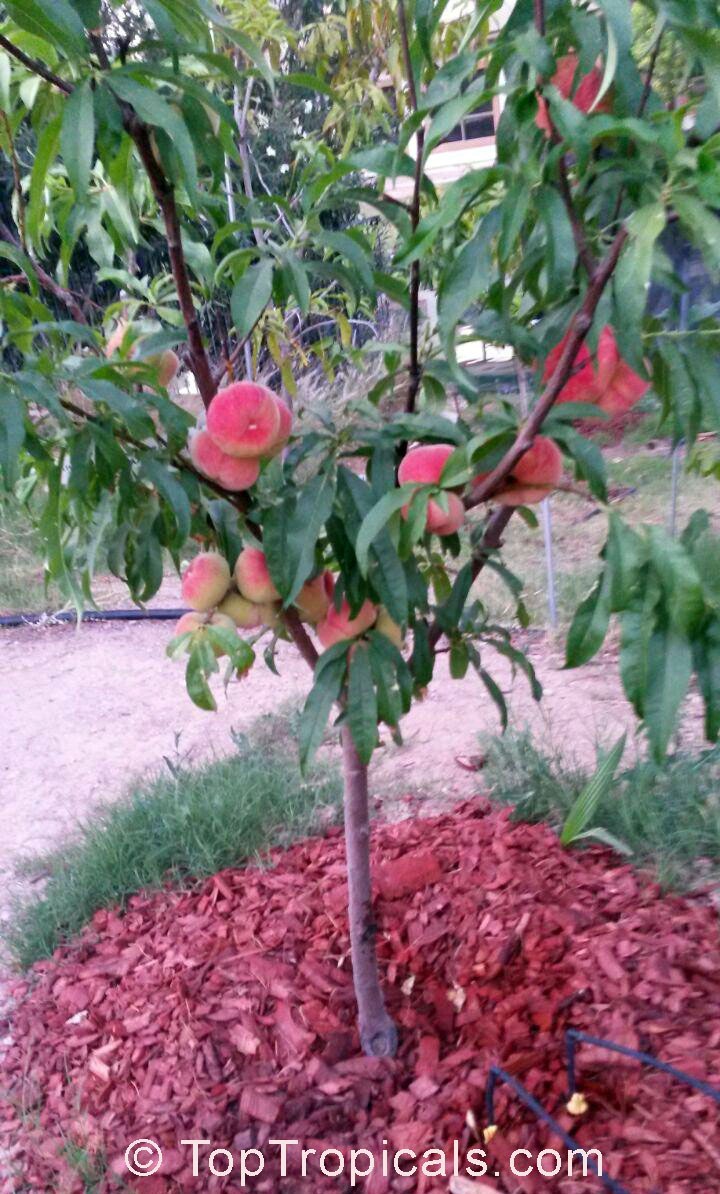
Tropic Beauty Peach tree
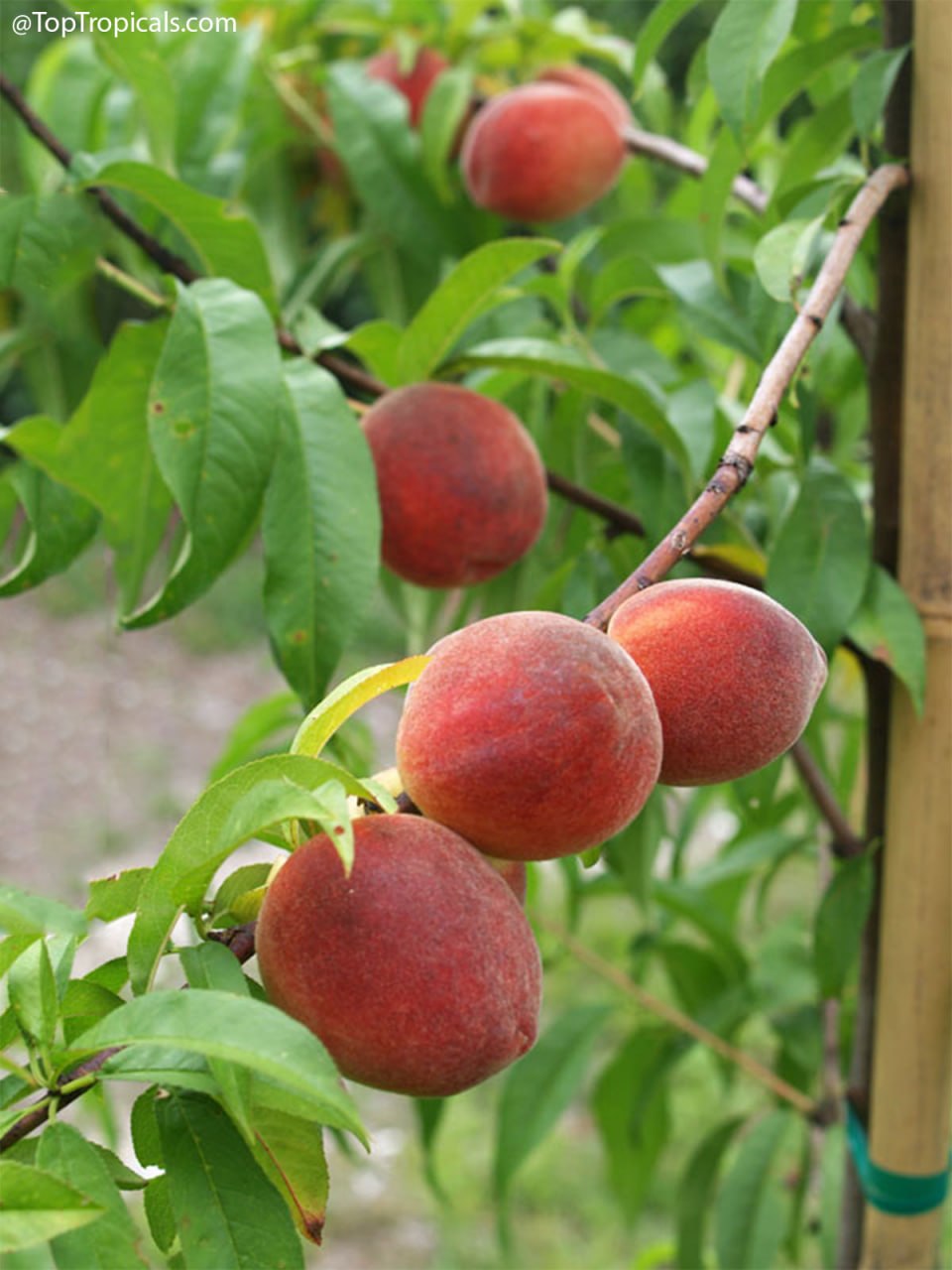
Tropic Beauty Peach tree

Tropic Beauty Peach fruit

Tropic Beauty Peach fruit

🍑 The One Peach Tree Every Florida Gardener Should Know About: Tropic Beauty


Most Florida gardeners assume peaches are off the table. Wrong climate, not enough cold, too much heat. Tropic Beauty exists specifically to prove that wrong - and it ripens in late April while the rest of the country is still waiting on summer.
  • 🍑 I Didn't Think You Could Grow Peaches Here


I'll be honest - when I first started growing fruit trees in Florida, I assumed peaches were just off the table. Too much heat, not enough cold winters, wrong climate entirely. Then someone at my local nursery pointed me toward Tropic Beauty, and that assumption went right out the window.

This variety has been around since 1989, developed jointly by the University of Florida and Texas A&M. That's over three decades of Florida gardeners growing it, eating it, and planting more of them. When a cultivar sticks around that long, it's just a good tree.
  • 🍑 Why Low Chill Actually Matters Here


    Most peaches need 700 to 1,000 chill hours - the number of hours below 45°F the tree needs during winter to break dormancy and set fruit. In central and south Florida, we're lucky to scrape together 150 to 300 hours in a mild year. That rules out most varieties before you even get started.

    Tropic Beauty only needs 150. It was built for exactly the winters we have here - cool but not cold, brief but not brutal. Most years, it gets what it needs without you thinking about it at all.
  • 🍑 What the Fruit Is Actually Like


    Medium-sized peaches, deep red blush covering about 70% of the skin over a bright yellow background. They look genuinely good on the tree - the kind of fruit that makes you grab your phone before you even pick one.

    Cut one open and you get soft, melting yellow flesh with classic sweet peach flavor, plus a little acidity to keep it interesting. The pit is semi-freestone, easy enough that you're not wrestling with it.

    If you've ever bitten into a grocery store peach and been let down - mealy texture, no real flavor - this is the opposite of that. Warm from the tree on a late April morning, it tastes like what peaches are supposed to taste like.
  • 🍑 April Harvest: Earlier Than You'd Think


    Ripening in late April, Tropic Beauty is one of the earliest peaches you can grow anywhere. Most of the country is still waiting on peach season while you're already making cobbler.

    The fruit also holds well on the tree - no need to pick everything at once. You can let them hang and harvest over a couple of weeks, which is a real convenience if you're planning to can and want to spread the work out.
  • 🍑 One Tree Is Enough (But Two Doesn't Hurt)


    Tropic Beauty is self-fertile, so it doesn't need a second tree to produce fruit. Plant one, get peaches. That matters if you're working with a smaller yard or just testing the waters.

    If you have space for two, yields do go up with cross-pollination - worth keeping in mind for a small home orchard.
  • 🍑 It Fits More Spaces Than You'd Expect


    The tree can grow 15 to 20 feet, but with regular pruning it's easy to keep around 10 feet. It also works well in containers, which makes it more accessible than most fruit trees.

    Plant it in full sun, well-drained soil. Peaches don't love wet feet, so if drainage is questionable in your yard, mounding the soil before planting is a smart move.
  • 🍑 Worth Planting?


    If you're in central or south Florida and you've been wanting to grow peaches but weren't sure it was realistic - Tropic Beauty is your answer. Proven over decades, adapted to the climate, and when it produces, it produces well.

    Some trees you plant and hope for the best. This one, you just wait for April.


🎥 Before the peaches, there's this. Tropic Beauty in full bloom - proof that a fruit tree can be just as beautiful as anything you'd plant purely for looks.

📚 Learn more:

🛒 Shop Low Chill Peaches

#Food_Forest #Discover TopTropicals

Plant Facts

Prunus persica, Amygdalus persica
Peach
USDA Zone: 9-11
Small tree 10-20 ftFull sunRegular waterWhite, off-white flowersPink flowersEdible plantDeciduous plantSubtropical plant. Mature plant cold hardy at least to 30s F for a short time

Date: 2 May 2026

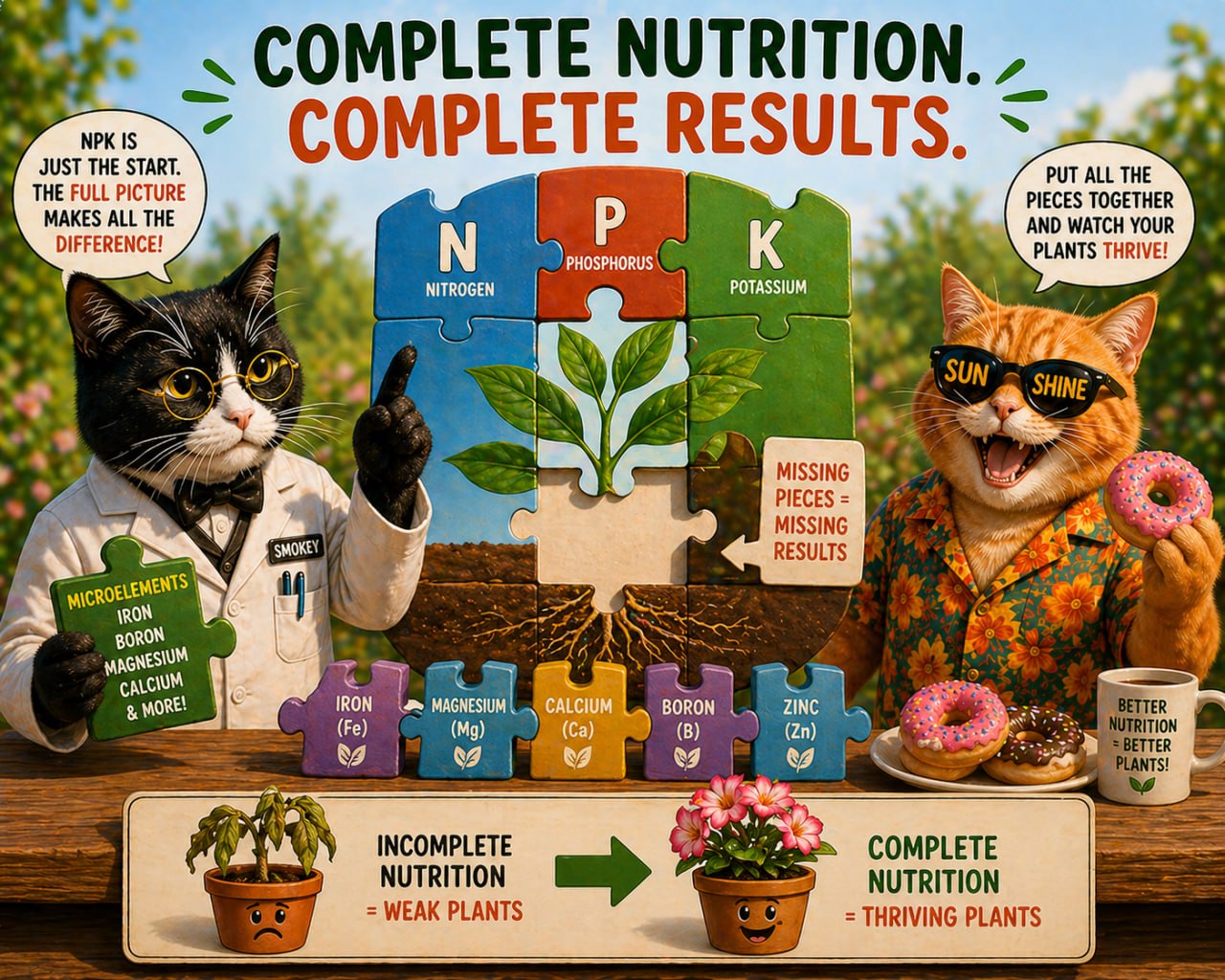
What makes Sunshine Boosters different

What makes Sunshine Boosters different

What makes Sunshine Boosters different


If your plants look stressed, slow, or inconsistent, the issue might not be your care - it might be how you’re feeding them. Most fertilizers are harder to use than they should be. Once you understand why, everything starts to make sense.

  • ☘️ Why fertilizers are so confusing?


If you’ve ever stood in front of a shelf full of fertilizers thinking "what do I even pick?" - you’re not alone.
Most feeding programs are a mess. Different brands, different formulas, different schedules. One for growth, one for bloom, one for micros, one more "just in case".
And somehow it still feels like guesswork.
Easy to overfeed. Easy to underfeed. Easy to waste money.
That’s exactly the problem Sunshine Boosters were built to solve.
The formulas are balanced and mild, so you can use them regularly without stressing about mistakes.
Now here’s where it gets interesting.

  • ☘️ The problem with traditional fertilizers


Most traditional fertilizers weren’t made for how we actually grow plants today. Dry fertilizers are built for large field use. They often carry excess salts and don’t work well in containers or soilless mixes. Many don’t even include enough trace elements.
And over time, they can build up in the soil.
Sunshine Boosters works differently.

  • ☘️ Why liquid feeding wins


First - it’s liquid.
Plants don’t eat nutrients, they drink them. Liquid feeding means nutrients are available right away. Every watering becomes feeding. No waiting, no uneven supply.

  • ☘️ Amino-acid chelation - the real difference


Second - the way nutrients are delivered is completely different.
Most fertilizers use synthetic chelators like EDTA. They keep nutrients stable, but plants have to spend energy to use them.
Sunshine Boosters use amino-acid chelation instead.
That means nutrients come in a form plants already recognize and use naturally. Less effort for the plant, more energy for growth, flowers, and fruit.
And there’s no salt buildup over time.

  • ☘️ Low salt index - better water uptake


Speaking of salts - this is a big one.
High salt levels in fertilizers actually make it harder for plants to absorb water. That’s why plants can look stressed even when the soil is wet.
Sunshine Boosters has a low salt index.
Less resistance, better water flow into the roots, better hydration, stronger plants.

  • ☘️ Faster growth without the risk


Put it all together and you get faster growth, stronger structure, more flowers and fruit - without the usual risk of burning or overdoing it.
Because the nutrient levels are balanced and not overly concentrated, they do not affect the natural taste of fruits and edibles.
The products are also safe for regular use and friendly to pollinating insects, which is important for fruit production.

☘️ Feeding made simple


And the best part?
It’s simple.
Mix Sunshine Boosters with water. Use it when you water. That’s it.

  • 👉 Stay with us - next we’ll break down how different formulas match different plant needs, so you can get even better results. 👉 More...


🛒
Get your plants real food

📚
Learn more:
📱 What are Sunshine Boosters

#Discover #Fertilizers #How_to
🟢 Join 👉 TopTropicals

Date: 3 May 2026

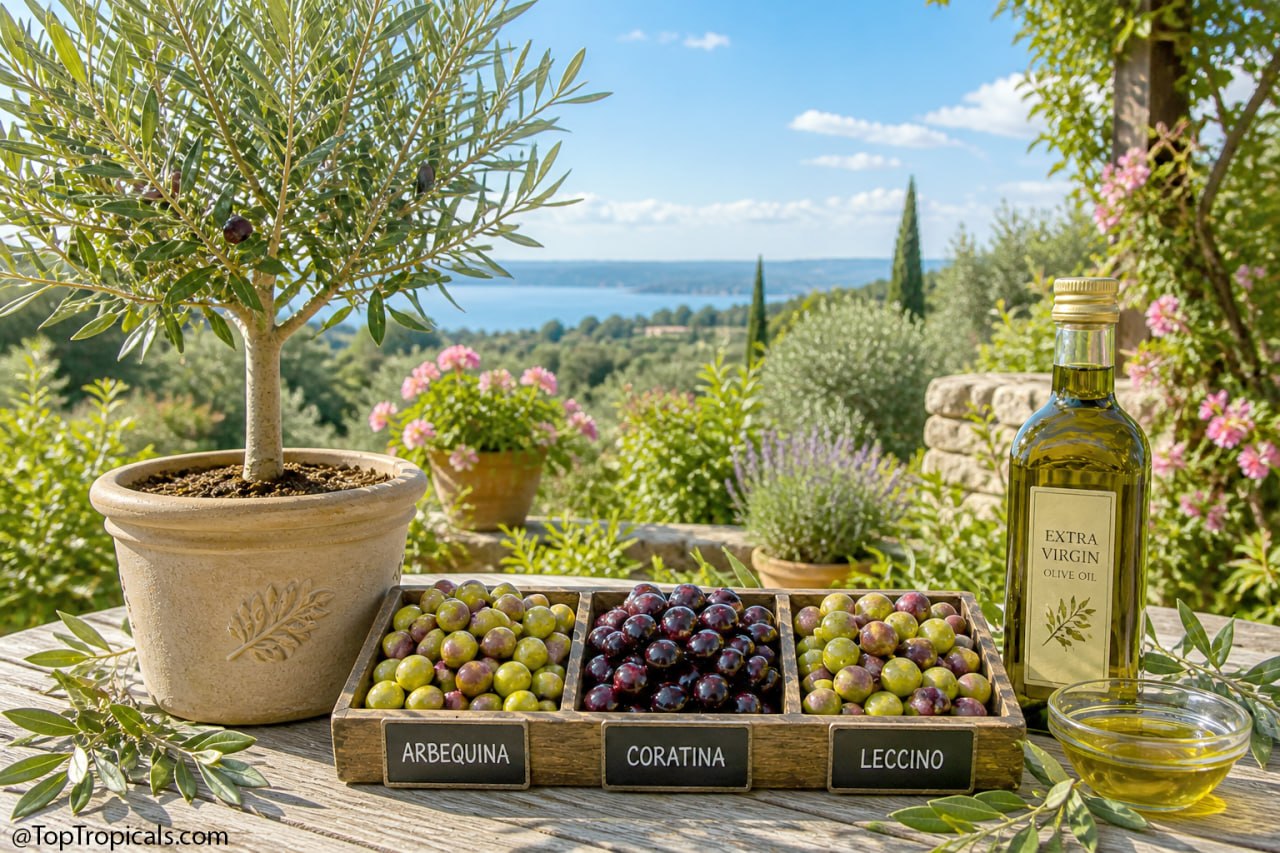
3 Olive Trees Worth Planting in Your Yard Right Now

3 Olive Trees Worth Planting in Your Yard Right Now

3 Olive Trees Worth Planting in Your Yard Right Now


Olive trees aren’t just for the Mediterranean anymore. In warm parts of the U.S. - including much of Florida - certain varieties handle heat, humidity, and even occasional cold better than people expect. If you’ve been thinking about adding something useful, low-maintenance, and long-lived to your garden, olives deserve a spot on your list. Here are three varieties that actually make sense to grow.

  • 1. Arbequina: Compact, Productive, and Beginner-Friendly


Arbequina is one of the easiest olives to grow, especially if space is limited. It is naturally compact, which makes it great for containers or small yards. It starts producing early compared to other olives, handles heat well, and adapts to different soils. The fruit is mild, buttery, and excellent for oil. If you want an olive tree that behaves well and produces without much fuss, this is the one. 👉 More...

  • 2. Coratina: Bold Flavor and Strong Growth


Coratina is a completely different type of olive - vigorous, tough, and known for intense flavor. It is fast-growing and very hardy once established, and it produces heavily under the right conditions. The fruit is high in oil content with a flavor that is strong and peppery, making it prized for premium olive oil. This is a great choice if you want a more traditional, high-performance olive tree with character. 👉 More...

  • 3. Leccino: Reliable and Cold-Tolerant


Leccino is known for consistency and is one of the most widely planted olives for a reason. It is more cold-tolerant than many other varieties and is a reliable producer year after year. It has a medium growth habit that is easy to manage, and the fruit works well for both oil and curing. If your area gets occasional cold snaps, Leccino is a safer bet. 👉 More...

  • Why olives make sense in your garden


Olives check a lot of boxes most fruit trees don’t. They are drought-tolerant once established and don’t need rich soil; average or even poor soil is fine. They are long-lived trees that can produce for decades and have low pest pressure compared to many tropical fruits. They’re not high-maintenance, and they don’t demand constant attention.

What to know before you plant


A few practical points make all the difference. Full sun is non-negotiable, and drainage matters because if water sits, the roots suffer. Light pruning keeps trees productive and manageable. Some varieties produce better with cross-pollination. In Florida conditions, airflow and avoiding overly wet soil are key.

If you want a tree that looks good, produces something useful, and doesn’t need babysitting, olives are hard to beat. Choose Arbequina for small spaces and ease, Coratina for strong growth and bold oil, or Leccino for reliability and cold tolerance. Plant one - or plant all three - and you’ll start to see why olive trees have been grown for thousands of years.

📚 Learn more:

Plant Facts

Olea europea
Olive
USDA Zone: 9-11
Plant used for bonsaiSmall tree 10-20 ftFull sunDry conditionsModerate waterEdible plantPlant attracts butterflies, hummingbirdsEthnomedical plant.
Plants marked as ethnomedical and/or described as medicinal, are not offered as medicine but rather as ornamentals or plant collectibles.
Ethnomedical statements / products have not been evaluated by the FDA and are not intended to diagnose, treat, cure, or prevent any disease. We urge all customers to consult a physician before using any supplements, herbals or medicines advertised here or elsewhere.Subtropical plant. Mature plant cold hardy at least to 30s F for a short time


🛒 Shop Olive trees

#Food_Forest #How_to #Discover

🟢 Join 👉 TopTropicals