Garden Blog - Top Tropicals

Date: 14 Nov 2018

Recovering Soursop after shipping and cold
TopTropicals.com

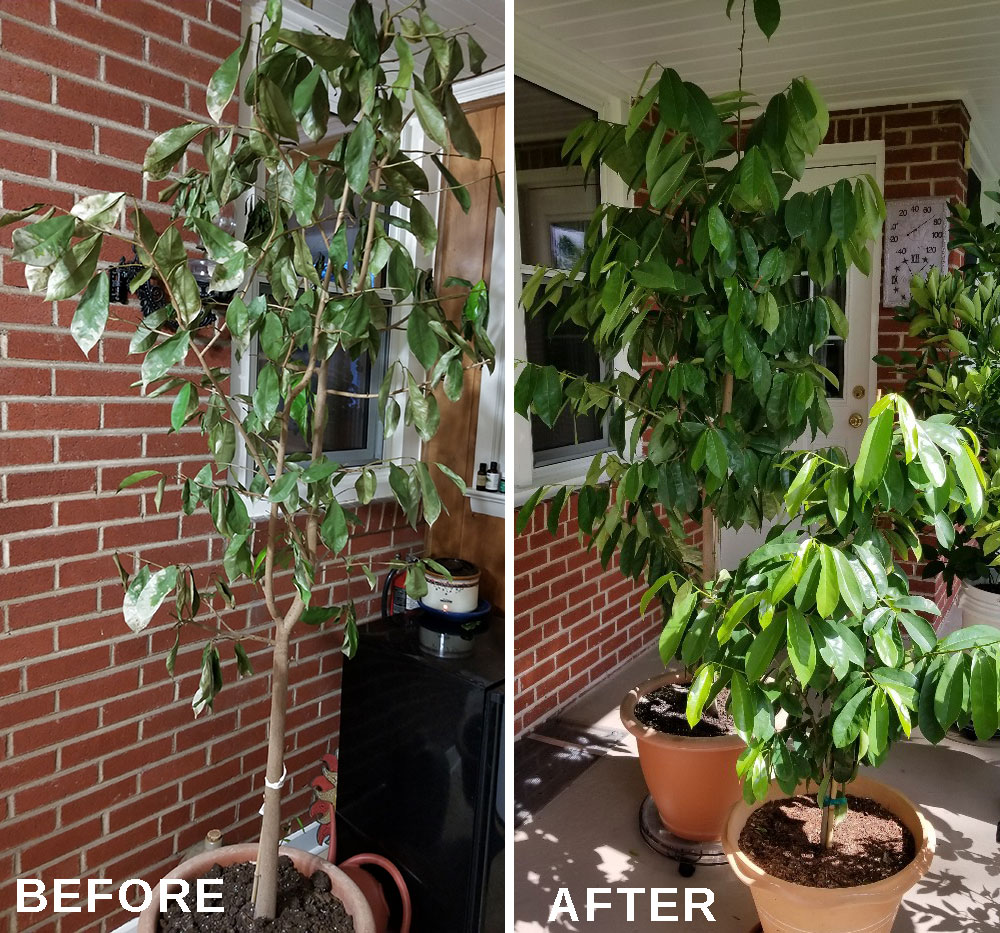
From Irene & Marjorie, PA: We wanted to share our pics with you (after Summer). I attached also the photo of the way the tree looked before your advice (back in April). The big is the one we almost lost and you gave us these instructions and it came back. These were your instructions:
"The soursop is one of my favorite fruits and I was so sad to hear yours may be dead. Good news - the tree looks great! Yes, it does have some cold damage but I'm surprised it still has leaves on it at all! In cooler weather, they typically drop all of their leaves and stay that way until spring. You can remove the damaged leaves and it will resprout new growth with the warmer temperatures."

Taking care of Soursop after shipping
Soursop - Annona muricata trees are very sensitive to temperature drops. This always causes leaf loss. After shipping, do not water until the soil gets slightly dry; keep it in bright shade. No fertilizer until the plant shows active new growth. Be patient with your plant, and it should recover soon.
Soursop is an ultra-tropical tree and doesn't take any freeze. If you live in a cooler climate, keep the plant in a pot (the good news is, Annonas, in general, have a compact nature and are perfect for container culture). Bring the tree indoors during the cold period, providing bright light.
We have a very interesting article about growing and fruiting Soursop in an apartment. Check out 4534 Tropical Treasures Magazine # 7.
Date: 25 Jul 2018

Looking for the rarest plant? This is the one!

TopTropicals

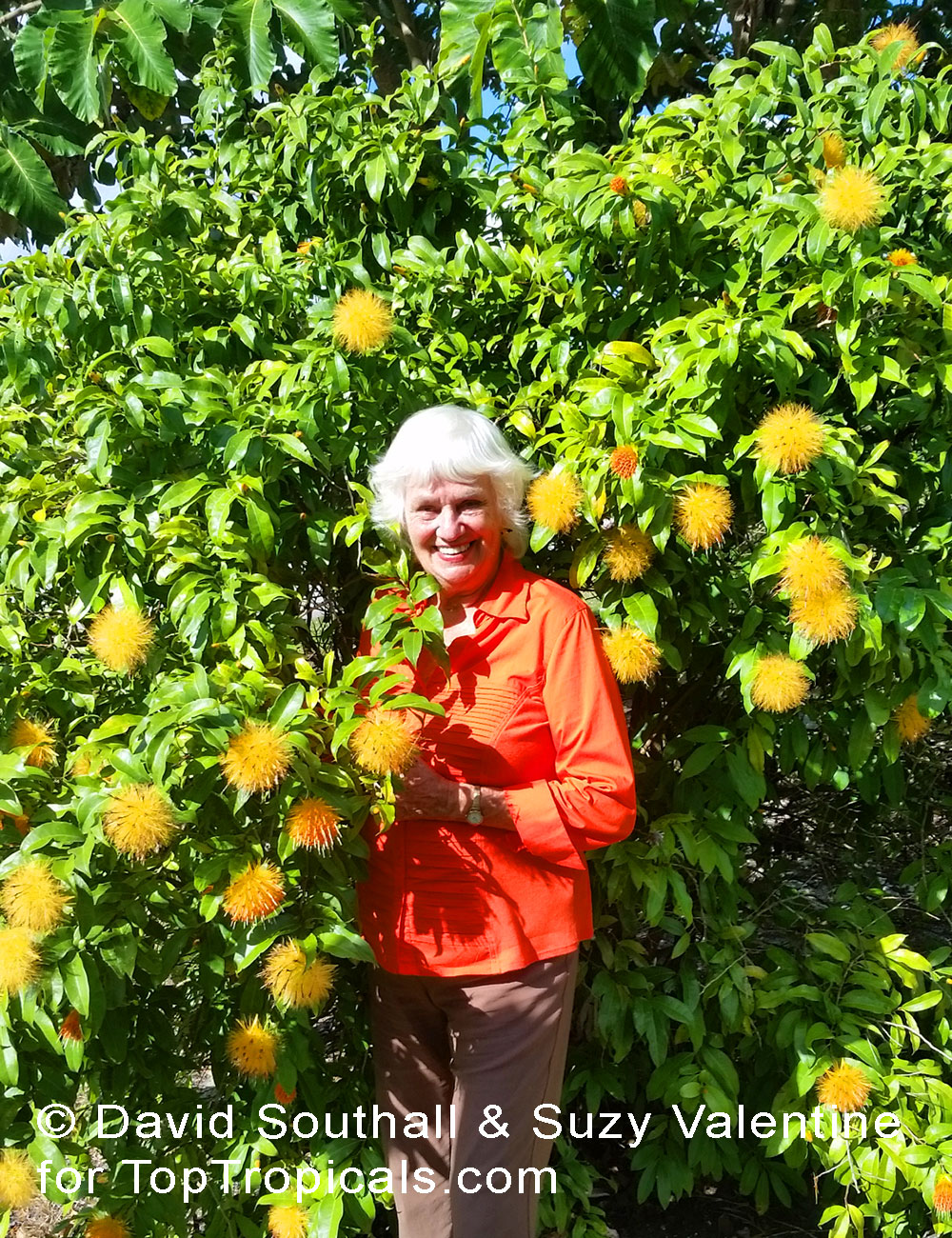
Stifftia chrysantha - Pompom, Rabo-de-Cutia

Looking for the rarest plant? This is the one!
Stifftia chrysantha is an exotic, rare flowering small tree with spectacular flowers, endemic to the vast tropical savanna ecoregion of Brazil called Cerrado. It grows into a bushy, attractive tree between 8 and 15 ft tall and starts flowering within 1.5 - 2.5 years from seed. It is a very rewarding plant that blooms 9 months out of the year, starting in Winter with great intensity during July-September, with each flower staying on the plant for several weeks. Seeds ripen from September through November.
The tree belongs to Aster family (Compositae) and has nothing to do with Powderpuffs which are from Bean (Fabaceae) family. The flower has 30 to 40 green, imbricated scales with short hairs, and actinomorphic corollas are orange below and darker above. After flowering, the inflorescence blows apart, which would scatter seeds. The dried center remaining is very attractive, like a small dried flower, and lasts for many months.
Stifftia can be grown in full sun to partial shade and is relatively cold tolerant, can take short cold spells.
The plant doesn't like wet feet and heavy/soggy soils; requires very well drained, acidic soil. We strongly recommend to use our professional soilless mix. Let soil slightly dry between waterings. It can be grown in full sun to partial shade and is relatively cold tolerant, can take short cold spells. If grown in a pot, try to keep the container shaded because roots don't like to be overheated. The plant needs monthly applications of slow release fertilizer as well as extra iron - use micro-nutrients to keep leaves green and healthy.
See more pictures of this beauty.

Check out this plant...

Date: 22 Nov 2025

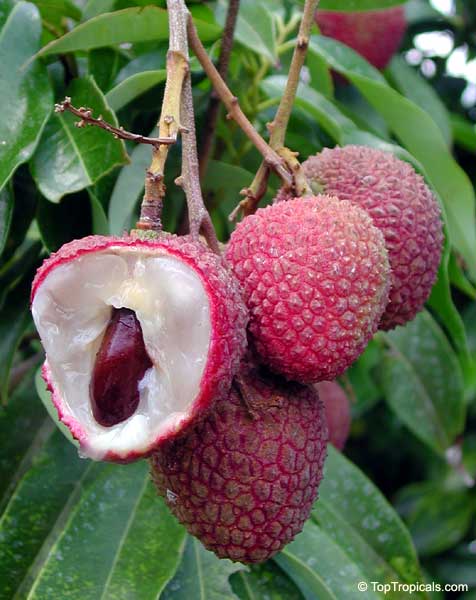
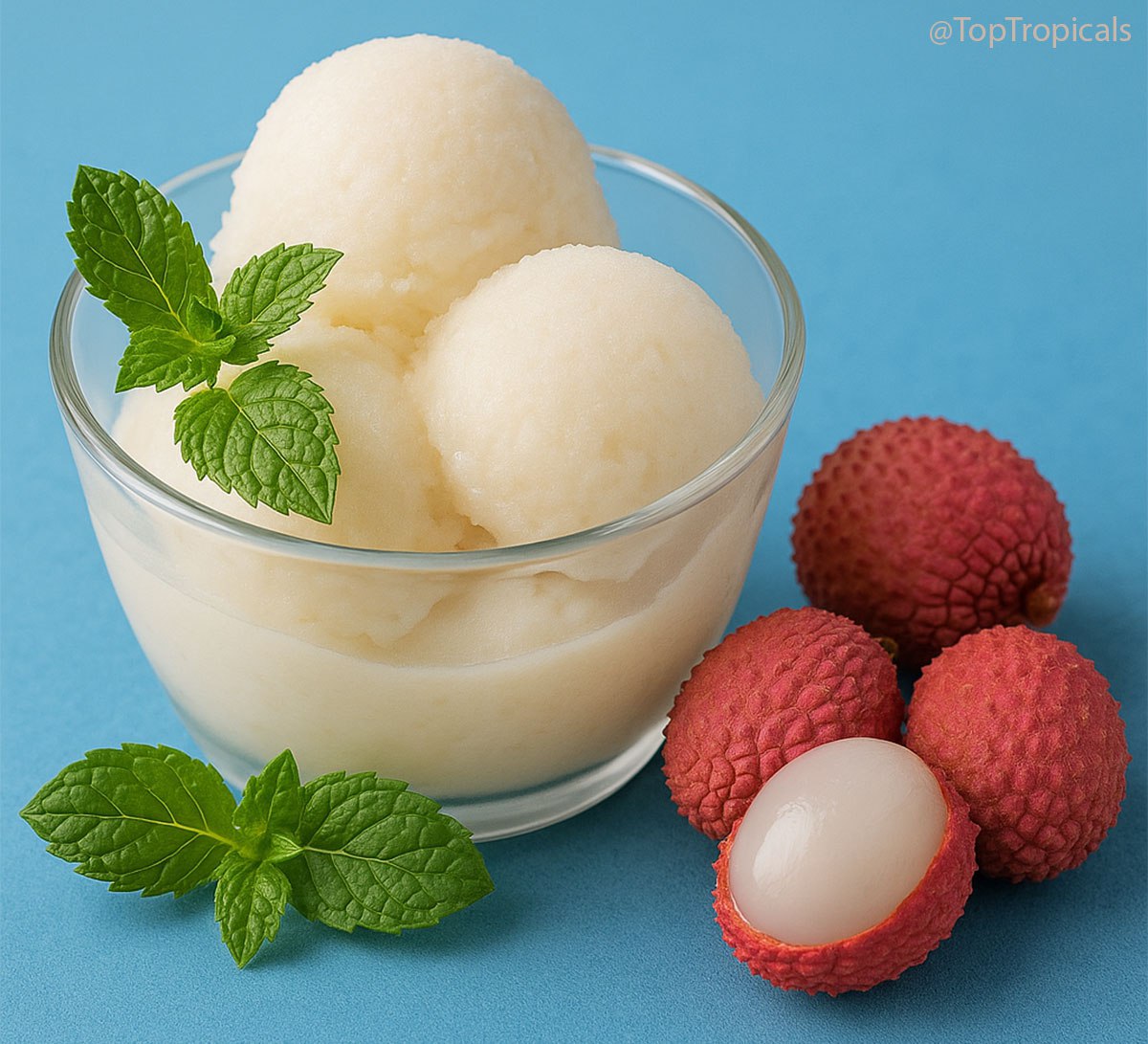
Lychee sorbet: quick-n-fun exotic recipes

Lychee - Litchi chinensis

Lychee - Litchi chinensis

Lychee sorbet

Lychee sorbet

🍴 Lychee sorbet: quick-n-fun exotic recipes


🔴Blend Lychee pulp with lime juice, freeze until firm.
🔴A refreshing tropical ice treat.

Lychee Sorbet Recipe

Ingredients

  • 3 cups fresh lychee flesh, peeled and seeded (or canned lychees, drained)
  • 1/3 cup sugar or honey
  • 2 tablespoons fresh lime juice
  • 1/4 cup cold water, as needed for blending
  • Fresh mint leaves for garnish (optional)

Instructions

  1. Prepare the lychees by peeling them, removing the seeds, and collecting the white flesh. If using canned lychees, drain them well.
  2. Place the lychee flesh, sugar or honey, lime juice, and 2 tablespoons of the cold water into a blender.
  3. Blend until completely smooth. If the mixture is too thick to move easily, add a little more water, 1 tablespoon at a time.
  4. Pour the mixture into a shallow freezer safe container. Cover tightly.
  5. Freeze for 2 to 3 hours, stirring with a fork every 30 to 45 minutes, until the sorbet is firm but scoopable.
  6. Scoop into bowls and garnish with fresh mint leaves and extra lychee fruit if desired. Serve immediately.

🛒 Plant your Lychee tree - Litchi chinensis

📚 Learn more:


How long until I get fruit from my Lychee tree?
Why I can't grow a Lychee tree from a seed?
How to grow a Lychee tree and have a reliable crop. Practical Guide to Growing Lychee.
What are the best varieties of Lychee Tree?
What is the best fruit in the world? How to grow your own Lychee tree.

#Food_Forest #Recipes

🟢 Join 👉 TopTropicals

Date: 6 Dec 2025

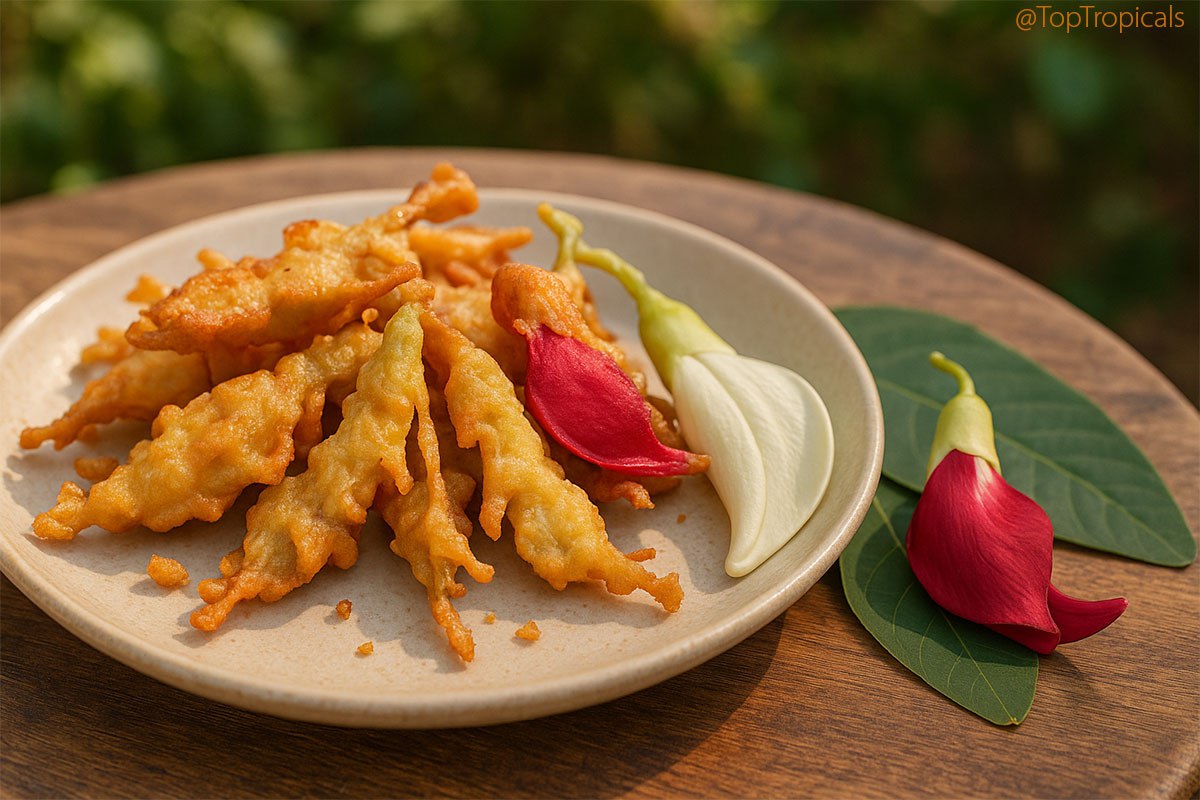
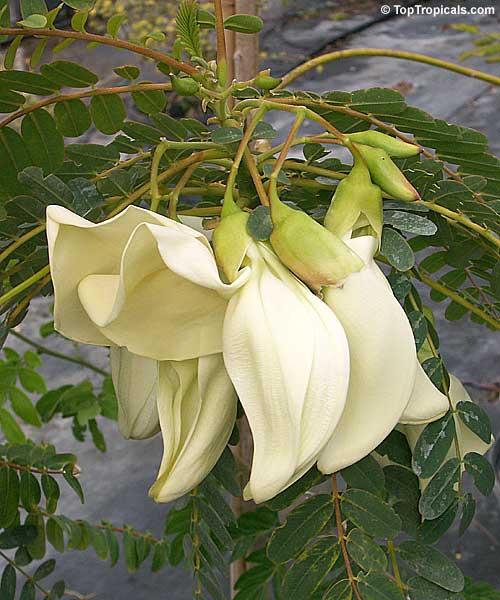
Sesbania flower fritters: quick-n-fun exotic recipes

Sesbania flower fritters: quick-n-fun exotic recipes Sesbania flower fritters: quick-n-fun exotic recipes Sesbania flower fritters: quick-n-fun exotic recipes

🍴 Sesbania flower fritters: quick-n-fun exotic recipes

🔴Delicate, floral, and fun to snack on.

Sesbania Flower Fritters

Ingredients

  • 1 cup fresh Sesbania flowers (Sesbania grandiflora), washed and trimmed
  • 1/2 cup all-purpose flour
  • 1/2 cup cold water
  • 1/4 teaspoon salt
  • Oil for frying

Instructions

  1. Rinse Sesbania flowers thoroughly and remove tough stems.
  2. In a bowl, mix flour, salt, and cold water to form a light batter.
  3. Heat oil in a pan over medium heat.
  4. Dip each flower into the batter, letting excess drip off.
  5. Fry until golden and crisp, about 1-2 minutes per side.
  6. Remove and drain on paper towels. Serve warm.

🛒 Add Hummingbird tree edible flowers tree to your garden

📚 Learn more:

Hummingbird Tree Plant Facts

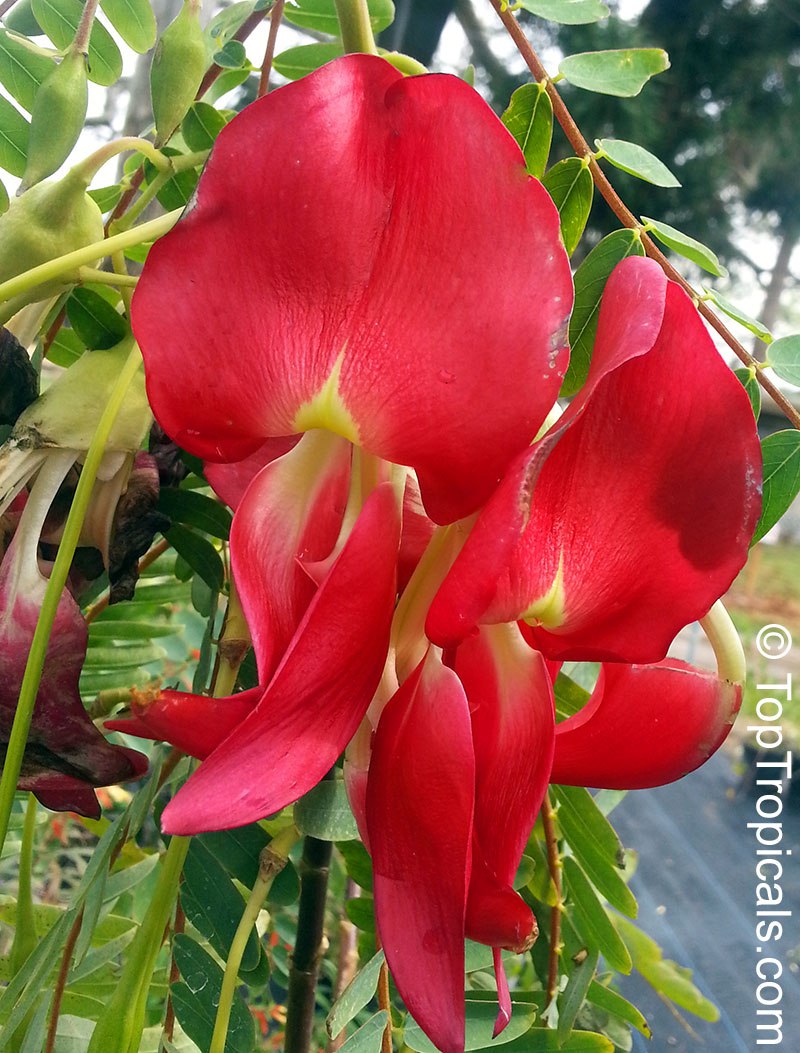
Botanical name: Sesbania grandiflora, Agati grandiflora
Also known as: Hummingbird Tree, Butterfly Tree, Agati
USDA Zone: 9 - 11
Highligths Small tree 10-20 ftSemi-shadeFull sunWatering: Regular. Let topsoil dry slightlyRed, crimson, vinous flowersWhite, off-white flowersEdible plantPlant attracts butterflies, hummingbirdsDeciduous plantEthnomedical plant.
Plants marked as ethnomedical and/or described as medicinal, are not offered as medicine but rather as ornamentals or plant collectibles.
Ethnomedical statements / products have not been evaluated by the FDA and are not intended to diagnose, treat, cure, or prevent any disease. We urge all customers to consult a physician before using any supplements, herbals or medicines advertised here or elsewhere.Flood tolerant plant
Get personalized tips for your region

Sesbania grandiflora in Plant Encyclopedia
Why it's called Hummingbird Tree
Bird-looking flowers: you can eat the whole tree

#Food_Forest #Recipes

🟢 Join 👉 TopTropicals

Date: 28 Dec 2025

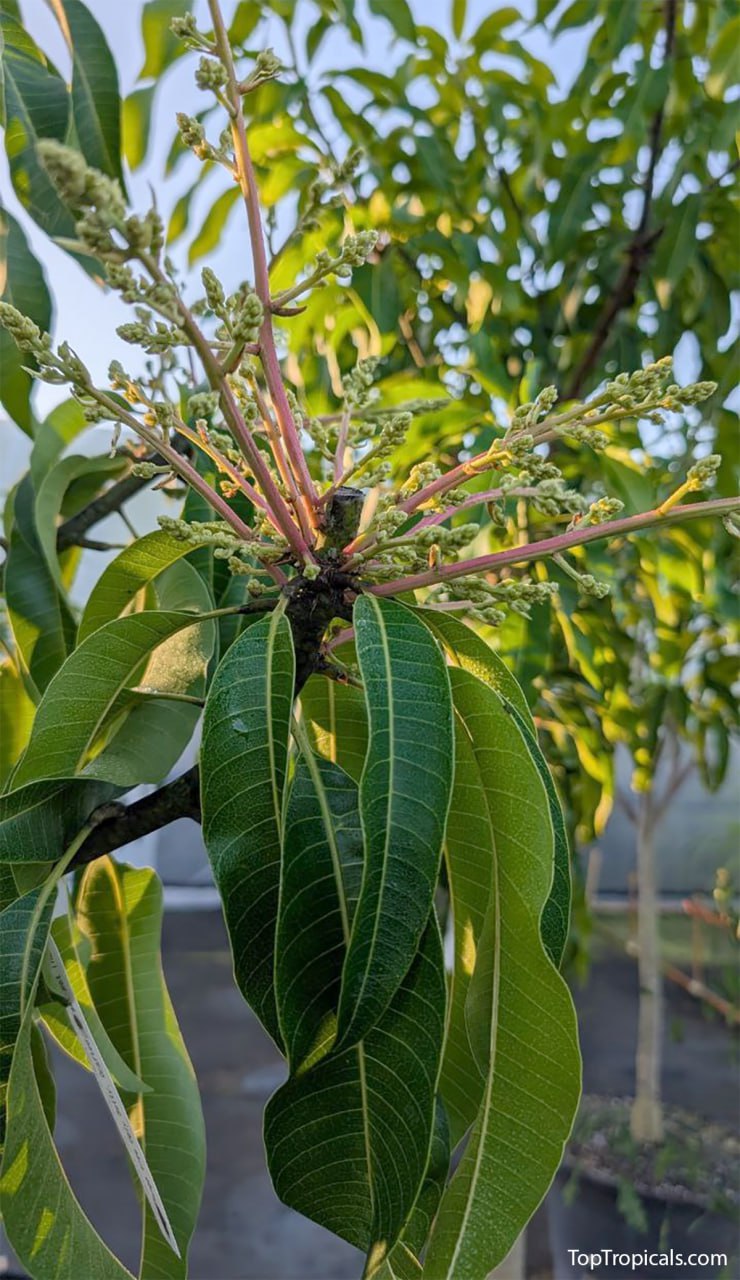
Mango tree tipping - Quick Field Guide: why it improves flowering and production

Mango tree tipping - Quick Field Guide

Mango tree tipping - Quick Field Guide

🥭 Mango tree tipping - Quick Field Guide: why it improves flowering and production


📊 Mango Tree Tipping - Quick Field Guide


It is mid-winter. While early mango varieties like Nam Doc Mai are already flowering, late varieties still have a month or two before they start. Trees such as Keitt, Honey Kiss, Kent, Venus, Beverly, Palmer, and Neelam bloom later in the season. In warm climates without expected cold snaps, this is still a good window for tipping before flowering begins. Tipping encourages more branching, more flower tips, and better fruit production. If cold weather is still possible, save this guide and tip after the risk of cold has passed - but always before the tree enters the flowering stage.

✔️ What tipping is


Tipping is the removal of the soft growing tip of a mango branch once it reaches about 20 inches long. This simple cut stops straight upward growth and forces the branch to split into multiple side shoots.

✔️ When to tip


· Young, actively growing trees
· After a flush hardens slightly (not brand-new soft growth)
· Warm weather when the tree is growing strongly
· Best during the training years, not heavy fruiting years

✔️ How to tip (step-by-step)


· Let a branch grow to about 20 inches
· Using clean pruners, remove 1-2 inches from the tip
· Cut just above a node (leaf joint)
· Do not cut into thick woody growth - this is a light heading cut

✔️ What happens next


· 2-4 new branches usually form below the cut
· The tree becomes shorter, wider, and stronger
· More branch tips = more flowering points
· Better light penetration inside the canopy

✔️ Why it improves flowering and production


· Mango flowers form at branch tips
· More branches = more tips
· A well-shaped tree puts energy into fruiting, not height
· Easier harvesting and long-term structure

❌ Common mistakes to avoid


· Letting branches get too long before tipping
· Tipping weak or stressed trees
· Over-tipping all at once (stagger cuts)
· Doing it right before cold weather
· Doing it too close to flowering

✍️ Simple rule to remember


→ grow 20 inches → tip → repeat
This builds a compact, productive mango tree from the start.

🛒 Explore mango trees

📚 Learn more:


Tipping mango trees
📱 Why tipping mango trees makes them fruiting machines (DIY Garden Tip)

#Food_Forest #Mango #How_to

🟢 Join 👉 TopTropicals