Date: 25 Jun 2021
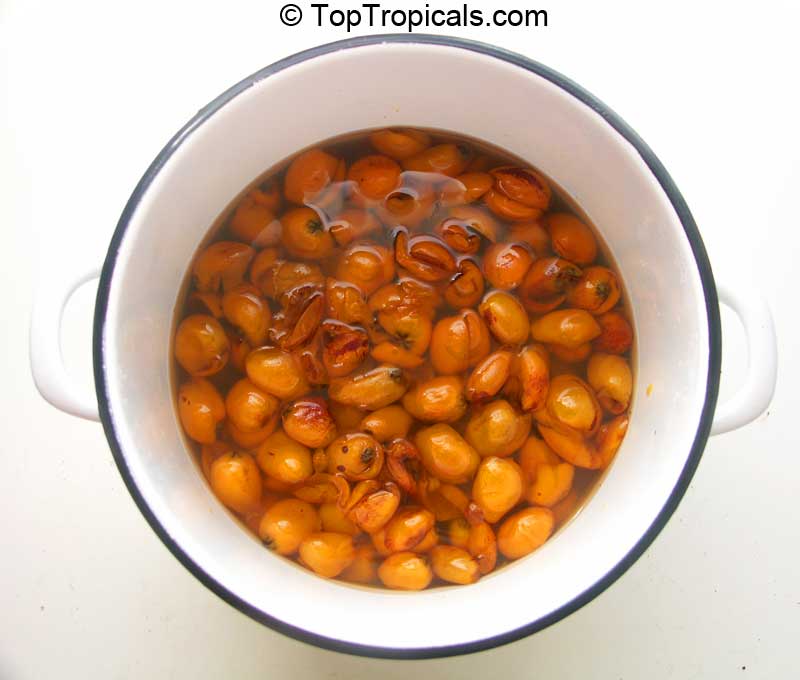
Kristi's Loquat Tropical BBQ sauce
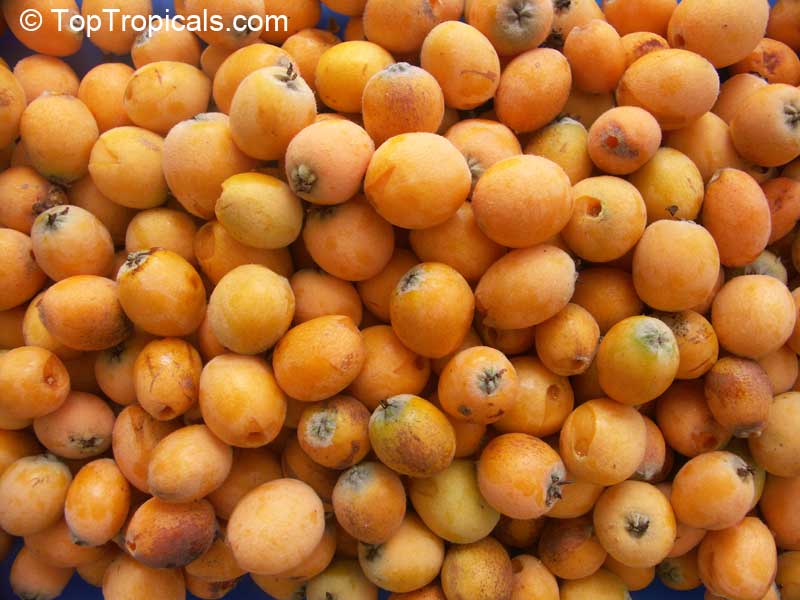
Loquat trees are famous for their abundant fruit production. Many customers who purchased this tree from us, soon end up with some serious crops and start asking if we have any special recipes for loquat fruit - because you can only eat so much out of hand! Here is our manager Kristi's favorite Loquat recipe - not only delicious and tropically-aromatic, but also good for you. Happy Tropical Meal!
Ingredients
2 lbs loquat fruit
- cup soft brown sugar
- cups malt vinegar
1 onion chopped - cloves garlic
1/2 tsp salt
1/2 tsp black pepper
1/4 tsp cayenne pepper
6 cloves whole or 1/2 tsp ground cloves
Instructions
Wash the fruit, cut them in half and remove stones. The loquats will
lose about a third of their weight once stoned (3 lbs of whole fruit = 2 lbs of fruit, stones removed). Add loquats and all remaining
ingredients to a large saucepan. Bring to a low boil, then simmer for about an hour, stirring occasionally. The liquid will have reduced quite a bit and the fruit
will be collapsed and very soft. Allow to cool slightly, then liquidize the sauce in a blender or a food processor. Be careful, hot sauce really
burns!
This delicious tropical sauce is great for any BBQ - with meats or fish. Enjoy!

Date: 22 Dec 2020
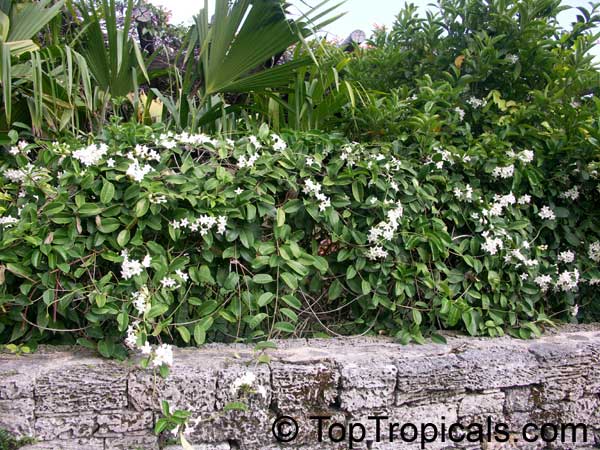
Growing Stephanotis and cold protection
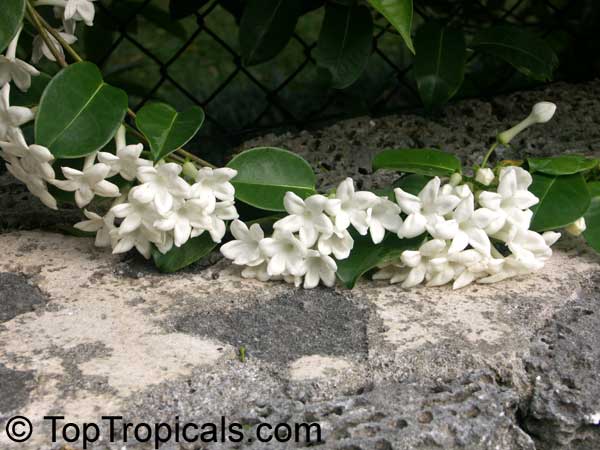
Q: I bought from you 3 plants Stephanotis How do I protect them from this low temperature now? I live in Ft Myers Beach.
A: In Ft Myers Beach, you have frost-free winters. You don't have to worry about cold protection for the Stephanotis. It is pretty cold hardy plant in spite of being a true tropical (it enjoys Hawaii environment for example). From our own experience, Stephanotis can even take a light frost for a short period of time without any damage.
You can keep this plant either in a pot or plant in the ground in a nice
sunny location for more profuse flowering. It can climb a tree, a fence, or a pagoda.
However, keep in mind that during cool weather you need to reduce amount of watering. Wet + cold is a bad combination for plants. Water
again only when the soil gets slightly dry. In summer time, extra water is not critical because it evaporates quickly with high temperatures.
Date: 29 Oct 2020
Healthy Plants. Q&A from Mr Booster: How to get Ylang Ylang to flowering
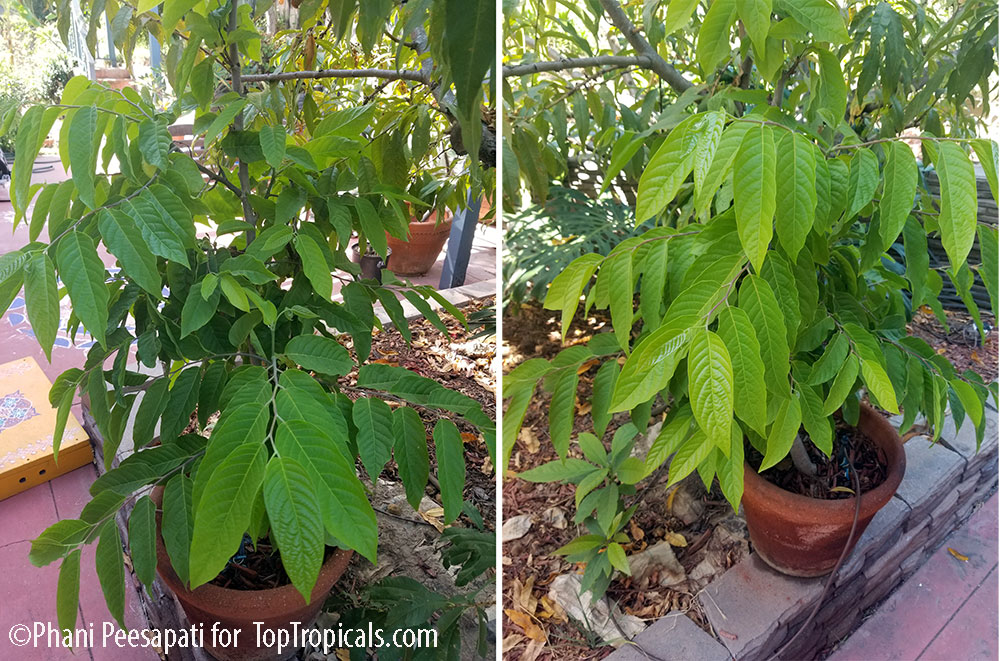
Q: I am writing in reference to my Ylang ylang tree. I purchased this from top tropicals a few years ago and although the plant is doing well, I don't see any flowers yet. Can you tell me when it will flower? Do I need to do something special for it to flower?
A: Cananga odorata, Ylany Ylang tree, takes a few years until it
starts flowering, hopefully it will bloom for you any time soon.
However, keep in mind that it may be a bit challenging for a potted plant.
In natural conditions, this is a large tree that requires lots of room not
only for the tree itself, but also for the root system. It is still possible to
get Cananga odorata to bloom in container, considering the plant has all
necessary nutrients for flowering. Here is the trick.
When grown in the ground, root system can reach out to all necessary elements in surrounding soil (considering soils are not too poor on necessary elements). In a pot, a supply of nutrients can be exhausted very quickly, so a quality fertilizer program is very important. Fertilizer must include all necessary nutrients in easy accessible (soluble) form, and a plant must have their constant supply for proper development.
SOLUTION:
prescribe Ylang Ylang tree the following combination of plant food:
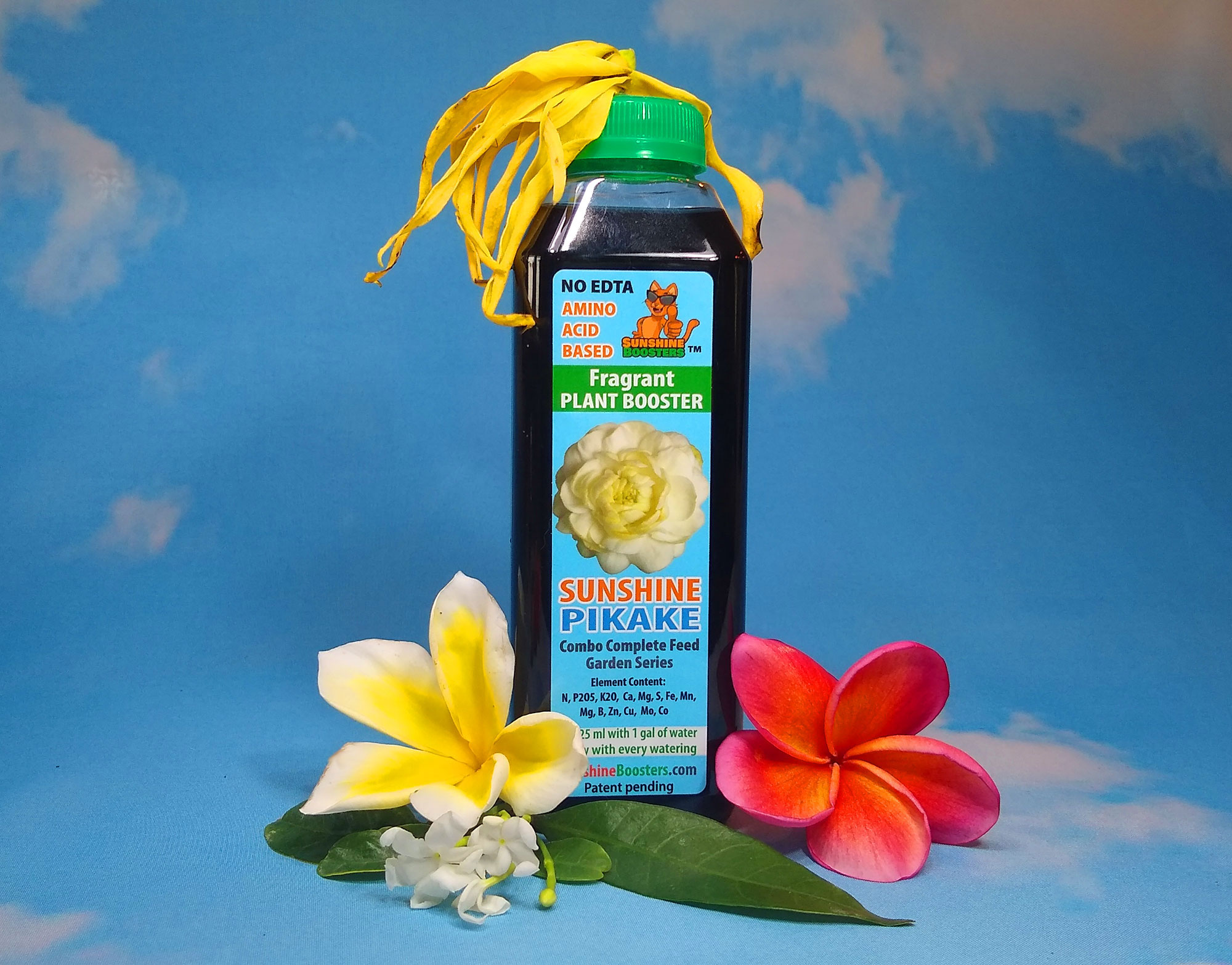
- SUNSHINE Pikake - Fragrant Flower Booster
It will provide well-balanced amounts of high absorption Phosphorus (P) and
Nitrogen (N), as well as Potassium (K) - to provide enough flowering energy
to the tree, plus a combination of all necessary micro-elements. It is safe
to apply this fertilizer as frequent as with every watering, including winter
time.
- SUNSHINE-Honey - sugar booster This supplement has a high content of elements Mo and B - once the tree starts getting them on regular basis (a few times a year, according to the label), it will trigger flower production.
You may also consider getting dwarf varieties of Ylang Ylang that starts
flowering in container right away:
Cananga fruticosa - Dwarf Ylang-Ylang
Currently these high demand plants are sold out, but new plants are
establishing and will be ready for sale within couple months. You may add your email
to wishlist ("Notify me when available") to get notification as soon as we
have it back in stock.
Ylang Ylang vines also start flowering within a year.
Date: 12 Sep 2019
Helping Citrus and other fruit trees with Nutritional Supplements
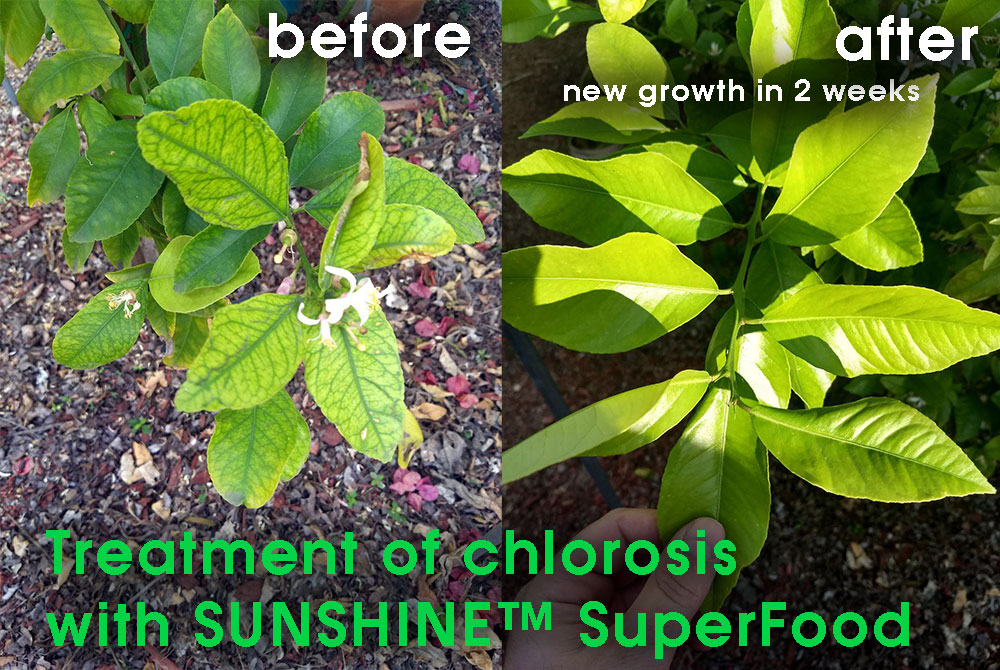
Q: Can you recommended a product to help with my citrus? Combating greening and chlorosis.
A: Citrus greening is spread by an insect called the Asian citrus psyllid. The psyllid feeds on the stems and leaves of the trees, infecting the trees with the bacteria that causes citrus greening. Florida Citrus growers dedicated the last decade to researching citrus greening. Officially, currently there is still no cure, however, some Nutritional solutions have shown promising results. To slow the progression of citrus greening in infected trees, nutrients are applied to the leaves and to the roots. Providing better nutrition helps trees fight against citrus greening and enables them to continue to produce quality fruit.
We recommend the following products for use on regular basis:
SUNSHINE Epi is a natural Brassinosteroid plant hormone and a bio-stimulant that may be very effective as citrus greening treatment. It works through plant's immune system and shows amazing results of recovery of weak and sick plants.
SUNSHINE Superfood, a complex micro-element supplement, maintains plant's health and provides vigorous growth.
SUNSHINE-Honey is a basic nutritional complement, it contains essential plant micronutrients Boron (B) and Molybdenum (Mo). These elements are essential to vegetative and reproductive growth, cell expansion, tissue growth, and fertility. A very common problem for most unimproved garden soils is lack of Molybdenum and Boron as soil micro-component. This results in underdeveloped / low quality fruit and/or premature fruit drop. Applying SUNSHINE Honey on your fruit trees will fill that gap and help a fruit tree to form a healthy fruit.
Macro-nutrients should be applied in combination with micro-nutrients on regular basis:
Mango-Food - Smart Release Fruit Tree Booster (works great for all
tropical fruit trees)
Fruit Festival Plant Food - Ideal blend designed to improve fruit trees
health and vigor, and increase crop yield.
See SUNSHINE Boosters page for the complete list of plant boosters.
Date: 19 Jul 2019
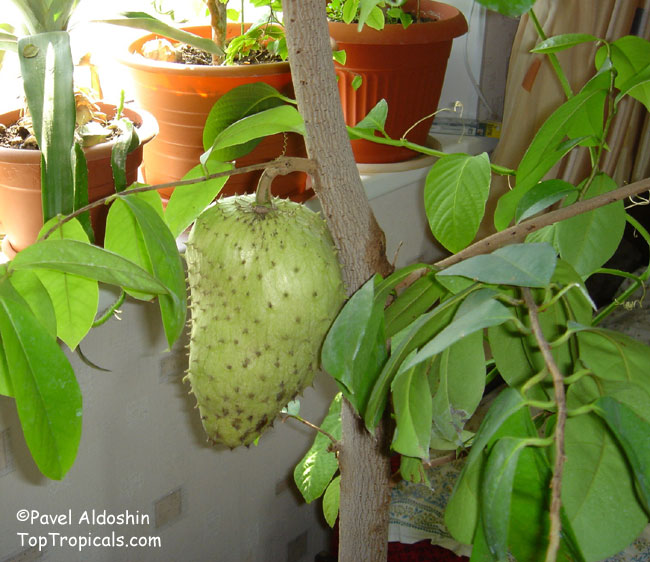
How to grow Soursop in a pot
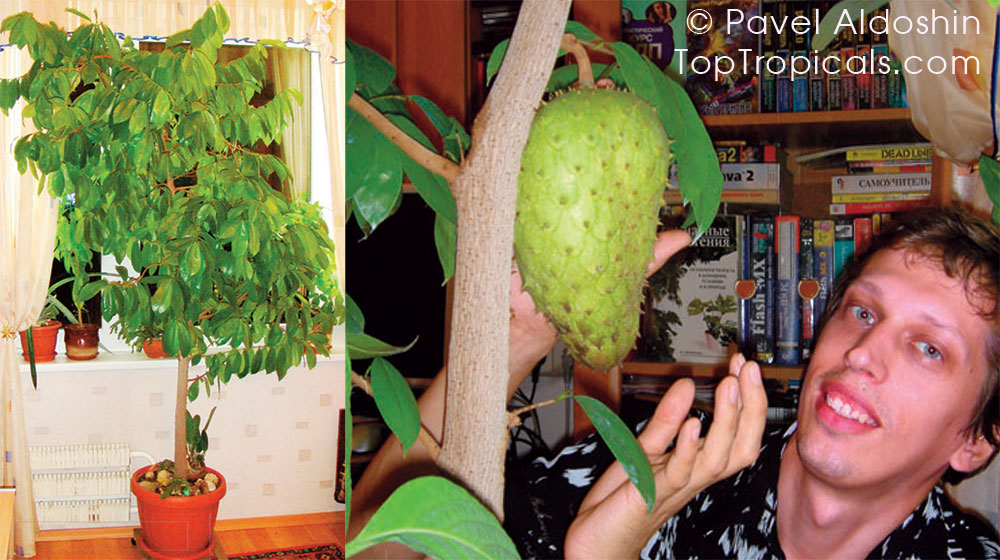
Q: Is it possible to grow soursop in a large pot for life?
A: Soursop, or Guanabana - Annona muricata - is actually one of those tropicals fruit trees that
can be easily cultivated in a container. Most plants of genus Annona have compact nature, and these fruit trees usually start
production at a young age, as early as 3 years from seed. Annona muricata
seedlings take a little longer to fruit, this is why we offer grafted trees, which can start producing right away.
We have a very interesting article about growing Soursop in an
apartment. The article was written by an indoor gardener who lives in a very small
apartment in Moscow, Russia. He grew this tree from seed and after years of
cultivation fun, he finally got several large delicious fruit! It is an amazing
story. We have it published in our Tropical Treasures magazine, download the whole issue #7, get a hard copy, or you may download PDF file of the single article.
Recommended fertilizers and supplements:
Fruit Festival Plant Food - Super Crop Booster
Mango-Food - Smart Release Fruit Tree Booster
SUNSHINE-Honey - sugar booster